- What Are PP Woven Fabric Bags? Aliases, Features, Process, and Uses
- Why PP Woven Fabric Bags Solve Real‑World Problems
- Manufacturing Logic for PP Woven Fabric Bags: Problem → Method → Result → Discussion
- Material Architectures for PP Woven Fabric Bags: Comparative Reasoning
- Performance Engineering of PP Woven Fabric Bags: From Pellet to Pallet
- Customization Spectrum of PP Woven Fabric Bags (With Use‑Case Intent)
- Industry Scenarios Where PP Woven Fabric Bags Excel
- Parameters & Details Table for PP Woven Fabric Bags
- Supplier Evaluation Checklist for PP Woven Fabric Bags
- Case Notes and Comparative Studies on PP Woven Fabric Bags
- Integrated Specification Pathway for PP Woven Fabric Bags
- What Are PP Woven Fabric Bags? Aliases, Features, Process, and Uses
- Framing the Problem: Why PP Woven Fabric Bags Outperform in the Real World
- Method: Turning Requirements into a Specification for PP Woven Fabric Bags
- Aesthetics Meet Function: Matte, Pearlescent, or Clear on PP Woven Fabric Bags?
- Performance Engineering of PP Woven Fabric Bags
- Industry Scenarios Where PP Woven Fabric Bags Excel
- Parameters and Details for PP Woven Fabric Bags
- Sourcing & RFQ Logic for PP Woven Fabric Bags (Problem → Method → Result → Discussion)
- Integrated View: From Sub‑Problems to a Coherent System
- References (Selected, non‑CNC)
What Are PP Woven Fabric Bags? Aliases, Features, Process, and Uses
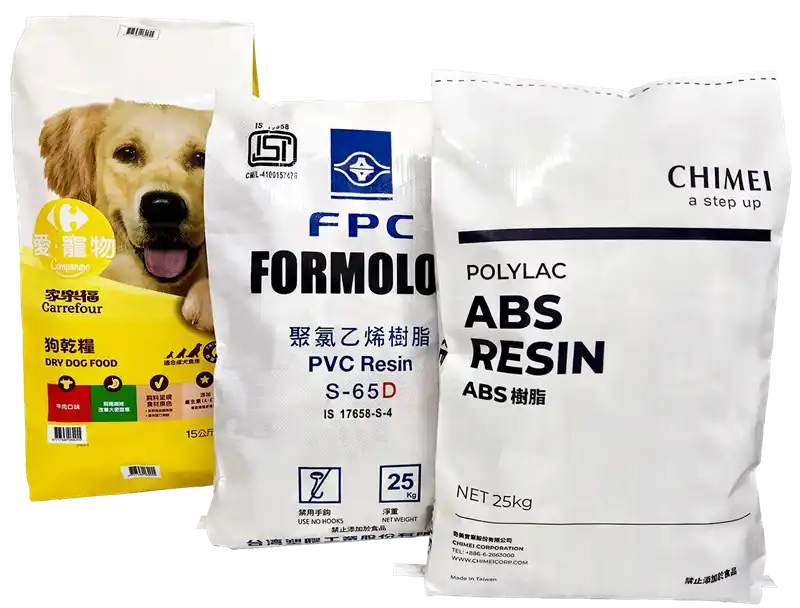
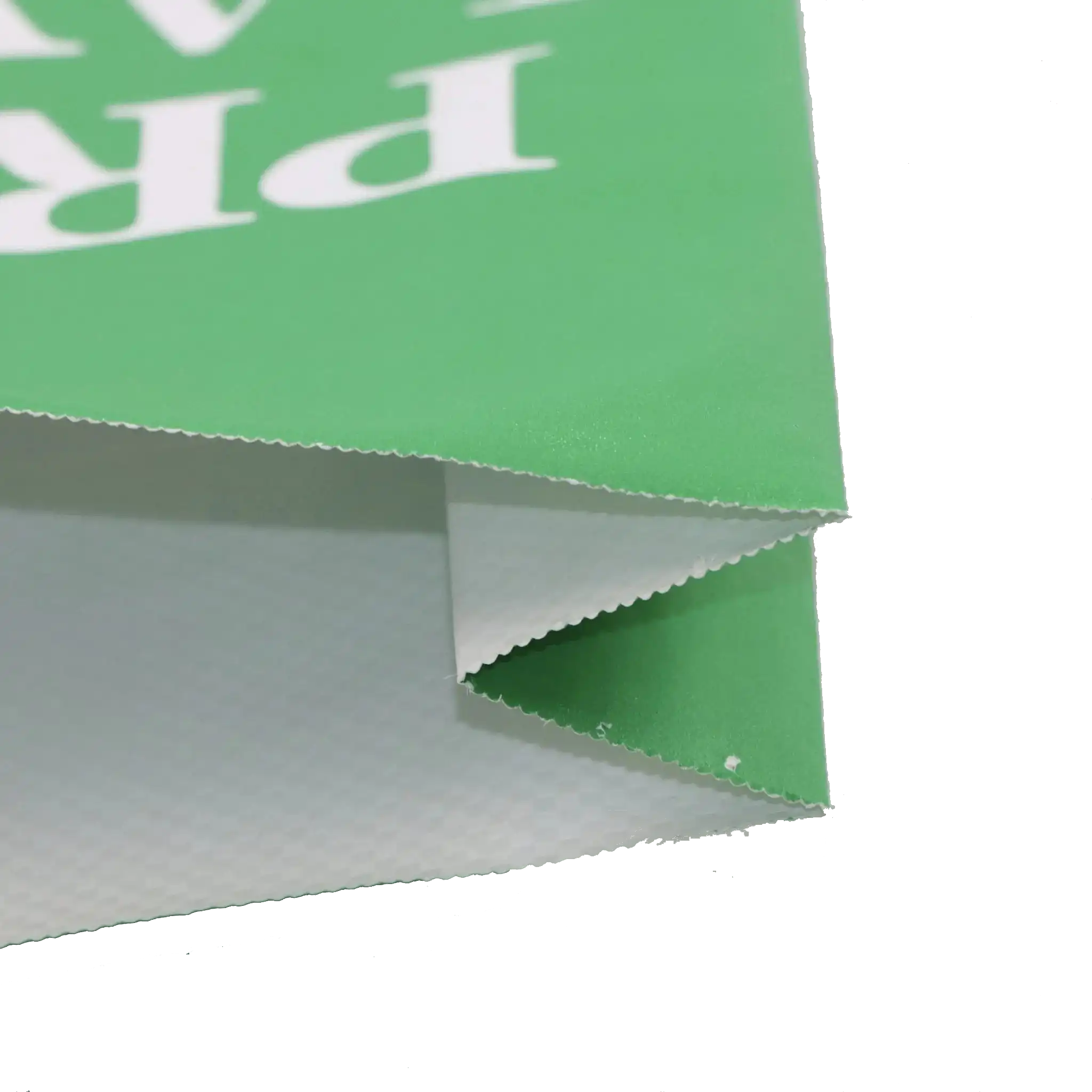
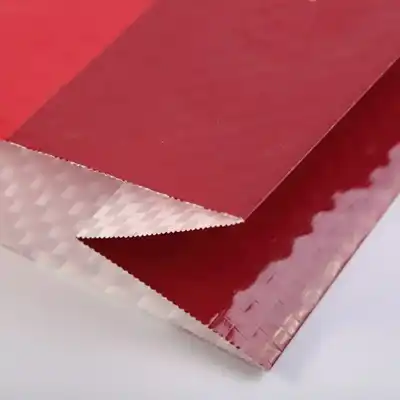
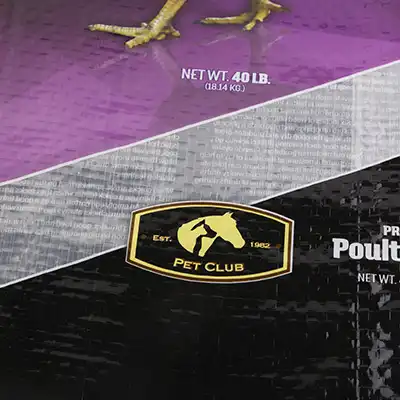
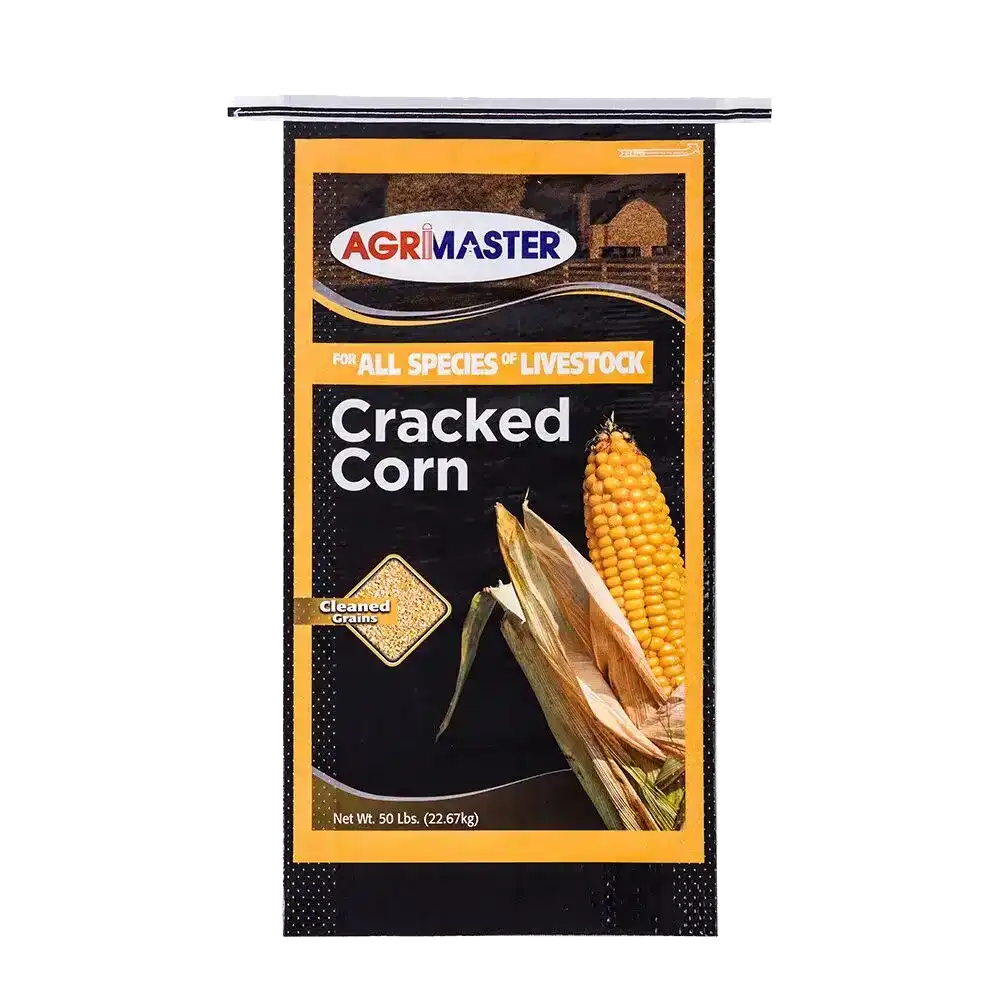
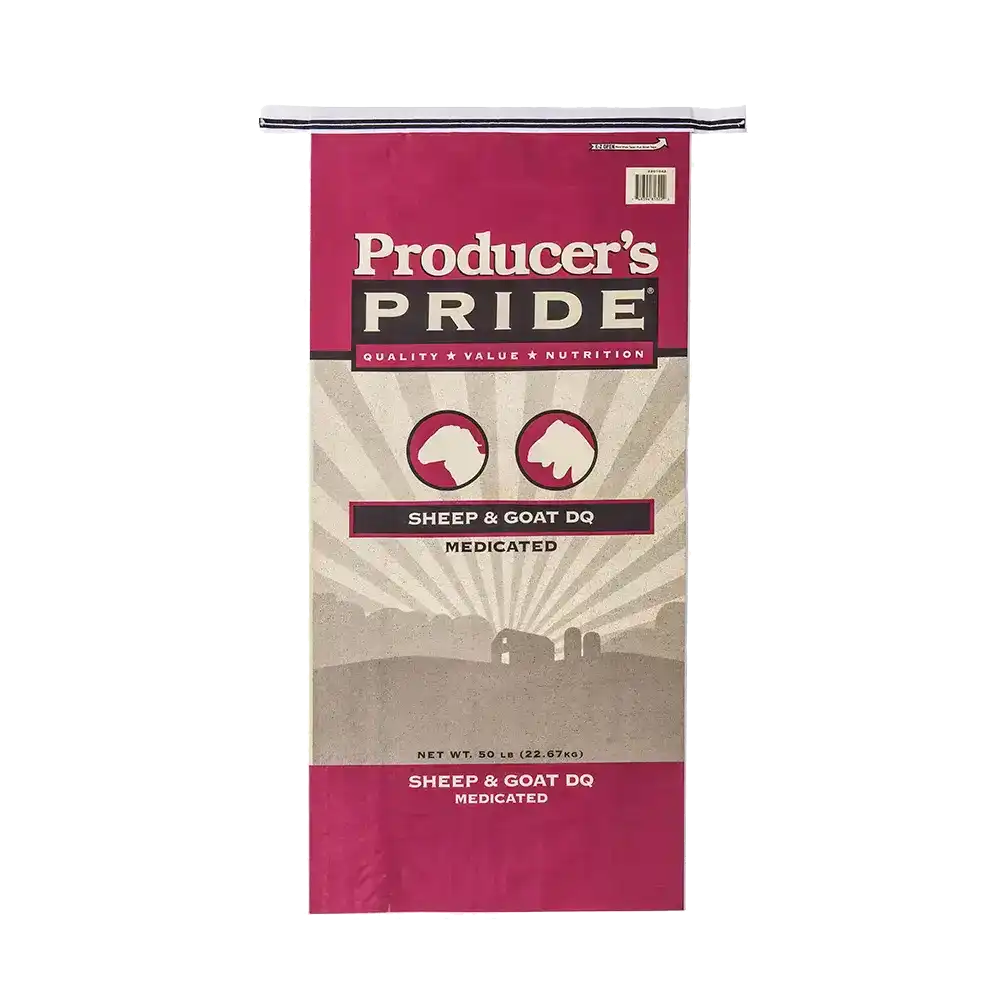
PP Woven Fabric Bags are industrial and retail‑grade sacks engineered from flat polypropylene tapes woven into a fabric and then converted into robust packaging formats. In different markets you may encounter the same platform under aliases such as PP woven sacks, polypropylene woven bags, laminated PP bags, BOPP‑laminated woven bags, and block‑bottom valve sacks. All of these names point to a single truth: a woven PP substrate that carries load efficiently while a coating or film manages moisture and enables durable graphics.
Features of PP Woven Fabric Bags. High tensile‑to‑mass efficiency; dependable puncture and tear resistance; low creep in storage; engineered friction via anti‑slip stripes or micro‑emboss; moisture moderation through PP coating, BOPP lamination, or liners; reverse‑printed, photo‑grade artwork protected under film; broad customization (micro‑perforation, EZ‑open tapes, handles, windows, UV packages).
How PP Woven Fabric Bags are made. PP resin → tape extrusion and stretching → circular/flat‑loom weaving → surface treatment (corona/primer) → reverse printing on BOPP film (when specified) → extrusion lamination or coating → slitting, tubing, and gusseting → conversion (sewn open‑mouth, pinch‑bottom pasted, or block‑bottom valve) → functionals (anti‑slip, micro‑perfs, liners) → quality control and documentation.
Where PP Woven Fabric Bags are used. Staple grains and rice, flour and sugar, animal feed and pet food, fertilizers and seeds, cement and dry‑mix, salts and minerals, plastic pellets and additives, and selected regulated chemicals. Wherever pallets must ship square, graphics must survive handling, and claims must be rare, PP Woven Fabric Bags thrive.
For a concise product overview and visual examples, see this anchor: PP Woven Fabric Bags.
Why PP Woven Fabric Bags Solve Real‑World Problems
Spillage is not only a mess—it is margin leaking onto the floor. Dust is not only a nuisance—it is a safety and compliance risk. A beautiful print that scuffs in transit does not sell; a square pallet that slides does not arrive intact. PP Woven Fabric Bags address this tangle of pains at once. The woven lattice carries the mechanical burden, the film shields the story, anti‑slip patterns choreograph friction, and micro‑perforation releases air without releasing product. Do you want strength or beauty? In this platform, you can have both.
Parallel reasoning (strength • safety • shelf). Strong enough to survive clamp trucks; safe enough to stack high; sharp enough to earn trust at retail. This triad is why PP Woven Fabric Bags dominate heavy, dusty, or display‑sensitive categories.
Manufacturing Logic for PP Woven Fabric Bags: Problem → Method → Result → Discussion
1) Resin Selection and Tape Extrusion
Problem. Tapes must draw cleanly, exhibit low creep, and keep width/thickness variation tight, while certain SKUs must remain suitable for intended food contact.
Method. Choose PP grades aligned to target melt flow; extrude through a T‑die, quench, slit, orient in the machine direction, then heat‑set. Common tape denier ranges for PP Woven Fabric Bags are 600D–1500D with widths typically 2.0–3.0 mm depending on GSM and weave density.
Result. Uniform tapes that weave without fuzzing, resist long‑term stretch, and deliver predictable tensile behavior.
Discussion. The extrusion window sets the stage for downstream stability. Poor draw ratios today become broken tapes tomorrow.
2) Weaving on Circular or Flat Looms
Problem. Fabric must meet GSM and weave specs while maintaining a smooth, printable face and consistent tube diameter.
Method. Use 6–10 shuttle circular looms for tubular fabric or flat looms for back‑seam constructions. Control picks per inch, warp tension, and loom speed; adopt auto doffing to limit edge scuff.
Result. Fabric ranges that serve the majority of bag sizes: ~65–200 gsm with 10×10 to 14×14 weaves common for 25–50 kg duties.
Discussion. Denser weaves (12×12–14×14) improve print laydown and raise tensile strength, allowing lighter films without sacrificing appearance.
3) Printing on BOPP (Reverse)
Problem. Surface‑printed graphics scuff; ink can smear; barcodes can fade.
Method. Reverse rotogravure up to 8–10 colors on 18–25 µm BOPP; keep surface energy ≥38 dynes; orchestrate matte/gloss to manage reflections; guard barcode quiet zones.
Result. High‑fidelity art protected beneath film; color integrity across long routes; scan‑ready codes.
Discussion. When film is the friction surface—not the ink—graphics last. It’s aesthetic armor.
4) Extrusion Lamination (Bonding Film to Fabric)
Problem. Under‑bonding leads to delamination; over‑bonding telegraphs fabric texture and wastes mass.
Method. Cast a PP‑based tie between film and fabric at controlled melt temperature, air gap, nip force, and coat weight (≈12–23 gsm typical). Chill‑roll profile governs curl.
Result. Flat laminates with stable peel strength and clean edges; graphics resist rubs while the fabric skeleton remains readable at QC.
Discussion. A laminate is a sandwich: the tie layer must be present, not dominant.
5) Slitting, Tubing, and Gusseting
Problem. Ragged edges and asymmetric gussets cascade into crooked stacks and bagger jams.
Method. Precision slitting blades; mirrored gussets sized to the pallet pattern; camera checks for lay‑flat width and run‑out.
Result. Square tubes that convert cleanly and land as brick‑like pallets.
Discussion. A millimeter error here can become a full‑truck rework there.
6) Bag Conversion Formats
Problem. Match the bag’s form to the product’s physics and the line’s speed.
Method. Open‑mouth sewn (grains/feeds); pinch‑bottom pasted (retail‑visible); block‑bottom valve (powders needing de‑aeration). Stitch density, crepe tape, and EZ‑open cords are tuned to use case.
Result. Fewer rejects, smoother fills, safer stacks.
Discussion. Geometry is part of performance, not an afterthought.
7) Functional Finishes
Problem. Balance line throughput, pallet safety, and user experience.
Method. Micro‑perfs (hot‑needle/laser) tuned by holes per square inch and diameter; anti‑slip stripes or micro‑emboss targeting pallet‑face COF ≥0.5–0.6 while keeping machine‑face COF lower; handles, windows, tear tapes, and liners as needed.
Result. Bags that slide when they should, grip when they must, and open without knives.
Discussion. A thin stripe of lacquer can save a load of goods.
8) Quality Control and Documentation
Problem. Buyers need proof—not promises—that performance is repeatable.
Method. Film tensile/impact/friction tests, laminate peel, seam strength, filled‑bag drop and stack simulations, migration for food SKUs, and declarations on heavy‑metals totals and substance restrictions where applicable.
Result. Auditable evidence that PP Woven Fabric Bags will survive depots, yards, and sea containers.
Discussion. Compliance is best designed in, not tested in.
Material Architectures for PP Woven Fabric Bags: Comparative Reasoning
PP Woven + BOPP Laminate (PP//PP). Photo‑grade print under film; good moisture moderation; mono‑polyolefin structure aids recyclability in PP streams where available. Ideal for pet food, premium rice, and export‑retail brands.
PP Woven + Extrusion Coating. Economical moisture protection without full film; suited to commodity SKUs where scuff visibility is less critical.
PP Woven + PE Liner (PP//PE). Adds barrier and heat‑sealability for hygroscopic powders or regulated chemicals; liner design (loose, shaped, tacked) balances hygiene and cost.
Paper‑Poly (Kraft//PP woven). Paper face delivers tactile warmth and stiffness; woven layer contributes tear and puncture strength; composite resists yard humidity better than paper alone.
Trade‑offs at a glance. Paper breathes and prints beautifully but dislikes rain; monolayer PE seals cleanly but punctures more easily under point loads; PP Woven Fabric Bags retain puncture resistance and stack geometry while enabling brand‑grade print via BOPP.
Performance Engineering of PP Woven Fabric Bags: From Pellet to Pallet
Tensile & tear. Denser weaves (12×12–14×14) and proper tape denier (900D–1500D for heavy duty) maximize strength per gram and reduce stitch pull‑outs.
Puncture. Woven fabric disperses point loads across multiple tapes; lamination adds a scuff‑resistant skin.
Friction management. Asymmetric COF design—high on pallet face, lower on machine face—keeps stacks stable without choking conveyors.
Venting. Laser or hot‑needle micro‑perfs release air in powders; too few holes cause pillow bags; too many invite dusting.
Stack geometry. Gussets and block‑bottom bases determine how “brick‑like” a stack becomes; geometry is a logistics lever.
Graphics durability. Reverse‑printed film guards ink; matte/gloss orchestration hides minor scuffs while retaining brand tone.
Compliance guardrails. Food‑intent SKUs require migration testing to established frameworks; substance declarations (e.g., heavy‑metals totals, non‑intent SVHC statements) increasingly appear in tenders.
Customization Spectrum of PP Woven Fabric Bags (With Use‑Case Intent)
Aesthetics. Matte for a paper‑like, anti‑glare presence; pearlescent for luminous “premium” blocking; clear windows for product‑as‑proof. Each can share the same structural backbone.
Geometry. Retail 5–10 kg, industrial 25–50 kg; lay‑flat widths ~300–1200 mm; gussets 50–150 mm each side; open‑mouth, pinch‑bottom, or block‑bottom valve.
Functionals. Anti‑slip stripes targeting pallet‑face COF ≥0.5–0.6; micro‑perfs tuned to product and bagger BPM; handles, EZ‑open, reclose features; liners for barrier/seal.
Sustainability. All‑PP constructions support PP‑stream recycling where infrastructure exists; design for disassembly in paper‑poly hybrids; gauge optimization reduces footprint without compromising performance.
Want quick specs plus examples? Visit the anchor: PP Woven Fabric Bags.
Industry Scenarios Where PP Woven Fabric Bags Excel
Agriculture (rice, grains, flour).
- Problem. Humidity and handling scuff paper; blown PE sacks puncture at corners; pallets must stack by the ton.
- Solution. PP Woven Fabric Bags with BOPP laminate, anti‑slip stripes, and EZ‑open cords; clear windows for grade confidence.
- Result. Square stacks through monsoon seasons; clean depots; fewer claims.
Pet food & animal nutrition.
- Problem. Heavy, oily kibble requires durable faces and readable nutrition panels.
- Solution. Matte‑BOPP‑laminated PP Woven Fabric Bags with high‑contrast print and micro‑perfs sized to the fill rate.
- Result. Premium shelf presence; first‑pass barcode scans; strong reorders.
Fertilizers & seeds.
- Problem. Granules are abrasive; outdoor storage and clamp handling are common.
- Solution. UV‑stabilized fabric, block‑bottom valves, and anti‑slip pallets in PP Woven Fabric Bags.
- Result. Pallets that ride safely; brands that survive the yard.
Cement & dry‑mix.
- Problem. Powders trap air and pillow; moisture is the enemy; brick‑like pallets are mandatory.
- Solution. Block‑bottom valve PP Woven Fabric Bags with vent patches and tuned micro‑perfs; matte films to hide scuff.
- Result. Faster lines, tighter stacks, cleaner trucks.
Salts, minerals, resins.
- Problem. Angular particles puncture films; dust and abrasion are constant.
- Solution. Laminated PP Woven Fabric Bags with denser weave and stiffer faces; optional liner for hygiene.
- Result. Fewer leaks, legible labels after long hauls.
Parameters & Details Table for PP Woven Fabric Bags
| Attribute | Typical Range / Options | Why it matters |
|---|---|---|
| Bag types | Open‑mouth sewn; Pinch‑bottom; Block‑bottom valve | Match format to product flow and line speed |
| Capacity | 5, 10, 25, 50 kg | Density drives geometry and pallet pattern |
| Lay‑flat width | ~300–1200 mm | Circular or back‑seam tubes |
| Length | ~450–1000 mm | Payload & pallet fit |
| Gusset (each side) | 50–150 mm | Squareness and cube efficiency |
| Fabric GSM | ~65–200 gsm | 90–140 gsm common for 50 kg duty |
| Weave | 10×10; 12×12; 14×14 | Denser weave → smoother print & higher tensile |
| Tape denier | ~600D–1500D | Strength & creep control |
| Film type | BOPP (matte / pearlescent / clear) 18–25 µm | Print fidelity & scuff management |
| Tie‑coat | ~12–23 gsm | Bond without curl/telegraph |
| COF target (pallet face) | ≥0.5–0.6 | Pallet stability with conveyor glide on machine face |
| Micro‑perfs | Tuned holes/in² & diameter | Air release vs. dust balance |
| UV package | 200–1600 h lab rating | Match storage exposure |
| Liners | LDPE/LLDPE/HDPE | Barrier & heat‑seal options |
| Stitching | 2‑thread + crepe tape; EZ‑open | Clean opening, secure seam |
| Tests | Film (tensile/impact/COF); Bag (drop/stack) | Verifies performance and repeatability |
Ranges mirror live supplier catalogs; numbers are finalized by line trials and SPC.
Supplier Evaluation Checklist for PP Woven Fabric Bags
- Data, not declarations. Ask for COAs covering dyne, peel, COF, GSM, and dimensions; request peel histograms and COF by face.
- Process control. Probe lamination coat weight control, chill‑roll maintenance, and on‑line dyne checks.
- Aesthetics. Compare matte/pearlescent/clear using the same artwork; check ΔE across reprints; rub‑test after simulated clamp cycles.
- Geometry discipline. Verify lay‑flat width and gusset symmetry under vision checks; inspect block‑bottom squareness.
- Compliance packet. For food SKUs, review migration files aligned to widely used frameworks; for all SKUs, request substance declarations and heavy‑metals totals where applicable.
- Qualification plan. Sample → pilot on your line → drop/stack/COF → sign‑off with CTQs and agreed SPC cadence.
Case Notes and Comparative Studies on PP Woven Fabric Bags
Data‑strengthened observation. Plants that moved from 10×10/95 gsm to 12×12/110 gsm fabrics on PP Woven Fabric Bags often reported lower stitch failures (>30% reduction) with a single‑digit resin increase—an efficiency upgrade rather than a cost surge.
Case A — Retail rice with windows. The brand replaced coated fabric sacks with clear‑window, matte‑laminated PP Woven Fabric Bags. Results: cartons eliminated on two SKUs; barcode first‑pass scan rate improved; pallets stayed upright in coastal depots due to anti‑slip stripes.
Case B — Fertilizer in humid storage. Switching to UV‑stabilized fabric and block‑bottom valve PP Woven Fabric Bags with vent patches reduced ballooning and leaning events; clamp‑handling damage dropped after COF engineering.
Compare — Paper multi‑wall vs. PP Woven Fabric Bags. Paper presents beautifully but absorbs humidity and scuffs; PP Woven Fabric Bags keep graphics legible after rain‑exposed yards and resist edge wear during clamp operations.
Compare — PE heavy‑duty film vs. PP Woven Fabric Bags. PE seals hermetically and suits high hygiene; PP Woven Fabric Bags deliver better puncture resistance and de‑aeration control at similar mass—key for cement, fertilizer, and mineral lines.
Integrated Specification Pathway for PP Woven Fabric Bags
Start from physics (density, fineness, flow). Choose geometry (open‑mouth vs. block‑bottom valve). Set fabric (GSM, weave, denier). Select film (matte/pearlescent/clear) and lamination (gauge, tie). Engineer friction asymmetrically and venting precisely. Validate with film and bag tests. Lock CTQs, then maintain with SPC. Do this, and PP Woven Fabric Bags stop being a purchase and become a predictable system.
What Are PP Woven Fabric Bags? Aliases, Features, Process, and Uses
PP Woven Fabric Bags are heavy‑duty sacks made from oriented polypropylene (PP) tapes woven into a fabric and converted into industrial or retail formats. In trade catalogs you will also see PP woven sacks, polypropylene woven bags, laminated PP bags, and BOPP‑laminated woven bags—different names, one engineering idea: a woven PP skeleton that carries load while a coating or film protects graphics and moderates moisture.
Features of PP Woven Fabric Bags. High tensile‑to‑weight efficiency; reliable puncture and tear resistance; low creep in long storage; controllable friction with anti‑slip lacquers or micro‑emboss; moisture moderation via PP coating, BOPP laminate, or liners; photograph‑grade reverse printing sealed under film; broad customization (micro‑perforation, handles, windows, EZ‑open tapes, UV packages).
How they are produced. PP resin → flat‑tape extrusion and stretching → circular/flat‑loom weaving → surface preparation (corona/primer) → reverse printing on BOPP (when specified) → extrusion lamination or coating → slitting, tubing, and gusseting → conversion (open‑mouth sewn, pinch‑bottom pasted, or block‑bottom valve) → functionals (anti‑slip, micro‑perfs, liners) → quality and compliance checks.
Where PP Woven Fabric Bags are used. Rice and staple grains, flour and sugar, animal feed and pet food, fertilizers and seeds, cement and dry‑mix, salts and minerals, plastic pellets and additives, and selected regulated chemicals—scenarios where clean pallets, square stacks, and durable graphics matter.
For a concise product explainer and visual examples, see this anchor: PP Woven Fabric Bags.
Framing the Problem: Why PP Woven Fabric Bags Outperform in the Real World
A torn seam isn’t just a defect; it’s wasted product, dust cleanup, and a claim. A glossy face without grip isn’t just pretty; it’s a leaning pallet. PP Woven Fabric Bags solve these frictions simultaneously: the lattice carries load, the film shields art, anti‑slip controls friction, and micro‑perfs release air without releasing product. Strength, safety, shelf appeal—choose all three.
Horizontal view. Logistics wants grip; marketing wants color; QA wants traceability; sustainability wants less resin and easier end‑of‑life. PP Woven Fabric Bags reconcile these agendas by assigning roles—fabric for structure, film for brand, process for repeatability.
Vertical view. Pellet → tape → fabric → film → laminate → bag geometry → pallet behavior. A scuff complaint can trace to dyne decay; a leaning pallet to asymmetric gussets; sifting dust to over‑perforation. Causes stack in layers; so should solutions.
Method: Turning Requirements into a Specification for PP Woven Fabric Bags
Problem → Method → Result → Discussion structure keeps decisions honest.
Problem. You need sacks that run fast on the line, resist rain, stack square, and still sell at retail.
Method.
- Materials. Select PP grades tuned to extrusion; set tape denier ~600D–1500D and weave 10×10–14×14 within ~65–200 gsm fabric; choose BOPP 18–25 µm (matte/pearl/clear) when premium print is required; target surface energy ≥38 dynes before printing.
- Geometry. Open‑mouth sewn for grains/feeds; pinch‑bottom for retail‑face clarity; block‑bottom valve for fast de‑aeration powders. Mirror gussets; fit lay‑flat to pallet pattern.
- Functionals. Engineer asymmetric COF (pallet face ≥0.5–0.6; machine face lower); apply micro‑perfs to match bagger BPM and powder fineness; add handles, windows, EZ‑open, or liners as the use‑case dictates.
- Controls. Validate film tensile/impact/friction; measure laminate peel; run filled‑bag drop/stack; document food‑intent migration where applicable; archive COAs for dyne, peel, COF, GSM, and dimensions.
Result. Pallets that stay upright, graphics that stay legible, lines that stay fast.
Discussion. More film does not fix creep; better weaving and stitching do. Conversely, better art does not survive without a lamination window that protects ink and limits curl. In PP Woven Fabric Bags, mechanics and cosmetics are interlocking gears.
Aesthetics Meet Function: Matte, Pearlescent, or Clear on PP Woven Fabric Bags?
Question. Which finish changes operations the least and sales the most?
Method.
- Matte BOPP. Paper‑like, anti‑glare; hides micro‑scuff; ideal for pet food and premium rice where black density and soft touch matter.
- Pearlescent BOPP. Opalescent body with high opacity and perceived stiffness; excellent for white or pastel‑forward brands and boutique categories.
- Clear BOPP. Let the product speak. Windows boost trust in grades of rice, salts, or specialty feeds; reverse‑printed film keeps ink safe while content remains visible.
Result. Shelf presence climbs without sacrificing throughput or pallet safety; anti‑slip stripes keep pallet‑face COF in the safe band while machine‑face glide remains smooth.
Discussion. Finish is not just look‑and‑feel; it is bar‑code readability, COF balance, and scuff survival wrapped into one choice. Small coatings; large consequences.
Performance Engineering of PP Woven Fabric Bags
Tensile & tear. Denser weaves (12×12–14×14) and adequate tape denier reduce stitch pull‑outs and raise drop margins—more strength per gram.
Puncture & abrasion. Woven fabric disperses point loads; lamination adds a scuff‑resistant skin; matte/gloss orchestration masks handling marks.
Venting & flow. Laser or hot‑needle micro‑perfs sized by holes‑per‑square‑inch and diameter release air in powders; under‑venting causes pillow bags, over‑venting causes dust halos.
Friction & stability. Design COF asymmetrically—high on pallet face, lower on machine face—to keep stacks gripping while conveyors flow.
Compliance. For food‑intent SKUs, plan migration testing to recognized frameworks; keep substance declarations (e.g., heavy‑metals totals, non‑intent SVHC statements) available for audits.
Industry Scenarios Where PP Woven Fabric Bags Excel
Agriculture (rice, grains, flour). Humidity and clamp handling abuse paper; PP Woven Fabric Bags with BOPP laminate, anti‑slip stripes, and EZ‑open cords deliver square pallets and clean depots.
Pet food & animal nutrition. Oily kibble and dense graphics demand matte‑laminated PP Woven Fabric Bags with high‑contrast print and tuned micro‑perfs.
Fertilizers & seeds. Abrasive granules and outdoor storage suit UV‑stabilized fabric and block‑bottom valves; engineered COF prevents clamp slippage.
Cement & dry‑mix. Powders trap air; block‑bottom valve PP Woven Fabric Bags with vent patches run fast and stack brick‑like.
Salts, minerals, resins. Angular particles threaten films; laminated PP Woven Fabric Bags with denser weave and optional liner maintain label legibility after long hauls.
Parameters and Details for PP Woven Fabric Bags
| Attribute | Typical Range / Options | Why it matters |
|---|---|---|
| Bag types | Open‑mouth sewn; Pinch‑bottom; Block‑bottom valve | Match format to product flow and line speed |
| Capacity | 5 / 10 / 25 / 50 kg | Density drives geometry and pallet pattern |
| Lay‑flat width | ~300–1200 mm | Circular or back‑seam tubes |
| Length | ~450–1000 mm | Payload & pallet fit |
| Gusset (each side) | 50–150 mm | Squareness and cube efficiency |
| Fabric GSM | ~65–200 gsm (90–140 gsm common for 50 kg) | Strength vs. mass trade‑off |
| Weave | 10×10; 12×12; 14×14 | Denser weave → smoother print & higher tensile |
| Tape denier | ~600D–1500D | Tensile & creep control |
| Film type | BOPP (matte / pearlescent / clear) 18–25 µm | Print fidelity & scuff control |
| Tie‑coat | ~12–23 gsm | Bond without curl/telegraph |
| COF target (pallet face) | ≥0.5–0.6 | Pallet stability with conveyor glide on machine face |
| Micro‑perfs | Tuned holes/in² & diameter | Balance air release vs. dust |
| UV package | 200–1600 h lab rating | Storage exposure match |
| Liners | LDPE/LLDPE/HDPE | Barrier & heat‑seal options |
| Stitching | 2‑thread + crepe tape; EZ‑open | Clean opening, secure seam |
Ranges mirror live supplier catalogs; final figures are locked by line trials, drop/stack tests, and SPC.
Sourcing & RFQ Logic for PP Woven Fabric Bags (Problem → Method → Result → Discussion)
Problem. Quotes look similar; outcomes do not.
Method. Ask for COAs on dyne, peel, COF, GSM, and dimensions; request peel histograms and COF by face; audit lamination coat‑weight control and chill‑roll maintenance; compare matte/pearl/clear samples printed with the same artwork and rub‑tested after simulated clamp cycles; verify lay‑flat width and gusset symmetry under vision checks; review migration files (if food intent) and substance declarations.
Result. Suppliers with data discipline rise to the top; “nice render” gives way to repeatable performance.
Discussion. In PP Woven Fabric Bags, the cheapest quote can be the most expensive pallet. Buy the process, not the promise.
Integrated View: From Sub‑Problems to a Coherent System
Break the challenge into sub‑problems—product physics, visual intent, logistics safety, compliance proof—and solve each with specific levers (weave/GSM/denier; film finish/gauge; COF/perf patterns; geometry/liners). Then integrate: validate with film and bag tests; lock CTQs; maintain with SPC. Do that, and PP Woven Fabric Bags become a reliable system rather than a fragile commodity.
References (Selected, non‑CNC)
- ISO 1133‑1/‑2 (Melt flow rate of thermoplastics); ISO 1183‑1 (Density of plastics).
- ASTM D882 (Tensile properties of thin plastic sheeting); ASTM D1894 (Static and kinetic coefficients of friction).
- ISO 7965 / ISO 8351 (Sacks—Drop test / Stack test methods).
- EU Regulation No. 10/2011 on plastic materials intended to come into contact with food; FDA 21 CFR 177.1520 (olefin polymers).
- Trade and converter catalogs describing PP Woven Fabric Bags constructions and BOPP finishes (matte/pearlescent/clear), accessible via major export platforms.
- Industry white papers on micro‑perforation, anti‑slip coatings, and block‑bottom valve performance in PP Woven Fabric Bags.