
What Is Custom Woven Bags?
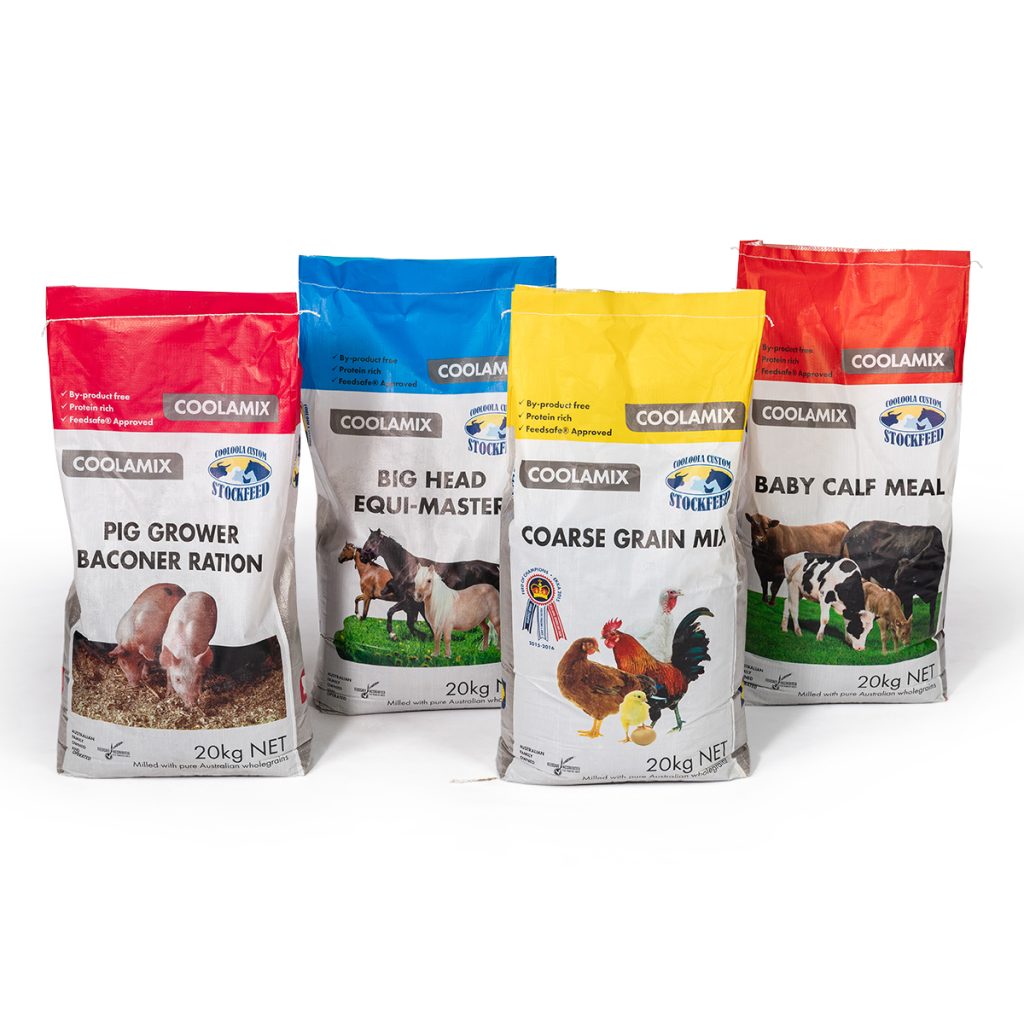
Custom Woven Bags are purpose‑built polypropylene (PP) textile sacks engineered for waste streams that refuse to behave—dense loads, jagged offcuts, residual moisture, sudden impacts, and the choreography of forklifts, clamps, and conveyors. Woven from drawn PP tapes arranged in warp and weft, the fabric acts like lightweight armor: high tensile strength at modest mass, dependable tear resistance, and a controlled drape that behaves predictably on automated lines. In different markets you will also hear custom PP woven sacks, bespoke woven poly bags, tailor‑made PP waste bags, or site‑specific woven packaging—many names for one mindset: fit the container to the stream, not the stream to the container.
Why do Custom Woven Bags matter in waste management? Because a waste flow isn’t “trash” in the abstract; it is a moving system with measurable risks and measurable costs. Shards puncture. Fines sift. Humidity cakes. UV weakens. Horizontally, set options side‑by‑side: paper sacks print beautifully but wilt in rain; mono‑layer PE film seals well but skates on pallets; Custom Woven Bags occupy the practical middle—grip like a textile, seal like a film (when coated), present like a brand. Vertically, trace cause to effect: resin grade → tape denier → mesh density → seam architecture → pallet stability → gate‑fee outcomes. Change the denier and you change puncture behavior; change coating weight and you change WVTR; change venting and you change fill‑cycle time. Packaging becomes a lever, not a liability.
VidePak treats Custom Woven Bags as process components—engineered, documented, repeatable—not commodities. Established in 2008, our leadership averages 30+ years in packaging engineering. With 568 colleagues running top‑tier platforms from Germany’s W&H and Austria’s Starlinger—100+ circular looms, 16 extrusion lines, 30+ lamination/printing machines—we use 100% virgin resins, hold spectrophotometric color targets, apply SPC to critical dimensions, and keep every reorder behaving like the golden sample across seasons and sites. For a broader substrate overview, see our primer on Custom Woven Bags.
What Is the Features of Custom Woven Bags?
Strength without unnecessary bulk. The biaxially oriented lattice inside Custom Woven Bags spreads load along warp and weft, achieving high puncture and tear resistance at practical GSM. Rebar offcuts, porcelain shards, stamped metal, abrasive fines—corners stay crisper, seams split less, rewraps fall.
Leak and dust control as a deliberate choice. Uncoated fabric breathes—useful when damp demolition loads need to vent. Where fines or odors are the concern, an LDPE/PP extrusion coating (~18–30 g/m² ≈ 20–35 μm) closes inter‑yarn pores and enables heat‑sealed or pinch‑bottom closures. Anti‑sift seam architectures (crepe tape + hot‑melt, folded hems, or ultrasonic on coated webs) block the micro‑pathways powders exploit. Optional PE inliners (clear/black, 40–80 μm) add a sanitary second wall; black liners increase opacity to protect privacy on public routes and damp light for photosensitive residues.
Grip you can trust on imperfect floors. Smooth films can skate; woven textures grip. Custom Woven Bags inherently raise pallet friction. Where epoxy floors, steel forks, or automated racking raise the stakes, specify matte patches or printed anti‑slip stripes. The result is calmer stacks, tidier aisles, safer crews.
UV and weather readiness. Yard staging exposes packaging to sunlight and temperature swings. UV‑stabilized polymers (typical 200–300 h class) help Custom Woven Bags retain mechanical properties and legibility, shrinking mid‑project replacements and lowering total cost per ton.
Brand and compliance in one breath. Surface flexo (1–6 colors) handles hazard icons, route IDs, and sort codes; reverse‑printed BOPP (15–25 μm; matte, gloss, or pearlized) unlocks photo‑grade faces where public‑facing programs demand it. GS1 barcodes and high‑contrast lot codes are designed‑in for fast WMS scans—even after clamp cycles and depot rub.
Audit‑friendly proofs, not promises. Claims become numbers via standard methods: rub resistance (ASTM D5264 / TAPPI T 830), drop performance (ASTM D5276), compression (ASTM D642), moisture permeability (ASTM E96 / ISO 15106), and seam or peel strength. When needed, polymer elements align with GB 4806.7, FDA 21 CFR 177.1520, and EU 10/2011—useful for food‑adjacent custodial programs or mixed‑use facilities.
Systems thinking—horizontal and vertical. Horizontally, compare Custom Woven Bags to paper sacks and mono‑film PE: print body vs. wet strength vs. clamp tolerance—no single medium wins all dimensions, which is why composite paths (coated or laminated woven) exist. Vertically, map parameter → outcome: tape denier + mesh → puncture index; coating weight → WVTR target; seam design → leak rate; anti‑slip strategy → pallet angle tolerance. The model is explicit; the trade‑offs are transparent.
What Is the Production Process of Custom Woven Bags?
Extrusion & drawing—where strength is born. Virgin PP pellets are melted, extruded as a thin sheet, slit into tapes, and drawn to orient polymer chains. Draw ratio sets tape denier (commonly 700D–1200D for bag fabrics). Too little draw invites stretch and stress‑whitening; too much risks brittleness. The sweet spot yields tapes that weld cleanly, resist fibrillation, and carry load without needless mass.
Weaving—turning tapes into a textile backbone. Tapes interlace on circular looms, creating the biaxial lattice characteristic of Custom Woven Bags. Weave density (10×10–14×14 tapes/inch) balances openness for flexibility and venting against tightness for fines control and smooth print lay‑down. Consistent warp tension keeps tube width stable so forming shoulders feed without jams or pleats.
Surface engineering—coating, lamination, inlining. Extrusion‑applied LDPE/PP coatings close inter‑yarn pores and form a heat‑seal interface; BOPP laminations (15–25 μm) deliver photo‑grade faces with inks locked beneath the film; PE inliners (40–80 μm) add a removable second wall for sanitation or light‑blocking (black). Corona treatment tunes surface energy so inks and adhesives bond consistently—today, tomorrow, after a seasonal changeover.
Printing & conversion—identity meets utility. Surface flexo or reverse gravure (for BOPP) is run to spectrophotometric targets so reorders match the approved artwork. The web is gusseted and cut to length; bottoms are made by sewing (breathable builds) or by heat‑sealing/pinch‑bottom pasting (coated builds). Easy‑open tapes, block‑bottom geometry, and valve sleeves are specified to filler technology and desired cycle time. The result: bags that feed cleanly, close securely, and stack square.
Quality control—turning process into proof. Inline gauges track tube width, gusset depth, registration, and squareness; off‑line labs verify drop, compression, rub, seal strength, and—when specified—WVTR. We add AQL sampling tied to SKU and corridor, barcode each lot for traceability, and maintain plate/cylinder libraries to prevent artwork drift across quarters and climates. Outcome: Custom Woven Bags that behave like engineered parts, not variables.
Capacity that scales without drift. VidePak’s bench—100+ circular looms, 16 extrusion lines, 30+ lamination/printing machines—absorbs seasonal surges and multi‑SKU campaigns while holding tolerances through SPC. Programs ship to the US, Europe, Brazil, South America, Southeast Asia, Japan, Korea, Central Asia, the MENA Region, East and South Africa, underpinning annual sales near USD 80M.
What Is the Application of Custom Woven Bags?
Construction & demolition (C&D) streams. Concrete chips, masonry fragments, gypsum offcuts, tile shards—angular, abrasive, heavy. Heavier‑GSM Custom Woven Bags with tighter mesh and anti‑sift bottoms reduce fugitive dust and withstand clamp handling. Color‑coded, high‑contrast prints segregate recyclables (inert vs. timber vs. metals), lowering contamination fees and keeping gate audits simple.
Facility maintenance & renovation. Night crews in hospitals, campuses, and retail need quiet, tidy removal. Breathable builds vent residual moisture; coated builds contain fines for cleaner hallways. QR‑coded panels link loads to rooms and work orders, improving chain‑of‑custody and contractor accountability.
Municipal leaf, yard, and street programs. UV‑stabilized Custom Woven Bags endure outdoor staging; matte patches or anti‑slip stripes keep stacks steady on trailers. Barcodes stay scannable after rain and repeated handling, helping municipalities audit routes, record weights, and document diversion rates.
Manufacturing by‑products. Injection runners, trimmed plastic parts, stamped metal blanks, powder overs—mixed geometries, mixed risks. Tighter mesh and coated surfaces reduce leaks; black inliners obscure contents in public corridors without sacrificing handling performance. Anti‑slip finishes keep pallets stable on epoxy floors.
Event cleanup & disaster response. After storms or large events, mixed waste benefits from robust seams and color‑coded prints. Crews load fast; bag IDs keep logistics transparent; trucks and transfer stations stay cleaner.
Retail reverse logistics & e‑commerce prep. Returns and repack waste move through high‑touch nodes. Scuff‑resistant, laminated Custom Woven Bags minimize residue on totes and conveyors; leak‑resistant seams keep automated sorters cleaner for longer. Large GS1 barcodes accelerate WMS picks and audits.
Why VidePak for waste‑stream programs. Equipment pedigree (W&H, Starlinger) matters, but process discipline decides outcomes. We specify by corridor and climate—humidity, UV, pallet friction—prove by standardized tests, and repeat via SPC. That is how Custom Woven Bags protect product, protect people, and protect budgets.
Table — Representative Parameters for Custom Woven Bags
| Parameter (for Custom Woven Bags) | Typical Range / Option | Notes |
|---|---|---|
| Capacity | 15–50 kg | Sized for hand or small‑equipment handling in waste workflows; >500 kg uses FIBCs |
| Woven fabric weight (GSM) | 70–120 g/m² | Heavier GSM for sharp, abrasive debris; lower for lighter mixed waste |
| Tape denier | 700D–1200D | Denser tapes raise puncture and seam strength |
| Weave density (mesh) | 10×10–14×14 tapes/inch | Tighter mesh improves fines containment and smooths print zones |
| Flat width (tube) | 400–650 mm | Match to fill opening and pallet pattern |
| Cut length | 650–1150 mm | Planned to target stack height and compaction |
| Gusset depth | 80–180 mm | Increases cube and stack stability |
| Coating (LDPE/PP) | ≈18–30 g/m² (≈20–35 μm) | Lowers WVTR; enables heat‑seal/pinch‑bottom closures |
| Optional PE inliner | Clear/black, 40–80 μm | Second barrier; black obscures contents and blocks light |
| Bottom closure | Sift‑proof sewn; heat‑sealed/pinch‑bottom; ultrasonic (spec‑dependent) | Choose by leakproof target and filler design |
| Printing | 1–6 colors flexo; up to 8 with BOPP laminate | Spectro‑controlled color; barcode/QR windows for WMS |
| Anti‑slip features | Printed stripes / matte patches | Raises pallet friction on epoxy or painted floors |
| UV stabilization (optional) | 200–300 h class | For sun‑exposed depots and outdoor staging |
| Verification (as specified) | ASTM E96, D642, D5276, D5264 / TAPPI T 830 | Barrier, compression, drop, rub; COAs tied to SKU |
Parameter windows reflect ranges widely published on Made‑in‑China, Alibaba.com, and peer supplier datasheets; final targets are validated by line trials and route testing.
- What Is Custom Woven Bags?
- What Is the Features of Custom Woven Bags?
- What Is the Production Process of Custom Woven Bags?
- What Is the Application of Custom Woven Bags?
- Why Raw Material Quality Dictates Waste Bag Success
- Step 1: Supplier Audits – Filtering Out Risks
- Step 2: Premium Polymer Sourcing – BASF, Sinopec, and Beyond
- Step 3: Incoming Inspection – Data Over Guesswork
- Waste-Specific Customization: Case Studies
- Cost-Benefit Analysis: Quality vs. Budget
- FAQs: Solving Real-World Challenges
- Future Trends: Blockchain and AI in QC
- Conclusion
Key Answer: Superior raw material control—via supplier vetting, premium PP/PE sourcing, and ISO 2859-compliant inspections—ensures custom woven bags meet waste management demands for durability, print accuracy, and regulatory compliance.
Custom printed woven bags are revolutionizing waste management by offering branded, reusable solutions for municipalities and industrial facilities. However, their performance hinges on stringent raw material quality control. This report dissects how rigorous supplier audits, strategic polymer sourcing, and data-driven inspections create bags that withstand harsh waste environments while aligning with global standards like ASTM D5261 and EN 13432.
Why Raw Material Quality Dictates Waste Bag Success
Substandard PP/PE resins lead to premature tears, ink fading, and chemical leaching—critical failures in waste handling. For example, a 2023 study by the Waste Management Research Institute found that 35% of municipal waste bag failures stem from inconsistent melt flow indices (MFI) in raw materials.
Q: How do top manufacturers guarantee material quality?
A: A four-step framework: supplier audits, premium polymer partnerships, long-term contracts, and ISO-guided inspections.
Step 1: Supplier Audits – Filtering Out Risks
a) Certifications and Compliance
Suppliers must hold ISO 9001 (quality management) and ISO 14001 (environmental) certifications. Greif Packaging, a leader in waste bag production, rejects 20% of potential suppliers annually for lacking ASTM D5261-compliant test reports.
Case Study: A European municipality canceled a 500,000-bag order after discovering their supplier’s PP resin failed EN 13432 biodegradability tests.
b) Technical and Market Evaluation
Assess production capacity (e.g., minimum 100 tons/month), extrusion technology, and client feedback. Berry Global prioritizes suppliers with Starlinger loom systems for uniform weaving.
Step 2: Premium Polymer Sourcing – BASF, Sinopec, and Beyond
| Supplier | Key Advantage | Waste Management Application |
|---|---|---|
| BASF | UV-stabilized PP for outdoor use | Construction debris bags in Dubai |
| Sinopec | High-MFI PE for thin, strong liners | Hospital biohazard waste sacks |
| Yangzi Petrochem | Low-cost recycled PP blends | Municipal curbside collection bags |
Q: Why lock in long-term contracts?
A: Contracts with Sinopec reduce price volatility—critical as PP prices fluctuated 18% in 2023 (Plastics News).
Step 3: Incoming Inspection – Data Over Guesswork
a) Critical Tests and Tools
- Melt Flow Index (MFI): Measures polymer viscosity. Bags for heavy demolition waste require MFI 8–12 g/10min (ASTM D1238).
- Tensile Strength: Minimum 30 MPa for PP (ISO 527-3). Waste Connections Inc. rejects batches below 28 MPa to prevent landfill bag ruptures.
- Visual Checks: Spot discoloration or pellet inconsistencies—a single contaminated batch cost Clean Harbors $120K in 2022.
b) Sampling Strategy
Adopt ISO 2859’s General Inspection Level II: 200-bag lot → 32 samples tested. Failures trigger 100% inspection.
Automation Spotlight: Siemens’ QMS software auto-flags MFI deviations, slashing inspection time by 45%.
Waste-Specific Customization: Case Studies
1. Medical Waste: Anti-Puncture Liners
Sharps Compliance uses 150 GSM PP + 0.1mm PE liner bags meeting FDA 21 CFR. Ultrasonic seams prevent needle leaks.
2. Recycling Centers: High-Opacity Printing
WM (Waste Management) demands Pantone-matched inks resistant to alkalis. Kurtz Ersa’s UV-curable printers achieve 98% colorfastness after 12-month sun exposure.
3. E-Waste: Static-Dissipative Layers
Gold recovery facilities require bags with surface resistivity <10^4 Ω. Heritage Environmental specifies carbon-black-infused PP to prevent circuit board damage.
Cost-Benefit Analysis: Quality vs. Budget
| Parameter | Low-Cost Approach | Quality-First Approach |
|---|---|---|
| Raw Material Cost | $1,200/ton (generic PP) | $1,450/ton (BASF PP) |
| Defect Rate | 12% | 2% |
| Lifespan | 6 months | 18 months |
| Total Cost/1,000 Bags | $980 | $1,100 |
Data: 2023 Waste Industry Procurement Survey
FAQs: Solving Real-World Challenges
Q: How do I verify a supplier’s market reputation?
A: Demand client references in waste management. Republic Services only partners with suppliers serving ≥3 top-10 waste firms.
Q: Can recycled PP meet medical-grade standards?
A: Yes. Veolia’s post-consumer PP passes FDA tests after advanced filtration. Learn about sustainable PP sourcing for eco-conscious projects.
Q: What’s the ROI of premium polymers?
A: Advanced Disposal saved $2.1M/year by reducing landfill cleanup costs after switching to high-tensile PP.
Future Trends: Blockchain and AI in QC
- Blockchain Traceability: IBM’s TradeLens tracks resin batches from Sinopec plants to bag factories, ensuring no substitution.
- AI-Powered Defect Detection: Zebra Technologies’ cameras spot weave irregularities at 120 bags/minute, achieving 99.8% accuracy.
Conclusion
From medical waste to recycling streams, custom woven bags demand militaristic material control. By marrying supplier rigor, premium polymers, and数字化 inspections, manufacturers deliver bags that survive compactors, chemicals, and years of reuse. As circular economy mandates tighten, integrating recycled resins without compromising quality will separate leaders from laggards.
This report cites data from the Waste Management Research Institute and Plastics News market analyses.