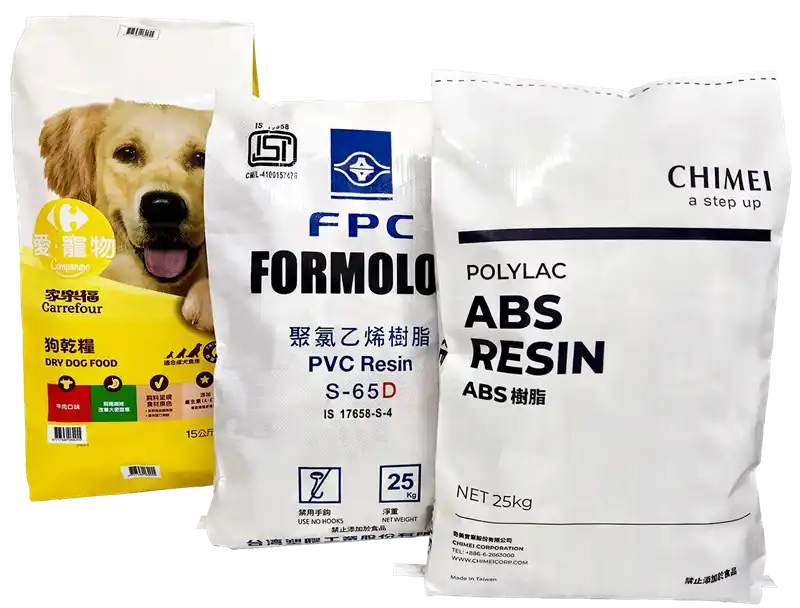
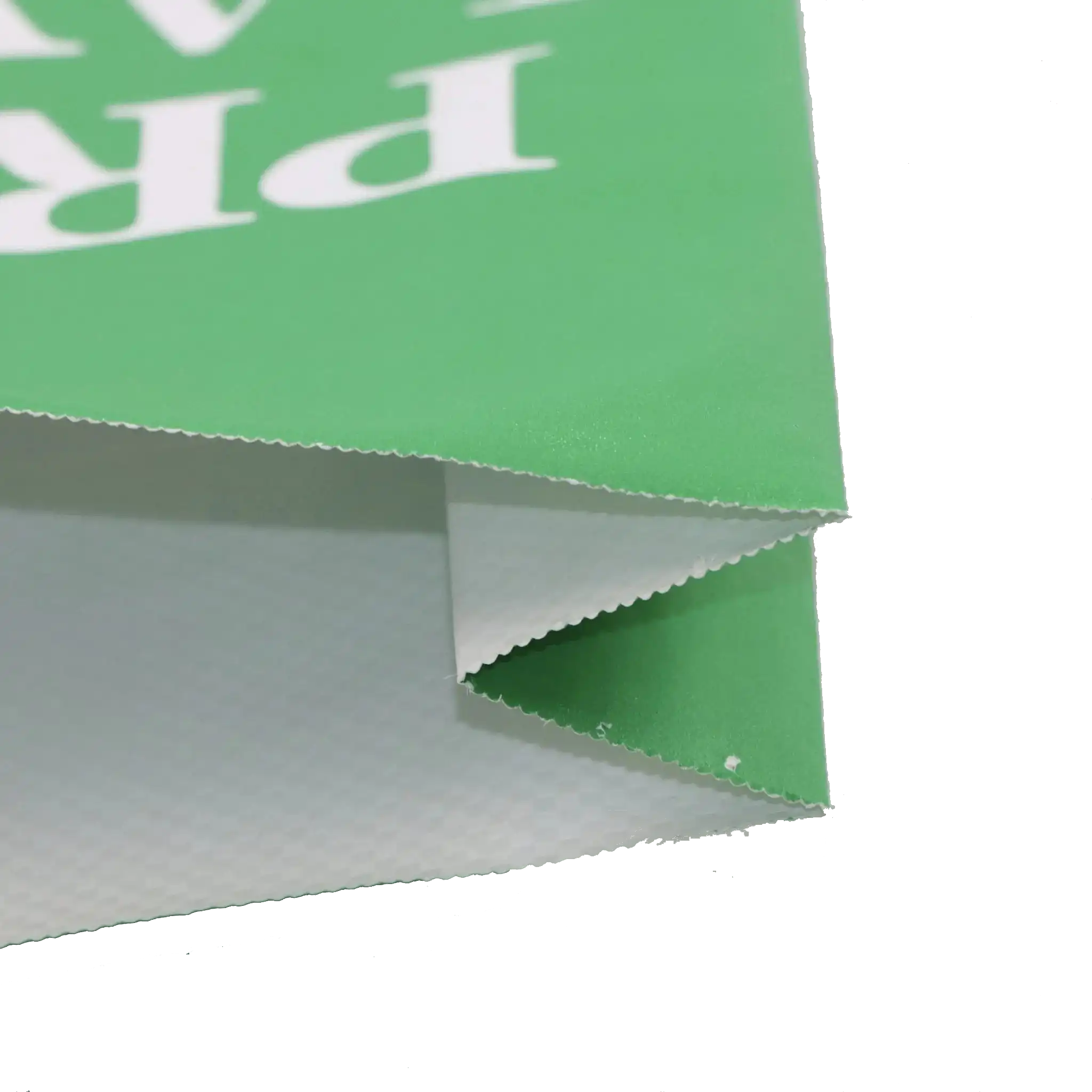
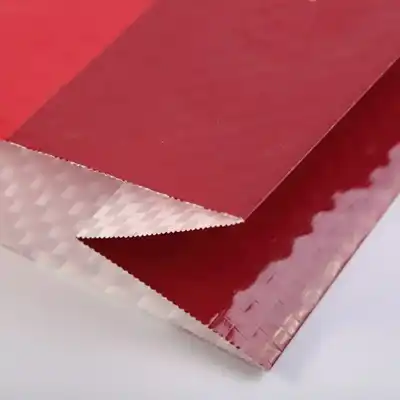
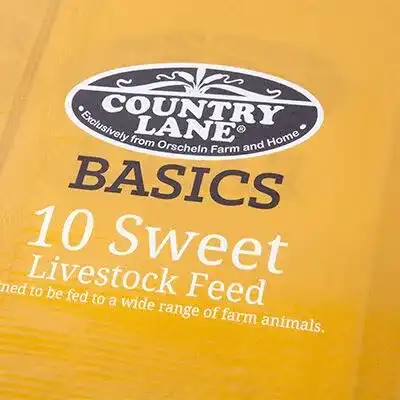
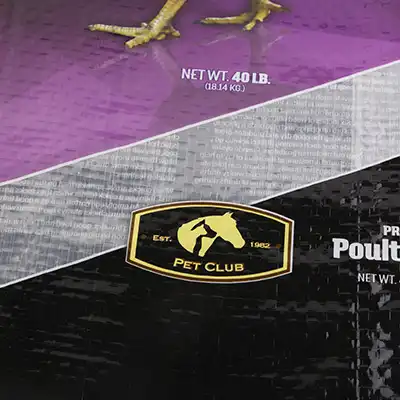
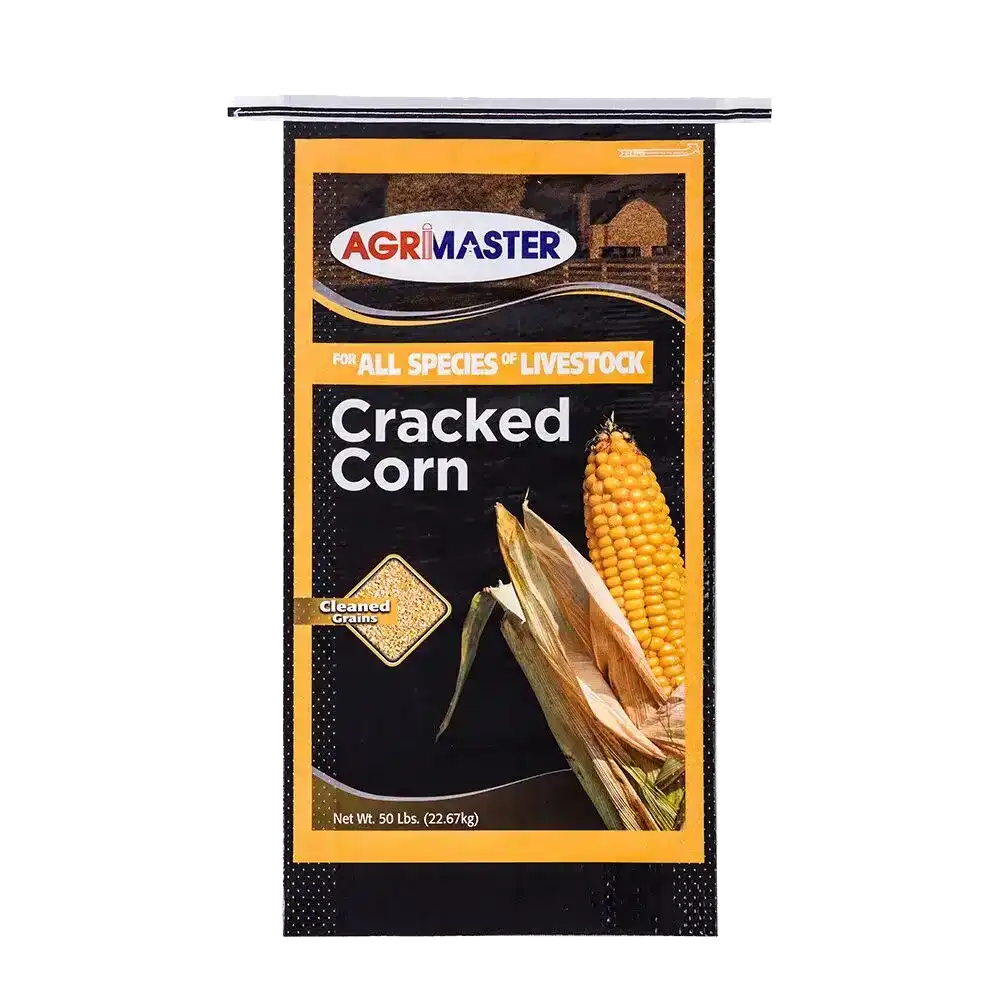
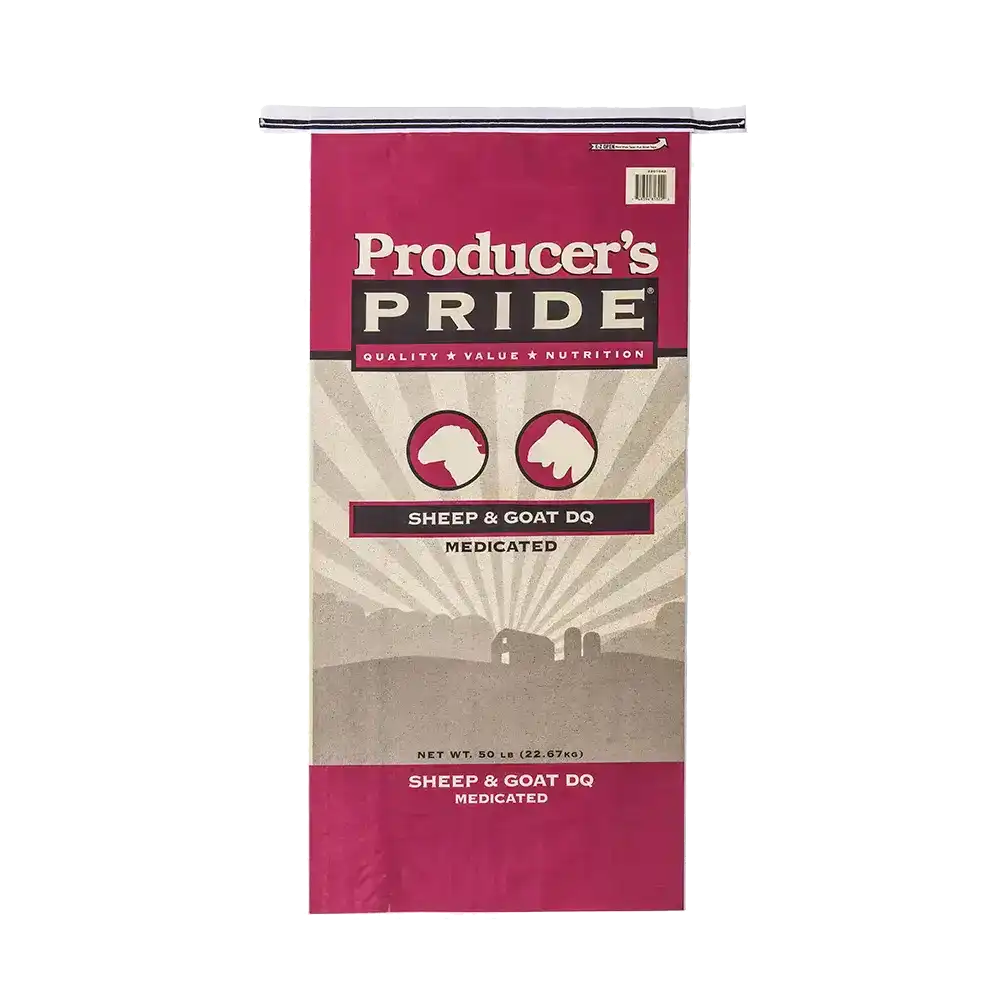
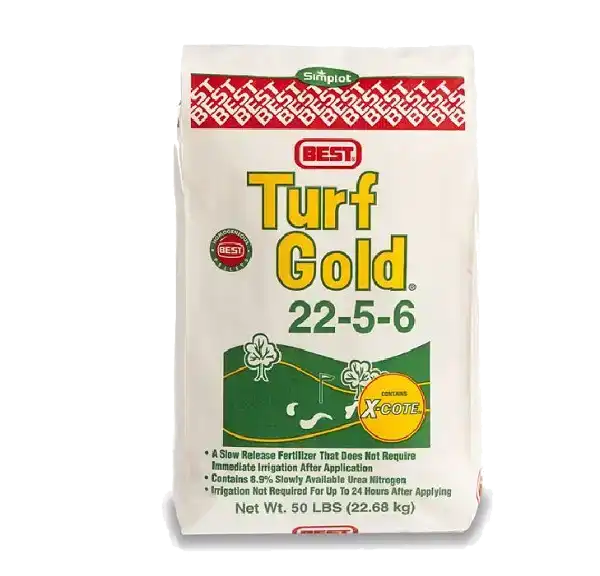
What is Custom Printed Woven Bags?
Custom Printed Woven Bags are engineered polypropylene (PP) sacks that pair a load‑bearing woven substrate with a print‑ready face, giving brand teams billboard‑grade graphics while preserving industrial toughness. In practice they are also called printed PP woven sacks, BOPP‑laminated woven bags, branded PP valve bags, and printed woven packaging bags. The proposition is elegantly triadic: the fabric carries weight, the printed surface carries meaning, the geometry carries pallets. These roles interlock; remove one and the whole system underperforms.
Seen through a systems lens, Custom Printed Woven Bags behave less like passive containers and more like interfaces—where polymer science meets retail semiotics, and where production choreography meets supply‑chain shocks. Horizontally, they compete with multi‑wall paper sacks (warm print, humidity sensitivity) and mono‑film FFS bags (fast sealing, scuff‑prone faces). Vertically, small upstream choices—resin grade → tape draw ratio → denier → fabric pick count → lamination weight → print route → closure style—cascade into downstream realities: dust at the spout, drop survival in transit, and barcode legibility at the store. For a quick taxonomy and sourcing context, see Custom Printed Woven Bags.
What is the features of Custom Printed Woven Bags?
System view. Performance emerges when materials × structure × operations reinforce each other. Each feature below follows the pattern background → data reinforcement → case analysis → comparative study, so the argument reads like engineering, not advertising.
- Print Fidelity That Persuades, Surfaces That Endure
Background. Reverse‑printed BOPP shields ink under the film, enabling photo‑real imagery, matte/gloss registration, and transparent windows without label lift. Color management aligns proofs to press; EuPIA‑guided, water‑based ink sets support safer pressrooms and food‑adjacent builds.
Data reinforcement. BOPP thickness typically 15–35 μm, treated to ≥38 dyn/cm for ink anchorage; rub/scuff testing to TAPPI‑style paradigms limits color transfer; GS1 barcode verification safeguards scan reliability after varnish and stretch‑wrap.
Case analysis. A fertilizer line migrated from direct‑print fabric to BOPP‑laminated Custom Printed Woven Bags featuring a matte claims panel beside a gloss hero image. Eye‑tracking audits in yard aisles showed longer attention dwell, while “print rub‑off” tickets declined materially over three months.
Comparative study. Paper sacks glow warmly under store lighting yet soften and blur in damp logistics; monolayer film FFS prints can crease and haze. Reverse‑printed BOPP keeps typography crisp and pictograms intact through strap rub, rain, and stacking.
- Strength‑to‑Weight Advantage & Corner Toughness
Background. Drawn PP tapes interlaced into 10×10–14×14 meshes deliver high tear‑propagation resistance at modest grammage. Square‑fold or block‑bottom geometries convert flexible containers into brick‑like units that stack predictably.
Data reinforcement. Typical fabric 60–120 g/m²; lamination/tie 15–35 g/m²; finished sacks in the 10–50 kg band validated by free‑fall drops per ASTM D5276‑19 (≤50 kg). Panel stiffness and seam architecture largely govern corner survival.
Case analysis. A pigment shipper raised fabric from 80 → 90 g/m² and added a 25 μm BOPP skin. Corner‑puncture claims on mixed‑route deliveries fell without changing pallet patterns or dunnage.
Comparative study. Versus multi‑wall paper, Custom Printed Woven Bags maintain integrity on wet pallets; versus thin PE film sacks, they shrug off pallet‑edge abrasion and stack slump.
- Moisture, Sift, and Cleanliness Control
Background. Powders fail invisibly—by humidity uptake and by fines escaping through interstices or stitch holes. Coatings and laminations close the weave; localized micro‑perforations near the fill area vent air without ejecting dust. Optional liners (LDPE 50–120 μm, EVOH when required) add humidity and odor control for sensitive SKUs.
Data reinforcement. Extrusion coats 15–30 g/m² (PP/PE) reduce base‑fabric air permeability (commonly referenced to ASTM D737); heat‑sealed mouths or liners target ≥7–15 N/15 mm peel per ASTM F88/F88M, resin‑dependent. Typical size windows—W 350–600 mm × L 400–910 mm × B 80–180 mm—cover 10–50 kg fills.
Case analysis. A dry‑mortar filler localized 50–80 holes/100 cm² micro‑perfs solely on the valve panel. Spout dust readings dropped, housekeeping hours were trimmed, and rotary packer throughput rose by single‑digit percentages.
Comparative study. Open‑mouth formats require sewing or hot‑bar sealing and leak more during fill; fully laminated valve bags integrate closure into product settlement, keeping the pack room cleaner.
- Compliance and Food‑Adjacent Readiness
Background. Governance converts specs into trust. Material selections can conform to 21 CFR 177.1520 (olefin polymers), 21 CFR 175.105 (adhesives) and Regulation (EU) No 10/2011 (plastics FCM). Plants certified to ISO 9001:2015 and BRCGS Packaging Materials embed traceability, HACCP‑style controls, and change management.
Data reinforcement. Lot‑wise Declarations of Compliance (DoCs), supplier migration reports, and batch COAs (GSM, dimensions, coating weight, bond/seal pulls) underpin audit readiness. Dimensional language borrows from ISO 6591‑1 to avoid drawing ambiguities.
Case analysis. A sugar packer adopted mono‑PP Custom Printed Woven Bags with compliant inks/adhesives and heat‑sealed liners. Foreign‑fiber complaints hit near‑zero, while pallet squareness stabilized through humid storage.
Comparative study. Ad‑hoc packaging can look economical until an audit stops shipments; codified specifications keep production flowing.
- Sustainability Pathways That Scale
Background. Mono‑polyolefin architectures simplify end‑of‑life in PP‑friendly streams. Right‑weighting cuts inputs. Serialization under the film fights diversion and counterfeit, which silently erode sustainability via avoidable waste.
Data reinforcement. Industrial outers commonly target 20–40% rPP in the woven layer (non‑food), with UV stabilization tailored to exposure windows (e.g., 200–800 h). Brick‑stable stacks reduce over‑wrapping, trimming film consumption per pallet.
Case analysis. An agri‑feed range introduced rPP in fabric while keeping virgin tie/BOPP; product protection stayed constant, resin usage per bag decreased, and returns did not rise.
Comparative study. Paper sacks de‑ink well when kept dry; Custom Printed Woven Bags minimize damage‑related product loss in damp logistics—often the bigger carbon lever.
- Future‑Facing Innovations
Background. Shorter runs, sharper segmentation, faster cycles. Toolkits now include cold‑plasma surface treatment for higher dyne levels, digital over‑print panels for micro‑campaigns, AI‑assisted vision for register and defect control, and tamper‑evident varnish codes hidden under BOPP.
Data reinforcement. Press‑side cameras inspect 100% of repeat lengths; serialization ties pallet IDs to claims logs within ISO 9001 systems; anti‑counterfeit microtext remains legible behind film after long routes.
Case analysis. A seed brand added microtext + UV marks beneath the laminate. Counterfeit complaints halved, warranty cases resolved faster, and brand trust—hard to win, easy to lose—was measurably restored.
Comparative study. Labels peel; surface inks scuff; protected reverse print endures.
What is the production process of Custom Printed Woven Bags?
From pellets to pallets, small settings shift big outcomes—alter a gram of coating, alter a claims curve.
1. Tape Extrusion & Stretching. PP pellets → cast film → slit → drawn into high‑tenacity tapes. Draw ratio sets tensile/elongation; denier drives fabric modulus and seam behavior. UV and slip packages are tuned to duty cycle and climate.
2. Weaving (Circular or Flat Looms). Warp and weft tapes interlace into fabric. Pick count and loom tension hold width tolerance to a few millimeters, controlling lay‑flat quality, print register, gusset symmetry, and bottom squareness.
3. BOPP Printing (Reverse) & Preparation. BOPP 15–35 μm is corona‑treated and reverse‑printed (gravure or HD flexo). Matte/gloss windows, clear panels, and microtext fields are registered here; curing parameters protect fine detail.
4. Extrusion Lamination. A polyolefin tie layer 15–35 g/m² bonds printed BOPP to the fabric. Thickness control matters: too heavy stiffens folds and hurts block‑bottoming; too light risks bubbles and weak bond.
5. Conversion & Bottoming. Tubing, side‑gusseting, and block‑bottom or fold‑over formation; patches distribute corner stresses. Easy‑open notches or laser scoring can be introduced without compromising strength.
6. Valve Sleeve Insertion (If Specified). Paper/PE, PP, or PE‑coated paper sleeves are pasted or welded. Valve ID and sleeve stiffness are matched to bulk density and particle size to preserve cycle time while limiting dust.
7. Perforation & Finishing. Localized micro‑perfs (≈50–80 holes/100 cm²) near the valve/fill panel vent trapped air. Anti‑slip lacquers or micro‑emboss textures raise pallet friction coefficients, reducing over‑wrap.
8. Testing & Release. Dimensional vocabulary follows ISO 6591‑1. Drop robustness checks use ASTM D5276‑19 (≤50 kg). Seal pulls use ASTM F88/F88M when heat‑sealing is present. Film coupons (if used) verify WVTR/OTR per ASTM F1249 / ASTM D3985. Batch COAs record GSM, dimensions, coating weight, bond/seal strength, and visual AQL.
What is the application of Custom Printed Woven Bags? (Industrial & Building Materials)
Cement & Dry Mortar (25–50 kg). Valve‑format Custom Printed Woven Bags with targeted micro‑perfs reduce spout dust and build brick‑stable pallets that cube efficiently. Typical 50 kg references: ≈37 × 49 × 11 cm, fabric 80–100 g/m², lamination/tie ≈20–30 g/m², mesh 10×10–12×12.
Pigments, Minerals, Fertilizers. Angular granules reward stiffer panels and laminated skins; hazard pictograms remain legible behind film. Anti‑slip finishes curb pallet lean and reduce wrap.
Resins & Additives. Squarer faces lift container utilization; selective perfing stops ballooning at the packer without vent hardware changes.
Data reinforcement: Across supplier listings, 10–50 kg dominates; drop sequences follow ASTM D5276‑19; pallet stability gains track with block‑bottom geometry and lacquer friction.
What is the application of Custom Printed Woven Bags? (Food‑Adjacent & Consumer Goods)
Sugar, Rice, Pulses. With materials chosen to 21 CFR 177.1520 and EU 10/2011, Custom Printed Woven Bags deliver vivid branding and tidy stacks. Reverse print protects nutrition panels and barcodes from rub and rain.
Pet Nutrition & Seeds. Aroma‑sensitive formulas benefit from laminated barriers; matte/gloss registration and window cuts heighten recognition in DIY and agri channels; serialization beneath film supports brand protection.
Retail Pallet Displays. Brick‑like faces turn pallets into silent salespeople—graphic, repeatable, resilient—where form serves function and function amplifies brand.
Integrated Solution (System Thinking Synthesis)
Objective: accelerate throughput, reduce complaints, and amplify shelf impact—without inflating total cost of ownership. Treat Custom Printed Woven Bags as a closed loop:
- Diagnose. Map SKUs to failure modes—scuff‑off, corner puncture, spout dust, pallet lean, barcode misreads. Instrument fillers (dust counters, cycle‑time histograms) and warehouses (humidity/temperature loggers).
- Design. Choose fabric GSM and pick count; set BOPP thickness 15–35 μm and lamination 15–35 g/m²; select valve/open‑mouth; specify perf density; define finish (matte/gloss, anti‑slip). Anchor food‑adjacent builds to 21 CFR 177.1520 / EU 10/2011; use ISO 6591‑1 as the dimensional language.
- Validate. Run ASTM D5276‑19 drop series; verify bond and print register; execute rub/scuff and barcode grades; confirm seal‑strength (ASTM F88/F88M) where applicable.
- Deploy. Standardize valve IDs by product family; document packer recipes; add vision for register/lamination defects; set pallet dunnage and wrap specs tuned to anti‑slip friction.
- Improve. Review claims quarterly; right‑weight fabrics where margins allow; update recycling instructions as local streams evolve; log serialization wins under ISO 9001 control.
Key Specifications & Options (Typical Ranges)
| Attribute | Typical Options / Range | Why it Matters |
|---|---|---|
| Style | Open‑mouth or valve Custom Printed Woven Bags; fold‑over or block bottom | Matches filler type & stacking behavior |
| Nominal capacity | 10–50 kg (density‑dependent) | Covers food, feed, minerals, and construction mixes |
| Dimensions | W 350–600 mm × L 400–910 mm × B 80–180 mm | Fits mainstream converting lines & pallets |
| Fabric | Woven PP 60–120 g/m²; mesh 10×10–14×14 | Governs tear resistance & panel stiffness |
| BOPP film | 15–35 μm; reverse‑printed; ≥38 dyn/cm | Print fidelity & rub resistance |
| Lamination/tie | Polyolefin 15–35 g/m² | Bond strength & fold memory |
| Perforation | Localized 50–80 holes/100 cm² near fill/valve | Venting without dust escape |
| Printing | Gravure or HD flexo 1–8 colors; matte/gloss effects | Shelf impact & brand legibility |
| Compliance | ASTM D5276‑19, ASTM F88/F88M, ISO 6591‑1, 21 CFR 177.1520, EU 10/2011, ISO 9001 / BRCGS | Audit‑ready vocabulary & governance |
| Sustainability | Mono‑PP builds; optional 20–40% rPP in non‑food outers | End‑of‑life alignment & resin reduction |
Note: These spans reflect active supplier disclosures and peer converter norms on global B2B platforms; tune to product density, climate, dwell time, filler type—validate rather than assume.
Professional Identifiers & Why They Matter
- ASTM D5276‑19 — Free‑fall drop testing for loaded containers ≤50 kg; a practical proxy for mixed‑route handling shocks.
- ASTM F88/F88M — Seal‑strength testing for flexible packages; essential where coated mouths or liners are heat‑sealed.
- ISO 6591‑1 — Description and method of measurement for empty sacks; ensures drawings match delivered reality.
- 21 CFR 177.1520 / EU No 10/2011 / 21 CFR 175.105 — Plastics & adhesive anchors for food‑adjacent builds.
- ISO 9001:2015 / BRCGS Packaging Materials — Quality & hygiene frameworks that turn promises into repeatable runs.
- GS1 Barcode Verification (A/B grades) — Keeps retail scanning reliable after lamination and over‑varnish.
Copy Blocks You Can Reuse (Brand Voice Ready)
- Value line. Brighter print, tougher stacks, cleaner fills—Custom Printed Woven Bags turn every pallet into a silent salesperson.
- Proof point. Reverse‑printed BOPP laminated to woven PP, validated on ASTM D5276‑19 drops and measured to ISO 6591‑1, keeps product safe and branding sharp.
- Sustainability note. Specify mono‑PP laminates, right‑weight fabrics, and publish clear disposal guidance so Custom Printed Woven Bags perform in use and at end‑of‑life.

- What is Custom Printed Woven Bags?
- What is the features of Custom Printed Woven Bags?
- What is the production process of Custom Printed Woven Bags?
- What is the application of Custom Printed Woven Bags? (Industrial & Building Materials)
- What is the application of Custom Printed Woven Bags? (Food‑Adjacent & Consumer Goods)
- Integrated Solution (System Thinking Synthesis)
- Key Specifications & Options (Typical Ranges)
- Professional Identifiers & Why They Matter
- Copy Blocks You Can Reuse (Brand Voice Ready)
The Key Answer: Custom printed woven bags are evolving into multifunctional, sustainable packaging solutions, integrating smart technologies and advanced material engineering. By 2030, the global market for woven bags is projected to grow at 5.8% CAGR, driven by innovations like RFID-enabled traceability, biodegradable PE liners, and hybrid designs combining breathability with moisture resistance.
Introduction: The Convergence of Functionality and Branding
Custom printed woven bags are no longer just utilitarian carriers—they are strategic tools for brand differentiation and supply chain efficiency. With industries prioritizing sustainability and smart logistics, these bags now incorporate features like QR codes for traceability, anti-static coatings for hazardous materials, and multi-layer laminates for enhanced barrier properties. For instance, Shijiazhuang Boda Plastic Chemical Co. reduced chemical leakage incidents by 60% using PE-coated valve bags with ultrasonic-sealed seams. This report explores how businesses can optimize packaging choices—from lamination to closure types—to align with emerging trends and operational needs.
Industry Expert Insight:
“The future of woven bags lies in their ability to merge durability with intelligence. Every design choice—whether a PE liner or a block-bottom valve—impacts both sustainability and profitability.” — Global Packaging Trends Report, 2025.
1. Packaging Design Choices: Balancing Protection and Cost
1.1 Lamination and Coating Options
Lamination (e.g., BOPP or PE coatings) enhances moisture resistance and printability, while uncoated bags prioritize breathability for agricultural products like grains.
| Feature | Laminated Bags | Uncoated Bags |
|---|---|---|
| Moisture Resistance | <0.5g/m²/24h (ISO 2528) | 5–8g/m²/24h |
| Cost per 1,000 Bags | $120–$200 | $80–$120 |
| Best For | Chemicals, pharmaceuticals | Rice, potatoes, textiles |
Example: Vietnam Rice Exporters reduced spoilage by 22% using uncoated, micro-perforated PP bags for jasmine rice, allowing 15% faster moisture evaporation.
1.2 Inner Liner Selection: PE vs. Aluminum Foil
- PE Liners:
- Advantages: Cost-effective (30–50% cheaper than foil), recyclable, and flexible. Ideal for non-hazardous goods like fertilizers.
- Limitations: Limited oxygen barrier (OTR: 1,500–2,000 cm³/m²/day).
- Aluminum Foil Liners:
- Advantages: Blocks 99% UV light and oxygen (OTR: <0.5 cm³/m²/day), critical for coffee beans or pharmaceuticals.
- Cost: 2–3x higher than PE, but extends shelf life by 6–12 months.
Case Study: Qingdao Fullsun Biotechnology increased coffee bean freshness by 90% using aluminum-composite bags, achieving 18-month shelf life.
2. Closure Systems: Matching Function to Application
2.1 Heat-Sealed vs. Stitched Closures
- Heat-Sealed: Airtight, ideal for liquids (e.g., agrochemicals). Achieves 200–250 N/25mm seal strength.
- Stitched: Uses polyester threads (8–12 stitches/inch) for heavy-duty applications like construction debris.
Example: Guangdong Huaxing Packaging reduced leakage by 45% in solvent transport using heat-sealed valve bags.
2.2 Valve vs. Open-Mouth Designs
- Valve Bags: Enable automated filling (1,200 bags/hour) for powders like cement.
- Open-Mouth: Manual loading preferred for irregularly shaped items like machinery parts.
3. Future Innovations: Smart and Sustainable Solutions
3.1 Smart Packaging Integration
- RFID Tags: Track location and condition in real-time. PakFactory reported a 25% reduction in logistics losses using RFID-enabled bags.
- QR Codes: Link to blockchain databases for supply chain transparency.
3.2 Biodegradable Materials
- PLA-PP Blends: Under development, targeting 50% lower carbon footprint by 2027.
- Recycled Content: Brands like Morgan Chaney offer 100% recycled PE liners, complying with EU 2025 Plastic Tax mandates.
FAQs: Addressing Critical Client Concerns
Q: When should I choose aluminum foil liners over PE?
A: Aluminum foil is essential for oxygen-sensitive products (e.g., coffee, pharmaceuticals), while PE suits cost-sensitive, non-hazardous applications.
Q: Are stitched closures reusable?
A: Yes. Polyester-stitched bags withstand 5–7 reuse cycles, ideal for agricultural bulk transport.
Conclusion
Custom printed woven bags are redefining industrial and retail packaging through innovations in material science and smart technology. By strategically selecting features like PE liners, valve closures, or RFID tags, businesses can enhance both sustainability and operational efficiency. For deeper insights into advanced liner technologies, explore Aluminum Foil Composite Bags: Navigating the Chinese Market and Moisture-Proof Woven Bags: Versatile Solutions.
Data synthesized from the Global Packaging Trends Report (2025), ISO standards, and case studies by Shijiazhuang Boda Plastic Chemical Co. and Qingdao Fullsun Biotechnology.