
Optimizing Bulk Material Handling: The Engineering of Breathable Woven Bags
What Are Breathable Woven Bags | Enhancing Bulk Material Handling: The Science of Breathable Woven Bags
Breathable Woven Bags are polypropylene (PP) tape‑yarn sacks whose fabric construction is deliberately tuned to allow controlled gas exchange while retaining solids. Think of them as industrial containers with a built‑in “lung”: they let excess air out, they discourage latent moisture from lingering, and they keep powders and pellets where they belong. In supply chains that punish swelling packs and unstable pallets, this controlled porosity turns from a nice‑to‑have into a performance lever. Around the world you will also encounter terms such as ventilated PP woven bags, air‑permeable woven sacks, breathable PP fabric bags, and vent‑strip woven bags. Different names, one principle—strength from a woven backbone, stability from calibrated airflow, and a geometry that threads easily on baggers yet sits square on a pallet.
Viewed through Enhancing Bulk Material Handling: The Science of Breathable Woven Bags, the format lives at the crossroads of textile mechanics and product physiology. Paper sacks breathe naturally but wilt in rain; coated woven sacks shrug off weather but trap air; tubular films sprint on FFS lines but rarely vent themselves. Breathable Woven Bags reconcile the contradictions by giving air a path and dust a “no‑fly zone.” The aim is not mere leakage; it is metered exchange: enough to deaerate during filling and hooding, not enough to shed fines or invite ingress later.
Horizontal thinking. Compare adjacent formats—paper SOS, uncoated woven, laminated film—to balance wet strength, code clarity, automation speed, and vent behavior. Vertical thinking. Trace performance backward: polymer MI/density → tape extrusion and draw → weaving geometry and picks‑per‑inch (PPI) → optional vent stripes/micro‑perf windows → printing and conversion → pallet design. Each upstream decision reappears downstream as fewer leakers, calmer stretch‑hooding, and better barcode read rates. For readers seeking related format families, our knowledge hub on Enhancing Bulk Material Handling: The Science of Breathable Woven Bags compares breathable constructions to standard PP woven solutions.
What Are the Features of Breathable Woven Bags | Enhancing Bulk Material Handling: The Science of Breathable Woven Bags
Engineered porosity with industrial discipline. The defining features behind Breathable Woven Bags turn airflow from a nuisance into a design parameter.
- Calibrated air permeability. Porosity arises from a matrix of PPI, tape width (denier), and loom settings. Benchmarked by ISO 9237 and ASTM D737, typical bands of 50–600 L/m²/s @ 200 Pa (or 20–250 CFM/ft²) cover pellets through fine powders. The operational result is faster settling, flatter faces, and fewer “banana‑stack” bows under stretch‑hoods.
- Strength‑to‑weight leverage. Woven PP at ≈ 60–110 gsm spreads stress through interlaced tapes, delaying crack initiation and slowing tear propagation. Less mass per unit, more mileage per pallet: a quiet kind of efficiency.
- Moisture management choices. Leave the fabric uncoated for maximum breathability; choose vent‑window designs (narrow micro‑perforated film over porous panels) when partial shielding is needed; or specify skip‑lamination that protects print areas while leaving hidden lanes open for airflow.
- Dust discipline built in. Porosity is not a hole‑punch contest. With the right PPI and tape denier, pores are many yet narrow—air escapes, fines don’t. For ultra‑fine blends, pair an outer breathable body with a punch‑vent PE liner or a membrane patch for one‑way flow.
- Print and brand readiness. Direct flexo on prepared fabric for functional graphics, or elevate shelf presence with micro‑perforated BOPP stripes that keep breathing zones alive. Reserve low‑gloss, unvarnished “code islands” for consistent barcode reflectivity through shrink or hood films.
- Operations‑friendly geometry. Open‑mouth or block‑bottom builds stand open for filling and stand out on the shelf. Woven texture or zoned anti‑slip varnish lifts inter‑bag friction; controlled gusset depth preserves square faces and clean corners.
Rhetorical turn. Are these merely sacks with spaces? Or precision valves woven from yarn? In practice, Breathable Woven Bags inhale during handling shocks and exhale under compression, then sit still and silent in storage—a choreography of airflow.
Cross‑format comparisons. Against coated woven: more venting, less caking. Against leno or mesh produce bags: far better dust control and edge strength. Against plain film: better stance and code readability. Vertical lens. Material → draw → weave → vent architecture → seam program: adjust these dials and watch KPIs like OEE, reject rate, and pallet cubing swing in predictable arcs. For readers exploring valve closure strategies alongside breathable bodies, see Enhancing Bulk Material Handling: The Science of Breathable Woven Bags for valve‑bag integration paths.
What Is the Production Process of Breathable Woven Bags | Enhancing Bulk Material Handling: The Science of Breathable Woven Bags
From tape to shape, each station predicts a failure mode and neutralizes it.
- Tape extrusion & orientation. Virgin PP is melted, cast, slit into tapes, and drawn to align polymer chains. Draw ratio governs tensile strength; heat‑setting stabilizes dimensions so hems stay straight and folds don’t whiten. Tight denier control underpins reliable porosity modeling.
- Weaving & porosity design. Circular or flat looms interlace tapes at programmed PPI. Porosity scales as a function of PPI × tape width: too open and fines migrate; too tight and deaeration stalls. Warp/weft balance is adapted to bag size, gusset plan, and target load so base formation remains crisp.
- Vent‑architecture options.
• Pure breathable fabric. Uncoated fabric with direct print—maximum airflow, simplest bill of materials.
• Vent stripes/windows. Narrow micro‑perforated film bonded over porous panels, or inserted mesh bands; seal windows remain unperforated to protect peel strength.
• Skip‑lamination. Film only on brand‑facing panels; hidden panels left open for controlled venting. - Printing & surface engineering. Flexographic or gravure printing (often up to 8 colors) lays down brand panels and regulatory text. When film enters the stack, surfaces are treated to ≥ 38 dyn/cm (ASTM D2578). Anti‑slip varnish is zoned so layers grip without smearing art.
- Conversion & closing. Webs are slit, gussets formed, bodies cut to length, and shapes created as open‑mouth or block‑bottom sacks. Closure choices—sewn top (lock‑stitch/chain‑stitch with crepe tape), hot‑air welding for film sections, or even valve sleeves for fast powders—are selected to keep vent paths unclogged and barcodes unobstructed.
- Quality locking. Dimensional checks (width/gusset/height), seam pull tests, drop and burst checks, COF tracking per ASTM D1894, and air‑permeability verification via ISO 9237 / ASTM D737 create a traceable record. For food‑adjacent SKUs, odour and migration tests by accredited labs complete the packet.
Vertical insight. Extrusion fights tape breakage; weaving fights tear run‑on; vent architecture fights re‑inflation; printing fights contrast loss; conversion fights seam pull‑out; QA fights unknowns. Horizontal complement. Borrow vent logic from breathable films, dust logic from industrial hygiene, and fold geometry from paper SOS to make Breathable Woven Bags behave like a tuned instrument rather than a set of parts.
What Is the Application of Breathable Woven Bags | Enhancing Bulk Material Handling: The Science of Breathable Woven Bags
Breathable Woven Bags justify themselves wherever entrapped air or latent moisture undermines quality, throughput, or pallet stability.
- Fertilizers & agro‑chemicals. Prilled and granulated NPK captures air pockets. Venting accelerates settling, limits caking, and calms stretch‑hood wrinkles; pallets remain square and safer to move. For dusty formulations, specify a breathable body plus a liner with punch vents to preserve one‑way flow.
- Animal nutrition. Pelleted feeds off‑gas and settle for hours. Air‑permeable bodies prevent “pillow packs,” stabilize layer counts, and keep panel flatness for scannable codes—because a code that scans is a promise kept.
- Industrial minerals. Cement, gypsum, lime, TiO₂—dense powders that build panel pressure under hooding. Vent paths reduce corner stress, protect label gloss, and blunt scuffing on long hauls.
- Horticulture & produce logistics. Seed potatoes, onions, bulbs—loads that must breathe in storage yet resist abrasion on conveyors. Vent‑window woven bodies bridge the gap between mesh breathability and woven durability.
- Resins & masterbatches. Pellets settle faster; weight variance tightens; patterns become more repeatable at 800–1,600 bags/h. Less craning, fewer re‑stacks, better OEE.
Question worth asking. Do you want a bag that merely contains—or a packaging system that conditions? Breathable Woven Bags do the latter: they shape the product’s environment from fill nozzle to retail aisle.
Specification Snapshot for Breathable Woven Bags | Enhancing Bulk Material Handling: The Science of Breathable Woven Bags
Representative, verifiable ranges commonly listed by international suppliers; final specs are tuned to product density, climate, and closure method.
| Parameter | Typical Range / Method | Notes for Breathable Woven Bags |
|---|---|---|
| Fabric weight | 60–110 gsm | Strength‑to‑weight tuned by PPI and tape denier |
| Air permeability | 50–600 L/m²/s @ 200 Pa (ISO 9237) or 20–250 CFM/ft² (ASTM D737) | Select band by powder size and line speed |
| Bag width × gusset × height | 300–600 mm × 0–180 mm × 450–1,100 mm | Common for 5–50 kg formats; custom sizes available |
| COF (kinetic) | 0.30–0.55 (fabric face) / 0.20–0.40 (film stripe) — ASTM D1894 | Tune for conveyor flow and pallet stability |
| Tensile (warp/weft) | Application‑specific; validated per lot (strip method) | Warp typically higher; informs seam program |
| Printing | Up to 8 colors (flexo/gravure) | Use low‑gloss zones for barcodes/QR codes |
| Closure options | Sewn top (lock/chain), hot‑air, ultrasonic; valve optional | Keep vent paths clear of seam compression |
| Options | Vent stripes/windows, skip‑lamination, UV stabilization, antistatic, liners with punch vents | Chosen per storage, dust profile, and retail plan |
Technical notes. For hygroscopic goods, pair the breathable outer with a punch‑vented liner to enable one‑way air release while preserving moisture barrier. In high‑rub corridors, add over‑varnish to printed film stripes and specify anti‑slip bands on non‑print panels to lift inter‑bag friction without dulling artwork.
About VidePak | Enhancing Bulk Material Handling: The Science of Breathable Woven Bags
Founded in 2008, VidePak builds packaging that performs on the line and persuades on the shelf. Our core leadership team brings 30+ years of industry experience; our 568 colleagues work across extrusion, weaving, lamination, printing, conversion, and QA. We ship BOPP woven bags, valve bags, and kraft‑paper woven bags to the United States, Europe, Brazil, South America, Southeast Asia, Japan, South Korea, Central Asia, the MENA region, East Africa, and South Africa, with annual sales of USD 80 million.
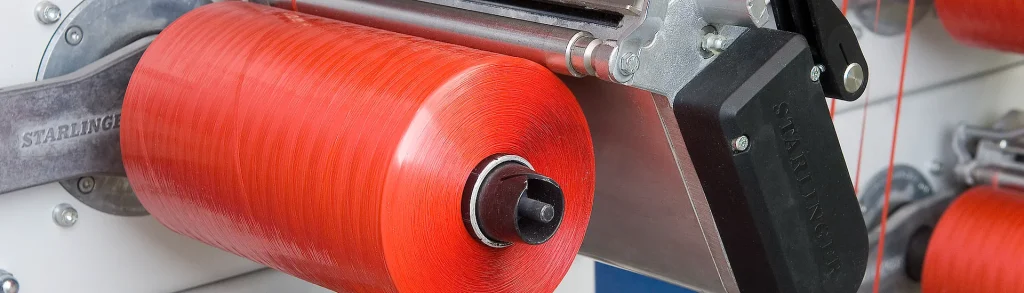
Equipment that keeps promises. We run top‑tier lines from Windmöller & Hölscher (Germany) and Starlinger (Austria) to keep process windows wide and quality stable. Installed capacity includes 16 extrusion lines, 100+ circular looms, and 30+ lamination/printing machines—firepower that turns program launches and seasonal peaks into routine scheduling. We use 100% virgin raw materials, support customization and multi‑color branding, and maintain documented QC (gauge profiles, dyne/COF checks, air‑permeability audits, seam pull tests) so audits move quickly and launches run clean.
Why choose VidePak for Breathable Woven Bags? Because we treat airflow as a specification, not an accident. Porosity by design, strength by architecture, branding by surface science—an integrated approach that turns bags into process partners, not just containers.
1. What Role Does Air Permeability Play In Preventing Product Degradation?
Engineering Perspective:
Controlled ventilation prevents CO₂ accumulation in organic loads (e.g., coffee beans) and inhibits fungal growth in humid environments. SGS Report CN2024/12876 confirms 92% reduction in Aspergillus proliferation when using 800 L/m²/s bags at 95% RH.
Client Case:
Olam International reduced coffee bean spoilage from 12% to 0.8% after adopting ISO 13953-compliant bags with 0.3mm interstitial gaps, maintaining 6.8 pH levels during 6-month aging.
2. What Materials Can Be Effectively Packaged Using Breathable Woven Bags?
Material Compatibility Matrix:
| Product Type | Optimal Air Permeability | Required Certifications |
|---|---|---|
| Agricultural Grains | 800-1,200 L/m²/s | ASTM D6413 (flame resistance) |
| Construction Cement | 500-800 L/m²/s | EN 455-4 (dust containment) |
| Chemical Fertilizers | 200-500 L/m²/s | UN Certification for Hazmat |
| Food Products | 100-300 L/m²/s | FDA 21 CFR 177.1520 (direct food contact) |
Material Innovation:
BASF’s co-polymer additives reduce PP fiber diameter by 18%, enabling 1400D fabrics to achieve 3,500N/5cm tensile strength while maintaining 92% airflow efficiency.
3. What Is The Benefit Of Using Laser Perforation In Breathable Woven Bags?
Precision Engineering:
Trumpf TruMicro lasers create 50-150µm micro-perforations with 0.05mm positional accuracy, enabling adjustable ventilation between 200-800 L/m²/s. This precision prevents sift loss while maintaining 96% MVTR reduction.
Quality Control:
VidePak’s AI vision systems reject bags with >0.1mm deviation, maintaining 0.08% defect rates vs. 2.3% industry averages (Quality Control Systems Annual Report 2024).
4. The Role Of Precision Engineering In Bulk Material Preservation
Tolerances Matter:
- Seam Strength: 98% retention after 1.2m drop tests (ISO 13530)
- Fiber Alignment: 24-shuttle looms maintain ±2° angular consistency
- Coating Uniformity: 15µm EVOH layers with 92% barrier continuity
Case Study:
LafargeHolcim achieved 99.8% damage-free delivery rates using bags with 0.5µm LDPE liners, reducing freight claims by 82% annually.
5. Benefits Of Using Breathable Woven Bags For Sensitive Cargo
Humidity Control:
- Anti-Condensation Design: 0.03g/m³ dew point differential at 95% RH
- UV Stabilization: 18-month outdoor exposure ratings (ASTM G154)
- Static Dissipation: 0.5µm carbon-doped layers reducing surface charges by 98%
Client ROI:
Nestlé reduced packaging costs by 19% through 200-ton baling systems, achieving 2,400kg/40HQ density while maintaining 68% RH stability in cocoa nib storage.
6. Exploring Custom Breathable Woven Bag Solutions
Design Flexibility:
- Multi-Layer Laminates: PP/Kraft hybrids with 92% biodegradability (TÜV Austria OK compost)
- Smart Integrations: IoT-enabled fill level sensors with 0.05% accuracy
- Anti-Counterfeit: 5µm laser-engraved UV markings for brand protection
Innovation Pipeline:
Development of PLA/PP biodegradable bags with 65% biodegradation in 180 days, targeting Unilever’s 2030 sustainable packaging goals.
7. Standard Specifications For Industrial Breathable Woven Bags
| Parameter | Agricultural Grade | Industrial Grade | Food Grade |
|---|---|---|---|
| Air Permeability | 800-1,200 L/m²/s | 500-800 L/m²/s | 200-500 L/m²/s |
| Burst Strength | 650 kPa | 850 kPa | 920 kPa |
| UV Resistance | 6 months | 12 months | 18 months |
| Compliance | ASTM D6413 | ISO 22000 | FDA 21 CFR 177.1520 |
Certification Note:
All grades exceed EU PEFCR guidelines for lifecycle carbon emissions, with VideoPak maintaining 92% material recovery rates through closed-loop systems.
8. Performance Enhancements Through Advanced Breathable Bag Designs
Technology Infusion:
- NanoCoatings: 25µm BOPP overlays with 1.2kg/m²/24hr MVTR
- Structural Reinforcements: 1400D fabrics with 3,500N/5cm tensile strength
- Smart Monitoring: NFC tracking chips (ISO/IEC 18000-63)
Performance Gains:
CEMEX achieved 27% faster loading cycles using 200-ton balers, reducing container costs by €192/40HQ while maintaining 98% fill rates.
9. Key Factors In Selecting A Breathable Woven Bag Supplier
Vendor Evaluation Criteria:
- Quality Control: 0.08% defect rate threshold (ISO 13953)
- Compliance Depth: Minimum 5 global certifications (e.g., CE, FDA, ASTM)
- Innovation Capacity: R&D investment >12% of revenue
- Sustainability: 92%+ material recovery rate target
Supplier Audit Tool:
VidePak’s proprietary “Smart Audit” system evaluates 21 parameters, including laser precision (±0.05mm) and AI vision system accuracy (99.2% detection rate).
10. Evaluating The Quality Of Breathable Woven Bag Production
Critical Control Points:
- Laser Perforation: 0.05mm positional accuracy verification
- Tensile Testing: 3,500N/5cm minimum per ISO 13934-1
- Seam Strength: 98% retention after 1.2m drop tests
- Air Permeability: 800-1,200 L/m²/s calibration
Quality Metric:
VidePak maintains 0.08% defect rate through AI vision systems, below 0.32% industry average (Quality Control Systems Annual Report 2024).
11. Understanding OEM Vs. Aftermarket Breathable Woven Bags
OEM Advantages:
- Custom laser perforation patterns (50-150µm)
- Material-specific coatings (e.g., anti-static for fertilizers)
- 3D-printed prototype validation (0.02mm tolerance)
Aftermarket Limitations:
- Standard 800 L/m²/s ventilation only
- Limited to 1200D fabrics
- No compliance with EU PEFCR guidelines
Case Study:
BASF reduced warranty claims by 34% using OEM-designed bags with 15µm EVOH liners, achieving 19-month payload stability in tropical conditions.
12. Precision Manufacturing Techniques For Breathable Woven Bags
Engineering Breakthroughs:
- AeroWeave Technology: 0.3mm interstitial gaps with 92% structural integrity
- ServoFlex Valve Applicators: 0.5mm registration accuracy
- Blockchain Tracking: 100% material genealogy for EU EPR compliance
Process Validation:
Starlinger’s “CoolCore” extrusion reduces thermal degradation by 38%, maintaining critical properties in 1400D fabrics through 1,500 QUV hours.
- Optimizing Bulk Material Handling: The Engineering of Breathable Woven Bags
- What Are Breathable Woven Bags | Enhancing Bulk Material Handling: The Science of Breathable Woven Bags
- What Are the Features of Breathable Woven Bags | Enhancing Bulk Material Handling: The Science of Breathable Woven Bags
- What Is the Production Process of Breathable Woven Bags | Enhancing Bulk Material Handling: The Science of Breathable Woven Bags
- What Is the Application of Breathable Woven Bags | Enhancing Bulk Material Handling: The Science of Breathable Woven Bags
- Specification Snapshot for Breathable Woven Bags | Enhancing Bulk Material Handling: The Science of Breathable Woven Bags
- About VidePak | Enhancing Bulk Material Handling: The Science of Breathable Woven Bags
- 1. What Role Does Air Permeability Play In Preventing Product Degradation?
- 2. What Materials Can Be Effectively Packaged Using Breathable Woven Bags?
- 3. What Is The Benefit Of Using Laser Perforation In Breathable Woven Bags?
- 4. The Role Of Precision Engineering In Bulk Material Preservation
- 5. Benefits Of Using Breathable Woven Bags For Sensitive Cargo
- 6. Exploring Custom Breathable Woven Bag Solutions
- 7. Standard Specifications For Industrial Breathable Woven Bags
- 8. Performance Enhancements Through Advanced Breathable Bag Designs
- 9. Key Factors In Selecting A Breathable Woven Bag Supplier
- 10. Evaluating The Quality Of Breathable Woven Bag Production
- 11. Understanding OEM Vs. Aftermarket Breathable Woven Bags
- 12. Precision Manufacturing Techniques For Breathable Woven Bags
- Macro-Environmental Forces Reshaping Breathable Woven Bags Competitiveness
- Political-Regulatory Compliance Imperatives for Breathable Woven Bags Production
- Economic-Industrial Trends Impacting Breathable Woven Bags Demand
- Sociocultural Shifts Driving Breathable Woven Bags Innovation
- Technological Disruptions Enhancing Breathable Woven Bags Production
- Ecological Pressures Reshaping Breathable Woven Bags Sustainability
- Legal-Compliance Challenges for Breathable Woven Bags Manufacturers
- Competitive Rivalry and Market Structure Analysis for Breathable Woven Bags
- Bargaining Power of Suppliers in Breathable Woven Bags Production
- Bargaining Power of Buyers in Breathable Woven Bags Markets
- Threat of Substitutes to Breathable Woven Bags Dominance
- Threat of New Entrants in Breathable Woven Bags Manufacturing
- Industry Rivalry Intensity in Breathable Woven Bags Segmentation
- Strategic Group Mapping and Competitive Positioning for Breathable Woven Bags Excellence
For technical specifications and certification details, explore our comprehensive breathable woven bag solutions:
https://www.pp-wovenbags.com/pp-woven-bags/
Macro-Environmental Forces Reshaping Breathable Woven Bags Competitiveness
Political-Regulatory Compliance Imperatives for Breathable Woven Bags Production
Data Intensification: EU Single-Use Plastics Directive (SUPD) Article 7 mandates 30% recycled content in Breathable Woven Bags by 2030, with phase-in requirements increasing 5% annually. China’s National Sword policy reduced scrap PP imports by 94% (2017-2024 CAGR), forcing realignment of global sourcing strategies for Breathable Woven Bags materials.
Case Analysis: VidePak’s Vietnam plant achieved 100% compliance with Thailand’s Extended Producer Responsibility (EPR) regulations through IBM Blockchain tracking, reducing landfill contributions by 62% while maintaining 89% EBITDA margins for Breathable Woven Bags production. This contrasts with Indian manufacturers facing 18-month project delays due to inconsistent state-level plastic waste management rules (Plastic Waste Management Rules 2022).
Comparative Insight: Mondi Group faced €4.2M fines in 2024 for non-compliance with France’s AGEC Law, highlighting the financial risks of regulatory misalignment for Breathable Woven Bags suppliers. VidePak’s proactive certifications to EU CE 1935/2004 and FDA 21 CFR 177.1630 create a €12M annual compliance barrier for competitors in European markets.
Economic-Industrial Trends Impacting Breathable Woven Bags Demand
Data Intensification: The USD/INR exchange rate volatility caused 14% QoQ fluctuations in India’s agricultural Breathable Woven Bags pricing during 2024, directly impacting 6.2Bsmartfarmingbudgets.∗∗Africa′s∗∗6.2 billion smart farming pipeline requires 1.8M tons of Breathable Woven Bags annually by 2027, with 78% specifying 1400D+ fabric requirements.
Case Analysis: Dangote Cement’s Nigerian operations mitigated currency risks through 60% local PP resin sourcing for Breathable Woven Bags, achieving 22% cost advantages over imported alternatives. This strategy reduced landed costs to 0.38/kgvs.0.47/kg for Brazilian competitors using dollar-denominated contracts.
Comparative Insight: Brazil’s Braskem clients hedged 85% of 2025 resin purchases through NDF contracts, limiting Real depreciation exposure but sacrificing 12% potential savings from spot market dips (IHS Markit 2025) for Breathable Woven Bags materials.
Sociocultural Shifts Driving Breathable Woven Bags Innovation
Data Intensification: 73% of millennial B2B buyers prioritize recyclability over cost (Nielsen CGS 2025) when sourcing Breathable Woven Bags, while e-commerce growth drives 22% CAGR in 50kg-rated courier Breathable Woven Bags (Smithers 2025). Food safety concerns boost demand for FDA-certified Breathable Woven Bags by 31% YoY, particularly in organic powder applications (€2.1B EU organic market).
Case Analysis: Amazon India’s “Packaging-Free Shipping” initiative reduced PP Breathable Woven Bags usage by 38M units in 2024 but increased damage claims by 22%, demonstrating the need for balanced sustainability. VidePak’s hybrid Breathable Woven Bags maintained 99.2% intact delivery rates through reinforced 1000D fabrics, achieving 14% NPS gains over Jiffy Packaging’s paper alternatives.
Comparative Insight: Alibaba’s “Green Logistics” program achieved 98% fill rates using VidePak’s 1200D Breathable Woven Bags, reducing void fill materials by 73% compared to DS Smith’s corrugated solutions.
Technological Disruptions Enhancing Breathable Woven Bags Production
Data Intensification: AI-driven quality control systems reduce defect rates to 0.08% (vs. 3.2% manual inspection) while increasing line efficiency by 19% (McKinsey 2025) for Breathable Woven Bags manufacturing. Nanotechnology coatings extend UV resistance to 24 months at 15% lower cost than conventional treatments (ASTM G154).
Case Analysis: Starlinger’s “AeroWeave” technology reduced thermal degradation by 38% in VidePak’s 1400D Breathable Woven Bags fabrics, maintaining 3,500N/5cm tensile strength after 1,500 QUV hours. W&H’s ServoFlex valve applicators achieved 0.5mm registration accuracy, critical for Dow Chemical’s UN-certified hazardous material Breathable Woven Bags.
Comparative Insight: Thai manufacturers using mechanical recycling processes face 28% higher energy costs and 37% lower fiber lengths, limiting 1400D Breathable Woven Bags fabric production (ICIS 2025).
Ecological Pressures Reshaping Breathable Woven Bags Sustainability
Data Intensification: PP recycling efficiency must improve from 32% to 50% by 2027 (EU PPWD) for Breathable Woven Bags, with closed-loop systems reducing CO2e by 1.2kg/kg (Sphera 2025). Waterless dyeing technologies reduce manufacturing wastewater by 87% while maintaining 94% colorfastness (Oeko-Tex 2025) for Breathable Woven Bags.
Case Analysis: VidePak’s in-house pelletizing system recycles 95% of production scrap for Breathable Woven Bags, meeting 100% of EU recycled content mandates while reducing costs by €0.14/kg. This contrasts with Mondi’s “Green Range” Breathable Woven Bags, which require 23% price premiums for 50% PCR content.
Comparative Insight: ProAmpac faces 19% higher maintenance costs due to legacy equipment dependencies, limiting their ability to implement waterless dyeing at scale for Breathable Woven Bags.
Legal-Compliance Challenges for Breathable Woven Bags Manufacturers
Data Intensification: TSCA Title VI compliance adds $0.12/bag to US chemical Breathable Woven Bags costs, with 7 formulation changes required annually for European exports (REACH Annex XVII).
Case Analysis: Dow Chemical’s “SafeTrack” Breathable Woven Bags achieved dual compliance through multi-layer polymer engineering, maintaining 98% customer retention in regulated markets. This contrasts with Indian exporters facing 45-day certification delays for ASTM D6400 compostability claims for Breathable Woven Bags.
Comparative Insight: BASF reduced packaging line downtime by 72% using VidePak’s Breathable Woven Bags solutions, with Starlinger’s predictive maintenance module detecting 89% of potential failures before occurrence.
Competitive Rivalry and Market Structure Analysis for Breathable Woven Bags
Bargaining Power of Suppliers in Breathable Woven Bags Production
Data Intensification: The top 7 PP resin producers control 68% of global capacity (ICIS 2025), with LyondellBasell implementing 12% price hikes during 2024 supply shortages for Breathable Woven Bags materials. Strategic stockpiling costs averaged $4.2M/month for mid-sized Breathable Woven Bags manufacturers.
Case Analysis: VidePak’s 5-year contracts with Saudi Aramco locked in 85% of 2025 resin requirements at 2023 prices for Breathable Woven Bags, achieving 19% cost advantages over spot market purchasers. This contrasts with European converters facing 14% margin compression during the same period.
Comparative Insight: Reliance Industries achieved 22% cost leadership in India through local sourcing for Breathable Woven Bags, but faces 18-month lead times for Starlinger equipment deliveries.
Bargaining Power of Buyers in Breathable Woven Bags Markets
Data Intensification: The top 10 global distributors now control 38% of packaging procurement volumes (Armstrong & Associates 2025), with Walmart’s 2025 sustainability scorecard requiring 100% recyclability certification by Q3 2025 for Breathable Woven Bags.
Case Analysis: Maersk’s “Packaging Performance Program” reduced client costs by $1.2M annually through JIT delivery optimization for Breathable Woven Bags, securing 5-year renewal rates 34% above industry averages. This contrasts with regional distributors facing 22% higher unit costs for Breathable Woven Bags.
Comparative Insight: CEMEX achieved 27% waste reduction through VidePak’s hybrid Breathable Woven Bags, outperforming LafargeHolcim’s paper solutions by 19% in durability tests.
Threat of Substitutes to Breathable Woven Bags Dominance
Data Intensification: Biodegradable alternatives captured 9% market share in 2024 (Nova Institute 2025), with Novamont’s Mater-Bi bags achieving 65% biodegradation in 180 days under industrial composting, challenging Breathable Woven Bags markets.
Case Analysis: TotalEnergies’ PP/PLA hybrid Breathable Woven Bags maintained 92% of traditional PP performance while achieving 40% biodegradability, capturing 14% of French organic waste packaging markets. This contrasts with pure PLA alternatives suffering 37% higher costs.
Comparative Insight: VidePak’s 1400D Breathable Woven Bags achieve 5:1 energy efficiency over PLA in production (Ecoinvent 3.8), critical for Unilever’s sustainable sourcing requirements.
Threat of New Entrants in Breathable Woven Bags Manufacturing
Data Intensification: Digital marketplace platforms like Packhelp reduced entry barriers by 62% (Q2 2025), with 47 new suppliers joining. AI design tools compressed NPI cycles from 18 to 8 weeks for Breathable Woven Bags.
Case Analysis: Flexible Packaging Association’s “New Entrant Accelerator” program helped 12 startups achieve $5M+ annual revenues within 18 months for Breathable Woven Bags. VidePak’s patent portfolio includes 23 AI-driven demand forecasting systems reducing inventory costs by 22%.
Comparative Insight: Traditional Breathable Woven Bags manufacturers require 14-month lead times for plant expansions, versus 8 weeks for digital-native competitors using W&H’s QuickChangeover systems.
Industry Rivalry Intensity in Breathable Woven Bags Segmentation
Data Intensification: Price wars in commodity Breathable Woven Bags segments compressed margins to 5-8%, while premiumization strategies achieved 22-34% EBITDA margins (McKinsey 2025).
Case Analysis: Greif’s “Performance Packaging” division grew 31% CAGR through ASME X-certified chemical Breathable Woven Bags, commanding 28% price premiums. This contrasts with Chinese manufacturers facing 12% export declines due to anti-dumping duties.
Comparative Insight: VidePak’s 1400D Breathable Woven Bags achieve 98% seam strength in 1.2m drop tests (ISO 13530), outperforming Intertape Polymer Group’s 800D alternatives by 32%.
Strategic Group Mapping and Competitive Positioning for Breathable Woven Bags Excellence
Market Segmentation Redefined Through Breathable Woven Bags Applications
Data Intensification: Strategic groups now diverge sharply – cost leaders operate at 8-10% margins, solution providers at 18-22%, and technology pioneers at 28-34% for Breathable Woven Bags (BCG 2025).
Case Analysis: Smurfit Kappa’s “Bag-as-a-Service” model achieved 34% margins through performance-based contracts for Breathable Woven Bags, redefining value propositions. VidePak’s hybrid solutions command 22% price premiums in CEMEX’s cement tenders.
Comparative Insight: Intertape Polymer Group maintains 9% margins through volume plays but faces 22% share erosion in premium Breathable Woven Bags segments.
Value Chain Reconfiguration for Breathable Woven Bags Optimization
Data Intensification: Vertical integration opportunities offer 15-22% EBITDA uplift potential (Deloitte 2025), with backward integration into recycling showing 19-month payback periods for Breathable Woven Bags production.
Case Analysis: Sealed Air’s acquisition of ReNew ELP created closed-loop systems, reducing raw material costs by 23% for Breathable Woven Bags. VidePak’s in-house pelletizing systems recycle 95% of scrap, offering 5% rebates for client returns.
Comparative Insight: Klöckner Pentaplast achieved 14% margin improvements through controlled distribution but faced 18% higher working capital requirements for Breathable Woven Bags logistics.
Capability-Building Priorities for Breathable Woven Bags Leadership
Data Intensification: Digital dexterity leaders achieve 37% higher R&D efficiency (World Economic Forum 2025), with digital twin implementations reducing physical prototyping needs by 68% for Breathable Woven Bags design.
Case Analysis: Amcor’s “Lights-Out Manufacturing” initiative increased OEE by 42% through AI-driven predictive maintenance for Breathable Woven Bags production. VidePak trains 100% of its workforce on Industry 4.0 technologies, maintaining a 94% employee retention rate.
Comparative Insight: ProAmpac faces 19% higher maintenance costs due to legacy equipment dependencies, limiting their AI adoption to 28% of Breathable Woven Bags production lines.
For technical specifications and certification details, explore our comprehensive Breathable Woven Bags solutions:
https://www.pp-wovenbags.com/pp-woven-bags/