
What are Composite Woven Bags?
Composite Woven Bags are polypropylene (PP) woven sacks enhanced with a multilayer laminate—specifically an aluminum‑foil laminated barrier stack—so that one package unites strength, shelf presentation, and near‑hermetic protection. Picture a duet working in time: the woven PP fabric supplies the muscle that carries 5–50 kg loads without flinching, while the aluminum‑foil laminate provides the shield that blocks moisture, oxygen, light, and odor transfer. In global trade you will also hear Composite Woven Bags described as aluminum‑foil laminated woven sacks, foil‑laminated PP woven bags, composite barrier woven bags, or metallized composite sacks. The names vary; the mission is consistent—move dense, sensitive goods through long routes and harsh climates with less waste and more certainty. For a related construction overview, see Composite Woven Bags.
Why emphasize Composite Woven Bags now? Because the logistics brief has changed. Shipments run farther, dwell longer, and face wider thermal swings. A sack that merely contains is no longer enough; a sack must protect, present, and perform. Horizontally, these bags sit in a competitive set with multi‑wall kraft (excellent breathability but low wet strength), heavy‑duty PE FFS film (great sealability yet lower puncture resistance at equal tare), and BOPP‑laminated woven bags (photo‑grade graphics but moderate barrier). Vertically, the causal chain runs from polymer orientation → tape tenacity → fabric modulus → lamination integrity → seal mechanics → pallet stability → claims rate. Change a parameter upstream and you hear the echo at the warehouse dock.
What are the features of Composite Woven Bags?
Barrier that behaves like a vault. In unperforated laminates, the aluminum foil layer (commonly ~7–12 µm) is essentially opaque to oxygen and water vapor, pushing OTR toward ~0 cc/m²·day and WVTR to ≤0.1 g/m²·day (38 °C/90% RH under standard test conditions). What does that mean on the floor? Slower rancidity in oil‑bearing feeds, less caking in hygroscopic powders, tighter aroma retention in high‑value ingredients. Need venting on fast lines? Then introduce patterned micro‑perforation—accepting, deliberately, a calibrated trade‑off between quick deaeration and ultimate barrier—so the bag fills cleanly and still protects during storage.
Strength‑to‑weight that earns its keep. The woven PP core of Composite Woven Bags is built from oriented tapes; molecular alignment converts into tensile strength and tear resistance at modest grammage. In the 25–50 kg class, these bags endure chute impacts, belt transfers, and side‑grip forklifts while keeping seams closed and corners crisp. The logic is simple, the mechanics are not: draw ratio → tape tenacity → weave modulus → seam efficiency → drop performance.
Light‑ and odor‑blocking performance. Aluminum foil is a full light barrier; photosensitive or aroma‑critical goods benefit immediately. Coffee and cocoa intermediates, fish meal, spice blends, and certain mineral premixes arrive smelling like themselves—not like the container yard.
Print fidelity with durable faces. Because the outer display layer can be BOPP or PET laminated over foil and reverse‑printed via rotogravure, inks are protected beneath film. Continuous‑tone imagery, hairline type, QR codes, and hazard icons remain legible after conveyor rubs that abrade surface‑printed inks. Shelf presence meets shipping resilience.
Format flexibility, export pragmatism. Open‑mouth, gusseted sacks serve manual and semi‑auto lines; block‑bottom (brick‑shape) variants create square pallets that load trailers cleanly and resist stack creep. Where closed‑system filling is mandated, valve formats are available. Anti‑skid textures raise bag‑to‑bag friction; easy‑open tapes enable tidy decanting; document pouches and label windows keep customs paperwork visible and dry.
Recyclability‑oriented thinking, with nuance. The structural core remains PP and, where feasible, PP‑based tie layers are used; that keeps most of the stack in one polymer family. The foil layer complicates mono‑material recycling: some regions accept PP/foil composites in specialized recovery streams, others route them to energy recovery. Designing for disassembly (e.g., peelable over‑laminates) and minimizing non‑PP components strengthen end‑of‑life pathways. The honest takeaway: Composite Woven Bags prioritize product protection first, then optimize for recyclability by market.
Lateral perspective: paper sacks breathe but wilt, films seal but slip; Composite Woven Bags blend woven backbone with a high‑barrier skin to stay square, readable, and intact. Longitudinal perspective: tape width sets weave density; weave density shapes print lay‑down; print lay‑down affects converting speeds; converting speeds influence your OEE. A micrometer tweak at the extruder becomes an hour saved—or lost—at the line.
What is the production process of Composite Woven Bags?
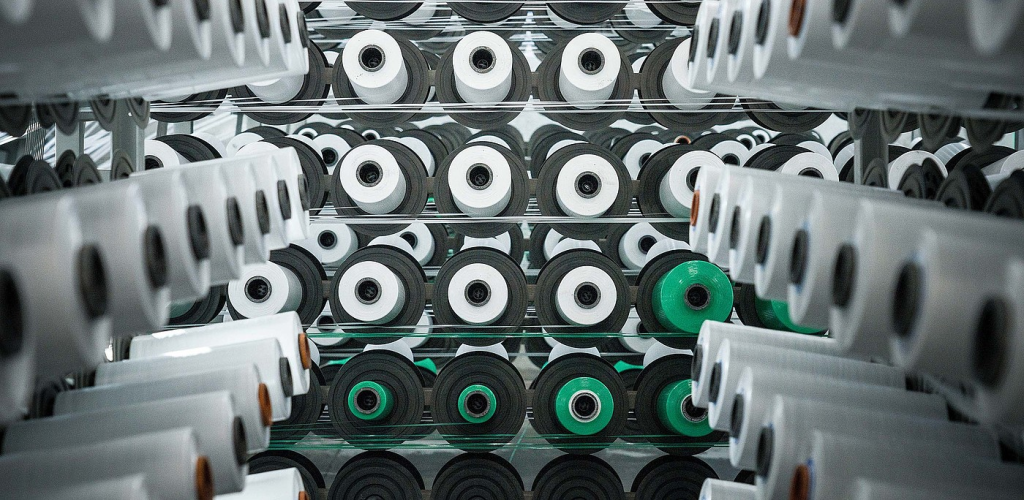
1) PP tape extrusion & orientation. Virgin PP is melted, slit into tapes, drawn—often 5:1–7:1—and annealed to lock orientation. Additive packages (HALS UV stabilizers, slip/anti‑block) are dosed to service conditions. The physics has a rhythm: stretch to strengthen, cool to set, anneal to keep.
2) Fabric weaving. Tapes run on circular or flat looms toward a target weave density, typically 10×10 to 14×14 threads/inch. Loom tension, pick count, and tape width co‑determine fabric modulus, tear path, and surface flatness—variables that later govern lamination quality and seam behavior.
3) Foil laminate preparation. Aluminum foil (commonly 7–12 µm) is paired with a heat‑seal layer—often LDPE 25–60 µm—and, where premium print is needed, a reverse‑printed BOPP/PET 12–25 µm outer film. Corona treatment lifts surface energy for ink anchorage; tie layers (PP/PE/EAA‑based) are selected to bond to PP fabric without embrittling the stack.
4) Extrusion lamination to woven fabric. The prepared foil laminate bonds to the woven substrate via extrusion lamination. Caliper uniformity governs curl, stiffness, and bond strength. Too little bond risks delamination at gussets; too much can make the lay‑flat boardy and slow down bag formation.
5) Venting strategy & finishing. Where fast‑fill deaeration is required, micro‑perforation (pin‑perfs or laser) is applied in zones that spare critical graphics and meet post‑fill barrier targets. Anti‑skid coatings and easy‑open tapes are added to meet handling and decanting needs. This is also where transparent windows—when specified on non‑foil stacks—would be introduced; for foil systems, windows are typically avoided to preserve barrier.
6) Converting. Laminated webs are cut (hot‑knife to seal edges), tubed, gusseted, and bottomed—stitched or heat‑sealed—into open‑mouth or block‑bottom/valve formats. Stitch type (chain vs. lock), seam allowance, and fold geometry are tuned to achieve seam‑efficiency targets and pass drop tests (often 0.8–1.2 m with conditioned loads).
7) Quality assurance. Routine controls include seam efficiency, tensile/burst strength, drop performance, WVTR/OTR verification on laminate rolls, ΔE color accuracy vs. proofs, ink adhesion (tape test), coefficient of friction (bag‑to‑bag and bag‑to‑metal), and UV retention. QA is not a sign‑off; it is a feedback loop that nudges extrusion, lamination, and converting back toward center whenever drift appears.
At VidePak, this chain runs on top‑tier assets from Germany’s W&H and Austria’s Starlinger. Capacity is tangible: >100 circular looms, 16 extrusion lines, and >30 lamination/printing machines. Founded in 2008 and powered by a core team with 30+ years in woven packaging, VidePak tunes draw ratios, weave densities, laminate stacks, and vent maps to your actual powders and pellets—not to a theoretical ideal.
What is the application of Composite Woven Bags?
Global foods and agri‑commodities. Rice, pulses, sugar, and premium flours travel oceans and wait in humid ports. Foil‑laminated Composite Woven Bags curb moisture gain, resist clumping, and keep labels legible after long voyages.
Animal feed & fish meal. Oil‑bearing meals and premixes oxidize quickly. High barrier slows rancidity pathways, keeps aroma in and dust out—especially valuable on hot, long‑haul routes where “freshness” is measured in weeks.
Fertilizers & soil amendments. Hygroscopic NPK blends and urea demand moisture control. Block‑bottom geometry builds square, stable pallets that slide cleanly into containers and stack safely in open yards.
Industrial minerals & chemicals. Photosensitive or hygroscopic powders—TiO₂ grades, specialty carbonates, pigments, catalysts—benefit from foil’s light/oxygen barrier paired with the woven core’s puncture resistance.
Humanitarian and strategic stockpiles. When product sits for months awaiting deployment, barrier stability is not a luxury; it’s mission‑critical. Foil‑laminated Composite Woven Bags buy time.
Across geographies—the United States, Europe, Brazil and South America, Southeast Asia, Japan, Korea, Central Asia, the MENA Region, East Africa, and South Africa—VidePak adapts fabric specs, laminate stacks, valve geometry, and artwork to climate and code. With 568 employees and annual sales near US$80 million, we match enterprise scale with responsive schedules.
Typical Parameters for Composite Woven Bags
The ranges below reflect widely used, real‑world specifications for aluminum‑foil laminated woven sacks. Select to match filler design, product rheology, climate, and logistics. Values are application‑dependent and customizable.
| Parameter | Typical Options / Range |
|---|---|
| Product | Composite Woven Bags (aluminum‑foil laminated, open‑mouth / block‑bottom / valve) |
| Woven Fabric (GSM) | ~80–120 g/m² PP woven (other ranges by application) |
| Aluminum Foil | 7–12 µm barrier layer |
| Heat‑Seal Layer | LDPE 25–60 µm (or PE/EVA blends) |
| Print Face (optional) | BOPP/PET 12–25 µm, reverse‑printed |
| Total Laminate Caliper | ~80–150 µm (stack‑dependent) |
| Weave Density | 10×10 to 14×14 (warp×weft, threads/inch) |
| Bag Capacity | 5–50 kg common (export SKUs) |
| Common 50‑kg Size | ~50 × 80 cm (±1–2 cm by filler spec) |
| WVTR (unperforated) | ≤0.1 g/m²·day @ 38 °C/90% RH |
| OTR (unperforated) | ≈0–0.1 cc/m²·day |
| Coefficient of Friction | ≈0.35–0.55 (bag‑to‑bag with anti‑skid) |
| Closures | Heat‑cut/hemmed top; single/double‑fold bottom; chain/lock stitching |
| Options | Micro‑perfs for deaeration, anti‑skid, easy‑open tape, document pouch, label window |
Why VidePak for Composite Woven Bags
- Process discipline. W&H and Starlinger lines hold lamination gauge, color registration, and seam efficiency in tight bands—so week‑to‑week runs look the same and perform the same.
- Materials & customization. We default to 100% virgin PP structural components, support multi‑color gravure/flexo, and tailor foil gauge, sealant thickness, vent maps, and anti‑skid to your line speed and product rheology.
- Scale that flexes. With >100 circular looms, 16 extrusion lines, and >30 lamination/printing machines, we launch multi‑market programs without bottlenecks.
- Global support. From barrier validation to ship‑ready pallets, our teams cover the US, Europe, Brazil, South America, Southeast Asia, Japan, Korea, Central Asia, MENA, East & South Africa.
Partner with VidePak to specify Composite Woven Bags that protect sensitive cargo, present your brand clearly, and perform across continents—so every shipment arrives as intended.
- What are Composite Woven Bags?
- What are the features of Composite Woven Bags?
- What is the production process of Composite Woven Bags?
- What is the application of Composite Woven Bags?
- Typical Parameters for Composite Woven Bags
- Why VidePak for Composite Woven Bags
- The Rise of Composite Woven Bags in Global Shipping
- How Aluminum Foil Laminated Technology Works
- Key Applications in Global Shipping
- Sustainable Shipping with Aluminum Foil Laminated Bags
- FAQs
- 1. What is the lifespan of an aluminum foil laminated woven bag?
- 2. Are aluminum foil laminated woven bags suitable for food packaging?
- 3. Can these bags be customized with prints?
- 4. How do aluminum foil laminated bags handle extreme weather conditions?
- 5. Are aluminum foil laminated woven bags cost-effective?
- 6. Are these bags eco-friendly?
- Conclusion
In the fast-evolving landscape of global logistics and packaging, ensuring the protection, efficiency, and sustainability of shipped goods is paramount. As industries worldwide face increasing demand for more durable, cost-effective, and environmentally friendly packaging solutions, composite woven bags have emerged as a game-changer. These bags combine the strength of woven polypropylene with advanced aluminum foil lamination to offer superior protection and versatility for a wide array of products, particularly in shipping and storage.
In this blog post, we will explore how composite woven bags, particularly those with aluminum foil laminated technology, are enhancing global shipping solutions. We will dive deep into the features, benefits, and practical applications of this innovative technology, provide an overview of key product parameters, and address common questions from industry professionals.
The Rise of Composite Woven Bags in Global Shipping
Composite woven bags are typically constructed from polypropylene (PP) fibers, which are tightly woven into a durable fabric. To improve their protective qualities, manufacturers laminate these bags with various materials, such as aluminum foil. This lamination process creates a multi-layered structure that offers enhanced moisture, UV, and odor resistance, making these bags ideal for shipping sensitive and perishable goods.
Table 1: Benefits of Aluminum Foil Laminated Composite Woven Bags
| Feature | Benefit |
|---|---|
| Moisture Barrier | Protects contents from water or humidity during transit |
| UV Protection | Shields sensitive products from UV rays, preventing degradation |
| Odor Control | Seals in or out odors, maintaining the integrity of products |
| Durability | Withstands rough handling, minimizing the risk of damage during shipping |
| Sustainability | Offers eco-friendly alternatives to traditional packaging materials |
As the demand for more efficient and eco-conscious packaging solutions continues to grow, industries such as agriculture, pharmaceuticals, chemicals, and construction are increasingly adopting composite woven bags to meet their packaging needs.
How Aluminum Foil Laminated Technology Works
The aluminum foil lamination process involves applying a thin layer of aluminum to the surface of woven polypropylene fabric. This is achieved through a process called extrusion coating, where molten aluminum is applied to the woven fabric. The result is a bag that boasts multiple layers, each serving a specific purpose:
- Outer Layer (Polypropylene Fabric) – Provides structural strength and support to the bag. It can also be customized with prints or logos.
- Middle Layer (Aluminum Foil) – Acts as a protective barrier against moisture, UV rays, and contaminants, ensuring the contents remain safe throughout transit.
- Inner Layer (Polypropylene or Other Materials) – Offers an additional protective layer that aids in moisture resistance or provides a food-grade surface for sensitive products.
This multi-layered structure is essential for transporting goods across long distances, especially in extreme conditions such as high humidity or temperature fluctuations.
Table 2: Key Product Parameters for Aluminum Foil Laminated Woven Bags
| Parameter | Specification |
|---|---|
| Bag Size | Customizable (from small bags to large bulk packaging) |
| Material Thickness | 100-250 microns (depending on application) |
| Laminate Type | Aluminum foil, polyethylene, BOPP, or hybrid |
| Seal Type | Heat-sealed, sewn, or pasted valve options |
| Customization | Custom printing, color coding, and logo placement |
| Load Capacity | Up to 2,500 kg (for bulk bags) |
Key Applications in Global Shipping
Aluminum foil laminated woven bags are used across various industries, from food packaging to chemical shipping. Their versatility lies in their ability to adapt to different packaging needs, making them suitable for an array of products such as:
- Agricultural products: Such as grains, seeds, and fertilizers. These bags protect the contents from environmental factors while maintaining freshness.
- Pharmaceuticals: Preserving medicines and other delicate products from moisture and contamination.
- Construction materials: Protecting materials like cement, sand, and aggregates from external elements.
- Electronics: Ensuring that sensitive components remain dry and intact during transportation.
Moreover, their ability to withstand rough handling, prevent spoilage, and offer customized solutions makes them an attractive option for companies operating in these industries.
Sustainable Shipping with Aluminum Foil Laminated Bags
Sustainability is at the forefront of modern packaging solutions, and composite woven bags are no exception. The aluminum foil laminated technology provides a more eco-friendly option compared to traditional packaging methods. Here’s how:
- Reduced Waste: By offering durable and reusable packaging, companies can minimize waste, contributing to a reduction in landfills.
- Recyclability: Many composite woven bags are fully recyclable, especially those made with polypropylene and aluminum foil.
- Lower Carbon Footprint: The durability and reusability of these bags contribute to less frequent repurchasing, lowering transportation emissions associated with packaging.
By using composite woven bags with aluminum foil lamination, businesses are not only improving efficiency but also aligning with global sustainability efforts. To explore more on this subject, check out this guide to sustainable packaging with woven bags.
FAQs
1. What is the lifespan of an aluminum foil laminated woven bag?
Aluminum foil laminated woven bags are designed for long-term use and can last for years, especially when used for bulk storage or shipping. However, the actual lifespan depends on the conditions during transport and storage.
2. Are aluminum foil laminated woven bags suitable for food packaging?
Yes, many aluminum foil laminated bags are made from food-grade polypropylene and aluminum foil, making them safe for shipping food products. It’s crucial to ensure that the bag is compliant with food safety standards.
3. Can these bags be customized with prints?
Yes, composite woven bags can be customized with high-quality prints, including logos, product information, and barcode labels, providing both branding opportunities and functionality.
4. How do aluminum foil laminated bags handle extreme weather conditions?
These bags offer excellent protection against moisture, UV rays, and extreme temperatures, making them ideal for use in environments with fluctuating weather conditions, such as those experienced in international shipping.
5. Are aluminum foil laminated woven bags cost-effective?
While aluminum foil laminated bags may have a higher initial cost than basic woven bags, their durability, efficiency, and protective qualities make them cost-effective in the long run. They reduce damage and spoilage during transit, which can lower overall shipping costs.
6. Are these bags eco-friendly?
Yes, composite woven bags with aluminum foil lamination are recyclable and reusable, contributing to environmental sustainability by reducing the need for single-use packaging.
Conclusion
As industries continue to expand globally, the need for more efficient, sustainable, and protective packaging solutions has never been greater. Aluminum foil laminated composite woven bags are leading the charge in meeting these demands by offering superior moisture, UV, and odor protection, along with the durability necessary for international shipping. Their versatility, coupled with their environmental benefits, positions them as a top choice for companies looking to optimize their packaging processes.
By incorporating these bags into their logistics strategies, businesses can ensure that their products reach their destinations safely, securely, and sustainably. Whether you are in the agriculture, pharmaceutical, or construction industry, aluminum foil laminated woven bags provide an innovative and reliable packaging solution.
For more insights into the role of laminated woven bags in modern packaging, check out this article on advanced production processes and VidePak’s expertise.