
What is Poly-BOPP Bags?
Poly-BOPP Bags—also known in feed circles as BOPP‑laminated PP woven feed bags, photo‑quality PP feed sacks, or BOPP‑coated woven polypropylene bags—are composite packages purpose‑built for livestock and poultry nutrition. They marry a high‑tenacity polypropylene (PP) woven substrate with a reverse‑printed biaxially oriented polypropylene (BOPP) film, creating a structure that looks premium at retail yet behaves like industrial packaging on the road. In plain terms, the woven layer carries the mechanical load while the BOPP face carries the brand narrative. That duality is decisive for compound feeds, premixes, corn‑soy blends, pellets, crumbles, or mash: Poly-BOPP Bags deliver puncture resistance, moisture moderation, dust discipline, and photo‑grade graphics—so nutrition arrives protected and presented. As your reference anchor for this category, see Poly-BOPP Bags.
From a technical vantage point, Poly-BOPP Bags sit where three disciplines intersect and reinforce one another. Polymer science defines tape draw ratio, crystalline orientation, film optics, and heat‑seal windows. Textile mechanics governs mesh density, tape denier, tear paths, and long‑term creep under stacked pallets. Print technology controls ΔE color stability, halftone fidelity, microtext legibility, and registration at speed. Look sideways across neighboring formats and the niche clarifies through contrast: multi‑wall paper expresses a “natural” aesthetic yet wicks ambient moisture; mono‑film PE FFS tubes sprint on high‑speed lines but can stretch and lean in tall stacks; unlaminated woven sacks shrug off abuse but under‑communicate at retail. Poly-BOPP Bags reconcile these tensions—retail polish without surrendering pallet strength, film‑like barrier behavior without compromising machinability.
Vertically, the logic runs from resin to route. Resin grade influences drawability; drawability dictates tape modulus and width stability; those parameters cascade into fabric GSM and mesh; fabric plus seam design determine drop performance and creep; lamination grammage tunes humidity uptake and peel strength; closure architecture determines what escapes (or doesn’t). Change a dial upstream—say, reduce coat weight by 3–5 g/m²—and the echo is audible downstream in stack lean, seal peel, or scuff‑through. That is why successful programs treat Poly-BOPP Bags as calibrated systems rather than mere containers.
What is the features of Poly-BOPP Bags?
Features become meaningful only when they neutralize real failure modes in feed logistics—oil migration from high‑fat diets, label scuff on conveyors, powder sifting at stitch lines, pallets that drift out of square in summer heat. The architecture of Poly-BOPP Bags is a kit of countermeasures, not a catalog of ornaments.
Photo‑grade print that resists abuse. Reverse printing on 18–25 µm BOPP (gloss or matte) buries ink behind the film. The result? Halftones stay crisp; micro‑icons keep their edges; nutrition panels remain scannable after vibration, rain splash, and manual handling. Scuff wants to happen; film says no.
Woven backbone for load‑bearing reliability. Drawn PP tapes—commonly 700D–1000D—are woven to meshes like 8×8–14×14. That orthogonal grid shares impact energy between warp and weft, curbing tear run‑on from corner hits and slowing creep on 25–50 kg columns. Light in mass, stubborn in service.
Tunable barrier and hygiene. A PE/PP extrusion coat (~18–30 g/m²) bonds film to fabric and builds a clean, lower‑permeability print base. Optional PE liners (20–40 µm) isolate hygroscopic premixes; controlled‑odor, food‑contact‑appropriate ink systems support regulated categories. Odor taint, moisture pickup, aroma loss—measured, managed, minimized.
Closures that match your filler. Choose sewn open‑mouth for manual/semi‑auto lines with robust stitches (chain or lock) and tuned fold geometry; select valve architectures for gravity/air/impeller packers where speed and dust control must coexist; specify pinch‑top when stitch‑free hermeticity is the non‑negotiable. Mouth design, stitch density, and thread type (PP/HDPE) are tuned to granularity, fat content, and target drop performance. Fast, clean, repeatable—pick any three.
Stack safety by design. Anti‑slip emboss/spray targets COF ≈ 0.5–0.7 so columns stay square with less wrap. Block‑bottom and gusseted bodies stand proud on the shelf and sit square on the pallet, reducing side‑loads that work closures loose during long dwell times.
Options that extend performance. UV stabilization (≈ 200–400 h) for sun‑exposed yards; anti‑counterfeit microtext or variable QR for traceability; registered matte‑over‑gloss and tactile varnish for a premium handfeel without sacrificing rub resistance. Need more breathability for hot fills? Engineered micro‑perfs can be added under controlled patterns.
Read as a whole, the proposition is simple and strong: Poly-BOPP Bags sell on the shelf, survive on the route, and stack in the warehouse.
Horizontally, compare to adjacent materials: paper breathes but wilts; PE tubes seal but creep; plain woven survives but undersells. Vertically, map feature to gate: incoming QC (mesh/GSM/peel) → printing (ΔE/registration) → conversion (seam strength) → filling (dust control/de‑aeration) → warehousing (COF/creep) → retail (scuff/colorfastness). Each gate cleared, each risk reduced.
What is the production process of Poly-BOPP Bags?
Production is choreography; field performance is the applause. VidePak executes the build of Poly-BOPP Bags on a platform designed for repeatability, where upstream controls show up as downstream reliability.
1) PP tape extrusion & drawing. Virgin PP is extruded into a thin film, slit into narrow tapes, then hot‑drawn to align polymer chains. Draw ratio governs tensile and elongation; quench and anneal lock tape width and crystallinity. Anti‑fibrillation additives reduce yarn “hairiness,” which otherwise becomes a conveyor for fines and a spoiler of print smoothness.
2) Weaving on circular looms. More than 100 circular looms interlace warp and weft to target meshes (e.g., 8×8–14×14) at 65–120 g/m² fabric weights. Balanced tension keeps layflat stable—vital for tight lamination register and clean, square cutting. The flatter the base, the truer the print, the stronger the seam.
3) BOPP reverse printing. High‑linecount gravure or CI flexo prints the BOPP on the inner surface. ΔE color targets, dot‑gain discipline, and registration marks protect brand hues, barcode readability, and micro‑icon clarity. Gloss vs. matte is chosen not by fashion alone but by the abuse profile: shine for impact, matte for premium tactility and glare control.
4) Extrusion lamination. A PE/PP melt curtain (~18–30 g/m²) bonds the printed BOPP to the woven substrate under controlled heat and pressure. Too cool starves bonds; too hot relaxes fabric or mutes film gloss—either way, peel strength tells the truth. We record and hold the window so adhesion stays boringly consistent.
5) Conversion & closures. Laminated webs are tubed, gussets formed, and bottoms made (flat, block‑bottom, or valve). Mouths are stitched, pinched, or fitted with valve sleeves; EZ‑open tear tapes and anti‑slip textures can be integrated without upsetting seam geometry. The goal is not just a bag, but a bag that behaves the same—lot after lot—on your packer.
6) Quality assurance. Routine checks verify fabric tensile/tear, lamination peel, seam strength, COF, dimensional tolerances, and filled‑bag drop/stack performance. For feed programs, additional evaluations cover odor, oil resistance (to simulate high‑fat diets), and scuff after conveyor rub tests. Numbers matter; trends matter more.
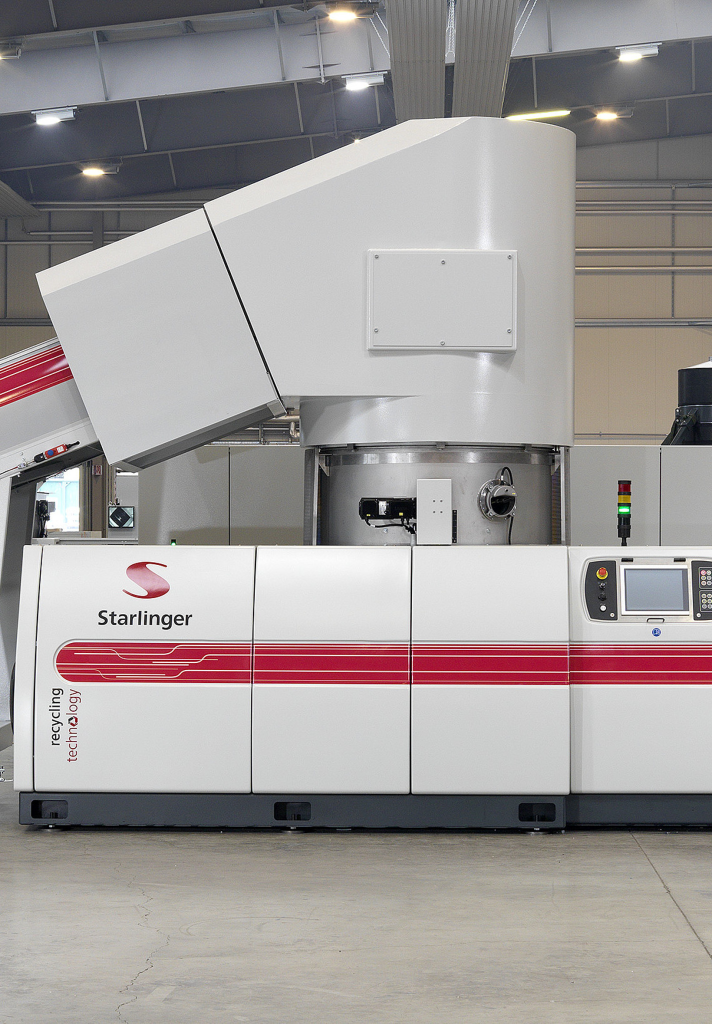
VidePak runs this flow on top‑tier lines from W&H (Germany) and Starlinger (Austria), backed by 16 extrusion lines and 30+ lamination/printing machines. Process windows are documented, audited, and held—because repeatability is a design parameter, not a hope.
What is the application of Poly-BOPP Bags?
Because Poly-BOPP Bags unite shelf appeal with mechanical grit, they are specified wherever animal nutrition must sell, survive, and stack—often in the same shift.
Poultry feeds (broiler, layer, breeder). Photo‑grade imagery communicates ration benefits; puncture‑tolerant weaves protect pellets and crumbles; optional liners temper oil migration in high‑energy formulas. Question: must speed and hygiene be at odds? Answer: with dust‑tight valve sleeves, they are allies.
Livestock feeds (dairy, beef, swine). Square stacks for 25–40 kg SKUs reduce wrap and aisle interference; scuff‑resistant faces carry safety marks and feeding directions that remain readable after depot handling. When dealers double‑stack for weekend traffic, Poly-BOPP Bags keep the display block looking intentional, not improvised.
Aqua & specialty nutrition. Moisture moderation protects extruded aquafeed; laminated faces resist abrasion in cold‑chain transfers; registered codes and microtext strengthen traceability in regulated waters.
Premixes & additives. Smaller, higher‑value packs favor pinch‑top hermeticity, anti‑counterfeit cues, and precise ΔE control across brand colors. Liners isolate hygroscopic or reactive components, guarding potency through the journey.
Retail & dealer channels. Tactile matte/gloss effects and high‑contrast images lift shelf presence; anti‑slip faces keep end‑cap towers upright; gusset profiles help bags stand, face, and sell without props.
Co‑packing and private label. Consistent adhesion windows and tight registration make fast art swaps viable, avoiding the classic compromise between speed and brand fidelity. One platform, many identities.
Horizontally, these use cases sit beside adjacent families—paper sacks for humidity‑light routes; PE FFS for ultra‑high line speeds; plain woven for purely industrial channels. Vertically, the decision tree narrows by content (oil/fat level), route (humidity/UV), handling (manual vs. impeller packers), and retail plan (shelf vs. dealer pallet). The common answer across branches: Poly-BOPP Bags when you require and graphics that sell and pallets that stay square.
Typical Parameters for Poly-BOPP Bags
Ranges below reflect widely available, real‑world specifications; VidePak provides application‑specific customization.
| Parameter | Typical Range / Option | Notes (for Poly-BOPP Bags) |
|---|---|---|
| Structure | BOPP film // PE/PP extrusion coat // PP woven fabric | Reverse‑printed BOPP laminated to woven PP |
| BOPP film thickness | 18 – 25 µm (gloss or matte) | Photo‑quality face; scuff‑resistant |
| Fabric mesh | 8×8 – 14×14 | Strength/printability balance |
| Fabric weight (GSM) | 65 – 120 g/m² | Selected by fill weight & drop targets |
| Tape denier | 700D – 1000D | Correlates with tensile & puncture resistance |
| Lamination coat | 18 – 30 g/m² (PE/PP) | Adhesion & moisture moderation |
| Bag width | 350 – 600 mm | Common bodies for 25–50 kg feed |
| Bag length | 500 – 1,100 mm | Tuned to bulk density & filler setup |
| Bottom style | Sewn / Block‑bottom / Valve | Line speed & dust‑control dependent |
| Printing | Gravure up to 8–10 colors; CI flexo up to 6 | Reverse‑printed, registration‑controlled |
| COF (stacking) | ≈ 0.5 – 0.7 | Anti‑slip emboss/spray to target value |
| UV stability | 200 – 400 hours (typical) | Outdoor exposure profile dependent |
| Liner options | Loose/tubular PE 20–40 µm | Aroma/moisture control for oily or hygroscopic feeds |
| Load capacity | 10 – 50 kg | Depends on GSM, seams, & safety factor |
Why VidePak
Founded in 2008, VidePak’s core team brings 30+ years of woven‑packaging expertise and a workforce of 568. We manufacture Poly-BOPP Bags—alongside valve bags and kraft‑paper composites—exclusively with 100% new raw materials to stabilize mechanical properties and color outcomes. Our equipment portfolio—W&H printers/converters and Starlinger tape & loom lines—spans 16 extrusion lines, 100+ circular looms, and 30+ lamination/printing machines. Global lanes—from the US and Europe to Brazil & South America, Southeast Asia, Japan, Korea, Central Asia, the MENA region, East & South Africa—are supported with documented process windows, tight ΔE control, robust seam integrity, and repeatable peel/COF targets. Annual sales around USD 80 million reflect long‑term partnerships built on data, discipline, and dependable pallets.
Ready to launch a new feed line or elevate an existing brand block? Share dimensions, fill weights, line speeds, climate profile, and storage conditions—we’ll engineer Poly-BOPP Bags to match or outperform your reference pack and provide the
- What is Poly-BOPP Bags?
- What is the features of Poly-BOPP Bags?
- What is the production process of Poly-BOPP Bags?
- What is the application of Poly-BOPP Bags?
- Typical Parameters for Poly-BOPP Bags
- Why VidePak
- 1. The Role of Poly-BOPP Bags in Livestock and Poultry Feed Packaging
- 2. Enhancing Moisture Resistance in Printed BOPP Woven Bags
- 3. Conversation Snippet
- 4. Product Parameters Table
- 5. FAQs
- 6. Two External Links
- 7. Social Impact and Economic Benefits of Printed BOPP Woven Bags
- 8. Real-World Applications
- 9. Future Outlook: Sustainability and Innovation
- 10. Conclusion
Main Answer: Poly-BOPP Bags, as presented by VidePak, offer unparalleled durability, superior moisture resistance, and extensive customization options, making them the optimal choice for livestock and poultry feed packaging. These advanced packaging solutions ensure product integrity, enhance brand visibility, and meet the evolving demands of the agricultural industry. This report delves into the functionalities of Poly-BOPP Bags, explores the critical role of moisture resistance, examines customization features, and highlights industry trends that underscore their importance.
1. The Role of Poly-BOPP Bags in Livestock and Poultry Feed Packaging
Poly-BOPP (Biaxially Oriented Polypropylene) bags have revolutionized the livestock and poultry feed industry by providing robust packaging solutions that address key challenges such as moisture control, product protection, and branding. Poly-BOPP Bags are crafted by laminating BOPP film onto woven polypropylene fabric, offering a blend of flexibility and rigidity essential for effective feed packaging.
1.1 Durability and Strength
Poly-BOPP Bags are renowned for their exceptional tensile strength and durability. They can withstand heavy loads, preventing tears and punctures that could compromise feed quality. This resilience is crucial in the livestock and poultry feed industry, where feed must remain uncontaminated and intact during transportation and storage.
Example: A leading agricultural supplier adopted Printed BOPP Woven Bags with PE liners for packaging dry seeds. The enhanced moisture resistance and robust construction reduced seed degradation during transportation, cutting spoilage rates by 25% and ensuring higher crop yields for farmers.
1.2 Superior Moisture Resistance
Moisture control is critical in feed packaging to prevent spoilage and maintain nutritional quality. Poly-BOPP Bags incorporate advanced moisture-resistant features through inner lining designs, coating technologies, and outer lamination techniques.
- Inner Lining Design: Utilizing materials like Polyethylene (PE) and Oriented Polypropylene (OPP) creates an effective moisture barrier, keeping feed dry and protected from external humidity.
- Coating Technologies: Waterproof coatings and moisture-repellent treatments enhance the fabric’s resistance to dampness, ensuring longevity and reliability.
- Outer Lamination: Pearlized or matte films applied to the exterior provide additional moisture barriers and enhance aesthetic appeal.
Example: A European chemical manufacturer implemented Printed BOPP Woven Bags with specialized waterproof coatings for packaging liquid solvents. The coatings effectively contained moisture and prevented leaks, ensuring safe transportation and storage of hazardous materials.
1.3 Customization and Branding
Poly-BOPP Bags offer extensive customization options, allowing businesses to tailor bags to their specific branding and functional requirements. High-quality printing techniques enable the display of logos, product information, and vibrant graphics.
- High-Quality Printing: Advanced CMYK, Pantone, and RAL color systems ensure clear and attractive branding on the bags.
- Variety of Designs: From vibrant colors to intricate patterns, Printed BOPP Woven Bags can be customized to match brand identities, enhancing market presence and consumer recognition.
- Full-Width Printing: Enables comprehensive coverage of the bag’s surface, ensuring consistent and professional design execution.
Example: A North American beverage company transitioned to Printed PP Woven Bags with customized high-resolution prints showcasing their brand logo and product details. This shift strengthened brand visibility on store shelves and improved consumer trust, resulting in a 20% increase in sales.
According to the 2023 Global Packaging Survey, the demand for printed and moisture-resistant packaging solutions has surged by 35%, driven by the need for better product visibility and enhanced consumer trust [Source: Global Packaging Survey, 2023].
2. Enhancing Moisture Resistance in Printed BOPP Woven Bags
2.1 Inner Lining Design
The integration of inner liners made from PE, OPP, or other waterproof materials is a fundamental strategy to enhance moisture resistance in Printed BOPP Woven Bags:
- Polyethylene (PE) Liners: Provide an impermeable barrier against moisture, ensuring that the contents remain dry and protected from external humidity.
- Oriented Polypropylene (OPP) Liners: Offer similar moisture-resistant properties with added benefits of higher clarity and strength, ideal for products requiring better visibility and protection.
- Other Waterproof Materials: Specialized materials can be used to tailor moisture resistance properties to specific packaging needs.
Example: An international food distributor utilized Printed BOPP Woven sacks with OPP liners for packaging flour and other baking ingredients. The superior moisture barrier prevented clumping and spoilage, ensuring consistent product quality and extending shelf life.
2.2 Coating Technologies
Advanced coating technologies play a crucial role in enhancing the moisture resistance of Printed BOPP Woven Bags:
- Waterproof Coatings: Prevent water from penetrating the bag, protecting the contents from external moisture.
- Moisture-Repellent Treatments: Make the surface of the bags resistant to moisture, reducing the chances of dampness affecting the packaged goods.
Example: A European chemical manufacturer implemented Printed BOPP Woven Bags with specialized waterproof coatings for packaging liquid solvents. The coatings effectively contained moisture and prevented leaks, ensuring safe transportation and storage of hazardous materials.
2.3 Outer Lamination
Outer lamination not only enhances moisture resistance but also improves the visual appeal of Printed BOPP Woven Bags:
- Pearlized Films: Add a shimmering effect to the bags, making them more attractive while providing an additional moisture barrier.
- Matte Films: Offer a sophisticated finish that reduces glare and enhances readability of printed information, alongside moisture protection.
Example: An Asian textile company used Printed BOPP Woven Bags with pearlized outer lamination for packaging fabrics and textiles. The lamination not only protected the products from moisture but also provided a premium look, appealing to high-end retail markets and increasing sales by 18%.
3. Conversation Snippet
Topic: Enhancing Moisture Resistance in Printed BOPP Woven Bags
Question: “How do Printed BOPP Woven Bags achieve superior moisture resistance, and what design features contribute to their effectiveness?”
Answer: “Printed BOPP Woven Bags achieve superior moisture resistance through a combination of advanced inner lining designs, cutting-edge coating technologies, and sophisticated outer lamination techniques. By incorporating inner liners made from materials like PE or OPP, the bags create an impermeable barrier against moisture. Additionally, waterproof coatings and moisture-repellent treatments enhance the fabric’s resistance to dampness. The application of outer lamination, such as pearlized or matte films, not only provides an extra layer of protection but also enhances the bag’s aesthetic appeal. These design features work together to ensure that the contents remain dry and protected, making Printed BOPP Woven Bags highly effective for moisture-sensitive applications.”
4. Product Parameters Table
| Parameter | Typical Range/Value | Impact on Performance |
|---|---|---|
| Fabric Type | Printed BOPP / Printed PP | Provides high tensile strength, durability, and customization |
| Inner Lining Material | PE, OPP, or other waterproof materials | Enhances moisture resistance, protecting contents from dampness |
| Coating Technology | Waterproof coatings / Moisture-repellent treatments | Prevents water ingress, ensuring dry and safe contents |
| Outer Lamination | Pearlized films / Matte films | Adds aesthetic appeal and additional moisture barrier |
| Printing Quality | High-resolution digital or flexographic printing | Ensures clear and vibrant branding and product information |
| Thickness | 200-400 GSM | Balances strength and flexibility for different applications |
| Closure Design | Valves / Spouts / Discharge Valves | Facilitates easy filling and discharge, improving efficiency |
| Capacity | 1–5 Tons | Suitable for a wide range of bulk material packaging needs |
| Base Design | Gusseted / Flat Bottoms | Ensures stability and shape retention when filled |
| Weight Capacity | Up to 5 Tons | Supports heavy loads without compromising bag integrity |
| Material Composition | Printed BOPP fibers / PE liners / Barrier Coatings | Enhances recyclability and sustainability |
| Smart Technology | QR Codes / RFID Tags | Enhances traceability and supply chain transparency |
| Environmental Features | Recyclable Materials / Eco-Friendly Coatings | Promotes sustainability and reduces environmental impact |
5. FAQs
- Q: What are the main advantages of Printed BOPP Woven Bags over traditional packaging solutions? A: Printed BOPP Woven Bags offer superior moisture resistance, extensive customization options, and enhanced durability, making them ideal for various industrial applications. Their printed designs allow for effective branding and product information display, while advanced inner lining and coating technologies ensure that the contents remain protected from moisture and environmental factors. Additionally, these bags are reusable and recyclable, supporting sustainability efforts and reducing packaging waste.
- Q: How do inner liners in Printed BOPP Woven sacks enhance moisture resistance? A: Inner liners made from materials like PE or OPP create an impermeable barrier against moisture, preventing dampness from affecting the packaged contents. This is particularly beneficial for products that are sensitive to humidity, such as grains, seeds, and powders. By maintaining a dry environment inside the bag, inner liners significantly reduce the risk of spoilage and degradation of the contents.
- Q: Are Printed PP Bags suitable for packaging moisture-sensitive products? A: Yes, Printed PP Bags can be customized with inner liners and advanced coating technologies to provide excellent moisture resistance. These modifications ensure that moisture-sensitive products remain dry and protected, making Printed PP Bags highly suitable for packaging items like dried foods, chemicals, and pharmaceuticals that require stringent moisture protection.
- Q: Can Printed woven bags wholesale be customized for specific branding needs? A: Absolutely. Printed woven bags wholesale can be tailored to include high-resolution prints, specific colors, logos, and product information to align with a company’s branding strategy. This customization not only enhances brand visibility but also ensures that the bags meet the functional requirements of different industries, providing both aesthetic and practical benefits.
- Q: How do coating technologies improve the performance of Printed BOPP Woven Bags? A: Coating technologies, such as waterproof coatings and moisture-repellent treatments, significantly enhance the moisture resistance of Printed BOPP Woven Bags. These coatings prevent water from penetrating the fabric, ensuring that the contents remain dry and protected from external humidity and moisture. This improvement in moisture resistance extends the shelf life of the packaged products and maintains their quality during transportation and storage.
6. Two External Links
Explore more about Printed BOPP Woven Bags and their moisture-proof solutions:
Printed BOPP Woven Bags
Discover advanced options for Printed PP Bags with customizable features:
Printed PP Bags
7. Social Impact and Economic Benefits of Printed BOPP Woven Bags
7.1 Environmental Sustainability
Printed BOPP Woven Bags significantly contribute to environmental sustainability through:
- Reusability: The high durability of Printed BOPP Woven Bags allows them to be reused multiple times, minimizing reliance on single-use packaging and reducing overall waste.
- Recyclable Materials: Made from recyclable polypropylene (PP) and polyethylene (PE), these bags can be reprocessed into new products, supporting a circular economy and reducing landfill waste.
- Reduced Carbon Footprint: The ability to transport more material per trip due to high load capacity decreases the number of transportation runs needed, thereby lowering fuel consumption and greenhouse gas emissions.
Example: A European agricultural firm implemented a reusable Printed BOPP Woven sacks program, resulting in a 30% reduction in packaging waste and a significant decrease in transportation-related carbon emissions by consolidating shipments.
7.2 Economic Efficiency through Enhanced Durability and Affordability
Investing in Printed BOPP Woven Bags offers substantial economic benefits by enhancing packaging efficiency and reducing operational costs.
- Cost Savings: The high strength of Printed BOPP Woven Bags reduces the need for frequent replacements, lowering procurement and maintenance costs. Additionally, their affordability allows companies to manage large volumes of materials without incurring excessive expenses.
- Increased Productivity: The integrated handles and valves facilitate quicker filling and discharge processes, streamlining operations and increasing overall productivity.
- Risk Mitigation: By preventing spills and accidents caused by bag ruptures, Printed BOPP Woven Bags help mitigate potential liabilities and reduce costs associated with workplace injuries and product loss.
Example: A North American manufacturing company adopted Printed BOPP Woven Bags for their raw material transport, leading to a 20% reduction in handling costs and a 15% increase in operational efficiency due to improved waste sorting and transportation processes.
7.3 Future Trends in Environmental Protection
The future of Printed BOPP Woven Bags is closely aligned with advancements in environmental protection and sustainable packaging practices.
- Biodegradable Materials: Research and development are ongoing to create biodegradable PP and PE fibers, offering similar strength and durability without the long-term environmental impact.
- Closed-Loop Recycling: Developing comprehensive recycling systems where used Printed BOPP Woven Bags are collected, processed, and reused in new packaging products promotes sustainability and reduces waste.
- Sustainable Manufacturing Practices: Adopting eco-friendly manufacturing processes, such as using renewable energy sources and minimizing waste, further enhances the environmental credentials of Printed BOPP Woven Bags manufacturers.
Example: A Southeast Asian packaging company launched a biodegradable Printed BOPP Woven Bags initiative, successfully reducing their environmental footprint and meeting new regulatory standards for sustainable packaging solutions.
According to the International Packaging Federation, compliance with evolving regulations is expected to drive a 10% annual growth in the demand for sustainable packaging solutions, underscoring the importance of regulatory adaptability in the packaging industry [Source: International Packaging Federation, 2023].
8. Real-World Applications
8.1 Industrial Manufacturing
- Moisture Protection: Essential for packaging dry industrial materials such as cement, sand, and chemicals.
- Customization: Tailored prints for brand visibility and product information, enhancing operational efficiency.
Example: A major industrial manufacturer utilized Printed PP Woven Bags with PE liners for transporting dry cement. The moisture-resistant design ensured the cement remained dry and free-flowing, reducing clumping and ensuring consistent quality, which enhanced production reliability and customer satisfaction.
8.2 Food and Beverage Industry
- Hygiene and Safety: Moisture-proof and antimicrobial features maintain the quality and safety of food products, preventing contamination and spoilage.
- Aesthetic Appeal: Customizable printed designs enhance brand visibility and consumer trust, boosting sales.
Example: A North American snack food company implemented Printed BOPP Woven Bags with antimicrobial coatings for packaging dried fruits. The antimicrobial feature prevented bacterial growth, ensuring product safety, while the printed designs allowed consumers to see the freshness of the product, resulting in a 25% increase in sales.
8.3 Pharmaceutical Packaging
- Moisture and Barrier Protection: Ensures that pharmaceutical products remain free from moisture and contaminants.
- Branding and Compliance: Custom prints for branding and compliance with regulatory requirements, enhancing market trust.
Example: A European pharmaceutical company utilized Printed PP Woven Bags with barrier coatings for packaging powdered medications. The barrier design protected the medications from moisture and external contaminants, ensuring their efficacy and safety throughout the supply chain.
8.4 Agricultural Storage and Transportation
- Enhanced Visibility: Allows farmers and distributors to quickly assess the quality and quantity of the produce without opening the bags.
- Breathable Design: Ensures proper ventilation for grains and seeds, preventing moisture accumulation and spoilage.
Example: An African agribusiness adopted Printed BOPP Woven sacks with breathable panels for packaging and transporting dried seeds. The breathable design helped in maintaining the seeds’ dryness, reducing spoilage by 20%, and the printed designs allowed for easy quality checks during transit.
9. Future Outlook: Sustainability and Innovation
9.1 Developing Comprehensive Recycling Systems
Building efficient recycling networks is essential for the sustainability of Printed BOPP Woven Bags.
- Collection Programs: Implement take-back schemes to encourage the return of used bags for recycling.
- Advanced Sorting Technologies: Utilize automated systems to separate different materials for more efficient recycling.
- Collaborations: Partner with recycling companies to ensure that the collected bags are processed and reused effectively.
Example: A major European retailer launched a recycling initiative for Printed BOPP Woven Bags, collaborating with local recycling facilities to ensure that used bags are transformed into new packaging materials, thereby reducing waste and promoting a circular economy.
9.2 Innovations in Intelligent Packaging
The integration of smart technologies into Printed BOPP Woven Bags is set to revolutionize the packaging industry by enhancing traceability and operational efficiency.
- QR Codes: Enable easy scanning and tracking of products, providing detailed information about the product’s journey and ensuring authenticity.
- RFID Tags: Offer real-time tracking and inventory management, reducing manual errors and improving supply chain visibility.
- Smart Sensors: Future innovations may include embedded sensors that monitor product conditions such as temperature and humidity, ensuring optimal storage and handling.
Example: A Southeast Asian agricultural company integrated RFID tags into their Printed BOPP Woven Bags, allowing for real-time tracking of their coffee beans from farm to retailer. This innovation not only enhanced traceability but also provided valuable data for optimizing their supply chain operations.
9.3 Adapting to Regulatory Changes
As environmental regulations become stricter, Printed BOPP Woven Bags must evolve to comply with new standards and sustainability requirements.
- Compliance with EPR: Extended Producer Responsibility (EPR) regulations require manufacturers to manage the end-of-life of their products.
- Sustainable Certifications: Obtain certifications that validate the environmental sustainability of Printed BOPP Woven Bags.
- Innovation in Design: Continuously improve bag designs to meet evolving regulatory and market demands for sustainability.
Example: A European construction materials distributor updated their Printed PP Woven Bags to meet new EPR guidelines by using fully recyclable materials and clearly labeling bags for recycling, ensuring compliance and enhancing their corporate sustainability image.
According to the International Packaging Federation, compliance with evolving regulations is expected to drive a 10% annual growth in the demand for sustainable packaging solutions, underscoring the importance of regulatory adaptability in the packaging industry [Source: International Packaging Federation, 2023].
10. Conclusion
Printed BOPP Woven Bags, including Printed BOPP Woven sacks, Printed PP Bags, and Printed PP Woven Bags, are essential in modern packaging due to their exceptional customization, moisture resistance, and durability. By leveraging advanced inner lining designs, cutting-edge coating technologies, and sophisticated outer lamination techniques, these bags provide reliable protection against moisture and environmental factors. Additionally, their high-quality printing capabilities enhance brand visibility and consumer trust, making them a preferred choice across various industries.
Historical advancements in material selection and manufacturing processes have paved the way for more reliable and high-performing Printed BOPP Woven Bags. Looking ahead, technological innovations and automation trends promise to further enhance their functionality and sustainability, ensuring that these bags remain at the forefront of the packaging industry.
VidePak’s commitment to excellence is demonstrated through continuous innovation, rigorous quality testing, and adherence to sustainable practices. By investing in Printed BOPP Woven Bags, businesses can benefit from reduced material waste, lower operational costs, and enhanced environmental sustainability, ensuring long-term success and competitiveness in the market.
As the packaging industry continues to evolve, Printed BOPP Woven Bags will remain a preferred choice for businesses seeking high-performance, reliable, and sustainable packaging solutions. Embracing these advanced packaging options not only protects products effectively but also contributes positively to environmental preservation and operational efficiency, solidifying the company’s position as a leader in their respective industries.
For further insights into sustainable packaging solutions, explore the future of BOPP woven bags and discover how customizable polypropylene bags can enhance your packaging strategy.