
In the modern packaging landscape, Eco-Friendly Woven Bags have emerged as a sustainable solution that combines functionality with environmental consciousness. These bags, also referred to as Eco-Friendly Woven sacks, PP Bags, Recyclable PP bags, and Woven Recyclable Bags, are designed to minimize ecological impact while maintaining high performance. One of the notable advancements in this field is the adoption of fine filament technology, which enhances the properties of woven bags. This article explores the principles behind this technology, its advantages, and how it contributes to the production of superior eco-friendly packaging solutions.
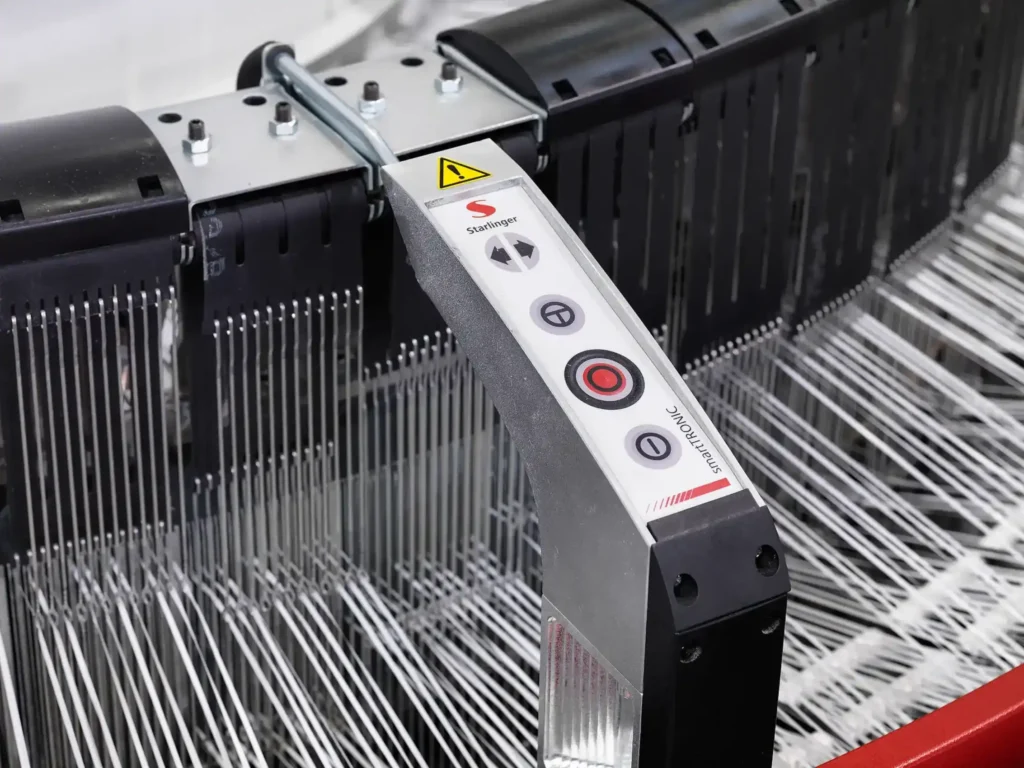
What are Eco‑Friendly Woven Bags and why do they matter?
Eco‑Friendly Woven Bags are engineered, reusable packaging and carrier formats built on woven polyolefin fabrics that deliver high strength at low mass, reliable print quality, and credible pathways to recovery at end of life. Instead of treating sustainability as ornament, Eco‑Friendly Woven Bags embed it in the bill of materials and the process window: mono‑material design for simplified recycling, water‑based graphics to lower emissions, recycled content integration that passes audits, and fine filament architecture that cuts grams without cutting safety. If a bag can carry more trips, require fewer resources, and slide back into the same polymer stream when it finally retires, then the label eco‑friendly is earned, not borrowed.
A simple rule holds throughout this guide: when the fabric gets smarter, everything else gets easier. Fine filament tapes calm seams, polish print surfaces, and unlock lighter specifications for Eco‑Friendly Woven Bags without inviting failure.
Across factories, print shops, and retail distribution, the same concept appears under different nicknames. The aliases reveal the use case or the finishing method, but they point to a shared core: a woven polypropylene body tuned for durability, reusability, and recovery.
- Green Woven Carriers
- Sustainable PP Woven Bags
- Recycled‑Content Woven Sacks
- Fine‑Denier Woven Bags
- BOPP‑Laminated Woven Bags
- Reusable Polypropylene Woven Bags
- Eco Woven Shopping Bags
- Circular PP Woven Bags
Where they are used
Grocery carriers, rice and grain sacks, fertilizer and seed packaging, pet‑food and feed bags, construction‑material sacks, e‑commerce totes and returnable mailers.
Why operators care
High strength‑to‑weight, cleaner graphics with water‑based inks, moisture and grease control via PP film, and credible recycled‑content pathways.
Why designers care
Mono‑material simplicity, smoother surfaces for halftones, and a specification ladder that climbs gently with risk—never with guesswork.
The material logic behind Eco‑Friendly Woven Bags
The word woven is the beginning, not the end. A bag is a short novel written in polymer chains and stitch programs: extrusion and drawing for tenacity, interlacing for structure, lamination for barrier, printing for identity, and finishing for use. Eco‑Friendly Woven Bags keep that novel readable after the last chapter by staying within one polymer family wherever possible. Why? Because sorting becomes straightforward, reprocessing loses fewer percentage points, and the circle closes with less friction.
Polypropylene as the keystone polymer
Polypropylene (PP) earns its role with a neat bundle of properties: low density so mass drops without drama; a melting point that behaves well in heat operations; stiffness and toughness in a workable balance; and, crucially, a willingness to draw. Drawn tapes align chains, elevate tenacity, and flatten the curve that would otherwise force heavier fabrics. In Eco‑Friendly Woven Bags, PP usually forms everything you touch—the fabric, the webbing handle, and often the lamination itself.
Fine filament tapes (fine‑denier) and the shape of strength
Fine filament technology makes the same square meter smarter. Narrower, thinner tapes, drawn a little further and woven a little tighter, redistribute loads across more strands. Seams stop seeing spikes; bottom panels stop being the villain of the piece. At the press, smoother fabric means less dot gain, cleaner edges, and color that whispers precision instead of shouting for attention.
Lamination and print systems that respect the polymer stream
When barrier and billboard graphics matter, a PP film—often biaxially oriented—joins the woven base. Keeping PP on PP preserves the mono‑material promise. The ink set of choice increasingly swaps solvents for water. That decision lowers volatile emissions, simplifies cleanup, and aligns with the smoother surface served up by fine denier. Adhesives follow suit: lower VOCs, migration‑safe where food contact applies, and compatible with PP recycling.
Recycled content that can stand in the light
Post‑industrial PP flows easily back into tape lines; post‑consumer PP asks for tighter filtration and sometimes a touch of virgin to keep drawability honest. Where advanced recycling feedstocks enter upstream, mass‑balance certification allocates recycled molecules to the output resin. The claim language matters; the audit trail matters more. Eco‑Friendly Woven Bags make both legible to buyers and regulators.
Handles, seams, closures
Webbing width, stitch density, hem geometry—these decide comfort and safety. Keep them in PP to maintain the mono‑material arc.
Breathability vs. barrier
Onions and potatoes prefer air; pet food prefers films. Weave density and lamination tune that dial—never guess, always test.
| Component | Material choice | Primary role | Design levers |
|---|---|---|---|
| Body fabric | Woven PP, fine‑denier tapes | Strength at low GSM | Weave density, tape draw ratio |
| Lamination | PP film (matte/gloss) | Moisture/grease barrier; print | Film gauge, finish, adhesive |
| Inks & coatings | Water‑based flexo or gravure | Identity with lower VOCs | Anilox volume, drying profile |
| Handles & seams | PP webbing; PP thread | Ergonomics; load transfer | Stitch program; hem geometry |
Key features that separate signal from noise
Features are not adjectives; they are outcomes you can measure. The aim is simple: match the physics of your contents and the realities of your route with the lightest, cleanest, most durable specification that still sleeps well at night. Eco‑Friendly Woven Bags offer a short list that echoes across industries.
- Strength‑to‑weight efficiency that reduces grams per bag while protecting Safe Working Load targets.
- Graphics that hold their own in the aisle using water‑based printing on smooth, fine‑denier fabrics.
- Moisture and grease control via PP films when the goods demand it; breathability when the crop does.
- Reusability designed in: carriers built for hundreds of trips, sacks for multiple fills, both with predictable wear patterns.
- Ergonomics and safety from webbing width, stitch patterns, and controlled stiffness—not guesses and good luck.
- Traceability that links a QR code to lot data, audits, and even return instructions in closed‑loop pilots.
Question
Will lighter fabrics compromise safety?
Not when fine denier spreads load across more tapes and seam programs are proven with testing rather than tradition.
Question
Do water‑based inks dull the brand?
Smooth fabric curbs dot gain. With tuned anilox and drying, color density and halftone sharpness meet premium targets.
Question
Can circular claims be trusted?
Yes—pair chain‑of‑custody for rPP with mass‑balance allocations where advanced feedstocks are involved, and keep labels precise.
How Eco‑Friendly Woven Bags are produced from line to lot
Production is choreography. Each station sets the rhythm for the next, and the quality gates translate intent into repeatability. Below is a practical map that mirrors how many best‑practice plants run their lines for Eco‑Friendly Woven Bags.
- Resin conditioning. Blend virgin PP and rPP fractions with masterbatches for UV, slip, antiblock, and electrostatic behavior. Start the audit trail here.
- Film & tape. Extrude films, slit into tapes, and reprocess edge trim. Fine denier targets narrower widths with precise gauge control.
- Drawing & heat set. Align chains at controlled temperatures. Avoid necking and fibrillation with closed‑loop heat and tension feedback.
- Weaving. Circular or flat looms interlace tapes at target picks; fine denier adds ends per inch without surrendering stability.
- Surface prep & lamination. Apply PP films where barrier and graphics demand. Favor low‑VOC adhesives compatible with PP recycling streams.
- Printing. Water‑based flexo or gravure with tuned anilox and drying; smoother fabric keeps lines crisp and ink mass down.
- Cut, sew, finish. Hot knives, ultrasonic hems, programmable bartacks; in sacks, bottom seams combine chain and lock stitches with filler cords to curb sifting.
- Inspection & tests. GSM checks, tape tenacity, handle pull, seam burst, drop survivals at temperature extremes.
- Palletization & documentation. Bundles for shipment with QR‑linked lot data. Take‑back instructions where pilots run.
| Stage | Core control | Why it matters |
|---|---|---|
| Tape drawing | Draw ratio; oven temperature | Sets tenacity and elongation; controls fibrillation |
| Weaving | Ends/inch; picks/inch; tension | Defines porosity, surface smoothness, and seam load paths |
| Lamination | Film gauge; adhesive weight | Controls barrier and print fidelity while guarding recyclability |
| Printing | Anilox volume; dryer temperature | Balances color density with low VOCs and quick changeovers |
Where Eco‑Friendly Woven Bags excel in the real world
From grocery aisles to grain depots, from cement yards to click‑and‑collect bays, Eco‑Friendly Woven Bags carry quietly and perform loudly. The same framework adapts with minor shifts in weave density, film gauge, seam program, and handle geometry.
- Retail carriers and grocery totes with water‑based inks and reinforced webbing for thousands of trips.
- Rice, grain, and flour sacks that lock out moisture and hold aroma, with tight weaves to contain fines.
- Pet‑food and feed packaging that pairs grease resistance with premium gravure graphics on PP film.
- Fertilizer and seed programs that resist abrasion and maintain pallet integrity through rough handling.
- Construction materials—cement, gypsum, calcium carbonate—where tear and puncture resistance dominate.
- E‑commerce totes and reusable mailers that improve cycle life and reduce total cost of ownership.
For a concise primer on related families that often sit beside Eco‑Friendly Woven Bags in the same portfolio, see polypropylene woven bags.
Fine filament benefits: from headline to operating levers
Fine filament is not a slogan; it is a set of knobs to turn. Reduce tape width, raise draw ratio, increase ends per inch, and the fabric changes character. Seams show less drama. Prints get crisper. GSM steps down in controlled increments. In Eco‑Friendly Woven Bags, those shifts echo throughout the system—less resin hauled, fewer emissions flashed off, more cycles endured before the material bows out gracefully.
Lower GSM at equal strength
Load is shared across more tapes; seam spikes are tamed; safety margins survive the diet.
Premium print with less ink
Smoother surfaces restrain dot gain and accept water‑based sets with confidence.
Cleaner mono‑material stacks
PP‑on‑PP designs keep recycling simple and the quality loss modest cycle after cycle.
A system map that decomposes the decision and recomposes the solution
Good engineering separates the question into smaller questions, answers each with evidence, and then stitches the answers back into one garment. Apply that habit here and Eco‑Friendly Woven Bags stop being a catalog choice and start being a program.
| Sub‑question | What to probe | Evidence‑based answer | Resulting lever |
|---|---|---|---|
| Can grams drop safely? | Tape tenacity; seam burst; drop tests | Fine denier maintains performance while lowering GSM | Step down fabric mass; monitor margins |
| Will graphics suffer? | Dot gain; ink laydown; rub fastness | Smoother surfaces deliver equal or better print quality with less ink | Adopt water‑based flexo; tune anilox |
| Are claims defensible? | Chain of custody; mass balance docs | Audited records and precise language prevent drift into greenwash | Lock claims and audits together |
Specification framework with room to breathe
A specification should feel like a well‑tuned instrument—responsive, predictable, and never louder than the music. Start with contents, move to safety, then pick architecture, finish, printing, and closures. Test, adjust, and record. Eco‑Friendly Woven Bags respond best to iterative pilots that trade myth for measurement.
- Define contents: density, morphology, moisture needs, grease load, regulatory class.
- Set safety envelope: SWL, handle pull, seam burst, drop tiers across temperature bands.
- Choose architecture: fine‑denier weave; 13×13 to 15×15 for sacks, higher for carriers.
- Pick finish: breathable unlaminated or PP film for barrier and print brilliance.
- Specify printing: water‑based flexo preferred; gravure where needed with tight capture.
- Select closures and handles: keep polymer family consistent; stitch programs proven.
- Plan circularity: rPP blend or mass‑balance inputs; clear on‑pack language.
- Pilot and iterate: measure everything; let data pull grams out of the spec gradually.
| Parameter | Typical range | Why it matters |
|---|---|---|
| Fabric GSM | 120–220 g/m² | Primary lever for cost and embodied carbon |
| Tape denier | ~500–800D (fine) vs. 800–1200D | Drives smoothness and strength distribution |
| Weave density | 13×13 to 16×16 | Sets porosity and seam behavior |
| Lamination | PP film or none | Barrier and print brilliance vs. breathability |
| Print system | Water‑based flexo; gravure | Controls VOCs and color control |
| Recycled content | 10–50% rPP or mass‑balance | Claims and audits live here |
Comparisons that clarify choices
Alternatives exist because contexts differ. Paper, non‑woven PP, and PE mailers all have rightful homes. The question is not who wins in the abstract, but who performs best for your contents, route, and reuse ambition. For many programs, Eco‑Friendly Woven Bags thread the needle: they carry heavy loads, print beautifully, resist moisture, and return to the same polymer stream.
| Criterion | Eco‑friendly woven (PP) | Paper sacks | Non‑woven PP | PE mailers |
|---|---|---|---|---|
| Reusability | High (carriers), medium (sacks) | Low to medium | Medium to high | Low to medium |
| Moisture/grease | High with PP film | Moderate with coatings | Moderate | High |
| Print quality | Excellent water‑based or gravure | Good | Good | Fair to good |
Checklists to move from debate to decision
- Confirm weave density and GSM with lab swatches; let pilots, not fear, add grams.
- Align lamination with recyclability; prefer PP‑on‑PP and low‑VOC adhesives.
- Choose water‑based ink sets where feasible; verify rub fastness on actual fabrics.
- Define webbing width and stitch patterns; run handle pulls and seam bursts at temperature extremes.
- For sacks, track pallet creep over 7–14 days; drops at humidity extremes reveal hidden failure modes.
- Decide on recycled content route and claim language; audit cadence agreed with suppliers.
- Print QR‑linked lot data; enable returns in take‑back pilots without adding friction to the user.
Glossary for shared language and quicker decisions
- Fine denier: lower‑denier, higher‑draw tapes that yield smoother fabric and stable seams at reduced GSM.
- Mass balance: certified accounting that allocates recycled content within complex feedstock systems.
- BOPP lamination: a PP film that boosts barrier and print brilliance without leaving the polymer family.
- Water‑based flexo: ink system with lower volatile emissions and quick cleanup.
- Mono‑material design: keeping components in a single polymer stream to simplify recycling.
- Handle pull test: verifying that carriers’ handles and anchors meet safety margins.
- Seam burst: the pressure or impact threshold of seam failure; primary gate for sacks.
1. Introduction to Eco-Friendly Woven Bags
Eco-Friendly Woven Bags are made from polypropylene, a versatile plastic that can be recycled and reused. These bags are gaining popularity due to their sustainability and practicality, making them ideal for various applications in agriculture, retail, and construction.
2. Understanding Fine Filament Technology
2.1 What is Fine Filament Technology?
Fine filament technology involves the use of finer strands of polypropylene in the weaving process. This technique creates a denser fabric with enhanced characteristics, making it particularly effective for producing high-quality woven bags.
2.2 How It Works
The principle behind fine filament technology is relatively straightforward. During the manufacturing process, polypropylene is extruded into thin strands, which are then woven together to form a robust fabric. The finer the filament, the more strands can be woven together, resulting in a fabric that is not only lightweight but also remarkably strong.
| Aspect | Details |
|---|---|
| Filament Diameter | Thinner strands lead to a denser weave. |
| Weaving Technique | Advanced weaving methods for optimal strength. |
| Material Used | High-quality polypropylene for durability. |
3. Advantages of Fine Filament Technology
3.1 High Density
One of the primary benefits of using fine filament technology is the increased density of the woven fabric. A denser weave results in a more compact and resilient product, which is essential for carrying heavy loads.
- Enhanced Load Capacity: The high density allows the bags to support larger weights without compromising structural integrity.
3.2 Superior Tensile Strength
Fine filaments contribute to improved tensile strength, meaning the bags can withstand greater pulling forces without tearing or breaking.
- Durability: This enhanced strength makes these bags suitable for transporting a variety of goods, from agricultural products to construction materials.
3.3 Aesthetic Appeal
The use of finer strands not only improves functionality but also enhances the visual appearance of the bags. The smooth finish and uniform texture make them visually appealing.
- Brand Presentation: Businesses can leverage the attractive design of these bags to promote their brand effectively.
4. Environmental Benefits of Eco-Friendly Woven Bags
Eco-Friendly Woven Bags are designed with sustainability in mind. They are made from recyclable materials and can significantly reduce the environmental footprint compared to single-use plastic bags.
4.1 Recyclability
These bags can be recycled after their useful life, contributing to a circular economy. Recycling helps reduce plastic waste and lessens the demand for new raw materials.
| Feature | Description |
|---|---|
| Material Type | Made from recyclable polypropylene. |
| Lifecycle | Can be reused and recycled multiple times. |
| Environmental Impact | Lowers the carbon footprint of packaging. |
4.2 Reduction of Plastic Waste
By choosing eco-friendly options, businesses and consumers play a vital role in minimizing plastic pollution. These bags are designed to last longer, reducing the need for frequent replacements.
5. Applications of Eco-Friendly Woven Bags
Eco-Friendly Woven Bags find a wide range of applications across various industries, including:
| Industry | Application |
|---|---|
| Agriculture | Packaging grains, seeds, and fertilizers. |
| Retail | Shopping bags and packaging for retail products. |
| Construction | Carrying materials like sand, cement, and gravel. |
| Food Industry | Packaging bulk food items like rice and flour. |
6. Case Studies: Successful Implementation
Many companies have successfully integrated eco-friendly woven bags into their operations, showcasing the benefits of fine filament technology.
6.1 Agricultural Company
An agricultural company implemented Eco-Friendly Woven Bags for packaging seeds. The high load capacity and durability of these bags significantly reduced losses during transport and storage.
6.2 Retail Brand
A retail brand adopted eco-friendly bags with fine filament technology for their shopping bags. Customers appreciated the quality and design, enhancing the brand’s reputation for sustainability.
7. Challenges and Considerations
While fine filament technology presents numerous advantages, there are challenges to consider:
- Production Costs: The use of advanced materials and technology may increase initial production costs.
- Market Education: Educating consumers and businesses about the benefits of eco-friendly bags is crucial for widespread adoption.
8. Future Trends in Eco-Friendly Packaging
The demand for sustainable packaging solutions is on the rise, and several trends are shaping the future of eco-friendly woven bags:
- Sustainable Materials: Increased focus on biodegradable and renewable materials for manufacturing.
- Smart Packaging: Integration of technology, such as QR codes for tracking, to enhance product transparency.
9. Summary of Key Points
| Section | Key Insights |
|---|---|
| Introduction | Overview of Eco-Friendly Woven Bags and their benefits. |
| Fine Filament Technology | Explanation of the technology and its principles. |
| Advantages | Discussion of high density, tensile strength, and aesthetics. |
| Environmental Impact | Exploration of recyclability and waste reduction. |
| Applications | Overview of diverse industry applications. |
| Challenges | Consideration of production costs and market education. |
Through the adoption of fine filament technology and the commitment to sustainability, Eco-Friendly Woven Bags are poised to play a significant role in the future of packaging. As companies like VidePak lead the charge, the industry can transition towards more responsible and effective packaging solutions, benefiting both businesses and the environment alike.