
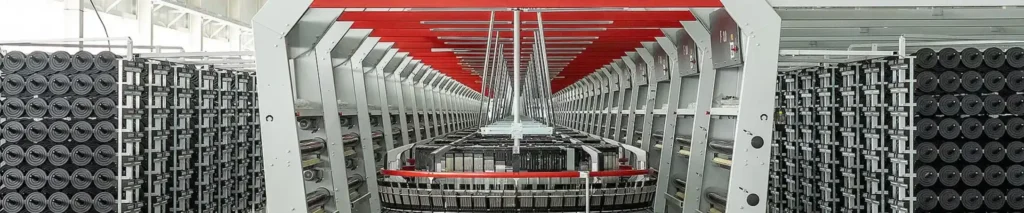
Lightweight woven bags are highly versatile packaging solutions commonly used in various industries, from agriculture to construction. Made from polypropylene (PP), these bags are known for their durability, low weight, and flexibility. This combination makes them an ideal choice for transporting a wide range of products, including foodstuffs, building materials, chemicals, and more. In this article, we will explore the benefits of lightweight woven sacks, particularly focusing on customization options to meet different market demands, including valve openings, handles, perforations, custom sizes, and printed designs.
What Are Lightweight Woven Bags?
Lightweight Woven Bags are engineered packaging formats built on a woven polyolefin scaffold—most often polypropylene (PP)—that deliver credible load strength while intentionally minimizing grammage. In contrast with traditional heavy-duty sacks (commonly 80–110 g/m² fabric), the lightweight class typically spans roughly 45–75 g/m², paired with a tuned weave, denier, and finishing package so the pack remains strong enough for its intended fill, usually between 2 and 20 kilograms. The guiding philosophy is practical: less resin, the same (or better) performance where it counts, and smoother behavior on forming and filling equipment. Put simply, Lightweight Woven Bags aim for sufficiency over excess—enough strength, enough barrier, enough print—delivered with fewer grams and fewer headaches on the line.
Because different sectors describe the same concept in different dialects, you will meet a constellation of near‑synonyms. They carry subtle differences in emphasis—fabric mass, sealing method, print face—but they orbit the same idea: a strong yet lean woven package that is configurable for retail, industrial, and even humanitarian channels.
- Lightweight polypropylene woven bags
- Low‑GSM PP woven sacks
- Thin‑fabric woven polypropylene bags
- Lightweight laminated woven bags (with matte, gloss, or satin BOPP)
- Lightweight woven FFS rollstock
- Economy PP woven sacks for retail
- Lightweight open‑mouth PP woven bags
- Light‑denier PP raffia bags
Two quick notes on language: when a buyer writes “raffia,” they almost always mean drawn polypropylene tapes—nothing to do with the natural fiber; when a drawing says “BOPP woven,” it signals a film‑laminated print face over a woven PP body. Both can be squarely inside the Lightweight Woven Bags family when grammage is optimized.
Material Architecture: From Polypropylene Resin to Retail‑Ready Structure
To earn the adjective lightweight without sacrificing trust, a bag’s material stack must be purposeful. The woven wall carries the load; skins and films tune sealing, moisture, and print; additives manage UV, friction, and aesthetics; liners or barrier elements are introduced sparingly and only where proven necessary. The following map moves from core to surface and ties each decision to performance and cost in real deployments of Lightweight Woven Bags.
Structural Wall (Woven PP “Raffia”)
- Resin choice: Homopolymer PP maximizes stiffness and tensile; random copolymer adds low‑temperature impact (useful for winter routes and cold rooms). Resin is the bag’s biggest cost lever and the foundation of Lightweight Woven Bags performance.
- Drawn tapes: Melt‑extruded sheet slit into tapes and oriented by drawing. Typical lightweight denier windows: ≈450–800D, depending on drop and abrasion expectations. Orientation lifts tensile per gram—your first “free” strength.
- Weave density: 10×10 to 12×12 picks/inch for flexible builds; up to 13×13 or 14×14 when suppressing sifting at low grammage. The loom program must anticipate coating and film to avoid stiffness spikes.
- Fabric mass: ≈45–75 g/m² for 2–15 kg fills; ≈55–85 g/m² for 10–20 kg fills on rugged routes. Every 5 g/m² you remove, without violating drop and seam specs, compounds into cost, freight, and footprint gains.
Seal Skins and Functional Coatings
- PE‑rich seal skins: Thin LDPE/LLDPE layers extrusion‑coated to the fabric create forgiving thermal seal windows for FFS lines, enabling speed and eliminating stitching on many formats.
- PP‑rich skins or ties: When a mono‑PP narrative is important, PP‑rich skins still heat‑seal with narrower windows, allowing Lightweight Woven Bags to remain wholly in the polypropylene family.
- Plain coatings (10–25 μm): Smooth yarn hairiness, lift direct‑print legibility, and reduce sifting with fine fills. The art is closing pores without flooding texture.
Film Faces for Branding and Scuff Control
- BOPP: Reverse‑printed biaxially oriented polypropylene (≈15–25 μm) delivers photo‑grade graphics under a scuff‑resistant shield. Gloss emphasizes color; matte and satin hide rub marks and cue premium tactility.
- Selective metallization/pearlescence: Used sparingly for highlights; document clearly because some recycling schemes treat metallized panels differently.
- Cost logic: Film is a visible cost, but it can support down‑gauged fabric (stiffness bonus) and reduce returns from marred print.
Liners and Barriers (Used Only When Proven)
- Loose LDPE/LLDPE liners (30–60 μm): Continuous moisture and sift barriers for hygroscopic or very fine powders.
- EVOH or metallized barriers: For aroma‑critical SKUs (certain pet foods, spice blends). Keep footprints minimal and claims precise.
Additives and Masterbatches
- UV stabilizers: HALS‑type packages extend outdoor life; low‑GSM structures benefit disproportionately from proper dosing.
- Slip and anti‑block: Tune A/B CoF so the “machine side” slides and the “pallet side” grips. Local anti‑slip bands add stability without blanketing the surface.
- Color and opacifiers: Reduce show‑through, manage light exposure, and meet branding goals without heavy ink masses.
- Anti‑static agents: Improve handling of dusty powders and reduce cling.
Retail‑Visible Stack
60–70 g/m² woven PP + 20 μm matte BOPP (reverse‑printed) + PP tie + optional PE seal skin. Outcome: sleek print, friendly CoF, mono‑polyolefin story.
Industrial Stack
55–65 g/m² woven PP + 15–20 μm PP/PE coating (no film) + PE seal skin. Outcome: cost‑lean, scuff‑tolerant, automation‑ready.
Why Lightweight Woven Bags Work: Features That Change Outcomes
Features only matter if they convert into real‑world wins: faster lines, safer pallets, clearer branding, longer shelf life, lower total cost. The following capabilities of Lightweight Woven Bags do exactly that.
- Strength‑to‑weight efficiency: Oriented tapes and interlaced weaves deliver high tensile and tear per gram, often passing 0.8–1.2 m drop tests at lower mass than paper multiwall or thin film pouches.
- Tunable friction and runnability: Engineer different CoF on A/B surfaces. Let the machine side slide; let the pallet side grip. Add narrow anti‑slip bands only where contact actually happens.
- Moisture and sift management: Polyolefin walls resist humidity; seal skins and precise folds block fines. Where needed, slim liners complete a continuous barrier.
- Print fidelity under abuse: Reverse‑printed BOPP shields graphics; matte disguises rub, gloss amplifies color. Direct flexo on coated fabric is a credible economy path.
- Flexible geometry: Open‑mouth stitch for simplicity, pinch‑bottom for sift‑critical retail, or thermal sealing for automation. Gussets, handles, and windows fit the lightweight brief when planned early.
- Mono‑polyolefin pathway: Keep film, tie, and coatings PP‑rich so the entire structure remains in the polypropylene family and can credibly align with design‑for‑recycling frameworks.
- Supply‑side resilience: With ongoing PP and BOPP capacity in Asia, availability is stronger and spikes are tempered—lightweight specifications multiply the benefit of each gram saved.
Production Process: The Lightweight Controls That Keep Lines Honest
Every woven pack travels the same broad path—extrusion, weaving, coating/lamination, conversion—but Lightweight Woven Bags shrink your tolerance for drift. The lower the grammage, the more every small decision matters. Here is the stepwise flow with the controls that protect outcomes.
- Tape extrusion and drawing: Target consistent denier and minimal gels. Draw enough to lift tensile without inducing brittleness at folds. Verify stabilizer dosing; the same grams must now protect more surface area.
- Weaving (circular or flat): Hold picks per inch, loom tension, and miss‑picks tightly. Match the loom program to the downstream coating/film plan so flexibility survives lamination.
- Surface prep and coating/lamination: Maintain dyne ≥38 for adhesive/tie wetting. Apply just enough coat weight to close pores; avoid flooding texture. If using BOPP, pick film thickness for abrasion and fold behavior, not just optics.
- Printing: Reverse gravure under film for best graphics; high‑screen flexo on coatings for cost‑lean runs. Adjust tone curves for matte; watch dot gain.
- Conversion—tubing, gusseting, and seaming: Keep dimensional drift low. Avoid stiff spines on back seams that defeat conformability in manual stacking. Open radii reduce star‑cracks at pinch bottoms.
- Quality control: Track A/B CoF, fabric tensile/tear, bond/peel, drop results at multiple humidities, seal strength for thermal closures, and print adhesion. Publish lot dashboards to catch drifts early.
Record A/B CoF alongside line speed and reject codes. When CoF dips, belts chatter; when it spikes, pallets creep. Let the data pick your anti‑slip bands—don’t guess.
Applications: Where Lightweight Woven Bags Win
Markets adopt Lightweight Woven Bags wherever 2–20 kg units dominate and buyers demand a flexible blend of strength, shelf life, branding, and cost control.
- Rice, grains, pulses (5–10 kg): Moisture resistance, strong seams, and premium matte prints—often with a small window—are common. Lightweight specs trim resin without compromising drop performance.
- Flour and sugar (5–10 kg): PE‑rich seal skins for clean closures; optional liners for high humidity routes. Lighter packaging pays off in e‑commerce where dimensional weight penalties stack up.
- Pet nutrition (8–15 kg): Satin‑matte film signals quality; under‑film serialization aids traceability. Barrier liners only when aroma data demands it—and as thin as is prudent.
- Seeds and specialty agri‑inputs (2–10 kg): UV‑stabilized tapes, reinforced seams, and overt/covert marks deter counterfeiting.
- Construction powders and DIY mixes (5–15 kg): Coated woven with no film; focus on friction tuning and seam integrity for rough yards.
- Industrial pellets and masterbatch (10–20 kg): Coated woven + seal skins for FFS speed; lightweight cuts pallet mass for export shipments.
- Humanitarian/public‑sector kits (3–10 kg): Robust in rough logistics; high‑contrast print improves multilingual handling; low mass speeds air shipments.
Customization Options: Turning Knobs with Consequences
“Exploring Customization Options for Diverse Market Needs” is an invitation to choose only the options that move the needle. The following menu frames each choice as a cause‑and‑effect relationship—useful when building an RFQ or a spec for Lightweight Woven Bags.
System Thinking: Decompose the Problem, Then Re‑Integrate
Over‑optimize one knob and the rest of the machine complains. The winning method is to break the specification problem into functional sub‑systems, solve each minimally, then rebuild the whole so the decisions support—not sabotage—each other. The mental model below has shipped millions of Lightweight Woven Bags without drama.
Subsystem A — Protection and Shelf Life
What does moisture do to your content? Is oxygen or aroma a factor? For hygroscopic products, a thin liner or a slightly heavier seal skin may be justified; for grains with low sensitivity, a well‑chosen laminate and fold geometry often suffice without barriers.
Subsystem B — Machinability and Speed
Which FFS technology—vertical or horizontal—will run the job? What CoF do your belts, forming shoulder, and magazines like? Choose PE‑rich skins for wide sealing windows or PP‑rich for mono‑PP narratives, then prove the choice on your exact line.
Subsystem C — Strength and Logistics
What drop heights and stack durations do your routes impose? Hot‑humid climates erode margin. Bump GSM and denier slightly and use gusset geometry to build cube; keep anti‑slip localized to contact zones.
Subsystem D — Branding and Compliance
What print fidelity is required? Which markets’ food‑contact rules apply? Film for premium lines; coated‑fabric direct print for economy. In either case, capture declarations and migration summaries; keep an odor panel routine to catch issues early.
Subsystem E — Sustainability Narrative
Will the buyer expect a design‑for‑recycling message? Keep the stack mono‑PP (fabric + tie + film), avoid incompatible layers, and document adhesives and inks. If you use recycled PP, declare where—in non‑contact layers unless a regulated process says otherwise.
Parameter Tables and Practical Ranges
Worked Examples: Three Briefs Engineered End‑to‑End
Example 1 — 10 kg Jasmine Rice for Humid Coastal Routes
Specification: 65 g/m² woven PP; 20 μm matte BOPP reverse‑printed eight colors; PP tie; thin PE‑rich seal skin; CoF A/B 0.32/0.42; optional 40 μm LDPE liner during monsoon.
Validation: 5,000‑bag pilot at target line speed; 0.9 m face/corner drops at 65% RH; pallet creep audit at 72 hours with the intended wrap recipe.
Narrative: Mono‑polyolefin body; film under 25 μm; right‑weight first, add anti‑slip bands only if data demands.
Example 2 — 8 kg Dog Kibble, Aroma‑Sensitive, Seasonal Art
Specification: 70 g/m² woven PP; 25 μm satin BOPP; PP tie; solventless adhesive lamination; EVOH co‑ex liner; CoF 0.36/0.40; pinch‑bottom.
Validation: Micro‑oxygen shelf trials; scuff‑panel rides through cross‑dock simulation; digital short‑run proofs for art refreshes.
Narrative: Barrier justified by aroma; keep liner thin; state clearly that the exterior structure is PP‑based and that a barrier liner is present.
Example 3 — 15 kg Mineral Mix for DIY Stores, Economy SKU
Specification: 70–75 g/m² woven PP; 15–20 μm PE coating; two‑color direct flexo; open‑mouth stitch; exterior CoF ≈0.40; UV‑stabilized tapes.
Validation: Drop testing on gravel; seam pull tests; yard abrasion rig to mimic forklift scuffs.
Narrative: No film; keep print simple; prioritize friction, seam integrity, and consistent bag width.
Troubleshooting and Continuous Improvement
- Delamination at folds: Increase bond strength or widen adhesive footprints; round radii; check dyne and cure discipline.
- Star‑cracking at pinch bottoms: Reduce film stiffness; re‑profile creases; reduce over‑pressing in bottom gluing.
- Pallet creep: Add patterned anti‑slip bands; tune wrap; minimize gloss in contact zones.
- Sift leaks at corners: Tighten weave or add minimal inner patches; refine fold geometry to close pathways.
- Ink scuffing: Prefer reverse print under film; if direct print, smooth coating more and match ink/primer sets.
- Odor or NIAS complaints: Extend adhesive cure; audit chemicals; segregate storage from strong volatiles.
Operator Notes and Process Windows
Surface energy
Keep incoming film at ≥38 dynes (prefer 40–42). Re‑treat if dyne decay shows after storage.
Adhesive control
Solventless PU: verify mix ratios and pot life. Solvent systems: ensure drying tunnel residence caps residuals pre‑winding.
CoF and line speed
Record A/B CoF with line speed and reject codes; correlate trends to justify anti‑slip bands versus whole‑surface coats.
Drop testing
Run 0.8–1.2 m face/corner drops at ambient and humid conditions you actually ship in. Capture video for training.
Migration discipline
For food SKUs, test at worst‑case time/temperature; maintain an odor panel between formal lab cycles.
Documentation
Keep a digital binder: CoA, tensile/tear, bond/peel, CoF, drop tests, migration summaries, and pest‑control logs keyed to lot numbers.
Cost, Performance, and Policy: The 2025 Context
Three realities shape today’s decisions: resin and film capacity (notably in Asia), a firming expectation for mono‑material flexible packaging, and food‑contact governance that rewards process control. The net effect for Lightweight Woven Bags is encouraging: availability is better, narratives are clearer when stacks remain mono‑PP, and compliance is a checklist, not a gamble. The practical advice remains the same—down‑gauge in 5 g/m² steps, pilot on your real route, publish a one‑page spec and one‑page QC plan, and iterate based on measured results.
Single Internal Link (For Context)
For readers who want a concise primer on the base material platform behind Lightweight Woven Bags, see polypropylene woven bags.
RFQ and QC Checklists You Can Paste
RFQ essentials: Product (Lightweight Woven Bags, capacity ___ kg, contents ___); wall (___ g/m²; weave ***×***; denier ___D; UV Y/N); print face (none / BOPP ___ μm; finish); lamination (extrusion tie ___ μm / solventless PU ___ g/m²); seal system (PE‑rich or PP‑rich; jaw temp ___ °C; dwell ___ ms); bottom (stitch / pinch / thermal); gussets (___ mm; tolerances); friction (A/B CoF ***/***; anti‑slip bands Y/N); liner (LDPE ___ μm Y/N; barrier Y/N); compliance (declarations, migration summaries); QA deliverables (CoA, tensile/tear, bond/peel, CoF, drop videos, print adhesion); logistics (pallet height, wrap, climate profile).
QC quick sheet: CoF A/B at incoming and outgoing; strip tensile/tear trending; bond/peel per laminate and lot; 0.8–1.2 m drops at ambient and high RH; seal strength by jaw type; odor/migration records for food SKUs.
Keyword Strategy (Placed Naturally)
Embed core phrases where they help readers, not robots: lightweight woven bags; lightweight polypropylene woven bags; low‑GSM PP woven sacks; BOPP‑laminated lightweight woven packaging; recyclable mono‑PP woven packaging; lightweight woven FFS rollstock; open‑mouth lightweight woven sacks. Long‑tail examples that fit spec sheets and FAQs: 10 kg lightweight woven rice bag with matte BOPP; low‑GSM polypropylene woven sack with PE seal layer; mono‑PP laminated woven bag for retail; CoF‑tuned lightweight woven packaging for FFS; lightweight pinch‑bottom woven bag with satin film.
Through detailed analysis, we aim to provide insight into how businesses can optimize these bags for their specific needs while maintaining cost efficiency and quality.
1. Overview of Lightweight Woven Bags
Lightweight woven bags and lightweight PP bags offer a perfect balance between strength and economy. The use of polypropylene—a type of plastic polymer that’s both strong and flexible—allows manufacturers to create bags that can carry heavy loads while being light in weight. This not only reduces transportation costs but also makes the bags easier to handle during the packing and loading process.
Benefits of Lightweight Woven Bags:
- Durability: Despite their light weight, these bags can withstand significant stress and wear.
- Cost-effectiveness: Their production and transportation are less expensive compared to heavier alternatives.
- Customizability: From size to printing and materials, these bags offer multiple customization options to cater to specific business needs.
In the sections that follow, we will explore how different customization options enhance the usability of these bags across various markets.
2. The Importance of Customization in Lightweight Woven Sacks
Customization is a key factor when it comes to ensuring that lightweight woven sacks can meet the unique requirements of various industries. By tailoring the design and construction of these bags, companies can optimize them for specific products, making them more efficient and user-friendly.
Let’s examine the most commonly requested customization options:
- Custom Valve Opening
- Custom Handles
- Custom Perforation
- Custom Size and Shape
- Custom Thickness
- Custom Printed Designs
- Custom Materials
These custom options allow manufacturers to deliver solutions that fit a diverse range of needs, improving the bag’s functionality and performance. Below, we break down each customization option and its application in different sectors.
3. Customization Options for Lightweight PP Bags
3.1 Custom Valve Openings
One of the most common requests for lightweight woven bags is the inclusion of a custom valve opening. Valve openings are essential in applications where quick filling of the bag is required. These openings allow for easy insertion of materials like grains, powders, or other loose substances.
Advantages of Valve Openings:
- Efficiency in Filling: Valves reduce the time needed to fill bags, especially in automated processes.
- Dust-Free Operation: Minimizes the release of fine particles during the filling process.
- Self-Closure: Some valve systems are designed to close automatically, providing a better seal and reducing spillage.
Valve openings are especially popular in the agriculture, construction, and chemical industries, where quick and efficient packaging is essential for bulk products.
3.2 Custom Handles
Another essential customization option for lightweight PP bags is the addition of handles. Handles make these bags easier to carry, especially for smaller weights or products meant for retail environments. In sectors like retail, where consumer convenience is paramount, custom handles can make a significant difference.
Benefits of Custom Handles:
- Improved Portability: Handles make the bags easier to carry, reducing the risk of injury or strain for workers and consumers.
- Enhanced Consumer Experience: In markets like food and retail, convenient packaging often influences purchasing decisions.
- Flexible Placement: Handles can be positioned in a variety of ways, including side handles, top handles, or loop handles, based on the bag’s intended use.
Handles are a popular customization feature in the retail and consumer goods industries, where ease of transport is a priority.
3.3 Custom Perforation (Ventilation)
For some products, proper ventilation is essential to maintain quality during storage and transport. This is where custom perforations come into play. Perforations are small holes added to the bag to allow for airflow, preventing moisture build-up or spoilage of the contents.
Uses of Custom Perforations:
- Agricultural Products: For items like potatoes, onions, or other perishables, perforations help prevent rot and extend shelf life.
- Construction Materials: Cement or mortar mixes benefit from perforations to prevent moisture from accumulating in the packaging.
By controlling the size and distribution of perforations, manufacturers can customize the airflow according to the needs of the product, ensuring longer shelf life and higher product quality.
3.4 Custom Size and Shape
While lightweight woven sacks are typically manufactured in standard sizes, businesses often require custom dimensions to suit specific products or loading equipment. Custom size and shape options ensure that the packaging fits perfectly with the product, reducing wasted space and improving logistics efficiency.
Advantages of Custom Sizes:
- Product Fit: Tailored sizing minimizes wasted packaging material and space.
- Improved Stacking: Custom sizes allow for easier stacking during transportation and storage, reducing the risk of shifting or damage.
- Adaptability: For industries with unique products or equipment, having a bag made to specific dimensions is crucial for smooth operations.
Custom shapes, such as square or rectangular designs, may also be preferred for improved stacking and storage, particularly in industries like construction and logistics.
3.5 Custom Thickness
The thickness of lightweight woven bags can vary depending on the product’s weight and the bag’s intended use. Custom thickness options allow companies to optimize the durability and weight of the bag for their specific needs.
Factors Affecting Bag Thickness:
- Product Weight: Heavier products require thicker bags to prevent breakage or tearing during transport.
- Environmental Conditions: Bags used in harsh environments, such as outdoor construction sites, benefit from thicker material for added durability.
- Cost Efficiency: While thicker bags offer more protection, they also add weight and cost. Custom thickness ensures the right balance between cost and protection.
3.6 Custom Printed Designs
In addition to structural customization, businesses often require custom printed designs to improve brand recognition and provide essential information to consumers. These designs can include logos, product descriptions, instructions, or safety information.
Advantages of Custom Printed Designs:
- Branding: Printing a company’s logo and brand colors on the packaging increases brand visibility and consumer recall.
- Product Information: Clearly labeled bags help consumers understand the product, leading to better customer satisfaction.
- Legal Compliance: Some industries, such as food and chemicals, require specific information to be printed on the packaging for safety and regulatory compliance.
High-quality printing options ensure that the designs are both durable and visually appealing, enhancing the overall presentation of the product.
3.7 Custom Materials
While lightweight PP bags are typically made from polypropylene, certain industries may require specific custom materials for added functionality, such as UV protection, anti-static properties, or biodegradable options.
Types of Custom Materials:
- UV Protection: For products stored outdoors, bags can be made with UV-resistant materials to prevent damage from sunlight.
- Anti-Static Materials: For packaging sensitive electronic components or flammable powders, anti-static properties are essential to prevent electrical discharge.
- Biodegradable Materials: As environmental concerns grow, biodegradable options provide a sustainable alternative for eco-conscious businesses.
By choosing the right material, businesses can ensure that their packaging meets both functional and environmental requirements.
4. Summary of Customization Options
| Customization Option | Description | Applications |
|---|---|---|
| Valve Openings | Custom valve openings allow for easy filling of bags with powders or grains. | Agriculture, chemicals, construction. |
| Handles | Handles for improved portability. | Retail, consumer goods. |
| Perforations | Small holes for ventilation. | Agriculture, construction. |
| Custom Size and Shape | Tailored bag dimensions. | Logistics, manufacturing. |
| Custom Thickness | Adjusting thickness for durability. | Heavy-duty applications. |
| Printed Designs | Logos, product info, and branding. | Retail, food, chemicals. |
| Materials | UV-resistant, anti-static, biodegradable options. | Electronics, outdoor storage, eco-friendly products. |
5. Market-Specific Applications of Lightweight Woven Bags
Different markets require specific features in their packaging, and lightweight woven sacks can be tailored to meet these unique demands. For example:
- Agriculture: Custom perforations are vital for packaging perishable goods like fruits and vegetables, while custom sizes help in storing bulk grains or seeds.
- Construction: In the construction industry, custom sizes and thicknesses are essential to safely package materials like cement or sand.
- Retail: Handles and printed designs are highly valued in retail packaging, where ease of use and brand recognition are critical.
By offering these customization options, manufacturers can ensure that lightweight woven sacks are optimized for the specific needs of each industry.
6. Conclusion
In today’s global marketplace, customization is crucial to meet the diverse needs of various industries. Lightweight woven bags, lightweight woven sacks, and lightweight PP bags offer a range of customization options, from valve openings to printed designs, ensuring that businesses can adapt their packaging solutions to fit their unique requirements. Whether it’s