
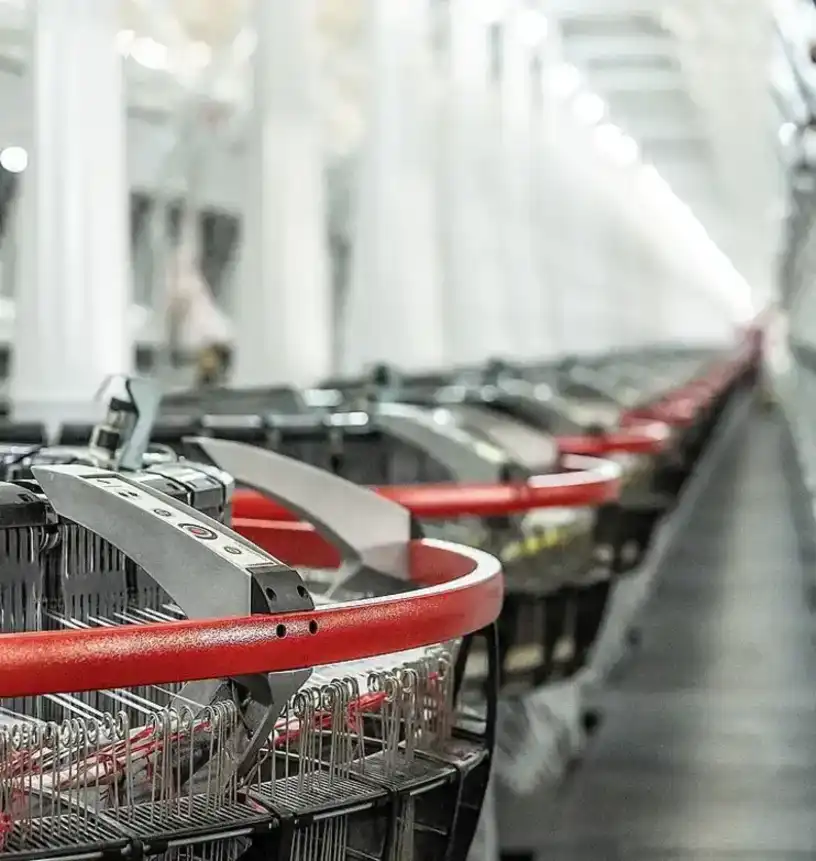
What are BOPP Laminated Woven Bags?
BOPP Laminated Woven Bags are high‑performance packaging formats that merge a woven polypropylene (PP) fabric—engineered for tensile and puncture strength—with a biaxially oriented polypropylene (BOPP) film that carries reverse‑printed graphics, protects artwork from abrasion, and enhances moisture control. The woven substrate provides the skeletal strength; the BOPP face delivers photographic print fidelity and a smooth, scuff‑resistant surface; and the lamination bond fuses both into a single, durable unit that survives drops, vibration, and stacked compression without surrendering shelf appeal or barcode legibility.
- BOPP laminated PP woven sacks
- Printed woven polypropylene bags
- BOPP film laminated woven packaging
- Laminated woven sacks for retail display
- Photo‑quality woven PP bags
- Polyolefin mono‑material laminated woven bags
- High‑graphics woven FFS sacks
Different labels, same foundation: a woven PP backbone, a BOPP face for optics and protection, and a bond line that resists peel, fold, and creep.
Why it matters
When logistics are rough but branding must shine, BOPP Laminated Woven Bags provide the unusual mix of pallet strength, print clarity, and moisture management—without a severe weight penalty.
Where they fit
From pet nutrition and fertilizers to flour, sugar, resin pellets, and club‑store totes, these bags are at home on high‑speed form‑fill‑seal lines and in retail aisles that punish poor print.
How they win
Strong woven fabric to resist tearing; glossy or matte BOPP to carry photography; a tuned bond that keeps film and fabric united under real‑world abuse.
The Materials that Build BOPP Laminated Woven Bags
Every property you prize—tensile strength, puncture toughness, scuff resistance, sealability, even recyclability—emerges from material choices. Treat each layer as a lever and you can dial the final bag to match your product’s risks and your plant’s constraints.
1) Woven substrate: the structural lattice
The woven fabric begins as polypropylene tapes drawn from a cast sheet. Orientation aligns polymer chains, raising modulus and creep resistance. Fabric density (ends × picks) typically ranges from 8×8 to 14×14 per 10 cm; higher counts raise tensile performance, reduce permeability, and smooth the face for lamination and printing. Lower counts favor breathability during fast filling of powders; micro‑perforations in the laminate can restore venting when needed.
2) BOPP facestock: the optical and protective skin
BOPP thickness commonly sits between 12 and 25 μm. Thinner films conform to fabric texture and minimize mass; thicker films increase gloss, scuff resistance, and stiffness for a premium look. Reverse printing traps inks beneath the film, shielding graphics from abrasion and humidity while enabling higher line screens than unlaminated fabric can support.
3) Inks, coatings, and color governance
Solvent gravure remains the benchmark for dense, photograph‑grade coverage on BOPP; water‑based flexo serves simpler art or regulatory marks. Functional topcoats—anti‑scuff, anti‑slip, UV—tune shelf life and stack stability. Tight color libraries with ΔE tolerances keep campaigns coherent across plants and time.
4) Bond line: adhesives and tie layers
Two routes dominate. Extrusion lamination lays down a molten polyolefin tie (often PP or blend) to weld film and fabric; it avoids residual solvents but demands careful thermal control to prevent curl or fabric distortion. Adhesive lamination with polyurethane or polyolefinic systems offers low coat weights and fast curing—especially in higher‑solids or reactive hot‑melt chemistries that cut VOC and energy.
5) Closures and reinforcements
Stitched, heat‑sealed, or ultrasonic tops; valve sleeves for rapid FFS dosing; gussets to improve cube efficiency; turned hems and webbing handles for consumer totes. The laminate’s seal layer must match the packer’s temperature‑time‑pressure window to avoid burn‑throughs or weak hermeticity.
Features that Set BOPP Laminated Woven Bags Apart
The virtues of BOPP Laminated Woven Bags appear where strength, optics, and hygiene intersect. The fabric takes the blows; the film keeps the face pristine; together they behave as one.
Mechanical durability
- High tensile and puncture resistance in warp and weft from oriented tapes.
- Creep control that preserves pallet columns during long, warm storage.
- Scuff‑resistant face that protects graphics and reduces fiber fuzzing.
Barrier and hygiene
- Moisture moderation vs. bare fabric, lowering caking risk in hygroscopic powders.
- Grease and stain resistance; easy‑clean film surface.
- Optional oxygen protection via detachable liners when oxidation matters.
Graphics and compliance
- Reverse‑printed BOPP supports photographic artwork and microtext.
- Large panels accommodate multi‑language instructions and safety icons.
- QR/Datamatrix areas enable traceability and recalls.
Automation readiness
- Stable lay‑flat widths and low curl for reliable forming on FFS lines.
- Defined seal windows to hit throughput without rework.
- Machine‑readable surfaces for scanners and vision systems.
Production Process: From Pellet to Pallet
- Resin preparation. Condition PP pellets, dose color and UV packages, and filter the melt to suppress gels.
- Tape extrusion and drawing. Cast, slit, and orient tapes to the target draw ratio; control width and gauge to tight tolerance.
- Weaving. Use circular or flat looms to reach the ends × picks that match tensile and permeability goals.
- Film production (BOPP). Produce matte or gloss films by biaxial orientation at the requested thickness and haze.
- Printing. Reverse‑print artwork; lock ΔE tolerances and plate screens to your color library.
- Lamination. Extrusion or adhesive bond the film to fabric; measure peel strength after humidity/temperature cycles.
- Conversion. Cut, gusset, insert valves where needed, and close with stitched, heat‑sealed, or ultrasonic seams.
- Quality assurance. Validate tensile, seam, drop, burst, bond peel, and—if applicable—OTR/MVTR, plus register and haze.
- Cartoning and palletization. Bundle counts, protect corners, and set anti‑slip sheets to maintain columns.
Applications Where BOPP Laminated Woven Bags Excel
Where rugged handling meets visual storytelling, BOPP Laminated Woven Bags are often the shortest path to reliability and recognition.
- Agriculture & agri‑inputs. Fertilizers, seeds, and feed blends demand puncture resistance and clear compliance art. The film face elevates shelf presence in rural retail.
- Animal nutrition & pet food. Photo‑grade printing, grease resistance, and optional aroma protection via liners—without giving up woven toughness.
- Food ingredients & staples. Flour, sugar, rice, and grains benefit from moisture moderation, dust control, and tidy labeling surfaces.
- Minerals & construction materials. Cement and gypsum need sift‑proof seams and abrasion resistance; valve woven sacks paired with FFS lines limit dusting at the filler.
- Retail & promotional totes. Durable woven cores with glossy or matte campaign graphics; turned hems and webbing handles improve comfort and longevity.
- Chemicals & resin pellets. Toughness shelters pellets and powders; wide print zones carry hazard icons and traceability codes.
Advanced Techniques that Moved the Needle
In the past year, meaningful progress has accumulated across five fronts: film engineering, lamination chemistry, tension/curl control, closures, and data.
- Film engineering. Low‑noise matte films reduce fabric telegraphing and accept higher line screens; stiffness tuning balances stack integrity and print pop.
- Lamination chemistry. Higher‑solids adhesives and reactive hot‑melts lower drying energy and lead time; extrusion coat‑in ties simplify mono‑material narratives.
- Tension & curl control. Closed‑loop web handling keeps lay‑flat and curl tight for fewer jams on FFS shoulders; zonal heating cuts differential shrink.
- Closures & seals. Ultrasonic tops erase needle holes for powders; pinch‑top hybrids deliver hermeticity without surrendering mechanical backstops.
- Data & traceability. QR/Datamatrix links lot‑level settings to field performance; inline color/register analytics slash rework.
Keyword Plan and Semantic Variants
Primary keyword featured throughout: BOPP Laminated Woven Bags. Natural long‑tails are woven into the prose: BOPP laminated PP woven sacks; printed woven polypropylene bags; laminated woven sacks for retail display; photo‑quality woven PP bags; polyolefin mono‑material laminated woven bags; high‑graphics woven FFS sacks; reverse‑printed BOPP packaging.
System Thinking: Break Down the Problem, Recombine the Solution
Sub‑Problem A — Strength vs. Mass
Goal: meet drop and creep targets without excess grams. Levers: draw ratios, weave density, seam geometry, tubular fabrics that remove a side seam. Integration: thinner tapes plus optimized seams and anti‑slip textures preserve pallet stability with less resin.
Sub‑Problem B — Barrier vs. Recyclability
Goal: moisture/odor control without undermining mono‑polyolefin recovery. Levers: all‑polyolefin stacks; detachable liners for oxygen sensitive fills; low‑migration inks. Integration: clear disposal text and QR; avoid permanent non‑polyolefin barriers unless unavoidable.
Sub‑Problem C — Throughput vs. Dust & Safety
Goal: run at speed while protecting people and cleanliness. Levers: valve geometry, micro‑perfs, ultrasonic tops, antistatics. Integration: audit seal windows at line speed; align forming shoulders; track reject modes.
Sub‑Problem D — Graphics vs. Cost & Lead Time
Goal: shelf presence with fiscal discipline. Levers: reverse‑printed BOPP for hero SKUs; water‑based flexo for simpler variants; standardized laminate families; fixed plate counts. Integration: color libraries and pre‑press automation stabilize ΔE and changeovers.
Sub‑Problem E — Global SKU vs. Local Infrastructure
Goal: harmonize a core design with patchy recovery access. Levers: limit non‑polyolefin components; liner/no‑liner as regional variant; constant fabric and seal recipes. Integration: one laminate family simplifies replication; publish grams‑per‑bag and recycled content.
Technical Tables
| Construction | Outer Face | Fabric & Weave | Closure | Primary Uses | Notes |
|---|---|---|---|---|---|
| Unlaminated woven PP | Treated woven fabric | 8×8 to 12×12 tapes/10 cm | Stitched or ultrasonic | Grains, sand, emergency | Economical; breathable; limited print resolution |
| BOPP‑laminated woven PP (gloss) | Reverse‑printed BOPP | 10×10 to 14×14 tapes/10 cm | Heat‑seal or stitch | Pet food, retail, fertilizers | Premium graphics; high scuff resistance |
| BOPP‑laminated woven PP (matte) | Reverse‑printed BOPP | 10×10 to 14×14 tapes/10 cm | Heat‑seal or stitch | Premium food, staples | Paper‑like look; glare control |
| Valve woven FFS sack | BOPP or unlaminated | Circular‑loom tube | Valve sleeve + sealed top | Cement, gypsum | Fast FFS; controlled dust |
| Woven FFS tubular roll | Laminated tube | Seamless circular‑loom fabric | Heat‑sealed | Resin pellets, additives | High throughput; hermetic options |
| Metric | Typical Target Guidance | Why It Matters |
|---|---|---|
| Tensile (warp/weft) | Scaled to loom count and tape gauge | Prevents tearing under lift and drop |
| Elongation at break | Balanced for shock absorption | Avoids brittle failures in cold logistics |
| Seam strength | ≥ defined fraction of fabric tensile | Prevents seam‑initiated tears |
| Drop test (loaded) | Meets specified heights | Transit reliability |
| Creep under load | Acceptable deformation after 24–72 h | Pallet stability |
| Bond peel (film‑to‑fabric) | Exceeds spec after humidity/temperature cycles | Protects graphics and laminate integrity |
| Lever | Effect on Cost | Effect on Performance |
|---|---|---|
| Tape gauge reduction | Lower resin use | Needs tighter draw control; puncture margins narrow |
| Weave density increase | Slight energy rise | Higher tensile; smoother print face; lower permeability |
| BOPP thickness change | Film cost up/down | Shifts scuff resistance, gloss/matte look, stiffness |
| Adhesive solids increase | Often neutral after energy savings | Maintains bond in humidity; faster curing |
| Ultrasonic vs. stitch | Higher capex | Seals without needle holes; cleaner for powders |
| Micro‑perforation tuning | Minor tooling cost | Balances venting with moisture protection |
Practical Guidance for Specifiers
- Define a risk hierarchy: which failure ruins the product fastest—moisture, puncture, pallet collapse, or scuff? Design to the worst credible case.
- Lock a laminate family (thickness + finish) that covers the majority of SKUs to protect OEE and cross‑plant color continuity.
- Engineer seams to shift failure away from the closure; consider ultrasonic for fine powders and pinch‑top hybrids when hermeticity matters most.
- Validate at line speed with real dwell/pressure; bench tests can deceive. Instrument the line and tag rejects by failure mode.
- Plan after‑use honestly: favor mono‑polyolefin stacks and detachable liners; when recovery is limited, emphasize durability and communicate grams‑per‑bag and recycled content.
The world of packaging has witnessed transformative changes with the introduction of sophisticated technologies and advanced machinery. One of the standout innovations in this field is the BOPP Laminated Woven Bag, a packaging solution that combines durability, versatility, and aesthetic appeal. This article delves into the comprehensive production process of BOPP Bags, focusing on the intricate steps involved—from the initial extrusion to the final packaging. We will also highlight how Starlinger’s advanced equipment plays a pivotal role in optimizing production efficiency and quality. Additionally, we will showcase how VidePak excels in these areas, setting industry benchmarks.
Understanding BOPP Laminated Woven Bags
BOPP Laminated Woven Bags are renowned for their strength and high-quality appearance. These bags are made from woven polypropylene (PP) and laminated with a layer of biaxially oriented polypropylene (BOPP). This lamination process not only enhances the visual appeal of the bags but also increases their durability and resistance to environmental factors.
Key Features of BOPP Laminated Woven Bags
- Durability: The combination of woven PP and BOPP lamination results in a bag that can withstand heavy loads and rough handling.
- Aesthetic Appeal: The lamination provides a smooth, high-gloss surface that can be printed with vibrant, high-resolution graphics, making these bags suitable for marketing and branding.
- Versatility: BOPP Laminated Woven Bags are used in various industries, including agriculture, construction, and retail, for packaging products ranging from grains and fertilizers to pet food and consumer goods.
The Production Process
The production of BOPP Woven Bags involves several meticulous steps, each critical to ensuring the final product meets high standards of quality and performance. Here’s a detailed look at the process:
1. Extrusion of Polypropylene
The process begins with the extrusion of polypropylene to create the woven fabric. BOPP Bags Manufacturers use advanced extrusion machinery to melt and mold the polypropylene into thin, uniform threads.
- Extrusion: Polypropylene pellets are heated until they melt and are then forced through a die to create thin filaments.
- Cooling: The filaments are cooled rapidly to solidify them into a usable form.
2. Weaving
The extruded polypropylene threads are then woven into fabric using specialized weaving machines.
- Warping and Sizing: Threads are prepared and sized for weaving to ensure they have the right strength and flexibility.
- Weaving: The threads are interlaced in a pattern that provides the fabric with its strength and durability.
3. Cutting and Sewing
Once the woven fabric is prepared, it is cut and sewn into the desired bag shapes.
- Cutting: The woven fabric is cut into the appropriate sizes and shapes for bag production.
- Sewing: The cut fabric pieces are sewn together to form the bag. This step includes adding handles and closures as required.
4. Printing and Laminating
This is where the Laminated Woven Bags gain their distinctive appearance and additional functionality.
- Printing: High-resolution graphics, logos, and text are printed onto the fabric using advanced printing techniques. This step allows for customization and branding.
- Laminating: A layer of BOPP is laminated onto the woven fabric. This process involves applying a thin film of BOPP over the fabric, which is then heated to bond it permanently.
5. Quality Inspection
Quality inspection is crucial to ensure that the bags meet the required standards.
- Inspection: Each bag is examined for defects such as tears, improper sealing, and print quality issues. Automated inspection systems often assist in this process.
- Testing: Bags may undergo various tests to assess their strength, durability, and resistance to environmental factors.
6. Packaging
Finally, the bags are packaged and prepared for shipment.
- Folding and Packing: The finished bags are folded and packed into bales or pallets for distribution.
- Labeling: Each package is labeled with product information and shipping details.
The Role of Starlinger’s Equipment
Starlinger is a leading name in the manufacturing of machinery for woven fabric production. Their equipment plays a crucial role in enhancing the efficiency and quality of BOPP Laminated Woven Bags production.
High Automation and Efficiency
Starlinger’s machinery is characterized by its high degree of automation and efficiency:
- Advanced Control Systems: Starlinger’s equipment features sophisticated control systems that automate various aspects of production, from extrusion to lamination.
- High Line Speed: The machinery can achieve line speeds exceeding 200 bags per minute, significantly boosting production capacity and efficiency.
- Multi-Machine Integration: Starlinger’s systems integrate multiple machines, such as weaving, printing, and laminating, into a cohesive production line. This integration ensures smooth workflow and reduces production time.
Precision and Consistency
Starlinger’s equipment is designed to deliver precise and consistent results:
- Uniform Quality: The machinery ensures uniform thickness and strength across all bags, maintaining high-quality standards.
- Advanced Printing Technology: Starlinger’s printing systems use advanced technologies to produce high-resolution, vibrant graphics that enhance the bags’ visual appeal.
VidePak’s Achievements and Innovations
VidePak is at the forefront of the BOPP Bags industry, leveraging the latest technologies and equipment to deliver superior products. The company’s commitment to quality and innovation is evident in its production processes and partnerships.
Cutting-Edge Technology
VidePak utilizes Starlinger’s advanced machinery to produce BOPP Woven Bags with exceptional quality and efficiency. The company’s investment in high-tech equipment underscores its dedication to maintaining industry-leading standards.
Customization and Quality Control
VidePak offers a range of customization options for its Laminated Woven Bags, including various sizes, thicknesses, and printing designs. The company’s rigorous quality control processes ensure that every bag meets the highest standards.
Sustainability Initiatives
VidePak is also committed to sustainability, exploring ways to incorporate eco-friendly materials and practices into its production processes. This commitment aligns with the growing demand for environmentally responsible packaging solutions.
The Future of BOPP Laminated Woven Bags
The production of BOPP Laminated Woven Bags is set to continue evolving with advancements in technology and changes in market demands. Key trends and developments may include:
- Sustainability: Increasing focus on eco-friendly materials and processes will drive innovations in the production of BOPP bags.
- Enhanced Customization: Advances in printing and manufacturing technologies will enable even more tailored and sophisticated designs.
- Smart Packaging: Integration of smart technologies, such as RFID tags and sensors, may enhance the functionality and tracking capabilities of BOPP bags.
The Impact on the Industry
BOPP Laminated Woven Bags represent a significant advancement in packaging technology, offering durability, versatility, and aesthetic appeal. The integration of advanced machinery and automation has revolutionized the production process, resulting in higher quality and more cost-effective solutions.
VidePak’s leadership in adopting cutting-edge technologies and maintaining high standards exemplifies its commitment to excellence in the packaging industry. As technology continues to advance, the innovations in BOPP Woven Bags will play a crucial role in meeting the evolving demands of modern packaging applications.