
PP Woven Sacks: Revolutionizing Production with Automation
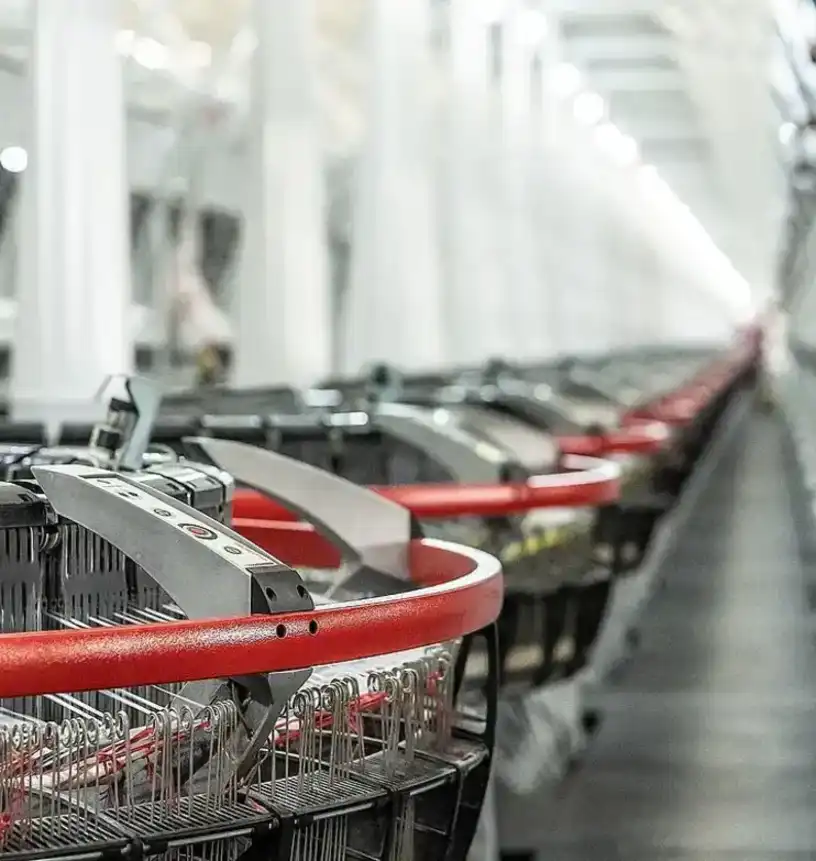
What is FFS Roll Bags for Pet Food? (Definition & Aliases)
FFS Roll Bags for Pet Food are continuous tubular or single‑wound web films—primarily polyethylene (LDPE/LLDPE/HDPE blends), optionally co‑extruded with barrier layers such as EVOH or PA—designed to be formed, filled, and sealed on automated equipment in one uninterrupted motion. On procurement sheets they also appear as form‑fill‑seal tubular rolls, heavy‑duty PE FFS rollstock, barrier FFS bags, FFS side‑gusset rolls, or FFS pillow rolls. Different labels, same logic: a polyolefin (or polyolefin‑plus‑barrier) architecture tuned for speed, seal integrity, and distribution toughness.
Background & field knowledge. Engineering FFS Roll Bags for Pet Food means balancing polymer rheology (MFI windows, slip/antiblock packages, hot‑tack behavior), film mechanics (tensile/elongation per ASTM D882; tear per ASTM D1922; dart impact per ASTM D1709), barrier science (OTR via ASTM D3985; WVTR via ASTM F1249), and print durability (ink adhesion at dyne ≥38; ΔE color tolerances; rub per ASTM D5264). Food‑contact legitimacy is grounded in FDA 21 CFR §177.1520, EU No 10/2011 (overall migration limit 10 mg/dm² with SML/NIAS oversight), and Good Manufacturing Practice under EC No 2023/2006. Hygiene programs align with BRCGS Packaging Materials (Issue 7) and/or ISO 22000:2018/FSSC 22000.
Horizontal vs. vertical thinking. Horizontally, FFS Roll Bags for Pet Food pull methods from flexible packaging (seal initiation temperature, hot‑tack resilience), extrusion (bubble stability, gauge CpK), printing science (dyne and ΔE control), and warehouse physics (pallet creep, inter‑layer friction). Vertically, causes stack like gears: resin → film → print/topcoat → gusset geometry → seal recipe → case/pallet behavior. Nudge any gear and the transmission changes: increase gauge from 100 μm to 130 μm and drop resistance rises, yet inertia and heat‑transfer shift; add EVOH and OTR plunges, yet stiffness increases and the recycling narrative evolves.
Data reinforcement. Corridors frequently published by audited suppliers (Made‑in‑China, Alibaba, peer converters) for pet‑food‑grade rollstock: thickness 80–180 μm, roll widths 300–650 mm, 3″ (76 mm) cores, outer diameter 350–900 mm, corona ≥38 dynes, and 6–10 color flexo or gravure print. Typical PE‑blend seal windows cluster around ~130–170 °C, contingent on formulation and dwell.
Case analysis. A kibble producer moved from pre‑made pouches to FFS Roll Bags for Pet Food (LLDPE‑rich, 110 μm, side‑gusset). Changeover time shrank, filler uptime climbed ~7%, and top‑seal rejects fell when hot‑tack rheology was tuned to handle oil‑coated inclusions.
Comparative study. Pre‑made sliders feel premium but tax unit cost at volume; paper‑poly hybrids sell “hand‑feel” but absorb humidity; rigid tubs stack bravely yet punish freight. FFS Roll Bags for Pet Food split the difference—higher speeds than premades, lighter mass than tubs, and steadier moisture response than paper. For a concise doorway into format specifics, see FFS Roll Bags for Pet Food.
What is the features of FFS Roll Bags for Pet Food? (Performance, Freshness & Warehouse Fluency)
Seal integrity when reality is messy. Kibble sheds crumb; coatings carry oil. FFS Roll Bags for Pet Food leverage PE blends with broad seal‑initiation ranges and stout hot‑tack to close through light contamination—proven by peel/seal curves and route‑specific drop tests. Is a seal good if it only works in a lab? The better question: will it hold at the end of a 12‑hour shift.
Impact, tear, and toughness. LLDPE content, metallocene catalysts, and orientation balance are tuned against ASTM D1709 (dart), ASTM D882 (tensile/elongation), and ASTM D1922 (tear). Strong film, calmer pallets; calmer pallets, fewer claims; fewer claims, stronger margins.
Right‑fit barrier. Some recipes can breathe; others cannot. EVOH layers inside FFS Roll Bags for Pet Food can pull OTR to ≤10–100 cc/m²·day (23 °C, 0% RH per ASTM D3985) while mono‑PE sits >2,000. Choose barrier where oxidation or aroma defines sensory scores; skip it when the “extra” only adds grams and cost.
Print that persuades and survives. Flexo or gravure to 8–10 colors, dyne ≥38, ΔE dashboards, and ASTM D5264 rub targets keep brand tones intact through conveyors, cases, and cross‑docks. Matte code panels silence barcode glare under sodium lamps; generous quiet zones safeguard ISO/IEC 15416 grades in the B‑or‑better band.
Automation‑first geometry. Side‑gussets improve cube and shelf stance; lap‑seal vs. fin‑seal trades seam strength against potential inside‑product contact and look‑and‑feel. Anti‑slip back varnishes lift inter‑layer friction without inflating gauge, disciplining pallets on mixed routes.
Compliance that travels. FFS Roll Bags for Pet Food are specified to FDA 21 CFR §177.1520 and EU No 10/2011 with NIAS/SML oversight; GMP under EC No 2023/2006 and site hygiene to BRCGS/FSSC keep audits short and approvals long.
Data reinforcement. RFQs for 1.5–10 kg packs frequently target 90–140 μm PE‑dominant films, 6–8 color print, seal jaws 140–165 °C, OTR ≤100 cc/m²·day when EVOH is used, and drop‑test passes at 0.9–1.2 m depending on pack size and density.
Case analysis. Switching to a 3‑layer PE/EVOH/PE at 120 μm, a freeze‑dried treat brand extended sensory freshness by two weeks without touching jaw settings—proof that well‑matched rheology can add barrier without taxing speed.
Comparative study. Paper‑poly: tactile yet thirsty. Woven+BOPP: stack‑stable yet heavier. FFS Roll Bags for Pet Food: lighter mass, faster cycles, credible shelf life when barrier is right‑sized.
What is the production process of FFS Roll Bags for Pet Food? (From Resin to Ready‑to‑Run)
Extrusion & gauge discipline. Food‑grade PE resins—optionally with tie/EVOH layers—are blown on balanced dies. Melt flow is trended per ASTM D1238; auto‑profile and internal bubble control hold CD/MD variation inside agreed CpK. Thin where you can; thick where you must.
Corona & surface energy. Inline corona raises surface energy to ≥38 dynes for ink/adhesive anchorage. Dyne decay is monitored roll‑to‑roll. Slip/antiblock packages are tuned so COF suits both the forming tube and the pallet: too low and pallets slide; too high and feeds jam.
Printing & protective coats. Brand art, nutrition panels, and machine‑readables land via flexo/gravure. Matte or gloss topcoats balance shelf pop with WMS readability; ΔE control charts and ISO/IEC 15416 barcode grades are logged per batch.
Slitting & winding that respect uptime. Clean edges, proper tension, and robust splices prevent telescoping and bag skew. Core ID standardization (3″) shortens changeovers; splice codes trigger alarms so no splice dies mid‑seal.
Form‑fill‑seal integration. Collars, gusset plows, and jaw metallurgy are matched to film chemistry. Seal curves (temperature/time/pressure) are mapped per resin lot; registration and metal‑detector checks bake into the centerline SOPs.
Quality & compliance checkpoints. Routine verification includes ASTM D882/D1922/D1709 mechanics, migration to EU No 10/2011 (OML 10 mg/dm²), and hygiene audits (BRCGS, ISO 22000). REACH‑compliant additive declarations and NIAS risk assessments tighten the technical file.
Horizontal/vertical analysis. Horizontally, FFS Roll Bags for Pet Food manufacturing borrows bubble stability from film shops, color science from print houses, and HACCP zoning from food plants. Vertically, drift propagates: dyne loss → ink pick‑off; gauge bands → poor jaw seals; high COF → feeding jams; low COF → pallet slide. One parameter slips, the whole choir sings off‑key.
Data reinforcement. Sites adding live dyne telemetry and CpK alarms on gauge commonly cut print/seal rejects by >40% and enable thinner films without performance loss.
Case analysis. A VidePak partner reduced from 125 μm to 110 μm after a DOE program, held dart and drop targets by retuning LLDPE blend and seal dwell, and banked material savings with no WMS issues.
Comparative study. One roll per size instead of dozens of pre‑made SKUs, fewer change parts, cleaner centerlines, faster training—quiet efficiency multiplied by every shift.
What is the application of FFS Roll Bags for Pet Food? (Core Pet Segments & Retail)
Dry kibble & mixes (1.5–10 kg). FFS Roll Bags for Pet Food at 90–130 μm with side‑gussets and matte code panels deliver billboard‑grade print, clean seals, and stable pallets. Co‑extruded “fresh windows” showcase kibble shape without compromising stack behavior.
Freeze‑dried & high‑oil treats. When oxidation dictates life, EVOH coex structures pull OTR into the ≤10–50 cc/m²·day band. Inside‑slip is tuned to avoid funneling; laser scoring and easy‑open notches aid access without sacrificing drop resistance.
Club‑store and e‑commerce packs. Higher drop heights and conveyor miles demand tougher films and anti‑slip backs. Reinforced seals and generous quiet zones keep codes scannable after sortation.
Data reinforcement. Pet‑food SKUs frequently specify 6–8 color print, widths 320–560 mm, jaw settings 140–165 °C, and drop tests 0.9–1.2 m—numbers echoed by reputable supplier datasheets and buyer RFQs.
Case analysis. A premium brand added matte varnish over code panels; scan accuracy rose in racked aisles while consumer glare complaints faded. Warehouse ergonomics and retail aesthetics, reconciled.
Comparative study. Versus woven+BOPP for 10–25 kg formats, FFS Roll Bags for Pet Food reduce pack mass and favor speed on sub‑10 kg sizes; versus pre‑made pouches, they lower per‑unit pack cost at volume.
What is the application of FFS Roll Bags for Pet Food? (Export, Compliance & Cold/Hot Chain)
Cross‑border readiness. Food‑contact dossiers (DoC + migration) to EU No 10/2011/FDA 21 CFR §177.1520, REACH statements, and hygiene certificates (BRCGS, FSSC 22000) streamline audits in EU/UK/US corridors. Barcode grade reports and ΔE logs align with WMS expectations.
Containerization & warehouse climate. Anti‑slip varnishes preserve inter‑layer friction in hot warehouses; gusset geometry maintains cube. UV‑stabilized outer prints (supplier‑declared hours correlated to ASTM G154/G155) resist fade during yard staging.
Cold‑chain resilience. Seal recipes are tuned to avoid brittle fracture at low temps; LLDPE content and dwell adjustments keep seals pliable during chilled transport.
Data reinforcement. Export RFQs often request D882/D1709/D1922 certificates, OTR/WVTR data where barrier is claimed, and in‑process dyne records. Roll OD typically caps near 800–900 mm for ergonomic handling.
Case analysis. After standardizing anti‑slip coefficients and gusset widths, a global co‑packer added one pallet layer on export lanes without lean or slide—container cube up, claims down.
Comparative study. Where hermetic aroma barrier is mandatory, laminated PET/foil may be justified; where speed, mass, and recycling narratives matter, FFS Roll Bags for Pet Food keep the edge.
Quick Spec Sheet (Typical, Food‑Contact Ready)
| Parameter | Typical range / option | Technical note |
|---|---|---|
| Film thickness | 80–180 μm PE‑dominant (mono or 3–5 layer) | Select by drop target & bulk density; 110–140 μm common for 3–10 kg |
| OTR (23 °C, 0% RH) | >2,000 cc/m²·day (mono‑PE); ≤10–100 with EVOH coex | Choose barrier to match oxidation sensitivity (ASTM D3985) |
| WVTR (38 °C, 90% RH) | 3–12 g/m²·day typical PE | Screen via ASTM F1249 |
| Width | 300–650 mm | Aligns to 1.5–10 kg side‑gusset formats |
| Roll OD / Core | 350–900 mm OD; 3″ core | Balance changeover frequency vs. roll weight |
| Flexo/gravure up to 8–10 colors | Maintain dyne ≥38; ΔE dashboards; barcode grade ≥B (ISO/IEC 15416) | |
| Seal window | ~130–170 °C (PE blends) | Map T/t/P by resin lot; verify hot‑tack under oil/crumb |
| Mechanical tests | ASTM D882/D1922/D1709 | Trend tensile, tear, dart for consistency |
| Food‑contact & GMP | FDA 21 CFR §177.1520; EU No 10/2011; EC No 2023/2006 | OML 10 mg/dm²; NIAS/SML oversight; DoC on a lot basis |
| Hygiene systems | BRCGS Packaging Materials (Issue 7); ISO 22000:2018/FSSC 22000 | GFSI‑benchmarked programs for plant hygiene |
| Circularity | Polyolefin platform; rPE/rPP where permitted | Verify via migration tests; chain‑of‑custody such as GRS v4.0 |
Values reflect corridors commonly listed by reputable suppliers and in buyer RFQs. Final specs must be proven on your equipment with tensile, tear, dart, seal, migration, and drop tests tuned to route risk and line speed.
A Systems‑Thinking Synthesis: VidePak’s End‑to‑End Solution
Sub‑problem A — Freshness vs. speed. Oils, crumbs, and fast jaws seldom cooperate. Solution: specify FFS Roll Bags for Pet Food with PE blends that offer broad seal‑initiation ranges; develop DOE‑built seal curves; implement online hot‑tack checks. Document compliance to FDA 21 CFR §177.1520/EU No 10/2011 so extra freshness never costs approvals.
Sub‑problem B — Impact vs. mass. Heavier films shrug off drops but inflate freight and carbon. Solution: optimize to 110–130 μm for 3–10 kg using LLDPE‑rich blends and CpK‑held gauges; validate via ASTM D1709 and route‑specific drop tests.
Sub‑problem C — Print pop vs. barcode glare. Beautiful graphics that won’t scan are warehouse taxes. Solution: matte code panels, quiet‑zone discipline, ΔE dashboards; target ISO/IEC 15416 ≥ B under warehouse lighting.
Sub‑problem D — Global audits vs. changeovers. Retailers demand documents; plants demand uptime. Solution: standardize DoC templates, hygiene certificates (BRCGS/FSSC), and in‑process dyne logs; harmonize cores/ODs to one changeover SOP across lines.
Integrated outcome. A pragmatic, audit‑ready, mono‑family platform—FFS Roll Bags for Pet Food—that seals cleanly, runs fast, protects freshness, and scales across markets without burdening operators. Not just rollstock; a repeatable operating model VidePak can deploy and defend.
In the dynamic world of packaging, PP Woven Sacks have become a cornerstone for various industries. At VidePak, we specialize in providing a comprehensive range of PP Woven Bags designed to meet diverse needs. Our commitment to innovation and quality is reflected in our use of advanced machinery and automation processes, ensuring that our products remain at the forefront of the industry.
The Evolution of PP Woven Sacks
PP Woven Sacks are renowned for their durability, strength, and versatility. These bags are used across multiple sectors, including agriculture, construction, and manufacturing. The woven polypropylene fabric offers excellent resistance to tearing and abrasion, making it an ideal choice for packaging products that require robust and reliable containment.
1. Benefits of PP Woven Bags
- Strength and Durability: The polypropylene material provides high tensile strength and resistance to impacts, ensuring that the bags can handle heavy loads without compromising their integrity.
- Customizable Design: PP Woven Bags can be tailored to various sizes, colors, and printing options, allowing for branding and product differentiation.
- Cost-Effectiveness: The production process for these bags is efficient, resulting in a cost-effective solution for bulk packaging needs.
Advancements in Manufacturing: Automation and Technology
At VidePak, we leverage the latest advancements in manufacturing technology to produce high-quality PP Woven Sacks. Our use of cutting-edge equipment and automation is integral to maintaining the excellence of our products.
1. Starlinger Machinery
We utilize Starlinger equipment, a global leader in manufacturing technology for woven polypropylene products. The benefits of using Starlinger machinery include:
- Precision Engineering: Starlinger machines are known for their precise control over the weaving and production processes, ensuring consistency in the quality of each bag.
- Efficiency: The equipment is designed to maximize production efficiency, reducing waste and improving overall productivity.
- Advanced Features: Starlinger machines incorporate the latest technological advancements, including automated systems that enhance the speed and accuracy of production.
2. 3D Weaving Technology
3D Weaving Technology is a significant advancement in the production of PP Woven Sacks. This technique involves creating a three-dimensional fabric structure, which offers several advantages:
- Enhanced Strength: The 3D weave provides additional strength and durability, making the sacks suitable for handling more demanding applications.
- Improved Flexibility: The technology allows for greater flexibility in the design and functionality of the bags, catering to specific packaging needs.
- Innovative Design: The ability to produce complex woven patterns opens up new possibilities for customization and branding.
3. Automation in Production
Automation plays a crucial role in our manufacturing process. By integrating automated systems, we achieve:
- Consistency: Automated processes ensure uniformity in the production of PP Woven Bags, reducing the likelihood of defects and variations.
- Speed: The use of automation accelerates the production cycle, enabling us to meet high-volume demands efficiently.
- Quality Control: Automated systems include advanced quality control measures that monitor each stage of production, ensuring that only top-quality products are delivered.
Applications of PP Woven Sacks
PP Woven Sacks are versatile and can be used for various applications, including:
1. Agricultural Packaging
- Fertilizers: These bags are ideal for packaging fertilizers, providing protection against moisture and external elements.
- Seeds: The strength and durability of PP Woven Sacks make them suitable for packaging seeds, ensuring safe storage and transport.
2. Construction and Industrial Use
- Building Materials: The sacks are used for packaging building materials such as cement and sand, where strength and durability are essential.
- Chemical Products: For industrial chemicals, PP Woven Bags offer resistance to harsh substances and prevent leakage.
3. Consumer Goods
- Food Products: The bags can be used for packaging food products, including grains and pet food, ensuring freshness and protection.
- Retail Packaging: Customizable designs make PP Woven Sacks a popular choice for retail packaging, where branding and visual appeal are important.
VidePak’s Commitment to Excellence
At VidePak, our focus on quality and innovation sets us apart from other manufacturers. Our commitment to producing top-tier PP Woven Bags is reflected in our:
1. Expertise and Experience
With over 20 years in the industry, VidePak has honed its expertise in manufacturing PP Woven Sacks. Our deep understanding of market needs and technological advancements enables us to deliver exceptional products.
2. Customer-Centric Approach
We work closely with clients to understand their specific requirements and provide tailored solutions. Our customer-centric approach ensures that we meet and exceed expectations with every order.
3. Ongoing Innovation
We continually invest in new technologies and equipment to stay at the forefront of the industry. By embracing innovation, we enhance the performance and capabilities of our PP Woven Bags, ensuring they meet the evolving needs of our clients.
Future Directions
The packaging industry is evolving, and so are we. Key trends shaping the future of PP Woven Sacks include:
1. Sustainability
There is a growing demand for sustainable packaging solutions. We are exploring ways to incorporate eco-friendly materials and practices into our production processes.
2. Advanced Customization
As consumer preferences become more diverse, the need for highly customizable packaging solutions increases. We are committed to offering a wide range of customization options to meet these needs.
3. Technological Integration
Advancements in technology will continue to drive improvements in manufacturing efficiency and product performance. We are dedicated to integrating the latest technologies to enhance our offerings.
Conclusion
VidePak’s dedication to producing high-quality PP Woven Sacks reflects our commitment to excellence and innovation. By utilizing advanced machinery, embracing automation, and focusing on customer needs, we deliver packaging solutions that stand out in the industry. Whether you need PP Woven Bags for agricultural, construction, or consumer applications, VidePak offers reliable and effective solutions designed to meet the highest standards of performance and durability.