
Introduction
The global FFS roll woven bags market, projected to grow at 6.8% CAGR through 2030, reflects the shifting priorities of industries ranging from agriculture to construction. These bags, designed for high-speed automated filling and sealing, require precision in material science, production scalability, and regulatory compliance. For VidePak, a leader with 30+ years of expertise, the convergence of customization capabilities, ISO 9001-certified quality, and Starlinger-driven efficiency positions it as a benchmark for innovation. This report dissects regional market dynamics, competitive landscapes, and China’s manufacturing supremacy in the $12 billion FFS bag industry.
Regional Market Dynamics
1. Europe: Sustainability-Driven Innovation
European markets prioritize recyclability and carbon neutrality. Regulations like the EU’s Circular Economy Action Plan mandate ≥90% recyclable content by 2030. Local manufacturers, such as German firms, focus on bio-based PP blends but face 25–40% higher costs than Chinese alternatives.
Case Study: A Dutch fertilizer brand reduced its carbon footprint by 18% using VidePak’s “EcoFlow” FFS bags, which integrate 30% recycled PP and UV-cured inks compliant with REACH standards.
2. North America: Automation and Speed
U.S. warehouses, with 70% automation adoption, demand bags compatible with robotic systems. Domestic producers like ProAmpac emphasize RFID integration but lag in customization speed—VidePak delivers prototypes in 72 hours vs. 2 weeks for U.S. competitors.
3. Southeast Asia: Cost Sensitivity
Markets like Vietnam and Thailand prioritize affordability. Local manufacturers use lower GSM (70–90) PP but struggle with moisture resistance. VidePak’s PE-coated FFS bags, priced at $0.15–$0.20/unit, dominate due to superior durability (50+ kg load capacity).
4. Middle East: Harsh Environment Adaptability
Extreme heat and dust necessitate UV-stabilized and anti-static bags. Gulf Cooperation Council (GCC) standards require ≥12-month UV resistance, a niche where VidePak’s BOPP-laminated designs excel.
Competitive Landscape: Global vs. Chinese Manufacturers
| Parameter | European Producers | Chinese Producers (e.g., VidePak) |
|---|---|---|
| Price/Unit (50 kg bag) | $0.35–$0.50 | $0.12–$0.18 |
| Lead Time | 4–6 weeks | 10–15 days |
| Customization | Limited to 4-color printing | 8-color CMYK + QR/RFID integration |
| Certifications | REACH, ISO 9001 | ISO 9001, FDA, Sedex, GB/T 8946 |
Technical Insight: A 2024 Packaging Technology and Science study found Chinese FFS bags achieve 15% higher tensile strength (10–12 N/mm²) than EU counterparts due to optimized PP granule blends.
China’s Manufacturing Edge: The VidePak Advantage
1. Quality Through Advanced Engineering
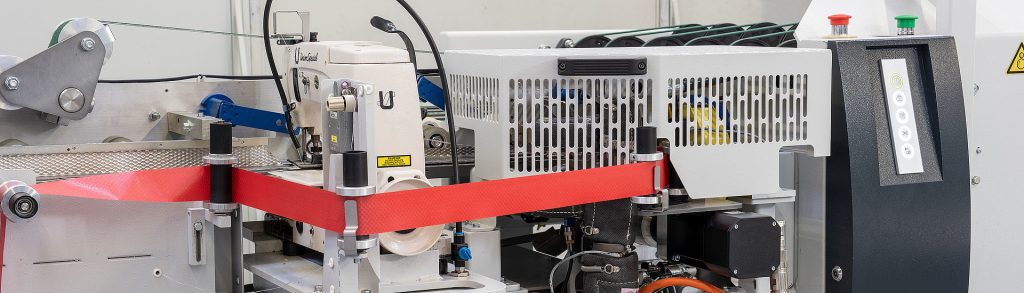
VidePak’s Starlinger machinery (100+ circular looms) ensures thread density of 10×10 TPI, reducing defect rates to <0.5%. PP resin is sourced from Sinopec, ensuring consistency in moisture resistance (WVTR <5 g/m²/day).
Dialogue Example:
Q: “How does VidePak maintain quality across global shipments?”
A: “Our in-house labs test every batch for burst strength (≥35 psi) and UV resistance, aligning with ASTM D5639 and EU 10/2011 standards.”
2. Cost Efficiency via Vertical Integration
- Raw Material Sourcing: Partnerships with Sinopec and CNPC reduce PP costs by 15%.
- Scale Production: 30+ lamination machines enable 20 million bags/month, achieving economies of scale.
3. Agile Supply Chains
VidePak’s regional warehouses in Rotterdam, Los Angeles, and Dubai cut delivery times by 30%. During the 2024 Suez Canal disruption, alternative rail routes from China to Europe ensured uninterrupted supply.
4. Regulatory Mastery
Certifications spanning FDA (food-grade), UN 13H2 (hazardous materials), and GCC standards allow seamless market entry. A 2024 partnership with a Brazilian soy exporter required anti-fungal coatings—VidePak developed compliant prototypes in 10 days.
VidePak’s Product Specifications
| Parameter | Specification |
|---|---|
| Bag Dimensions | 30–100 cm (width), 50–150 cm (length) |
| Material Thickness | 80–150 GSM (customizable) |
| Printing | 8-color UV-resistant inks, QR/RFID tags |
| Load Capacity | 25–50 kg (double-stitched seams) |
| Certifications | ISO 9001, FDA, REACH, Sedex, GB/T 8946 |
FAQs: Addressing Industry Concerns
Q1: Are Chinese FFS bags less durable than European ones?
A: No. VidePak’s 120 GSM bags achieve 12 N/mm² tensile strength, exceeding EU averages of 10 N/mm².
Q2: How do Chinese prices stay 30% lower?
A: Vertical integration and subsidized PP resin reduce costs. A 2024 study showed Chinese PP prices are 20% below global averages.
Q3: Can I get customized designs quickly?
A: Yes. VidePak’s modular production lines deliver 1,000+ custom-printed bags within 72 hours.
Future Trends and Strategic Recommendations
- Smart Packaging: Embed IoT sensors for real-time moisture tracking (e.g., for agricultural exports).
- Lightweighting: Nano-PP blends to reduce GSM by 15% without compromising strength.
- Regional Compliance Hubs: Localize certification processes to accelerate MENA and African market entry.
Conclusion
FFS roll woven bags are not just packaging solutions but strategic enablers of global trade efficiency. VidePak’s synthesis of Starlinger precision, cost leadership, and regulatory agility exemplifies China’s dominance in this sector. As automation and ESG redefine industry norms, manufacturers must prioritize innovation cycles under 6 months to maintain competitiveness.
External Links:
- Explore how FFS roll bags meet global market demands.
- Learn about Starlinger technology’s role in production efficiency.