What Are FFS Tubular Woven Bags?
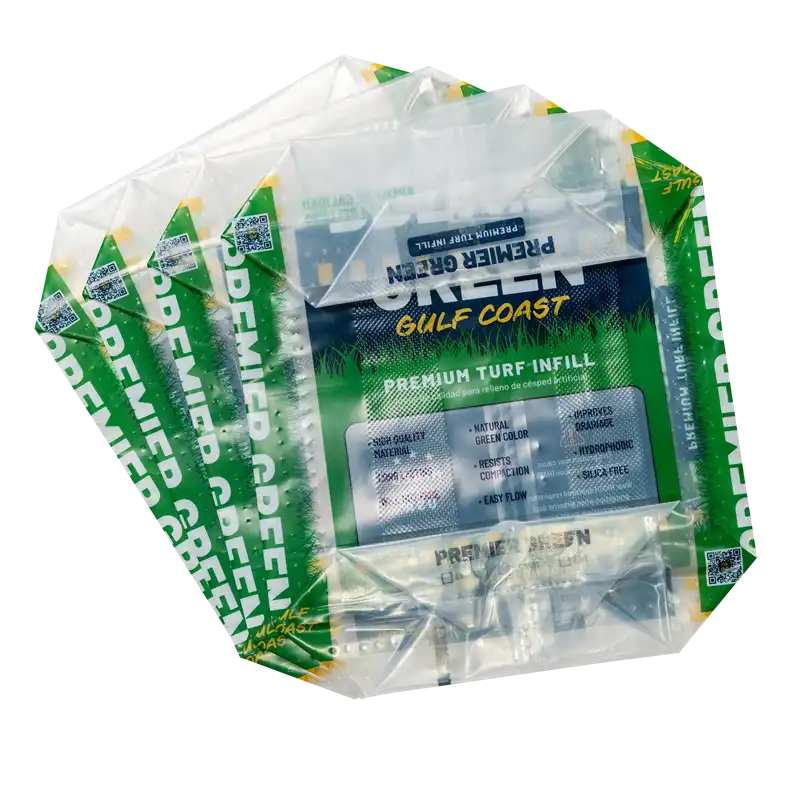
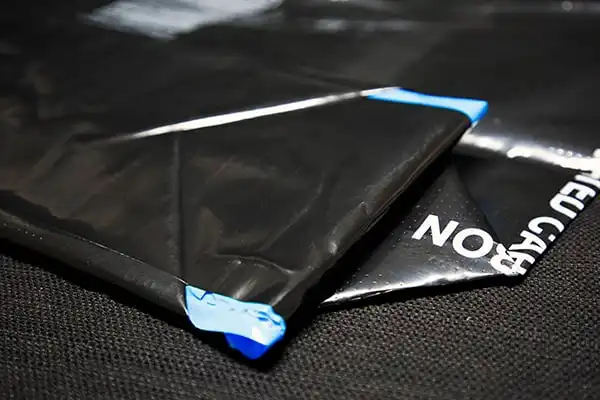
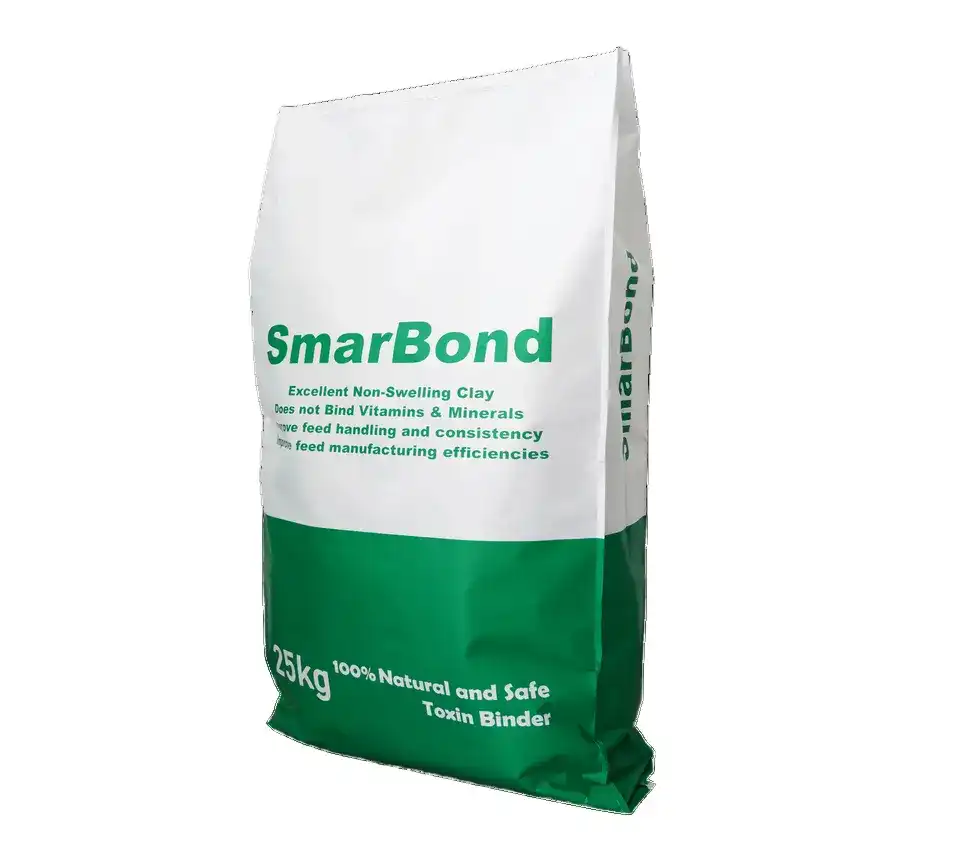
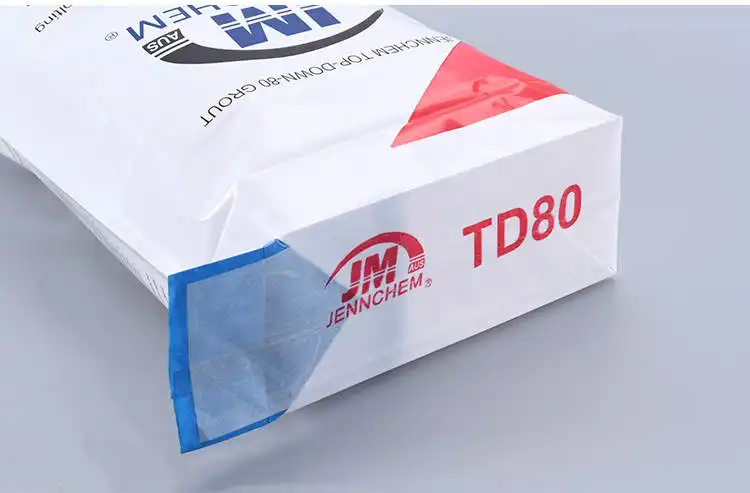
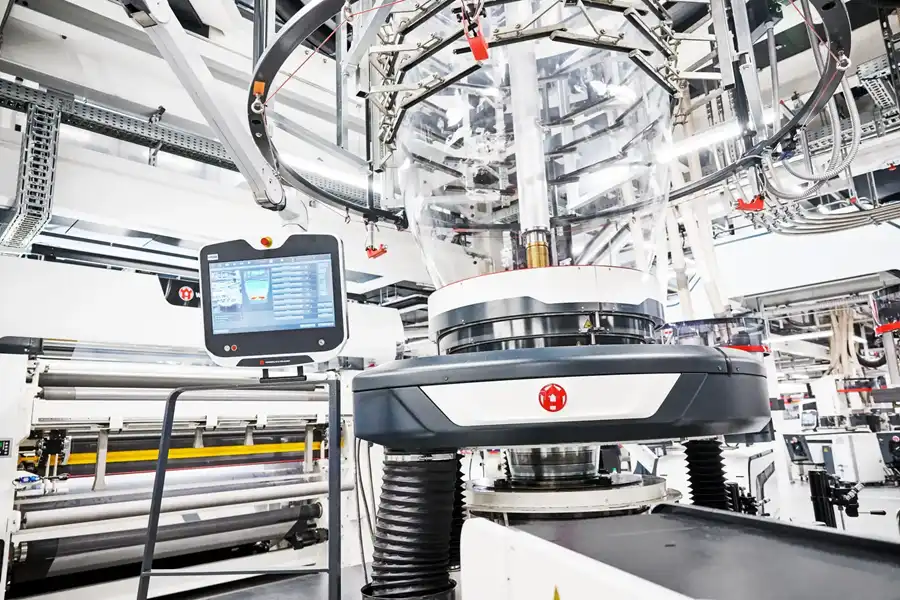
FFS Tubular Woven Bags are polyolefin-based packages produced as continuous circular or flat tubes and tailored to run natively on automated Form–Fill–Seal lines. The term “FFS” denotes a three‑stage operation—forming, filling, sealing—executed in one synchronized sequence, while “tubular woven” points to a fabric made from oriented polymer tapes that behaves like a robust textile yet converts like a film. In plant floor vernacular they are also described as FFS tubular rolls, circular‑woven PP FFS sacks, tubular PP sleeves for FFS, BOPP‑laminated FFS woven bags, and pallet‑sleeve sacks.
Seen as a system, a FFS Tubular Woven Bags specification integrates four planes of performance: the load‑bearing weave (strength and stiffness), the surface engineering (barrier, breathability, print receptivity), the sealing window (temperature × time × pressure), and the aesthetics/compliance layer (graphics, codes, warnings). When these planes align, plants gain predictable throughput, cleaner housekeeping, and tighter stacks—benefits that often outweigh any incremental unit cost.
The Materials of FFS Tubular Woven Bags
Beneath the single phrase lies an engineered stack: resins and tapes; additives; coats and films; liners and auxiliaries; inks and labels. Each component is a dial that shifts shelf life, machinability, or circularity.
- UV (HALS) Targets from ~200 to 1,000+ h xenon‑arc equivalent, depending on climate and outdoor dwell.
- Slip/antiblock Outer dynamic COF commonly tuned ~0.25–0.45 for a balance between pallet stability and fast conveying.
- Antioxidants/processing aids Stabilize color and melt, especially when rPP is introduced.
- Color masterbatch White (TiO₂) for legibility and lower solar gain; NIR‑detectable blacks in regions using optical sorting.
Form‑fit LDPE/LLDPE liners support moisture/oxygen control for fine sugars, dextrose, or milk‑powder blends. Where mono‑material objectives dominate, PP liners keep the whole article in PP streams. If barrier (EVOH/PA) is unavoidable, make it removable and labeled.
On‑web printing handles compliance panels; auxiliary PP film labels with PP adhesives preserve mono‑polyolefin integrity and reduce regrind contamination risk.
What Features Define FFS Tubular Woven Bags?
Performance emerges from trade‑offs deliberately struck. The winning brief balances strength with sealability, barrier with breathability, speed with cleanliness, graphics with recyclability.
Oriented tapes share load across warp and weft, enabling modest grammages (e.g., 95–130 gsm for 25 kg formats) to pass 0.8–1.2 m drop tests when seams and seals are validated. Dimensional stiffness yields square stacks with less “pillow” bulge and fewer topple events on vibration.
The tubular roll architecture removes the bottlenecks of pre‑made bag handling. Properly tuned temperature–time–pressure windows, anti‑sift seal aids, and inner/outer COF differentiation support 8–22+ bags/min for 20–50 kg formats, while exhaust capture at spouts limits airborne dust.
WVTR is controlled by coat mass and lamination choice. Where residual heat or product respiration threatens condensation, micro‑perforated faces or patterned vents allow moisture egress without visible sifting. A front face may be fully laminated for graphics; side/back panels may be partially coated to retain breathability.
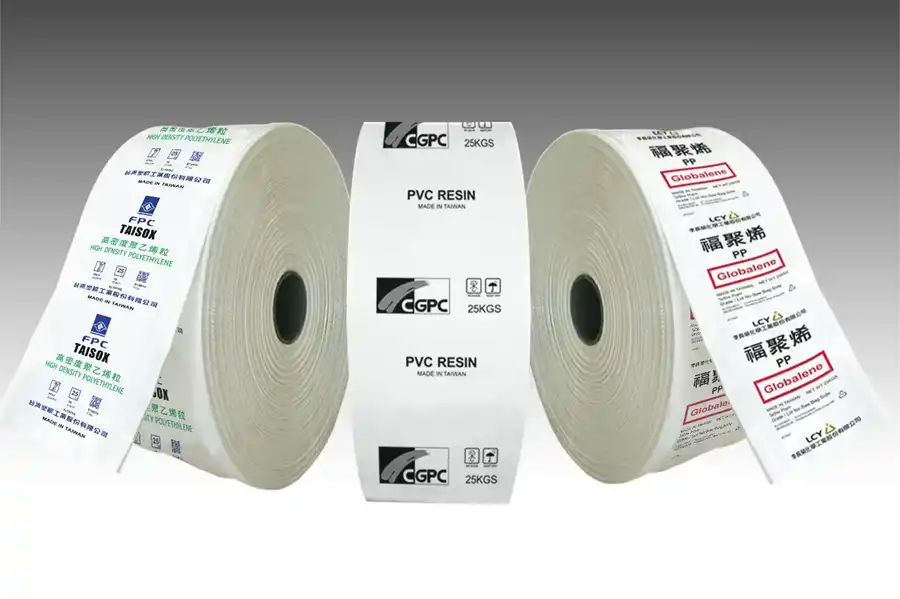
Reverse‑printed BOPP protects inks from scuff and chemical smear. Smooth faces preserve barcode integrity and support serialized QR for traceability. Four panels carry guaranteed analyses, warnings, and batch identifiers without bleeding through warehouse abrasion.
Antistatic additives or surface treatments mitigate charge build‑up at high line speeds. For bulk analogs (FIBC) used in dusty powders, Type C/D practice per IEC 61340‑4‑4 informs site standards. Fork interactions benefit from the bag’s intrinsic squareness and edge resilience.
Mono‑polyolefin discipline—PP fabric, PP coat, PP label base, PP thread (if any), and removable liners—keeps FFS Tubular Woven Bags within PP streams and raises bale value. Low‑ash inks preserve regrind color and melt filtration performance.
How Are FFS Tubular Woven Bags Produced?
- Compounding & tape extrusion. PP pellets (with UV, slip, color) are cast, slit, and drawn 5–8×. The draw profile defines tensile, elongation, and creep under stacked loads.
- Circular weaving. Tapes feed circular looms to form a continuous tube with target PPI and denier; flat‑loom routes exist but circular simplifies tube geometry.
- Heat setting. Stabilizes dimensions and curbs shrink at sealing temperatures.
- Coating/lamination. Apply 12–30 g/m² PP coats or 15–25 μm BOPP; add micro‑perfs or patterned coats where breathability is required.
- Printing. Low‑odor flexo on coats or reverse‑printed BOPP; compliance panels aligned to post‑fill legibility.
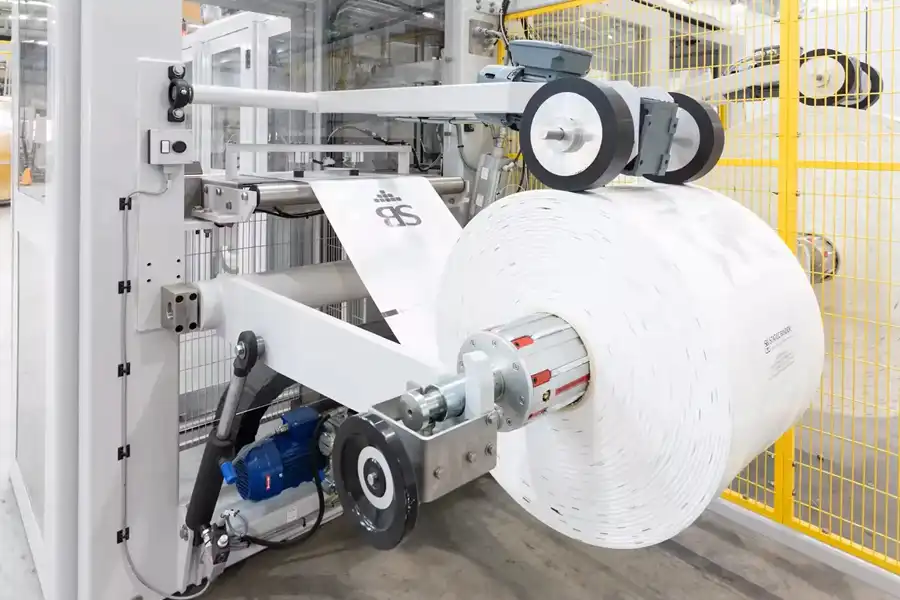
- Slitting, gusseting, roll make‑up. Set widths, apply gussets for squareness, and wind rolls with OD and splice control tuned to the FFS line.
- QA & release. Verify dimensions (±2–3 mm), coat mass, bond strength, COF, air permeability (if used), tensile/tear, seal window, and scuff resistance. Serialize rolls.
Where Do FFS Tubular Woven Bags Excel?
- Fertilizers & soil amendments: urea, NPK blends, gypsum, potash—fast dosing, dust control, and pallet cube.
- Food staples & ingredients: sugar, rice, pulses, starches, coarse salts—graphics + robustness; liners when moisture control is critical.
- Industrial minerals & salts: de‑icing salts, soda ash, alum, bentonite—puncture/abrasion resistance plus scuff‑stable faces.
- Construction materials: cement, mortar, tile adhesive—high dust containment and stack integrity.
- Polymers & masterbatches: PE/PP pellets—clean unloading, traceable IDs, and pallet stability.
Thinking from the Phrase: Innovation in Aesthetic Design and Precision Engineering
The phrase is both promise and constraint. Aesthetic surfaces must persuade; engineered seams and seals must perform; recyclability must be credible. Form, function, figure, fate—each interacts with the others.
Thus the logic: craft squareness via gussets; achieve speed by widening seal windows; choose graphics that resist abrasion; enforce mono‑polyolefin bills and removable liners to close the loop. Then measure: throughput, net‑weight variance, leak rates, stack lean, recovery percentage. What gets measured, improves.
Systematizing the Design: Subsystems and Interfaces
Standards, Certifications, and Audit Anchors (2024–2025)
- ISO 9001:2015 Document control, nonconformance, change management for converting plants.
- ISO 14001:2015 Emissions, solvent control, and scrap recovery.
- ISO 45001:2018 OH&S across weaving, coating, printing, sealing, and palletization.
- FSSC 22000 v6.0 / BRCGS Packaging Hygiene and foreign‑matter controls for food‑adjacent manufacture.
- EU 10/2011 / FDA 21 CFR 177.1520 Plastics for food contact; OML/SML and declarations of compliance.
- IEC 61340‑4‑4 Electrostatics guidance via bulk analogs (FIBC) for dusty powders.
- ISO 21898:2024 Lift/stack/drop/topple philosophies informing QA safety margins.
- APR / RecyClass 2024–2025 Design‑for‑recycling guidance prioritizing mono‑polyolefin constructions.
Technical Reference Tables
| Table 1 — Typical Specification Ranges (20–50 kg Formats) | |||
|---|---|---|---|
| Fabric basis weight | 95–140 gsm | Strength vs. mass; drop resistance | Downguage only after seal window is proven |
| PPI (picks per inch) | 28–40 | Openness, sifting control, planarity | High PPI tightens print registration |
| PP coat mass | 12–30 g/m² | WVTR & sift‑proofness | Impacts sealing temperature band |
| BOPP thickness | 15–25 μm | Scuff‑protected graphics | Reverse printing protects inks |
| Micro‑perforation | 100–800/100 cm² | Moisture egress | Place away from seal zones |
| COF outer/inner | ~0.25–0.45 / line‑specific | Machinability vs. stack stability | Test on incline and slide rigs |
| Liner thickness | PP 40–80 μm; PE 50–120 μm | Moisture/oxygen control | Prefer removable, labeled liners |
| UV target | 200–1,000 h xenon‑arc | Outdoor resilience | Match to geography |
| Table 2 — Process Windows & QA (Indicative) | |||
|---|---|---|---|
| Tape extrusion | 220–260 °C; draw 5–8× | Tensile/elongation balance | Anneal for creep control |
| Heat setting | Profile per gsm | Shrink control near sealers | Prevents wrinkled seals |
| Coating/lamination | 12–30 g/m²; 15–25 μm BOPP | Sealing and printability | Favor polyolefin tie layers |
| Slitting/gusseting | OD/ID to spec; splice budget | Unwind stability | Register reliability |
| Sealing window | Lab → line confirmation | Hermeticity at speed | Temp–time–pressure matrix |
| Release tests | Drop/stack, COF, WVTR, leaks | Field reliability | Sampling per AQL plan |
| Table 3 — Compliance & Audit Checklist | |||
|---|---|---|---|
| Food contact | EU 10/2011; FDA 21 CFR 177.1520 | DoCs; OML/SML | Migration reports on file |
| QMS | ISO 9001 | Change control; CAPA | Audit schedule maintained |
| FSMS | FSSC 22000 v6.0 / BRCGS | Hygiene zoning | Foreign‑matter logs |
| ESD (bulk analogs) | IEC 61340‑4‑4 | Type C/D practice | Grounding continuity |
| Recyclability | APR / RecyClass | Mono‑PP BOM | Liner removability; bale spec |
Five Arguments That Set Most Specs
- Orientation wins strength; seals convert it to reliability. High tensile fabric does not excuse a weak seal. Expand the seal window—temperature bands, dwell time, pressure—before removing grams from coats or fabrics.
- Breathability is engineered, not assumed. Write WVTR and (if used) air‑permeability targets; place vents deliberately to avoid dust and maintain seam integrity.
- Roll quality is line speed. OD tolerance, splice frequency, edge profile, and core stiffness directly affect uptime. “Cheap” roll make‑up is an expensive idea.
- Graphics must respect physics. Heavy ink loads raise ash in recyclate and can drive heat absorption; reverse‑print BOPP judiciously and document ink mass.
- Circularity is operational discipline. Mono‑PP BOMs, removable liners, low‑ash inks, clear marks, and bale density targets enable real recovery—measure them.
Composite Case Studies
Challenge: humidity, outdoor dwell, dust at filler, pallet slump. Spec: 110 gsm circular‑woven PP; 20 g/m² PP coat; micro‑perf windows; reverse‑printed BOPP front only; COF ≈0.35 outer; 60 μm LDPE form‑fit liner (removable). Outcome: cleaner fills, fewer caking claims, taller stacks, purer bales.
Challenge: shelf‑life and brand face in hot warehouses. Spec: 100 gsm fabric; 20 μm reverse‑printed BOPP on front/back; PP coat 15 g/m² on sides; anti‑wick hems; defined open‑mouth seal window. Outcome: legible faces after abrasion, tight seals, reduced hood film usage.
Challenge: dust discipline from bulk decant to small fill. Spec: Type C FIBC (IEC 61340‑4‑4) → antistatic‑treated FFS sacks with vent patches aligned to warehouse airflow. Outcome: lower airborne dust, synchronized QR traceability, clearer EHS compliance.
Implementation Roadmap and KPIs
- Define payload & climate. Particle size, cohesiveness, hygroscopicity; shelf‑life target and exposure cycles.
- Select architecture. gsm/PPI/denier; coats vs. laminates; breathable zones; liner policy; recyclability goal in RFQ.
- Engineer sealing. Lab matrix for temperature–time–pressure; confirm on the line across ambient swings; add seal‑assist strips as needed.
- Specify roll quality. OD/ID, splice rate, core spec, edge profile, winding tension; demand delivery certificates.
- Tune friction. Inner/outer COF for machinability vs. stability; verify on incline/slide tests.
- Lock compliance. DoCs; migration tests; ink/adhesive specs; GS1 barcode proofs; artwork control.
- Author pallet plan. Pattern, layer count, corner boards, hood film, vibration threshold; run transit trials.
- Operationalize circularity. QR marks, liner removability, bale ≥250 kg/m³, recycler MOUs, EPR data model.
- Launch with KPIs. Throughput, net‑weight SD, mg/m³ at hood, leak mbar/min, drop/stack pass %, moisture gain %, claims PPM, recovery %, bale purity %, CO₂e per delivered ton.
Risk Register and Controls
| Risk | Root Cause | Control | Evidence |
|---|---|---|---|
| Seal leaks | Narrow window; contaminated jaws | Seal‑assist films; jaw cleaning SOP; matrix audits | Leak test records; line logbooks |
| Pallet slump | Low squareness; COF mismatch | Gusset optimization; friction skins; pattern change | Vibration results; lean charts |
| Dust exposure | Spout gap; weak capture | Spout alignment; anti‑sift aids; airflow tuning | mg/m³ trend; housekeeping hours |
| Foreign matter | Thread/film chips; label fibers | Mono‑PP labels; trimmed seams; metal detection | BRCGS/FSSC audits; MD logs |
| Recyclability shortfall | Mixed materials; fixed liners | Mono‑PP BOM; removable, labeled liners | Bale purity %; recycler acceptance |
Vocabulary and Quick Reminders
- BOPP — reverse‑printed film for durable graphics.
- COF — friction metric governing machinability and stack stability.
- FIBC — bulk woven container (500–2,000 kg SWL).
- HALS — light stabilizers defending PP from UV degradation.
- OML/SML — overall/specific migration in EU 10/2011 testing.
- PPI — picks per inch; openness and strength indicator.
- WVTR — vapor transmission; centerpiece of shelf‑life modeling.
Integration: From Fabric to Fate
FFS Tubular Woven Bags convert oriented‑tape textiles into a high‑speed, aesthetically credible, and circular‑ready packaging platform. The visible promise—flat, scuff‑resistant faces with crisp branding—rests on invisible discipline: properly widened seal windows; COF tuned to both line speed and pallet safety; breathability and barrier mapped to shelf‑life physics; mono‑polyolefin bills that hold their value after use. Run the program as a system, measure what matters, and the format pays back in throughput, cleanliness, stack integrity, and recovery.
Note: This document uses Markdown + HTML with inline styles to achieve a consistent pale‑blue visual theme, bright‑blue ribbon badges, callout cues, card sections, and colored tables for quick scanning.

- What Are FFS Tubular Woven Bags?
- The Materials of FFS Tubular Woven Bags
- What Features Define FFS Tubular Woven Bags?
- How Are FFS Tubular Woven Bags Produced?
- Where Do FFS Tubular Woven Bags Excel?
- Thinking from the Phrase: Innovation in Aesthetic Design and Precision Engineering
- Systematizing the Design: Subsystems and Interfaces
- Standards, Certifications, and Audit Anchors (2024–2025)
- Technical Reference Tables
- Five Arguments That Set Most Specs
- Composite Case Studies
- Implementation Roadmap and KPIs
- Risk Register and Controls
- Vocabulary and Quick Reminders
- Integration: From Fabric to Fate
H1: Introduction
“FFS tubular woven bags are redefining packaging aesthetics and functionality, especially for industries demanding both durability and visual appeal,” asserts Ray, CEO of VidePak, during a 2025 packaging technology symposium. The competitive edge of these bags lies in three pillars: ultra-fine filament weaving (1.8–2.3 mm width), customizable lamination finishes (matte, pearlescent, transparent), and compliance with global material safety standards. This report explores how VidePak’s 16-year expertise and Starlinger-driven production lines address these demands, focusing on applications in food, agriculture, and high-end retail packaging.
H2: Technical Advancements in Filament Weaving
FFS (Form-Fill-Seal) tubular woven bags are engineered for seamless integration with automated packaging lines. Their structural integrity and aesthetic versatility stem from two innovations:
H3: Ultra-Fine Filament Technology
VidePak’s use of 1.8–2.3 mm single-filament PP threads ensures a fabric density of 12×12 strands per inch, reducing pore size to <0.1 mm. This minimizes material leakage while maintaining breathability—critical for hygroscopic products like powdered spices or fertilizers. Compared to traditional 3.0 mm filaments, this design increases tensile strength by 25% (up to 45 MPa) and reduces weight by 15%, lowering shipping costs.
H3: Lamination Techniques for Functional Aesthetics
| Lamination Type | Thickness | Key Benefits | Applications |
|---|---|---|---|
| Matte BOPP | 20–25 µm | Anti-glare, scratch-resistant surface; ideal for QR code legibility | Retail-ready food packaging |
| Pearlescent PE | 18–22 µm | Reflective finish for premium branding; UV-resistant | Luxury goods, cosmetics |
| Transparent PP | 15–20 µm | Product visibility; moisture barrier (<3 g/m²/day) | Agricultural seeds, snacks |
VidePak’s 30+ lamination machines enable rapid customization, aligning with trends like matte-finish pet food bags (e.g., 30% sales growth in 2024).
H2: Compliance and Material Safety
H3: Global Standards for Food Contact
- EU Regulation 10/2011: Limits heavy metal migration (e.g., <0.01 mg/kg lead). VidePak’s PP resins are FDA-compliant and tested via GC-MS.
- US FDA 21 CFR: Certifies bags for direct food contact, validated by third-party labs for 50+ cycles of thermal stress (–20°C to 60°C).
- Japan JIS Z 1539: Requires ≥8-meter stacking strength; VidePak’s block-bottom designs exceed 10 meters.
H3: Sustainability Metrics
- Recyclability: 100% virgin PP allows closed-loop recycling, reducing carbon footprint by 1.5 kg per bag vs. blended materials.
- Biodegradable Additives: Pilot trials with 20% PLA starch composites aim for 50% degradation in industrial composting within 24 months.
H2: Case Study: Custom Solution for Organic Flour Packaging
A 2024 project for a European organic brand required bags to prevent insect infestation and maintain freshness:
- Design: Matte BOPP lamination + 1.9 mm filaments (140 g/m²).
- Features: Nitrogen-flush valves, anti-static coating.
- Outcome: 99.9% insect exclusion and 18-month shelf life, achieving BRCGS AA certification.
H2: FAQs on FFS Tubular Woven Bags
Q1: How does filament width affect print quality?
Narrower filaments (1.8 mm) create smoother surfaces, enabling 1200 dpi CMYK printing—critical for intricate logos.
Q2: Are pearlescent films suitable for outdoor storage?
Yes. UV-stabilized PE films retain 95% reflectivity after 1,000-hour ASTM G154 testing.
Q3: What grammage balances cost and durability?
110–130 g/m² is optimal for 25–40 kg loads, reducing material costs by 20% vs. 150 g/m² while meeting ASTM D5265 burst strength (≥300 kPa).
H2: Future Trends and VidePak’s Roadmap
- Smart Packaging: RFID-enabled seams for real-time humidity tracking (piloted in Q3 2025).
- Circular Design: Partnerships with recycling firms to achieve 30% post-consumer PP content by 2026.
H2: Conclusion
FFS tubular woven bags are transforming packaging through precision engineering and aesthetic innovation. VidePak’s Starlinger-powered production and R&D focus position it as a leader in compliant, high-performance solutions. For businesses, prioritizing filament fineness, lamination type, and regional certifications is critical to balancing cost and quality.
External Links:
- Discover how matte-finish lamination enhances branding and durability.
- Explore automated FFS systems for high-speed packaging lines.
This report synthesizes data from EU, FDA, and JIS standards, alongside VidePak’s operational insights, to guide decision-making for manufacturers and logistics providers.