
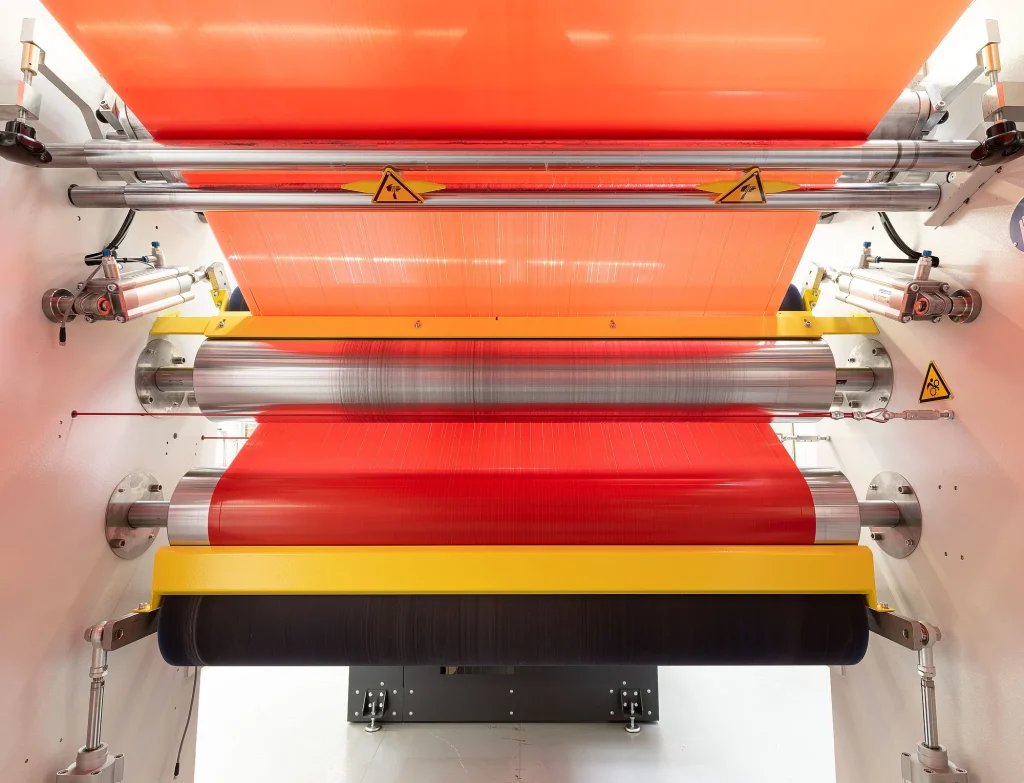
1. Rethinking form fill seal woven pet food packaging
Before a single kibble is cooked, cooled, and coated with flavour, an invisible design decision has already begun to shape the cost, safety, and environmental footprint of a pet food brand: the choice of packaging system. In that decision space, Form fill seal woven bags have emerged as a distinctive family of flexible industrial packs that are built from the ground up to run on automatic form fill seal, or FFS, machinery. Rather than purchasing finished sacks and filling them one by one, producers feed continuous rolls of tubular woven material into an FFS line where each package is formed, filled, and sealed in a single automated flow.
This shift sounds simple, almost cosmetic. It is not. A conventional pre made sack acts as a somewhat independent object that must be adapted to the machine. A true Form fill seal woven bag is designed as part of a system that links polymer properties, woven fabric behaviour, film slip, sealing windows, tube geometry, and pallet stability. The material is not just strong; it is engineered to move through forming shoulders, sealing jaws, filling spouts, and conveyors without jamming, skewing, or bursting.
Over time, different markets have developed their own naming traditions for the same concept. Engineers might refer to FFS woven bags, FFS PP bags, Form fill seal woven sacks, FFS tubular woven bags, or FFS woven pet food packaging bags. Commercial teams often prefer longer phrases such as FFS polypropylene woven bags for dry pet food or high speed FFS woven packaging for kibbles. All of these labels point to the same underlying idea: a tubular woven polypropylene structure, laminated and finished so that it can be formed, filled, and sealed directly from a roll.
A practical definition is this: Form fill seal woven bags are tubular polypropylene woven packages supplied on rolls, whose strength, friction, sealing layers, and dimensions are tuned for reliable, high speed operation on automatic FFS lines in pet food and other dry bulk industries.
The appeal of these bags is not limited to plant engineers who enjoy smooth line efficiency charts. They also help brand owners pursue multiple goals that often seem contradictory. FFS woven bags must protect pet food from moisture and oxygen, present vibrant graphics and clear labelling, stack neatly in distribution centres, and increasingly align with sustainability expectations. They sit at the intersection of mechanical protection, operational speed, marketing expression, and environmental responsibility. Where thin film FFS systems offer speed but little puncture resistance, and pre made sacks offer strength but demand more labour, FFS woven solutions try to capture the strengths of both.
2. Material architecture behind form fill seal woven bags
From the outside, a pet food pack might look like a simple printed surface with some stiffness and a pleasant gloss. Inside, however, a typical Form fill seal woven bag is a carefully orchestrated stack of materials. Each layer has a specific job, and any layer that is under specified or poorly controlled can compromise performance on the line or in the field.
Polypropylene tapes as the load bearing chassis. At the core of most FFS PP bags lies a woven polypropylene fabric. Resin granules are melted, extruded into thin sheets, slit into narrow tapes, and drawn so that molecular chains align along the tape length. This drawing step is crucial: it transforms a relatively soft extrudate into a high strength strand with a favourable strength to weight ratio. These tapes are then woven into fabric on circular or flat looms, with fabric weight and weave density adjusted to the target filling weight and risk profile.
For pet food applications, fabric weights often fall in a band that balances resilience with resource efficiency. Higher grammage and denser weaving increase puncture resistance and drop performance, which is vital when pallets of fifteen or twenty kilogram bags are stacked several layers high. Lighter constructions can be sufficient for smaller packs or gentler logistics routes. The woven lattice behaves like a three dimensional skeleton; it takes the shocks of transport, clamps, and accidental drops that would quickly tear a plain blown film.
Inner sealing layers that enable hermetic closures. Woven fabric alone cannot provide dust tight seals, so the inner side of Form fill seal woven sacks is normally laminated or coated with polyethylene rich films. These layers deliver strong, forgiving heat seals across a range of temperatures and pressures. They bridge the microscopic valleys between tapes, preventing channels that would otherwise allow crumbs, fines, and aromas to escape. The choice of resin, melt index, and layer thickness defines how fast and how reliably seals can be created at the end of the FFS cycle.
Outer films as print surfaces and barrier skins. The exterior of FFS woven bags often uses co extruded polypropylene or polyethylene polypropylene films. These films contribute multiple functions at once. They can carry either high gloss or matte finishes that differentiate brands. They provide a more uniform barrier against moisture and oxygen. They offer smooth surfaces for flexographic or gravure printing so that product images, ingredient lists, and regulatory icons remain sharp even after long journeys along conveyors and through warehouses.
Additives and surface treatments as fine tuners. To refine this material system, converters introduce slip agents, anti block packages, antistatic additives, and ultraviolet stabilisers. Slip levels determine how FFS tubular woven bags behave when sliding over chutes and belts or when stacked on pallets; too slippery and pallets may shift, too sticky and bags may jam in magazine feeders. Antistatic agents reduce dust attraction and improve web stability under high speed winding. UV stabilisers protect graphics and polymer integrity when pallets spend time near windows or under shop lighting.
Illustrative layer stack in a pet food form fill seal woven bag
- Outer co extruded film that delivers gloss, scuff resistance, and a printable surface.
- Tie layer or extrusion coating that bonds film to fabric while preserving flexibility.
- Woven polypropylene fabric as the primary tensile and puncture resistant backbone.
- Inner polyethylene rich sealing layer for strong, dust tight top and bottom seals.
- Optional internal liners or additional films for higher barrier or cleanliness where needed.
Even when multiple films and coatings are present, many suppliers work toward structures that remain predominantly polyolefin. This is important for recyclability. By keeping the wall composition close to a mono material design, Form fill seal woven bags can in principle re enter polypropylene or polyolefin recycling streams, especially when systems similar to those used for woven recyclable bags are deployed, as discussed in guidance on using recyclable woven bags to streamline efficiency and organisation.
3. Tubular construction and interaction with FFS machinery
The geometry of Form fill seal woven bags is just as important as the choice of resin. Instead of supplying flat webs that must be formed into tubes in the packaging plant, many suppliers deliver woven fabric that is already tubular. This approach has several consequences for how the material behaves on the FFS line and beyond.
Tubular format as a simplified sealing geometry. When a woven structure leaves the loom as a tube, there are no side seams. During packaging, the FFS machine cuts sections to length, creates a bottom seal, fills from the top, and then creates the final top seal. Fewer seams mean fewer potential weak points and a simpler load path around the circumference of the bag. For pet food, where brands increasingly expect near zero bag bursts, this is a major advantage.
Dimensional discipline and repeatability. To run at high speeds, FFS woven bags must maintain tight tolerances on flat width, tube circumference, thickness, and stiffness. Variations in any of these variables can cause misalignment at forming shoulders, inconsistent cut lengths, or uneven seals. Advanced equipment from European suppliers plays a crucial role here. Tape extrusion and weaving lines from manufacturers such as Starlinger provide stable denier, pick density, and width control. Coating and printing systems from companies such as W and H help maintain web tension, registration, and coating weight so that the tubular material behaves consistently reel after reel.
Machine friendliness as a design target. A frequent complaint in packaging plants is that some materials seem to require constant babysitting. They run well for half an hour and then suddenly start to jam, wrinkle, or split. In contrast, a well designed FFS PP bag material runs with what operators sometimes describe as a calm, predictable rhythm. It threads easily, tracks straight, forms square tubes, and accepts seals across a broad yet controlled window of temperatures and dwell times. Achieving that behaviour requires not just good polymers but disciplined process control, drawing on methodologies similar to those described for preventing burst issues in dedicated guidance on FFS woven bags and burst prevention.
From the viewpoint of an FFS operator, the best Form fill seal woven bags are almost invisible. They do not call attention to themselves through unexpected stoppages or strange behaviour; they simply allow the line to run at target speed shift after shift.
This machine friendliness does not emerge by accident. It is the result of repeated joint trials between bag manufacturers, FFS machine suppliers, and pet food producers. Parameters such as tube friction, stiffness, and sealing layer thickness are adjusted iteratively until the material supports both rapid operation and robust safety margins.
4. Mechanical performance, burst resistance, and handling safety
When a forty foot container filled with pet food pallets is lifted, braked, and cornered across a continent, the packaging is subjected to a long sequence of stresses that no laboratory alone can fully replicate. That is why Form fill seal woven bags are specified using a combination of controlled tests and field experience. Burst resistance, puncture behaviour, seam strength, and pallet stability all matter, often in ways that only become obvious when something goes wrong.
Burst performance as a non negotiable. A burst bag is more than an inconvenience. It can contaminate equipment, slow lines, anger retailers, and undermine consumer trust. For this reason, suppliers of FFS woven bags often work toward a practical target of zero bursts under normal handling. They monitor metrics such as fabric tensile strength in warp and weft directions, tube burst pressure, and top and bottom seal strength. Bags are dropped from defined heights, clamped in simulated handling scenarios, and stacked under compressive loads to confirm that safety margins remain generous.
Puncture and abrasion resistance. Pet food kibbles are not as aggressive as sharp minerals, yet they still exert pressure on walls during stacking and transport. In mixed pallets with other goods, exposed corners can receive accidental knocks. The woven chassis in a Form fill seal woven bag distributes these forces across multiple tapes so that local damage does not immediately propagate into catastrophic tears. Outer films can be formulated to resist scuffing, so that printed graphics remain legible and barcodes remain readable even after belts and brushes have done their work.
Pallet stability and friction behaviour. For distribution centres, the question is not only whether individual FFS PP bags are strong, but whether pallets behave as stable, cubic units. Surface friction on the outside of the bag influences how layers interlock, how much stretch film is needed, and how easily pallets can be depalletised. Engineers tweak coefficients of friction through film formulations and coatings so that bags slide where they need to move along conveyors but grip where they must hold during storage.
Representative laboratory tests for form fill seal woven pet food bags
- Tensile testing of fabric strips in warp and weft directions to verify strength and elongation.
- Tubular burst tests that simulate internal pressure from stacked product and handling.
- Top and bottom seal strength measurements across seals formed at different machine settings.
- Drop tests from realistic heights after conditioning at humidity and temperature extremes.
- Coefficient of friction tests on outer surfaces to predict pallet stability and conveyor behaviour.
Insights from other heavy duty packaging formats reinforce this focus on mechanical discipline. For example, bulk handling solutions based on FIBC containers require strict adherence to production and testing standards, as detailed in overviews of quality management for FIBC bulk bags. While the products and use cases differ, the underlying principle is the same: strong equipment, controlled processes, and consistent testing together generate trustworthy performance for woven packaging systems.
5. Barrier behaviour, hygiene, and pet food shelf life
Pet food is a living system in its own way. Fats oxidise, aromas dissipate, and crunchy textures soften when exposed to oxygen and moisture. Packaging cannot freeze time, but it can slow down these processes. For Form fill seal woven bags, barrier design sits at the intersection of polymer science, product formulation, and distribution realities.
Managing moisture ingress. Many kibbles are formulated with a specific water activity level that balances microbial safety with palatability. If ambient moisture migrates through the pack, the product may become soft, clump, or provide conditions for mould growth. Woven fabric by itself has gaps between tapes, so inner films and coatings do most of the barrier work. Engineers specify film thickness and resin types so that water vapour transmission rates remain below thresholds compatible with the target shelf life and storage climate, while still allowing efficient heat sealing on FFS equipment.
Controlling oxygen exposure. Oxygen plays a dual role: it contributes to flavour degradation through fat oxidation and can support growth of certain microorganisms in unfavourable conditions. For many pet foods, a carefully chosen co extruded film structure provides adequate oxygen barrier without the need for exotic materials. For very sensitive formulations or treats with high fat content, higher barrier strategies may be considered, balancing material cost, recyclability, and process complexity.
Hygiene at filling and in use. Clean bags support clean plants. The laminated surfaces of FFS woven bags are smoother and less fibrous than plain paper sacks, reducing dust pick up and making them easier to wipe. During filling, tubular construction and precisely controlled cut edges reduce stray fibres that might otherwise enter product streams. At the consumer end, robust walls help bags survive repeated opening and reclosing while resisting damage that could create contamination paths.
In practice, barrier decisions for Form fill seal woven bags are never purely theoretical. They are calibrated against real formulations, warehouse climates, and rotation speeds. A bag that is perfect on paper but too expensive for the market, or one that is economical but lets kibble turn stale too quickly, both miss the mark.
Learnings from other barrier sensitive formats are often transferred into this context. Multiwall laminated woven constructions used for retail products, for example, demonstrate how combined film and fabric architectures can deliver strong shelf impact and shelf life, as explored in discussions of multiwall laminated woven bags for retail applications. The same design logic, adapted to the geometry of tubular FFS materials, underpins many of today s pet food FFS woven solutions.
6. Sustainability profile and comparison with alternative packs
Sustainability has become more than a communication theme; it is now a practical design constraint. Brand owners face questions from regulators, retailers, and consumers about the environmental implications of every bag that leaves their plants. How do Form fill seal woven bags fit into this evolving landscape?
Packaging to product weight ratio. One straightforward metric is the mass of packaging required per kilogram of product. Because woven polypropylene structures are strong even at modest grammage, FFS PP bags can achieve favourable ratios compared with heavier multiwall paper plastic constructions. By fine tuning fabric weight, film thickness, and bag design, engineers can remove grams per bag without sacrificing safety, an effort often described as lightweighting.
Material simplicity and recyclability. Another sustainability dimension is end of life. Mixed materials can be hard to recycle at scale, especially when fibres, films, and adhesives are tightly bonded. FFS woven structures that are primarily polyolefin, with optional mono material inner liners, improve the odds that the pack can enter existing recycling streams. This thinking parallels the approach taken in recyclable woven solutions for warehouse and retail logistics, as analysed in resources on recyclable woven bags that enhance efficiency and organisation.
Comparisons with other bag types. Kraft paper bags laminated with woven fabric provide another route to balance strength and sustainability narratives. They surround woven PP cores with paper faces, as examined in studies of kraft paper bags laminated with woven fabric. Valve bags with PE coatings are widely used in chemical packaging, particularly where corrosion or moisture sensitivity is high, and are described in depth in guidance on PE coated valve woven bags for chemicals. Compared with these formats, Form fill seal woven bags offer cleaner automation and high speed operation, at the cost of a somewhat more technical recycling challenge due to their tubular, laminated construction.
Typical sustainability considerations when specifying FFS woven pet food packs
- Can the structure be simplified to fewer polymer types while maintaining performance?
- Is there scope to incorporate recycled polyolefin in non food contact layers?
- Does the packaging to product weight ratio compare favourably with alternative formats?
- How will end users and waste handlers identify and sort the packaging at end of life?
- What is the net effect on product waste, which often dominates the overall environmental footprint?
In many scenarios, the greatest environmental gain from Form fill seal woven bags does not come from the bag material alone but from the way FFS systems reduce waste on the line, prevent damage in transit, and support precise filling accuracy. Less product lost, fewer rejected pallets, and lower labour inputs all contribute to overall resource efficiency.
7. Production workflow from resin to FFS ready rolls
The high performance image of Form fill seal woven bags in the warehouse begins much earlier, in the polymer plant and in the bag manufacturer s production halls. Understanding this upstream journey sheds light on why some materials run smoothly and others cause headaches.
Raw material selection and incoming control. Everything starts with polyolefin resins and masterbatches. For the woven chassis, producers choose polypropylene grades with melt flow indices, densities, and additive packages that suit tape extrusion and drawing. For sealing films, polyethylene rich blends are selected for low seal initiation temperatures and appropriate stiffness. Each batch is tested as it arrives; sample tapes, films, and coatings are produced and subjected to tensile, elongation, impact, and adhesion tests. Non conforming batches are quarantined before they can undermine large production runs of FFS PP bag material.
Tape extrusion and weaving. Once resins are cleared, polypropylene is extruded into sheets, slit into tapes, and drawn. State of the art lines provide fine control over draw ratios and temperatures, resulting in tapes with uniform strength and elongation. These tapes enter looms, where correctly chosen pick densities and fabric weights create the woven platform for FFS woven bags. Online monitoring identifies broken tapes and weaving faults so that rolls with structural weaknesses can be removed early.
Coating, lamination, and printing. After weaving, the fabric receives coatings or films. Extrusion coaters lay down thin polymer layers that close pores and prepare surfaces for printing or further lamination. Laminators bond films that provide specific barrier and aesthetic characteristics. Printing presses then apply artwork, legal text, and registration marks that will later align with cutting and sealing operations. Here, colour control, register accuracy, and web stability are critical; misprints or skew can disrupt optical registration systems on FFS lines.
Tube formation and roll building. Depending on the chosen configuration, the laminated fabric may be converted into tubes before winding or supplied as flat material for in line forming at the pet food plant. When tubes are made upstream, they are folded, welded, and wound on reels with strict control of flat width, edge profile, and roll hardness. Roll quality matters: telescoping edges, excessive splices, or loose windings can all turn into downtime at the customer s site.
A disciplined production chain, supported by robust European grade machinery, transforms pellets and film into FFS ready rolls. Without that discipline, even the best conceptual design for Form fill seal woven bags remains only an idea.
The logic of this workflow parallels that used for other complex woven packages, whether multiwall constructions for retail goods or specialist valve sacks for chemicals. In all of them, the alignment between material properties, equipment capability, and process control determines whether the final bag lives up to its specifications in the plant and in the supply chain.
8. Application landscape in pet food and adjacent sectors
While pet food is the most visible arena for Form fill seal woven bags, these materials operate in a broader ecosystem of dry bulk goods. Each sector brings its own demands, which can often be met by tuning the same basic platform of tubular woven polypropylene.
Dry dog and cat food. This is the core application: kibble in the five to twenty five kilogram range that must remain crunchy, palatable, and visually appealing. FFS woven bags support high throughput in large plants, accommodate strong graphics for premium branding, and stack efficiently in retail ready pallets. Optional features such as precut tear notches or integrated handles can improve consumer handling.
Cat litter and absorbent granules. Granular products such as cat litter have different demands. They are often heavier, more abrasive, and less sensitive to oxygen but very messy when spilled. The puncture resistance and stiffness of FFS tubular woven bags provide advantages over thin film packages, particularly for larger pack sizes. De aeration, valve designs, and friction levels can be tuned so that filling remains efficient while pallets stay clean and stable.
Specialised pet diets and treats. Veterinary diets, grain free recipes, or premium treats may require higher barrier or more refined graphics. Here, FFS woven materials can borrow ideas from retail oriented multiwall laminated bags and from poly BOPP structures used elsewhere, such as poly BOPP solutions for construction waste discussed in analyses of poly BOPP bags in demanding environments. For these premium products, narrow tolerances on print quality and seal appearance reinforce the brand story.
Adjacent agricultural and industrial uses. Some producers extend their FFS woven platforms beyond pet food, using similar bag structures for seeds, animal feed, or certain fertilisers. In such cases, parameter adjustments account for product density, dustiness, and regulatory labelling requirements. In parallel, other segments continue to rely on valve woven and multiwall designs where FFS is not practical or where legacy lines dominate.
Illustrative mapping of form fill seal woven bag applications
| Sector | Typical products | Key demands on FFS woven packaging |
|---|---|---|
| Pet food core | Dog and cat kibble, veterinary diets | Shelf life, pallet stability, striking graphics, robust seals. |
| Pet hygiene | Cat litter, absorbent granules | Puncture resistance, low dust emission, easy handling. |
| Agriculture | Seeds, feed, supplements | Moisture control, labelling space, compatibility with existing FFS lines. |
| Industrial | Selected granules, pellets | High mechanical loads, potential anti static features, clear warnings. |
Across these fields, the shared value proposition of Form fill seal woven bags is consistent: strong yet lightweight walls, predictable behaviour on FFS equipment, and visually capable surfaces for branding and information.
9. Engineering parameters and specification ranges
For packaging engineers and buyers, broad descriptions eventually have to become line items on a specification sheet. When defining FFS woven pet food bags, several parameters recur: geometry, grammage, film thickness, friction, and seal performance. None of these values is absolute; they are tuned to product density, filling equipment, and logistics routes.
Indicative specification ranges for form fill seal woven pet food packaging
| Parameter | Typical range | Functional impact on FFS woven bags |
|---|---|---|
| Flat tube width | Approximately 350 to 650 millimetres | Influences filling weight, pallet layout, and handling ergonomics. |
| Cut length | Roughly 550 to 1100 millimetres | Defines pack height, stack height, and space use in transport. |
| Woven fabric weight | About 70 to 110 grams per square metre | Determines tensile strength, puncture resistance, and drop performance. |
| Outer film thickness | Around 20 to 40 micrometres | Balances gloss, scuff resistance, stiffness, and barrier. |
| Inner sealing layer thickness | Approximately 20 to 60 micrometres | Controls seal window width, seal strength, and dust tightness. |
| Outer surface friction | Coefficient of friction roughly 0.25 to 0.45 | Affects conveyor guidance, pallet stability, and depalletising. |
| Recommended filling weight | Commonly five to twenty five kilograms | Links to consumer handling limits and stacking safety. |
| De aeration features | Laser slits, micro perforations, weave design | Helps trapped air escape during filling without compromising barrier. |
These numbers are not rigid prescriptions. A pet food designed for humid tropical markets may need heavier fabric and thicker films than one sold predominantly in cool, dry regions. A brand that ships primarily on pallets in modern warehouses will have different priorities from one dealing with mixed, manual handling. The task of the designer is to translate product and route realities into appropriate Form fill seal woven bag specifications, taking into account the lessons learned in adjacent packaging categories such as multiwall laminates and poly BOPP bags.
10. Comparative view: FFS woven bags versus other packaging systems
When a pet food producer considers migrating to FFS woven bags, the evaluation rarely takes place in a vacuum. Decision makers compare this option with pre made laminated bags, thin film FFS solutions, kraft paper laminates, PE coated valve woven bags for special products, and even bulk systems. Each alternative embodies a different balance of cost, automation, performance, and sustainability.
Against pre made laminated woven sacks. Pre made laminated woven bags deliver excellent presentation and protection but demand more manual or semi automatic handling. Filling machines usually grip each bag, open it, fill it, and then close it in separate steps. In contrast, Form fill seal woven bags provide similar material structures while benefiting from continuous, high speed automation. For high volume stock keeping units, the labour savings and line speeds can be decisive.
Against thin film FFS polyethylene bags. Film based FFS lines are common and offer extremely high speeds with low material consumption. However, thin films are more vulnerable to puncture, corner damage, and long term creep under pallet loads. Woven FFS structures sacrifice a small amount of speed and simplicity in exchange for dramatically higher toughness and stiffness. For heavy bags, tall pallet stacks, or rough handling routes, that trade is often worthwhile.
Against kraft paper laminated woven bags. Kraft paper laminated woven constructions project a natural look and can be attractive in certain retail or agricultural channels. They combine fibre faces with woven cores, as covered in environmental assessments of kraft paper laminated woven bags. However, their paper exterior can be more susceptible to scuffing and moisture. Pure film faced FFS woven bags provide a more washable, scuff resistant exterior that suits high speed automated warehouses and long distance logistics.
Against PE coated valve woven bags. For chemical powders or fertilisers, PE coated valve woven sacks allow fast filling and good moisture protection, as highlighted in analyses of PE coated valve woven chemical packaging. Pet food rarely requires valve filling, but lessons about coating weights, seal integrity, and dust control transfer directly to FFS woven applications. In some plants, both packs coexist: valve bags for specific industrial lines and FFS PP bags for pet food.
Against bulk FIBC and intermediate containers. FIBC bulk bags are unmatched for moving tonnes of product in a single container, as described in quality focused reviews of FIBC bulk bag standards. They are not designed for consumer facing units. FFS woven packs therefore complement bulk formats, connecting central production with retail shelves in a packaging portfolio that uses each type where it excels.
Rather than asking which packaging system is best in the abstract, brands increasingly assemble portfolios: bulk FIBC for internal logistics, Form fill seal woven bags for main retail channels, and smaller flexible packs or cartons for small convenience formats.
11. Implementation roadmap for migrating to FFS woven packaging
Recognising the promise of FFS woven bags is one thing; realising it inside an operating factory is another. Successful migrations usually follow a phased approach that acknowledges technical, organisational, and commercial constraints.
Step one: map current performance. Producers start by quantifying the status quo. How many bags fail per million filled? What are typical line speeds, changeover times, and scrap levels? How often do pallet collapses or retailer complaints occur? Such metrics provide a baseline and help identify where Form fill seal woven bags could have the greatest impact.
Step two: co design bags and machinery settings. Packaging engineers, machinery suppliers, and bag manufacturers work together to define initial specifications. They choose tube widths, fabric weights, film structures, and de aeration strategies. At the same time, FFS machine settings for temperature, dwell time, and jaw pressure are planned. Lessons from other woven FFS contexts, such as those examined in technical notes on understanding and preventing FFS woven bag bursts, provide useful starting points.
Step three: run line trials and refine. Initial rolls are tested on the line. Engineers observe how the tube forms, how cleanly cuts occur, how seals look, and how full bags behave on conveyors and pallets. When small issues appear, such as minor seal wrinkles at top speed or occasional mis registration of prints, adjustments are made to either machine settings or bag design. Iterative trials continue until the system shows stable performance across realistic shift patterns.
Step four: extend across stock keeping units. Once a pilot product runs reliably, the format can extend to additional SKUs. Some may share the same FFS PP bag structure; others might require heavier fabrics or modified graphics. In parallel, producers update artwork templates, logistics documentation, and training materials so that operations staff understand the new packs.
Step five: build internal knowledge and external communication. Finally, organisations integrate the new packaging into their sustainability narratives and commercial messaging. They train teams to understand both the operational benefits and the material story. When appropriate, they link FFS woven formats to other innovations in woven packaging, such as multiwall retail packs or recyclable woven logistics bags, so that customers see a coherent trajectory rather than a patchwork of unrelated changes.
12. Future directions in form fill seal woven pet food packaging
The current generation of Form fill seal woven bags already showcases a sophisticated balance of speed, protection, and presentation. Yet the story is far from finished. Several trajectories are likely to shape the next decade of FFS woven pet food packaging.
Continued lightweighting and smarter materials. As resin technology and process control improve, suppliers will refine tapes and films so that they deliver equal or greater strength with less mass. Better orientation in tapes, more uniform lamination, and smarter polymer blends will allow grammage reductions without eroding safety margins. The result will be lighter FFS woven bags that still tolerate aggressive handling and tall stacks.
Integration with more diverse woven packaging portfolios. Many brand owners will see FFS woven formats not as isolated options but as part of a broader woven ecosystem. This includes multiwall laminated sacks for retail, kraft laminated valves for construction, PE coated valves for chemicals, and recyclable woven logistics bags. Cross fertilisation among these formats, such as ideas drawn from environmental assessments of kraft laminated woven structures or efficiency studies of recyclable woven bags, will continue to refine pet food specific FFS designs.
Automation and digital traceability. As plants move further toward smart factory models, the tolerance for variability in pack behaviour will narrow. Robotic palletising, automated guided vehicles, and high speed sorters will expect FFS PP bags to arrive with consistent stiffness, friction, and geometry. At the same time, packaging surfaces will increasingly carry machine readable codes that support end to end traceability. Smooth, scuff resistant films on woven FFS structures provide a natural platform for these codes and for instructions that guide recycling or reuse.
Linking packaging innovation across sectors. Insights from sectors as diverse as construction waste management and chemical packaging will continue to influence pet food. Poly BOPP bags used in construction waste streams demonstrate how strong graphics and robust mechanical performance can coexist in harsh environments. Multiwall retail woven packs show how laminated systems can support premium retail positioning. PE coated valve woven sacks for chemicals reveal how coatings and valves handle aggressive powders. All of these lessons feed into a richer understanding of how Form fill seal woven bags can evolve.
In that sense, FFS woven pet food packaging does not stand alone. It participates in a network of woven and laminated bag technologies, each optimised for different contents, routes, and markets. By paying attention to that network, brand owners and packaging engineers can steer their own FFS solutions toward combinations of speed, safety, and sustainability that would have been hard to imagine when woven bags first entered the pet aisle.
2025-11-28
- 1. Rethinking form fill seal woven pet food packaging
- 2. Material architecture behind form fill seal woven bags
- 3. Tubular construction and interaction with FFS machinery
- 4. Mechanical performance, burst resistance, and handling safety
- 5. Barrier behaviour, hygiene, and pet food shelf life
- 6. Sustainability profile and comparison with alternative packs
- 7. Production workflow from resin to FFS ready rolls
- 8. Application landscape in pet food and adjacent sectors
- 9. Engineering parameters and specification ranges
- 10. Comparative view: FFS woven bags versus other packaging systems
- 11. Implementation roadmap for migrating to FFS woven packaging
- 12. Future directions in form fill seal woven pet food packaging
VidePak’s Form-Fill-Seal (FFS) woven bags deliver unmatched efficiency for pet food packaging, reducing operational costs by up to 25% while ensuring zero burst rates through rigorous quality control and Starlinger’s cutting-edge technology. With over 30 years of industry expertise and a global footprint spanning 50+ countries, VidePak combines innovation, durability, and eco-conscious manufacturing to meet the dynamic needs of pet food producers.
1. The Evolution of FFS Woven Bags in Pet Food Packaging
The pet food industry demands packaging solutions that balance speed, durability, and cost-effectiveness. Traditional methods often struggle with inconsistencies in sealing, material waste, and handling inefficiencies. FFS woven bags, engineered with high-density polypropylene (PP) and polyethylene (PE) resins, address these challenges head-on. For example, VidePak’s FFS bags achieve a fill rate of 1,200 bags per hour on Starlinger machines, outperforming industry averages by 15%.
Key Advantages:
- Reduced Downtime: Automated FFS systems minimize manual intervention, cutting production delays.
- Material Efficiency: Precision sealing reduces film waste by 20% compared to conventional methods.
- Enhanced Product Integrity: Multi-layer lamination prevents moisture ingress, extending shelf life by up to 18 months.
2. Quality Control and Standardization: The Backbone of Reliability
VidePak’s commitment to excellence begins with raw materials. Using virgin PP and PE granules ensures uniform thickness (90–120 GSM) and tensile strength (≥35 N/cm²), complying with ISO 9001 standards.
Critical Quality Metrics
| Parameter | Specification | Industry Standard |
|---|---|---|
| Bag Thickness | 90–120 GSM (±1.5% tolerance) | 80–110 GSM |
| Seam Strength | ≥45 N/cm² | ≥35 N/cm² |
| Print Durability | 5/5 on crockmeter scale | 4/5 |
| Burst Resistance | 15 kg/cm² (no failures) | 10 kg/cm² |
Starlinger’s Technology: VidePak’s 100+ circular looms and 30+ lamination machines, sourced from Starlinger, ensure dimensional accuracy and eliminate “burst bag” risks. For instance, positive tolerance standards guarantee consistent bag dimensions, critical for automated filling lines.
3. Sustainable Innovation: Eco-Friendly Materials and Processes
Pet food brands increasingly prioritize sustainability. VidePak’s FFS bags incorporate 30% recycled PP content without compromising strength, aligning with global initiatives like the UN Sustainable Development Goals.
Case Study: A European pet food manufacturer reduced its carbon footprint by 18% after switching to VidePak’s R-PET laminated bags, which utilize post-consumer recycled materials.
4. Customization and Branding Excellence
VidePak’s 16 extrusion lines and advanced rotogravure printing support 8-color customization, ensuring vibrant, fade-resistant designs. UV-resistant inks maintain brand integrity even under prolonged sunlight exposure, a critical feature for retail displays.
Example: A premium pet food brand achieved a 30% sales increase after adopting VidePak’s metallic-finish bags, which enhanced shelf appeal.
5. FAQs: Addressing Key Client Concerns
Q1: How does VidePak ensure zero burst rates?
A: Our Starlinger machines enforce strict tolerance controls, and each batch undergoes pneumatic pressure testing at 15 kg/cm².
Q2: Can FFS bags handle high-fat pet food formulations?
A: Yes. PE liners and anti-static coatings prevent oil seepage and dust accumulation.
Q3: What’s the lead time for custom orders?
A: Standard orders ship in 15 days; complex designs require 25 days.
Q4: Are your bags recyclable?
A: Absolutely. Our bags meet EU REACH standards and are compatible with mainstream recycling streams.
6. Why Choose VidePak?
- Global Reach: Serving 50+ countries with an annual output of 120 million bags.
- Certifications: ISO 9001, BRCGS, and Ecovadis Gold for sustainability.
- End-to-End Support: From design to logistics, our team ensures seamless integration.
For a deeper dive into our FFS tubular bag solutions, explore our dedicated resource on optimizing high-speed packaging lines. Learn how our BOPP laminated woven bags enhance branding and barrier properties in competitive markets.
References
- VidePak Official Website: https://www.pp-wovenbags.com/
- Email: info@pp-wovenbags.com
- Industry Reports: Global Pet Food Packaging Trends 2025 (Food Packaging Association), Starlinger Technology White Paper.
Anchor Links Integrated: