
What are PE Coated Valve Woven Bags?
PE Coated Valve Woven Bags are heavy‑duty polypropylene (PP) woven sacks enhanced with an extruded polyethylene (PE) coating and finished with a self‑closing valve mouth. In plain English: they are rugged, block‑bottom or pillow‑style sacks built for high‑speed, low‑dust filling and tidy, reliable closure—purpose‑designed for powders and granules used across chemical products and industrial raw materials. In different markets, PE Coated Valve Woven Bags also travel under the names PE‑laminated PP valve sacks, valve PP woven bags with PE coating, block‑bottom valve woven bags, or valve‑type laminated sacks. Many names, one mission: let the woven PP fabric carry the load, let the PE skin protect the surface and graphics, and let the valve design accelerate throughput while curbing spillage.
Why stress PE Coated Valve Woven Bags today? Because chemical logistics have changed shape. Products travel farther, dwell longer, and encounter wider climate swings and stricter plant hygiene rules. A bag that only “contains” is no longer enough; a bag must protect, present, and perform. The PE coating creates a low‑porosity, scuff‑resistant face that shrugs off conveyor rub and resists ambient moisture. The valve geometry enables closed‑system filling that vents entrained air while minimizing dust plumes. From a lateral viewpoint, PE Coated Valve Woven Bags sit between multi‑wall kraft valve sacks (warm look, lower wet strength when rained on) and heavy‑duty PE FFS film (excellent sealability, lower puncture resistance at equal tare, higher pallet slip). From a vertical viewpoint, trace the cause chain: tape orientation → fabric modulus → lamination integrity → valve air release → pallet stability → claims rate. A micrometer choice at the laminator echoes as a truck‑load outcome at the customer dock. For a quick category touchpoint, browse PE Coated Valve Woven Bags.
Context that matters. Chemical powders vary wildly in bulk density, particle shape, and electrostatic behavior—talc is not TiO₂; calcium carbonate is not masterbatch. PE Coated Valve Woven Bags provide a platform that tunes to those realities with sleeve geometry, micro‑perfs, liner choices, and anti‑skid textures. Think of it as a toolkit, not a single tool.
What are the features of PE Coated Valve Woven Bags?
Valve efficiency for clean, fast filling. The self‑closing valve sleeve—dimensioned to the spout—lets air escape during fill, then tucks and seals under product head or a simple post‑press. Dust emissions drop, cycle times tighten, and changeovers stop dragging. Plant managers notice; operators appreciate.
Strength‑to‑weight you can stack. Oriented PP tapes woven into fabric translate molecular alignment into tensile strength and puncture resistance at modest grammage. In distribution this reads as fewer split corners, tighter bricks, and pallets that stay square after long inland runs and maritime vibration. Less tare, more staying power—an engineer’s favorite trade‑off.
PE coating for moisture moderation and print durability. The extruded PE layer (commonly 20–35 μm) adds a low‑porosity, scuff‑tough skin. Graphics remain legible after conveyor rubs; labels adhere consistently; barcodes scan on the first pass. Where lines demand deaeration, patterned micro‑perforation can be specified—vent when you need it, protect when you must.
Block‑bottom geometry for pallet stability. Brick‑shape bases increase cube utilization, resist stack creep in warm climates, and provide flat real estate for hazard pictograms and handling icons. Pallets ship straighter, racks look neater, audits read cleaner.
Dust, hygiene, and safety. Closed‑system filling shrinks airborne fines; anti‑skid textures raise bag‑to‑bag friction; optional liners reduce cross‑contamination when switching SKUs. Fewer sweeps, fewer respirable dust alarms, fewer quality excursions.
Recyclability‑oriented construction. Keep the stack mostly polyolefin (PP fabric + PE coating + PP/PE tie layers) and you align with existing polyolefin recovery streams where available, without sacrificing the wet‑yard performance demanded by chemical distribution. Single‑family polymers simplify sorting when a recycling path exists.
Horizontal vs. vertical logic—on one page. Laterally, paper valve sacks breathe but wilt in the rain; FFS films seal hermetically but can slip and scuff; PE Coated Valve Woven Bags grip like paper, resist puncture like woven textiles, and protect like a coated film. Longitudinally, the chain runs from tape width → weave density → coating caliper → sleeve angle and length → air release rate → fill speed → OEE. Change one parameter, watch three KPIs move.
What is the production process of PE Coated Valve Woven Bags?
1) PP tape extrusion & orientation. Virgin PP is melted, slit into tapes, and drawn—often 5:1–7:1—to align polymer chains; annealing locks the orientation for repeatable strength. UV packages can be dosed for outdoor staging; slip/anti‑block aids downstream handling.
2) Fabric weaving. Tapes run on circular or flat looms to a target weave density (commonly 10×10 to 14×14 threads per inch). Loom tension, pick count, and tape width co‑determine fabric modulus, tear path, and surface flatness—variables that will later drive lamination bond and seam behavior. Anti‑skid textures can be woven in or applied post‑lamination.
3) PE coating by extrusion lamination. A PE layer (typically 20–35 μm) is extrusion‑laminated onto the woven fabric with PP/PE tie layers. Caliper uniformity governs curl, lay‑flat, and bond strength: too thin risks pinholes; too thick can embrittle fold zones and slow converting.
4) Printing. Multi‑color flexographic printing lays down brand panels, hazard diamonds, batch/lot codes, and machine‑readable marks. For photo‑grade art, a BOPP over‑laminate with reverse rotogravure is an option—ink then lives under film, protected from rub.
5) Tubing, block‑bottom forming & valve construction. Laminated fabric is cut, tubed, and formed into block‑bottom or pillow geometry. The valve sleeve—PP‑coated paper or PE film—is inserted and tacked. Sleeve length, width, and entry angle are matched to the filler spout to balance fill speed, back‑pressure, dust control, and post‑fill tuck reliability.
6) Finishing options. Specify micro‑perforation maps for deaeration; add anti‑skid coatings to target a bag‑to‑bag coefficient of friction suitable for your pallet pattern; select easy‑open tapes for controlled decanting; include document pouches and label windows to quarantine REACH/SDS paperwork from weather.
7) Quality assurance. Routine controls include seam efficiency, tensile/burst, drop tests (often 0.8–1.2 m with conditioned loads), colorimetric ΔE vs. proofs, ink adhesion (tape tests), coefficient of friction (bag‑to‑bag and bag‑to‑metal), and—where specified—UV retention. Valve integrity and air‑release rates are checked to SOP, then correlated with real filler KPIs.
Process discipline at scale. VidePak runs this chain on top‑tier assets from Germany’s W&H and Austria’s Starlinger. With >100 circular looms, 16 extrusion lines, and >30 lamination/printing machines, capacity scales while gauge control, registration, and seam tolerances remain tight. Founded in 2008, our core team brings 30+ years of woven‑packaging know‑how to dial in draw ratios, weave density, coating caliper, and valve geometry—product by product, plant by plant.
What is the application of PE Coated Valve Woven Bags?
Chemicals & intermediates. Resins, masterbatch, additives, catalysts, pigments, and mineral fillers flow cleanly into hoppers through valve mouths while PE coatings resist abrasion and ambient moisture. Hazard icons and handling panels stay legible after long conveyor paths.
Industrial raw materials. Calcium carbonate, barite, silica, alumina, and specialty clays benefit from puncture‑resistant fabric and brick‑stable pallets. Micro‑perfs speed deaeration on dense powders without smearing graphics—fast in, clean out.
Agri‑inputs. NPK fertilizers and specialty blends demand weather tolerance and dust control. PE Coated Valve Woven Bags oblige with closed‑fill efficiency, square stacks for cube, and scuff‑resistant faces that present well in wholesale aisles.
Food & feed (where compliant). Salt, sugar, and feed premixes pair liners and hygiene controls with valve speed, reducing airborne fines around intake pits and improving housekeeping scores.
Construction products. Tile adhesive, grout, gypsum, and dry mortar appreciate the balance of seam strength and print clarity—especially for safety icons, mixing instructions, and batch coding that must remain readable after job‑site handling.
Geographies and scale. VidePak supports customers across the United States, Europe, Brazil and South America, Southeast Asia, Japan, Korea, Central Asia, the MENA Region, East & South Africa—adapting fabric specs, coating calipers, valve sleeves, and artwork to local climates, regulations, and filler designs. With 568 employees and annual sales around US$80 million, we match enterprise ambitions with a responsive project cadence.
Typical Parameters for PE Coated Valve Woven Bags
The ranges below reflect widely used, real‑world specifications in the laminated valve woven sack market. Select to match filler design, product rheology, climate, and logistics. Values are application‑dependent and customizable.
| Parameter | Typical Options / Range |
|---|---|
| Product | PE Coated Valve Woven Bags (block‑bottom or pillow valve) |
| Fabric (GSM) | ~75–110 g/m² PP woven (other ranges by application) |
| Weave Density | 10×10 to 14×14 (warp×weft, threads/inch) |
| PE Coating Thickness | 20–35 μm (extrusion‑laminated) |
| Micro‑Perforation | Zoned pin‑perfs or laser patterns for deaeration |
| Valve Opening | ≈10–17 cm (spout‑matched) |
| Valve Sleeve | PP‑coated paper or PE film; tuck‑in/self‑seal options |
| Liner Options | LDPE/HDPE 20–80 μm loose liners (as required) |
| Common 25‑kg Size | ~50 × 80 cm with 10–14 cm gusset (block‑bottom) |
| Bag Capacity | 10–50 kg common (chemicals & minerals) |
| Printing | Flexographic multi‑color; optional gravure via BOPP over‑laminate |
| UV Stabilization | Options up to ≈3000 h (storage profile dependent) |
| Coefficient of Friction | ≈0.35–0.55 (with anti‑skid) |
| Drop Test Reference | 0.8–1.2 m (load‑ and spec‑dependent) |
| Options | Anti‑skid, easy‑open tape, document pouch, label window, QR/barcode |
VidePak advantages at a glance. Top‑tier machinery (W&H, Starlinger) underpins repeatability; 100% virgin raw materials are our structural default; customization spans weave density, coating thickness, sleeve geometry, micro‑perf maps, and multi‑color printing. With the footprint to execute multi‑SKU programs—>100 circular looms, 16 extrusion lines, >30 lamination/printing machines—we ship consistent quality across regions, seasons, and SKUs.
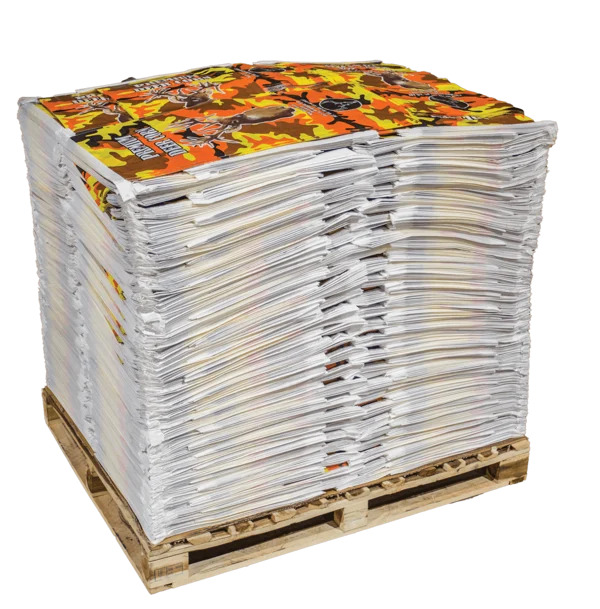
The packaging of chemical products and raw materials has long been a critical challenge, not just in terms of ensuring safety during storage and transport but also in maintaining the integrity of the product itself. In response to this, innovations in woven bag technology have given rise to advanced solutions like PE coated valve woven bags. These bags provide enhanced durability, superior protection against external elements, and an efficient, customizable packaging method. In this article, we will explore the significance of PE coated valve woven bags, their benefits, and the role they play in the chemical packaging industry.
Understanding PE Coated Valve Woven Bags
PE (Polyethylene) coated valve woven bags are a modern packaging solution designed to meet the specific needs of industries requiring high levels of protection for powders, granules, and other fine chemical products. These bags are made from woven polypropylene (PP) fabric that is coated with a layer of PE to provide a barrier against moisture, dust, and other external elements. The valve bag design allows for easy filling and sealing, making it an efficient packaging solution.
Key Features of PE Coated Valve Woven Bags:
- Moisture Resistance: The PE coating provides an effective barrier to moisture, ensuring that the contents of the bag remain dry and free from contamination.
- Strength and Durability: The woven PP fabric offers excellent tensile strength, while the PE coating enhances the bag’s overall durability, ensuring that it can withstand the rigors of transportation and storage.
- Customization Options: These bags can be customized with various features such as multi-color printing, gusseted sides, and different valve sizes to suit specific customer needs.
- Cost-Effective: Despite their robust design, PE coated valve woven bags are a cost-effective packaging solution, offering both durability and affordability.
These bags are particularly suited for industries dealing with bulk chemicals, fertilizers, and other raw materials where product integrity is critical, and the packaging must be capable of handling the challenges of transport, storage, and even harsh weather conditions.
Key Advantages of PE Coated Valve Woven Bags
- Enhanced Product Protection
One of the primary benefits of PE coated valve woven bags is their ability to protect chemical products from external environmental factors. The PE coating acts as a moisture barrier, preventing water absorption and ensuring that the product inside stays dry. This is crucial for chemicals that are sensitive to moisture, such as fertilizers, powders, and many raw materials. Furthermore, the bags’ robust design makes them resistant to punctures and tears, providing an extra layer of protection during transit. - Improved Logistics Efficiency
The valve design of these bags allows for quick and efficient filling. The valve opening can be closed and sealed tightly, ensuring that the bags remain secure throughout the supply chain process. This not only speeds up packaging but also improves inventory management and reduces the likelihood of leaks or spills during storage and transport. This is a significant advantage for industries requiring large-scale packaging operations. - Customization and Branding Opportunities
PE coated valve woven bags offer excellent opportunities for branding and customization. Manufacturers can easily print logos, product details, and safety information on the bags, helping companies strengthen their brand image while ensuring clear product identification. This is especially important in industries where product traceability and safety are paramount. - Sustainability
As sustainability becomes increasingly important across industries, the packaging sector has responded with solutions that not only improve efficiency but also reduce environmental impact. PE coated valve woven bags, made from polypropylene, are recyclable and can be used multiple times before being discarded. Furthermore, by improving the integrity of the chemical product during transport, these bags help minimize waste and product loss.
The Role of PE Coated Valve Woven Bags in Chemical Packaging
The chemical industry, in particular, has benefited from the innovation of PE coated valve woven bags. Chemical products often require specialized packaging to ensure that they remain safe and viable during transit and storage. For instance, chemical powders, granules, and fertilizers need packaging that not only protects them from moisture and contamination but also allows for ease of handling and quick filling.
With their moisture-resistant properties and superior strength, PE coated valve woven bags are an ideal choice for packaging chemicals, particularly those that come in bulk quantities. These bags can hold large volumes of materials, making them perfect for companies dealing with industrial-scale packaging.
Additionally, the packaging efficiency provided by valve bags helps streamline production and reduce labor costs, allowing companies to scale their operations without sacrificing safety or quality. PE coated valve woven bags also minimize the risk of contamination during the packaging process, which is crucial in industries where product purity is essential.
Industry Applications
PE coated valve woven bags have found widespread application in various industries. Some of the key sectors that benefit from these innovative packaging solutions include:
- Chemical Industry: Used to package a wide range of chemicals, including fertilizers, industrial powders, and resins.
- Agriculture: Ideal for packing pesticides, herbicides, and fertilizers.
- Construction: Often used to package raw materials like cement, sand, and aggregates.
- Food Industry: Used to package food-grade materials, particularly those that require moisture protection like powdered food additives.
PE Coated Valve Woven Bag Specifications
| Specification | Description |
|---|---|
| Material | Woven polypropylene (PP) with PE coating |
| Coating Type | Polyethylene (PE) barrier coating |
| Bag Type | Valve bag |
| Strength | High tensile strength, tear-resistant |
| Moisture Resistance | Excellent moisture protection |
| Weight Capacity | Typically up to 50 kg per bag |
| Customization Options | Custom printing, sizes, and valve types |
| Environmental Impact | Recyclable material, eco-friendly |
FAQs
1. What are PE coated valve woven bags used for?
PE coated valve woven bags are commonly used for packaging chemicals, fertilizers, powders, and raw materials that require protection from moisture, dust, and external contaminants.
2. How does the PE coating improve bag performance?
The PE coating acts as a moisture barrier, preventing the absorption of water, which is critical for protecting chemical products that are sensitive to moisture. It also adds durability, enhancing the strength of the bag.
3. Can these bags be customized?
Yes, PE coated valve woven bags are highly customizable. They can be printed with company logos, product information, and safety labels. Additionally, the size, valve type, and other features can be tailored to specific needs.
4. Are these bags recyclable?
Yes, PE coated valve woven bags are made from polypropylene, which is recyclable. This makes them an environmentally friendly packaging option.
5. What are the benefits of using valve bags in chemical packaging?
Valve bags offer several benefits, including ease of filling, secure sealing, and improved handling. The valve design allows for quick and efficient packaging, which is ideal for bulk chemicals and materials.
6. How do PE coated valve woven bags contribute to sustainability?
PE coated valve woven bags help reduce waste by preventing product loss during storage and transport. Additionally, they are made from recyclable materials, contributing to a more sustainable packaging solution.
For more information on industrial packaging solutions, take a look at this article on industrial woven packaging bags and efficiency and innovation in packaging.
Conclusion
PE coated valve woven bags represent a significant innovation in the packaging of chemicals and raw materials. Offering enhanced durability, moisture resistance, and customization options, these bags are the perfect solution for industries that need to ensure the safe transport and storage of bulk products. With their many advantages, including cost-effectiveness and recyclability, PE coated valve woven bags are set to become an integral part of the packaging strategy for chemical companies and raw material suppliers worldwide.