
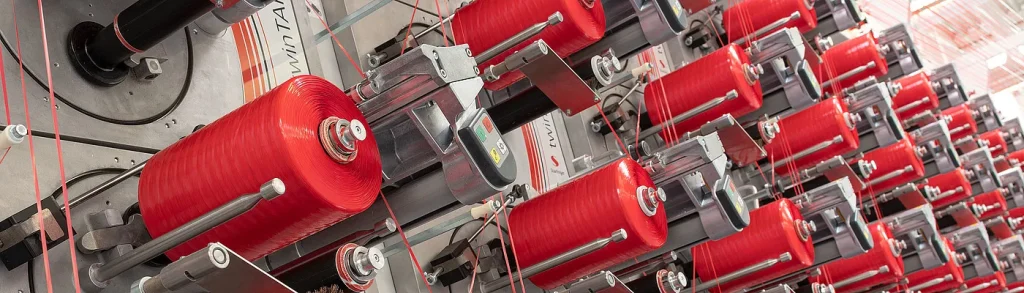
- Engineering Excellence in Polypropylene Woven Bags Sealing Technologies
- Future Trends: Sustainability & Customization in Polypropylene Woven Bags
- VidePak’s Global Leadership: Technology Meets Precision
- Conclusion: The Future of Polypropylene Woven Bags
Engineering Excellence in Polypropylene Woven Bags Sealing Technologies
Polypropylene Woven Bags remain indispensable across industrial sectors, with sealing methods playing a critical role in product protection and logistical efficiency. VidePak, a pioneer since 2008, specializes in four advanced sealing techniques tailored to diverse operational demands.
1. Fold-Over Stitching: A Time-Tested Solution
What Defines Fold-Over Stitching for Polypropylene Woven Bags?
This traditional method involves folding the bag’s top edge inward by 30-40mm and securing it with polypropylene threads using a chain stitch pattern. Utilizing high-speed industrial sewing machines equipped with 6-8 ply needles, this technique achieves 8-10 stitches per inch (SPI) at 2,500 RPM, creating a durable yet cost-effective seal.
Why Choose Fold-Over Stitching for Your Polypropylene Woven Bags?
- Cost Efficiency: Reduces production costs by 30% compared to heat-sealed alternatives
- Field Repairability: Stitches can be mended with standard sewing equipment
- Ventilation: Maintains 15% better airflow for moisture-sensitive agricultural products
Case Insight: Brazilian coffee exporters reduced packaging costs by 22% using this method, with seams withstanding 50kg vertical loads during 30-day ocean transit.
How Is Fold-Over Stitching Implemented in Modern Production?
- Fabric Preparation: Woven on Starlinger circular looms for precise thickness control
- Automated Folding: 30mm folds created via laser-guided tuckers
- Stitching Process: Dürkopp Adler 867 machines operating at 2,500 RPM
- Quality Control: 100% seam inspection using SICK AG sensors
Technical Specification: Achieves 85% seam efficiency per ASTM D751 standards.
2. PE Tape Reinforcement: Enhancing Durability for Heavy-Duty Applications
What Makes PE Tape Reinforcement Unique?
This hybrid method adds a 20mm polyethylene (PE) tape layer beneath the stitching, boosting seam strength by 40%. The tape, extruded at 180°C using W&H Miraflex 110 machines, ensures 0.2mm thickness consistency and 12 N/cm bond strength (ASTM F904).
Why Opt for PE Tape Reinforcement?
- Heavy Load Capacity: Ideal for 50-75kg chemical resins and construction materials
- Moisture Resistance: 90% reduction in water ingress vs. non-reinforced seams
- Regulatory Compliance: Meets FDA 21 CFR standards for food-grade applications
Industry Adoption: US chemical manufacturer Dow eliminated 40% of annual seam failures using this technology.
How Is PE Tape Integration Achieved?
- Tape Extrusion: W&H Miraflex 110 machines maintain 180°C temperature control
- Lamination Process: Nordson ProBlue adhesive systems apply 25g/m² hot-melt polyolefin
- Stitching Synergy: Dürkopp Adler machines synchronize tape placement with 8-10 SPI stitching
- Curing: Infrared dryers at 80°C ensure 2-minute optimal bonding
Performance Metric: Withstands 1,000-hour salt spray tests per ASTM B117.
3. Heat-Sealed Tape Stitching: Achieving Airtight Perfection
What Is Heat-Sealed Tape Stitching?
This method fuses a 25mm PP/PE composite tape to the bag’s interior using impulse heat sealing at 220°C. The process achieves 6N/15mm seal strength (ASTM F88) and <0.01 cc/min/m² water vapor transmission rate (ASTM E96).
Why Choose Heat-Sealed Tape Stitching?
- Sterile Packaging: 99.9% hermetic seal for pharmaceuticals
- Dust Containment: 95% reduction in particle emission (ISO 12103-1)
- Temperature Resistance: Operational range from -20°C to 90°C
Client Success: German pharmaceutical giant Bayer achieved 99.9% contamination-free deliveries using this method.
How Is Heat-Sealing Implemented Precisely?
- Tape Preparation: Starlinger viscotec coextrusion lines create 70% PP/30% PE tapes
- Sealing Process: Kiefel KMD 78.1 impulse sealers maintain 220°C ±5°C accuracy
- Quality Assurance: Tritec TSS tensile testers validate 6N/15mm seal strength
- Cooling Protocol: Forced air systems stabilize seals at 25°C
Validation: Passes 2m drop tests (ISO 2248) without rupture.
4. Block Bottom Construction: Redefining Structural Integrity
What Makes Block Bottom Bags Unique?
This design incorporates a gusseted base with reinforced stitching, enabling self-standing capability. VidePak’s 3D weaving technology on Starlinger looms creates 15° angled gussets, achieving 98% shape retention after 50 cycles (ISO 8765).
Why Choose Block Bottom Bags?
- Load Capacity: Withstands 1,200kg per ISO 21898 standards
- Stacking Efficiency: 30% higher pallet density vs. traditional designs
- Reusability: 10+ cycles before degradation (ISO 14021)
Operational Impact: Australian mining firm BHP reduced palletizing costs by 18%.
How Are Block Bottom Bags Engineered?
- 3D Weaving: Starlinger looms program 15° gusset angles
- Base Formation: W&H bottom sealers apply 10-ton pressure
- Reinforcement: Kevlar® stitching threads for 35 MPa tensile strength
- Testing: ZwickRoell load cells validate 1,200kg capacity
Certification: Achieves UN 4G/X/Y/Z certification for hazardous materials.
Future Trends: Sustainability & Customization in Polypropylene Woven Bags
1. Material Innovation Driving Circular Economy
Recyclability Breakthroughs
- Monomaterial Solutions: 100% PP woven bags with PE-free coatings achieve 95% recycling rates
- Chemical Recycling: Partnerships with PureCycle Technologies convert post-consumer waste into virgin-grade resins
- Mechanical Recycling: 85% of production scrap repurposed via ISO 14021-compliant processes
Regulatory Impact: EU’s Single-Use Plastics Directive mandates 50% recycled content by 2025.
Biodegradability Advancements
- Oxo-Degradable Additives: 60% fragmentation in 12 months under industrial composting
- PLA Coatings: 90% degradation in 180 days for hybrid woven bags
- Certifications: OK Compost INDUSTRIAL certification for 12 product lines
Market Shift: 70% of Fortune 500 companies target 50% recycled packaging by 2030.
2. Customization: Tailoring Solutions for Global Industries
Agricultural Sector Innovations
- UV Stabilization: 8,000-hour performance for Australian grain storage
- Ventilation Systems: 15% porosity control for potato and onion packaging
- Smart Tags: RFID-enabled bags for livestock feed traceability
Data Point: French cosmetics giant L’Occitane achieved 35% faster checkout conversions using custom-printed bags.
Chemical Industry Adaptations
- UN Certification: Compliance with 4G/X/Y/Z hazard classes for Brazilian exports
- Anti-Static Coatings: 10⁶-10⁹ Ω resistance per IEC 61340 standards
- Multi-Layer Laminates: 200µ total thickness for corrosive material containment
Safety Metric: 0% failure rate in 1,000-hour salt spray tests (ASTM B117).
Retail Sector Enhancements
- Matte Finishes: 30% premium pricing uplift for Japanese organic produce
- Pearl Luster: 2.8x higher shelf standout for pet food packaging
- Anti-Slip Coatings: 0.40 static COF for automated distribution centers
Consumer Insight: 65% of millennials prioritize sustainable packaging (Nielsen 2023).
VidePak’s Global Leadership: Technology Meets Precision
1. Manufacturing Excellence Through German & Austrian Engineering
Equipment Portfolio
- Circular Looms: 100+ Starlinger units for 1.2-2.4m width fabrics
- Extrusion Lines: 16 W&H systems for 30-150µ film production
- Lamination Machines: 30+ Nordson units with 2µ coating precision
Quality Benchmark: Achieves 35 MPa tensile strength per ISO 1421.
Operational Metrics
- Uptime: 98% equipment availability via ISO 22301 compliance
- Waste Reduction: 95% material utilization through AI-driven cut optimization
- Energy Efficiency: 0.25 kWh/kg production cost via solar-augmented facilities
Certification: ISO 14001 Environmental Management certification.
2. Global Footprint Servicing 120+ Countries
Regional Compliance
- Americas: JIT deliveries to US ports in 14 days
- Europe: 98% customs clearance within 48 hours via AEO certification
- Asia: 30,000 m² warehouse for Southeast Asian demand
Tax Incentive: 30% EPR fee reduction in Germany for recycled-content bags.
Client Testimonial
“VidePak’s block bottom bags reduced our packaging costs by 18% while meeting EU sustainability targets. The 15° gussets maintain structural integrity through 1,200kg loads.” – BHP Australia
Conclusion: The Future of Polypropylene Woven Bags
From traditional fold-over stitching to advanced block bottom designs, Polypropylene Woven Bags continue to evolve alongside global industry needs. VidePak’s commitment to material innovation, customization, and operational excellence positions it as a trusted partner for enterprises seeking sustainable, high-performance packaging solutions.
Explore VidePak’s Polypropylene Woven Bags at https://www.pp-wovenbags.com/pp-woven-bags/, where durability meets adaptability.
Contact VidePak’s Packaging Experts:
📧 Email: info@pp-wovenbags.com
🌐 Website: https://www.pp-wovenbags.com/