
Jumbo Bags

Reader note. This is a long-form rewrite that deepens each argument, blends engineering practice with regulatory context, and uses a hybrid Markdown+HTML layout for clarity. The recurring keyword is Jumbo Bags. Only one internal link is provided, anchored on that exact keyword.
What are Jumbo Bags?

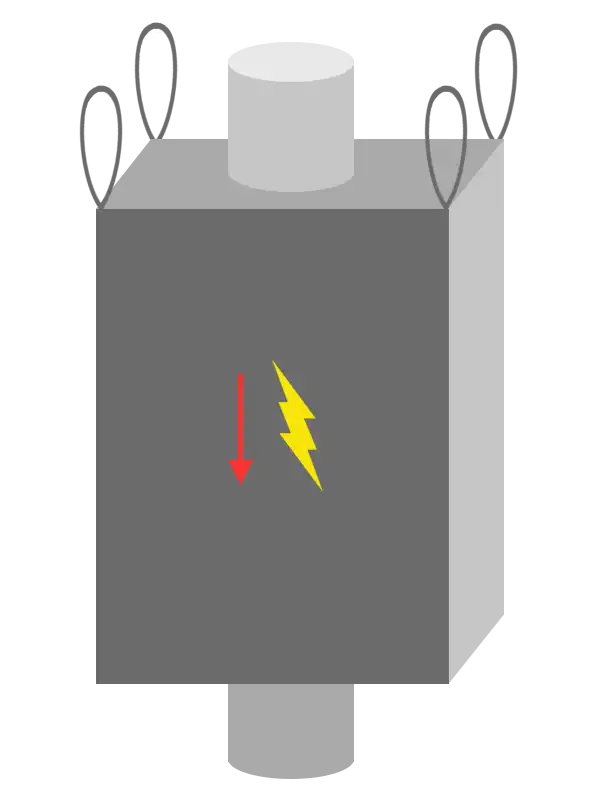
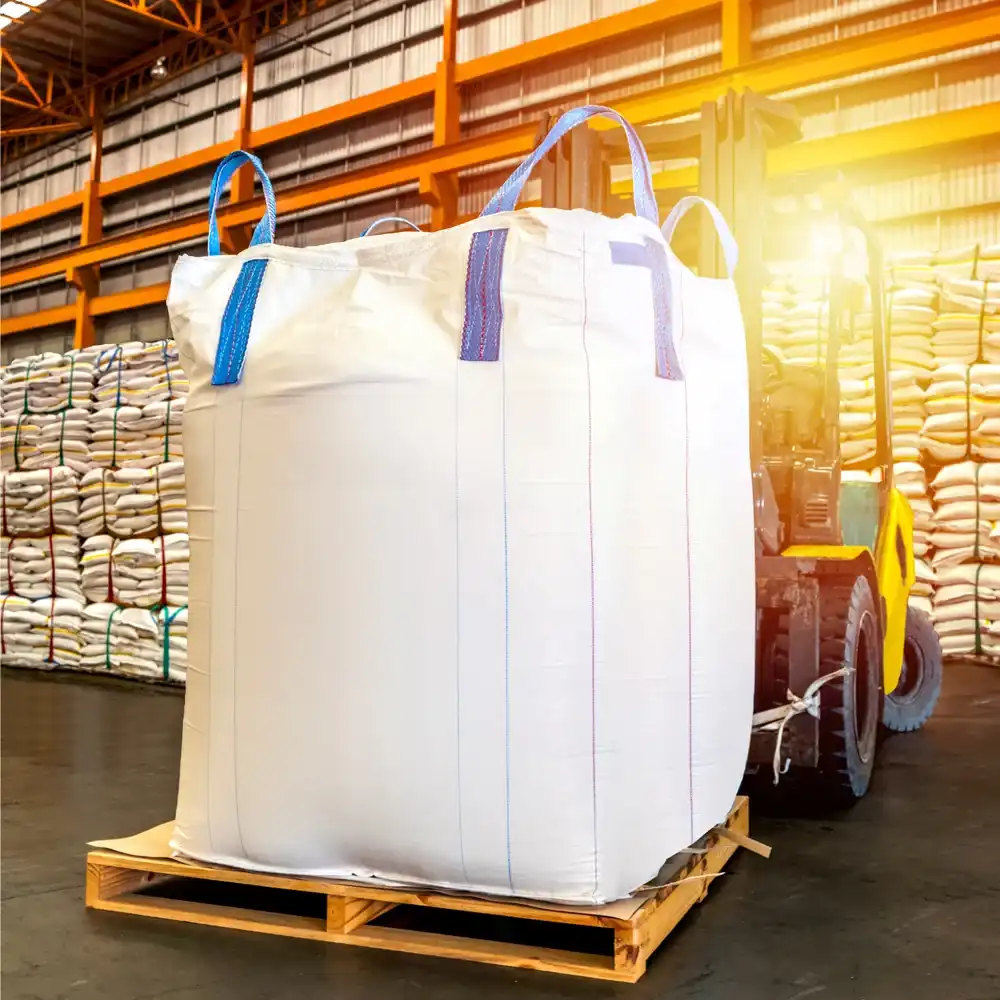
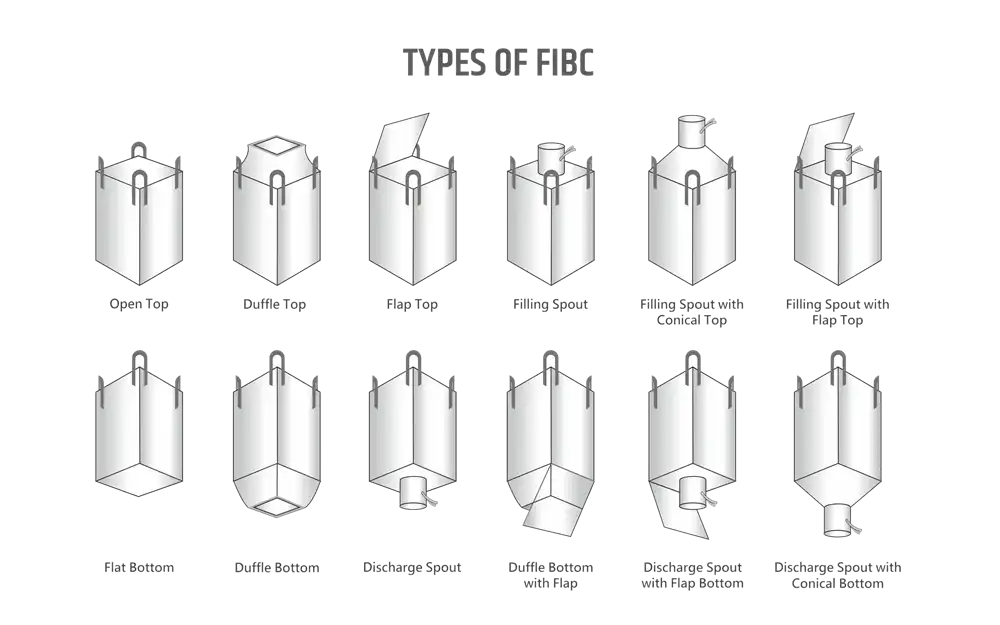
Jumbo Bags are high‑capacity flexible containers used to store and transport bulk solids—powders, flakes, granules, pellets, and agricultural produce—usually rated between 500 kg and 2,000 kg. You will hear a chorus of aliases: bulk bags, big bags, FIBCs (Flexible Intermediate Bulk Containers), super sacks, totes. Names vary by industry and region, yet the core architecture recurs: a woven polymer shell (predominantly polypropylene) stitched into body panels with integrated lifting loops; a configurable top (open, skirt/duffle, or spout); a configurable bottom (flat, star, or discharge spout); and, where needed, liners or baffles to tune barrier and shape. In many procurement systems, Jumbo Bags are treated as engineered components rather than consumables, because load paths, seam efficiencies, and electrostatic properties make or break safety and efficiency.

Why emphasize definition first? Because misunderstanding vocabulary leads directly to mismatched specs: a buyer who requests “big bags” may receive a four‑panel construction when their filling line is tuned to circular bodies; a plant that needs antistatic protection might accidentally source Type A bags. In other words, precision in naming is practical, not pedantic. When we say Jumbo Bags, we mean a family of standardized, testable designs with documented safe working loads, electrostatic classes, and optional liners that together deliver bulk‑solids performance at scale. For a quick primer on related woven solutions, see this authoritative overview of Jumbo Bags (used here as the single internal link and anchor).

Alternate names and where they show up
  • FIBC — the formal term in international standards and tender documents; prevalent in chemicals, minerals, and food ingredients.
  • Bulk bag / big bag — common in logistics and warehousing conversations.
  • Super sack — North American vernacular, often in construction materials and agriculture.
  • Tote — sometimes conflated with rigid IBCs; context resolves ambiguity.
The materials of Jumbo BagsResins • Fabrics • Liners • Cost

The performance of Jumbo Bags is emergent: it arises from how polymers, fabrics, coatings, and accessories are combined. Pull one lever—raise fabric gsm, change seam pattern, alter loop geometry—and you change not just strength but ergonomics, stack behavior, even barcode survivability. Below, we dissect the bill of materials and, crucially, explain why each choice matters in the field.

1) Structural fabric (load-bearing skin)

Polypropylene woven fabric. PP tapes are extruded, slit, and drawn five to seven times to align molecules and raise tenacity. The tapes are woven on circular or flat looms, producing fabrics typically in the 160–270 gsm range. The physics is familiar: orientation boosts tensile properties; weave density (picks per inch) moderates creep and puncture resistance. For 1,000–1,500 kg SWL, 160–220 gsm is common; for heavy reuse, 220–270 gsm enters the conversation. UV stabilization matters even for indoor logistics because staging and transport expose bags to sunlight.

Why PP? Low density (≈0.9 g/cm³) gives outstanding strength‑to‑weight; chemical resistance covers salts, fertilizers, and many minerals; moisture uptake is negligible; and woven PP’s fatigue life is well‑suited to repeated lifts. Cost tracks propylene, but the dominant cost levers are fabric gsm and loop engineering, not resin pennies.

2) Lifting loops and load transfer

Loops in Jumbo Bags are more than handles; they are structural members. PP multifilament or tape‑yarn loops transfer the suspended mass into the body. The weak link, if any, is the loop root—where local stresses concentrate. Hence reinforcement patches and multi‑row stitches. Loop typologies (corner seam, cross‑corner, single/dual crane‑sling) interface with forklifts, hooks, or spreader bars, defining how crews interact with the bag. Loop length variance of mere millimeters can influence swing and clearance under conveyors. These are small numbers with big consequences.

3) Tops and bottoms

Filling and discharge geometry determines dust control, throughput, and residue. Skirts (duffles) tolerate variable headspace and make life easier on uneven lines. Spouts—paired with dust flaps or elastic collars—mate cleanly to fillers. At the bottom, star or petal safety systems slow product release and protect operators; conical discharges fight arching in cohesive powders.

4) Liners (barrier, hygiene, flow)

LLDPE or LDPE liners add moisture defense and create a clean product contact surface. Form‑fit liners preserve geometry and enable complete discharge; tubular liners are cheaper but can crease. Gauge ranges of 75–200 µm cover most needs. Additives extend function: antistatic masterbatch for dust safety; EVOH co‑ex for oxygen barrier; conductive or dissipative films for pairing with Type C or D ESD systems. For food chains, the familiar regulatory anchor is FDA 21 CFR 177.1520 in the U.S. and region‑specific food‑contact frameworks elsewhere.

5) Coatings and laminations

Extrusion coatings (20–40 g/m²) reduce dusting and improve print adhesion. BOPP laminations (15–35 µm) enable vivid, rub‑resistant graphics—useful for hazard panels and long road legs. Recyclability favors mono‑PP stacks (PP fabric + PP coating or BOPP) with compatible tie layers. The trick is balancing functional gains against end‑of‑life pathways.

Field cue. If abrasion is erasing lot codes on pallets, it’s often cheaper to upgrade the coating and ink class than to raise fabric gsm. Protect the information layer; it protects your traceability.
What are the features of Jumbo Bags?

Features are not marketing bullets; they are levers operators pull. Below we treat each as a capability with a rationale, trade‑offs, and operating envelope.

  • Strength at specified SWL. Jumbo Bags are validated at 5:1 (single trip) or 6:1 (heavier duty/limited reuse). Strength is a tapestry: fabric gsm and denier; seam architecture; loop root design; and, when used, baffle anchoring. Treat each change as a design‑of‑experiments factor, not a guess.
  • Collapsibility. Empty bags fold flat. In seasonal or multi‑site operations, backhaul savings are often missed in ROI models—until someone counts pallets saved versus drums or octabins.
  • Fast filling, clean discharge. Spout geometry and closure method govern dust and cycle time. Form‑fit liners reduce bridging; conical bottoms defeat arching; star safety systems improve control.
  • Hygiene and migration control. Liners define the product contact surface. Conversion areas for liners should follow food‑safety programs where applicable; inks and coatings are chosen for low odor and low migration even when direct food contact is not intended, because nuisance complaints are expensive.
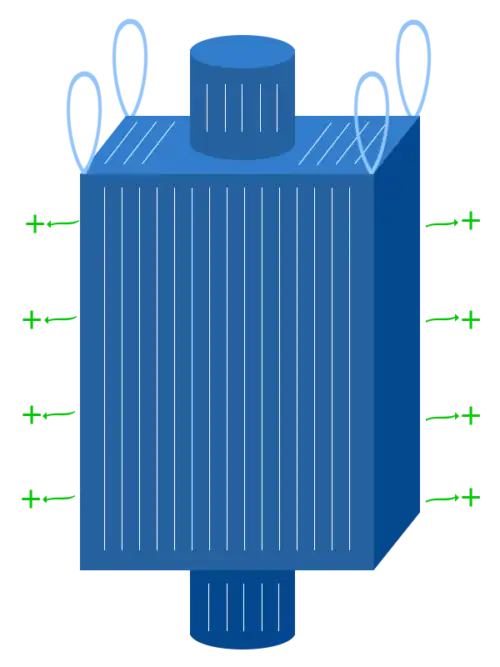
  • Electrostatic safety. Type A/B/C/D choices, liner resistivity, and grounding discipline turn combustible dust from hazard to routine. A Type C bag without a grounded hook is theater, not safety; a Type D bag with an incompatible liner is a trap. Labels matter, but training matters more.
  • Recyclability pathways. Mono‑PP bodies with separable liners can enter mechanical recycling where infrastructure exists. Paper labels, metal clips, or PVC ties complicate things; specify removable or compatible accessories.
How are Jumbo Bags produced?From resin to pallet

Manufacturing is a sequence where early steps constrain late corrections. Once tape tenacity is set, weaving and sewing inherit that reality. Once corona treatment is dialed in, ink adhesion follows—or fails. The process below unpacks where capability is created.

  1. Tape extrusion & drawing — Melt polypropylene; extrude a film; slit into tapes; draw 5–7× to orient. Chill roll temperatures at 25–35 °C and draw ratios are tuned to avoid fibrillation while maximizing tenacity. Target MFI 2–4 g/10 min for stable tapes.
  2. Weaving & heat set — Circular or flat looms interlace tapes at 12–16 picks/inch for common classes. Heat setting stabilizes dimensions and reduces shrinkage during coating.
  3. Coating/lamination & surface energy — Extrusion coat 20–40 g/m²; corona treat to ≥38 dyn/cm; laminate BOPP when rub‑class demands rise.
  4. Conversion & loop integration — Cut panels; sew U‑panel, 4‑panel, or circular bodies; integrate loops with reinforcement patches; form tops and bottoms to drawing.
  5. Liner extrusion & insertion — Blow or cast liners (75–200 µm); form‑fit or tubular; insert and secure; verify seals and pinholes.
  6. Quality gates — Dimensional checks; top‑lift and drop; stacking/creep simulations; print rub; barcode/QR readability.
What are the applications of Jumbo Bags?

Applications are ecosystems of hazards. A fertilizer terminal is humid and corrosive; a mineral filler plant is abrasive and dusty; a dairy ingredient warehouse is clean, tightly audited, and unforgiving of off‑odors. Jumbo Bags adapt by changing liners, coatings, loop styles, and ESD types.

  • Chemicals & minerals — calcium carbonate, titanium dioxide, silica, soda ash, carbon black. Demands: dust control, abrasion resistance, ESD measures for fine powders.
  • Cement & dry construction — cement, grout, gypsum. Demands: rugged fabric, clean discharge, weather readiness.
  • Agri‑inputs — urea, NPK, seeds. Demands: moisture barrier, UV stabilization, robust loops for warehouse and field.
  • Food & feed — sugar, salt, starches, milk powder, pet food premixes. Demands: hygienic liners, clean conversion, low‑odor inks, traceability.
  • Recycling & plastics — PET flakes, PP/PE regrinds, virgin pellets. Demands: color coding, dust control, repeated handling tolerance.
  • Metals & energy — copper concentrates (with specialty liners), metallurgical coke breeze, biomass pellets. Demands: ESD‑appropriate systems, strong bottoms, predictable discharge.
Reasoning from the keyword: Jumbo BagsA working logic

We translate the headline into a reasoning sequence that any plant or buyer can execute. Start with the product, then hazards, then materials, then validation, then change control. It sounds linear, but it is iterative; every trial teaches.

  1. Define the product and hazards. Powder or granule? Bulk density? Particle size? Cohesion? Hygroscopicity? ESD risk? Are you filling by gravity, screw, or impeller? How fast? Where will the bag live—desert or coast? How high will you stack and for how long?
  2. Map hazards to materials. Moisture → liner gauge and seal recipe. Dust → coated fabric and spout interfaces. Abrasion → exterior coating and corner boards. Stack stability → baffles and base dimensions. ESD → bag type and liner resistivity pairing.
  3. Choose constructions by segment. Minerals: 4‑panel coated PP, no liner. Fertilizer: coated PP + form‑fit liner. Food: PP body + food‑grade liner, low‑odor inks, documented hygiene. ESD powders: Type C or D with compatible liners.
  4. Validate and document. Top‑lift, stacking time under load, drop, WVTR for liners, ESD resistance by class, barcode/QR readability after abrasion. Get certificates current (≤12 months) and expressly scoped.
  5. Manage change. Lock resin and masterbatch lots; control adhesive/tie‑layer swaps; first‑article approval for geometry changes; 60‑day notice clauses in contracts.
Systems thinking for Jumbo Bags

Systems thinking insists that we view Jumbo Bags as a mesh of subsystems: mechanical envelope, barrier & hygiene, ESD, and information. Each has variables, risks, and controls. Only when they are tuned together does the container behave as promised.

Subsystem A — Mechanical envelope

Objective: carry load safely through lifts, road legs, and storage. Variables: fabric gsm and denier; weave density; seam pattern and SPI; loop geometry; baffles. Risks: seam tear‑out, loop failure, panel creep, pallet edge puncture. Controls: DOE on gsm × loop reinforcement; pallet edge protectors; stacking rules tied to duration, not just height.

Subsystem B — Barrier & hygiene

Objective: preserve product quality; Variables: liner gauge, resin, co‑ex; coating weight; seal recipe. Risks: caking, odor pickup, microbial ingress, residue. Controls: WVTR targets at relevant climates; peel‑mode seal windows; clean conversion SOPs.

Subsystem C — ESD safety

Objective: prevent incendive discharges. Variables: A/B/C/D type, fabric and liner resistivity, grounding or dissipative behavior, humidity. Risks: brush discharges during fast fill/empty; incompatible liners in Type C/D. Controls: specify allowed liner pairings; continuity checks; operator training.

Subsystem D — Identification & data

Objective: readable labels/codes and usable field data. Variables: print method; ink class; surface energy; over‑varnish; QR/barcode spec. Risks: rub‑off, unreadable codes, traceability gaps. Controls: Sutherland rub targets; barcode verification post‑abrasion; document pouches.

Standards and identifiers (2024–2025)
  • ISO 21898:2024 — The baseline for non‑dangerous goods FIBC. Defines tests (top‑lift, stacking), labeling, and vocabulary.
  • IEC/EN 61340‑4‑4:2018 — ESD classification and tests for Types A/B/C/D and compatible liners.
  • UN Model Regulations — For DG classes using FIBC 13H1–13H4; where applicable, certification and marking rules apply.
  • ISO 9001:2015 — QMS discipline; often a tender prerequisite.
  • ISO 22000 / FSSC 22000 — Food‑safety management for packaging plants serving food chains; relevant to liners and clean conversion.
  • BRCGS Packaging Materials (Issue 6) — Widely recognized hygiene/GMP standard, with position statements updated through 2024/2025.
  • FDA 21 CFR 177.1520 — Olefin polymers for food contact; cited for liner DoCs in U.S. markets.
Procurement cue. Ask for certificates dated within the last 12 months with scopes that match the product families you buy (e.g., “manufacture of FIBC liners,” not merely “film extrusion”).
Engineering data tablesStarting points
Use case Body style Fabric gsm Top Bottom Liner Baffles ESD type
Minerals (non‑hygroscopic) 4‑panel PP 180–220 Open or skirt Flat None Optional A
Fertilizer (moisture‑sensitive) U‑panel PP, coated 180–220 Skirt Discharge spout + safety petal LLDPE 100–150 µm Optional B
Food powders 4‑panel PP 180–220 Fill spout + dust flap Discharge spout Form‑fit LLDPE 100–150 µm (food‑grade) Yes B/C as required
Carbon black / TiO₂ Circular PP 200–240 Fill spout Discharge spout Conductive/dissipative liner Yes C or D
Pellets/flakes (recycling) 4‑panel PP 160–200 Skirt Flat or spout Optional tubular 100 µm Optional A
Test Target / Note
Top‑lift 5:1 or 6:1 safety factor per class; no failure at specified multiple of SWL
Stacking/compression 30–60 days equivalent at design load; deformation within acceptance band
Drop Survive specified drops without seam/panel rupture (height per internal SOP)
UV exposure Stabilization per expected outdoor dwell (e.g., 200–300 h equivalent)
Liner WVTR Product‑dependent; e.g., ≤ 2–5 g/m²·day at 38 °C/90% RH for hygroscopic powders
Seal peel strength 12–18 N/15 mm with peel‑mode failure preferred
ESD resistance Per IEC/EN 61340‑4‑4 and allowed liner pairings
Cost of quality & TCO

Cheapest on paper, costliest in practice—this paradox haunts bulk packaging. The hidden ledger: (1) product loss and complaints; (2) downtime from rejects and cleanup; (3) warehouse density and stack events; (4) paperwork friction. Jumbo Bags magnify both good and bad decisions because volumes are large and routes are long. A few practical levers:

  • Moisture guarding. A 20–40 µm liner gauge increase in humid seasons often pays back by cutting caking claims.
  • Loop discipline. Incoming gauges for loop length and root width reduce stops caused by forklift mis‑picks and swing.
  • Information durability. Preserve barcodes and warnings with better coatings/inks; losing traceability is costlier than the ink bill.
  • Document cadence. Calendarize certificate refresh and DoCs; detention fees and shipment holds dwarf audit prep time.
Troubleshooting matrix
Symptom Likely cause Corrective action
Loop tear‑out Weak root reinforcement; low SPI Add patch; raise SPI; change thread denier
Seam splits in stack Low gsm; poor seam pattern Increase gsm; switch to safety stitch; add baffles
Moisture caking Thin liner; leaky seals; humid storage Increase gauge; double‑fin seal; climate control
Residue at discharge Cohesive powder; flat bottom Conical discharge; vibration aid; form‑fit liner
Static discharge during fill Wrong ESD type or incompatible liner Specify Type C/D; ensure grounding; use dissipative liner
Print rub‑off Low surface energy; under‑cured ink Increase corona; adjust dryer; add over‑varnish
Specification template

Title. Jumbo Bags — 1,000 kg SWL, 4‑loop, coated PP with form‑fit liner

Scope. Free‑flowing hygroscopic powder; indoor storage ≤ 60 days; pallet 1100 × 1100; stack 2 high

Body. 4‑panel woven PP 200 gsm; coating 30 g/m² exterior

Loops. Cross‑corner; loop length 300 ± 5 mm; root reinforcement patch 150 × 200 mm

Top/Bottom. Fill spout Ø 300 × 500 mm with dust flap; discharge spout Ø 300 × 500 mm with star safety

Liner. Form‑fit LLDPE 120 µm; seals double‑fin; food‑grade declaration per jurisdiction

ESD. Type B (insulating, low breakdown voltage)

Print. 2‑color flexo; barcode contrast ≥ 70%

Tests. Top‑lift 6:1; stack 60 days at design load; drop per SOP; liner WVTR ≤ target

Compliance. ISO 9001; BRCGS Packaging Materials or FSSC 22000 if food chain; DoC for liner resin

Change control. 60‑day notice for resin/additive/geometry changes; first‑article on critical changes

Traceability. Lot/date/line code; QR link to batch info

Field cases

Case 1 — Starch processor (1,000 kg class). Monsoon storage triggered 2.2% caking complaints. Intervention: liner 100 → 140 µm; double‑fin seals; pallet top sheets; storage RH < 65%. Result: complaints fell to 0.4%; fewer partial loads rejected; OEE +1.6% from lower rework. The hidden win: fewer forklift‑tip reworks as bags held shape longer.

Case 2 — Mineral filler (1,250 kg class, abrasive). Road vibration abraded panels and erased hazard icons. Intervention: exterior PP coating +10 g/m²; higher rub‑class ink; corner boards. Result: legibility after 1,500 km preserved; warehouse incidents declined as warnings remained visible.

FAQ (operator questions, 2025)

Are Jumbo Bags better than rigid IBCs? For dry solids, often yes—lighter tare, foldable, faster changeovers. For dense liquids, no—rigid IBCs rule. Context decides.

Can recycled PP enter body fabrics? Yes in non‑food, non‑critical zones if drawability and tenacity meet targets. Keep recycled content out of loop paths unless proven by testing.

Form‑fit vs. tubular liners? Form‑fit excels with cohesive powders and complete discharge; tubular wins on cost for pellets and granules.

Which ESD type is right? Type C with disciplined grounding; Type D when grounding is impractical but liner pairing rules are enforced. Types A/B are for low‑risk environments.

Photo‑quality printing? Use BOPP laminates with gravure/flexo. In harsh chains, a robust 1–2 color scheme on coated fabric outlasts glossy graphics.

Safe stacking height? Depends on gsm, baffles, pallet quality, and time under load. Demand supplier data that includes duration, not just peak load.

Setting liner WVTR? Start from sorption isotherms and allowable moisture gain; back‑solve package‑level WVTR; validate by ASTM F1249/ISO 15106‑2.

Does UV stabilization matter indoors? Less critical, but transport/staging see sun. Minimal stabilization is cheap insurance; coatings reduce dust and scuff.

90‑day plan: from commodity to engineered
  1. Audit failure modes. Classify complaints by moisture, seam, loop, discharge, ESD, or labeling. You cannot improve what you do not name.
  2. Pilot DOE on gsm × loop reinforcement. Two gsm levels × two loop patches across three routes; measure top‑lift margins and stack geometry.
  3. Run a liner A/B. +20–40 µm during humid months; log caking and residue complaints.
  4. Verify ESD discipline. If Type C, inspect grounding clamps; if Type D, test liner compatibility and refresh operator training.
  5. Refresh documents. Ensure ISO/BRCGS/FSSC certificates (≤12 months), liner DoCs, and ESD reports are current; add change‑control clauses to POs.
Closing insight. When you specify Jumbo Bags as a system—fabric, loops, liner, ESD, and information layer—the container stops being a consumable and becomes part of your plant’s capability. Durable. Auditable. Predictable.

Jumbo bags, also known as FIBC (Flexible Intermediate Bulk Containers) or ton bags, play a crucial role in bulk handling across various industries. These versatile containers are used for storing and transporting large quantities of materials, from agricultural products to industrial goods. The efficiency and reliability of jumbo bags largely depend on their quality, which is maintained through stringent quality management systems. This article explores the benefits and applications of jumbo bags and provides a detailed overview of our company’s comprehensive quality management system, which ensures that every bag meets the highest standards.

Benefits and Applications of Jumbo Bags

Jumbo bags are renowned for their capacity, durability, and versatility, making them indispensable in various sectors:

  1. High Capacity: Jumbo bags are designed to handle large volumes of materials, typically ranging from 500 kg to 2000 kg. This high capacity makes them ideal for bulk storage and transportation, reducing the need for smaller packaging and associated costs.
  2. Durability: Made from woven polypropylene (PP) or similar robust materials, jumbo bags are built to withstand harsh conditions and heavy loads. Their strength ensures that they can handle the demands of industries such as construction, agriculture, and chemicals.
  3. Cost-Effectiveness: By offering substantial volume and durability at a relatively low cost, jumbo bags provide a cost-effective solution for bulk handling. Their reusability and ability to be folded when empty further contribute to their economic advantages.
  4. Versatility: Jumbo bags are suitable for a wide range of applications, including the transportation of grains, fertilizers, chemicals, and construction materials. Their adaptability makes them a preferred choice for many businesses.
  5. Ease of Handling: Designed with features like lifting loops and optional spouts, jumbo bags are easy to handle, fill, and discharge. This user-friendly design streamlines operations and improves efficiency in handling bulk materials.

Our Quality Management System

Ensuring the quality of jumbo bags is paramount to meeting industry standards and customer expectations. Our company employs a rigorous quality management system that encompasses several key stages of production, each designed to maintain high standards and ensure product excellence.

  1. Incoming Quality Control (IQC):
  • Material Inspection: The quality of raw materials is crucial for the production of durable and reliable jumbo bags. Our IQC team conducts thorough inspections of incoming polypropylene and other materials to ensure they meet predefined specifications.
  • Supplier Audits: We perform regular audits of our suppliers to verify their compliance with quality standards and to ensure that the materials provided are of the highest quality.
  1. Process Quality Control (PQC):
  • Production Monitoring: Throughout the manufacturing process, our PQC team monitors production parameters and equipment performance to ensure that the bags are produced according to the specified design and quality standards.
  • In-Process Testing: We conduct in-process testing, including checks for fabric integrity, stitching quality, and overall construction, to identify and address any potential issues before the bags reach the final stages of production.
  1. In-Process Quality Control (IPQC):
  • Mid-Production Checks: During production, our IPQC team performs mid-production checks to ensure that the bags are being manufactured correctly. This includes verifying dimensions, seam strength, and other critical attributes.
  • Real-Time Adjustments: Any deviations from quality standards are immediately addressed through real-time adjustments to the production process, ensuring that defects are minimized.
  1. Final Quality Control (FQC):
  • Comprehensive Testing: The final quality control stage involves comprehensive testing of finished jumbo bags. This includes measurements of thickness, tensile strength, UV resistance, and drop tests to assess the bags’ performance under various conditions.
  • Visual Inspection: We perform thorough visual inspections to identify any defects in appearance, such as irregularities in print or fabric inconsistencies.
  1. Outgoing Quality Control (OQC):
  • Pre-Shipment Inspection: Before shipping, our OQC team conducts a final inspection of the finished bags to ensure they meet all quality requirements and customer specifications. This includes a detailed review of each batch to confirm that it is free from defects.
  • Batch Sampling: A random sampling of bags from each batch is tested to verify consistency and adherence to quality standards. This sampling ensures that all shipped products meet our rigorous quality criteria.

Comparative Analysis with Industry Standards

When compared to industry standards and practices, our quality management system aligns with best practices and provides several advantages:

  • Competitor Comparison: Many competitors focus on basic quality control measures, often limited to end-of-line inspections. In contrast, our multi-dimensional approach, including IQC, PQC, IPQC, FQC, and OQC, ensures comprehensive oversight throughout the production process.
  • International Standards: Our quality management practices comply with international standards for packaging and material handling. This includes adherence to ISO certifications and other industry-specific guidelines, ensuring that our jumbo bags meet global quality expectations.
  • Innovation and Improvement: While many manufacturers rely on standard testing methods, our commitment to ongoing improvement and innovation in quality control sets us apart. We continually evaluate and enhance our processes to incorporate the latest advancements in technology and industry practices.
  • Customer-Centric Approach: Our emphasis on quality at every stage of production reflects our dedication to meeting customer needs and expectations. This approach fosters long-term relationships with clients who value reliability and consistency in their packaging solutions.

Summary

Jumbo bags are essential for bulk handling, offering benefits such as high capacity, durability, and cost-effectiveness. Our company’s robust quality management system ensures that every jumbo bag meets the highest standards of performance and reliability. By implementing rigorous quality controls at each stage of production—IQC, PQC, IPQC, FQC, and OQC—we guarantee that our products are of superior quality and free from defects. Compared to industry standards, our comprehensive approach to quality management positions us as a leader in the market, committed to delivering exceptional packaging solutions.

FIBC Jumbo Bags

Aluminum Jumbo Bags

Bulk bags

Ton bags

FIBC Bags

Leave a Comment

Your email address will not be published. Required fields are marked *

Scroll to Top