

- What is Kraft Paper Woven Bags and why do operations rely on them?
- What are the common aliases used across plants and catalogs?
- What are the defining features and how do they influence performance?
- What production process brings stability to scale?
- What applications reward this construction and why?
- Key parameters and acceptance thresholds
- Callouts for faster decisions
- From RFQ to SOP: a practical pathway
- Framing the Conversation: Why Kraft Paper Woven Bags Keep Showing Up Where Loads Are Heavy and Tolerances Are Tight
- Problem Orientation: From Single‑Drop Heroics to Week‑Long Predictability
- Method Roadmap: Decompose, Quantify, Recombine—Then Institutionalize
- Geometry and Base Options: Translating Pallet Discipline into Bag Behavior
- Materials and Architecture: Paper, Woven, and the Conversation Between Them
- Closure and Edge Engineering: Stitch, Pinch, Valve—Choosing Your Battle
- Surface, Tribology, and Print: Invisible Forces, Visible Outcomes
- Barrier and Conditioning: Moisture, Oxygen, and When to Add a Liner
- Manufacturing Capability: How Converters Keep Drift Small
- Quality and Acceptance: From First Article to Run‑at‑Rate
- Lifecycle Economics: Grams, Hours, and Claims—Three Ledgers, One Goal
- Traceability and Data Carriers: Making Each Bag Speak for Itself
- Parameter Table — Working Ranges That Anchor Decisions
- Horizontal Analysis: Borrowing Wisdom from Neighboring Disciplines
- Vertical Analysis: Following a Decision from Pellet to Pallet to Portal
- Practical Narratives: Condensed Cases with Clear Levers
- Operator Guidance: What to Watch, What to Touch
- Procurement Guidance: Purchase Evidence, Not Prose
- Quality Guidance: Close the Loop with the Few Metrics That Matter
- Logistics Guidance: Design for Pallets, Trucks, and Warehouses
- Integration Checklist: From RFQ to SOP Without Drama
- Anchor Link for Teams
- Framing the Question: Why Kraft Paper Woven Bags Keep Winning Where Loads Are Heavy and Tolerances Are Tight
- What Materials Are Used in Kraft Paper Woven Bags?
- What Features Should You Look For in Kraft Paper Woven Bags?
- How Do You Determine the Right Size for Kraft Paper Woven Bags?
- Which Suppliers of Kraft Paper Woven Bags Are Most Reliable—and How Do You Tell?
- What Custom Shapes or Constructions Can Kraft Paper Woven Bags Achieve?
- How Do You Request a Quote for Custom Kraft Paper Woven Bags Without Getting Stuck in Email Tennis?
- What Are the Benefits of Custom Kraft Paper Woven Bags Versus Off‑the‑Shelf Options?
- Which Materials Are Best for Kraft Paper Woven Bags—and When?
- How Do Different Materials Affect Kraft Paper Woven Bags Performance Across the Chain?
- What Are the Characteristics of Popular Kraft Paper Woven Bags Variants?
- What Types of Product Can Be Packed Using Kraft Paper Woven Bags?
- How Do I Order Kraft Paper Woven Bags in Bulk Without Losing Control of Quality?
- Method: Problem → Method → Results → Discussion for Kraft Paper Woven Bags (An Explicit Loop)
- Horizontal Thinking: Borrowing from Neighbor Disciplines
- Vertical Thinking: From Resin to Retail via One Continuous Thread
- Integrated Specification for Kraft Paper Woven Bags (A Working Template)
- Results: What Success Looks Like for Kraft Paper Woven Bags
- Discussion: Where the Spec Lives After Launch
- Anchor Link for Teams Working on Kraft Paper Woven Bags
- References (Selected, Non‑CNC Sources)
What is Kraft Paper Woven Bags and why do operations rely on them?
To understand why Kraft Paper Woven Bags keep appearing in heavy-duty logistics, imagine a single platform negotiating among four forces: product physics, line mechanics, printing science, and warehouse economics. The paper face offers printable real estate and abrasion tolerance; the woven substrate provides tensile backbone and disciplined tear paths; the bond layer keeps both in dialogue under heat, humidity, and time. Rather than a passive shell, this construction behaves as a control surface that decides whether filling is clean, sealing is sound, stacking is square, and traceability remains readable. Ask any plant supervisor: when a bag “just runs,” it is usually because geometry, surface energy, and friction windows were chosen with intent, not because the universe was kind.
At their best, Kraft Paper Woven Bags translate material science into operational calm. The kraft face counters scuffing while anchoring inks; the woven grid resists corner spikes and heel drops; the lamination mitigates curl and controls moisture ingress; the closure (stitch, pinch, or valve) makes dust a manageable nuisance instead of a daily crisis. Because this platform is tuneable—via grammage, denier, coat weight, calendering, and closure geometry—it can serve pellets, fertilizers, mineral powders, and feed ingredients with equal confidence, provided that each configuration is evidence-led and documented.
What are the common aliases used across plants and catalogs?
- Kraft-laminated woven sacks
- Paper-faced woven polypropylene bags
- Pinch-top paper woven sacks
- Block-bottom paper woven valve bags
- Paper-coated woven PP industrial bags
Uniform naming is not a mere branding exercise. When procurement in one region orders a “paper-coated woven sack” and operations in another region expects a “kraft-laminated woven bag,” tolerances can drift. A unified vocabulary allows teams to compare like with like, to enforce the same acceptance thresholds, and to replicate line settings without unpleasant surprises.
What are the defining features and how do they influence performance?
These features do not operate in isolation. Geometry influences how closures behave; closures influence how dust propagates; dust influences seal strength distributions; seal distributions influence returns. A disciplined spec makes these links explicit so that each lever can be tuned without unintended consequences.
What production process brings stability to scale?
A stable production sequence for Kraft Paper Woven Bags begins with disciplined inputs and ends with measurable outputs. It integrates fiber sourcing, polymer extrusion, weaving, lamination, printing, conversion, and closure into a traceable chain that can withstand audits and the daily variability of factory life.
Across steps, process control is the difference between art and reliability: on-line gauge and coat-weight monitoring; moisture conditioning for kraft; SPC on dimensions and bond strength; barcode verification at the press and again at outbound; run-at-rate trials instead of first-hour snapshots. The aim is not a theoretical maximum; it is a stable median with narrow tails.
What applications reward this construction and why?
Wherever contents are granular, abrasive, or dusty—and wherever the brand must survive handling—Kraft Paper Woven Bags tend to excel. Not because they are universally strongest, but because they blend stiffness, tear discipline, and printable surfaces in a way that lines and warehouses understand.
In each application, the win condition is not a single property but a pattern: square faces that resist bulge; closures that forgive fines; surfaces that carry legible data; pallets that endure compression after 48 hours; and documents that prove compliance when asked, not weeks later.
Key parameters and acceptance thresholds
Acceptance thresholds are not numbers for their own sake. They are levers. A lower-than-planned coat weight may nudge MVTR higher, which tips moisture ingress beyond tolerance, which stains outer graphics, which triggers rework and discounting. A slightly rougher kraft finish may prevent conveyor slip at the price of increased ink laydown; that trade is often favorable if barcode verification holds. The table serves procurement, operations, and quality by aligning their definitions of “good.”
Callouts for faster decisions
- Do your forming and sewing heads support the target width and gusset without exceeding tolerance?
- Is your closure choice dust-tolerant at planned speed (stitch vs. pinch vs. ultrasonic)?
- Are your conveyors happy within the COF window you intend to specify?
- Will your warehouse scanners achieve ≥B grades on codes after two weeks of storage?
- If a liner is proposed, has MVTR/OTR math justified it and have food/feed declarations been planned?
From RFQ to SOP: a practical pathway
Start by documenting current failure modes and aspirational targets. Translate them into spec parameters and test thresholds. Request samples with COAs that cite methods (ISO 536, ISO 1924-2, ISO 1974, ISO 535; ASTM D1894, D1709, D5276; ISO 12048). Run at rate, measure OEE, leak rate, compression, and barcode grades. Freeze what works; assign change-control triggers for seasonality and speed ceilings; keep the paperwork complete—ISO 9001:2015 and ISO 14001:2015 certificates, food/feed declarations where needed, REACH SVHC screens, FSC/PEFC on paper, and RoHS when RFID is used. This is how a bag becomes a system you can rely on, rather than a consumable you tolerate.
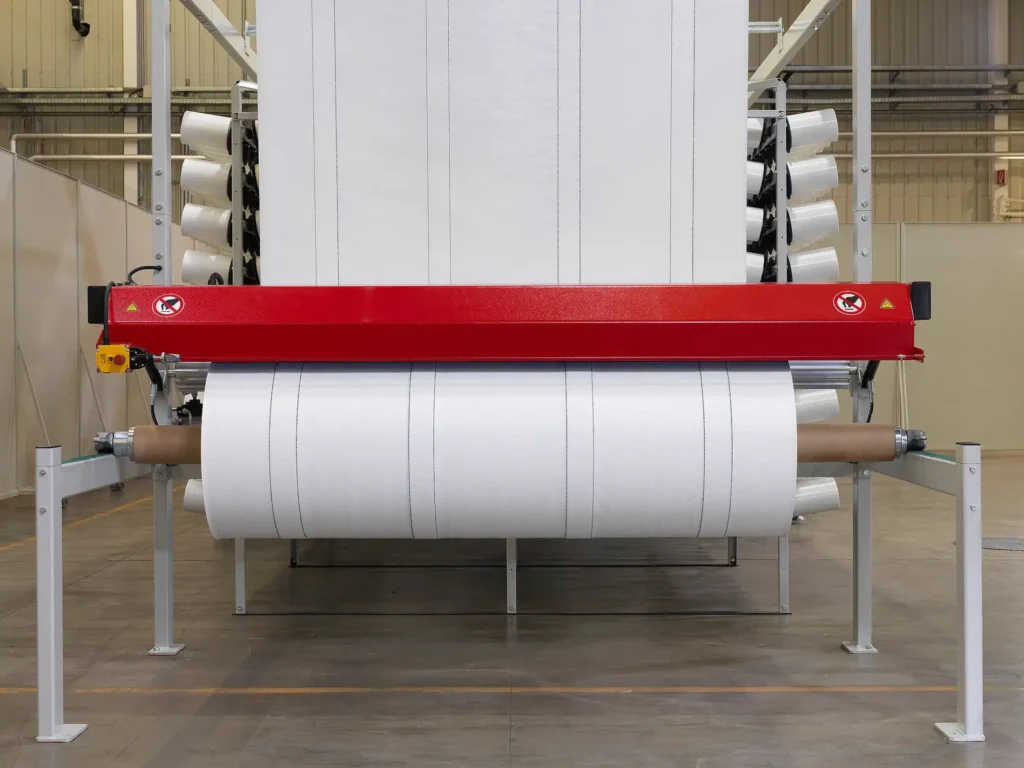
Framing the Conversation: Why Kraft Paper Woven Bags Keep Showing Up Where Loads Are Heavy and Tolerances Are Tight
In supply chains where a bag must carry not merely material but responsibility—responsibility for orderliness, traceability, brand presence, and safety—Kraft Paper Woven Bags continue to out‑compete simpler constructions. Not by accident. A paper face offers printable, scuff‑tolerant real estate; a woven polyolefin substrate contributes tensile backbone and tear‑path discipline; the bond layer translates one world into the other. When these layers agree, lines run quietly. When they disagree, you see fray at the stitch, scuffs on the pallet, bulge in the middle row, and—eventually—claims in the inbox. The practical question for a product manager is not “what are they?” but “how do we specify them so they behave?” and “how do we make sure they continue to behave after 20,000 pallets?” This article answers those questions by decomposing the architecture, inspecting the forces that act upon it, and recombining evidence into a disciplined, auditable specification for Kraft Paper Woven Bags.
For fast collaboration across procurement, QA, and operations, keep this anchor handy: Kraft Paper Woven Bags. Share it in RFQs, paste it in SOPs, and circulate it during line reviews.
Problem Orientation: From Single‑Drop Heroics to Week‑Long Predictability
A one‑off pass in a test bay is not victory. A week without leaks is closer. The job is to convert a complex set of variables—paper grammage, weave denier, bond coat weight, closure method, pallet pattern—into repeatability. That is the standard. Repeatability means seal strength that stays within a tight band; tear resistance that survives forklift spikes; face scuffing that remains below the threshold of brand damage; barcodes and GS1 data carriers that scan on Monday morning and again on Friday night; and compression margins that remain green after warehouse dwell. The decision logic for Kraft Paper Woven Bags lives at that intersection where product physics, machine geometry, and laminate design work in concert instead of at odds.
Method Roadmap: Decompose, Quantify, Recombine—Then Institutionalize
To avoid drift into anecdote, we work to a loop: (1) decomposition into tractable sub‑questions; (2) attachment of measurable proxies and test methods; (3) controlled trials that turn assumptions into data; (4) recombination into a specification and an SOP; (5) institutionalization via documents, dashboards, and change control. Applied to Kraft Paper Woven Bags, the loop looks like this:
- Geometry & Base Construction — body width, height, gusset, base type (pillow, pinch, block‑bottom, valve). Effect on pallet cube and conveyor discipline.
- Materials & Architecture — kraft grades (virgin, recycled; bleached/unbleached), woven substrate (PP tapes, denier, ends & picks), bond layer (extrusion vs. adhesive), optional liners.
- Closure & Edge Engineering — stitching vs. pinch vs. ultrasonic; valve sleeves (internal/external/self‑seal); crush width for dust tolerance.
- Surface, Tribology & Print — COF windows for conveyors and pallets; corona or primer for ink anchorage; abrasion endurance; barcode readability.
- Barrier & Conditioning — moisture pathways; MVTR/OTR targets; storage SOPs; liners when justified.
- Capability & QC — online controls, test panels, Cp/Cpk on criticals, AQL for visuals, PPAP‑like submissions where required.
- Compliance & Documentation — ISO 9001:2015, ISO 14001:2015, ISO 22000/FSSC 22000; FDA 21 CFR 176/177 and EU 1935/2004 + 10/2011 for food/contacted variants; REACH (EC 1907/2006) SVHC; FSC/PEFC for paper chain‑of‑custody.
- Lifecycle Economics — resin/grammage math, OEE math, claims math; how small deltas compound.
- Traceability & Data Carriers — QR/Data Matrix (ISO/IEC 18004/16022), barcode verification (ISO/IEC 15415/15416), optional RFID (ISO/IEC 18000‑6C, EPC Gen2) at pallet level.
With this map in hand, choices are no longer aesthetic; they are strategic and testable.
Geometry and Base Options: Translating Pallet Discipline into Bag Behavior
Geometry is the quiet dictator. It shapes how forces travel from the filled column into the pallet deck, how faces resist bulge, how collars behave during forming, how robots grip, and how rows stay aligned in transit. For Kraft Paper Woven Bags serving 25–50 kg duties, typical body widths span 320–420 mm, with heights 600–900 mm. The base type alters cube efficiency, but also load paths.
Data Reinforcement
• Compression performance for unit loads is evaluated per ISO 12048; a target top‑load safety factor ≥1.3× against worst‑case stack height is common.
• Drop robustness references ASTM D5276 and often ISTA 3A sequences; corner and edge drops act as proxy for forklift‑induced shocks.
• Center‑bulge control correlates to stiffness and weave geometry; higher MD stiffness reduces “hammocking,” while TD tear discipline protects the gusset toe.
Case Analysis
A fertilizer shipper migrated from stitched pillows to block‑bottom Kraft Paper Woven Bags with identical products and comparable grammage. What changed? Gusset reinforcements at the toe, a slightly stiffer outer kraft (from 70 to 85 g/m²), and a bond line tuned to cut curl. Result: flatter faces, tighter interlock, 7–10% lower stretch‑wrap usage, and a measurable rise in top‑load margins. Not glamorous. Just relentless geometry discipline manifesting as fewer headaches.
Comparative Study
• Pillow + Stitch — Minimal capex, broad tolerance to dust, fastest startup; pays a tax in bulge and variable faces.
• Pinch‑Bottom (hot‑air or ultrasonic) — Cleaner closure, better dust control; higher sensitivity to alignment; weld performance depends on jaw design.
• Block‑Bottom Valve — Best cube utilization and pallet discipline; sleeve and closure tuning require more skill, especially with fine powders.
Materials and Architecture: Paper, Woven, and the Conversation Between Them
Kraft Paper Woven Bags are not a single material; they are a negotiated truce among layers with different agendas. Paper wants to print crisply, resist scuffing, and absorb small moisture swings gracefully. Woven PP wants to carry the load and define tear paths. The bond layer wants to keep the peace under heat, humidity, and time.
Paper Layer: Where Brand Meets Physics
• Grammage: outer kraft commonly 70–100 g/m² (ISO 536). Higher grammage raises stiffness and scuff resistance; too high invites curl risk post‑lamination if moisture is not balanced.
• Mechanics: tensile per ISO 1924‑2; Elmendorf tear per ISO 1974. Elevated internal tear values give edges breathing room during handling.
• Surface & Cobb: water absorptiveness per ISO 535 informs ink laydown and surfactant migration; a 20–40 g/m² (60 s) Cobb band often balances print and moisture buffering.
Woven Substrate: The Load‑Bearing Grid
• Denier & Weave: PP tapes in the 800–1200 denier range with 8×8 to 12×12 tapes/inch define load paths. Heavier denier or tighter weaves elevate tear thresholds and puncture distribution.
• Coating: light coatings on the woven side reduce yarn slippage and present a friendlier bonding face; for abrasive fills, thicker coatings reduce point‑load transfer at crossovers.
Bond Layer: Translation, Not Just Adhesion
• Extrusion Lamination (PE/PP tie): high bond integrity and moisture resistance; thermal budget must be managed to prevent paper curl.
• Adhesive Lamination (water‑based/solvent‑based): lower thermal load; tunable bond; adhesive selection must align with contact declarations in food/feed contexts (EU 1935/2004 framework; when plastic layers are present, check EU 10/2011 specific migration).
Data Reinforcement
• Bond strength via peel/T‑peel tests (ASTM F88 style adapted) forecasts survival at humid docks.
• Aging under temperature/humidity cycling quantifies curl and bond creep.
• FSC/PEFC chain‑of‑custody certificates on kraft simplify sustainability audits; REACH SVHC screening covers additive packages used in coatings and bonds.
Case Analysis
A seed supplier observed ugly barcode mottle and face scuff during a wet quarter. The corrective actions were surgical: a calendered kraft with harder finish (from matte to semi‑gloss), a primer to control ink penetration, and a slight uptick in bond coat weight to level micro‑roughness. Scan grades returned to ≥B under ISO/IEC 15415, and customer complaints fell away.
Comparative Study
• Virgin Unbleached Kraft — darker print tone, strong scuff resistance, reliable mechanics; brand palettes must account for hue.
• Recycled‑Content Kraft — sustainability optics improve; incoming variability must be tamed with tighter COA gates.
• Bleached Kraft — premium graphics; requires stricter surface prep to prevent mottle and ghosting.
Closure and Edge Engineering: Stitch, Pinch, Valve—Choosing Your Battle
Edges are where reality intrudes. Fine powders creep, stitches fray, adhesives migrate, and welds reveal alignment sins. Your closure choice sets the tone for line hygiene and rework rates.
Options Landscape for Kraft Paper Woven Bags
• Stitching (Top/Bottom): forgiving with dust, quick to deploy, economical; needs tape overlays to tame fiber fray and dust escape.
• Pinch‑Top/Bottom: hot‑air or ultrasonic; creates fully sealed paths, strong brand presentation; tolerances are tighter, operator training matters.
• Valve Bags (internal/external/self‑seal): enable horizontal filling for dusty products; closure by hot‑air or ultrasonic after fill; sleeve material and geometry must match product flow.
Data Reinforcement
• Seal strength: measure per an ASTM F88 analogue that suits laminate constructions; set thresholds meaningful to the payload and route.
• Leak testing: talc/fine salt methods at defined pressure differentials reveal weak paths; dust emission near the jaw/spout (mg/m³) tracks operator exposure and housekeeping burden.
• Ultrasonic vs. Hot‑Air: in dusty environments, ultrasonic concentrates energy at the interface, producing cleaner welds and less kraft darkening.
Case Analysis
A mineral powder facility swapped hot‑air pinch for ultrasonic on the top seam of Kraft Paper Woven Bags. The numbers? Leak rate fell from ~0.3% to <0.05% at 30 bags/min. Energy per bag dropped. The price was real: jaw face re‑machining, tighter web guiding, and a training module. The payback was months, not years, driven by less rework and fewer customer claims.
Comparative Study
• Stitch vs. Pinch — Stitching tolerates contamination but leaves micro‑paths; pinch cleans up dust but raises the bar on alignment and crush width.
• Hot‑Air vs. Ultrasonic — Hot‑air is familiar and simpler; ultrasonic earns its keep when fines and humidity conspire.
Surface, Tribology, and Print: Invisible Forces, Visible Outcomes
Conveyors do not care about your brochure; they care about friction, mass, and slope. Pallets care about face roughness and layer‑to‑layer COF. Printers care about surface energy and ink rheology.
COF Windows and Treatment
• Establish practical COF bands using ASTM D1894 analogues: think “kraft/steel equivalent” for in‑plant conveyors and “kraft/kraft” for pallet layers. Windows around 0.3–0.5 (kraft/steel analog) and controlled interlayer friction mitigate shingling and layer slip.
• If your print method touches a film layer, confirm ≥38 dynes (ASTM D2578). On kraft, use primers compatible with ink chemistry rather than raw corona.
Abrasion Resistance and Barcode Survival
• Abrasion and scuff tests (e.g., TAPPI T‑476 or in‑house rub tests) forecast whether branding and variable data will endure warehouse handling.
• Barcode/2D code verification per ISO/IEC 15416/15415 provides objective scan grades; set acceptance at ≥B to keep retail and warehouse scanners happy.
Case Analysis
A polymer pellet shipper reported shingling on the first incline. Not a film issue—pure kraft face. The fix was a gentler acceleration curve and a slightly rougher kraft calendering. Print quality remained crisp; shingling vanished. The lesson: tribology is a process parameter, not a theological debate.
Barrier and Conditioning: Moisture, Oxygen, and When to Add a Liner
Kraft Paper Woven Bags are not, by default, high‑barrier. Most applications—from pellets to robust powders—do not need barriers that complicate recyclability. Hygroscopic powders and odor‑sensitive ingredients are different.
Decision Logic
• If MVTR (ASTM F1249) and climate data indicate unacceptable moisture ingress, spec a PE inner (30–60 μm) and treat it as a managed subsystem with its own COA.
• If odor transfer is critical, use OTR (ASTM D3985) data to justify metallized or higher‑barrier liners; document recycling implications and customer instructions.
• For any food/feed contact, ensure migration testing under EU 10/2011 and verify FDA 21 CFR 176/177 declarations where applicable.
Comparative Study
• Laminate‑Only: simplest, often enough for pellets and many powders; easier end‑of‑life communication.
• Laminate + PE Inner: better moisture control, essential for hygroscopic goods; adds cost and process steps; requires operator training for liner handling.
Manufacturing Capability: How Converters Keep Drift Small
Capability is the art of making the next roll look like the last good one. Converters that succeed with Kraft Paper Woven Bags tend to share behaviors: strict resin/paper incoming COAs; disciplined moisture conditioning for kraft; extrusion or adhesive lamination with controlled coat weight; precise slitting; and clean, repeatable closures. The control plan logs grammage, bond strength, COF, Cobb, tensile/tear, visual AQLs, and—when relevant—treatment or primer data. Certificates of analysis reference standards (ISO 536, ISO 1924‑2, ISO 1974, ISO 535, ASTM D1894, ASTM D1709, ASTM D5276, ISO 12048). Quality and environmental systems are validated under ISO 9001:2015 and ISO 14001:2015. For food/feed lanes, ISO 22000 or FSSC 22000 is common. For responsible fiber, FSC or PEFC chain‑of‑custody numbers appear on paperwork.
Quality and Acceptance: From First Article to Run‑at‑Rate
A pragmatic acceptance playbook makes disagreements rare. Elements include:
• First Article Inspection — dimensions, print registration, base geometry, closure integrity, pallet pattern fit, and visual grading.
• Mechanical Panel — tensile/tear (ISO 1924‑2/ISO 1974), dart impact proxy (ASTM D1709 adapted to laminate), drop performance (ASTM D5276/ISTA 3A), compression (ISO 12048).
• Surface/Print — COF bands (ASTM D1894), abrasion resistance, barcode/2D code verification (ISO/IEC 15416/15415).
• Barrier (If Specified) — MVTR/OTR with acceptance thresholds; migration testing for food/feed variants.
• Documentation — COA with test IDs; REACH SVHC screening; RoHS (2011/65/EU) for any integrated electronics (RFID); FSC/PEFC details for kraft.
Lifecycle Economics: Grams, Hours, and Claims—Three Ledgers, One Goal
The spreadsheet has three columns that matter: material, time, risk. Material is gram and denier math. Time is OEE and changeover calmness. Risk is leaks, scuffs, barcode failures, and regulatory friction. Balanced specifications for Kraft Paper Woven Bags trim grams without inviting corner splits, reduce jams by keeping closures dust‑tolerant, and shave administrative minutes by including clean, verifiable documentation. Small improvements compound: 3 g off per bag across 10 million units is >30 tonnes of resin; a 0.2% leak reduction removes thousands of reworks; one fewer document chase shortens an approval by a week.
Traceability and Data Carriers: Making Each Bag Speak for Itself
Packaging protects; identity persuades. Kraft Paper Woven Bags can carry two cooperative identity systems:
• Optical — QR or Data Matrix that aligns with ISO/IEC 18004/16022, ideally encoded as a GS1 Digital Link URI so a single symbol can resolve to batch details, storage SOPs, and safety sheets. Verification per ISO/IEC 15415/15416 ensures scanners get what they expect.
• Radio — UHF RFID at pallet level (ISO/IEC 18000‑6C, EPC Gen2) for hands‑free bulk events; SSCC labels tie physical units to ERP events (commission, pack, ship, receive).
Combined, they give warehouse teams speed and quality teams provenance. For any electronics, ensure RoHS alignment, and make end‑of‑life guidance explicit.
Parameter Table — Working Ranges That Anchor Decisions
| Parameter | Typical range / target | Method / standard | Why it matters |
|---|---|---|---|
| Outer kraft grammage | 70–100 g/m² | ISO 536 | Stiffness, print fidelity, scuff resistance |
| Woven PP denier | 800–1200 | Supplier COA | Load bearing, tear path control |
| Weave density | 8×8 to 12×12 tapes/in | Supplier COA | Puncture distribution, dimensional stability |
| Lamination coat weight | 15–25 g/m² (extrusion) or 3–6 g/m² (adhesive) | Gravimetric | Bond strength, curl and MVTR tuning |
| COF (kraft/steel analog) | ~0.3–0.5 | ASTM D1894 | Conveyor traction, incline discipline |
| Cobb (60 s) | 20–40 g/m² | ISO 535 | Ink holdout vs. moisture buffering |
| Tensile (paper) | per specification | ISO 1924‑2 | Handling strength and face integrity |
| Tear (paper) | per specification | ISO 1974 | Edge resilience, label zone durability |
| Dart impact (laminate proxy) | 300–500 g | ASTM D1709 | Puncture resilience in forklift turns |
| Drop acceptance | Pass route pattern | ASTM D5276 / ISTA 3A | Real‑world shock robustness |
| Compression (unit load) | ≥1.3× safety factor | ISO 12048 | Pallet stability after dwell |
| Barcode/2D grade | ≥B | ISO/IEC 15416/15415 | Scan reliability throughout lifecycle |
| RFID protocol (optional) | ISO/IEC 18000‑6C (EPC Gen2) | Site acceptance | Bulk read at portals and conveyors |
Horizontal Analysis: Borrowing Wisdom from Neighboring Disciplines
Look sideways. From structural panels, we learn about load paths and panel buckling—knowledge that maps to face planarity and bulge control. From conveyor engineering, we borrow COF budgeting—how micro‑changes in surface texture alter macro‑outcomes like shingling. From print science, we import surface energy logic—primer choice over brute‑force corona on kraft. From software, we borrow version control as a metaphor for spec control: every change documented, every parameter tagged, every roll traceable. This is how Kraft Paper Woven Bags benefit from ideas outside packaging’s traditional borders.
Vertical Analysis: Following a Decision from Pellet to Pallet to Portal
Start at the resin pellet that becomes a PP tape: melt index and draw ratio define tape strength and slippage behavior; the weave turns tapes into a grid with anisotropic intentions; the lamination step must translate that grid into a plane that agrees with paper’s aspirations; the closure step must convert planes into a volume without creating leaks; the pallet step must convert that volume into a stable unit load; the portal step (optical or RFID) must convert that physical identity into data. Trace this chain, and misalignments become visible before they become expensive.
Practical Narratives: Condensed Cases with Clear Levers
• Pellets at ambition — A processor widened body width by 10 mm and adopted a slightly stiffer kraft (from 75 to 85 g/m²). Fin‑seal equivalent stability improved (for pinch closure), jams fell, and OEE rose ~9%. The resin grams per bag nudged upward but were paid back by calmer shifts.
• Hygroscopic challenge — A salt line introduced a 40 μm PE inner for a single SKU during monsoon season, paired with ultrasonic top closure. Leak rate dropped from 0.7% to 0.08% with no hardware hurt. The liner was seasonal, not permanent, demonstrating that barrier is a tool, not a religion.
• Export discipline — A powder SKU moved to block‑bottom Kraft Paper Woven Bags; truck cube improved; corner damage claims fell due to higher TD tear and squarer faces; stretch‑wrap rolled back by ~8%.
Operator Guidance: What to Watch, What to Touch
Operators win by watching tension before forming, weld appearance under magnification, and behavior at the first incline. If tension wanders, adjust dancer set‑points; if edges show whitening early, lower temperature and raise dwell in precise increments; if the incline shingles, reconsider acceleration ramps and face roughness. Kraft Paper Woven Bags reward small, timely interventions with large, visible improvements.
Procurement Guidance: Purchase Evidence, Not Prose
Procure Kraft Paper Woven Bags with a table and a test plan, not a paragraph of adjectives. The table declares geometry, grammage, denier, weave, coat weight, COF, Cobb, tensile/tear, dart, drop, compression, and code verification grades. The test plan describes how to accept them: the methods (ISO, ASTM, ISTA), the thresholds, the sampling, the reporting. Ask for COAs with test IDs; require FSC/PEFC numbers for paper; request REACH SVHC screens for additives; if electronics are in play, capture RoHS declarations. Evidence shortens approvals and protects relationships.
Quality Guidance: Close the Loop with the Few Metrics That Matter
Trend lay‑flat and slitting width, bond strength, COF, Cobb, tensile/tear, dart, drop, compression, barcode grades, leak percentage, and OEE. Each metric maps to a lever: die bolt trims, lamination temperature, coat weight, moisture conditioning, primer choice, jaw dwell/pressure, acceleration curves. With Kraft Paper Woven Bags, quality is not a passive auditor; it is the conductor ensuring instruments stay in tune.
Logistics Guidance: Design for Pallets, Trucks, and Warehouses
Logistics wants squared faces, calm layers, and labels that remain scannable under dust and time. That means geometry that resists bulge, stiffness that resists creep, COF that resists slides, and print that resists abrasion. Compression testing of the full unit load provides the early lens; barcode telemetry at outbound docks tells you whether symbols survive in practice. If pallet instability shows up after 48 hours, review center‑bulge and interlayer friction before reaching for more stretch‑wrap.
Integration Checklist: From RFQ to SOP Without Drama
- Map failure modes (leaks, scuffs, bulge, slip, scan fails).
- Choose base style and geometry aligned with pallet pattern and conveyor slopes.
- Pick kraft grade, weave/denier, coat weight; select lamination route.
- Decide closure (stitch/pinch/valve; hot‑air/ultrasonic); plan crush width and dust tolerance.
- Define surface/print system; set COF and abrasion targets; specify barcode/QR verification.
- Add liners only when MVTR/OTR math justifies them; document food/feed declarations if in scope.
- Lock the control plan and documentation bundle (ISO, ASTM, FSC/PEFC, REACH, RoHS if RFID).
- Run‑at‑rate; record OEE, leaks, compression, scan grades; tune and freeze.
- Launch with change‑control triggers (seasonal antistat, humidity windows, speed ceilings).
- Monitor performance; feed telemetry back into revision control for quiet, data‑led iteration.
Anchor Link for Teams
Share the canonical product page whenever cross‑functional alignment is needed: Kraft Paper Woven Bags. It keeps language synchronized and expectations grounded.
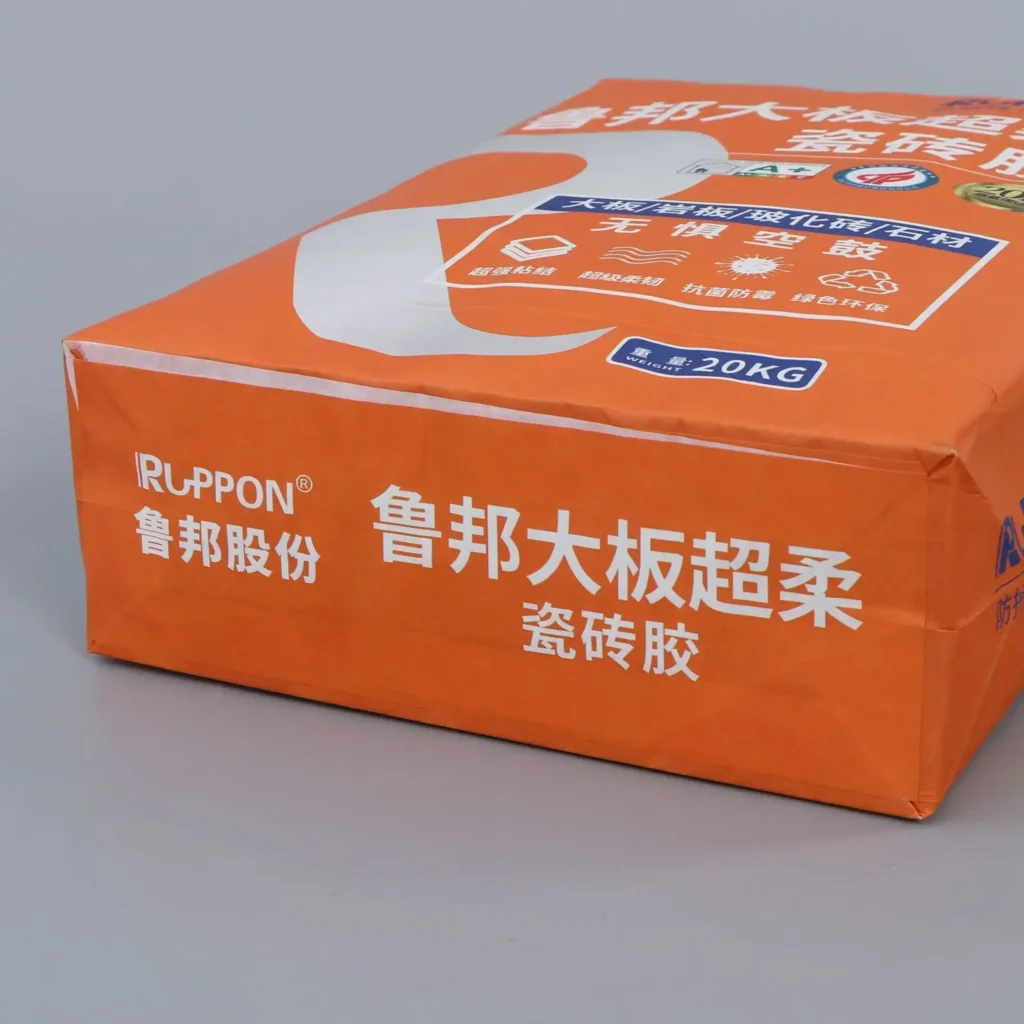
Framing the Question: Why Kraft Paper Woven Bags Keep Winning Where Loads Are Heavy and Tolerances Are Tight
Kraft Paper Woven Bags succeed not because they are a single material, but because they are a conversation among layers—kraft paper for printable stiffness, a woven polyolefin grid for tensile backbone, and a bond layer to keep the peace under heat, humidity, and time. Our task in this write‑up is to convert a cluster of practical questions—originally framed for other technologies—into a rigorous, packaging‑first narrative. We will pose each question in a way that fits Kraft Paper Woven Bags, answer it through the lens of systems thinking, and then close the loop with testable criteria. To align teams, the canonical product anchor is here: Kraft Paper Woven Bags.
What Materials Are Used in Kraft Paper Woven Bags?
Materials define behavior. The outer ply is usually kraft paper in the 70–100 g/m² band (ISO 536), chosen for ink anchorage, scuff resistance, and modest moisture buffering (Cobb 60 s typically 20–40 g/m², ISO 535). Beneath it sits a woven polypropylene substrate: tapes of 800–1200 denier arranged at about 8×8 to 12×12 tapes per inch. This grid provides load paths and controlled tear propagation. A bond layer—extrusion coating (15–25 g/m²) or water/solvent‑based adhesive (3–6 g/m²)—integrates both.
Horizontally, we compare this stack to composite panels: a printable skin over a structural core, joined by an interface that must not creep. Vertically, we follow the consequence chain: paper grammage shifts face stiffness; stiffness shapes center‑bulge; bulge dictates pallet compression behavior (ISO 12048); compression outcomes feed claims rates. In short, the materials are levers, not decorations.
What Features Should You Look For in Kraft Paper Woven Bags?
Look for features that turn busy factories into calm ones. Geometry discipline comes first: body widths of 320–420 mm and heights of 600–900 mm are common for 25–50 kg fills, with gusset depth tuned to the pallet pattern. Closure options—stitching, pinch (hot‑air or ultrasonic), and valve sleeves—determine dust hygiene. Surface behavior matters: a kraft/steel analog COF around 0.3–0.5 (ASTM D1894) keeps conveyors honest, while abrasion endurance (TAPPI T‑476 or in‑house rub tests) preserves branding and barcodes. If a liner is specified, moisture vapor transmission (ASTM F1249) and oxygen transmission (ASTM D3985) targets must be explicit.
Why these features? Because they map directly to failure modes: leaks, scuffs, shingling on inclines, pallet slump after 48 hours. Features that address these modes are not optional; they are the difference between repeatability and rework.
How Do You Determine the Right Size for Kraft Paper Woven Bags?
Begin with payload physics. Desired net mass (often 25–50 kg) combines with bulk density and target bag height to yield a cross‑sectional area. That area maps to body width and gusset. Then confirm forming head limits and sewing or sealing constraints. If you select a block‑bottom, remember that base geometry redistributes stress away from the central seam and improves cube efficiency by 5–12% compared with unstiffened pillows. The logic chain is straightforward: product → volume → circumference → width/gusset → pallet pattern. Validate with compression (ISO 12048) and drop (ASTM D5276/ISTA 3A) because math without trials is theater.
Horizontally, this sizing exercise resembles nozzle selection in fluid systems and panel sizing in structures—it’s all about translating load and flow into geometry. Vertically, a small width change alters fin or pinch overlap, which shifts seal strength distributions, which moves leak percentages, which shows up in customer returns. Size is strategy.
Which Suppliers of Kraft Paper Woven Bags Are Most Reliable—and How Do You Tell?
Rather than publish a brand list that ages poorly, focus on verifiable behaviors. Reliable suppliers disclose their control plan: on‑line gauge and coat‑weight monitoring; moisture conditioning for kraft; slit‑width SPC; bond peel/T‑peel records (ASTM F88 style); barcode verification grades (ISO/IEC 15415/15416). They maintain ISO 9001:2015 and ISO 14001:2015 certificates; for food/feed lanes, ISO 22000 or FSSC 22000; for fiber, FSC or PEFC chain‑of‑custody. They attach accredited lab IDs for migration testing when inner liners are present (EU 10/2011; FDA 21 CFR 176/177 where applicable). In short, reliability is a stack of documents mapped to a stack of controls.
What Custom Shapes or Constructions Can Kraft Paper Woven Bags Achieve?
“Shape” in this category means base and mouth architectures. Pillows with stitching remain the quickest to deploy. Pinch‑top or pinch‑bottom variants handle fines more cleanly and present neater faces. Block‑bottoms (square base) offer superior pallet interlock and cube utilization; valve versions enable horizontal filling with post‑fill closure by hot‑air or ultrasonic energy. Inside these shapes live micro‑choices: gusset toe reinforcements to prevent splits; sleeve geometries (internal, external, self‑sealing) to balance fill speed and dust control; energy directors in laminated films to improve ultrasonic welds. Each choice should carry a hypothesis (“this will reduce corner splits by raising TD tear around the gusset toe”) and a metric to prove or disprove it.
How Do You Request a Quote for Custom Kraft Paper Woven Bags Without Getting Stuck in Email Tennis?
Send an RFQ that reads like an engineering brief, not a brochure. Include:
• Construction details: outer kraft grammage; woven PP denier and weave density; lamination route and target coat weight; optional liner thickness.
• Dimensions: width, height, gusset depth; base type; tolerances.
• Closure: stitch vs. pinch vs. valve; if valve, sleeve spec and closure method (hot‑air/ultrasonic).
• Surface & codes: COF window; abrasion expectation; printing method; barcode/2D verification grade target (≥B).
• Performance: drop sequence; compression margin (≥1.3× top‑load vs. route); leak % goal at speed; dart impact proxy.
• Compliance: ISO certificates; REACH SVHC; FSC/PEFC; migration test plan if food/feed; RoHS if RFID is in scope.
• Volumes: trial run length and annualized demand; logistics (pallet height, wrap spec).
Such an RFQ collapses weeks of clarification into a day of alignment.
What Are the Benefits of Custom Kraft Paper Woven Bags Versus Off‑the‑Shelf Options?
Customization pays where variance is expensive. A slightly stiffer kraft (e.g., 85 vs. 75 g/m²) can reduce face scuffing and preserve code readability—small cost, big visibility. An ultrasonic pinch replacing hot‑air can drop leak rates an order of magnitude when fines are present. A block‑bottom might save stretch‑wrap layers by obviating bulge. The benefit is not only mechanical; it’s economic: fewer changeovers, calmer OEE, and lower claims. The hidden benefit is organizational: decisions backed by data build internal trust and shorten future approvals.
Which Materials Are Best for Kraft Paper Woven Bags—and When?
There is no universal best, only “best for this lane.” Virgin unbleached kraft supports darker prints and strong scuff resistance; bleached kraft elevates brand graphics but demands tighter surface prep; recycled‑content kraft supports sustainability narratives but requires stricter COA gating to control variability. On the woven side, heavier denier with tighter weave improves tear and puncture distribution for dense, abrasive fills (salts, minerals). If hygroscopic products are in scope, a thin PE liner (30–60 μm) can be seasonal rather than permanent—used during monsoon months and removed afterward. The principle: bias toward the simplest construction that passes the tests, then layer complexity in response to measured risk, not fear.
How Do Different Materials Affect Kraft Paper Woven Bags Performance Across the Chain?
Paper stiffness changes center‑bulge; bulge changes pallet compression; compression affects transport damage probability. Woven denier and weave density alter tear anisotropy; anisotropy determines whether corner splits stop or propagate. Lamination coat weight alters MVTR and curl; MVTR influences moisture staining; curl affects print registration and closure alignment. Liners reduce moisture ingress; liners complicate recycling; recycling policies affect customer acceptance and end‑of‑life costs. This cause‑and‑effect chain should be visible in your specification so that when you pull one lever (e.g., lower coat weight), everyone understands which outcomes to re‑measure.
What Are the Characteristics of Popular Kraft Paper Woven Bags Variants?
Popular patterns cluster around needs:
• Stitched pillows for pellets and feeds where dust is moderate and speed is high.
• Pinch‑top for powders demanding tighter dust control and better shelf aesthetics.
• Block‑bottom valve for fine powders filled horizontally, maximizing pallet cube and reducing bulge.
Each variant succeeds when its micro‑parameters are honest: stitch density and dust tape in pillows; crush width and jaw design in pinch closures; sleeve geometry and post‑fill energy in valves. Names matter less than parameters.
What Types of Product Can Be Packed Using Kraft Paper Woven Bags?
The category spans polymer resins and pellets, fertilizers, mineral powders and salts, animal feed and seed, and specialty chemicals. For each, the decision tree differs. Pellets need print discipline and conveyor traction; fertilizers need dust tolerance and weather‑aware materials; mineral powders need TD tear and puncture distribution, plus optional liners; feed and seed demand scuff resistance and code zones protected from abrasion. If a single rule exists, it is this: specify against the failure you truly experience, not the one you fear most.
How Do I Order Kraft Paper Woven Bags in Bulk Without Losing Control of Quality?
Treat bulk orders as a controlled process, not a hope. Start with a PPAP‑like submission on the first lot: dimensional drawing; mechanical panel (ISO 1924‑2 tensile; ISO 1974 tear; ASTM D1709 dart proxy); drop (ASTM D5276) and compression (ISO 12048) results; COF (ASTM D1894); Cobb (ISO 535) if kraft face is exposed; barcode grades (ISO/IEC 15416/15415). Insist on traceable COAs with test IDs. Lock an AQL for visuals. Require run‑at‑rate data: OEE, leak %, and scan grades captured at speed, not in a lab. Install change‑control triggers for seasonality (antistat, dwell, acceleration ramps). Finally, build a simple dashboard that rolls these into a green/yellow/red status so non‑specialists can help police outcomes.
Method: Problem → Method → Results → Discussion for Kraft Paper Woven Bags (An Explicit Loop)
Problem: rising leak rate on a dusty powder SKU. Method: switch from hot‑air pinch to ultrasonic; increase crush width by 2–3 mm; introduce energy directors in the laminate near the seam; verify with seal strength testing and dust emission sampling at the jaw. Results: leak rate falls from ~0.3% to <0.05% at 30 bags/min; operator dust exposure drops. Discussion: the ultrasonic path concentrates energy at the interface, keeps kraft cooler, and closes micro‑paths that talc exploited. Side effects (slight darkening) vanish; remaining failure modes are corner splits under forklift torsion, to be addressed with gusset toe reinforcement.
Problem: shingling on first incline for pellets. Method: raise kraft roughness modestly, slow acceleration ramp, tighten COF window. Results: shingling disappears; print remains crisp. Discussion: friction budgeting is a process dial, not a mystery.
Problem: barcode fails after two weeks in storage. Method: reserve a smoother calendered code zone; primer tuned to ink; add verification to outbound. Results: grades rise to ≥B consistently. Discussion: design for data, not just for strength.
Horizontal Thinking: Borrowing from Neighbor Disciplines
From composite engineering we borrow sandwich logic: skins, core, interface—each must carry its share. From operations we import OEE discipline: small downtime cuts unlock disproportionate volume. From logistics we learn that square faces beat heroic peak strength when it comes to pallet calm. From information systems we import master‑data governance so GS1 identifiers and URLs remain stable. These cross‑overs make Kraft Paper Woven Bags specifications sturdier because they respect every interface the bag touches.
Vertical Thinking: From Resin to Retail via One Continuous Thread
Follow the resin pellet into a tape; the tape into a weave; the weave under an extrusion head; the laminate under a printer; the printed web into a bag with a chosen closure; the bag onto a pallet; the pallet past a scanner and into a truck. At each stage, a decision either adds variance or subtracts it. Vertical thinking demands we expose these decisions and tie them to data: draw ratio and slippage; coat weight and curl; primer and mottle; crush width and leak percentage; center‑bulge and compression; code grade and scan speed. This thread prevents a local win from becoming a global loss.
Integrated Specification for Kraft Paper Woven Bags (A Working Template)
• Construction: outer kraft 70–100 g/m² (ISO 536); woven PP 800–1200 denier; weave 8×8–12×12 tapes/in; lamination 15–25 g/m² (extrusion) or 3–6 g/m² (adhesive); optional PE liner 30–60 μm.
• Dimensions: width/height matched to product and pallet pattern; gusset depth; base type (pillow/pinch/block‑bottom/valve); tolerances.
• Closure: stitch vs. pinch vs. valve; for pinch, jaw temperature/dwell/pressure window; for valve, sleeve geometry and post‑fill closure method.
• Surface & Codes: COF windows; abrasion expectation; printing method; barcode/2D code grade ≥B (ISO/IEC 15415/15416); optional GS1 Digital Link.
• Performance: drop (ASTM D5276) pass at route spec; compression (ISO 12048) safety factor ≥1.3×; dart impact proxy 300–500 g (ASTM D1709); tear/tensile targets per ISO 1974/ISO 1924‑2.
• Compliance: ISO 9001:2015; ISO 14001:2015; ISO 22000/FSSC 22000 where relevant; REACH SVHC; FSC/PEFC chain‑of‑custody; migration plans for food/feed (EU 10/2011; FDA 21 CFR 176/177); RoHS (2011/65/EU) if RFID.
• Quality Plan: SPC on slit width, coat weight, bond peel, COF, Cobb; AQL for visuals; run‑at‑rate data capture; seasonal playbooks.
Results: What Success Looks Like for Kraft Paper Woven Bags
When the spec aligns with reality, leak percentage compresses toward zero without speed penalties, OEE rises because closures behave at speed, pallets sit square with lower stretch‑wrap usage, and code grades remain stable through storage and transit. Sales notices fewer “soft” complaints about appearance. Warehouse managers report calmer stacks and faster scans at portals. Finance notices fewer debits for damage. No single metric explains the win; the orchestra does.
Discussion: Where the Spec Lives After Launch
Specifications are not monuments; they are living contracts with the factory. Maintain change‑control: if grammage shifts, re‑measure center‑bulge and compression; if a new primer is adopted, re‑verify codes; if seasonal humidity rises, adjust antistat and dwell before problems surface. Tie all of this to a simple dashboard where red is a trigger, not an accusation.
Anchor Link for Teams Working on Kraft Paper Woven Bags
For cross‑functional alignment and quick sharing, use the product anchor: Kraft Paper Woven Bags. It keeps language synchronized and expectations grounded.
References (Selected, Non‑CNC Sources)
ASTM D1894 — Standard Test Method for Coefficients of Friction of Plastic Film and Sheeting.
ASTM D1709 — Standard Test Methods for Impact Resistance of Plastic Film by the Free‑Falling Dart Method.
ASTM D5276 — Standard Test Method for Drop Test of Loaded Containers by Free Fall.
ISO 12048 — Packaging — Compression and stacking tests using a compression tester.
ISO 1924‑2 — Paper and board — Determination of tensile properties — Constant rate of elongation method.
ISO 1974 — Paper — Determination of tearing resistance — Elmendorf method.
ISO 535 — Paper and board — Determination of water absorptiveness — Cobb method.
ISO 536 — Paper and board — Determination of grammage.
ISO/IEC 15415 & 15416 — Barcode/2D code print quality test specifications.
EU 10/2011 — Plastic materials and articles intended to come into contact with food.
FDA 21 CFR 176/177 — Components of paper/olefin polymers for food contact (when applicable).
REACH (EC 1907/2006) — Registration, Evaluation, Authorisation and Restriction of Chemicals.
FSC / PEFC — Chain‑of‑custody frameworks for responsible fiber sourcing.
ISTA 3A — Packaged-Products for Parcel Delivery System Shipment 70 kg (150 lb) or Less (often adapted for heavy-duty sacks).