
Kraft paper sacks (also known as paper bags or paper sacks) are high-strength, heavy-duty packaging solutions. Unlike ordinary paper bags, these multi-layered Kraft sacks are engineered for demanding bulk goods – from construction materials like cement and sand to food ingredients, seeds, and chemical powders. Crafted from virgin Kraft paper (in natural brown or bleached white grades), these bags combine exceptional tensile strength and rigidity with recyclability. They can be produced as either open-mouth bags (sewn or adhesive-closed) or valve-filled bags (with corner filling valves for automated packing). In every variation, the design – from the bottom seams to the opening and inner layers – is carefully chosen to optimize durability, ease of filling, and product protection. Below, we systematically explore all the major design options, materials, and features of Kraft paper sacks.
Bottom Construction Options
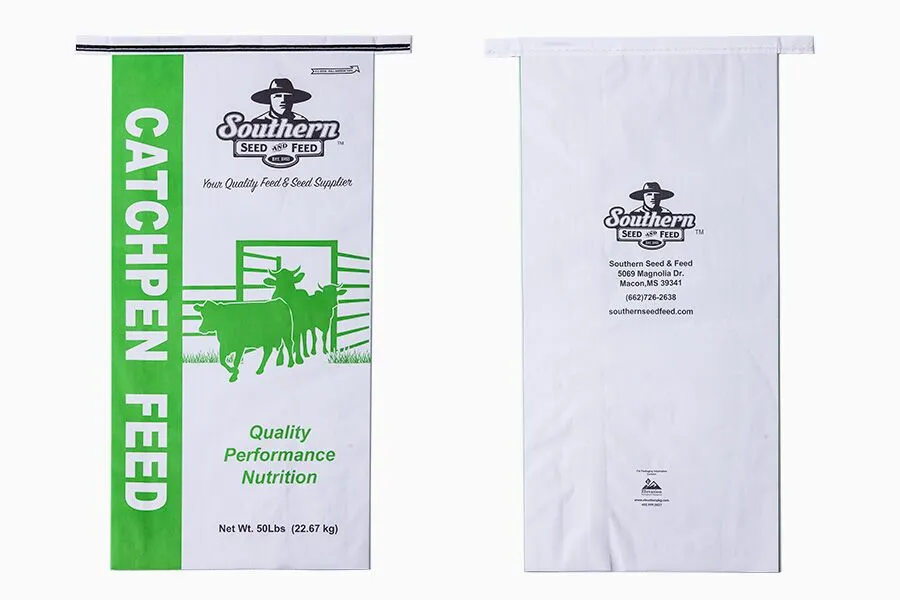
The bottom construction of a Kraft sack is fundamental to its strength and stability. Common bottom designs include reinforced seams or glued block bases. Each method balances durability, moisture resistance, and the bag’s ability to stand upright. Key bottom types are summarized in the table and descriptions below:
| Bottom Type | Construction & Features | Typical Use/Benefit |
| Paper Tape Stitching | High-strength polyester-cotton thread stitches the bottom seam; a paper tape (reinforcing strip) is glued over the seam. | Creates a rugged, eco-friendly seam. Ideal for cement, chemicals, and other heavy loads where extra seam strength is needed. |
| Heat-Sealed Tape (Over-Tape) | A sewn seam similar to above, but covered with a multilayer adhesive tape that is heat-activated. The tape fully seals and smooths the seam. | Forms a waterproof, seamless exterior. Excellent for moisture-sensitive goods (flour, sugar) or any application where a liquid barrier is required. |
| Pasted Block Bottom (Satchel) | Bottom flaps are glued in a rectangular “box” (satchel) shape. Usually done by applying adhesive (paste) to form a flat, self-supporting base. | Provides a stable, flat base so the bag stands upright on its own. Common in sewn open-mouth (SOM) bags and valve bags. Widely used for animal feed, fertilizer, and stacked goods. |
| Self-Opening Satchel (SOS) | A sewn open-mouth design with side gussets and a glued block bottom. The bottom is the same satchel style as above, and gusseted sides help the bag open itself into a box shape when unfolded. | Stands open and upright without support, speeding up filling. Because the block base is pasted and gusseted, SOS bags are ideal for rapid filling lines. Often used for cement, flour, or grains in high-volume operations. |
- Paper Tape Stitching: This method uses high-tensile threads along with a wide paper tape to reinforce the seam from the outside. By adding a layer of tough paper tape over the stitched seam, the bottom becomes very strong while remaining fully paper-based (no plastic). It’s an “eco-friendlier” stitching method that boosts load capacity.
- Heat-Sealed Tape Stitching: Here, a specialized heat-activated tape (often polyethylene film with adhesive) is applied over the sewn seam. When heat is applied, the tape melts and bonds to the paper around the seam. The result is a completely sealed bottom with no stitch holes exposed. This creates a smooth, waterproof bottom that resists seepage. Such bags are favored when moisture or dust must be kept out of the sack.
- Pasted Block Bottom (Satchel): Often referred to as a satchel bottom, this uses glue or starch-based paste to bond the flaps into a flat, rectangular base. Because the bottom is glued, it can support heavier weights without thread fatigue. Pasted block bottoms are extremely common in industry: they make the bag self-supporting so it can stand upright on conveyors or shelves. For example, many sewn or valve bags for cement and feed use a pasted block bottom.
- Self-Opening Satchel (SOS): Technically a subtype of the pasted block bottom design, SOS bags add gusseted sides. The combination of the glued base and angled side gussets lets the bag “self-open” into a box shape when unfolded. This means the bag stays open on its own without propping, which speeds up filling on fast production lines. Typically, SOS bags (sometimes simply called “satchel sacks”) are filled by machine or hand without needing to hold the bag open. They are popular in industries like cement and flour, where efficiency is key.
Each bottom option can be contrasted as follows: a stitched bottom (with or without tape) offers mechanical strength and is simpler to produce, while a glued block bottom emphasizes stability. Heat-sealed tape gives waterproofing that plain stitching does not. The table above highlights these trade-offs.
Bag Opening and Closure Styles
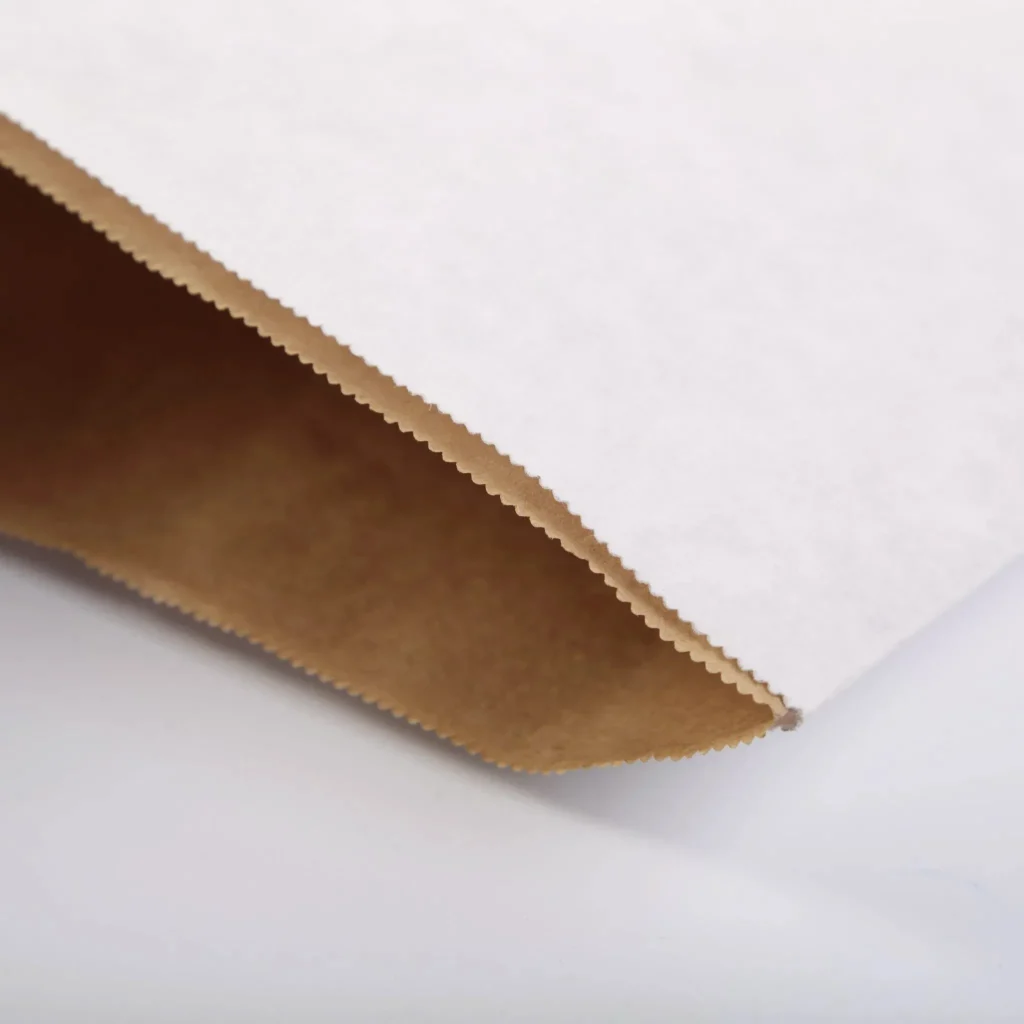
Kraft sacks come in two broad opening styles: open-mouth (filled from a top opening and then closed) and valve-type (filled through a built-in valve). Within these, the most common formats are as follows:
| Opening Style | Abbreviation | Description | Common Applications |
| Pasted (Corner) Valve Bag | PV (also PVE) | A valve bag has a triangular filling spout (valve) in one corner. Material is inserted through this valve using automated fillers. Once filled, pressure forces the valve to close and seal. Often fully sewn or heat-taped at the top as well. | High-speed automated filling of powders/granules (cement, cement additives, fertilizer, chemicals). The built-in valve eliminates the need to hold an open bag. |
| Pinch-Bottom Open Mouth | PBOM | An open-top bag with a bottom whose corner flaps are folded (“pinched”) inward. After filling, the mouth is folded or sewn shut. Pinch-bottom bags may also include an internal liner bag. | Suitable when an inner liner (plastic, foil) is required. Common in food-grade powders (flour, starch) and some chemicals where dust control is needed. |
| Satchel-Bottom Open Mouth | SBOM (POM) | An open-top bag with a flat, block (satchel) bottom and no side gussets. The bottom is glued; the top is left open for filling. After filling, the mouth is closed by sewing or tape. | Used for manual filling operations where the bag must stand upright. Common for products like feed, salt, and sand. Sometimes simply called “pasted open mouth (POM)” bag. |
| Sewn Open Mouth | SOM | A traditional open-top bag that is filled from the top and then stitched closed along the top edge. It can have either a flat or gusseted bottom. | Universal style for heavy-duty goods. Widely used for cement, grains, chemicals, or any dry bulk where bags are filled and then sewn closed by machine or by hand. |
- Pasted Valve Bags (PV): These bags have a pre-pasted filling valve (usually at one bottom corner). A filling machine pushes product into the bag through this valve. Because of the paste around the valve opening, when the flow stops, product pressure seals the valve shut automatically. This is extremely efficient for fast bagging lines. After filling, the top of the bag is often sewn or heat-taped for additional security. Valve bags allow fully automated filling of dusty powders, protecting workers and making the process rapid and clean.
- Pinch-Bottom Open Mouth (PBOM): In this design, the bottom folds are “pinched” together, giving a tapered bottom shape (seen from the side) while still having an open top. PBOM bags are often supplied with a heat-sealable PE liner inside. The bag is loaded by pressing the liner in, then folded closed (sometimes with hot-melt glue) or sewn. They are useful when a moisture or barrier liner is needed. For example, flour mills and chemical plants commonly use PBOM paper sacks with an inner plastic sleeve to protect against moisture and contamination.
- Satchel-Bottom Open Mouth (SBOM): Also called Pasted Open Mouth (POM), this style has a glued, flat box bottom but no side gussets. The top is left open for manual or machine filling, then sewn shut. The flat base lets the filled bag stand on its own. A classic example is a flour or sugar bag with a glued base: the worker or machine places product in, then closes the top. This style simplifies filling because the bag remains stable once put down.
- Sewn Open Mouth (SOM): This is the simplest form: the bag’s top is open and is closed after filling by sewing across with thread. SOM bags can have flat or gusseted sides/bottom. They date back as one of the earliest multiwall paper bag constructions. They work well for virtually any bulk solid. In modern production, SOM bags may be pre-opened by a picker, filled, and then sewn shut automatically. They remain common for cement, pet food, fertilizer, and more.
Each of these styles solves different needs. Valve bags (PV) are ideal for automatic packing lines and for minimizing dust. Open-mouth designs (PBOM, SBOM, SOM) are versatile for manual or semi-automated filling. Whether a bag is sewn or heat-sealed on top is another customization (not shown here) – sewn tops are traditional and very strong, while heat-sealed tops (using film or tapes) create a smoother exterior.
Material and Structural Variations
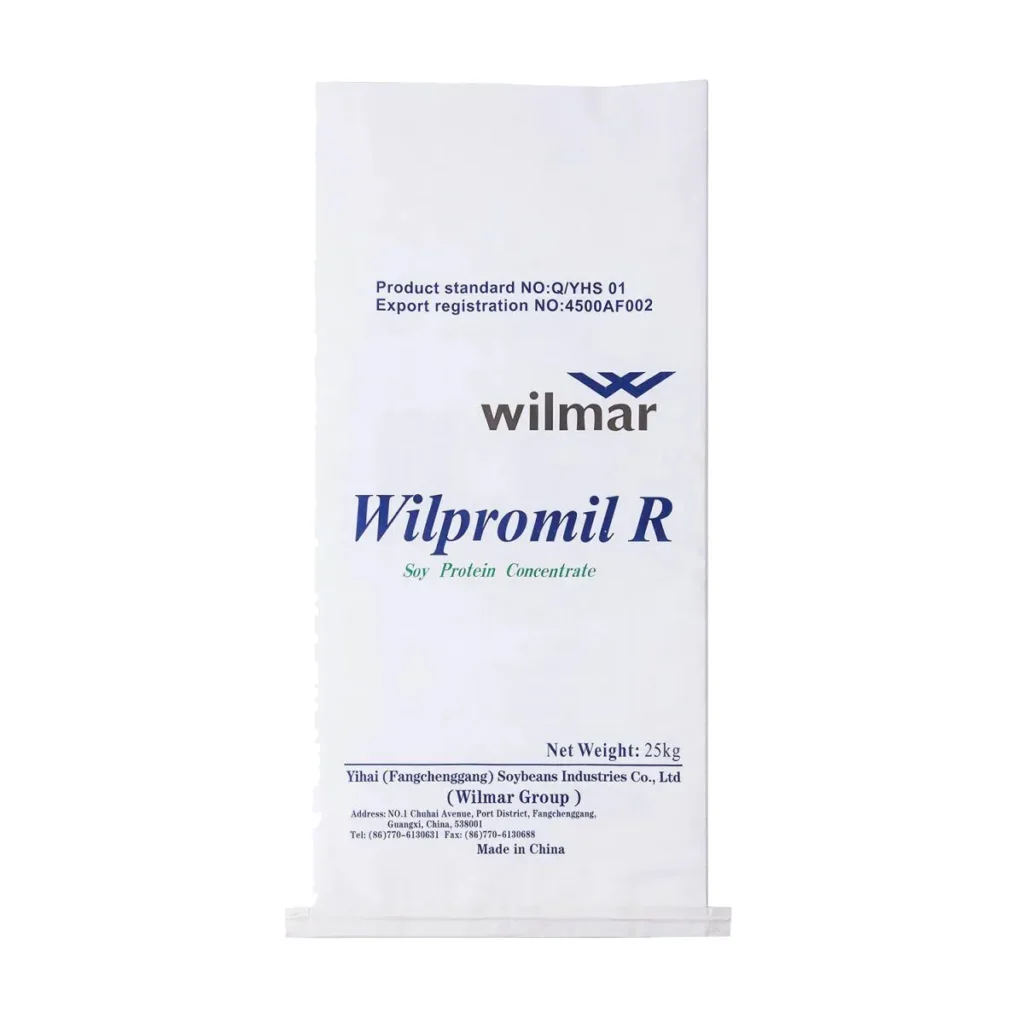
Kraft sacks can be built from different layer configurations and materials, depending on the application. The table below outlines common structural types and their features:
| Bag Type / Structure | Composition | Features | Typical Applications |
| Multiwall Kraft Paper Bags | 2–4 layers of kraft paper (all paper) | Single-material (kraft) – fully recyclable. Strong and tear-resistant. Often includes anti-slip coating or static treatment on the paper. | Heavy powders and granules (cement, flour, feed, chemicals). Standard multi-ply bags for general packaging. |
| Kraft with Aluminum Inner Bag | Outer kraft paper + inner heat-sealable foil or film pouch | Bilayer: kraft exterior with a separate foil/plastic lining bag inside. Excellent moisture/odor barrier, puncture-resistant (due to double layer). | Products needing high moisture protection: coffee beans/grounds, certain chemicals, resins. |
| Aluminum Composite Kraft Bags | Layered lamination of kraft paper, aluminum foil, and polyethylene film | All-in-one composite structure. Moisture-proof and light-proof (foil), with heat-sealable polymer layer. High strength. Often sealed by heat (no sewing required). | High-value goods requiring max barrier and a neat appearance: bioplastics, pharmaceuticals, specialty food (coffee, biotech). |
| Multiwall with PE Inner Bags | 2–4 layers kraft paper + internal PE liner (sleeve or lamination) | Adds a plastic moisture barrier inside a regular multiwall bag. Retains rigidity of paper outside, flexible PE inside. Prevents powders from poking through. | Hygroscopic powders (some fertilizers, chemicals, food ingredients) that need humidity protection during storage/transport. |
| Laminated Woven (Paper-Poly) Bags | Woven PP or HDPE fabric laminated with paper (paper on one side, plastic on the other) | Combines woven polypropylene strength (tear resistance, burst strength) with the printability and form of paper. | Very heavy or abrasive products: animal feed, seeds, minerals, or any bulk needing both tear resistance and water protection. |
| Back-Seam Kraft Sacks | Typically one or more paper layers with the seam at the back center. Sometimes laminated to woven fabric. | Traditional construction with visible back seam. Simpler and cost-effective. | General bulk packaging for grains, cement, etc. Back-seam bags are a common style in many markets. |
| Valve Bags (Paper) | Multiwall paper (2–4 ply), often with a corner valve spout and sometimes an inner PE liner | All the strength of multiwall plus the filling valve. Valve can be paper spout or plastic, pasted onto a pasted block bottom. | Cement, cement additives, chemicals – any industry requiring large-scale automatic filling. Valve bags speed up packaging. |
| Colors: Unbleached (Brown) vs. Bleached (White) | Both are kraft paper from cellulose fiber. Brown is natural kraft; white is bleached kraft. | Unbleached (brown) offers a natural look and cost-effectiveness; bleached (white) provides high-quality printing surface. | Brown is common for construction and agricultural goods. White is preferred for consumer foods, fertilizers or any product needing bright, vibrant printing. |
- Multiwall Kraft Paper Bags: These are the “classic” kraft sacks. Made from several layers (typically 2, 3, or 4 plies) of Kraft paper, these bags are extremely strong while remaining 100% paper (thus recyclable). Multi-layer design increases puncture resistance and allows higher weight capacity (often up to 25–30 kg or more). Some multilayer bags include a paper anti-slip coating or embossed pattern to keep stacked loads stable. They meet food-safety standards (using Northern Softwood Kraft pulp) and handle heavy solids like cement, grains, or chemicals. Custom options include flat vs gusseted side, internal PE coating on one ply, or anti-slip surface.
- Kraft Paper with Aluminum Foil Inner Bag: This construction sandwiches a separate foil-lined bag inside a paper shell. The outer bag looks like a regular kraft sack, but inside it contains an independent bag made of aluminum foil (or vacuum-metalized PET). This bilayer design is highly puncture-resistant and creates an airtight, moisture-blocking environment. For example, coffee roasters often use a kraft sack with an aluminum inner bag: the foil pouch keeps beans fresh, while the kraft exterior provides strength and a printable surface. The inner bag is typically heat-sealed during filling, and the outer bag’s top can also be sewn or taped shut.
- Aluminum Composite Kraft Bags: In this variant, aluminum foil is laminated directly with polyethylene and paper into a single composite sheet. The bag is cut from this laminated film, often with foil facing inward or outward depending on design. The result is a highly moisture- and light-impermeable bag without the need for a separate inner lining. For example, a “Kraft paper aluminum composite bag” has layers of kraft paper, foil, and thermoplastic film. The opening can be heat-sealed instead of sewn, giving a clean sealed top (this also speeds packaging). These bags are used for “high-value products needing strong protection” – such as engineering plastics, Nylon resins, coffee, or biotech materials. They often feature design elements like a K-seal bottom (a type of sewn bottom that makes the filled bag more boxy) and rounded (“radius”) corners for safety.
- Multiwall with PE Inner Bags: Some Kraft sacks are simply multiwall paper bags fitted with a polyethylene sleeve or extrusion-coated plastic layer on the inside. This hybrid provides a moisture barrier for products that would otherwise degrade if they contact the paper itself. The outside remains kraft paper for strength and handling, while the PE liner contains the product. These are common for chemical powders, fertilizers, and food ingredients where moisture or dust containment is needed. A key benefit is that the primary structure is still paper (good for stacking and recyclability), while protecting the product from humidity.
- Laminated Woven (Paper-Poly) Bags: Also known as poly-paper or paper-poly bags, these use a woven poly (PP or HDPE) fabric laminated with kraft paper. One side of the bag might be heavy-duty polypropylene, the other side kraft paper. This fusion yields exceptional tear and burst strength (from the woven side) plus a printable, rigid paper surface. Many suppliers offer these with either brown or white paper lamination. They stand up to very heavy or abrasive contents (grain, pet food, fertilizer). For example, a fertilizer bag might be PP-woven inside with bleached paper outside, balancing durability and brandable graphics.
- Back-Seam Bags: In back-seam construction, the bag is often tubular (or made from multiple plies) and sewn along one vertical seam at the back. This is in contrast to gusseted bags which have folded sides. Back-seam Kraft sacks are simple and cost-effective to produce, and commonly used for cement and bulk grains. They may come with or without linings. In modern usage, “back-seam” often just means the sewing is down the back rather than a folded gusset.
- Valve Bags: Technically these are multiwall or laminated sacks that incorporate a valve, but it’s worth calling them out. A Kraft paper valve bag is typically a multi-ply paper sack with a cement-style valve spout in one corner. This category overlaps with Pasted Valve Bags above, but emphasizes that many variants exist (brown or white paper, with or without internal liners, sewn or taped). These bags are ubiquitous in cement and chemical industries. VidePak, for example, offers Kraft valve bags built to ASTM and ISO standards.
- Color (Bleached vs. Unbleached): Kraft paper naturally comes in brown (unbleached) or can be bleached to white. Brown Kraft is made from fewer chemicals and retains a natural color. White kraft undergoes bleaching (typically with chlorine dioxide or peroxide) to give a clean white surface. Unbleached brown bags are traditional for cement, minerals, and general goods, where high-speed printing is not required. Bleached white bags are popular for consumer-facing products like pet food or specialty chemicals, because the bright surface allows sharp multi-color printing. The material strength of white vs. brown is similar, but white is usually more expensive. Both are food-grade safe if made from virgin pulp.
The combinations of these materials give virtually limitless customization. For instance, a bleached multilayer kraft bag with PE inner and paper tape stitched bottom could handle food powder safely, while a brown laminated woven bag could haul bulk feed on a farm. Two special structures deserve mention:
- Barrier Bags (Composite with Inner Liner): Some Kraft sacks include a full-thickness aluminum foil liner inside – effectively a composite barrier within the bag. This is above and beyond a single foil layer; it’s a pouch of foil (sometimes with mylar) inserted in a bigger kraft bag. These are akin to shipping large food or pharma ingredients.
- Specialty Coatings: In addition to inner liners, both paper and woven sacks can have coatings. Polyethylene extrusion coating is common on one ply for moisture barrier. PE lamination on one side of a paper is common in fertilizer bags to hold in dust. Anti-slip treatments on the paper help heavy bags stay on pallets.
Manufacturing Excellence at VidePak
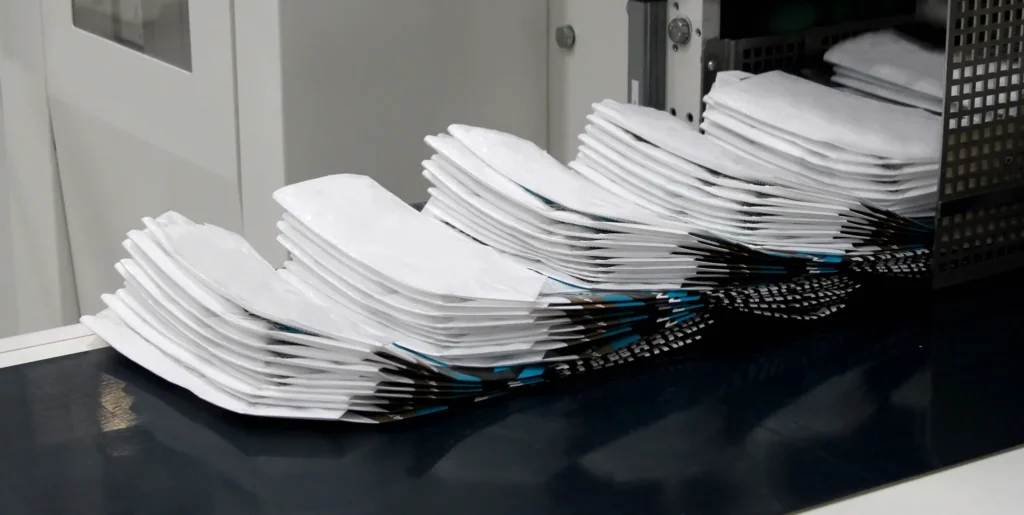
VidePak is a major producer of Kraft paper sacks and adheres to world-class manufacturing and quality standards. Key highlights of VidePak’s operations include:
- Top-tier Raw Materials: VidePak sources virgin polymers and paper from globally recognized suppliers. For example, they use high-quality resins from BASF, Sinopec (China Petroleum), and Yangzi Petrochemical for any PP/PE lamination or woven fabrics. Kraft paper is procured as FSC-certified stock (60–120 gsm grades) suitable for food or industrial uses. Using these branded materials ensures consistency and compliance with international standards (e.g. ASTM D1238 for resin melt index, ASTM D2103 for paper).
- Advanced Production Equipment: Every stage of production is handled in-house. Starlinger Viscotec extrusion lines (dozens of lines at 300 m/min) produce custom PE and PP films. W&H equipment is employed for converting: over 30 W&H MILEXX bag machines (laminators and sewing units) deliver very high throughput with low defect rates (around 0.1%). There are also Brückner Karos extruders for high-speed lamination. In short, VidePak’s plant is filled with top European machinery – blown film lines, laminators, bag-making machines – allowing them to integrate tasks (film extrusion, lamination, printing, cutting, sewing) seamlessly.
- Production Standards: The manufacturing processes conform to international regulations. Products meet ASTM and ISO testing norms. For instance, their polypropylene aspects conform to ASTM D2103 (polymer packaging). VidePak holds ISO 9001 (quality management) and ISO 22000 (food safety) certifications. Many bag types are UN-certified for hazardous goods, and they follow the International Maritime Dangerous Goods (IMDG) code when needed. Each bag is made to the customer’s specification – if a contract calls for ASTM compliance, each roll of resin or paper is validated, and film thickness and barrier properties are inspected.
- Capacity: VidePak’s output is enormous – on the order of 300 million Kraft paper bags per year. This scale comes from multiple continuous production lines running 24/7. Even for large orders (millions of bags), VidePak can supply promptly because of this volume capacity.
- Quality Control: Before any shipment, VidePak enforces rigorous testing. Finished bags are checked for seam strength, burst strength, and seal integrity. For valve bags, the valve opening and sewn seam are tested on automated rigs. They even employ techniques like 100% helium leak testing at a few bars of pressure for the highest-level packing (similar to pharmaceutical packaging). Gas chromatography analysis of bag residues is done to ensure no harmful solvents remain. These QC measures exceed typical industry practice. In practice, this means “complete finished product inspection” – every batch is tested and only qualified products are sent out.
- Engineering and Innovation: VidePak invests in R&D and quality of printing as well. Their bag surfaces can be printed in 6–8 color flexographic prints with excellent color fidelity (ΔE < 1.5). They also optimize formulations: for example, adding anti-slip (static friction >0.6) to papers, or UV-stabilizers to woven fabrics. New features like fluorescent hazard printing or RFID/QR code integration are available, aligning with modern customer needs.
- Standard Compliance: Notably, VidePak states compliance with industry norms. Their block bottom bags, for example, are engineered to retain 90% of the base fabric strength at seams (well above the 70% baseline). They also comply with UN transportation requirements (for chemical/food safety) and EU/US food-contact regulations when supplying food-grade sacks.
In summary, VidePak’s production is characterized by global raw materials, German/Austrian machinery, and laboratory-grade testing. This ensures each kraft sack – whether a simple brown SOM bag or a white multi-layer valve bag – will meet or exceed customer specifications. Their process philosophy is “quality through expertise”: cross-checking materials (using performance tables for tension, elongation, puncture) and final products ensures reliability. All of this expertise translates into consistent performance for end-users.
Applications and Benefits
Kraft paper sacks find use across many industries thanks to their versatility:
- Construction and Building Materials: Cement, sand, lime, gypsum – these need very strong, abrasion-resistant bags. Typically, 3- or 4-ply multiwall Kraft sacks (often SOM or SOS style) are used. Their block bottoms and anti-slip surfaces allow stable palletizing of heavy bags.
- Chemicals and Plastics: Powders and granules of chemical raw materials, plastic resin pellets, and additive powders often require moisture protection. In these cases, laminated sacks or bags with PE liners are used. Valve bags are common if automated filling lines are present. For example, petrochemical additives might be packed in a laminated woven (paper-poly) sack with an inner liner to ensure zero dust release.
- Food and Feed: Flours, starch, sugar, animal feed, seeds and fertilizers often use Kraft paper sacks. Food-grade Kraft (FSC-certified, compliant with food-contact regs) is used. White bleached sacks with bright graphics are common for retail-size consumer products (dog food, baking flour), whereas brown sacks are common for bulk feed and seeds. Barrier features like PE liners or foil liners can be added for products like flour or coffee to prevent moisture and pests.
- Agriculture: Fertilizers and soils (e.g. cemented soils for roadbeds) need moisture protection and heavy load capacity. Laminated Kraft sacks (PP woven with paper lamination) are favored for their strength and water resistance. Back-seam sacks filled with a PE liner for fertilizer dust control are widespread.
- Industrial Packaging: In sectors like mining or exports, Kraft sacks are used for bulk raw materials – from salt to ceramic powders. Often the combination of a glued block bottom and robust stitching means the bags can be rapidly filled, sealed, and stacked.
- Consumer Products: Specialty products (e.g. charcoal briquettes, pet litter, winter salt) sometimes come in woven-coated Kraft sacks for both durability and printability. A PP-coated Kraft bag offers a high-end look with extra puncture resistance.
Key benefits of Kraft paper sacks include: strength-to-weight efficiency, cost-effectiveness, ease of handling (stackable, printable), and eco-friendliness (paper content means recyclability and renewable sourcing). Combined with the wide array of design choices above (bottom types, openings, lamination), manufacturers can tailor a Kraft sack exactly to its intended use case.
Multi-Level Design Summary
To recap the many options, here is a condensed view of the configurations covered:
- Bottoms: Sewn seams (with paper or heat tapes) vs. glued satchel bottoms vs. self-opening satchels. Tape-stitched bottoms are stitch-reinforced and eco-friendly; heat-sealed tape bottoms are waterproof; pasted block bottoms provide a flat, free-standing base; SOS (Self-Opening Satchel) bags add gussets for auto-opening convenience.
- Openings: Valve bags vs. open-mouth sacks. Valve bags (PV) have corner filling spouts for machine loading. Open-mouth bags (SBOM/PBOM/SOM) are filled at the top and then closed by sewing or tape. Each style suits different filling lines: automated or manual.
- Layers/Materials: Pure Kraft (multi-wall) vs. Kraft with liners. Options include PE liners for moisture, foil layers for barrier, or woven-poly laminations for extra tear strength. Unbleached brown vs. bleached white paper offers choice in appearance and branding.
- Customization: Bags can be flat or gusseted, printed up to 8 colors, and equipped with features like anti-slip coating or extra venting. VidePak, for instance, offers UN-rated bags, anti-caking additives in coatings (for chemicals), and even easy-open tear notches on sewn bags.
This multi-tiered design approach allows each sack to be “knobbed in” to its purpose. For example, a 3-ply brown Kraft bag, SOS style, paper-tape stitched bottom might be perfect for cement (standing open and strong), whereas a bleached Kraft with foil liner, sewn top, pasted block bottom would suit a premium coffee blend (keeping out moisture and looking high-quality).
VidePak’s Quality Assurance and Capacity
By choosing VidePak Kraft paper sacks, customers benefit from VidePak’s end-to-end quality focus:
- Raw Material Traceability: Using suppliers like BASF, Sinopec, and Yangzi means materials come with certificates (e.g. material data sheets meeting ASTM specs). Each lot of paper or resin is tested for consistency in fiber composition and tensile properties before production.
- Equipment & Technology: VidePak’s factory is fully equipped (extruders, lamination, bag-making). For example, extrusion of multi-layer paper laminates is done on industrial lines up to 300 meters/min. Precision controls keep film thickness and bonding uniform.
- Standards Compliance: They adhere to ASTM, ISO 9001, ISO 22000 (food safety), and even ISO 45001 (safety at work). Where applicable, their sacks have UN certification for dangerous goods. If a customer needs a bag to meet a specific ASTM test (burst strength, leak rate), VidePak can prove it.
- Production Capacity: With dozens of lines running continuously, VidePak can churn out hundreds of millions of bags per year. An order of 100,000 valve bags or 5 million SOM sacks can be delivered quickly from stock or scheduled runs – high capacity ensures timely supply.
- Complete Quality Control: At every stage – from extruded film to final bag – VidePak performs inspections. For instance, each sewn bottom seam may be digitally monitored for stitch count and tension; heat-sealed seams are X-rayed or pressure-tested for leaks. They have a full laboratory for burst tests, tear tests, and even solvent residue checks. This exhaustive QC (sometimes called “pharmaceutical-grade quality”) means each bag is factory-certified to meet client specs.
In short, VidePak’s manufacturing excellence guarantees that every Kraft sack is reliable. This operational rigor is invisible to the end user, but its results are felt in the low defect rates and consistency of performance (e.g. bags breaking fewer than 0.15% of the time, as VidePak reports).
Conclusion
Kraft paper sacks are far more than simple paper bags. They are highly engineered packaging systems, with choices at every step: from layered Kraft papers and liners, through heat-sealed or tape-reinforced bottoms, to valve spouts and sewn closures. The right combination of these options creates a bag that exactly matches an application – whether it’s a 25 kg cement bag that must stack cleanly, a 10 kg flour bag that must keep out moisture, or a precision valve bag in a rapid-filling chemical plant. VidePak’s portfolio covers this entire spectrum: Multiwall, laminated, foil-lined, woven-laminated, valve and non-valve sacks in bleached or unbleached paper.
Every bag is backed by world-class production: premium raw materials (BASF/Sinopec/Yangzi), advanced Starlinger and W&H lines, and stringent ASTM/ISO protocols. VidePak’s annual output of 300 million units and comprehensive pre-shipment testing mean customers get consistent quality and on-time delivery.
In the end, Kraft paper sacks package your products securely and efficiently, adapting to diverse needs. The design may vary – folds, tapes, liners – but the goal is the same: to carry the load reliably. With all options laid out, users can quickly choose the right type. And behind the scenes, VidePak’s expertise ensures that whatever choice is made, the Kraft sack will perform its task day in and day out. The result? A packaging solution that is as versatile and dependable as it is sustainable – embodying the best of modern heavy-duty paper packaging.
Reference:
PP/PE Laminated Kraft Paper Bag | HOMPAK PACKAGING INC
Industrial Multiwall Paper Bags Manufacturers | SHU
Kraft Paper Bag (Aluminum Foil Inner Bag) | HOMPAK PACKAGING INC
Kraft Paper Aluminum Composite Bag | HOMPAK PACKAGING INC
Block Bottom Bags: Engineering Material Excellence for Diverse Applications – VidePak