
What are Laminated Woven Bags? (Definition & Aliases)
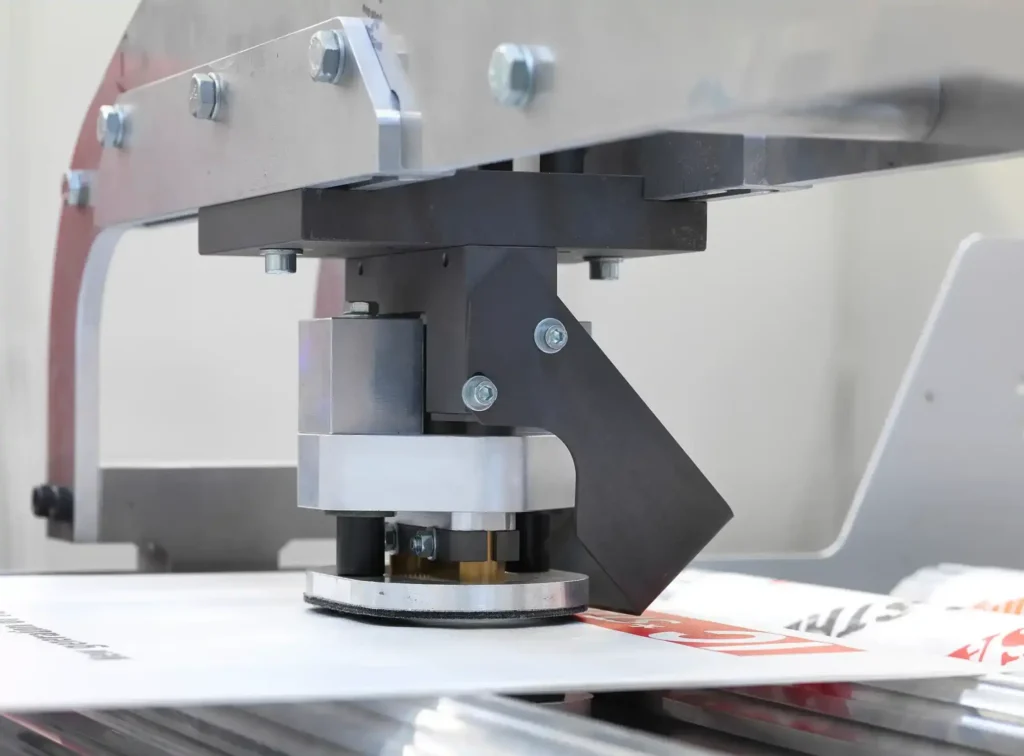
Laminated Woven Bags are engineered sacks that marry a woven polypropylene (PP) substrate with a thin film—typically PP or biaxially oriented polypropylene (BOPP)—to create a structure that is at once tough, printable, and moisture‑aware. In industry conversation they circulate under several aliases: PP laminated woven bags, BOPP laminated woven sacks, block‑bottom PP woven bags, and, when scaled up for bulk handling, FIBCs (flexible intermediate bulk containers). Behind those names sits a mono‑material PP architecture whose purpose is straightforward yet demanding: protect high‑value powders and granules across long, humid, and sometimes punishing supply chains while remaining legible to recyclers and acceptable to food‑contact regulators.
Seen through the lens of field knowledge, Laminated Woven Bags sit at the junction of polymer chemistry, textile mechanics, and print converting. Resin selection (per FDA 21 CFR §177.1520 and EU No 10/2011) determines what can touch food; tape extrusion and orientation fix tenacity and elongation; weaving governs mesh, denier, and gsm; lamination and surface activation decide ink holdout and bond strength. Horizontally, these domains cross‑pollinate—textile rules for tensile performance echo in sack standards like GB/T 8946‑2013; film‑converter practices such as corona treatment (to ≥38 dynes) become prerequisites for print; logistics constraints like pallet creep inform fabric design. Vertically, a logic stack emerges: resin → tape → fabric → laminate → bag geometry → pallet behavior. Alter a layer—for instance, increase lamination thickness from 20 μm to 35 μm—and outcomes cascade into stiffness, forming speed, and stack compression.
To anchor this in commercial reality, widely published supplier corridors on Made‑in‑China or Alibaba describe credible bounds: mesh 8×8–14×14, denier 650D–1500D, fabric 55–140 g/m², lamination 20–50 μm, widths 260–750 mm, capacities 5–50 kg. Those are not ornamental digits; they mark where physics, price, and manufacturability strike a truce. It is within this corridor that Laminated Woven Bags become a platform rather than a one‑off experiment.
What are the features of Laminated Woven Bags? (Performance & Sustainability)
The defining traits of Laminated Woven Bags can be grouped into four motifs—mechanical strength, moisture/print functionality, food‑contact credibility, and circular‑design intent—each with its own technical backdrop and its own tests of truth. Strength first: woven PP affords high tensile strength with restrained elongation when tapes are correctly drawn and heat‑set, which is why strip tensile methods such as ASTM D5035 remain the lingua franca across mills and converters. Downstream effects are practical: fewer burst events on fast fillers, fewer seam separations in distribution, fewer retail returns.
Moisture and graphics come next. A PP or BOPP laminate in the 20–50 μm neighborhood raises humidity tolerance and supports scuff‑resistant, photo‑level imagery. Corona treatment stabilizes surface energy at or above ~38 dynes; ink systems can then chase ΔE tolerances that keep brand colors steady from roll to roll. Food‑contact compliance threads through everything: EU No 10/2011 enforces an overall migration limit of 10 mg/dm² and spells out substance‑specific limits alongside NIAS oversight, while FDA 21 CFR §177.1520 bounds the polymer recipe for contact in the United States. Hygiene frameworks such as BRCGS Packaging Materials (Issue 7) impose plant discipline—zoning, foreign‑matter prevention, and records that actually survive audits. Finally, the circularity motif: by keeping the structure mono‑material PP, Laminated Woven Bags maintain a plausible path into mechanical recycling, and—where migration permits—post‑industrial or post‑consumer rPP can be blended under chain‑of‑custody schemes like GRS v4.0.
A horizontal comparison clarifies the edges. Against kraft paper multiwall, Laminated Woven Bags resist tear and moisture better per unit mass, especially in monsoon‑prone lanes. Set beside heavy‑duty PE film sacks, they hold pallet geometry longer under heat, which is critical in tall stacks and unconditioned warehouses. Retail canvas totes offer tactile charm but cannot match the lamination‑enabled print fidelity and wipe‑clean practicality. A vertical unpacking connects micro‑choices to macro‑consequences: tighten mesh from 9×9 to 12×12 and the printed halftones sharpen; step denier from ~800D to ~1100D and the drop performance improves at the cost of weight; add lamination from 20 μm to 35 μm and barrier plus gloss rise while stiffness and curl demand process tuning. The question lingers—how to avoid over‑engineering? Through designed experiments, not guesswork.
For data reinforcement, audited supplier bands for 25‑kg SKUs often center around mesh 9×9–14×14, denier 800D–1200D, fabric 80–110 g/m², lamination 25–35 μm. Case analysis makes the numbers breathe: a fertilizer distributor that shifted from 9×9 / 650D / 60 g/m² uncoated to 12×12 / ~900D / ~95 g/m² with 25 μm BOPP documented roughly forty percent fewer damage claims. Was it the mesh? The denier? The laminate? Likely the ensemble—the bag is a team sport. Comparative study adds perspective: the practical frontier balances cost per unit, performance at height, and recyclability claims; Laminated Woven Bags repeatedly land near that frontier for mixed‑condition routes.
What is the production process of Laminated Woven Bags? (From Resin to Retail)
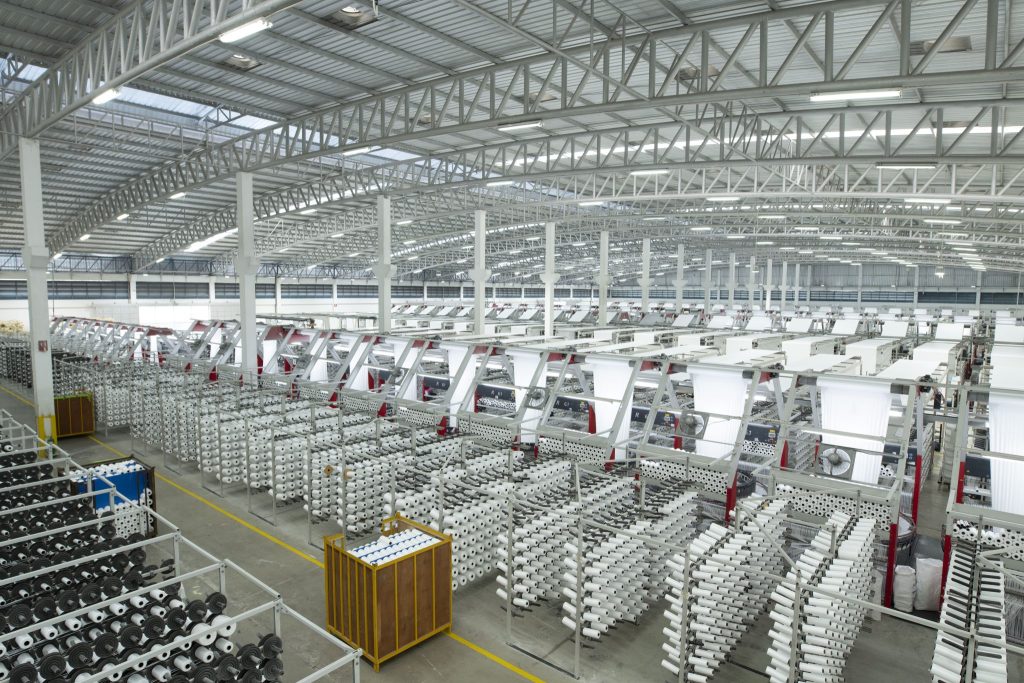
The manufacturing sequence for Laminated Woven Bags is less a line and more a choreography. Resin preparation and extrusion open the dance: food‑grade PP (with optional rPP) is compounded and extruded into slit tapes; melt‑flow index is tracked under ASTM D1238 so flow behavior matches die and draw conditions. Orientation follows—tapes are stretched to raise crystallinity and tenacity, then heat‑set to stabilize dimensional behavior. Over‑draw and you bake brittleness into the future; under‑draw and you leave strength on the table.
Weaving translates tapes into fabric. Circular or flat looms set mesh, pick density, and the rhythm of defects; tape uniformity in width and thickness governs weave regularity, which in turn governs print laydown and puncture resistance. Surface activation then resets the playing field; corona treatment pushes surface energy to ≥38 dynes so laminates and inks can anchor without drama. Lamination bonds a PP or BOPP film of roughly 20–50 μm; bond strength, curl, and haze are tuned for forming machines that will cut, fold, and stitch at pace. Printing—rotogravure or high‑resolution digital—turns the bag into brand billboards; color ΔE targets and rub/scuff testing protect the moment of truth at retail.
Cutting, forming, and sewing close the mechanical loop. Heat‑cut tops reduce fray; block‑bottom or valve constructions influence filling speed, de‑aeration, and pallet cubic efficiency. Stitch architecture—single vs. double fold, stitch density per inch—controls seam strength and dust leakage. Quality and compliance are not afterthoughts but through‑lines: tensile and seam verification (ASTM D5035 and methodical seam tests), migration to EU No 10/2011, hygiene to BRCGS Issue 7, and traceability that actually works in a mock recall.
Horizontally, the route borrows tools and norms from adjacent trades: dyne meters and lamination peel tests from film converting; loom uptime and warp/ weft balance from textiles; HACCP‑style zoning from food plants. Vertically, any drift propagates: a dyne level that decays before printing becomes ink pick‑off; under‑drawn tapes become bag stretch; low stitch density becomes seam splits at the warehouse. Data reinforcement keeps the orchestra in time: on‑line dyne checks, laminate peel targets (e.g., ≥1.5 N/15 mm BOPP‑to‑PP fabric), stitch windows set to the sack standard, and SPC on MFR to detect resin drift. Case analysis in one converter showed that installing in‑line corona and real‑time dyne monitoring cut print defects by more than half while enabling lower solvent‑ink laydowns; comparative study confirms that PP‑only laminates preserve mono‑material status, avoiding sortation headache associated with paper/PE composites.
What is the application of Laminated Woven Bags? (China’s Domestic Demand)
Domestic demand patterns reveal why Laminated Woven Bags have become the default for many categories. Food and agriculture—rice, flour, sugar, salt, pulses, seeds, feed—face two recurring enemies: humidity swings and rough handling. The laminated face keeps moisture at bay and graphics intact, so the product remains saleable after long dwell. Industrial and building materials—cement, gypsum, resins, fertilizers, minerals, charcoal—push different stressors: dust, abrasion, and stack pressure. Valve and block‑bottom formats speed filling and tame de‑aeration; anti‑slip coatings raise friction between layers; UV stabilization extends open‑yard storage. Retail and consumer uses—pet food, garden supplies, reusable totes—leverage photo‑quality BOPP for shelf storytelling while keeping the substrate rugged enough to survive concrete floors and car trunks.
If one takes a horizontal view across categories, the same engineering grammar repeats: denser meshes for fine powders, heavier denier for abrasive products, thicker laminates for scuff‑prone lanes. A vertical view is equally instructive: unit performance is necessary yet insufficient; pallet‑level creep at >35 °C warehouses decides whether stacks lean, arc, or remain disciplined. Data reinforcement from domestic listings shows SKUs clustering at 10 / 25 / 50 kg with widths 300–700 mm and mesh 10×10–14×14—combinations that have proven themselves along the nation’s east‑west logistics spines. Case analysis from a North China feed mill recorded a shift from seven to nine pallet layers after adopting block‑bottom laminated woven constructions, cutting outbound damages while lifting truck cube. Comparative study against paper multiwall finds that moisture regain and tear energy routinely favor Laminated Woven Bags; against PE heavy‑duty films, long‑term stack geometry under radiant‑heat roofs leans toward woven PP.
What is the application of Laminated Woven Bags? (Export & Cross‑Border)
Cross‑border lanes multiply the constraints and thus underline why Laminated Woven Bags are often chosen for rice, fertilizer, pet food, and lawn & garden. ASEAN and South Asia pair high humidity with long warehousing; the laminate’s barrier and the woven substrate’s stiffness keep contents intact and pallets upright. EU and UK buyers scrutinize documentation under EU No 10/2011 and expect plant hygiene consonant with BRCGS Packaging Materials; recyclability assertions travel further when the structure remains mono‑material PP and local sort streams can accept it. In the Americas, summer heat loads make pallet stability and creep resistance decisive; in those conditions, woven PP’s low creep relative to thin PE films pays for itself in avoided claims.
A horizontal mapping shows export compliance touching chemicals policy (REACH), food‑contact rules (EU 10/2011; FDA 21 CFR §177.1520), and logistics standards; a vertical mapping stacks evidence from polymer declarations of compliance and migration reports to print QC records, pallet compression results, and container stowage guidelines. Data reinforcement from buyer RFQs typically calls for tensile and seam certificates, OML 10 mg/dm² reports from accredited labs (SGS, Intertek), and, for FIBC relatives, conformance to ISO 21898:2024. Case analysis from a coastal rice exporter describes a move to transparent BOPP windows within the laminate to showcase grain quality, which lifted shelf pick‑up by double digits without compromising pallet stability. Comparative study recognizes exceptions: where hermetic sealing is non‑negotiable, PE film can be preferred; where humidity, height, and scuff combine, Laminated Woven Bags out‑compete as the balanced compromise.
Quick Spec Sheet (Typical, Commercially Verifiable)
| Parameter | Typical range / option | Technical note |
|---|---|---|
| Fabric weight | 55–140 g/m² | Select by product bulk density and drop‑test targets; avoid over‑engineering beyond creep needs |
| Mesh (warp×weft) | 8×8 – 14×14 | Higher mesh refines print laydown and puncture resistance for fine powders |
| Denier | 650D – 1500D | Heavier denier for abrasive contents or taller stacks; balance with forming stiffness |
| Lamination (PP/BOPP) | 20–50 μm | 25–35 μm common for retail gloss/moisture control without excessive curl |
| Width | 260–750 mm | Align to 10/25/50 kg fills and block‑bottom geometry to optimize pallet cube |
| Printing | Rotogravure / digital | Maintain dyne ≥38; manage ΔE and rub resistance for brand fidelity |
| Testing | ASTM D5035; seam strength | Strip tensile for woven fabric; validate seam architecture under realistic loads |
| Sack standard | GB/T 8946‑2013 | General technical requirements for plastic woven sacks, including inspection rules |
| Food‑contact | FDA 21 CFR §177.1520; EU No 10/2011 | OML 10 mg/dm²; observe SML and NIAS controls via accredited labs |
| Hygiene system | BRCGS Packaging Materials (Issue 7) | GFSI‑benchmarked hygiene and hazard control across converting plants |
| Bulk reference | ISO 21898:2024 | For 500–2,000 kg FIBC relatives sharing resin families |
These ranges mirror live commercial listings and lab norms; final specifications must be sealed by tensile, drop, seam, creep, and migration testing tuned to line speed, climate, and route risk.
A Systems‑Thinking Synthesis: VidePak’s End‑to‑End Solution
Complexity can be tamed without being flattened. For Laminated Woven Bags, VidePak frames the work as four tensions to be balanced and then integrated. Compliance and chemistry control demand that polymer and additive recipes align to FDA 21 CFR §177.1520 and EU No 10/2011, that rPP grades be qualified via migration, and that REACH inventories stay clean under change‑control. Strength versus weight requires a mesh/denier/gsm design grid, designed experiments across lamination thickness, and validation by tensile, seam, drop, and pallet creep checks in heat. Print quality versus recyclability encourages PP‑only laminations, dyne thresholds at ≥38, low‑VOC ink systems, and disciplined ΔE and scuff benchmarks. Plant readiness and the audit trail live or die by BRCGS Issue 7 practices: traceability from resin to pallet, retain samples, corrective‑action loops, and mock recalls that genuinely test the system.
Horizontally, this integrates polymer science, textile engineering, color management, and quality systems into one operating model. Vertically, it cascades from sourcing to shipping: approved‑supplier lists and incoming MFR checks; in‑process dyne and stitch monitoring; outgoing seam analytics; pallet pattern validations under heat to catch creep before the warehouse does. Ask the awkward question—does this sophistication simply move cost around? Only if applied without judgment. The design intent is selective investment: spend where risk falls or sales rise, not everywhere indiscriminately. The result is a mono‑material packaging platform—Laminated Woven Bags—that carries product safely, prints beautifully, audits cleanly, and recycles credibly, not by slogan but by specification.
- What are Laminated Woven Bags? (Definition & Aliases)
- What are the features of Laminated Woven Bags? (Performance & Sustainability)
- What is the production process of Laminated Woven Bags? (From Resin to Retail)
- What is the application of Laminated Woven Bags? (China’s Domestic Demand)
- What is the application of Laminated Woven Bags? (Export & Cross‑Border)
- Quick Spec Sheet (Typical, Commercially Verifiable)
- A Systems‑Thinking Synthesis: VidePak’s End‑to‑End Solution
Introduction
China’s laminated woven bags market is experiencing transformative growth, driven by advancements in polypropylene (PP) material science, adherence to global standards, and innovative additive technologies. With a projected CAGR of 6.8% (2023–2030), the sector is reshaping packaging solutions for industries like agriculture, construction, and chemicals. This report explores how PP resin selection, compliance with international standards, and additive integration are redefining quality in laminated woven bags.
Market Dynamics and Key Applications
Laminated woven bags, primarily made from PP woven fabric coated with BOPP (Biaxially Oriented Polypropylene), dominate China’s packaging industry. These bags are valued for their tensile strength (4.5–5.5 g/denier), moisture resistance, and adaptability to high-speed filling systems. Major applications include:
- Cement and construction materials: 60% of China’s cement packaging relies on laminated PP bags due to their stackability and puncture resistance.
- Agricultural products: Customizable breathability (e.g., 50 mbar air permeability) ensures safe storage for fertilizers and seeds.
- Food-grade packaging: Compliance with FDA and EU regulations for low cadmium and azo-free dyes enables global exports.
Case Study: Tianjin Huajin Group, a leading manufacturer, produces 200,000 tons annually, serving 130+ countries. Their AD*STAR® bags, made with Starlinger machinery, achieve 1.5m drop-test resilience and 6-color printing precision.
Selecting PP Resins: Aligning with Global Standards
Q: How do international standards influence PP resin selection for laminated woven bags?
A: PP grade choice hinges on regional regulations and end-use requirements. Here’s a comparative analysis:
| Standard | Key Requirements | Recommended PP Grade |
|---|---|---|
| ASTM (US) | Tensile strength ≥5.0 g/denier, UV resistance | Homopolymer PP (MFI 2–4) |
| EN (EU) | REACH compliance, low heavy metals | Copolymer PP (MFI 3–6) |
| JIS (JP) | High clarity, recyclability | Random copolymer PP |
| GB (CN) | Azo-free dyes, CE certification | Impact copolymer PP |
Example: For EU markets, Huajin uses copolymer PP with 18–26% elongation to meet EN 13590:2023 standards, ensuring tear resistance during automated filling.
Additives and Fillers: Enhancing Performance
Q: What additives are critical for optimizing laminated woven bags?
A: Anti-UV stabilizers, antioxidants, and nucleating agents are pivotal for durability and compliance.
- Anti-UV Additives:
- Function: Prevent PP degradation under sunlight (common in agricultural storage).
- Data: Bags with 0.5% UV-326 additive retain 90% tensile strength after 1,000 hours of UV exposure.
- Case: Huajin’s “Anti-Skidding” bags integrate UV stabilizers for Australian grain exports, reducing waste by 15%.
- Antioxidants:
- Function: Inhibit thermal oxidation during lamination (temperatures up to 200°C).
- Example: Irganox 1010 (0.3% dosage) extends bag lifespan by 30% in high-humidity environments.
- Nucleating Agents:
- Benefit: Improve crystallinity for better printability and stiffness.
- Impact: Reduces lamination defects by 20% in high-speed production lines.
Compliance and Sustainability
Dialogue: Addressing Common Concerns
Q: How do manufacturers balance cost and regulatory compliance?
A: Tiered production strategies are key. For instance:
- Premium lines: Use FDA-approved PP resins and REACH-compliant dyes for EU/US markets.
- Economy lines: Opt for GB-standard materials with recycled PP content for domestic use.
Q: What sustainability trends are emerging?
A: Recyclable PP blends (e.g., 30% post-consumer resin) and biodegradable additives (e.g., TDPA™) are gaining traction. Huajin’s “EcoStar” line reduces carbon footprint by 40% while maintaining DIN 53857 tensile benchmarks.
Technical Parameters and FAQs
Table 1: Performance Metrics of Laminated Woven Bags
| Parameter | Typical Value | Test Standard |
|---|---|---|
| Tensile Strength | 5.5 g/denier | DIN 53857 |
| Air Permeability | 50 mbar | ISO 5636-5 |
| Drop Test Resistance | 1.5m height | ASTM D5276 |
| Printing Colors | Up to 6 | Pantone Matching System |
FAQs
- Q: How to verify PP resin quality?
- A: Conduct MFI (Melt Flow Index) tests and FTIR spectroscopy to confirm polymer consistency.
- Q: Can laminated bags withstand -20°C storage?
- A: Yes, impact-modified PP grades (e.g., Moplen HP548R) maintain flexibility below freezing.
Future Outlook
China’s laminated woven bag market is poised for innovation, with advancements in smart coatings (e.g., moisture sensors) and automated production (e.g., Starlinger’s AD*STAR® technology) driving efficiency. For brands, aligning with standards like ISO 17025 for lab testing ensures global competitiveness.
External Resources:
- Explore advancements in BOPP laminated woven bags for branding insights.
- Learn how Starlinger technology enhances production scalability.
This report synthesizes technical rigor and market insights to position laminated woven bags as a cornerstone of China’s packaging evolution.