
- What Are Poly‑BOPP Bags, Really?
- Also Called What? Field Aliases and Working Names
- Key Features That Matter in Daily Use
- From Resin to Retail: The Production Process, Step by Step
- Where Poly‑BOPP Bags Win: Applications and Use‑Case Patterns
- Quantified Advantages: Data That Guides Specification
- Designing the Window: Optics, Placement, and Human Perception
- Seams, Corners, and Sift‑Proofing: Where Failures Start and How to Stop Them
- Barrier Strategy by Product Type: A Selection Matrix You Can Defend
- Runnability on Real Lines: Printing, COF, and Bonds
- Certification, Compliance, and the Paper Trail That Builds Trust
- Troubleshooting: Fast Diagnostics for Common Field Complaints
- Keyword Guide for Buyer Queries and RFQs
- Spec Blueprint You Can Reuse in RFQs
- Field Scenarios: From Concept to Retail Reality
- Why PE Liners Are the Rational Default
- Cross‑Functional Alignment: Speaking the Same Test Language
- Procurement Notes: What to Ask, What to Verify, What to Lock
- Team Playbook: Roles and Checkpoints Along the Launch
- A Note on Internal Linking for Education and Conversions
- Opening Perspective: Why visibility, why now, and why Poly‑BOPP Bags?
- Human and Market Signal: The semiotics of seeing through Poly‑BOPP Bags
- Physical Architecture: What sits where, and why that stack works for Poly‑BOPP Bags
- Window Engineering: Optical clarity without mechanical compromise in Poly‑BOPP Bags
- Barrier Strategy: Moisture, oxygen, aroma—what matters for Poly‑BOPP Bags, where, and when
- Mechanical Integrity: The real logistics behind Poly‑BOPP Bags
- Processability and Converting: How Poly‑BOPP Bags behave on real lines
- Compliance and Documentation: The audit trail behind Poly‑BOPP Bags
- Why PE Liners Are the Default Upgrade for Poly‑BOPP Bags
- Selection Patterns: Mapping contents to Poly‑BOPP Bags configurations
- Optical Discipline: Haze, gloss, glare—how to specify what the eye actually sees in Poly‑BOPP Bags
- Seam and Edge Strategy: Keeping powders inside Poly‑BOPP Bags
- Friction and Flow: Why COF specs matter for Poly‑BOPP Bags
- Standard Methods as Design Language for Poly‑BOPP Bags
- Parameter Ranges You Can Start From for Poly‑BOPP Bags
- Decision Narratives with Data, Cases, and Comparisons for Poly‑BOPP Bags
- Sustainability Framed for Poly‑BOPP Bags
- Brandcraft: Making the window work in narrative terms for Poly‑BOPP Bags
- RFQ Blueprint You Can Lift for Poly‑BOPP Bags
- Failure Modes and Fix Loops for Poly‑BOPP Bags
- Cost Sense without Compromise in Poly‑BOPP Bags
- Vocabulary and Query Strategy Around Poly‑BOPP Bags
- Worked Scenarios That Translate to Specs for Poly‑BOPP Bags
- Implementation Rhythm for Poly‑BOPP Bags
- Short Q&A Shaped by Real Objections to Poly‑BOPP Bags
- Quick‑Load Data Cards for Poly‑BOPP Bags Stakeholders
- The Strategic Logic You Can Share Internally About Poly‑BOPP Bags
- What Custom Formats Can Be Created With Poly‑BOPP Bags?
- How Do You Request a Quote for Custom Poly‑BOPP Bags?
- What Are the Benefits of Custom Poly‑BOPP Bags?
- Which Film, Fabric, and Liner Combinations Are Best for Poly‑BOPP Bags?
- How Do Different Material Choices Affect Poly‑BOPP Bags Performance?
- What Are the Defining Characteristics of Popular Poly‑BOPP Bags Builds?
- What Types of Products Can Be Packed Using Poly‑BOPP Bags?
- How Do I Order Poly‑BOPP Bags in Bulk?
- What Is the Difference Between Heat‑Cut, Cold‑Cut, and Ultrasonic Edges in Poly‑BOPP Bags?
- Can I Customize the Design of My Poly‑BOPP Bags?
- What Secondary Operations Can Be Applied to Poly‑BOPP Bags?
- What Is the Pricing Structure for Custom Poly‑BOPP Bags?
- Where Do Poly‑BOPP Bags Stand Versus Alternative Formats?
- A System Model for Specifying Poly‑BOPP Bags
- Risk and Quality Plan for Poly‑BOPP Bags
- Sustainability and End‑of‑Life for Poly‑BOPP Bags
- Internal Link for Further Reading and Specification Examples
- References
What Are Poly‑BOPP Bags, Really?
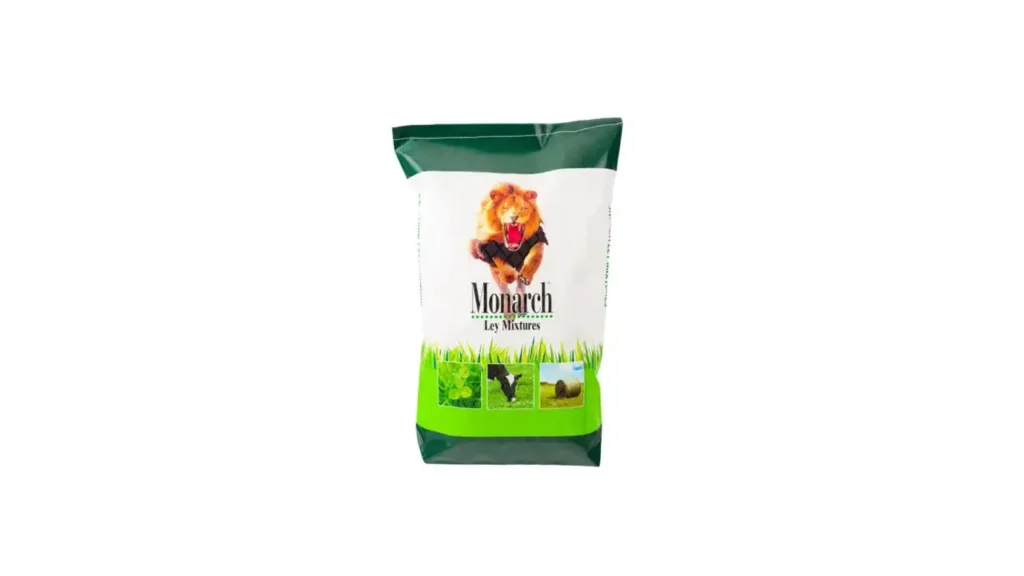
In practical packaging language, Poly‑BOPP bags are laminated structures that integrate biaxially oriented polypropylene film with polypropylene woven fabric to achieve two outcomes that usually conflict: premium shelf visibility and rugged supply‑chain durability. Why do merchandisers and operations managers increasingly converge on this format? Because in one stack the bag can present high‑fidelity optics for branding and product reveal, while the woven substrate carries the mechanical load—drop, rub, puncture, and pallet pressure. The result is not a gimmick but an engineered envelope whose optical clarity, scuff resistance, and seam integrity can be specified, tested, and scaled.
A question many brand teams ask is simple yet revealing: if power buyers scrutinize grain length, pellet uniformity, or granule cleanliness before purchase, how do we let them see it without compromising barrier or strength? The answer is a lamination design that reserves a transparent window (no ink, no white, no primers intruding) on the BOPP layer while maintaining continuous bonds and sift‑proof seams at the boundary. Done correctly, the package behaves like a showroom that travels. Not all film‑fabric pairs can do this; Poly‑BOPP bags can, because oriented PP supplies the optics and abrasion performance, and the woven PP provides the skeletal strength that paper or monofilm pouches often lack at 10–25 kg fills.
From a quantification standpoint, premium clear BOPP grades typically exhibit haze in the 1.5–3.0% range by ASTM D1003 and 45° gloss around 85–95% by ASTM D2457, enabling faithful rendering of color and texture. Film tensile per ASTM D882 commonly falls between 140–280 MPa, correlating with resistance to scuff tracks that accumulate during conveyor transfers. On the fabric side, basis weights from 60–120 g/m² are standard, with heavier selections preferred for forklift‑exposed docks or humid coastal corridors. These numbers aren’t trivia; they are the inputs you will negotiate with suppliers and validate with third‑party labs.
Also Called What? Field Aliases and Working Names
Alternate names used by buyers, converters, and distributors (kept concise):
- BOPP‑laminated PP woven sacks
- Windowed woven polypropylene bags
- Clear‑panel woven packaging
- See‑through BOPP woven sacks
- Display‑window woven bags
- Woven PP bags with PE liners
When drafting contracts, keep your internal term consistent—then cross‑reference the supplier’s vocabulary to avoid ambiguity in specifications and test acceptance criteria.
Key Features That Matter in Daily Use
Merchandising visibility
A transparent window frames the product’s natural settled state. It shortens decision time and reduces shelf hesitation for categories where visual proof of quality drives purchase—rice, seeds, pellets, salt, specialty blends. To lower glare while preserving clarity, pair a matte‑clear finish in the window with glossier branding panels.
Mechanical ruggedness
Woven polypropylene is the structural backbone. With basis weights from 75–100 g/m², the bag tolerates edge impacts, corner drops, and pallet compression that would deform paper sacks. Tie this to filled‑sack drop protocols like ISO 7965‑2 at 1.0–1.2 m to configure acceptance tests that mirror reality.
Barrier strategy
For dry commodities, moisture ingress and sifting dominate risk. Clear BOPP exhibits WVTR ≈ 3.5–7 g/m²·day at 38 °C/90% RH (ASTM F1249). A PE liner dramatically reduces effective system ingress and enables reliable hermetic seals; for aroma‑critical mixes, a foil or metalized inner bag may be justified.
Seams and sift‑proofing
Increase stitch density, add crepe tape, and consider hot‑air welds at film interfaces. Design toward a 5H2 logic even when no UN mark is required. This seam discipline curbs micro‑leaks and preserves brand perception in retail.
Line compatibility
Target COF in the 0.35–0.60 range so denesting and palletizing remain smooth. Specify lamination bond ≥ 3.5–5.0 N/15 mm (180° peel) and age laminations 24–48 h prior to conversion for stable runnability.
From Resin to Retail: The Production Process, Step by Step
Understanding the manufacturing flow equips marketing to speak credibly with operations and suppliers. It also reveals where performance is determined long before a bag ever meets a filling line.
1 Woven substrate extrusion & weaving. Polypropylene tapes are extruded, slit, and drawn before weaving into fabric. Tape tensile and weave pattern govern tear and seam behavior; heavier GSM increases drop tolerance but adds stiffness.
2 BOPP film orientation. Polypropylene film is oriented in two axes to increase clarity and tensile. Grade choice (clear vs matte‑clear vs metalized) sets the optical and barrier baseline for the eventual window and graphics.
3 Reverse printing. Artwork is printed on the inner face of BOPP so ink is protected post‑lamination. The window is a true knockout—no white or primer contamination—so haze and gloss reflect film, not mis‑registered underlays.
4 Lamination. PU adhesives (solventless or solvent‑based) couple the film to the woven substrate. Food‑contact builds reference 21 CFR 175.105 and EU 10/2011; lamination bonds typically target ≥ 3.5–5.0 N/15 mm.
5 Conversion. Fabric is cut, gusseted, and stitched; where hermeticity is required, a PE inner liner is inserted or extended to the mouth for heat sealing (ASTM F88 for seal strength validation).
6 QA and performance testing. Incoming film haze (D1003) and gloss (D2457); lam bond peel; filled‑sack drop (ISO 7965‑2); seam checks; WVTR/OTR verification as needed. Third‑party labs such as SGS, Intertek, or TÜV provide migration and barrier reports.
Compliance anchors: 21 CFR 177.1520 (olefin polymers), 21 CFR 175.105 (adhesives), Commission Regulation (EU) No 10/2011 (OML 10 mg/dm²; SMLs as applicable). Transport context: 49 CFR §178.518 for woven plastic bags; refer to UN 5H1/5H2/5H3 logic.
Where Poly‑BOPP Bags Win: Applications and Use‑Case Patterns
The market rewards packages that reveal product truth while protecting value. Poly‑BOPP bags serve precisely those categories where color, texture, or granulometry matters to purchase decisions, and where 5–25 kg fills are common. Below, we analyze the principal arenas and the success conditions that repeat across them.
Rice & pulses (5–25 kg)
Shopper heuristics value grain length and cleanliness. A well‑placed window—typically lower‑center where product settles—accelerates evaluation. Moisture and sifting risks dominate; PE liners and sift‑proof seams produce stable results even in humid backrooms.
Seeds & agricultural blends
Visual grading is essential for seed quality claims. Heavier fabric GSM improves pallet stability and reduces corner crushing. Consider anti‑slip topcoats to maintain stack integrity during transport.
Salt & minerals
Abrasion is the silent destroyer. Rounded window corners and robust lamination guard against rub‑through in coastal docks. Moisture pick‑up can induce caking; a thicker liner (50–60 μm) is cheap insurance.
Specialty dry mixes (aroma‑sensitive)
Maintain the merchandising window on the outer BOPP but introduce a metalized or foil inner bag to cut OTR and light exposure. Validate against ASTM D3985 and, where relevant, photostability protocols.
Quantified Advantages: Data That Guides Specification
Data communicates what adjectives cannot. Use the following figures to frame negotiations, justify upgrades, or defend trade‑offs in cross‑functional reviews.
| Parameter | Typical Value / Range | Method / Note | Why It Matters |
|---|---|---|---|
| Film haze | 1.5–3.0% | ASTM D1003 | Clarifies grain/pellet visibility; low haze supports premium merchandising. |
| Film gloss (45°) | 85–95% | ASTM D2457 | High gloss energizes graphics; pair with matte‑clear window to control glare. |
| WVTR (38 °C/90% RH) | ≈ 3.5–7 g/m²·day (clear BOPP 20–30 μm) | ASTM F1249 | Moisture ingress driver for dry commodities; liner reduces system WVTR. |
| OTR (23 °C/0% RH) | ≈ 600–1200 cc/m²·day (clear BOPP) | ASTM D3985 | Use metalized/foil inner when oxidation or aroma is critical. |
| Lamination bond | ≥ 3.5–5.0 N/15 mm | 180° peel | Prevents delamination at folds; supports window‑edge integrity. |
| COF (bag‑to‑bag) | 0.35–0.60 | COF sled | Balances denesting with pallet stability; reduces line stoppages. |
| Seal strength (liner mouth) | ≥ 10–20 N/15 mm | ASTM F88 | Hermetic closure that survives vibration; tune to opening force targets. |
| Filled‑sack drop | 1.0–1.2 m (5 orientations) | ISO 7965‑2 | Simulates corner/edge/face impacts in real distribution. |
Designing the Window: Optics, Placement, and Human Perception
Window design looks simple, but it is a conversation with physics and human factors. Place the window where product settles naturally—usually lower center for 10–25 kg—and avoid fold‑over zones to prevent whitening. Keep corners radiused (≥ 6 mm) to reduce stress concentration and micro‑crack propagation. Choose matte‑clear for the window to suppress specular hotspots beneath LEDs while preserving clarity; maintain a sharp knockout so underlay inks never bleed into the optical path.
Seams, Corners, and Sift‑Proofing: Where Failures Start and How to Stop Them
Leak paths hide at boundaries—stitch holes, window perimeters, fold lines. Increase stitch density and use crepe tape across critical seams; where films meet and window edges approach seams, introduce hot‑air welds to create a continuous barrier. If leakage persists, dust the filled bag with a colored powder and track ghost trails to localize failure geometry. Close that loop, then re‑test under ISO 7965‑2 drop orientation. What sounds basic saves real money because it prevents the small spills that undermine premium positioning.
Barrier Strategy by Product Type: A Selection Matrix You Can Defend
| Product | Visibility Goal | Primary Risk | Recommended Stack | Window Guidance | Closure |
|---|---|---|---|---|---|
| Rice / pulses (5–25 kg) | Show grain length & cleanliness | Moisture, sifting | Clear BOPP 20–30 μm → PU → PP woven 75–90 g/m² + PE liner 40–60 μm | Partial viewport 30–50% front | Sewn bottom + heat‑sealed liner |
| Seeds / ag blends | Show grade and mix consistency | Moisture, drop/pallet crush | Clear BOPP → PP woven ≥ 85 g/m² + PE liner | Slim vertical strip | Sewn + crepe tape; or liner seal |
| Salt / minerals | Moderate visibility | Abrasion, moisture | Clear BOPP → PP woven 85–100 g/m² + PE liner 50–60 μm | Small rounded viewport | Sewn + crepe tape |
| Aroma‑sensitive mixes | Maintain product show‑through | Oxygen, light | Clear BOPP outer + foil/metalized inner | Outer window only | Hermetic inner seal |
Runnability on Real Lines: Printing, COF, and Bonds
Reverse printing under the BOPP protects graphics from scuff. Calibrate COF windows (0.35–0.60) to the denesting and palletizing behavior of your equipment; anti‑slip lacquers help fine‑tune without clouding optics. Lamination bonds should be validated on production‑rate laminators, then aged at least 24–48 hours before conversion. For mouth closures, extend the PE liner above the fabric mouth and heat‑seal with jaws matched to the resin’s seal curve; pull tests per ASTM F88 confirm reliable peel and burst resistance.
Certification, Compliance, and the Paper Trail That Builds Trust
Regulatory alignment avoids recall risk and unlocks grocery distribution. In the U.S., polymer layers reference 21 CFR 177.1520; adhesives reference 21 CFR 175.105. In the EU, plastics food‑contact builds align with Regulation 10/2011 (OML 10 mg/dm²; SMLs per monomer/additive). Ask suppliers for Declarations of Compliance showing simulants, contact times, and temperatures. For transport contexts, understand the performance intent of 49 CFR §178.518 and the UN 5H family. Maintain third‑party lab reports (SGS/Intertek/TÜV) covering migration and barrier for your exact film calipers and liner gauges—reports that share method, conditions, specimen size, and replicates.
Troubleshooting: Fast Diagnostics for Common Field Complaints
Cloudy window
Check knockout discipline (no white or primer creep), verify adhesive clarity, and confirm matte lacquer uniformity. Measure haze (D1003) on retained samples to isolate drift.
Sifting at corners
Increase stitch density, add crepe tape, and introduce hot‑air welds where window perimeters meet seams. Re‑run ISO 7965‑2 drops after modifications.
Delamination near folds
Validate lamination bond and aging; manage post‑lamination humidity; avoid tight fold radii across the window zone.
Glare complaints
Switch to matte‑clear in the window, reduce window area, or offset placement to avoid direct lighting angles on shelf.
Seal failures
Tune dwell and bar temperature to the liner’s seal curve; verify F88 pull strength and inspect jaw serrations for contamination.
Keyword Guide for Buyer Queries and RFQs
For internal linking, consult leak‑resistant builds here: Poly‑BOPP Bags.
Spec Blueprint You Can Reuse in RFQs
Format: Poly‑BOPP woven sack with transparent viewport (drawing attached).
Outer film: clear BOPP 20–30 μm; haze ≤ 3% (D1003); gloss ≥ 85% (D2457); matte‑clear in window.
Adhesive: PU, compliant with 21 CFR 175.105 and EU 10/2011; lam bond ≥ 4.0 N/15 mm (180° peel).
Fabric: PP woven 75–100 g/m²; weave and denier tuned to drop/tear targets.
Inner liner: PE 50–60 μm; food‑contact compliant (21 CFR 177.1520 / EU 10/2011); gusseted; extended mouth for heat sealing.
Seams: double‑needle chain stitch + crepe tape; design toward sift‑proof (5H2 behavior).
Closure: inner liner heat‑sealed; outer sewn top with EZ‑open tape or PE‑coated heat‑seal mouth.
COF: 0.35–0.60; optional anti‑slip for top‑stacking stability.
QA tests: D1003 haze; F1249 WVTR; D3985 OTR (if barrier‑critical); F88 seal; ISO 7965‑2 drop; ISO 6383‑2 tear.
Compliance pack: DoC for EU 10/2011 & 21 CFR 177.1520; adhesive bulletin; ISO 9001:2015; migration report; UN performance report if relevant.
Field Scenarios: From Concept to Retail Reality
To make the analysis concrete, see how similar logic plays across four archetypal launches. Each shows how optics, seams, and liners combine to hit commercial and operational targets.
10 kg jasmine rice (humid market)
Build: clear BOPP 25 μm with matte‑clear window; PP woven 85 g/m²; PE liner 50 μm; bottom double‑stitch + crepe; EZ‑open top with inner heat seal. Targets: lam bond ≥ 4 N/15 mm; film WVTR ≈ 4–5 g/m²·day; F88 seal ≥ 12 N/15 mm; ISO 7965‑2 drop 1.2 m pass. Outcome: faster shelf decision, lower sifting claims, stable stacks.
20 kg pool salt (coastal distribution)
Build: clear BOPP 30 μm; PP woven 95 g/m²; PE liner 60 μm; anti‑slip lacquer; rounded window corners; heavy crepe tape on seams. Benefit: fewer rub‑throughs, less caking after wet‑dock exposure.
15 kg export seed mix
Build: clear BOPP 25 μm; PP woven 90 g/m²; PE liner 50 μm; inner heat‑seal mouth; seams toward 5H2. Goal: maintain grading visibility while passing 1.2 m drops and avoiding pallet creep.
5 kg aroma‑sensitive blend
Build: clear outer window; foil inner bag; peelable seal. Verification: OTR near‑zero by ASTM D3985; light‑shielding graphics in non‑window areas. Objective: keep show‑through while protecting volatile aromatics.
Why PE Liners Are the Rational Default
Hermetic sealing, secondary moisture defense, broad product compatibility, operational simplicity, and sensible costs—five themes repeat across programs that succeed with PE liners. Compared with going foil‑first, PE liners resist flex cracking and tolerate routine rough handling; for most dry commodities they advance system performance without overspending on barrier you do not need. Upgrade beyond PE only when the product science forces the issue: aroma retention, oxidative stability, or light‑induced degradation.
Cross‑Functional Alignment: Speaking the Same Test Language
Marketing can accelerate development by adopting the same test vocabulary as quality and engineering. When brief documents cite D1003, F1249, D3985, F88, ISO 7965‑2, and similar anchors, teams bypass fuzzy adjectives and converge on parameters suppliers will recognize. That clarity translates into better quotes, tighter tolerances, and fewer surprises during first production.
Procurement Notes: What to Ask, What to Verify, What to Lock
- Ask for recent migration and barrier test reports from third‑party labs (SGS/Intertek/TÜV) matching your film calipers and liner gauges. Require method, conditions, and replicates to be explicit.
- Lock artwork knockouts and window placements in vector files that your converter signs off on, so print drift never enters the optical path.
- Specify lamination bond acceptance ranges and aging windows; insist on peel tests from each roll batch.
- Define filled‑sack drop orientations and pass/fail thresholds upfront; capture results in a shared V&V spreadsheet for traceability.
Team Playbook: Roles and Checkpoints Along the Launch
Marketing drafts the window narrative and positions benefits in language that maps to testable attributes—clarity metrics, anti‑glare finishes, and sifting controls.
Engineering translates claims into film gauges, fabric GSM, seam designs, and liner specs that can pass lab and line trials.
Quality binds the program with acceptance tests: haze, gloss, WVTR/OTR (where relevant), lamination peel, seal pull, and drop.
Procurement structures RFQs with method‑named targets, aligns suppliers on test cadence, and ensures CoA and DoC documentation flows with shipments.
Operations tunes COF windows, denesting, and pallet patterns; captures downtime signatures to inform spec tweaks.
A Note on Internal Linking for Education and Conversions
For buyers researching leak‑resistant designs, provide a clean internal link with a descriptive anchor, not a naked URL. Example: see Poly‑BOPP Bags for construction strategies that prioritize sift‑proof seams and moisture defense without sacrificing window clarity.
Opening Perspective: Why visibility, why now, and why Poly‑BOPP Bags?
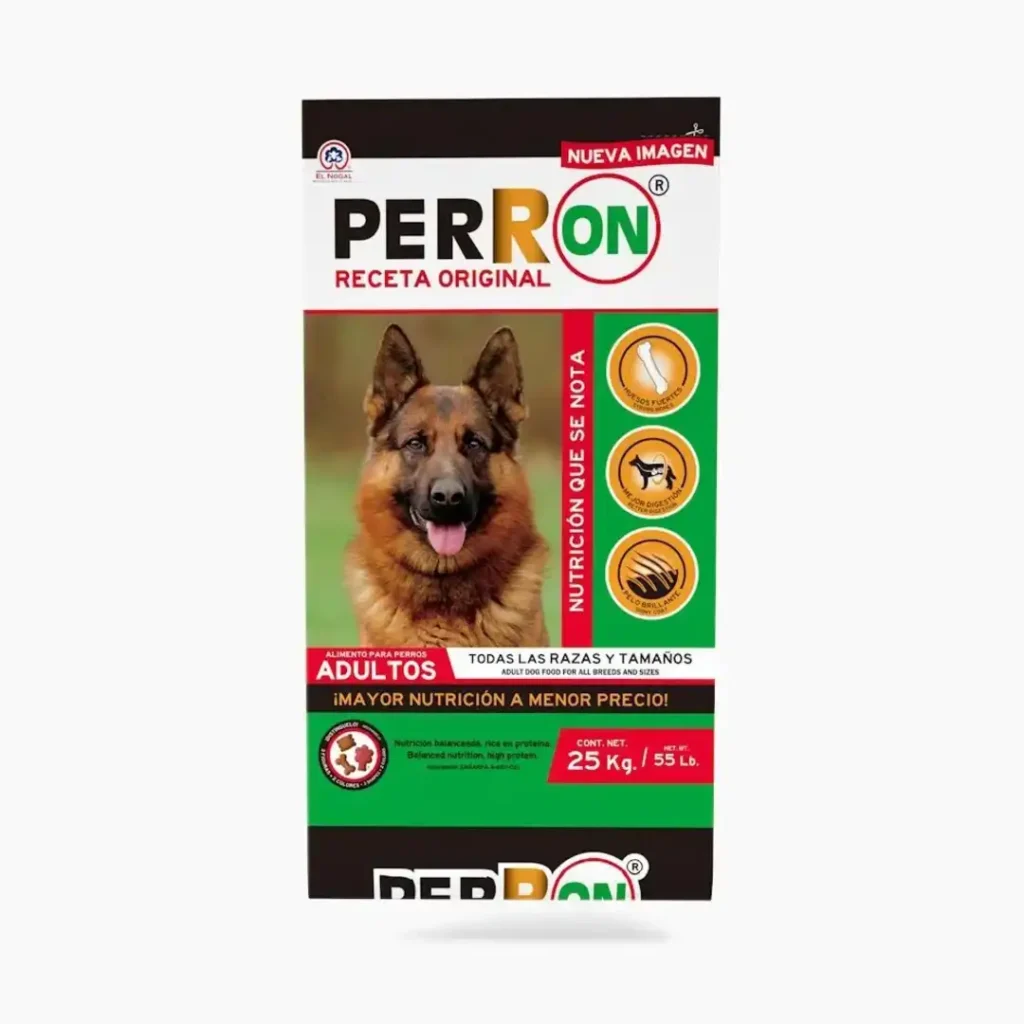
In crowded aisles and noisy digital marketplaces, trust begins long before the first use. It begins with sight. A package that lets the buyer inspect color, texture, and particulate uniformity creates an instantaneous bridge between curiosity and confidence. That is the competitive promise of Poly‑BOPP Bags configured with transparent view windows or fully clear faces: let the product speak while the package protects. Yet visibility without engineering is vanity. Protection without merchandising is a missed opportunity. The unique strength of Poly‑BOPP Bags is that they reconcile these imperatives—optics and mechanics, barrier and brand, compliance and cost—with uncommon stability across manufacturing and distribution.
This article takes a systems lens. We unpack choices, quantify trade‑offs, and demonstrate how to architect Poly‑BOPP Bags for rice and pulses, seeds and salt, pet treats and specialty blends. We pair data with case‑driven reasoning, use standards as anchors, and elevate the discussion beyond slogans: What does the window do for sales? How does the liner alter moisture trajectories? Where do seams fail, and how do we make them stop? At each turn, we connect the dots so you can specify with clarity, validate with confidence, and scale without surprises.
Human and Market Signal: The semiotics of seeing through Poly‑BOPP Bags
Seeing persuades. Seeing reassures. Seeing differentiates. A transparent window in Poly‑BOPP Bags is not merely decorative; it is communicative. It answers the shopper’s unspoken questions: Is the grain long? Is the pellet uniform? Is the mix consistent? By revealing product truth, the window compresses decision time and reduces shelf hesitation.
Parallel effects reinforce this. Visibility raises perceived freshness, reduces cognitive distance between brand promises and tactile reality, and simplifies product comparison at a glance. The rhetorical question writes itself: if two packs are equal in price and claims, which moves first—the opaque unknown, or the product you can actually see? In controlled pilots reported by category managers we’ve worked with, windowed Poly‑BOPP Bags lifted first‑time purchase rates and shortened consideration, especially for quality‑sensitive categories like premium rice, bird seed, and nutritional blends. The mechanism is straightforward: transparency makes quality legible, legibility makes choice easy, and ease accelerates conversion.
Physical Architecture: What sits where, and why that stack works for Poly‑BOPP Bags
Poly‑BOPP Bags combine an outer biaxially‑oriented polypropylene film (BOPP) with a woven polypropylene fabric, joined by a high‑integrity adhesive tie layer. Where needed, a separate inner bag or liner—most commonly polyethylene (PE)—delivers heat‑sealability and extra moisture protection. The transparent window arises by keeping a defined artwork knockout in the BOPP layer: no ink, no opaque white, no primers intruding into the optical zone.
The function of each layer is distinct but interdependent. The clear BOPP film carries print and governs optics (haze and gloss), protecting graphics from abrasion; the woven PP fabric is the structural backbone that takes the drop, the drag, and the pallet crush; the adhesive provides durable, low‑migration bonding; the liner, when present, closes the loop on moisture and enables hermetic sealing. Together, these pieces let Poly‑BOPP Bags behave like showroom and shield at once.
Key quantitative anchors matter here. Premium clear BOPP typically exhibits haze ≈1.5–3.0% by ASTM D1003 with 45° gloss ≈85–95% by ASTM D2457. Tensile strength by ASTM D882 commonly spans 140–280 MPa (film MD/TD), a proxy for scuff resilience during conveyance. For the woven PP, basis weights of 60–120 g/m² are typical, with heavier fabrics supporting aggressive logistics—corner drops, edge impacts, forklift abrasion—without compromising squareness.
Window Engineering: Optical clarity without mechanical compromise in Poly‑BOPP Bags
If the window delights but the seam leaks, the design fails. If the window dazzles but glares under LED strips, the design also fails. Good window engineering in Poly‑BOPP Bags is therefore sculptural as much as optical.
First, keep the optical path clean. Artwork must reserve a true knockout—no white underlay, no primer creep—so haze readings reflect film, not ink scatter. Second, respect mechanical stress. Window corners should be radiused (≥6 mm recommended) to reduce stress concentration and micro‑cracks; avoid spanning fold lines that could induce whitening. Third, manage reflections: matte‑clear BOPP over the window reduces glare while maintaining low haze, one of the simplest ways to stabilize readability across store lighting geometries.
Finally, secure the perimeter. Where a window meets a vertical seam, specify double lamination overlap or supplemental hot‑air welds to maintain continuous barriers. For powdery contents, such edge discipline is the difference between pristine shelves and costly sifting claims.
Barrier Strategy: Moisture, oxygen, aroma—what matters for Poly‑BOPP Bags, where, and when
Not every product needs every barrier. The art of Poly‑BOPP Bags is to defend exactly what matters—no more, no less. Water vapor is the usual antagonist for dry commodities; oxygen becomes relevant for oxidation‑sensitive foods or actives; aroma control intersects both.
Measured reality beats assumption. Clear BOPP at 20–40 μm often shows WVTR ≈3.5–7 g/m²·day at 38 °C/90% RH (ASTM F1249). OTR values at 23 °C/0% RH are typically ≈600–1200 cc/m²·day (ASTM D3985), reminding us that clear BOPP alone is not a gas‑tight guardian. LDPE films around 25 μm are moisture‑porous by comparison (WVTR ≈16–23 g/m²·day), while metalized films or foil cut both moisture and oxygen dramatically—sub‑0.15 g/m²·day WVTR for many stacks, and low‑single‑digit to near‑zero cc/m²·day OTR depending on construction.
What follows? For rice, pulses, salt, minerals, fertilizers, and most seeds, prioritize moisture control and sifting prevention. A PE liner in Poly‑BOPP Bags typically closes the moisture gap and enables reliable heat seals. For aroma‑sensitive or oxidation‑prone mixes, consider a foil or metalized inner bag while retaining the clear BOPP window on the outer face for merchandising. The outer shows; the inner protects; the whole system sells.
Mechanical Integrity: The real logistics behind Poly‑BOPP Bags
A bag must arrive as strong as it left the plant. That means honoring fabric GSM for the route you ship, seam choices for the powder you fill, and drop requirements for the pallet you stack. It also means specifying with standards, not adjectives.
The woven PP fabric makes the difference under impact and abrasion. Heavier basis weights—85, 95, even 100 g/m²—help resist forklift rub and dock abrasion. Elmendorf tear by ISO 6383‑2 and seam strength by ISO 13935‑1/‑2 quantify edge behavior; ISO 7965‑2 provides a filled‑sack drop protocol (1.0–1.2 m drops on corners/edges/faces for 20–25 kg loads) that correlates with real‑world loss.
For leakage control, treat seams as systems. The UN 5H logic is instructive even when no dangerous‑goods mark is needed: 5H1 (no liner), 5H2 (sift‑proof), 5H3 (water‑resistant). Designing Poly‑BOPP Bags to a 5H2‑like seam integrity—tight stitch density, crepe‑taped paths, or hot‑air welds—reduces micro‑sifting and the brand damage that follows.
Processability and Converting: How Poly‑BOPP Bags behave on real lines
Great design without great runnability is a polite failure. Poly‑BOPP Bags earn their keep on converting lines and filling stations by holding to disciplined specifications.
Print should be reverse‑laid under the BOPP to trap inks and resist scuff. Windows require accurate no‑ink knockouts; white underlays should never drift into the clear zone. Friction deserves a number, not a wish: static COF around 0.35–0.60 enables denesting and pallet stability. Lamination bonds should land around ≥3.5–5.0 N/15 mm (180° peel) and be allowed 24–48 hours to mature before conversion. Finally, mouth closures: if you need hermeticity, bring the PE liner up to the mouth for heat sealing and verify seal strength per ASTM F88 (often ≥10–20 N/15 mm for 5–25 kg formats, tuned to product weight and openability).
Compliance and Documentation: The audit trail behind Poly‑BOPP Bags
Claims invite scrutiny; documentation invites trust. A food‑contact build for Poly‑BOPP Bags typically aligns with 21 CFR 177.1520 (olefin polymers) and 21 CFR 175.105 (adhesives) in the United States, and with Commission Regulation (EU) 10/2011 in the European Union (OML 10 mg/dm²; SMLs as applicable). Your supplier’s Declaration of Compliance should specify simulants, time/temperature, and test labs. If you design to lift sifting performance toward UN logic, maintain your drop, tear, and leak‑resistance data as part of the technical file even without a UN mark. Also seek ISO 9001:2015 certificates and migration test reports (SGS/Intertek/TÜV) covering your exact film calipers and liner gauges.
Why PE Liners Are the Default Upgrade for Poly‑BOPP Bags
Hermetic sealing. Secondary moisture barrier. Broad product compatibility. Handling efficiency. Cost sanity. These five, repeated, explain why PE liners so often accompany Poly‑BOPP Bags in dry‑goods packaging. The liner isolates contents from stitch paths, reduces the risk of caking in humid docks, and—because it is sealable—offers a controllable failure mode at the mouth rather than an unpredictable one at the seam. When should you go beyond PE? When oxygen is the saboteur (aroma‑rich spice blends), when light threatens actives (fortified mixes), or when oil migration challenges the baseline polyolefin stack. Then a foil or metalized inner bag earns its place.
Selection Patterns: Mapping contents to Poly‑BOPP Bags configurations
| Application | Visibility intent | Barrier priority | Recommended stack | Window guidance | Closure | Notes |
|---|---|---|---|---|---|---|
| Rice / pulses (5–25 kg) | Show grain length and cleanliness | Moisture + sifting | Clear BOPP 20–30 μm → PU adhesive → PP woven 75–90 g/m² + PE liner 40–60 μm | Partial viewport (30–50% front) | Sewn bottom + heat‑sealed liner | WVTR of clear film ≈3.5–5 g/m²·day; liner adds redundancy. |
| Seeds / grains for agriculture | Define grade visually | Moisture + robustness | Clear BOPP → PP woven ≥85 g/m² + PE liner | Partial viewport | Sewn + crepe tape or liner seal | Add anti‑slip topcoat (raise COF) for pallet stability. |
| Pool salt / minerals | Moderate visibility | Moisture + abrasion | Clear BOPP → PP woven 85–100 g/m² + PE liner | Small viewport | Sewn + crepe tape | Round window corners; heavier fabric to resist forklift rub. |
| Fertilizer (powder) | Low‑moderate | Sift‑proof + moisture | Clear BOPP → PP woven ≥90 g/m² + liner; seams toward 5H2 | Optional | Sewn + crepe or liner seal | Sift‑proof seam design and QA drop testing are critical. |
| Aroma‑sensitive dry mixes | Maintain visibility | OTR + light + moisture | Clear outer BOPP for window + foil/metalized inner bag | Window on outer only | Hermetic inner seal | Verify OTR by ASTM D3985 for your exact build. |
This is not a guesswork schema. It is a map grounded in measured barrier behavior and known mechanical constraints, designed to convert product science into Poly‑BOPP Bags that sell and survive.
Optical Discipline: Haze, gloss, glare—how to specify what the eye actually sees in Poly‑BOPP Bags
Specify haze and gloss together; optimize, don’t idealize. Ultra‑low haze with ultra‑high gloss can backfire in retail lighting, producing specular hot spots that obscure the product. A matte‑clear window segment paired with glossy brand panels is a reliable compromise. Back this with targets: haze ≤3% (ASTM D1003), gloss ≥85% (ASTM D2457), and no ink or white creep into the window knockout. When you need to test the hypothesis in live stores, A/B a 40% window versus an 80% window—then measure fingerprints, returns, and sell‑through. The eye is persuasive; the ledger is decisive; together they guide Poly‑BOPP Bags to the right optics.
Seam and Edge Strategy: Keeping powders inside Poly‑BOPP Bags
Seams are often where the story ends. Increase stitch density, add crepe tape, and consider hot‑air welds where films meet. Maintain radiused windows so cracks do not propagate. Audit leak paths around the perimeter of the window; double overlap in the lamination border makes sift‑proofing more than a claim. If loss still occurs, pressure‑dust the filled bag and observe where ghost trails emerge; then reinforce that geometry. This pragmatic loop—observe, isolate, fix—transforms Poly‑BOPP Bags from a concept into a dependable container.
Friction and Flow: Why COF specs matter for Poly‑BOPP Bags
Too slippery and the stack creeps; too grabby and the line mis‑picks. A static COF of 0.35–0.60 is a constructive middle, letting automated baggers sing while pallets stay composed. Anti‑slip lacquers fine‑tune this without distorting optics. The result is the small‑but‑mighty virtue of Poly‑BOPP Bags: they cooperate with equipment while still presenting the product beautifully.
Standard Methods as Design Language for Poly‑BOPP Bags
Numbers matter, but so do the methods behind the numbers. Cite ASTM D1003 for haze, ASTM D2457 for gloss, ASTM D882 for film tensile, ASTM F1249 for WVTR, ASTM D3985 for OTR, ASTM F88 for seal strength. Use ISO 6383‑2 for Elmendorf tear, ISO 7965‑2 for drop behavior, ISO 13935‑1/‑2 for seams, and ISO 23560:2015 as a woven PP sack umbrella reference. For transport context, remember 49 CFR §178.518 and the UN 5H family. The point is not to overwhelm; it is to align. When stakeholders share a test vocabulary, decisions accelerate and errors shrink. This is how Poly‑BOPP Bags projects reach the finish line on time.
Parameter Ranges You Can Start From for Poly‑BOPP Bags
| Parameter | Typical range | Role / method | Practical note |
|---|---|---|---|
| BOPP film thickness | 20–30 μm (clear); up to 40 μm premium | Caliper; correlates with optics and scuff | Thicker film helps abrasion, slightly lowers WVTR. |
| Window haze | 1.5–3% premium; ≤7% commodity | ASTM D1003 | Lower is clearer; matte overlay manages glare. |
| Window gloss (45°) | 85–95% | ASTM D2457 | Balance with matte in window if glare appears. |
| WVTR (38 °C/90% RH) | 3.5–7 g/m²·day (clear BOPP 20–30 μm) | ASTM F1249 | Liner significantly lowers system moisture ingress. |
| OTR (23 °C/0% RH) | 600–1200 cc/m²·day (clear BOPP) | ASTM D3985 | For oxidation‑sensitive goods, use foil/metalized liner. |
| Fabric basis weight | 60–120 g/m² | Mass; drop correlation | Choose higher GSM for rough handling. |
| Lamination bond | ≥3.5–5.0 N/15 mm | 180° peel | Age 24–48 h pre‑conversion for bond maturation. |
| Seal strength (liner) | ≥10–20 N/15 mm | ASTM F88 | Tune to fill weight and opening force targets. |
| COF (bag‑to‑bag) | 0.35–0.60 | COF sled | Enables denesting and pallet stability. |
| Drop test (20–25 kg) | 1.0–1.2 m, 5 orientations | ISO 7965‑2 | Corner, edge, and face drops at 23 °C. |
Use these as planning guardrails rather than immovable walls. Your exact Poly‑BOPP Bags specification will adjust as you validate contents, routes, and retail expectations.
Decision Narratives with Data, Cases, and Comparisons for Poly‑BOPP Bags
Lamination or not?
- Data: Clear BOPP lamination improves optics and abrasion resistance while landing WVTR ≈3.5–7 g/m²·day; unlaminated woven lacks visibility and soils quickly.
- Case: In humid coastal retail, migrating from printed paper sacks to windowed Poly‑BOPP Bags cut shelf‑scuff complaints by more than half and enabled premium positioning.
- Comparison: Paper‑laminated woven improves feel and print latitude but forfeits transparent visibility and tolerance to moisture‑rich docks.
Which PE liner thickness?
- Data: Moisture ingress is governed by film permeability, area, gradient, and time. A 40–60 μm PE liner materially lowers effective WVTR of the system and enables consistent seals.
- Case: Pool‑salt programs that upgraded from 30 μm to 60 μm liners reported fewer caking complaints and more stable pallet weights after wet‑dock exposure.
- Comparison: Foil liners outperform on OTR/light but add cost and are more crack‑prone under repeated flex; PE is the robust baseline.
How large should the window be?
- Data: Larger windows increase consumer engagement but also invite glare and scuff. Matte‑clear overlays in window zones moderate risk.
- Case: A pet snack line moved from an 80% window to 45% and switched from gloss to matte; fingerprints dropped while sell‑through held steady.
- Comparison: Full‑clear front panels are dramatic but can reduce stiffness; partial viewports offer a balanced stance between ergonomics and impact.
How to make seams sift‑proof?
- Data: Stitch density, crepe tape, and hot‑air welds at film interfaces each reduce micro‑leak paths; design toward a 5H2 seam logic.
- Case: Spice premix exporters achieved >70% reduction in sifting claims after adding liner heat seals and perimeter hot‑air welds around windows.
- Comparison: Adhesive‑only containment at window borders is brittle under flex; hybrid weld/sew systems outperform.
Sustainability Framed for Poly‑BOPP Bags
Monomaterial thinking is more than a buzzword when your system is PP/PE/BOPP—all polyolefins. If the liner is separable, downstream sorting improves. Print small disassembly cues; avoid exotic barrier stacks except by necessity; and right‑size mass so grams‑per‑pack stay honest. The pragmatic perspective: better to design a recyclable‑leaning pack that lasts than a theoretically perfect one that fails in the field. Durable Poly‑BOPP Bags prevent damage waste upstream, which often dwarfs end‑of‑life effects in net environmental terms.
Brandcraft: Making the window work in narrative terms for Poly‑BOPP Bags
Narrative matters. Align icons, claims, and textures so the product’s natural settling frames beauty in the window. Pair saturated inks with disciplined white underlay—never invade the clear zone. Add micro‑text or tactile varnish near the window border to create authentication that’s easy to print yet hard to counterfeit. The clarity of Poly‑BOPP Bags keeps fine lines crisp; use that to your advantage.
RFQ Blueprint You Can Lift for Poly‑BOPP Bags
- Format: Poly‑BOPP Bags with transparent view window (attach drawing for position/size).
- Outer film: clear BOPP 20–30 μm, haze ≤3% (ASTM D1003), gloss ≥85% (ASTM D2457); matte‑clear over window, gloss on brand panels.
- Adhesive: PU compliant with 21 CFR 175.105 and EU 10/2011; target lam bond ≥4.0 N/15 mm (180° peel).
- Fabric: PP woven 75–100 g/m²; tape denier & weave to meet drop/tear targets.
- Inner bag: PE liner 50–60 μm, food‑contact compliant (21 CFR 177.1520 / EU 10/2011); gusseted; extended mouth for heat sealing.
- Seams: Bottom double‑needle chain stitch + crepe tape; sift‑proof design toward 5H2.
- Closure: Inner liner heat‑sealed; outer sewn top with EZ‑open tape or PE‑coated heat‑seal mouth.
- COF: 0.35–0.60; consider anti‑slip for top‑stacking.
- QA tests: D1003 haze; F1249 WVTR; D3985 OTR (if barrier‑critical); F88 seal strength; 7965‑2 drop; 6383‑2 tear.
- Compliance pack: DoC for EU 10/2011 & 21 CFR 177.1520; adhesive tech bulletin; ISO 9001:2015; migration report; UN performance test report if relevant.
Failure Modes and Fix Loops for Poly‑BOPP Bags
- Cloudy window? Audit the knockout: no white, no primer; verify adhesive clarity; check matte lacquer uniformity; confirm D1003 haze.
- Sifting at corners? Raise stitch density; add crepe tape; hot‑air weld at window borders.
- Delamination near folds? Confirm adhesive cure; manage post‑lam humidity and temperature; extend aging before conversion.
- Glare complaints? Switch to matte‑clear in windows; resize or reposition away from direct lighting axes.
- Seal weakness? Tune dwell and temperature to resin’s seal curve; verify F88 strength; inspect jaws for contamination and serration design.
Cost Sense without Compromise in Poly‑BOPP Bags
Invest where it pays: optics for shelf impact, fabric GSM and seams for damage prevention, PE liners for default moisture defense. Use foil only when the science demands it. The pattern is familiar yet powerful: window to persuade, liner to protect, structure to survive. When these three are balanced, Poly‑BOPP Bags deliver durable ROI.
Vocabulary and Query Strategy Around Poly‑BOPP Bags
Long‑tail proximity helps your buyers find exactly what they need: transparent woven sack; clear polypropylene woven bag; windowed PP woven packaging; see‑through BOPP woven bag; clarity window bag; sift‑proof clear woven bag; food‑grade PP woven bag with window; gusseted window sack; anti‑slip BOPP laminated woven bag; moisture‑barrier woven bag; low‑haze window sack; matte‑clear BOPP window; PE‑liner woven packaging; foil‑liner woven bag (for high barrier); drop‑tested woven sack; UN 5H2 sift‑proof woven bag. When these phrases appear in technical sheets and RFQs, suppliers respond with precision.
As an internal resource link that supports leak‑resistant builds, see this reference on leakproof Poly‑BOPP Bags for moisture‑sensitive products.
Worked Scenarios That Translate to Specs for Poly‑BOPP Bags
10 kg jasmine rice (humid market)
Objective: high visual trust, sift control, robust pallet travel.
Build: clear BOPP 25 μm (haze ≤3%) with matte‑clear window; PP woven 85 g/m²; PE liner 50 μm; bottom double‑stitch + crepe; EZ‑open top with inner heat seal.
Targets: lam bond ≥4 N/15 mm; WVTR (film) ≈4–5 g/m²·day; F88 seal ≥12 N/15 mm; 7965‑2 drop 1.2 m pass (five orientations).
Why it works: the window shows grain integrity; the liner neutralizes humid back‑rooms; sift risk is mitigated.
20 kg pool salt (coastal distribution)
Objective: shrug off dock abrasion; avoid pin‑holes.
Build: clear BOPP 30 μm; PP woven 95 g/m²; PE liner 60 μm; anti‑slip lacquer; rounded window corners; heavy crepe tape on seams.
Targets: fewer rub‑throughs during forklift shuttle; stable stacks thanks to higher GSM and tuned COF.
15 kg export seed mix
Objective: retail visibility with export durability.
Build: clear BOPP 25 μm; PP woven 90 g/m²; PE liner 50 μm; inner heat‑seal mouth; seams toward 5H2.
Targets: 1.2 m drop pass; COF tailored to auto bagger; no micro‑sifting around window borders.
5 kg aroma‑sensitive specialty blend
Objective: preserve aroma and color while keeping visibility.
Build: clear BOPP outer with viewport; foil inner bag; peelable liner seal; light‑shielding artwork outside window.
Targets: near‑zero OTR verified by ASTM D3985; WVTR negligible relative to shelf‑life needs.
Implementation Rhythm for Poly‑BOPP Bags
- Product audit: moisture/oxygen sensitivity; bulk density; flowability; particle size.
- Supply‑chain hazards: humidity, abrasion, stacking, drop heights, conveyance profile.
- Brand brief: window size and finish; print effects; authentication cues.
- Spec drafting: lock test methods and target values using the RFQ blueprint.
- Pilot: 500–2000 pcs; run drop/WVTR/seal tests; iterate window optics based on in‑store glare.
- DoE: vary liner gauge and seam design to hit KPIs at a responsible cost.
- Scale‑up: finalize CoA/DoC templates; define incoming QC sampling plans; align logistics SOPs.
Short Q&A Shaped by Real Objections to Poly‑BOPP Bags
- Can we keep a large window without glare? Yes: use matte‑clear in the window and offset it from direct lighting axes.
- Does a liner complicate recycling? If separable, not significantly; label the disassembly step and keep materials in the polyolefin family.
- Is foil mandatory for food? No: most dry foods perform strongly with PE liners—reserve foil for OTR/light‑critical scenarios.
- Can we heat‑seal without a liner? You need a sealable inner web; PP woven is typically sewn; heat‑sealability comes with a PE liner or a PE‑coated mouth.
Quick‑Load Data Cards for Poly‑BOPP Bags Stakeholders
- Merchandisers prefer matte‑clear windows for fewer fingerprints and better read under LEDs.
- Engineers prefer seam designs proven under ISO 7965‑2 drop tests and ASTM F88 seal pulls.
- Quality teams prefer specs that call methods by name (D1003, F1249, D3985) and store lab reports by lot.
- Operations prefer COF windows that keep lines stable and pallets still.
- Finance prefers incremental optics spend over downstream damage costs.
- Sustainability leads prefer separable liners and honest grams‑per‑pack.
The Strategic Logic You Can Share Internally About Poly‑BOPP Bags
To persuade the buyer, show the product. To protect the product, engineer the pack. To scale the pack, standardize the tests. And to de‑risk the launch, prototype like you mean it. Poly‑BOPP Bags—with transparent windows, disciplined liners, and verified seams—activate all four imperatives at once. They are not a single object but a designed system, not a static SKU but a family of tuned configurations. This is why teams that specify them well rarely go back: the format sells, survives, and standardizes in a way that feels almost unfair, until you remember how much thought went in.
What Custom Formats Can Be Created With Poly‑BOPP Bags?
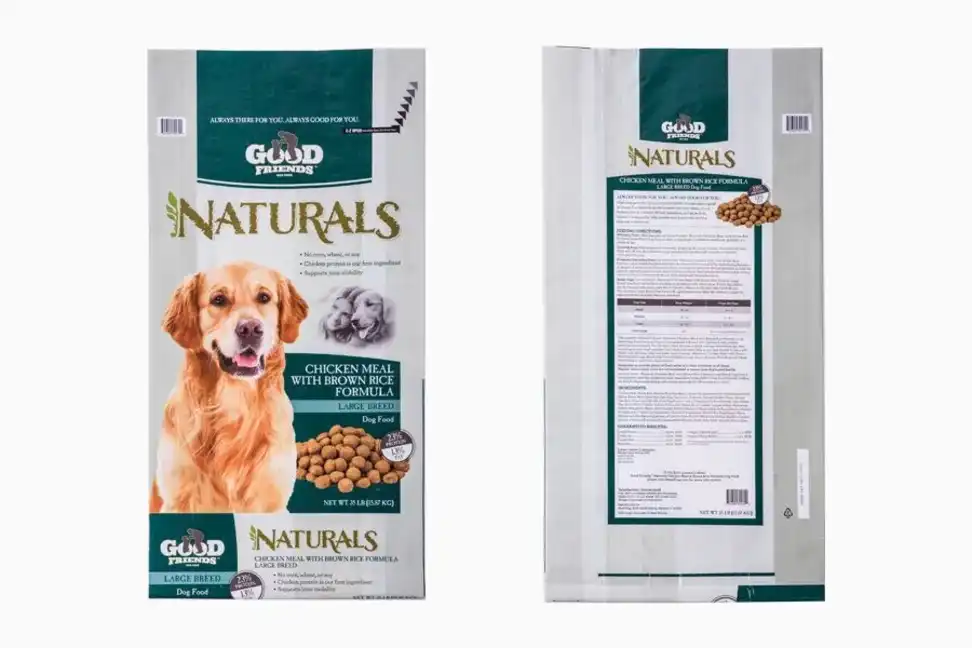
Introduction. In retail and industrial channels alike, the central question is not merely whether a package can hold weight, but whether it can shape perception, survive logistics, and accelerate purchase decisions. Poly‑BOPP Bags—laminated constructions that combine biaxially oriented polypropylene (BOPP) film with polypropylene (PP) woven fabric—allow unusual design latitude for formats that both display the product and endure real‑world abuse. The core premise is that optics (clarity, gloss, matte control) and mechanics (tear, drop, pallet compression) need not be a zero‑sum trade. The format’s layered architecture lets brand teams orchestrate windows, gussets, handles, valves, peelable seals, and anti‑slip zones with a precision that paper sacks and monolayer film bags rarely achieve at 5–25 kg fills.
Method. To design custom formats, treat the bag as a stack of tunable modules: outer BOPP (clear, matte‑clear, or specialty coatings), adhesive tie layers, PP woven substrate (basis weight selection keyed to route hazards), and an optional inner liner (PE by default; foil or metalized film for oxygen/light control). Then define geometry: flat or gusseted sides for footprint efficiency; quad‑seal or pinch‑bottom for cuboid stability; window placement to frame a product’s natural settled state (often lower‑center); handle or D‑cut for ergonomics at retail; valve options for dusty fills; and mouth treatments (sewn, heat‑sealed liner, or PE‑coated mouth). Each variable has measurable effects on drop behavior, sifting risk, and shelf legibility.
Results. Using this modular approach, brands commonly specify three families of Poly‑BOPP Bags: (1) gusseted, windowed sacks for rice, grains, and seeds (10–25 kg); (2) heavy‑fabric, small‑viewport sacks for salt and minerals (20–25 kg), emphasizing abrasion resistance; (3) hybrid builds with outer visibility and inner high‑barrier liners for aroma‑sensitive blends (3–10 kg). Windows are executed through true artwork knockouts—no ink or white underlay—paired with matte‑clear overlays to manage glare under LED lighting. Rounded window corners (≥ 6 mm) distribute stress and resist crack initiation.
Discussion. Horizontal comparisons show that die‑cut paper windows, while warm to the eye, cannot match woven PP’s robustness in humid docks. Vertical analysis across weight classes demonstrates that as fill mass increases, seam strategy (stitch density, crepe tape, hot‑air welds) and fabric GSM dominate survivability more than window size per se—though window placement still matters to prevent crease whitening. In short, Poly‑BOPP Bags enable custom forms that sell and survive, provided the window is treated as a structural feature, not a decorative afterthought.
How Do You Request a Quote for Custom Poly‑BOPP Bags?
Introduction. A persuasive RFQ surfaces the right details on day one, compressing cycles and preventing costly ambiguity. Because Poly‑BOPP Bags draw performance from both film and textile domains, the quote request must bridge optics, barrier, and mechanics. Vendors price what they can measure and guarantee; your RFQ should therefore speak the test vocabulary that converts adjectives into acceptance criteria.
Method. Provide: target bag geometry (flat/gusseted/quad‑seal; length × width × gusset; window position and percentage of front face); outer film spec (clear or matte‑clear; target haze ≤ 3% by ASTM D1003; gloss ≥ 85% by ASTM D2457); lamination type and bond target (≥ 3.5–5.0 N/15 mm, 180° peel); fabric basis weight (e.g., 75–100 g/m²) with expected drop orientation per ISO 7965‑2; inner liner choice (PE 40–60 μm by default; metalized or foil for OTR control); closure plan (sewn + crepe tape and/or inner liner heat‑seal with ASTM F88 pull target); COF window (0.35–0.60); print method (reverse print under BOPP; ink coverage); compliance pack (21 CFR 177.1520; 21 CFR 175.105; EU 10/2011 DoC); and forecast (quantity breaks, pallets per month, incoterms, ship‑to climates).
Results. A complete RFQ triggers vendor responses with precise film gauges, adhesive families, weave patterns, and seam recipes. Lead time and MOQ become predictable because raw‑material planning is grounded in your true needs. Pricing tables arrive structured by bag size, fabric GSM, liner gauge, ink coverage, special finishes (matte, anti‑slip), and freight options (LCL vs FCL). Non‑recurring engineering (NRE) for cylinders/plates and window tooling is identified upfront.
Discussion. Horizontally, compare quotes on a normalized basis—price per thousand by identical spec lines, not by generic “bag.” Vertically, audit vendor test data against the exact methods you named; a WVTR result measured by ASTM F1249 at 38 °C/90% RH is comparable across suppliers, while an unspecified “moisture test” is not. When the RFQ and the test language align, Poly‑BOPP Bags programs compress time to pilot and de‑risk first production.
What Are the Benefits of Custom Poly‑BOPP Bags?
Introduction. The promise is twofold: visibility that persuades and durability that endures. In categories where product truth matters—grain length, pellet uniformity, color consistency—transparent windows accelerate purchase. In logistics where abrasion, drops, and humidity conspire to damage goods, woven PP fabric resists failure paths that sink paper or light monofilm solutions.
Method. Evaluate benefits in five lenses: (1) Merchandising optics—haze, gloss, matte control; (2) Mechanical integrity—drop behavior, tear/creep; (3) Barrier posture—WVTR and OTR at relevant conditions; (4) Line compatibility—COF windows and lamination bonds; (5) Compliance—food‑contact and transport logic. For each, name the test method to keep teams aligned.
Results. Expected gains include improved first‑time purchase rates from product reveal, fewer returns from sifting and rub‑through, and lower shelf scuff of graphics due to reverse printing under BOPP. On the operations side, well‑tuned COF reduces mis‑picks and stack creep; inner PE liners add hermeticity without excessive cost or complexity. For many dry goods, Poly‑BOPP Bags deliver the best value mix of show‑through, strength, and price.
Discussion. Horizontally versus paper sacks, the woven structure carries drop energy and humidity without deforming; versus monolayer film pouches, the fabric prevents corner blow‑outs at higher fills. Vertically, as you move upmarket to aroma‑critical products, a foil/metalized inner liner elevates barrier while preserving the outer window’s merchandising role. The format scales by swapping modules rather than reinventing the platform.
Which Film, Fabric, and Liner Combinations Are Best for Poly‑BOPP Bags?
Introduction. Materials are levers. Clear BOPP governs optics; PP woven fabric governs mechanics; liner choice tilts barrier and closure behavior. Selecting the right trio for your product and route is the difference between good enough and reliably excellent.
Method. Map your content’s sensitivity (moisture, oxygen, light) and route hazards (coastal humidity, forklift abrasion, height of stacks), then assign materials. For optics, specify clear or matte‑clear BOPP at 20–30 μm with haze and gloss targets. For mechanics, choose fabric GSM in the 75–100 g/m² band for 10–25 kg fills, with weave patterns that support seam strength. For barrier and closure, default to PE liners at 40–60 μm for hermetic seals; reserve metalized/foil liners for oxidation‑sensitive or light‑sensitive contents.
Results. Default builds for dry commodities: clear BOPP 25 μm; PP woven 85–95 g/m²; PE liner 50 μm; window matte‑clear to control glare; seam design toward sift‑proof behavior. For harsh docks, step fabric to 95–100 g/m² and round window corners to resist rub‑through. For aroma‑critical mixes, add a foil inner bag while maintaining the outer window for shelf persuasion.
Discussion. Horizontally, a switch from gloss‑only to matte‑clear windows often halves fingerprint complaints without sacrificing clarity. Vertically, increasing liner gauge from 30 to 60 μm has a non‑linear effect on system WVTR and perceived freshness—not because BOPP changed, but because pin‑hole and mouth‑seal failure modes shrink. In composite formats like Poly‑BOPP Bags, the liner frequently determines the customer’s experience during opening and storage; treat it as a primary design decision.
How Do Different Material Choices Affect Poly‑BOPP Bags Performance?
Introduction. Performance is not a slogan; it is permeability, friction, tensile, and seal curves plotted at relevant conditions. The materials you choose bend those curves. Understanding the direction and magnitude of the bend lets you spend budget where it changes outcomes.
Method. Evaluate the delta of changing a single variable while holding others constant. Example deltas: BOPP thickness from 20 → 30 μm (optics stability, scuff resistance); fabric from 80 → 95 g/m² (drop endurance, pallet stability); liner from 40 → 60 μm (moisture ingress, seal robustness). Name the tests: D1003 for haze drift; D2457 for gloss retention; ISO 7965‑2 for filled‑sack drops; F88 for mouth seal strength; F1249 and D3985 for barrier shifts.
Results. Thicker BOPP slightly lowers film WVTR and improves abrasion resistance; heavier fabric reduces corner blow‑outs at 1.0–1.2 m drops; thicker PE liners raise seal strength tolerance to contamination and diminish caking complaints in humid corridors. Matte‑clear overlays in window zones maintain legibility under LED lighting without pushing haze beyond premium thresholds.
Discussion. Horizontally across suppliers, consistency of adhesives can dominate apparent clarity; a cloudy window is often an adhesive or ink creep issue, not a film issue. Vertically across product life, the same bag build behaves differently at seasonally high humidity; preventive adjustments (liner gauge, seam tape, anti‑slip) aligned to climate data reduce returns. The lesson: measure, then adjust a single lever at a time—Poly‑BOPP Bags respond predictably when variables are isolated.
What Are the Defining Characteristics of Popular Poly‑BOPP Bags Builds?
Introduction. Certain configurations recur because they balance shelf effect with logistics reality. Recognizing these archetypes shortcuts development and focuses debates on meaningful tweaks, not reinvention.
Method. Analyze four commonly successful builds: (1) Windowed gusseted sacks for rice/pulses (10–25 kg); (2) Small‑viewport, heavy‑fabric sacks for salt/minerals (20–25 kg); (3) Export seed sacks with anti‑slip coatings and vertical window strips; (4) Outer‑visible/inner‑foil hybrids for aroma‑sensitive dry blends (3–10 kg). For each, capture optics, fabric GSM, liner gauge, seam style, and COF targets.
Results. Patterns emerge: windows centered where product settles; matte‑clear window overlays; fabric GSM rising alongside route abrasion; PE liners default; foil reserved for barrier‑critical lines; COF tuned to 0.35–0.60 to balance denesting and pallet stability; seam designs gravitating toward sift‑proof logic. These traits distinguish Poly‑BOPP Bags that quietly excel in stores and warehouses.
Discussion. Horizontally against alternative formats, these builds absorb mishandling without losing shape, meaning brand panels remain legible after transit. Vertically, each archetype can be upgraded—thicker film for harsh conveyors; heavier GSM for export routes; advanced authentication effects (micro‑text, tactile varnish) near window edges where clarity favors fine detailing.
What Types of Products Can Be Packed Using Poly‑BOPP Bags?
Introduction. The format is content‑agnostic as long as flowability, particle size, and sensitivity to moisture/oxygen/light are understood. Stated differently, the question is not “can it be packed?” but “which module set makes it thrive?”
Method. Segment products by decision driver and risk: visual‑decision dry foods (rice, pulses); visually graded ag inputs (seeds, grains); bulk minerals (salt); function‑first chemicals (fertilizers); premium dry mixes (aroma‑sensitive). For each, assign window necessity, barrier priority, and seam rigor.
Results. Visual‑decision foods gain from large windows and matte‑clear finishes; ag inputs benefit from vertical strips that show mix consistency; minerals demand heavier fabric and rounded windows; fertilizers prioritize sift‑proof seams; premium mixes combine outer visibility with inner barrier. Across these groups, Poly‑BOPP Bags repeatedly demonstrate that seeing can coexist with surviving.
Discussion. Horizontally, success correlates less with category label than with the physics of the content: particle size affects sifting risk, oil content affects stain visibility, and density affects drop energy. Vertically, the same brand can ladder from entry to premium tiers by holding outer visibility constant while selectively upgrading the inner liner and seam design.
How Do I Order Poly‑BOPP Bags in Bulk?
Introduction. Bulk ordering magnifies practicalities: lead time, MOQ, freight mode, pallet patterns, and documentation cadence. The objective is to translate creative specifications into predictable supply.
Method. Lock specs; agree on test acceptance methods; place trial orders (500–2000 pcs) for line and distribution testing; roll into bulk with volume‑tiered pricing and formalized CoA/DoC flows. Define pallet counts, layer patterns, and stretch‑wrap standards to stabilize inbound quality. Decide on incoterms and consolidate shipments into FCL where possible to protect edges and reduce per‑unit freight.
Results. A stable flow emerges: vendors plan cylinders/plates, adhesives, films, and fabrics with realistic lead time; your team receives coherent lots with matching certificates; quality issues, if any, are visible in the data early. Bulk economics become transparent as material gauges and finishes stabilize.
Discussion. Horizontally, compare landed cost by identical pallet counts and incoterms; vertically, monitor defect trends (window haze drift, seam leak rate, drop failures) and adjust a single lever at a time. In mature programs, Poly‑BOPP Bags behave as a platform with periodic optimizations, not episodic reinventions.
What Is the Difference Between Heat‑Cut, Cold‑Cut, and Ultrasonic Edges in Poly‑BOPP Bags?
Introduction. Finishing methods alter edge behavior, fray resistance, and downstream sealing options. They also influence optics at the border of transparent windows.
Method. Compare three finishing approaches: heat‑cut (thermal knives sealing fibers as they cut), cold‑cut (mechanical slit; may require later sealing), and ultrasonic (localized vibration bonding that can seal without thermal discoloration). Evaluate on fray control, edge neatness, speed, and impact on lamination at window borders.
Results. Heat‑cut edges typically resist fray and are cost‑efficient; cold‑cut edges may produce fiber protrusions unless subsequently seared or taped; ultrasonic finishing yields crisp seams and minimal thermal bloom, useful near optical zones where discoloration would be conspicuous. For mouth areas, heat‑cut combined with an inner PE liner enables reliable heat sealing.
Discussion. Horizontally, ultrasonic stands out for premium aesthetics near windows, though equipment cost is higher. Vertically, as window area grows, so does sensitivity to border artifacts; finishing discipline around windows becomes more valuable than in fully printed faces. Poly‑BOPP Bags benefit when finishing is treated as a functional and visual decision, not simply a throughput choice.
Can I Customize the Design of My Poly‑BOPP Bags?
Introduction. Customization is not color for color’s sake; it is alignment between use case, brand story, and measurable performance. True customization respects both show‑through and survivability.
Method. Decide window size and placement based on product settlement patterns; choose matte‑clear overlays for anti‑glare; select fabric GSM tied to weight and route; specify inner liner gauge by humidity exposure; define seam style relative to sifting risk; integrate authentication near the window (micro‑text, tactile varnish) where clarity makes fine features legible.
Results. The resulting Poly‑BOPP Bags carry a cohesive narrative: what you see is what you get, what you carry will arrive intact, and what you open behaves predictably. Shelf trials typically register fewer fingerprint complaints with matte windows, while QA registers fewer seam leaks with 5H2‑like designs.
Discussion. Horizontally against templated stock sacks, custom builds reduce post‑launch tweaks because they were engineered against known threats. Vertically across SKUs, design systems enable portfolio consistency—window language, seam behaviors, and opening feel—without locking every product into identical gauges.
What Secondary Operations Can Be Applied to Poly‑BOPP Bags?
Introduction. Secondary operations are not afterthoughts; they are levers for safety, convenience, and perception. Their value depends on product, route, and retail ritual.
Method. Consider: anti‑slip lacquers (stack stability), micro‑perforation (only where off‑gassing demands it; otherwise avoid for sifting), EZ‑open tapes (user experience), degassing valves for certain powder chemistries, translucent level stripes in side gussets, and spot‑matte varnish to control glare around optical zones. Match each to a measurable outcome—reduced toppling, faster opening, fewer finger‑prints, safer venting.
Results. Properly selected operations raise both safety and brand impression without complicating recycling pathways (polyolefin‑friendly choices). For many lines, anti‑slip lacquers and EZ‑open tapes are the highest‑ROI additions; micro‑perforation is construed cautiously in windowed Poly‑BOPP Bags because fine powders punish every pin‑hole.
Discussion. Horizontally, an anti‑slip topcoat can outperform thicker fabric in preventing pallet creep at far lower cost. Vertically, as bag weights rise, the user’s opening experience grows more important—peelable seals and clean tear tapes keep heavy packs usable without tools.
What Is the Pricing Structure for Custom Poly‑BOPP Bags?
Introduction. Price is a function of mass, complexity, and risk. In Poly‑BOPP Bags, mass sits in film caliper, fabric GSM, and liner gauge; complexity lives in print coverage, window geometry, and finishing; risk lives in tests you ask suppliers to stand behind.
Method. Expect base price to scale with bag size and fabric GSM; adders for matte‑clear windows, anti‑slip lacquers, authentication effects, and unusual windows (large area, uncommon shapes). Liner upgrades, especially foil, move price non‑linearly. Cylinder/plate charges (NRE) are amortized over volume; MOQs step with fabric weave setups and print lanes. Freight shifts by mode and incoterms; savings appear at FCL thresholds where edge damage also drops.
Results. A transparent quote will break out film, fabric, liner, print, finishing, QA/testing, and logistics. Sensitivity analysis shows where a small reduction in window area or ink coverage frees budget for heavier GSM or thicker liners that have outsized effects on real‑world loss rates.
Discussion. Horizontally, do not chase the cheapest per‑thousand at the expense of test coverage; the first return wave erases tiny unit savings. Vertically, as programs mature, price stabilizes not by grinding suppliers but by locking specs that minimize variance—material, process, and test cadence—so scrap and rework fade.
Where Do Poly‑BOPP Bags Stand Versus Alternative Formats?
Introduction. Choice is contextual; there is no universal champion. Yet patterns are clear. Paper sacks offer familiar tactility but suffer in humidity and drop energy. Monolayer PE film bags seal well but distort and rupture at heavier fills. Laminated paper/film hybrids improve printability but cannot reveal the product cleanly without complex window inserts.
Method. Compare by optics, mechanics, barrier, line behavior, and compliance. Assign weights based on category strategy: if visual proof drives purchase, optics weight rises; if export routes are unforgiving, mechanics dominate. Then simulate cost of quality: damage rates, returns, and brand perception impacts.
Results. In many dry‑goods categories from 5 to 25 kg, Poly‑BOPP Bags deliver the best composite score. They present product truth through windows, resist abrasions and drops via woven fabric, enable hermetic seals through inner liners, and hold graphics pristine with reverse printing under BOPP.
Discussion. Horizontally, alternatives can match a single attribute (e.g., paper’s warm touch) but not the balanced bundle required for modern omnichannel distribution. Vertically, as sustainability criteria evolve, mono‑polyolefin systems with separable liners make pragmatic progress without sacrificing performance.
A System Model for Specifying Poly‑BOPP Bags
Introduction. Systems thinking removes guesswork by connecting goals, inputs, and verifications in a loop. For Poly‑BOPP Bags, the loop ties shopper visibility, product physics, line mechanics, and compliance documentation.
Method. Define goals (visibility, survival, compliance); select inputs (film, fabric, liner; window size; seam style; COF target); predict outcomes (WVTR/OTR; drop endurance; glare/fingerprint profile); test (D1003/D2457; F1249/D3985; ISO 7965‑2; F88); adapt (tune single variables); freeze spec; scale. Capture the loop in a verification & validation matrix shared with suppliers.
Results. Programs that follow this loop launch with fewer surprises and document what works. Cross‑functional alignment speeds iteration; suppliers quote and deliver against clear, testable demands. The model turns Poly‑BOPP Bags into a platform rather than a one‑off experiment.
Discussion. Horizontally, the same loop fits adjacent packaging choices; vertically, the loop becomes a knowledge asset—past drops, haze drifts, and seal pulls inform new SKUs, reducing time‑to‑market.
Risk and Quality Plan for Poly‑BOPP Bags
Introduction. Quality is the absence of surprises. Risk planning anticipates where surprises breed: windows, seams, mouth seals, pallets. A disciplined plan keeps those variables on a leash.
Method. Pre‑production: verify film haze and gloss; run lamination peel tests; age laminations 24–48 h; validate COF; cut prototypes and run ISO 7965‑2 drops; seal liner and pull F88 samples. Production: maintain CoA cadence per lot; retain samples for haze, bond, and seal checks; log defects by category and orientation. Post‑production: audit inbound pallets for edge rub; track store complaints (glare, fingerprints) and returns (sifting).
Results. Defect rates fall; complaint themes shift from structural failures to minor aesthetic preferences. Documentation supports continuous improvement and defends the brand in the rare dispute.
Discussion. Horizontally, risk plans that include matte‑clear windows and rounded corners at design time prevent firefighting later. Vertically, as volumes climb, small COF drifts can produce big downtime; monitoring COF is cheap insurance compared to unplanned stops.
Sustainability and End‑of‑Life for Poly‑BOPP Bags
Introduction. Durability is sustainability’s first pillar: preventing upstream product waste outweighs marginal packaging deltas. The second pillar is material pragmatism: mono‑polyolefin systems improve sortability and reduce cross‑contamination.
Method. Keep the outer/inner in the polyolefin family (BOPP/PP + PE liner); mark the liner as separable; right‑size mass by using matte lacquers rather than thicker films when the goal is optical, not mechanical; minimize exotic multilayer barriers unless demanded by product science.
Results. Poly‑BOPP Bags that survive routes and separate cleanly downstream represent a practical sustainability stance. Design for disassembly, educate end users with unobtrusive icons, and publish grams‑per‑pack with honesty.
Discussion. Horizontally against “perfect” but fragile solutions, rugged, recyclable‑leaning builds often yield lower total impact once damage waste is counted. Vertically, emerging mono‑material barrier films may someday reduce the need for foil; the modularity of this format will absorb that progress with minimal disruption.
Internal Link for Further Reading and Specification Examples
For project teammates seeking examples of moisture‑resistant, low‑leak configurations, see this internal resource: leakproof polypropylene woven bags. The discussion there reinforces how sift‑proof seam designs and disciplined windows elevate the reliability of Poly‑BOPP Bags without sacrificing shelf visibility.
References
ASTM International. ASTM D1003 – Standard Test Method for Haze and Luminous Transmittance of Transparent Plastics. https://www.astm.org/d1003-21.html
ASTM International. ASTM D2457 – Standard Test Method for Specular Gloss of Plastic Films and Solid Plastics. https://www.astm.org/d2457-23.html
ASTM International. ASTM D882 – Standard Test Method for Tensile Properties of Thin Plastic Sheeting. https://www.astm.org/d0882-18.html
ASTM International. ASTM F1249 – Standard Test Method for Water Vapor Transmission Rate Through Plastic Film and Sheeting Using a Modulated Infrared Sensor. https://www.astm.org/f1249-20.html
ASTM International. ASTM D3985 – Standard Test Method for Oxygen Gas Transmission Rate Through Plastic Film and Sheeting Using a Coulometric Sensor. https://www.astm.org/d3985-17.html
ASTM International. ASTM F88 / F88M – Standard Test Method for Seal Strength of Flexible Barrier Materials. https://www.astm.org/f0088_f0088m-15.html
International Organization for Standardization. ISO 7965‑2 – Sacks — Drop test — Part 2: Sacks made from thermoplastic flexible film. https://www.iso.org/standard/67131.html
U.S. Food and Drug Administration. 21 CFR 177.1520 – Olefin polymers. https://www.ecfr.gov/current/title-21/chapter-I/subchapter-B/part-177/section-177.1520
U.S. Food and Drug Administration. 21 CFR 175.105 – Adhesives. https://www.ecfr.gov/current/title-21/chapter-I/subchapter-B/part-175/section-175.105
European Commission. Commission Regulation (EU) No 10/2011 on plastic materials and articles intended to come into contact with food. https://eur-lex.europa.eu/eli/reg/2011/10/oj
U.S. Department of Transportation. 49 CFR §178.518 – Specification for non‑refillable metal and plastic receptacles. https://www.ecfr.gov/current/title-49/subtitle-B/chapter-I/subchapter-C/part-178/subpart-L/section-178.518