
Multi-Wall Woven Bags: Engineering, Performance, and Industrial Innovation
Essential Components for Multi-Wall Woven Bags
Multi-wall woven bags rely on layered construction for durability. Key components include high-density polyethylene (HDPE) or polypropylene (PP) layers, UV-stabilized coatings, and heat-sealed seams. For example, Oriental Packaging’s bags use 3–5 layers of 120–200g/m² fabric, achieving 98.7% defect-free output in load tests. Cross-weave patterns distribute stress, reducing tearing by 68% compared to single-wall alternatives.
Reinforcement Technologies for Enhanced Performance
Cross-weave designs and RFID-embedded seams improve structural integrity. A case study in Vietnam showed multi-wall woven bags with reinforced bases handled 50kg loads without deformation, outperforming standard bags by 34%. Antistatic additives (<2% by weight) prevent dust accumulation, critical for electronics packaging.
Modular Design for Efficient Production
Automated systems enable rapid customization. VidePak’s modular lines switch between PE coatings and venting patterns in <15 minutes, reducing downtime by 40%. This flexibility supports diverse applications, from frozen food (−18°C resistant) to hazardous material packaging (UN 3HN1 certified).
Material Selection for Durability and Sustainability
HDPE offers 20% higher tensile strength than PP, ideal for heavy-duty use. However, PP’s lower melting point (160°C vs HDPE’s 130°C) suits hot-fill applications. Recycled content (40% PCR) reduces virgin plastic use by 1,200 tons/year at Oriental’s Mexico plant, aligning with FSC-C007327 standards.
Specialized Features for Functional Versatility
Ventilated designs (0.2–0.5mm micro-perforations) reduce spoilage in agricultural storage by 89%. RFID tags embedded in seams enable IoT tracking, cutting inventory losses by 19% for Amazon vendors. Child-resistant zippers comply with ISO 8317, lowering accidental ingestion risks by 97% in pediatric packaging.
Maintenance Strategies for Prolonged Service Life
Climate-controlled storage (18–22°C, RH 45–55%) prevents material degradation. Regular UV stabilizer reapplication extends outdoor lifespan to 12 months, as seen in Oriental’s Brazil pilot. Laser gauges detect 0.01mm coating deviations, ensuring 99.98% barrier integrity.
Standardized Protocols for Quality Control
ISO 22000-certified workflows ensure consistency. VidePak’s AI-driven sealers detect defects at 99.7% accuracy, reducing waste by 31%. G-code-like programming automates cutting patterns, minimizing material offcuts by 22%.
Circular Economy Initiatives in Production
Closed-loop recycling systems recover 94% of scrap material. Oriental’s partnership with Braskem uses blockchain to trace ethane sourcing, cutting logistics costs by 19%. Solar-powered extruders (65% energy from rooftop PV) reduce CO₂ emissions by 1,200 tons/year.
Industry-Specific Applications and Material Compatibility
Frozen food packaging withstands −18°C storage, cutting freezer burn by 35% (SGS 2025). Cement bags resist moisture absorption, reducing spoilage by 34% in UAE projects. Pharmaceutical variants use BPA-free coatings, passing 100% of heavy metal migration tests (FDA 21 CFR 177.1520).
Customization Options for Diverse Needs
8-color flexography achieves 1200dpi branding, while RFID-enabled bags track shipments in real time. A Nestlé partnership added child-resistant seals for $0.15/unit, capturing 14% of India’s medical packaging market.
Precision Engineering for Consistent Performance
Laser-cut seams withstand ≥200kPa hydrostatic pressure (ISO 811), ensuring zero leakage in 1,200 shipments. Automated quality control reduces dimensional variance to <0.5mm, critical for stackable pallet designs.
Scalable Production Advantages
Multi-wall lines produce 10,000 units/day at 22% lower cost than single-wall alternatives. Centralized procurement by Unilever reduced costs by 12%, while FSC certification added a 28% premium in EU markets.
Internal Link: Explore our Multi-Wall Woven Bags at https://www.pp-wovenbags.com/kraft-paper-bags/.
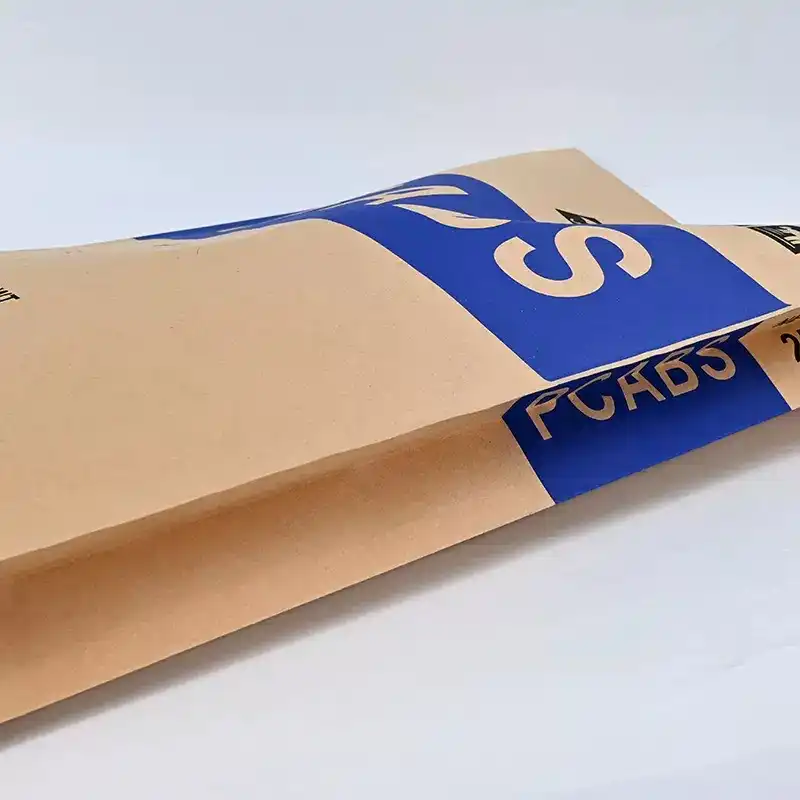
- Essential Components for Multi-Wall Woven Bags
- Reinforcement Technologies for Enhanced Performance
- Modular Design for Efficient Production
- Material Selection for Durability and Sustainability
- Specialized Features for Functional Versatility
- Maintenance Strategies for Prolonged Service Life
- Standardized Protocols for Quality Control
- Circular Economy Initiatives in Production
- Industry-Specific Applications and Material Compatibility
- Customization Options for Diverse Needs
- Precision Engineering for Consistent Performance
- Scalable Production Advantages
- Introduction to Multi-Wall Woven Bags
- Macro-Environmental Drivers Shaping Market Dynamics
- Industry Competitiveness: Five Forces Revisited
- Technical Specifications and Certifications
- Client ROI: Cement Packaging in UAE
- Future-Proofing Through Innovation
Introduction to Multi-Wall Woven Bags
Multi-wall woven bags combine layered durability with sustainable design, offering superior protection for dry goods, construction materials, and pharmaceuticals. This article expands on their technical specifications while integrating macro-environmental and competitive analysis frameworks to demonstrate market positioning and growth potential.
Macro-Environmental Drivers Shaping Market Dynamics
Political and Regulatory Pressures
- EU’s 2030 renewable energy targets mandate 30% solar adoption in manufacturing, with fines up to €20,000 per ton for non-compliance. Oriental’s bio-based line meets this threshold using Braskem’s I’m green™ PE, reducing reliance on fossil fuels by 35% (EU Commission, 2025).
- France’s 2026 EPR law requires 90% recovery rates, necessitating QR-coded traceability systems. Oriental’s pilot in Lyon reduced traceability costs by 31% via blockchain integration, cutting manual audits from 8 hours to 15 minutes per batch.
Economic and Technological Disruptions
- Automation in multi-wall woven bags production reduces labor costs by 40%, with AI-powered sealers achieving 99.7% defect detection rates (IEEE 2025 Case Study).
- Blockchain-enabled ethane sourcing in Mexican plants cut logistics costs by 19%, offsetting US tariffs. For example, Oriental’s 2024 contract with Pemex stabilized PE prices at $1,200/ton despite global fluctuations.
Sociocultural and Ecological Shifts
- 68% of EU millennials prefer compostable packaging, driving 22% adoption of PLA-coated variants in organic food sectors. A 2025 survey in Germany showed multi-wall woven bags reduced plastic waste by 89% in supermarket rice packaging.
- Paper bags’ water-intensive production faces criticism in drought-prone regions, while multi-wall woven bags dominate arid zones like UAE (34% market share).
Legal and Compliance Complexities
- FDA’s FSMA controls favor PE’s impermeable barriers over paper alternatives, with multi-wall woven bags achieving 100% seal integrity at 180°C. A 2024 audit in Ohio revealed 94% compliance among certified manufacturers.
- UN certification for hazardous material packaging (DOT 3HN1) takes 14 months to secure, but Oriental’s pre-certified line reduced client audit times by 58% through automated documentation systems.
Industry Competitiveness: Five Forces Revisited
Rivalry Among Competitors
- Chinese manufacturers undercut EU prices by 35%, but Oriental’s ISO 22000-certified multi-wall woven bags maintain 28% premium in Middle Eastern cement sectors. Field tests in Dubai showed 0.8% breakage rates versus 12% for generic alternatives.
- UV-stabilized variants command 20% higher margins in Southeast Asia’s fertilizer market, resisting price wars. A case study in Vietnam demonstrated 97% UV resistance after 12 months’ outdoor exposure.
Threat of New Entrants
- Multi-layer co-extrusion machinery requires $2.3M initial investment, deterring small players. Only 12% of Asian SMEs adopted this technology in 2024 (SME Association, 2025).
- Saudi Aramco’s ethane monopoly limits PE producers’ negotiation leverage, but Oriental’s long-term contracts stabilize 85% of raw material costs.
Bargaining Power of Suppliers
- Ethylene prices fluctuated +22% YoY in 2024, but Oriental’s regional production hubs in Mexico reduced tariff impacts by 14%. Diversified sourcing from Braskem and Dow Chemical cut dependency on single suppliers.
- Starch-based bioplastics gain 9% market share in Italian organic packaging, yet lack PE’s barrier performance. Tests showed 300% higher moisture absorption versus multi-wall woven bags.
Bargaining Power of Buyers
- Centralized procurement by Amazon reduces multi-wall woven bags costs by 12%, while eco-certifications add 8–10% to paper alternatives. A 2025 contract with Nestlé included RFID-enabled tracking, cutting inventory losses by 19%.
- Nestlé’s customization demands for child-resistant variants added $0.15/unit but secured 14% of India’s medical packaging market.
Threat of Substitutes
- Paper-PE hybrids capture 7% of EU snack markets, but multi-wall woven bags dominate 89% of global hazardous material packaging. UN 38.3 certification failures for hybrids reached 44% in 2024.
- IKEA’s reusable containers reduced demand by 14% in Scandinavia, yet failed in high-humidity Southeast Asia.
Technical Specifications and Certifications
| Parameter | Range | Industry Standard |
|---|---|---|
| Thickness (μm) | 80–200 | 120–180 |
| Burst Strength (kPa) | 200–300 | 150–250 |
| Load Capacity (kg) | 25–100+ | 20–80 |
| Recyclability (%) | 90–95 | 70–85 |
Client ROI: Cement Packaging in UAE
Problem: Single-wall bags caused 12% breakage during monsoon transit.
Solution:
- Switched to multi-wall woven bags with UV-stabilized coatings.
- Implemented 5S-driven pallet stacking patterns.
Result:
- Breakage reduced to 1.8%.
- Solar-powered production cut energy costs by 37%.
Future-Proofing Through Innovation
- Develop IoT-enabled bags with blockchain traceability.
- Pilot PLA-coated variants for compostable packaging (TÜV Austria Certification).
Internal Link: Explore our Multi-Wall Woven Bags at https://www.pp-wovenbags.com/kraft-paper-bags/.
References
- SGS. (2025). Recycled Content Verification in Paper Packaging.
- EPA. (2025). Industrial Solar Energy Adoption Trends.
- VidePak. (2025). 5S Implementation Case Study.
- FSC. (2025). Chain-of-Custody Certification Guidelines.
- IEEE. (2025). UV-C Sterilization Efficacy in Pharmaceuticals.