
Tubular Woven Bags with Form-Fill-Seal (FFS) Systems: Redefining Packaging Efficiency with Superior Quality Control
Tubular Woven Bags with Form-Fill-Seal (FFS) Systems sit at the crossroads of textile strength and automated packaging speed. The promise sounds simple—make the bag in-line, fill it at tempo, seal it without needles—but the engineering behind that promise is anything but simple. Why do factories that switch to Tubular Woven Bags with Form-Fill-Seal (FFS) Systems report cleaner floors, faster cycles, and straighter pallets? Because a tubular PP fabric, finished with a heat‑sealable skin and wound with disciplined roll geometry, behaves less like a commodity wrapper and more like a calibrated machine component. The bag stops being a cost on a spreadsheet and starts acting like a throughput lever on the floor.
When we talk about Tubular Woven Bags with Form-Fill-Seal (FFS) Systems, we talk about more than materials—we talk about a choreography. Resin becomes tape, tape becomes fabric, fabric becomes a smooth‑running web; printers lay down codes that survive friction; micro‑vents bleed air without bleeding product; seal jaws close with certainty, not luck. Horizontal thinking borrows from textiles (denier, mesh), flexible packaging (COF, dyne, seal windows), automation (web guiding, tension), and logistics (pallet friction, cube). Vertical thinking traces the ladder: resin MFI → tape draw → weave planarity → coating laydown → print fidelity → slitting and winding → former geometry → seal strength. Miss a rung and the consequences arrive as dust plumes, barcode misreads, or leaning stacks.
Ask a practical question: What changes when a plant migrates to Tubular Woven Bags with Form-Fill-Seal (FFS) Systems? The answer is staged. First, stitch holes at side seams disappear; leak paths shrink. Second, headspace air finds an exit where you program it—through top micro‑perforation bands—so fill speed rises without turning the room into a snow globe. Third, the resulting package—often formed into a block‑bottom—stands square, stacks square, and ships square. The outcome reads like a logistics haiku: fewer stoppages, fewer claims, fewer apologies.
Consider the backbone: a tubular woven polypropylene fabric. It’s a textile—interlaced tapes, measured in denier and grams per square meter—yet it must behave like a film—flat, uniform, calmly unwinding at speed. In Tubular Woven Bags with Form-Fill-Seal (FFS) Systems, the tape draw ratio controls tensile strength and creep; the mesh (10×10 to 14×14 is typical) balances breathability against print flatness; the GSM (often ~60–110 g/m² for 5–50 kg lanes) sets the trade‑off between drop survival and fold behavior at the block bottom. If the weave is the skeleton, the coating is the skin: a PE‑rich extrusion coat (≈20–35 μm) bridges inter‑tape pores, offers a generous heat‑seal window, and stabilizes COF—inner for feeding, outer for pallet grip. Tweak coat gauge and you move three needles at once: sealing latitude, moisture ingress, and crease whiteness.
Now the surface science. Corona treatment to ≥38 dynes sounds like lab jargon until a barcode fails at receiving. Low dyne means poor ink wet‑out; poor wet‑out means mottled solids and blurry microtype; blurry microtype means rework. Tubular Woven Bags with Form-Fill-Seal (FFS) Systems thrive on predictability: set dyne, choose inks and overprint varnishes that survive strap rub, validate contrast on the actual coated face, and your GS1 codes begin to scan like clockwork. Where graphics are critical and routes are harsh, a laminated BOPP print panel can be bonded to the woven body—selective armor for the message while the rest of the sack remains breathable and formable.
If closures are the usual villains in bag failure, FFS turns them into heroes. With Tubular Woven Bags with Form-Fill-Seal (FFS) Systems, seals are wide, consistent, and blissfully stitch‑free. Impulse or constant‑bar jaws weld the coat to itself; ultrasonic options appear in some lines for difficult dust environments. The micro‑vent strategy is not an afterthought but a design variable: place 20–60 holes/cm² in a band above the settled product level, and you evacuate headspace air without shedding fines; place them too low, and you have a tidy theory with a dusty floor. This is why good specifications read like instructions rather than wishes—where to vent, how much to vent, and how to confirm the venting works.
Run the numbers through scenarios. A fertilizer plant in a monsoon climate fights caking and pallet skating. Switching to Tubular Woven Bags with Form-Fill-Seal (FFS) Systems) with a slightly heavier PE coat, outer COF around 0.45–0.55, and upper‑band micro‑vents yields faster fills and calmer stacks. An export mill shipping rice and flour requires legible barcodes after ocean transit; the answer is dyne‑controlled coated faces, high‑contrast art, and rub‑tested inks—not a louder printer but a smarter surface. A dry‑mix operation packing abrasive powders needs survival at the base; the solution is modestly higher GSM, square block‑bottom forming on the FFS former, and seal windows validated for the actual jaw set.
Is the benefit only speed? Hardly. Think loss prevention. Every gram of dust that escapes a stitch line is money drifting into the air and risk drifting into lungs. With Tubular Woven Bags with Form-Fill-Seal (FFS) Systems, the stitch line is gone; the leak path has to work harder to exist. Think transport integrity. A sack that stacks like a brick behaves like a brick in transit. The more the base remembers its square, the less the pallet leans. And think communication. If the label scuffs into silence, safety symbols turn from standards into stories; that is why print architecture is a safety feature, not a cosmetic option.
Horizontal comparison helps. Flexible pouches teach seal‑window discipline and rub/UV testing; corrugated cartons teach stacking math and the gospel of straight pallets; labeling practice teaches quiet zones and minimum module sizes for scannability. Tubular Woven Bags with Form-Fill-Seal (FFS) Systems adopt these lessons and adapt them. Unlike pouches, woven FFS webs must tolerate bending at gussets and block bottoms without delaminating. Unlike corrugate, the bag’s outer COF—not just footprint—governs stack survival. Unlike paper labels, the print sits on a living, slightly textured surface; it needs chemistry that honors that reality.
The vertical chain is equally unforgiving. Start with resin: choose melt flows that draw stable tapes; unstable draw yields variability in denier; variable denier yields wavy layflat width; wavy layflat yields inconsistent former behavior and wandering seals. Keep weaving calm: loom tension and humidity logs are not bureaucratic trivia; they are insurance against roll‑to‑roll surprises. Surface engineering next: if coat weight drifts, seal strength and WVTR drift with it. Printing must match the face; over‑ink a low‑dyne surface and you buy scuff where you wanted gloss. Slitting and winding finish the story; crooked edges, loose cores, sloppy splices—these are not cosmetic flaws but future stoppages.
Quality control is not a ritual but a map. For Tubular Woven Bags with Form-Fill-Seal (FFS) Systems, a credible lot file often includes: thickness mapping across the web; tensile and tear of the woven base; inner/outer COF; dyne of the print zone; seal‑peel windows by jaw type; dart impact or equivalent drop proxies on formed samples; barcode grades after strap‑rub simulation; and a visual AQL. Food‑adjacent constructions travel with material declarations that match the destination market. When numbers travel with the roll, operators run with confidence and supervisors stop firefighting.
What about customization? The toolkit is rich precisely because applications differ. Roll layflat widths of 300–600 mm fit common 5–50 kg fills and formers; roll lengths of 500–1,500 m balance changeover frequency with operator safety on lift weight. Coating gauge swings with climate; humid coastal lanes justify thicker coats for moisture discipline, cooler dry interiors do not. COF packages tune inner glide and outer grip—inner around 0.18–0.30 to feed without jerks, outer around 0.35–0.55 to keep pallets planted. UV stabilization ranges from 200 to 1,600 hours, matched to the time a pallet might live in the yard. Graphics? Keep high‑contrast palettes, leave generous quiet zones, and favor matte in scan paths to avoid glare.
Applications stretch wide. Fertilizers and agro‑chemicals benefit from moisture‑aware coats and block‑bottom outcomes; caking complaints tend to fall when WVTR is defined and achieved. Cement and dry mixes see fewer split bases when GSM moves up within range and former geometry is set for true square; rework hours shrink. Food ingredients, where compliant materials are specified, win on hygiene narratives—clean seals, scannable codes, optional liners for aroma control. Plastic resins and masterbatch, being dense and clean, push for stiffer bodies and rub‑resistant ID panels that arrive as readable as they left. Salts, minerals, and charcoal welcome UV stability and outer COF tuned to aggressive strapping.
“Isn’t this over‑engineering for a bag?” It’s a fair question—and the answer is a better one: no, it’s right‑engineering for a line. Tubular Woven Bags with Form-Fill-Seal (FFS) Systems are not simply containers; they are pacing items. When the bag runs, the line runs; when the line runs, the plant hits plan; when the plant hits plan, logistics breathe. In that chain of cause and effect, the humble tubular web—woven, coated, printed, wound—does more than hold product. It holds the schedule.
For specifications, formats, and conversion options, explore Tubular Woven Bags with Form-Fill-Seal (FFS) Systems. The link is not a detour; it’s the next step from theory to numbers—from adjectives to tolerances, from promises to proofs.
Finally, a brief word on change management. Plants don’t transform by slogans; they transform by documents. A good migration plan to Tubular Woven Bags with Form-Fill-Seal (FFS) Systems reads like this: define the payload and hazards (mass, edges, fines %, humidity, storage time); pick the fabric and coat to match; select a vent strategy above the settled product level; lock inner/outer COF; validate seal windows on your actual jaws; place graphics with scanner behavior in mind; and insist that every lot ships with the numbers to prove it. Do this, and speed follows. Cleanliness follows. Predictability follows. The rest—the polished floors, the quiet pallet stacks, the crew that trusts their tools—is not magic. It is design, made visible.
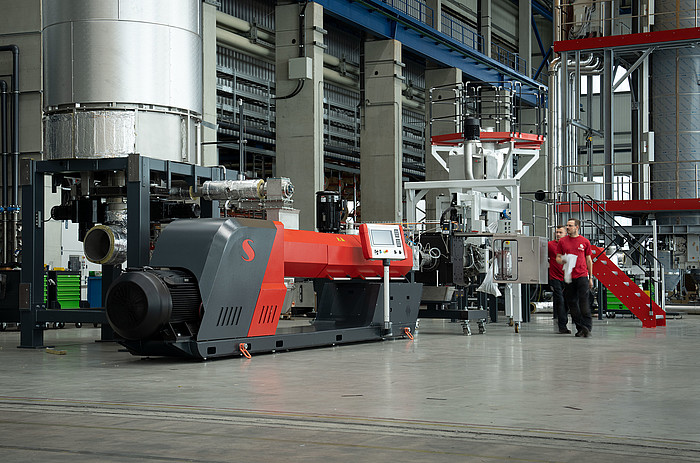
- Tubular Woven Bags with Form-Fill-Seal (FFS) Systems: Redefining Packaging Efficiency with Superior Quality Control
When it comes to packaging, choosing the right material is crucial for ensuring both the integrity of the product and its safe transportation. In industries where durability, strength, and environmental factors are key, multi-wall woven bags have emerged as one of the best solutions. These bags, designed with multiple layers of woven polypropylene or paper, offer an excellent balance of strength, protection, and sustainability. Let’s dive into why multi-wall woven bags are the superior choice for high-quality, durable packaging.
Understanding Multi-wall Woven Bags
Multi-wall woven bags are made by layering several sheets of fabric to create a robust, durable packaging option. Typically, these bags are constructed with woven polypropylene (PP) or a combination of paper and woven fabric. The multiple layers help to enhance their strength and resistance to various external factors like moisture, rough handling, and abrasion.
Key Features and Benefits
- Superior Strength: The multi-layer design allows these bags to hold heavy loads without compromising on structural integrity.
- Moisture Resistance: Multi-wall woven bags are highly resistant to moisture, which is a critical feature when transporting goods that are sensitive to environmental conditions.
- Customizable: These bags can be tailored to fit various sizes, load capacities, and even printed with logos, making them an ideal choice for companies looking for both functionality and branding.
- Sustainability: Many multi-wall woven bags are made from recyclable materials, contributing to sustainable packaging solutions.
- Cost-Effectiveness: Despite their durability and customization options, these bags are relatively inexpensive compared to alternatives like corrugated cardboard or plastic packaging.
Product Parameters of Multi-wall Woven Bags
To better understand the versatility and quality of multi-wall woven bags, let’s break down their product specifications and key characteristics:
| Feature | Description |
|---|---|
| Material | Polypropylene (PP), Paper, or a combination of both |
| Layers | 3 to 6 layers of material depending on the application |
| Bag Type | Open top, valve, or pasted valve |
| Load Capacity | 10 kg to 100 kg or more |
| Printing | Up to 8 colors available for custom branding |
| Size | Customizable based on specific requirements (width, height, gusset) |
| Moisture Resistance | High resistance to moisture and water damage |
| Application | Ideal for industrial, agricultural, food, and chemical industries |
Multi-wall woven bags provide a high level of protection for the contents inside, whether you’re transporting raw materials, agricultural products, or chemicals.
How Multi-wall Woven Bags Outperform Other Packaging Options
1. Strength and Durability
Multi-wall woven bags outperform traditional paper or single-layer bags in terms of strength. Their reinforced design ensures that they can handle heavy weights without tearing or rupturing, which is particularly important in industries like construction and agriculture, where the packaging must endure rough handling.
2. Protection Against Moisture and Contamination
One of the main advantages of multi-wall woven bags is their ability to protect contents from moisture, dirt, and other contaminants. The multiple layers create a barrier that prevents external elements from reaching the bag’s contents, which is particularly beneficial for products like fertilizers, chemicals, and grains that need to remain dry.
3. Versatility and Customization
Multi-wall woven bags are highly customizable, allowing companies to tailor the bags to meet specific product requirements. They can be made in various sizes, weights, and configurations. Additionally, they can be printed with logos, product information, and branding colors. This customization allows businesses to maintain branding consistency while ensuring their products are securely packaged.
4. Sustainability
In an age where sustainability is becoming more important, multi-wall woven bags made from recyclable materials contribute to reducing packaging waste. Their ability to be recycled and reused further enhances their eco-friendly profile.
5. Cost Efficiency
Given their durability and long lifespan, multi-wall woven bags provide excellent cost-effectiveness in both the short and long term. They are less expensive than corrugated cardboard or plastic bags but provide similar or superior levels of protection.
FAQs about Multi-wall Woven Bags
Q1: What industries use multi-wall woven bags?
Multi-wall woven bags are commonly used in industries such as agriculture, construction, chemicals, and food. They are ideal for packaging products like fertilizers, grains, animal feed, and bulk chemicals.
Q2: How are multi-wall woven bags different from regular woven bags?
While both types of bags are made from woven fabrics, multi-wall woven bags consist of multiple layers of fabric, offering additional strength, moisture protection, and durability. Regular woven bags usually consist of a single layer of fabric.
Q3: Can multi-wall woven bags be customized for different sizes and colors?
Yes, multi-wall woven bags can be customized to meet specific size, color, and branding requirements. They are often printed with logos and product information, providing an effective branding opportunity.
Q4: Are multi-wall woven bags eco-friendly?
Yes, many multi-wall woven bags are made from recyclable materials, making them a more environmentally friendly option compared to other packaging solutions. They can also be reused, reducing overall packaging waste.
Q5: Can multi-wall woven bags handle heavy loads?
Absolutely! Multi-wall woven bags are designed to carry heavy loads, often ranging from 10 kg to 100 kg, depending on the material and construction.
Trending Innovations in Multi-wall Woven Bags
As technology and consumer preferences evolve, so do packaging solutions. Recent innovations in multi-wall woven bags have focused on improving sustainability, efficiency, and versatility:
- Use of Recycled Materials: More manufacturers are now incorporating recycled polypropylene or paper into their multi-wall woven bags, which helps reduce environmental impact while maintaining the bags’ strength and durability.
- Advanced Printing Techniques: New printing technologies allow for more vibrant and detailed graphics on woven bags, enhancing branding opportunities while still keeping production costs low.
- Waterproof and UV Protection: Some multi-wall woven bags now feature coatings that enhance their resistance to water, UV rays, and other harsh environmental factors, making them ideal for use in outdoor storage or transport.
How to Choose the Right Multi-wall Woven Bag for Your Needs
Selecting the right multi-wall woven bag depends on several factors, including the nature of the product you’re packaging, load requirements, and environmental conditions. Here are some steps to help you make the right choice:
- Identify Your Packaging Needs: Consider the weight, size, and type of product you need to package. If you’re dealing with heavy or bulk items, opt for bags with higher load capacities.
- Consider the Environmental Conditions: If your product will be exposed to moisture, heat, or direct sunlight, choose multi-wall woven bags that offer additional protective layers or moisture resistance.
- Customization Options: If branding is important, look for options that allow for custom printing and logos to make your packaging stand out.
- Sustainability Goals: If sustainability is a key consideration for your business, select bags made from recyclable materials or those that offer eco-friendly disposal options.
By carefully considering these factors, you can select the right multi-wall woven bag that offers the durability, protection, and customization options that meet your specific requirements.
Conclusion
Multi-wall woven bags are becoming the packaging solution of choice for many industries due to their superior strength, protection, and cost-effectiveness. Whether you’re packaging agricultural products, chemicals, or bulk materials, these bags provide excellent durability, moisture resistance, and a customizable design. As the demand for sustainable and efficient packaging continues to grow, multi-wall woven bags will remain at the forefront of packaging innovation.
For more information on advanced packaging solutions, you can explore this article on industrial woven packaging or this one on kraft paper bags laminated with woven fabric.