
- What Is Printed BOPP Woven Bags?
- Why the Name Matters: Parsing the Three Words
- Denier, Load, and Safety Margins: A Standards‑Aware Map
- Anatomy of Performance: From Tape Physics to Pallet Mechanics
- Production Process, Step by Step—With Failure Modes and Countermeasures
- A Parameter Table You Can Take to a Design Review
- Style Selection: Open‑Mouth, Pinch‑Bottom, or Valve Block‑Bottom?
- Printing and Brand Expression: The Film Is the Canvas, Not the Paint
- Problem–Solution–Result Narratives You Can Borrow
- Frequently Asked, Frankly Answered
- Example SKU Matrix (Ready‑to‑Quote Configurations)
- A Cross‑Material Comparison You Can Share With Stakeholders
- Design Workflow—From Questions to Drawings
- Introduction — Framing the Packaging Problem
- Methods — A System Map for Selecting Printed BOPP Woven Bags
- Results — An Integrated Specification That Closes the Loop
- Discussion — Horizontal Analysis (Materials & Markets)
- Discussion — Vertical Analysis (From Polymer to Pallet)
- Discussion — Problem→Method→Result→Implication Loops
- Discussion — Integration: From Sub‑Solutions to One Bill of Materials
- References
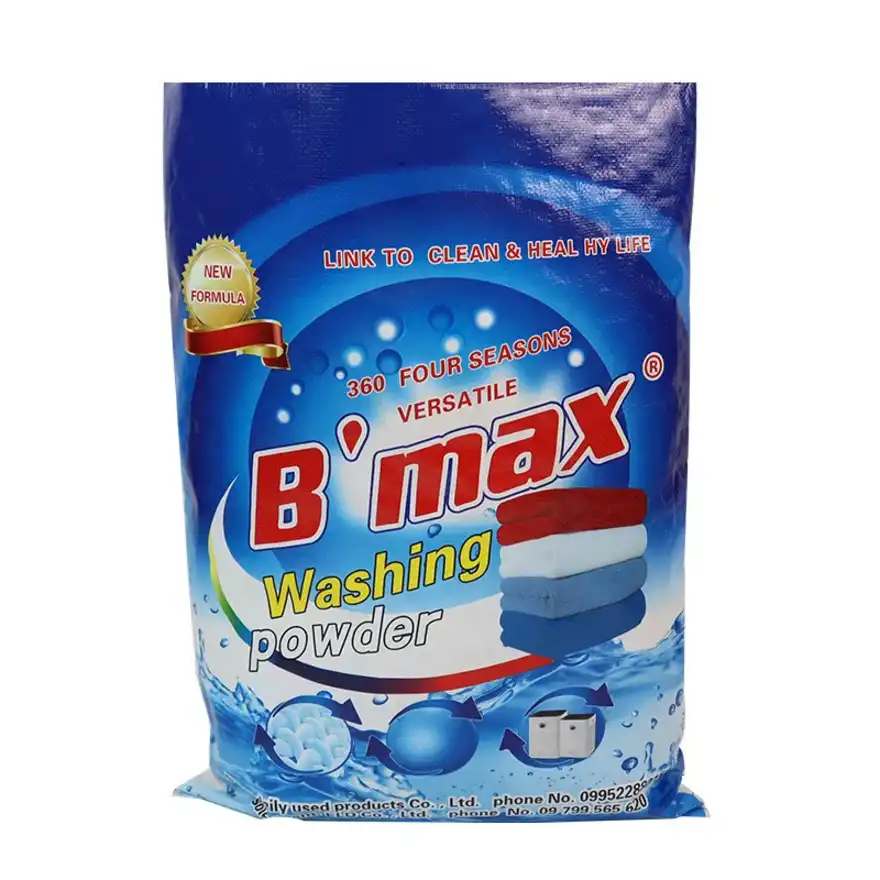
What Is Printed BOPP Woven Bags?
Printed BOPP Woven Bags are high‑strength, graphics‑ready packaging sacks built by laminating a reverse‑printed BOPP (Biaxially Oriented Polypropylene) film to a woven polypropylene substrate and then converting the laminate into functional bag styles. Some readers also meet them under the aliases BOPP laminated woven bags, BOPP sacks, laminated raffia bags, or BOPP PP woven sacks—different names for the same hybrid: a textile backbone carrying the load, a film skin carrying the message.
What makes Printed BOPP Woven Bags distinctive is the way structure and surface cooperate. The woven PP matrix delivers tensile capacity; the BOPP film protects the yarns, enhances moisture resistance, and enables photorealistic print under a hard, scuff‑resistant shell. The outcome is a sack that looks retail‑ready yet behaves like industrial packaging.
Features of Printed BOPP Woven Bags. A concise portrait: high strength‑to‑weight ratio; moisture and abrasion tolerance; broad style flexibility (open‑mouth, pinch‑bottom, block‑bottom/AD‑style, valve); food‑compatible variants when built on appropriate lines; recyclability potential in PP streams where infrastructure exists. Beautiful on the shelf, resilient on the pallet.
How are they produced? Resin is melted and drawn into tapes; tapes are woven into fabric; BOPP film is reverse‑printed; the film and fabric are laminated by extrusion coating or adhesive bonding; the laminate is slit, gusseted, cut, and then converted—sewn, heat‑welded, or pinch‑sealed—into the chosen style; finally, samples are tested and lots are packed. Each step manipulates a different lever of performance: denier, weave, peel, seam.
What are they used for? Food grains, sugar, flour, animal feed, seeds, fertilizers, industrial powders, plastic pellets—the common thread is 5–50 kg fills that demand both brand impact and mechanical reliability. If you need a quick benchmark or a supplier explainer, this page is a practical anchor: Printed BOPP Woven Bags.
Why the Name Matters: Parsing the Three Words
We call them Printed because the reverse‑printed BOPP layer protects ink behind the film. We call them BOPP because biaxial orientation grants stiffness, clarity, and scuff resistance. We call them Woven Bags because the fabric core is not film but a network of polypropylene tapes whose denier, weave density, and orientation govern strength. Change any of the three, and you alter the bag’s character: switch printing to surface flexo and scuffs appear; switch BOPP to plain PE and art dulls; switch woven to cast film and stacking behavior drifts.
Denier, Load, and Safety Margins: A Standards‑Aware Map
Printed BOPP Woven Bags are more than pretty faces; they are engineered textiles. Denier—grams per 9,000 meters of tape—becomes the short lever with a long shadow.
What does denier actually do? Heavier tapes (higher D) increase tensile capacity, often lift tear propagation thresholds, and raise GSM (grams per square meter). Lower denier trims resin and cost, yet narrows safety margins unless compensated by weave density, seam design, or lamination choices. Pretend denier is a volume knob, not a binary switch; the music changes gradually.
A pragmatic denier corridor. Field specifications and purchasing programs for Printed BOPP Woven Bags frequently land in these bands:
- Light retail (≤10 kg): 600–800D tapes; 10×10–12×12 meshes; uncoated fabric 55–80 g/m²; lamination adds ~20–30 g/m².
- Mid‑load (10–25 kg): 700–900D; 11×11–12×12; 70–95 g/m² base fabric.
- Food 25 kg: about 900D; 12×12; ~90–100 g/m²; UV‑stabilized where outdoor storage is common.
- Heavy 50 kg: about 1000D; 12×12–14×14; ~100–110 g/m²; abrasive products may justify 1200–1500D for added abuse resistance.
The numbers look neat. Real life is messier. Seam type, BOPP gauge, valve geometry, and COF interact. That is why fit‑for‑purpose bag design should test the whole system, not merely a yarn.
Selection table—useful when writing an RFQ.
| Load class | Typical fill | Tape denier (guide) | Tape width (nom.) | Weave (ends × picks) | Fabric GSM (uncoated) | Lamination add‑on | Design emphasis |
|---|---|---|---|---|---|---|---|
| Light retail | 5–10 kg | 600–800D | 2.5 mm | 10×10–12×12 | 55–80 g/m² | +20–30 g/m² | Graphics priority; lean fabric; easy‑open options. |
| Mid‑load | 10–25 kg | 700–900D | 2.5 mm | 11×11–12×12 | 70–95 g/m² | +20–30 g/m² | Pallet handling; moderate seam margins. |
| Food 25 kg | 25 kg | ≈900D | 2.5 mm | 12×12 | ~90–100 g/m² | +20–30 g/m² | UV‑stabilized masterbatch; stack stability. |
| Heavy 50 kg | 50 kg | ≈1000D | 2.5 mm | 12×12–14×14 | ~100–110 g/m² | +20–30 g/m² | Seam integrity; drop resistance; anti‑slip. |
| High‑abuse | 25–50 kg | 1200–1500D | 2.5–3.0 mm | 12×12–14×14 | 110–130 g/m² | +20–30 g/m² | Abrasive products; block‑bottom valve style. |
Data reinforcement. Procurement catalogs routinely show 400D–2000D across the market; the sweet spot for 25/50 kg sits at ~900D/1000D with 2.5 mm tapes, matching the seam and strip/grab strength corridors used in factory acceptance tests. Stock sandbags often live at 800–850D, hinting at the balance of wear, cost, and simplicity.
Case analysis. One rice brand shifted from 1000D to 900D while strengthening seams and maintaining a 20 µm BOPP film. The result: ~8% lower fabric GSM with no drop in drop‑test pass rates. Why? Because the failure point had been the seam, not the yarn. Change the true bottleneck; save resin; retain safety.
Comparative study. A fertilizer program compared 1000D valve block‑bottom bags to 1200D. The 1200D version lifted strip strength headroom ~10–15%, yet total pallet performance equaled the 1000D design when anti‑slip lacquer and crease geometry were tuned. Materials alone did not win; geometry did.
Anatomy of Performance: From Tape Physics to Pallet Mechanics
The performance of Printed BOPP Woven Bags is a nested system. It helps to think in layers, each one with its own discipline and failure modes:
- Tape physics. Resin grade, draw ratio, denier, and annealing set tenacity and creep. UV stabilizers decide how much strength remains after weeks of sunlight. The microscope shows spherulites; the pallet shows split corners. The two are connected.
- Textile engineering. Ends and picks per decimeter decide GSM and anisotropy. A 12×12 construction behaves differently from 10×14 even at similar GSM because load paths change. Miss‑picks and broken tapes look like minor defects until a forklift tine finds them.
- Surface science (lamination). BOPP gauge, tie‑layer rheology, coating weight, and peel strength govern scuffing, crease whitening, and delamination at hems. Ink adhesion matters long before a customer touches the bag; solvent retention after printing can make or break the bond.
- Conversion mechanics. Stitch density, seam bite, valve sleeve tolerance, bottom geometry, micro‑perforation placement—these decide whether the bag survives an instrumented 1.0–1.2 m drop. A seam is a structural component, not a clerical step.
Ask yourself: where does your current complaint map? Yarn, fabric, laminate, or seam? Solve at the right layer and the complaint stays solved.
Production Process, Step by Step—With Failure Modes and Countermeasures
Printed BOPP Woven Bags do not spring from a single machine; they emerge from a line of negotiations between physics and economics. Each stage below lists what truly matters and what typically goes wrong.
Tape Extrusion & Drawing
Melt PP, cast a film, slit into ~2.5 mm tapes, draw 5–7× to align molecules, anneal to lock structure. The goal is not just hitting denier; it’s achieving stable tenacity and elongation at break.
Watch‑outs. Denier CV that drifts beyond control limits; masterbatch moisture causing gels; UV stabilizer under‑dosing. These show up as premature yarn breaks on the loom or strength loss in accelerated weathering.
Countermeasures. Inline thickness and tension control; skein mass checks each lot; tensile coupons every two hours; desiccant drier setpoints that keep moisture ≤0.1%; documented UV formulations by load class.
Weaving on Circular Looms
Warp and weft tapes interlace into tubular fabric. Simple to picture, surprisingly complex to keep perfect.
Watch‑outs. Miss‑picks, oil smears, broken tapes. GSM drift because ends/picks counters do not match setpoints. These seem cosmetic until conversion amplifies them.
Countermeasures. SPC charts per loom; 12×12 constructions for 25–50 kg duties; raveled‑strip tests by roll; preventive maintenance for shuttle guides; UV‑stabilized yarns for outdoor programs.
BOPP Reverse Printing
Graphics run on transparent, matte, pearlized, or metallized BOPP, commonly 15–40 μm. Reverse printing hides ink behind film, giving photos their gloss and colors their depth.
Watch‑outs. Poor ink anchorage, high solvent retention, registration drift.
Countermeasures. Closed‑loop viscosity; ΔE color checks; rub/tape tests; solvent retention thresholds before lamination to prevent blistering; film COF tuned for the filling line.
Extrusion Coating / Lamination
Tie‑layer resin is extruded between film and fabric to create a laminate. Coating weight, nip temperature, and pressure make or break adhesion.
Watch‑outs. Low peel strength at hems, orange‑peel texture, voids across the web, edge delamination.
Countermeasures. Coating weight targets of +20–30 g/m²; 180° peel tests; temperature/pressure logs; laser thickness feedback; edge overhang ≥5 mm for robust folding.
Slitting, Gusseting, Cutting
Now the laminate becomes lanes, then tubes, then blanks.
Watch‑outs. Length tolerance creep; blade wear inducing frayed edges; gusset collapse.
Countermeasures. Optical length control; scrap monitoring to trigger blade change; crease tools designed for the chosen BOPP gauge.
Conversion: Sewing, Bottoming, Valve Forming
Bags take shape: open‑mouth sewn (double‑chain), pinch‑bottom (heat‑seal), block‑bottom valve (AD‑style), square‑bottom variants.
Watch‑outs. Seam rupture in drop tests, valve sleeve leaks, corner splits on the 3rd drop.
Countermeasures. Stitch density 14 ± 2 stitches/dm, seam width ≥25 mm; filler cords for sift‑proof seams; anti‑slip lacquers; micro‑perforations to vent powder; valve sleeve tolerances ±1 mm.
Final Inspection, Testing, and Packing
Bales—often 500 bags each—leave the line with traceability.
Watch‑outs. Incomplete documentation; mixed artwork lots; under‑sampled mechanical tests.
Countermeasures. Lot sampling plans; retained coupons for strip/grab, peel, and seam tests; bale labels with roll IDs; for food programs, migration/ink declarations and allergen attestations.
A Parameter Table You Can Take to a Design Review
| Parameter | Typical options for Printed BOPP Woven Bags | Why it matters | Typical acceptance window |
|---|---|---|---|
| Tape denier | 600–1500D (application‑driven) | Carries tensile load; governs GSM and seam behavior | CV ≤3%; tenacity/elongation by recipe |
| Tape width | ~2.5 mm (some heavy‑duty at 3.0 mm) | Affects fabric density and stiffness | ±0.1 mm across lot |
| Weave density | 10×10–14×14 | Balances weight vs. strength; anisotropy | As per spec; SPC on ends/picks |
| Fabric GSM (uncoated) | 55–130 g/m² | Mass budget before lamination | ±3–5 g/m² |
| BOPP film | 15–40 μm; gloss/matte/pearlized/metallized | Print clarity, scuff, crease whitening | Gauge within ±5–10%; ΔE color ≤2 |
| Lamination coat weight | +20–30 g/m² | Peel strength and bond uniformity | Peel ≥ spec N/25 mm |
| Seam program | Double‑chain; bite ≥25 mm; 14 ± 2 stitches/dm | Drop resistance; sift‑proofing | Seam rupture ≥ spec N |
| COF (outer) | Tuned by lacquer | Pallet stability and line runnability | Static COF ~0.35–0.45 (program‑specific) |
| Drop test | 1.0–1.2 m, specified sequence | Distribution survivability | Pass 5‑drop series, no corner splits |
| UV retention (if required) | % strength after exposure | Outdoor storage safety | ≥50% of original (program‑specific) |
Style Selection: Open‑Mouth, Pinch‑Bottom, or Valve Block‑Bottom?
Choosing the wrong style is like putting racing tires on a tractor. The bag may be excellent; the fit is not.
- Open‑mouth sewn favors granular products, simple filling equipment, and easy re‑closure. Pair with 700–900D denier for 10–25 kg retail packs where artwork and price share the driver’s seat.
- Pinch‑bottom (heat‑sealable) rewards clean edges and tidy stacks. Ideal for premium retail presentation and powders that benefit from sealed bottoms.
- Valve block‑bottom (AD‑style) excels with powders that trap air. The square base improves cubic efficiency, the valve accelerates filling, micro‑perfs vent. For abrasive or 50 kg duties, step denier up to ~1000–1200D and reinforce corners.
Ask: Will the product aerate? Will the pallet travel humid routes? Will forklift tines scrape? Your answers point to the style.
Printing and Brand Expression: The Film Is the Canvas, Not the Paint
Printed BOPP Woven Bags look premium because the ink sits beneath the film. Reverse printing shields graphics from scuffs while maintaining color saturation.
- Gloss BOPP for high‑saturation art and strong shelf pop; manage glare for photography uses.
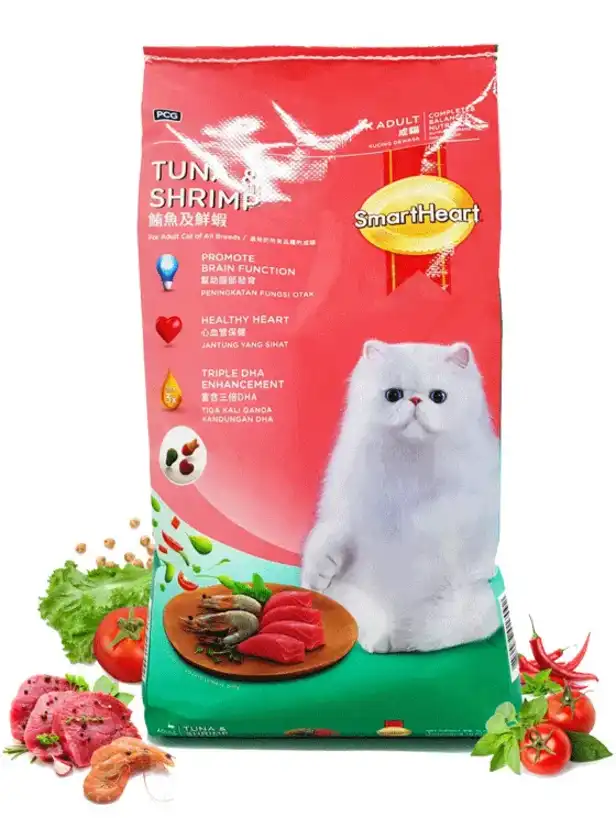
- Matte/soft‑touch for premium, muted brands; helps hide handling marks; often used for pet food and specialty grains.
- Pearlized/white for opacity and brand blocking over dark fills; metallized for light or UV‑sensitive contents (with recyclability caveats).
Color management is not a nicety; it is contract math. ΔE tolerances define acceptance; spectrophotometers end arguments.
Problem–Solution–Result Narratives You Can Borrow
Problem: 50 kg fertilizer sacks lean on pallets and show corner splits after three drops.
Solution: Switch to valve block‑bottom, increase denier to 1200D, add anti‑slip lacquer, specify filler cords for sift‑proof seams, raise BOPP to 25 μm matte, tighten peel spec.
Result: Passed a 1.2 m five‑drop series without failures; pallet stability improved; graphics intact; minor cost uptick, major field loss reduction.
Problem: A 25 kg rice SKU needs resin savings without surrendering premium print.
Solution: Drop fabric denier from 1000D to 900D, keep 12×12 weave, optimize seam bite and thread, maintain 20 μm BOPP; validate by strip/grab, seam rupture, peel, drop.
Result: Fabric GSM ↓ ~8%; no change in drop performance; annual resin savings accrued.
Problem: Dark artwork cracks at crease lines after cold‑chain logistics.
Solution: Move to soft‑touch matte 25–30 μm BOPP, increase lamination temperature window, raise peel spec, reduce crease radius, add micro‑perfs.
Result: No visible cracking; premium look preserved; line efficiency unchanged.
Frequently Asked, Frankly Answered
Can we go below 900D at 25 kg if lamination is present? Sometimes. Only if weave density and seam design are tuned and your distribution drops are modest. Many programs standardize 900D to keep UV margins.
Do Printed BOPP Woven Bags recycle? They are PP‑rich structures. Where PP streams exist and bags are clean, yes. Always confirm local capability and consider take‑back schemes for industrial users.
Will lamination choke filling because of low breathability? It can. For powders that trap air, use micro‑perforations, valve venting, or de‑aeration features on the filler.
Which finish should I choose? Gloss for bold art; matte/soft‑touch for luxury cues; white/pearlized for opacity; metallized when light protection is needed. Each choice moves COF and crease behavior—validate on line.
Example SKU Matrix (Ready‑to‑Quote Configurations)
| SKU | Fill | Net weight | Style | Denier | Weave | Fabric GSM | Film | Lamination | Notes |
|---|---|---|---|---|---|---|---|---|---|
| A | Jasmine rice | 10 kg | Open‑mouth sewn | 700D | 11×11 | 70 | 20 μm gloss | PP coating 25 g/m² | Retail premium print; easy‑open tape |
| B | Long‑grain rice | 25 kg | Block‑bottom | 900D | 12×12 | 95 | 20 μm matte | PP coating 25 g/m² | Pallet stability priority; micro‑perfs |
| C | Cane sugar | 50 kg | Valve block‑bottom | 1000D | 12×12 | 105 | 25 μm matte | PP coating 25 g/m² | Sift‑proof seams; anti‑slip |
| D | NPK fertilizer | 50 kg | Valve block‑bottom | 1200D | 12×12 | 115 | 25 μm gloss | PP coating 30 g/m² | Abrasive product; raise seam bite |
| E | Pet food | 20 kg | Open‑mouth sewn | 800D | 12×12 | 85 | 25 μm soft‑touch | PP coating 25 g/m² | COF tuned for conveyors |
A Cross‑Material Comparison You Can Share With Stakeholders
When budgets, branding, and bruising realities collide, comparisons clarify.
- BOPP‑laminated woven gives the best strength‑to‑weight ratio and photorealistic print; robust in humid chains; COF must be tuned; recycling depends on local PP stream acceptance.
- Multiwall paper delivers warm, natural aesthetics and easy curbside recycling in many markets; moisture sensitivity and lower puncture resistance may demand liners; stacking weakens in humidity.
- Heavy‑duty PE films bring water resistance and simple heat‑sealing; puncture resistance and pallet stability can lag woven constructions; print quality is good but rarely photorealistic.
The right answer is not universal; it is contextual. Map your product’s density, abrasiveness, humidity exposure, and branding priority to these trade‑offs.
Design Workflow—From Questions to Drawings
- Define the fill: density, particle size, abrasiveness, aeration.
- Map the route: drop height, humidity, UV exposure, pallet pattern, storage time.
- Choose the load class and denier band accordingly.
- Lock weave density and GSM to hit strip/grab strengths.
- Set BOPP gauge and finish for art and COF.
- Pick the bag style to fit the product’s flow and the plant’s filler.
- Validate with seam rupture, peel, drop, and, when needed, UV retention.
- Freeze the spec; retain coupons; trace every bale.
Throughout, keep repeating the name of the system you are optimising: Printed BOPP Woven Bags—because design decisions here cascade everywhere else.
Introduction — Framing the Packaging Problem
In many fast‑moving supply chains, brands must ship 5–50 kg of granular or powdered product while projecting premium shelf presence and controlling unit cost. How can one package be tough in the warehouse, precise on filling lines, and persuasive at retail? This is the question that Printed BOPP Woven Bags answer. At their core, Printed BOPP Woven Bags combine a load‑bearing woven polypropylene (PP) fabric with a reverse‑printed biaxially oriented polypropylene (BOPP) film. The fabric carries the weight; the film carries the story. We approach the topic with a problem‑oriented, logic‑closed chain: define the challenge, lay out a method, examine results, then discuss implications across materials, mechanics, and branding. For a quick specification anchor and supplier overview, you can also consult Printed BOPP Woven Bags.
Background knowledge. In textile‑based packaging, three levers dominate: tape linear density (denier), weave density (ends × picks), and laminate design (film gauge, tie‑layer, peel). Printed BOPP Woven Bags tune all three. Horizontally, they compete and cooperate with multiwall paper sacks and heavy‑duty PE film bags; vertically, they link tape physics → fabric mechanics → laminate adhesion → seam design → pallet stability. This multiscale chain is the lens we will use.
Methods — A System Map for Selecting Printed BOPP Woven Bags
We decompose the overall question—“Which Printed BOPP Woven Bags configuration fits my product and route?”—into six sub‑problems and solve each with constraints and tests.
1) Load & logistics definition. What is the fill density, abrasiveness, particle size, and trapped‑air behavior? What is the drop height, humidity, UV exposure, storage time? Printed BOPP Woven Bags for 25 kg rice differ materially from those for 50 kg fertilizer.
2) Tape and fabric design. Choose denier bands that reflect duty: 600–800D for ≤10 kg; 700–900D for 10–25 kg; ≈900D for 25 kg food; ≈1000–1200D for 50 kg or abrasive products. Lock weave density (e.g., 12×12 for 25–50 kg) to hit fabric strip/grab strengths. This is the structural backbone of Printed BOPP Woven Bags.
3) Film and print stack. Select BOPP finish (gloss, matte/soft‑touch, white/pearlized, metallized) and gauge (~15–40 μm) to balance scuff resistance, crease whitening, and brand color. Reverse printing places ink beneath the film so Printed BOPP Woven Bags retain graphics after handling.
4) Lamination and peel integrity. Define coating weight (+20–30 g/m² common) and peel strength (N/25 mm) so film‑to‑fabric adhesion survives creasing and sewing. Lamination is where Printed BOPP Woven Bags often succeed or fail in drop tests.
5) Style and seam program. Open‑mouth sewn for simplicity; pinch‑bottom for sealed edges; valve block‑bottom for powders that aerate and for cubic efficiency. Stitch density (e.g., 14 ± 2 stitches/dm), seam bite (≥25 mm), and filler cords for sift‑proofing harden Printed BOPP Woven Bags against real‑world abuse.
6) Validation. Use a concise regimen: denier and tensile at tape/fabric; peel at the laminate; seam rupture on converted bags; instrumented 1.0–1.2 m drop series; UV retention where outdoor storage occurs. The outcome is a verified, not assumed, Printed BOPP Woven Bags specification.
Results — An Integrated Specification That Closes the Loop
When the six sub‑problems are solved coherently, Printed BOPP Woven Bags become a single, predictable system rather than a stack of parts. The following synthesized spec is typical for a 25–50 kg corridor.
Illustrative configuration. For 25 kg rice: Printed BOPP Woven Bags with 900D tapes, 12×12 weave, uncoated fabric ~95 g/m², 20 μm matte BOPP, extrusion coating +25 g/m², block‑bottom or open‑mouth style depending on filler, micro‑perfs only if deaeration is required, seam bite ≥25 mm, drop test pass at 1.0 m. For 50 kg fertilizer: 1000–1200D tapes, same weave family, 25 μm film with anti‑slip lacquer, valve block‑bottom style, sift‑proof seams, drop test pass at 1.2 m, UV retention ≥50% of original tensile after specified exposure.
Parameter snapshot.
| Parameter | Typical choice in Printed BOPP Woven Bags | Rationale |
|---|---|---|
| Tape denier | 600–1200D (application‑driven) | Tunes tensile capacity and fabric GSM |
| Weave density | 10×10–14×14 | Balances weight vs. anisotropy and tear |
| Film gauge | 15–40 μm | Scuff protection vs. crease behavior and cost |
| Lamination coat | +20–30 g/m² | Peel strength and bond uniformity |
| Seam program | Double‑chain; 14 ± 2 stitches/dm; bite ≥25 mm | Drop resistance & sift‑proofing |
| COF (outer) | Tuned by lacquer | Pallet stability and line runnability |
Observed outcomes. Properly tuned Printed BOPP Woven Bags deliver (a) fewer corner splits in the 3rd–5th drop, (b) cleaner graphics after pallet rub, (c) stable stacking angles, and (d) reduced resin cost when the seam—not the yarn—was the actual bottleneck.
Discussion — Horizontal Analysis (Materials & Markets)
Across materials. Compared to multiwall paper, Printed BOPP Woven Bags bring a higher strength‑to‑weight ratio, better moisture tolerance, and photo‑quality graphics via reverse‑printed BOPP. Compared to heavy‑duty PE film bags, Printed BOPP Woven Bags resist punctures and pallet distortion more effectively, though breathability is lower; micro‑perfs or valve venting address trapped air. The horizontal view shows a triangle of trade‑offs: strength vs. moisture vs. brand expression. Printed BOPP Woven Bags sit near the center point where these three are acceptably balanced for 5–50 kg goods.
Across markets. In food staples (rice, flour, sugar), Printed BOPP Woven Bags combine retail aesthetics with warehouse durability. In fertilizers and feeds, abrasion and stacking pressure dominate; denier inches up, seams thicken, anti‑slip matters. In mineral powders, de‑aeration and valve geometry become decisive. The same platform flexes by changing a handful of parameters.
Across functions. Brand teams love the print fidelity; plant engineers love the line stability; logistics teams love the pallet integrity. Why must packaging choose only one ally when Printed BOPP Woven Bags can speak all three languages?
Discussion — Vertical Analysis (From Polymer to Pallet)
Polymer physics. Denier is not just a number—it is the linear mass that, when multiplied by draw ratio and crystallinity, produces tenacity. Under‑drawing tapes reduces strength and raises creep; over‑drawing embrittles them. Printed BOPP Woven Bags live or die on this calibration.
Textile mechanics. Ends and picks dictate load paths. A 12×12 fabric with the same GSM as an 11×13 will tear differently, because anisotropy shifts. Miss‑picks that look cosmetic propagate as stress risers at the seam fold.
Surface science. Lamination peel is the silent guardian of graphics and seam integrity. If peel is low, hems become crack starters; if peel is high but brittle, crease whitening appears. Printed BOPP Woven Bags need peel that is strong and ductile—cohesive failure preferred.
Conversion & distribution. Stitch density and bite place fibers into a mechanical truss; valve sleeve tolerances decide leakage; anti‑slip lacquers decide how pallets behave in corners. The last meter of the journey is where the first meter of design is judged.
Discussion — Problem→Method→Result→Implication Loops
Problem: Premium artwork scuffs during transport.
Method: Increase film gauge from 18→25 μm, switch from gloss to matte to hide rub, raise lamination coat weight for peel margin.
Result: Shelf‑ready appearance after stacked transit.
Implication: Graphic durability in Printed BOPP Woven Bags is a lamination question as much as a printing question.
Problem: 50 kg sacks lean and split at corners.
Method: Move from open‑mouth to valve block‑bottom; increase denier to ~1200D; add anti‑slip lacquer; specify filler cords in seams.
Result: Pass 1.2 m five‑drop with no corner failures; pallets stand straight.
Implication: Geometry and surface finish can equal the impact of raw strength in Printed BOPP Woven Bags.
Problem: Need resin savings in a 25 kg food SKU.
Method: Drop denier from 1000D to 900D; maintain 12×12; optimize seam bite; keep 20 μm film.
Result: Fabric GSM ↓ ~8% with equal drop performance.
Implication: Bottlenecks often hide in seams; solve there before adding grams upstream.
Discussion — Integration: From Sub‑Solutions to One Bill of Materials
System thinking closes the loop: the six sub‑problems become one bill of materials. For a mainstream 25 kg rice line, a harmonized build is: Printed BOPP Woven Bags with 900D tapes, 12×12 weave, 20 μm matte BOPP, +25 g/m² coat, open‑mouth or block‑bottom style per filler, seam bite ≥25 mm, anti‑slip optional, drop test pass at 1.0 m. Each choice answers to another: lower denier compensated by seam program; matte finish compensated by color management; micro‑perfs only when deaeration demands it. The result is not an arbitrary list; it is a rationale in fabric form.
References
- ISO 23560 — Woven polypropylene sacks for bulk packaging of foodstuffs.
- ASTM D5035 — Textile fabrics: breaking force and elongation by strip method.
- ASTM D5034 — Textile fabrics: breaking strength and elongation by grab method.
- ASTM D903 — 180° peel or stripping strength of adhesive bonds.
- IS 9755 — HDPE/PP woven sacks for packing fertilizers.
- Starlinger Group — Tape extrusion, circular looms, coating/lamination solutions for PP woven sacks.
- Windmöller & Hölscher — Paper and valve sack converting technologies relevant to hybrid portfolios.
- Industry supplier datasheets for Printed BOPP Woven Bags (film gauges, anti‑slip lacquers, COF tuning).
Printed PP Woven Bags
Printed woven bags wholesale
Printed BOPP Woven Bags, Printed BOPP Woven sacks