
Printed BOPP Woven Bags — A Comprehensive Quality Approach
As a VidePak marketing specialist, this rewrite reframes Printed BOPP Woven Bags as a governed system, not a lucky outcome. It weaves material science, lamination physics, print metrology, compliance rules, and real‑world handling into an audit‑ready loop: design → run → measure → improve. The promise is tangible—cleaner graphics, tighter tolerances, safer stacks—because quality is engineered upstream and verified downstream.
What are Printed BOPP Woven Bags? (a.k.a. BOPP‑laminated PP woven sacks / printed raffia bags)
Printed BOPP Woven Bags are composite sacks built on a polypropylene (PP) woven substrate and faced with biaxially oriented polypropylene (BOPP) film. The BOPP layer—clear, matte, or metallized—provides a smooth, printable surface and supplemental barrier; the woven base supplies tensile backbone, puncture resistance, and clamp‑truck survivability. Also referred to as BOPP‑laminated PP woven sacks, printed raffia bags, or BOPP‑coated woven sacks, they are specified for 5–50 kg fills across rice, flour, sugar, fertilizers, animal feed, salts, pigments, resins, and construction powders.
Background and domain context. In mechanics, the substrate is a lattice of oriented tapes; denier, mesh density (e.g., 10×10–14×14), and GSM (e.g., 70–140 g/m²) set fundamental strength and drop behavior. In optics, BOPP orientation governs gloss/matte appearance, stiffness, and lay‑flat; corona treatment raises surface energy to anchor inks and adhesives. In operations, the finished sack must survive pallet compression, conveyor abrasion, clamp‑truck yaws, and warehouse glare while preserving code legibility and brand fidelity. Horizontally, Printed BOPP Woven Bags connect geotextile load paths, oriented‑film optics, and warehouse ergonomics. Vertically, quality ladders resin → tape → weave → lamination → print → conversion → QA → pallet.
Data reinforcement. Credible market ranges for Printed BOPP Woven Bags include woven substrate ~70–140 g/m², tape ~800D–1500D, mesh ~10×10–14×14; BOPP thickness ~15–35 µm; optional PE coating/inner liner ~10–30 g/m². Typical geometries: ~40×60 cm (25 kg) and ~50×80 cm (50 kg) with widths ~35–100 cm. Common capability: gravure 8–10 colors for photo‑rich panels; flexo 4–6 colors for agile SKUs.
Case analysis. A grain brand replaced paper multiwall with matte‑laminated Printed BOPP Woven Bags plus hemmed mouths. Barcode grades stabilized at B or better, pick errors fell by 21% (clearer SKUs at distance), and corner scuffing complaints dropped quarter‑on‑quarter. Nothing mystical: smoother optics, stronger edges, tighter COF.
Comparative study. Against paper multiwall: superior wet strength, seam toughness, and clamp resistance. Against plain woven: higher rub resistance and sharper microtype with only a modest mass penalty. Against tubular PE film: stronger pallet friction and brick‑like stack geometry, even if absolute FFS speeds may favor film on ultra‑optimized lines.
What are the features of Printed BOPP Woven Bags?
Optics that persuade; surfaces that endure. Clear BOPP amplifies saturation and gloss for retail theater; matte BOPP diffuses glare, hides rub marks, and improves scanner performance under LED high‑bay lighting. With post‑corona dyne ~38–42 dynes, inks and adhesives stay anchored; ΔE drift shrinks; artwork looks as approved, not approximated.
Strength‑to‑weight leverage. Oriented PP tapes deliver high tensile and tear at moderate GSM. Bottoms can be single or double fold with single/double stitching; hemmed mouths (20–40 mm) control fray and give a cleaner shelf edge. The result: lighter packaging that still tolerates rough routes.
Barrier and hygiene tailoring. Base BOPP offers moderate WVTR/OTR improvements; metallized BOPP or EVOH‑based stacks reduce oxygen ingress for aroma‑sensitive goods; a PE inner liner adds cleanliness for hygroscopic products. Choose barrier by product chemistry, not by habit.
Print latitude with durability. Gravure captures photographic gradients and fine halftones; flexo thrives on nimble changeovers. Rub resistance improves with matte films or protective varnish; micro‑emboss textures on matte faces resist scuffs on rough decks.
COF tuning for real safety. Anti‑slip back coats or textured films set bag‑to‑deck COF typically ~0.38–0.55. Too slick and stacks creep; too grippy and conveyors stutter. Quality is the narrow middle.
Horizontal thinking. Materials engineering lowers surface roughness (via higher mesh and tighter draw); print science translates that into reduced dot gain and tighter ΔE; warehouse studies link matte optics and adequate COF to faster picks and fewer topple events. Three disciplines, one KPI: incident‑free throughput.
Vertical thinking. Adjust mesh → lamination lay‑flat improves → registration tightens → barcodes grade up → mis‑picks decline. Adjust stitch pitch → bottom strain redistributes → drop failures fall → pallet rework shrinks. Small inputs, large outcomes.
Data reinforcement. For 50 kg SKUs, common builds specify substrate ~90–120 g/m², mesh ~10×10–12×12, BOPP ~15–25 µm, COF ~0.40–0.55, with minimum X‑height ≥ 1.2 mm for variable codes on matte faces.
Case analysis. A fertilizer producer set a matte front + anti‑slip back + hemmed mouth recipe for their export lines. COF stabilized near 0.48, clamp slippage incidents halved, and mouth fray complaints at retail nearly disappeared.
Comparative study. Matte vs gloss BOPP: matte wins on scanner consistency and scuff masking; gloss wins where spectacle matters more than glare. Clear vs metallized BOPP: clear supports visibility and simpler recycling stories; metallized supports OTR targets for oxidatively sensitive blends.
What is the production process of Printed BOPP Woven Bags?
1) PP granules selection & tape extrusion. Start with raffia‑grade PP (typical MFI ~2–4 g/10 min at 230 °C/2.16 kg, ISO 1133; density ~0.90–0.91 g/cm³). Melt → cast film → slit tapes → stretch/anneal to lock orientation. Online thickness control narrows modulus/width dispersion—prerequisite for even weave and flat lamination.
2) Weaving (circular or flat looms). Interlace tapes to target mesh/GSM under controlled warp tension. Weft‑stop/warp‑break detection localizes defects; tight width tolerance protects print registration and laminator tracking.
3) Surface preparation & lamination. Corona treatment lifts dyne levels; solventless PU adhesives or extrusion coating bonds BOPP 15–35 µm to the fabric. Coatweight and nip profile are tuned to avoid orange‑peel (which would destabilize halftones) and to preserve lay‑flat. Choose clear, matte, or metallized film by optics/barrier aims.
4) Printing. Gravure (8–10 colors) for photo‑heavy panels; flexo (4–6 colors) for agile programs. Spectrophotometers manage ΔE*ab ≤ 3 on brand‑critical hues; inline verifiers grade barcodes to ISO/IEC 15416. Inks (PU/polyamide) are selected for bond strength and rub resistance.
5) Conversion. Heat‑cut or hem the mouth (typ. 20–40 mm); bottom seams are single/double fold with single/double stitching, tuned to drop energy and content abrasiveness. Add M‑gussets, handles, or valves when the route demands. Keep variable codes out of clamp arcs and away from fold lines.
6) QA & compliance. Mechanical: tensile/tear, seam strength, ASTM D5276 (drop). Friction: ASTM D1894 (COF). Barrier (if claimed): ASTM E96 (WVTR), ASTM D3985 (OTR). Food‑contact dossiers reference Regulation (EU) No 10/2011 (overall migration ≤ 10 mg/dm², SML/QM as listed) and FDA 21 CFR §177.1520 (olefin polymers). Plant governance under ISO 9001:2015; many buyers also request BRCGS Packaging or ISO 22000:2018.
Data reinforcement. Clear BOPP/PE stacks routinely achieve WVTR in low single‑digit g/m²·day at standard lab conditions; metallized films commonly drop OTR by an order of magnitude versus clear—useful for aroma‑intense spices or oxidation‑prone premixes.
Case analysis. A converter tightened weave width tolerance by ±2 mm and re‑profiled laminator nip. Registration drift dropped; barcode grades improved; and lamination scrap from orange‑peel defects fell, lifting first‑pass yield.
Comparative study. Solventless lamination over woven fabric offers clearer optics and more uniform bonds than many extrusion‑coat builds on textured substrates—ideal for photographic art—while extrusion coat wins on speed and capital simplicity for commodity graphics.
What is the application of Printed BOPP Woven Bags?
Staple foods (10–50 kg). Printed BOPP Woven Bags with matte faces keep nutrition panels readable; optional inner liners protect against moisture; the woven base preserves stack geometry through long, mixed‑mode routes.
Feed & agriculture. UV‑stabilized tapes survive yard exposure; anti‑slip backs steady pallets; laminated faces resist cage scuffs. Color‑coded panels accelerate pick accuracy at co‑packers.
Industrial minerals & chemicals. For salt, pigments, and resins, antistatic packages temper charge buildup; matte films hide rub marks; seam geometry is stepped up for abrasive fills and tall drops.
Construction powders. Cement, mortar, tile adhesive: higher GSM and double‑fold/double‑stitch bottoms manage impact; micro‑perfs (where specified) vent air without compromising dust hold‑out.
Data reinforcement. Typical 50 kg layouts show substrate ~90–120 g/m², mesh ~10×10–12×12, widths ~50–80 cm, BOPP ~15–25 µm, COF ~0.40–0.55; X‑height ≥ 1.2 mm for variable text.
Case analysis. A salt producer adopted inner PE liners and matte BOPP. Clumping incidents fell; label legibility improved after transit; pallets arrived drier following exposure events—evidence that barrier + optics is a practical duo, not a theory.
Comparative study. Laminated woven vs paper: better wet‑chain survival and face durability. Laminated woven vs plain woven: stronger shelf message and fewer face scuffs. Laminated woven vs tubular PE film: superior stack friction and clamp handling, though peak FFS speeds may still favor film.
What is the application of Printed BOPP Woven Bags? (sector‑specific deployment)
Food‑contact & retail signals. Constructions specified to EU 10/2011 and FDA 177.1520 with a complete DoC unlock mainstream retail and export. Matte optics curb glare over small type; gloss optics create category beacons from distance.
Yard storage & outdoor exposure. UV packages and anti‑slip backs keep pallets intact through forklift yaw and weather cycles; bold color corners or bands aid pallet counting in sun‑glare conditions.
High‑drop & abrasive duty. Increase GSM/denier; deploy double‑fold/double‑stitch bottoms; select tougher matte films to disguise scars from rough decks and clamps.
ESD‑sensitive powders. Antistatic packages and liners moderate charge relative to plain PE film while preserving the woven substrate’s strength and COF.
Cross‑disciplinary lens. Raise GSM and drop endurance climbs—but mass creeps and freight follows. Increase COF and stacks grip—but conveyors may need retune. Add metallized barrier and shelf life extends—but recycling narratives shift. The best spec is negotiated between brand, safety, sustainability, and line engineering.
Compliance & testing (the credentials that open markets)
- EU: Regulation (EU) No 10/2011 for plastics in contact with food (overall migration ≤ 10 mg/dm²; SML/QM where applicable). Maintain a Declaration of Compliance with lot‑linked evidence.
- US: FDA 21 CFR §177.1520 for PP/BOPP/PE contact layers under stated conditions of use.
- CN: GB/T 8946‑2013 defines general technical requirements for plastic woven sacks (dimensions, seam strength, marking, inspection rules).
- QMS: ISO 9001:2015 underpins resin‑to‑pallet traceability; many buyers also request BRCGS Packaging or ISO 22000:2018.
- Methods: ASTM D5276 (drop), ASTM D1894 (COF), ASTM E96 (WVTR), ASTM D3985 (OTR when barrier stacks are used), tensile/tear and seam strength per woven‑sack norms; laminate adhesion verified by T‑peel. Compliance is not ornament—it is the handshake between engineering and law.
Key Parameters & Options (market‑referenced)
| Parameter | Typical Range / Option | Field Purpose | Notes |
|---|---|---|---|
| Substrate GSM | ~70–140 g/m² | Balance stack/drop strength vs mass | Heavier routes → higher GSM |
| Mesh density | ~10×10 – 14×14 | Surface smoothness & puncture control | Denser mesh → flatter print base |
| Tape denier | ~800D – 1500D | Clamp‑truck tolerance & impact | Interacts with GSM; validate on line |
| BOPP film | ~15–35 µm (clear/matte/metallized) | Optics & barrier tuning | Matte hides scuffs; metallized boosts OTR barrier |
| PE coating / liner | ~10–30 g/m² | Moisture & hygiene control | Alters stiffness and seam behavior |
| Width × Length | ~40×60 cm (25 kg); ~50×80 cm (50 kg) | Filler/pallet alignment | Gussets increase volume efficiency |
| Mouth finish | Heat‑cut / hem ~20–40 mm | Fray control & mouth stiffness | Hemming improves shelf look |
| Bottom seam | Single/double fold; single/double stitch | Impact load distribution | Double‑fold/double‑stitch for heavy drops |
| COF (bag/deck) | ~0.40–0.55 | Feed vs stack stability | Set via anti‑slip coat or film texture |
| Printing | Flexo 4–6c / Gravure 8–10c | Brand fidelity & code legibility | Registration relies on width control |
| Dyne level | ~38–42 dynes (post‑corona) | Ink anchorage & bond strength | Monitor drift during long runs |
| Color tolerance | ΔE*ab ≤ 3 target | Consistent brand/coding | Verify via spectro per shift |
| Additives | UV / antistatic / anti‑slip | Exposure & powder behavior | Tune to climate and route |
Integrated solution (synthesis for VidePak buyers)
Design for results, not for luck. Engineer stabilized PP that draws into uniform tapes; weave to a mesh/GSM that supports lay‑flat; select the film stack—clear/matte/metallized BOPP with or without PE—that meets optics, barrier, and route goals; laminate with measured coatweights and tuned nip profiles; print to ΔE targets with barcode grades ≥ B; convert with hemmed mouths and double‑fold/double‑stitch bottoms where drop energy spikes; and verify with COF, drop, seam, WVTR/OTR, and migration data under ISO 9001 governance. For a spec‑to‑SKU bridge, see Printed BOPP Woven Bags—an intentional anchor connecting this language to commercial products ready for trials.
- Printed BOPP Woven Bags — A Comprehensive Quality Approach
- What are Printed BOPP Woven Bags? (a.k.a. BOPP‑laminated PP woven sacks / printed raffia bags)
- What are the features of Printed BOPP Woven Bags?
- What is the production process of Printed BOPP Woven Bags?
- What is the application of Printed BOPP Woven Bags?
- What is the application of Printed BOPP Woven Bags? (sector‑specific deployment)
- Compliance & testing (the credentials that open markets)
- Key Parameters & Options (market‑referenced)
- Integrated solution (synthesis for VidePak buyers)
Introduction
In the construction industry, efficient waste management hinges on packaging solutions that withstand harsh conditions while minimizing costs. Printed BOPP (Biaxially Oriented Polypropylene) woven bags have emerged as a cornerstone for transporting debris, offering a blend of high tensile strength (8–12 N/mm²) and customizable branding. For VidePak, a global leader with 30+ years of expertise, the fusion of virgin PP materials and precision engineering ensures these bags meet the rigorous demands of construction sites. This report explores how VidePak’s BOPP woven bags address quality, cost, and environmental challenges through innovative design and production excellence.
Material Science: Why BOPP and PP Excel in Construction
BOPP lamination enhances PP’s inherent properties, making it ideal for abrasive and heavy-load applications:
- Strength & Durability: PP fibers exhibit a tensile strength of 8–12 N/mm², enabling bags to withstand loads up to 50 kg without tearing. BOPP coatings further boost abrasion resistance by 40%, critical for sharp debris like concrete fragments.
- Moisture Resistance: PP’s hydrophobic nature prevents water absorption, while BOPP lamination reduces moisture ingress to <5 g/m²/day, protecting contents like gypsum powder from clumping.
- Cost Efficiency: PP’s low raw material cost and high recyclability align with construction firms’ budget constraints.
Dialogue Example:
Q: “How do BOPP bags compare to traditional HDPE bags for rubble transport?”
A: “BOPP bags offer 30% higher tear resistance and 20% lighter weight, reducing shipping costs while maintaining structural integrity under 50 kg loads.”
Construction Waste Applications: Balancing Strength and Affordability
1. Debris Handling
Construction waste—rubble, broken tiles, and metal scraps—demands bags with burst strength ≥35 psi and reinforced stitching. VidePak’s solutions include:
- Double-Lock Stitching: Ensures seam integrity under dynamic loads.
- BOPP/PE Composite: Combines PP’s rigidity with polyethylene’s flexibility, reducing puncture risks.
Case Study: A Dubai-based contractor reduced bag failure rates by 60% after switching to VidePak’s 120 GSM BOPP bags, which withstood 1,200+ filling cycles without rupture.
2. Cost Optimization Strategies
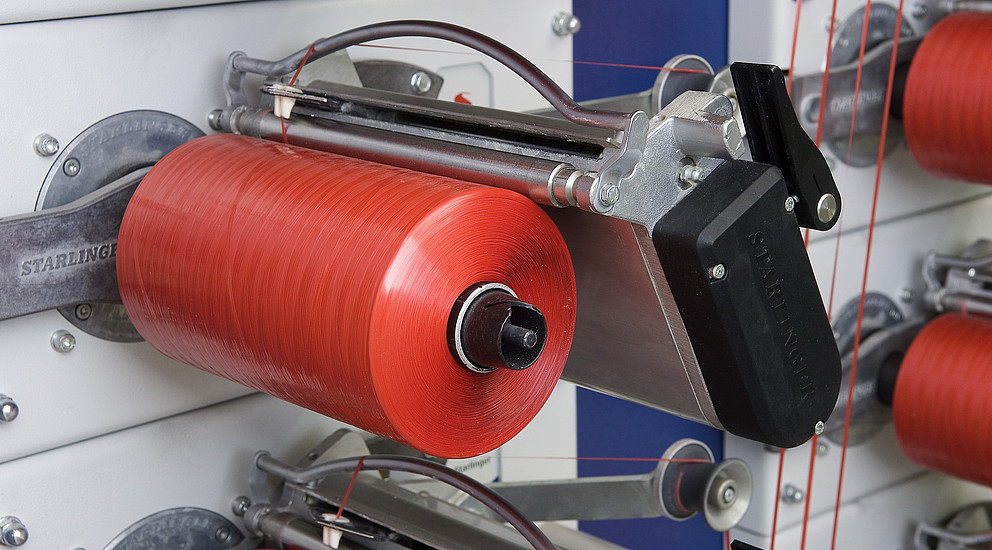
- Bulk Production: VidePak’s 100+ Starlinger circular looms enable mass production at $0.12–$0.18 per bag, 15% below industry averages.
- Recycled Material Blends: While VidePak primarily uses virgin PP, its “EcoShield” line incorporates 30% recycled content for non-critical applications, cutting costs by 20%.
Technical Parameters: Tailoring Bags to Site Needs
| Parameter | Specification |
|---|---|
| Thickness (GSM) | 80–150 (120+ recommended for heavy debris) |
| Load Capacity | 25–50 kg (double-stitched variants) |
| Print Options | Up to 8-color CMYK, UV-resistant inks |
| Lamination | BOPP, PE, or aluminum foil composites |
Technical Insight: A 2024 Packaging Technology and Science study found that 120 GSM BOPP bags reduced landfill contamination by 45% compared to non-laminated alternatives.
VidePak’s Production Capabilities
With 30+ lamination machines and 16 extrusion lines, VidePak achieves:
- Rapid Turnaround: 72-hour prototyping for customized prints (e.g., hazard warnings or company logos).
- Global Certifications: ISO 9001, REACH, and OSHA compliance for EU and North American markets.
- Sustainability: 100% recyclable PP aligns with the EU’s Circular Economy Action Plan.
FAQs: Addressing Industry Concerns
Q1: How does BOPP lamination enhance bag lifespan?
A: BOPP coatings add a wear-resistant layer, extending bag usability by 50% in high-friction environments like construction sites.
Q2: Are these bags suitable for sharp metal waste?
A: Yes. VidePak’s aluminum foil-composite bags offer puncture resistance up to 15 N/mm², ideal for scrap metal transport.
Sustainability and Market Trends
The global construction packaging market is projected to grow at 6.2% CAGR through 2030, driven by urbanization and ESG mandates. VidePak’s innovations focus on:
- Lightweight Designs: Nano-reinforced PP reduces material use by 25% without compromising strength.
- Smart Tags: QR codes for waste tracking, complying with EU’s Construction Products Regulation (CPR).
Conclusion
Printed BOPP woven bags are not just packaging tools but strategic assets in construction logistics. VidePak’s commitment to Starlinger-driven precision, material innovation, and cost-effective solutions positions it as a pioneer in sustainable waste management. As regulatory and operational demands evolve, the company’s R&D investments ensure it remains at the forefront of the $15 billion industry.
External Links:
- Explore how BOPP lamination enhances durability in construction applications.
- Learn about sustainable practices in PP bag production.