Printed BOPP Woven Bags: Enhancing Waste Management Solutions

What is Printed BOPP Woven Bags?

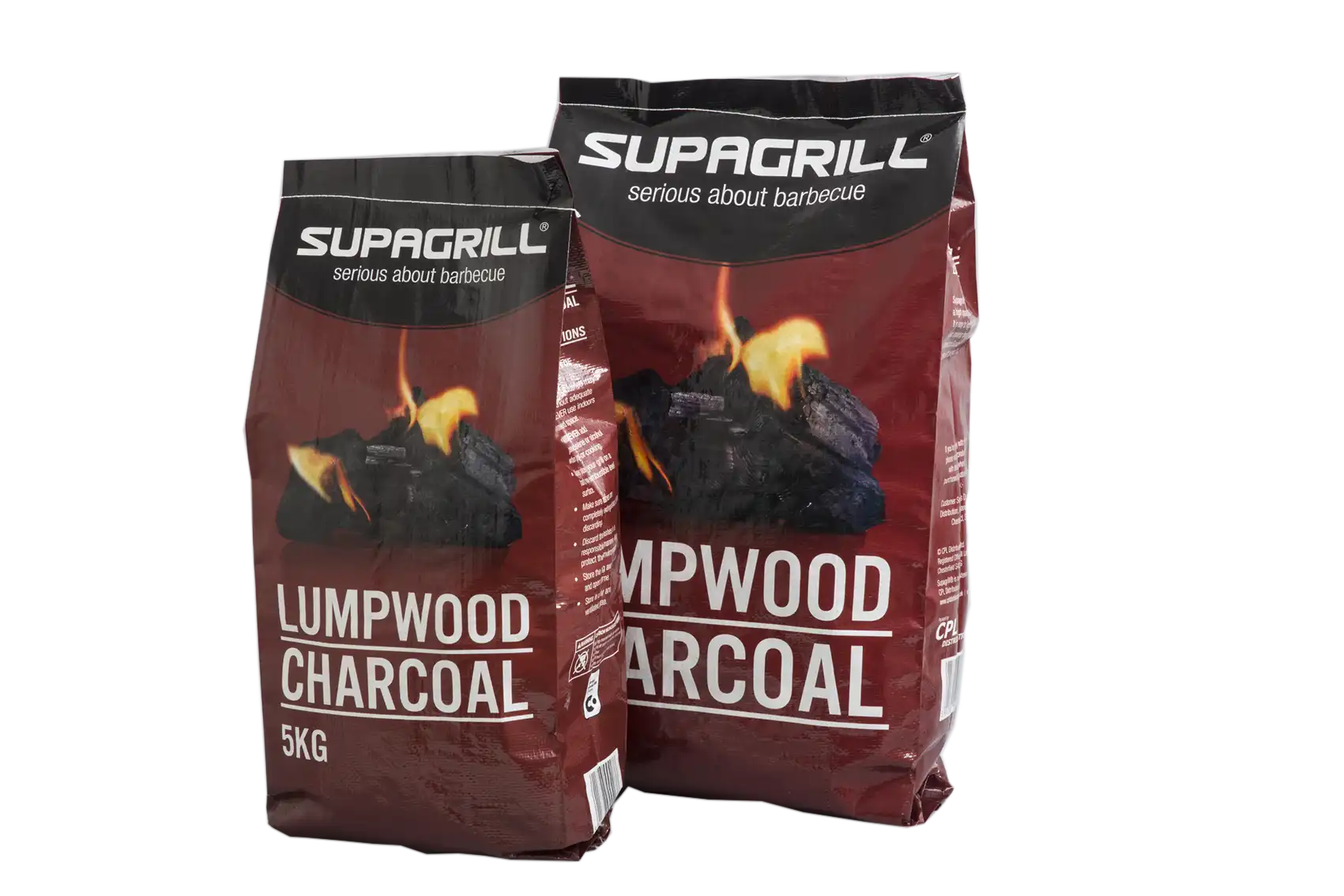
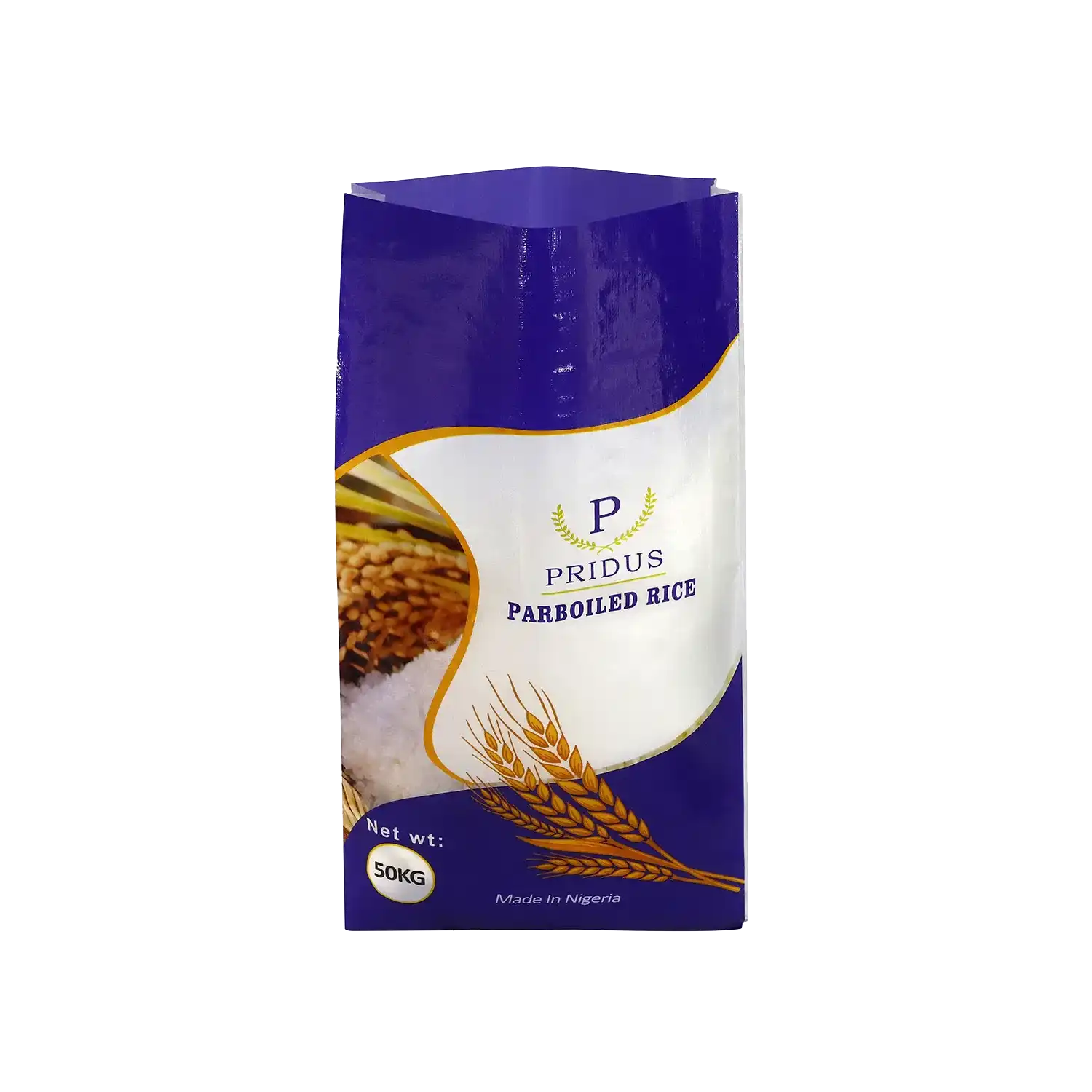
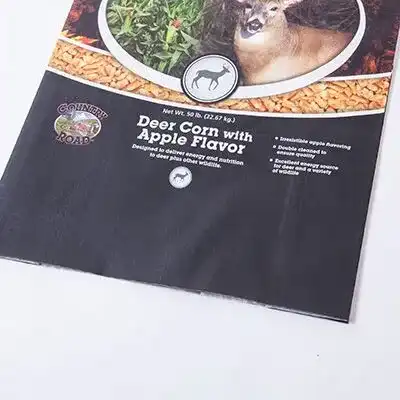
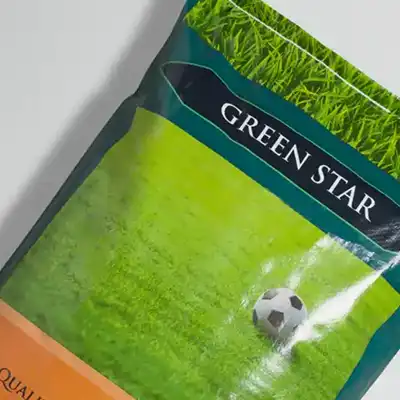
Printed BOPP Woven Bags are composite load carriers that fuse a tear‑resistant woven polypropylene (PP) substrate with a reverse‑printed biaxially oriented polypropylene (BOPP) skin. In practice they also go by BOPP‑laminated woven bags, printed PP woven sacks, BOPP film PP woven bags, and—when a sleeve is built in—printed PP woven valve bags. The division of labor is elegant: the fabric carries the weight, the film carries the message, and the geometry carries the pallet. For municipalities, haulers, and materials‑recovery facilities, Printed BOPP Woven Bags behave like three tools in one—container, signboard, and compliance artifact—so the same object can instruct residents, guide crews, and satisfy auditors. For sourcing context, see Printed BOPP Woven Bags.

Systems lens. Waste is not a static noun; it is a verb that moves—from kitchen to curb, from curb to truck, from truck to MRF. Printed BOPP Woven Bags sit at the junction of polymer science (tape tenacity, UV stabilization, film orientation), converting geometry (block bottom, gusset ratio, valve architecture), operations (bin fit, compaction, palletization), and policy (EPR targets, contamination thresholds, labeling rules). Change one knob—resin grade, lamination weight, perforation density—and everything downstream shifts: leak incidence, dust at the hopper, barcode readability, even the training time for new crews. Horizontal comparisons reveal strengths (vs. star‑seal liners: better cube; vs. multiwall paper: better wet strength). Vertical causality reveals levers (resin → tape denier → fabric GSM → lamination tie → finish → test plan) that make or break routes.


What is the features of Printed BOPP Woven Bags?

System view. Performance emerges when materials × structure × operations × policy align. To keep claims grounded, each subsection follows background → data reinforcement → case analysis → comparative study—so the argument reads like engineering rather than advertising.

  1. Print‑Forward Identification that Drives Sorting

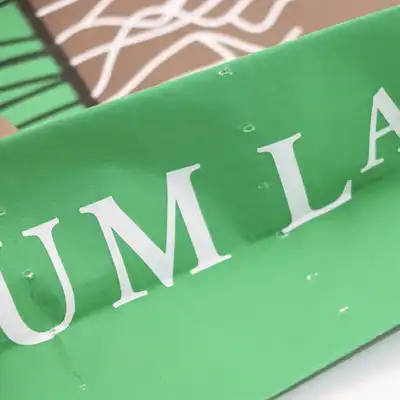
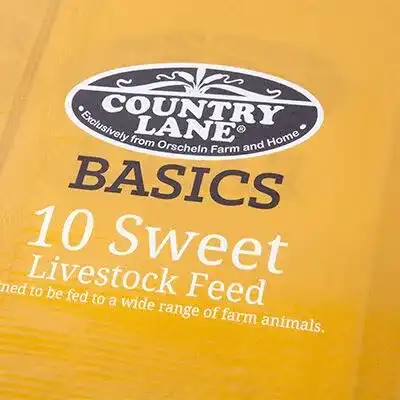
Background. Contamination often starts with confused labeling. Faded icons, smeared text, peeled stickers—small failures that ripple into big fines. By placing inks behind the BOPP film (reverse print), Printed BOPP Woven Bags protect the graphics from cage rails, conveyor rub, and drizzle. Matte/gloss registration, high‑contrast pictograms, and serialized QR fields turn the package into a patient educator: shall we sort better because the bag teaches better? Yes.

Data reinforcement. BOPP thickness typically sits at 15–35 μm with treated surfaces ≥38 dyn/cm to anchor ink; print decks 1–8 colors (gravure or HD flexo) are common; rub/scuff testing under TAPPI‑style methods keeps barcode grades in A/B bands through last‑mile handling. These values map to supplier listings on global B2B catalogs and lab norms.

Case analysis. A coastal utility rolled out Printed BOPP Woven Bags for curbside plastics featuring oversized pictograms and route‑specific QR codes under film. Ninety days later, MRF contamination in the 3–7 plastics stream dropped, and supervisor ride‑alongs recorded faster crew confirmations—because the instruction rode with the bag, not with a flyer.

Comparative study. Adhesive labels peel, paper sleeves soak, direct‑printed PE films scuff; the reverse‑printed BOPP face on Printed BOPP Woven Bags remains legible after rain, rails, and repeat handling.

  1. Brick‑Stable Geometry for Safer Logistics

Background. Square‑fold or block‑bottom builds convert soft sacks into “bricks.” Flat faces share compressive load, stacks behave, and pallets cube out. This is logistics poetry: neater stacks, straighter travel, fewer strap breaks.

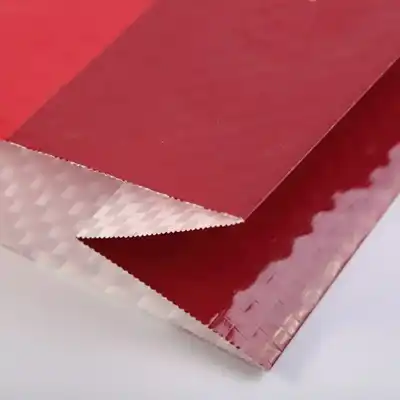
Data reinforcement. Typical woven fabric 70–120 g/m² with meshes 10×10–14×14; common windows W 350–600 mm × L 400–910 mm × B 80–180 mm for 10–50 kg fills (density dependent). Anti‑slip lacquers or micro‑emboss finishes measurably increase face friction, cutting wrap film revolutions per pallet in internal trials.

Case analysis. A waste‑to‑energy operator standardized Printed BOPP Woven Bags at ≈37 × 49 × 11 cm for densified RDF. Pallet lean tickets fell, cube utilization rose, and forklift cycles per ton improved—without adding dunnage or labor.

Comparative study. Star‑seal liners excel at leak control yet slump under stacking; paper multiwall stacks neatly but softens when damp. Printed BOPP Woven Bags hold the cube in wet yards and during clamp‑truck turns.

  1. Moisture & Sift Control Without Over‑Engineering

Background. Wet bays and fine fractions are a fraught combination. Fines escape through fabric interstices and stitch holes; moisture wicks along seams. The fix is calibrated, not excessive: close pathways, vent air only where you must, and keep line speed high.

Data reinforcement. Extrusion coats 15–30 g/m² (PP/PE) materially reduce air permeability (base fabrics referenced to ASTM D737). Optional liners LDPE 50–120 μm—with EVOH where odor/O₂ control matters—support hostile climates. Seal strength for coated mouths or liners is commonly validated to ASTM F88/F88M with acceptance windows ≥7–15 N/15 mm (resin‑dependent). BOPP and tie layers often run 15–35 g/m² for bond integrity.

Case analysis. A transfer station seeking odor discipline added an internal ≈20 g/m² coat and localized 50–80 holes/100 cm² micro‑perfs at the fill panel. Result: lower spout dust on counters, tighter cycle time at the packer, calmer housekeeping.

Comparative study. Pillow sacks “weep” at side seals, paper sacks breathe but absorb; laminated Printed BOPP Woven Bags keep fines in and moisture out while tolerating abrasion from cages and belts.

  1. Strength‑to‑Weight Advantage & Corner Toughness

Background. Right‑weighting reduces resin, but only if edges survive drops, bends, and clamps. Woven PP tapes are excellent at stopping tear propagation, and the BOPP skin shields against scuff.

Data reinforcement. Finished sacks in the ≤50 kg class are commonly qualified using free‑fall drop sequences aligned with ASTM D5276‑19. Fabric increments from 80 → 90 g/m² combined with a 25 μm BOPP outer often deliver visible corner toughness while keeping total mass competitive.

Case analysis. A pigments recycler upsized to 90 g/m² fabric with BOPP 25 μm; corner‑puncture incidents on steel‑mesh routes dropped without changing pallet patterns.

Comparative study. Thin monolayer films stretch and scuff; multi‑ply paper tears when wet. The composite sack holds form and face.

  1. Policy Alignment & Audit‑Ready Documentation

Background. Waste programs operate under standards—procurement, safety, and sustainability. Printed BOPP Woven Bags can be specified against ISO 6591‑1 (sack measurement vocabulary), ASTM D5276‑19 (drop), ASTM F1249 / D3985 (WVTR/OTR for films), and ISO 18604 (material recycling). Quality systems such as ISO 9001 and hygiene frameworks like BRCGS Packaging Materials keep change control and traceability operational. Where the bag touches food residues (source‑separated organics), materials may be selected to 21 CFR 177.1520 and EU 10/2011.

Data reinforcement. Lot‑wise COAs typically log GSM, dimensions, lamination weight, seal pulls, drop outcomes, and print register; third‑party summaries (SGS/Intertek) near‑instantiate municipal acceptance because the numbers speak for themselves.

Case analysis. A regional tender demanded verifiable drop and print durability. Vendors offering Printed BOPP Woven Bags with batch COAs and lab summaries were fast‑tracked; award cycles shortened, onboarding grew smoother.

Comparative study. Spec‑by‑brochure is cheap until penalties arrive. Audited specs keep budgets honest—and crews safe.

  1. Sustainability Pathways That Scale

Background. Extended Producer Responsibility, recycled‑content rules, and credible end‑of‑life messaging are no longer optional. Printed BOPP Woven Bags support mono‑polyolefin architectures, rPP in non‑food outers, and baled take‑back programs.

Data reinforcement. Non‑food fabrics frequently target 20–40% rPP; UV packages span 200–800 h outdoor exposure; anti‑slip lacquers reduce stretch‑wrap usage. Reverse print reduces label waste, while brick‑stable stacks cut film.

Case analysis. A city depot piloted backhaul baling of mono‑PP sacks; resin recovery rose, and wrap film per pallet fell after anti‑slip finishes were specified.

Comparative study. Corrugated outers inflate reverse‑logistics volume; ultra‑thin films save resin but drive product loss. Printed BOPP Woven Bags reduce total waste by safeguarding contents and improving cube.


What is the production process of Printed BOPP Woven Bags?

From pellets to pallets, tiny settings write large outcomes—alter a gram of tie, alter a claims curve.

1) Tape Extrusion & Drawing. PP pellets → cast sheet → slit → draw into high‑tenacity tapes. Draw ratio sets tensile/elongation; denier governs modulus and seam behavior. UV masterbatch tunes yard life.

2) Weaving (Circular or Flat Looms). Warp and weft form fabrics typically 70–120 g/m², mesh 10×10–14×14. Pick count and loom tension control width tolerance and lay‑flat, which determine print register and block‑bottom squareness.

3) BOPP Printing (Reverse) & Preparation. BOPP 15–35 μm is corona‑treated and reverse‑printed (gravure/HD flexo). Matte/gloss windows, transparent panes, microtext, and serialization fields are registered here to hide ink beneath film.

4) Extrusion Lamination. A polyolefin tie 15–35 g/m² bonds printed BOPP to fabric. Over‑coating stiffens folds; under‑coating leaves capillary paths. Continuous thickness control closes that window.

5) Conversion & Bottoming. Composite web is tubed, gusseted, and formed into fold‑over or block‑bottom sacks. Diamond/rectangular patches spread corner stress for drop survival.

6) Perforation & Finishing. Local micro‑perfs (≈50–80 holes/100 cm²) near the fill panel vent trapped air while containing dust. Anti‑slip lacquers or micro‑emboss textures lift pallet friction coefficients.

7) Testing & Release. Dimensional vocabulary follows ISO 6591‑1; drop cycles to ASTM D5276‑19 (≤50 kg class); seal pulls per ASTM F88/F88M where heat‑sealing is present; film coupons for WVTR/OTR per ASTM F1249/D3985 when barrier matters. Batch COAs capture GSM, dimensions, lamination weight, bond/seal strength, barcode grades, and AQL visuals.


What is the application of Printed BOPP Woven Bags? (Municipal & Commercial Waste)

Curbside Plastics, Organics, Residuals. Bold, reverse‑printed pictograms on Printed BOPP Woven Bags reduce contamination while block‑bottom geometry keeps pallets square in wet weather. Typical references for densified fractions: ≈37 × 49 × 11 cm, fabric 80–100 g/m², BOPP 20–30 μm, tie 20–30 g/m². Data reinforcement: free‑fall drops aligned with ASTM D5276‑19 and humidity dwells simulate route stress. Case analysis: localizing micro‑perfs to the fill panel preserved cycle time and lowered spout dust.

Retail & Hospitality Back‑of‑House. Reverse‑printed hazard icons stay legible in greasy environments; anti‑slip faces reduce pallet wrap. Stiffer panels help balers and backhaul cube.

Public‑Space Collection. UV‑stabilized exteriors hold color; square bottoms resist wind‑flop. QR codes under film route citizens to collection calendars without soggy flyers.


What is the application of Printed BOPP Woven Bags? (Recycling, Industrial & Community Programs)

MRF & Depot Handling of Sorted Streams. Printed BOPP Woven Bags create self‑advertising stacks—paper, plastic, glass—with graphics that survive conveyor rub. Stiffer faces increase outbound container utilization.

Construction & Demolition Offcuts. Abrasion‑tolerant exteriors and woven cores handle trims and composites that slice thin film liners. Block‑bottoms reduce on‑site topple.

Community Take‑Back & EPR Campaigns. Serialization beneath BOPP links pallets to claim logs; color coding reduces misroutes. Educational panels (dos/don’ts) travel with the bag—always present, never misplaced.


Key Specifications & Options (Typical Ranges)

AttributeTypical Options / RangeWhy it Matters
StyleOpen‑mouth or valve Printed BOPP Woven Bags; fold‑over sewn or block‑bottomClosure speed; pallet geometry
Nominal capacity10–50 kg (density‑dependent)Aligns with densified waste fractions & recyclables
DimensionsW 350–600 mm × L 400–910 mm × B 80–180 mmCompatibility with converting lines & pallets
FabricWoven PP 70–120 g/m²; mesh 10×10–14×14Tear resistance; panel stiffness
BOPP film15–35 μm; reverse‑printed; ≥38 dyn/cmPrint fidelity; scuff resistance
Lamination/tiePolyolefin 15–35 g/m²Bond integrity; fold memory
PerforationLocal 50–80 holes/100 cm² at fill/valveAir release without dust escape
Finish optionsAnti‑slip lacquer; micro‑emboss; matte/gloss registerPallet friction; shelf/readability
Compliance anchorsISO 6591‑1, ASTM D5276‑19, ASTM F88/F88M, ASTM F1249/D3985 (films), ISO 18604, ISO 9001 / BRCGSAudit‑ready specs & governance

Note: Ranges reflect widely published supplier data and peer converter disclosures on international B2B platforms. Always tune to route stress, climate, and product density; validate—don’t assume.


Professional Identifiers & Why They Matter

  • ISO 6591‑1 — A shared measurement vocabulary for sacks; ensures drawings match deliveries and that converters speak the same dimensional language.
  • ASTM D5276‑19 — Free‑fall drop testing (≤50 kg class) that correlates with handling shocks in transfer stations and vehicle loading.
  • ASTM F88/F88M — Seal‑strength testing for coated mouths or liners; prevents peel failures in damp bays.
  • ASTM F1249 / ASTM D3985 — WVTR/OTR testing of film coupons; anchors barrier choices where odor or moisture control matters.
  • ISO 18604 — Material recycling framework that supports circularity statements for mono‑polyolefin builds.
  • ISO 9001 / BRCGS Packaging Materials — Quality & hygiene systems that translate specifications into repeatable runs with traceability.

Copy Blocks You Can Reuse (Brand Voice Ready)

  • Value line. Clearer sorting, tougher stacks, cleaner routes—Printed BOPP Woven Bags turn everyday waste moves into measurable wins.
  • Proof point. Reverse‑printed BOPP laminated to woven PP, validated on ASTM D5276‑19 drops and documented to ISO 6591‑1, keeps messages bright and materials contained.
  • Sustainability note. Specify mono‑PP laminates, right‑weight fabrics, and publish end‑of‑life guidance so Printed BOPP Woven Bags perform in service and in policy.

Printed BOPP woven bags are revolutionizing waste management practices by offering durability, efficiency, and customizability. These bags, widely used for packaging and waste disposal, help address environmental concerns while aligning with modern waste handling trends. In this article, we explore their benefits, manufacturing details, specifications, and frequently asked questions to provide a comprehensive guide.


Key Benefits of Printed BOPP Woven Bags in Waste Management

  1. Durability and Load Capacity
    BOPP woven bags are made of high-quality polypropylene materials, offering exceptional strength. They can hold substantial weight without tearing, making them ideal for managing bulky waste.
  2. Customizability
    The printed surface of BOPP woven bags allows for branding, labeling, and detailed waste categorization. This enhances the efficiency of sorting and recycling processes.
  3. Eco-Friendly Options
    Many BOPP woven bags are recyclable, aligning with global sustainability initiatives and reducing the environmental footprint of waste management systems.
  4. Waterproof and Moisture Resistance
    The laminated structure of these bags provides protection against moisture, ensuring the integrity of the waste content even in challenging weather conditions.
  5. Cost-Effectiveness
    These bags are affordable to produce, especially in bulk, making them a viable option for municipalities, businesses, and recycling centers.

Product Specifications and Parameters

SpecificationDetails
Material100% virgin polypropylene (PP)
LaminationBOPP film on woven PP fabric
Printing TechnologyUp to 10-color gravure printing
Bag TypesOpen-top, valve, and gusseted
Capacity Range5kg to 50kg+
Moisture ResistanceHigh, due to laminated layers
Environmental ComplianceRecyclable and eco-friendly
CertificationISO 9001, ISO 14001, SGS

Applications in Modern Waste Management

Printed BOPP woven bags are used in various aspects of waste management:

  • Recycling Operations: The bags are ideal for segregating recyclable materials such as plastics, paper, and glass, with printed designs for easy identification.
  • Municipal Waste Management: Large-capacity BOPP bags are used for collecting and transporting household and industrial waste.
  • Agricultural Waste Handling: These bags are excellent for managing organic waste, including crop residues and manure.
  • Hazardous Waste: Specially designed variants can handle medical or industrial hazardous waste with additional protective layers.

Steps to Implement BOPP Woven Bags in Waste Management

  1. Evaluate Waste Volume
    Assess the volume and type of waste being handled to determine the required bag specifications.
  2. Customization
    Opt for printed designs that classify waste types, enhance brand visibility, or comply with local waste management regulations.
  3. Collaborate with Reliable Suppliers
    Partner with experienced manufacturers like VidePak for high-quality bags produced using advanced equipment and certified materials.
  4. Integrate into Current Systems
    Introduce these bags into existing waste collection, sorting, and recycling systems with proper training and infrastructure adjustments.
  5. Monitor and Optimize
    Regularly evaluate the performance of BOPP woven bags in your waste management processes to identify areas for improvement.

FAQs about Printed BOPP Woven Bags

Q: Are BOPP woven bags recyclable?
Yes, most BOPP woven bags are recyclable. They can be reused or repurposed into other products, aligning with sustainability initiatives.

Q: What is the maximum weight these bags can handle?
Depending on the design, these bags can hold from 5kg to over 50kg without compromising integrity.

Q: Can the bags withstand extreme weather conditions?
Yes, the laminated layers of BOPP woven bags offer resistance to moisture, UV rays, and other environmental factors, ensuring durability in various climates.

Q: Are the printing inks eco-friendly?
Reputable manufacturers use non-toxic, eco-friendly inks for printing on BOPP bags, ensuring compliance with environmental regulations.

Q: How customizable are these bags?
They are highly customizable, supporting different sizes, shapes, colors, and prints, including detailed branding and waste categorization instructions.


Latest Trends and Innovations

Smart Waste Management Solutions

Printed BOPP woven bags can now integrate QR codes or RFID tags to streamline tracking and inventory management in waste processing facilities.

Eco-Conscious Manufacturing

Manufacturers are focusing on reducing carbon emissions during production and using bio-based materials to enhance the eco-friendliness of these bags.

Circular Economy Alignment

BOPP woven bags are increasingly being used in initiatives promoting circular economies, encouraging reuse and recycling across industries.


Relevant Case Studies and Industry Insights

1. Recycling Initiatives in Urban Areas
Cities implementing printed BOPP woven bags have reported a significant reduction in contamination rates in recyclable waste streams.

2. VidePak’s Expertise in Advanced Manufacturing
With decades of experience, VidePak provides state-of-the-art BOPP woven bags tailored for modern waste management needs. Their advanced production techniques ensure durability and environmental compliance.

Learn more about VidePak’s approach to sustainability and innovation in BOPP Laminated Woven Bags.

3. Regulatory Compliance and Sustainability Goals
BOPP woven bags have become a key element in helping companies adhere to ESG standards and waste management policies globally. For details, explore Advancements in BOPP Woven Bags.


Printed BOPP woven bags are indispensable tools for modern waste management, combining durability, efficiency, and eco-friendliness to address today’s challenges while paving the way for a more sustainable future.

Leave a Comment

Your email address will not be published. Required fields are marked *

Scroll to Top