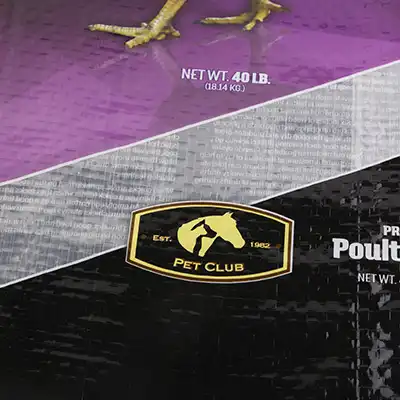
Printed BOPP Woven Bags: Navigating Brand Influence and Market Competition

What is Printed BOPP Woven Bags? (Definition & Aliases)

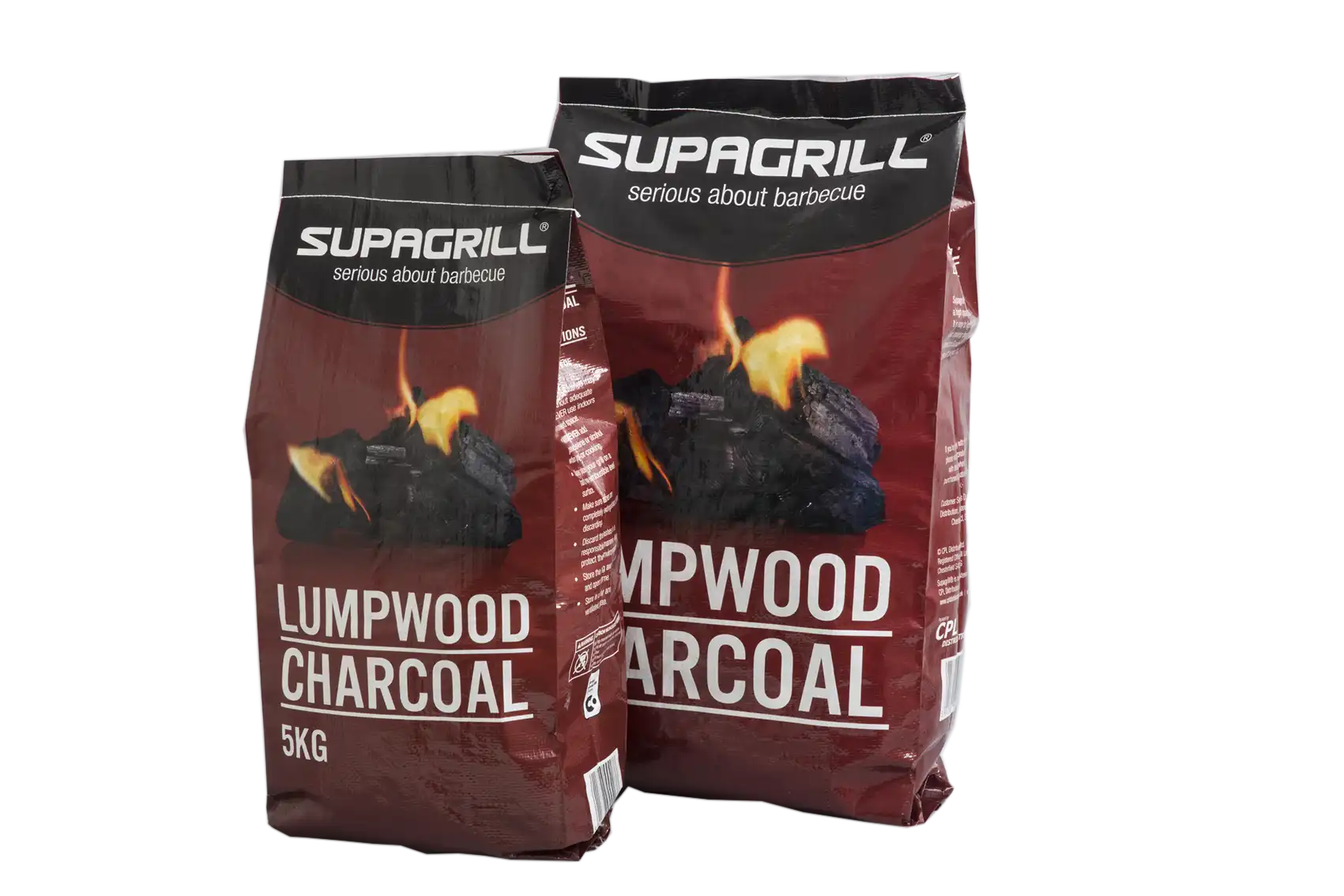
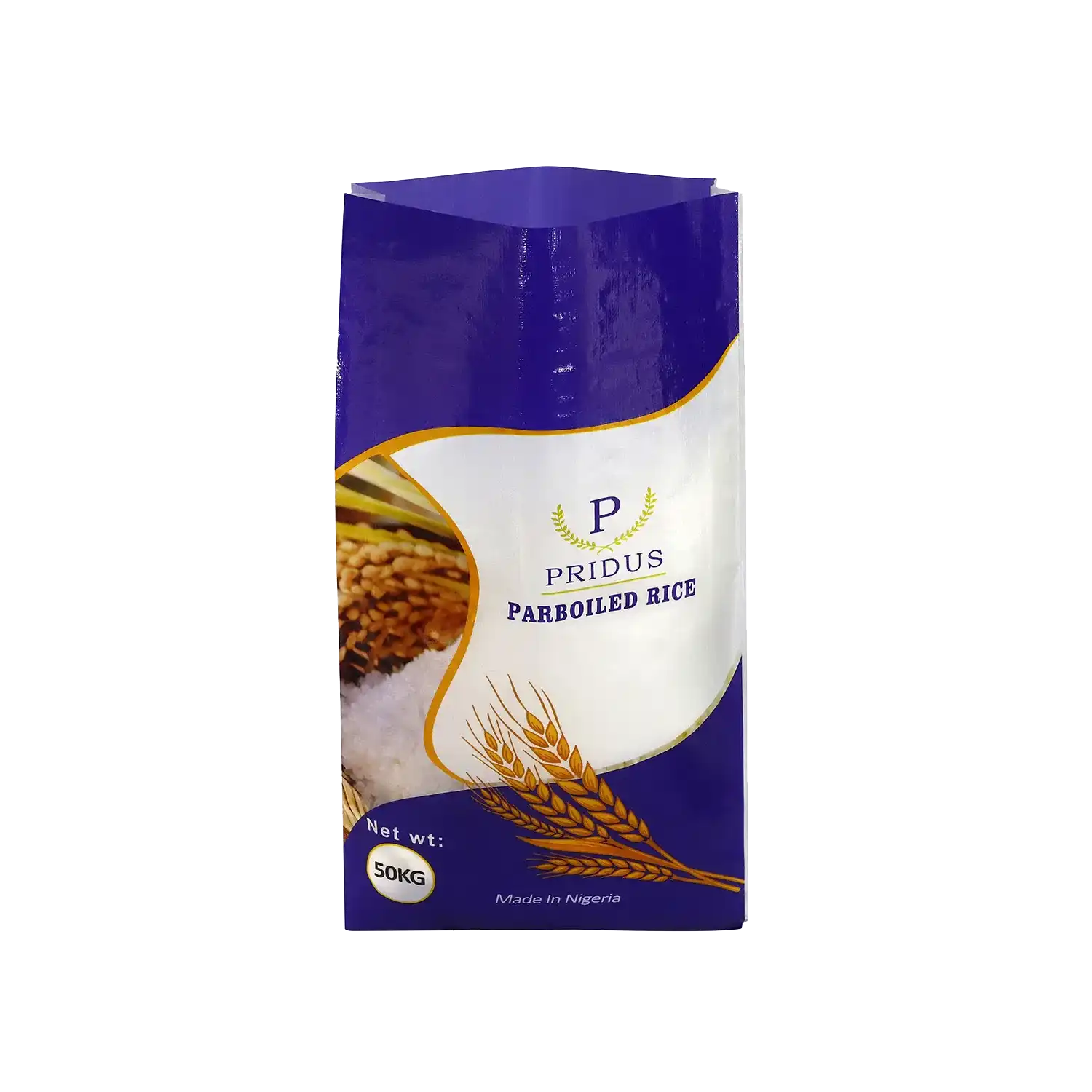
In industrial packaging, Printed BOPP Woven Bags describe a composite sack in which a biaxially oriented polypropylene (BOPP) film—reverse printed for high-fidelity graphics—is laminated to a polypropylene (PP) woven fabric that provides tensile strength and tear resistance. The resulting structure behaves like a rugged, print-ready skin over a load‑bearing mesh. Common aliases include BOPP laminated woven bags, BOPP PP woven sacks, and color‑printed laminated PP bags. These terms emphasize the same core identity: a film‑faced, fabric‑backed package engineered to withstand abrasive contents, humid transport, and repetitive handling while projecting brand images with photographic clarity.

Why does this format persist in competitive markets? Because it reconciles conflicting demands. It allows line operators to run conventional gravity or screw fillers without capital‑intensive format changes; it lets brand managers deploy photo‑rich campaigns; it gives quality teams a familiar suite of tests—tensile, dart, seam strength—to quantify risk. In short, Printed BOPP Woven Bags are not merely a look; they are a system. Not just a canvas for graphics; a chassis for performance. Not only a surface treatment; a structural decision.

Callout — Identity in One Line: Printed BOPP Woven Bags = reverse‑printed BOPP film (appearance) + PP woven fabric (mechanics) + laminated interface (integration).

What are the Features of Printed BOPP Woven Bags? (Appearance, Performance, Compliance)

A feature list only matters if each point translates to a decision lever on the shop floor or at the pallet. For Printed BOPP Woven Bags, the critical features aggregate around three axes: appearance (graphics & finishes), performance (strength & barrier), and compliance (standards & documentation). The axes intersect: finishes change slip on pallets, barrier choices alter deaeration time, seam packages control sift and perceived quality during opening. Below, each feature is recast as a practical control knob.

Graphics fidelity

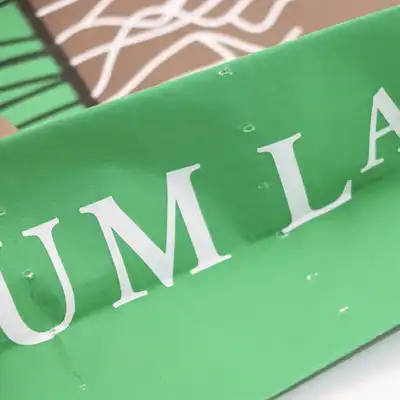
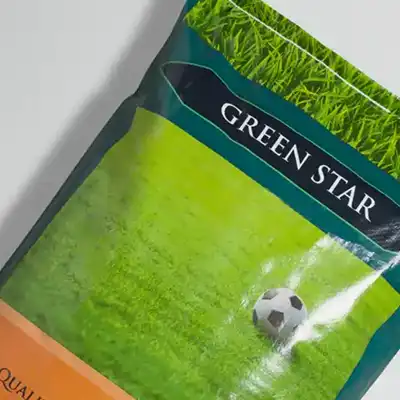
Reverse printing on BOPP enables rich color and halftones (≈60–120 lpi) with gloss or matte effects; overprint varnish improves rub life and color holdout through distribution.

Mechanical strength

PP woven fabric typically 65–100 gsm delivers tensile & tear resistance; lamination stiffens the face, improves puncture, and stabilizes print at edges and folds.

Moisture & sift control

BOPP 18–35 μm reduces ingress; optional inner PE liners 30–60 μm protect humidity‑sensitive goods; micro‑perforation preserves fill‑time venting while containing dust.

Closures & seams

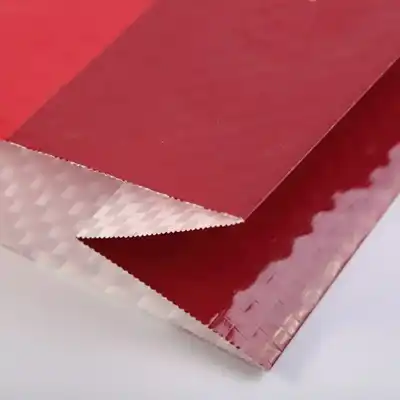
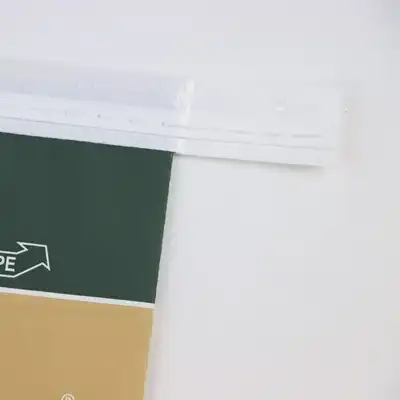
Chain/lock stitch at the top; folded‑and‑sewn or glued‑and‑sewn bottoms; over‑tape bridges stitch perforations and standardizes opening forces with tear‑tape.

Operational fit

Runs on gravity or screw fillers with modest changeover; tube stiffness and seam package tuned to filler jaws and line speeds; anti‑slip varnish patches stabilize pallets.

Standards & documentation

ISO 9001:2015 for quality systems; ISO 14001:2015 for environmental governance; ISO 22000/HACCP for food lines; FDA 21 CFR 177.1520 for polyolefins; REACH SVHC screening. Typical tests: ASTM D882 (tensile), ASTM D1709 (dart impact), ASTM F88 (seam strength).

Tip: Treat finishes as functional variables. Matte or satin reduces glare and sometimes increases friction; gloss maximizes color depth yet may require anti‑slip countermeasures on pallets.

What is the Production Process of Printed BOPP Woven Bags? (From Film to Finished Bag)

Process knowledge drives predictability. Each station in the conversion of Printed BOPP Woven Bags preempts a specific failure: extrusion and weaving define mechanical baselines; printing sets visual risk; lamination secures the interface; conversion introduces potential leak paths; sewing locks the system. Awareness of these links streamlines debugging and prevents costlier downstream fixes.

  1. PP tape extrusion & weaving: PP granules → tapes → loom → PP fabric at the target gsm. Tighter tape tolerances reduce variability in tensile performance and improve tube consistency.
  2. BOPP printing: Reverse printing via gravure or flexo enables protected inks after lamination. Registration, anilox/cylinder selection, and line screen (≈60–120 lpi) govern fidelity and rub behavior.
  3. Lamination: Extrusion lamination (polyolefin tie layers) or adhesive lamination bonds BOPP to PP fabric. Bond strength and temperature windows must avoid film whitening and delamination; choices influence design‑for‑recycling pathways.
  4. Conversion: Tubing, gusseting, and bottom formation—folded‑and‑sewn or glued‑and‑sewn—set sift resistance. Micro‑perforation is tuned for fill‑time deaeration without promoting dust loss.
  5. Top preparation: Hemming and reinforcement stabilize stitch tracks; tear‑tape installation standardizes opening forces and reduces tool use.
  6. Sewing & finishing: Chain or lock stitch closes the mouth; over‑tape bridges perforations; inspection catches seam misses and print defects before bundling and palletization.
Failure forecasting

Lamination settings affect both rub resistance (ink encapsulation) and stiffness (pallet compression behavior). Stitch pitch and needle size alter sift pathways; glued bottoms help with ultra‑fines but may complicate recycling.

Actionable test hooks

Quantify with ASTM D882 (tensile), D1709 (dart), F88 (seam). Add drop and pallet compression tests. Maintain process logs: lamination temperature, nip pressure, seam settings.

What is the Application of Printed BOPP Woven Bags? (Industries & Use Scenarios)

Sector constraints shape specifications. Printed BOPP Woven Bags support a wide range of contents, but the details—finish, liner, seam package—should vary by product rheology and route risk. The following use scenarios illustrate the decision flow.

Agri & feed

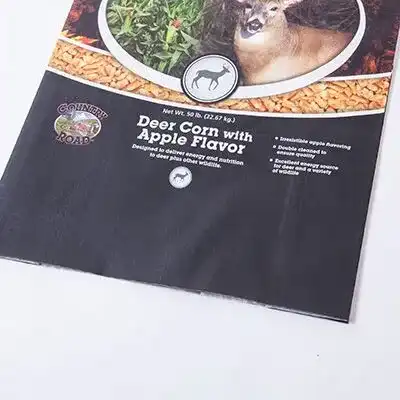
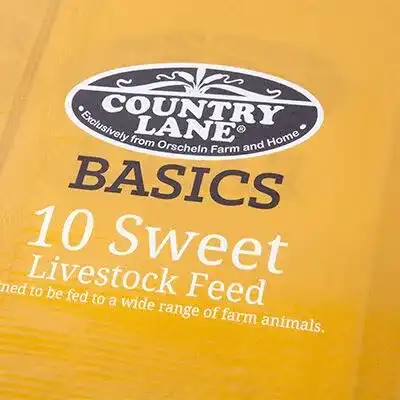
Photo‑rich animal imagery drives shelf pick‑up; satin varnish balances rub resistance with anti‑glare. Chain stitch plus tear‑tape delivers tool‑free opening for end users wearing gloves.

Rice & grain

Matte or gloss BOPP finishes modulate glare; inner PE liners (≈30–60 μm) protect aroma and moisture. Printing precision ensures consistent e‑commerce imaging.

Fertilizers & chemicals

Sift‑proofing and abrasion resistance are central; micro‑perforation balances venting with dust control. Over‑taped stitches reduce housekeeping and complaint rates.

Building materials

Cement, mortar, tile adhesive—high mass and abrasive flow call for higher gsm fabrics and robust bottoms; anti‑slip varnish improves pallet stability in rough yards.

Note on capacities: Mainstream SKUs span 5–50 kg, with 20–25 kg dominant for powders and granulates. Printing up to 6–8 colors is common in gravure/flexo on BOPP.

Printed BOPP Woven Bags: Navigating Brand Influence and Market Competition

To understand how Printed BOPP Woven Bags shape markets, we need to read the dialogue between branding and operations. Branding asks for photographic fidelity, tactile control, and consistent color; operations demands run‑rate stability, seam reliability, and pallet safety. Are these goals at odds? Not necessarily. In fact, they are often co‑dependent. A satin varnish deepens legibility and raises friction; a well‑bonded lamination keeps inks intact under pallet rub; a standardized seam package reduces leaks that would otherwise smudge graphics and trigger damage claims. When appearance serves function—and function protects appearance—a package stops being a cost center and starts defending margin.

Data reinforcement

Halftone ranges ≈60–120 lpi; fabric basis weights 65–100 gsm; film gauges 18–35 μm; liners 30–60 μm—specs widely listed by converters and distributors on industrial platforms.

Case narrative

A regional feed brand moved to satin‑finished Printed BOPP Woven Bags, cutting scuff complaints and improving SKU recognition; line speed was unaffected after seam pitch standardization.

Comparative lens

Versus uncoated PP sacks: superior print & moisture behavior. Versus paper multi‑wall: better tear resistance in humid routes, while paper retains tactile and fiber‑recovery signals.

Integrating Disciplines: Materials, Mechanics, Printing, Logistics

The value of Printed BOPP Woven Bags emerges when materials science, mechanical engineering, printing technology, and logistics design stop competing and start cooperating. Materials provide the barrier and surface energy; mechanics engineer the seam and load paths; printing calibrates adhesion, rub, and visual nuance; logistics arranges pallet geometry and compression safety. Each field brings different metrics—WVTR and tensile, seam pull and dart, rub count and COF, stack height and wrap tension—yet all share a common aim: fewer failures, clearer brands, lower system cost.

Consider a pair of practical dichotomies. High gloss vs. matte: one deepens color, the other reduces glare and slip. Micro‑perforation vs. cleanliness: one vents air, the other retains fines. Chain stitch vs. lock stitch: one favors speed, the other neatness. The solution is rarely binary. The wise spec maker asks, “What is the real constraint—glare on shelf or slip on pallet? Venting at fill or dust in transit? Aesthetic neatness or service simplicity?” Questions, not assumptions, unlock specifications that work.

Cost, Value, and Trade‑offs

Unit price seduces; system price decides. Printed BOPP Woven Bags generate value by protecting contents (less loss), protecting graphics (fewer returns), and protecting pallet stability (lower wrap and rework). A small change—a satin varnish, a tighter stitch pitch, a 40 μm liner—can cascade through operations to reduce claims. The calculus is not theoretical. It is a ledger: damage write‑offs, labor minutes, wrap meters, cleaning cycles. The right specification pays for itself in lines unseen: shorter downtime, quieter complaints desk, better photos online.

Decision Immediate Effect Downstream Impact
Adopt satin varnish Less glare; better rub resistance Fewer pallet slips; fewer re‑wraps; sharper shelf readability
Tighten stitch pitch Lower sift risk Cleaner warehouses; reduced complaint handling
Specify 30–60 μm liner Improved humidity resilience Lower caking risk; better consumer experience

Risk Registers and Quality Gates

Specifying Printed BOPP Woven Bags without a risk register is like driving without mirrors. Create explicit checkpoints: incoming substrate checks (basis weight, tensile), lamination bond sampling, print register tolerances, seam pull tests by shift, drop tests on sewn ends, pallet compression trials at target stack heights. Are these chores? They are insurance. Every test avoided today becomes a claim invited tomorrow.

Suggested gates
  • Certificates: ISO 9001:2015, ISO 14001:2015, and ISO 22000/HACCP if food‑contact lines apply.
  • Declarations: FDA 21 CFR 177.1520 compliance letters for polyolefin components; REACH SVHC screening.
  • Performance tests: ASTM D882 tensile, ASTM D1709 dart, ASTM F88 seam strength; add rub tests and pallet compression scenarios.
  • Process records: lamination temperature & nip pressure, stitch needle/pitch/thread, micro‑perforation settings.

Human Factors: Ergonomics and Openability

Even the strongest bag fails if users fight it. Printed BOPP Woven Bags can incorporate tear‑tape systems for predictable opening, thread tails trimmed to <10 mm to prevent snagging, and printed cues for hand placement. Ergonomics reduces micro‑frustrations that rarely appear on procurement spreadsheets yet dominate operator memory—and word of mouth.

Sustainability Without Slogans

Credible sustainability for Printed BOPP Woven Bags blends design‑for‑recycling with realistic infrastructure mapping. Mono‑polyolefin intentions (PP woven + PP film) align with certain mechanical recycling streams; paper‑forward hybrids align with fiber recovery where moisture events are controlled. Disclose adhesive systems and liner gauges; do not over‑promise. Waste systems are local, not universal. The honest spec travels farther than the fashionable one.

Specification Blueprint: Inputs, Decisions, Proof

A practical path from requirement to approved file for Printed BOPP Woven Bags follows a rhythm: discover constraints, choose structures, encode seams, tune finishes, set test targets, and document. The rhythm is iterative, not linear, because each decision reverberates. Gloss increases scuff risk; tighter pitch improves sift but raises sewing wear; thicker liners improve barrier yet increase back pressure at fill. Keep feedback tight; keep records tidy.

  1. Product mapping: bulk density, particle size (d50/d90), oil/fat content, moisture sensitivity.
  2. Route mapping: ambient humidity/temperature, transit time, pallet pattern, stack height, yard handling.
  3. Structure selection: fabric gsm 65–100; BOPP film 18–35 μm (matte or gloss); optional PE liner 30–60 μm.
  4. Seam package: chain vs. lock stitch; pitch and needle; over‑tape and tear‑tape for consistent openability.
  5. Graphics system: gravure vs. flexo; line screen; varnish type; rub targets and COF windows.
  6. Test & documentation: D882/D1709/F88 plus drop/rub/compression; ISO 9001/14001 and ISO 22000 where applicable; FDA/REACH letters.

Key Technical Parameters (Reference Summary)

Parameter Mainstream Options / Ranges Notes
Fabric basis weight 65–100 gsm PP woven Higher gsm for heavy or abrasive products
BOPP film thickness 18–35 μm, matte or gloss Reverse‑printed; gravure/flexo commonplace
Liner (optional) 30–60 μm PE Humidity‑sensitive goods, caking control
Capacity 5–50 kg (20–25 kg common) Verify filler jaws, pallet pattern
Printing 4–8 colors; ≈60–120 lpi Photographic images feasible
Deaeration Micro‑perforation as required Balance venting & dust control
Bottom Folded‑and‑sewn or glued‑and‑sewn Sift‑proofing for fine powders
Closure Chain/lock stitch + over‑tape Tear‑tape for openability
Tests ASTM D882/D1709/F88 Add drop/rub/compression
Compliance ISO 9001:2015; ISO 14001:2015; ISO 22000/HACCP; FDA 21 CFR 177.1520; REACH SVHC Provide certificates/DoCs
Reminder: Values above reflect widely published, purchasable configurations across converters and distributor catalogs.

Buyer‑Style FAQ

  • How do we boost shelf impact without inviting pallet slips? Use satin varnish for legibility and rub life, and specify anti‑slip zones as needed; then validate pallet stability at target stack heights.
  • What if our product is dusty and fine? Tighten stitch pitch, select a smaller needle, over‑tape the seam, and consider a PE liner; verify with talc tests and F88 seam pulls.
  • Can we meet food‑contact expectations? Yes—select food‑grade films/inks and document with FDA 21 CFR 177.1520 letters; align converting with ISO 22000/HACCP controls.
  • How do we curb moisture caking? Choose an appropriate liner gauge, audit warehouse humidity, and optimize pallet wrap and corner protection.
Action cue: Share product density, target weight, route humidity, and artwork intent. We will return a tuned Printed BOPP Woven Bags specification—structure, seam, graphics, and test plan—aligned to your fillers and routes.

“How can companies like VidePak dominate the competitive BOPP woven bag market while maintaining brand integrity?”
The answer lies in rigorous quality control, advanced material science, and precision manufacturing enabled by global leaders like Starlinger, ensuring products meet both functional and aesthetic demands. VidePak, with over 30 years of industry expertise, leverages these pillars to deliver BOPP woven bags that combine durability, customizability, and sustainability—key drivers in a $12.3 billion global packaging market projected to grow at 6.8% CAGR through 2030.


1. Market Overview: The Dual Challenge of Performance and Branding

BOPP (Biaxially Oriented Polypropylene) woven bags are indispensable for industries requiring moisture resistance, UV protection, and high tensile strength, such as agriculture, chemicals, and retail. However, market saturation demands differentiation through superior quality and branding. VidePak’s $80M annual revenue and global reach stem from its ability to merge technical excellence with customer-centric customization.

Key Insight:

“In packaging, your product is your billboard. Our Starlinger systems and 8-color gravure printing ensure every bag is both a protector and a promoter.”
— Ray, CEO of VidePak


2. Quality Control: Engineering Reliability

VidePak’s commitment to quality spans material selection, production, and post-manufacturing validation.

2.1 Material Standards

  • Virgin PP Resins: Sourced from BASF and Sinopec, tested for melt flow index (MFI: 8–12 g/10 min) and ash content (<0.1%) to ensure uniformity.
  • PE Liners: Laminated using Starlinger’s technology to achieve moisture vapor transmission rates (WVTR) <2 g/m²/day, critical for hygroscopic goods like fertilizers.

2.2 Production Precision

  • Tape Extrusion: Starlinger extrusion lines maintain ±0.02mm thickness tolerance, reducing weak points in woven fabrics.
  • Positive Tolerance Standards: Bags are designed with 5–10% over-thickness to prevent “bursting” under dynamic loads (e.g., 50kg cement bags withstand 6:1 safety factors).
ParameterStandardVidePak Benchmark
Tape ThicknessISO 45930.08–0.12mm (±0.02mm)
Tensile StrengthASTM D5034>45 N/cm²
Print DurabilityISO 2836ΔE <1.5 after 500hr UV exposure
Seam StrengthISO 13937-2>40 N/cm²

2.3 Anti-Defect Measures

  • Edge Smoothness: Laser scanners detect burrs (>0.1mm) to prevent fiber shedding.
  • Pressure Testing: Bags undergo 0.5 bar air leak tests, reducing failure rates by 92% in humid environments.

3. Technological Edge: Starlinger’s Role in Automation

VidePak’s 100+ Starlinger circular looms and 16 extrusion lines enable:

  • High-Speed Production: 120 bags/minute, reducing labor costs by 40%.
  • Closed-Loop Recycling: 98% production scraps are reused, aligning with EU Circular Economy Action Plan.

Case Study: A UAE client reported zero bag ruptures during sandstorms using VidePak’s UV-stabilized BOPP bags, validated by third-party labs.


4. Brand Differentiation Through Customization

  • Printing Technologies: 8-color gravure printing with UV-resistant inks ensures brand logos withstand 500hr sunlight exposure without fading.
  • Tailored Solutions: Anti-static coatings for explosive powders, RFID tags for supply chain tracking.

FAQs:

  1. How do BOPP bags compare to paper alternatives?
    BOPP offers 3x higher tear resistance and 50% lower weight, reducing shipping costs.
  2. Are VidePak’s bags recyclable?
    Yes—100% PP construction allows full recycling per EPBP guidelines.

5. Future Trends: Sustainability and Smart Packaging

  • Bio-PP Development: Partnering with Braskem to launch 30% sugarcane-based PP by 2026.
  • IoT Integration: QR codes for real-time humidity monitoring (piloted with EU clients).

For insights into sustainable practices, explore our guides on BOPP laminated bag innovations and Starlinger’s automation solutions.


6. Conclusion: Redefining Packaging Excellence

VidePak’s dominance in BOPP woven bags underscores the synergy of precision engineering, material innovation, and brand-centric design. By adhering to global standards and leveraging Starlinger’s technology, the company sets benchmarks in a market where quality and aesthetics are non-negotiable.

Final Perspective:

“The future of packaging isn’t just about containing products—it’s about conveying trust. VidePak’s bags do both.”
Global Packaging Insights, 2025

Leave a Comment

Your email address will not be published. Required fields are marked *

Scroll to Top