
What are Sewn Open Mouth Bags? (a.k.a. SOM woven sacks / sewn O.M. PP bags)
Sewn Open Mouth Bags are a deliberately simple, deliberately durable packaging format: a woven polypropylene (PP) or HDPE body that is filled from an open top and closed by sewing. Also called SOM woven sacks, sewn O.M. PP bags, and open‑mouth raffia bags, they are engineered for 5–50 kg payloads ranging from grains and sugar to fertilizers, resins, salts, and construction powders. Where valve sacks privilege ultra‑fast dust‑controlled filling and FFS films chase automation speed, Sewn Open Mouth Bags privilege flexibility—machine‑agnostic filling, generous print real estate, configurable closures, and a friction profile that keeps pallets standing tall.
From a domain standpoint, the sack works like a composite beam. The woven tape fabric provides the longitudinal strength; the coating or lamination tunes permeability, optics, and abrasion; the stitched closure distributes impact loads. Horizontally, the product borrows ideas from three disciplines: geotextile load paths (for tensile behavior), oriented‑film printing (for color and barcodes), and food‑contact governance (for export credibility). Vertically, the logic ladders resin → tape → weave → surface (PE coat/BOPP laminate) → printing → sewing → testing → documents. Alter one tier and the others move: shift melt flow index (MFI) and tape draw changes; change mesh density and lamination lay‑flat shifts; change stitch pitch and seam endurance transforms. The bag is not a part; it is a system.
Data reinforcement. Credible commercial ranges for Sewn Open Mouth Bags include fabric ~60–140 g/m², mesh ~9×9–14×14, tape denier ~600D–1500D, optional PE coating ~10–30 g/m², and premium BOPP films ~15–25 μm for print faces. Typical footprints: ~40×60 cm (25 kg) and ~50×80 cm (50 kg), widths ~35–100 cm. Stitching: single or double chain stitch, with fold‑over hems ~20–40 mm to control mouth stiffness and fray.
Case analysis. A regional flour mill replaced plain woven sacks with matte‑laminated Sewn Open Mouth Bags featuring hemmed mouths. Immediate deltas: less dust fray at the lip, faster SKU verification at bin‑end (graphics on‑bag, not on a separate label), and reduced returns from label rub‑off during transport.
Comparative study. Compared with kraft multiwall: stronger in humidity and less prone to corner scuff under clamp trucks. Compared with mono‑film PE: better pallet friction and stack geometry. Compared with valve sacks: not as fast on legacy powder fillers, yet noticeably more adaptable to a wider spread of products and print ambitions.
What are the features of Sewn Open Mouth Bags?
Closures that tune behavior. Mouths can be heat‑cut or hemmed; seams can be single or double stitch; bottoms can be single‑ or double‑folded. Each lever alters stiffness, edge cleanliness, and impact distribution. Want a tidy shelf edge with less fiber shedding? Hem and double stitch. Need faster closing on a low‑drop line? Heat‑cut with a single fold may suffice.
Surface architectures that speak brand and function. Plain woven for breathability; PE‑coated for dust hold‑out and moisture management; BOPP‑laminated (gloss or matte) for premium artwork, smoother touch, and higher rub resistance. Micro‑embossed films bring tactile grip without sacrificing shelf polish.
Print & coding latitude. Flexo (4–6 colors) handles commodity layouts with agility; gravure (8–10 colors) captures photo‑rich scenes and fine halftones. The large panels on Sewn Open Mouth Bags comfortably host GS1 barcodes, QR for traceability, nutrition/usage blocks, and bilingual compliance—without compressing typography.
Handling safety by design. Anti‑slip coatings raise the coefficient of friction (COF) to steady tall stacks; UV stabilization extends service life in yards; antistatic packages temper charge in powders; gussets and M‑folds improve volumetric efficiency and pallet coverage.
Seam endurance you can specify. Stitch pitch, thread denier, and fold geometry are tuned to expected drop heights and product abrasiveness. Double‑fold/double‑stitch bottoms disperse shock and reduce needle‑hole propagation, while side‑seam reinforcement (on flat fabric builds) supports high tier counts.
Horizontal lens. Materials science explains why denser mesh reduces surface roughness; printing science shows how that smoothness sharpens microtype and barcode contrast; warehouse safety correlates hemmed mouths and higher COF with fewer slides and topple events. Three fields, one effect: throughput with fewer surprises.
Vertical lens. Adjust mesh → lay‑flat improves → lamination wet‑out steadies → registration tightens → mis‑scan rates drop → picking errors shrink. Adjust seam pitch → strain redistributes → drop failures fall → pallet rework evaporates. Small upstream edits; large downstream results.
Data reinforcement. Food and feed SKUs commonly target GSM 70–120, mesh 10×10–12×12, BOPP 15–25 μm, and COF ~0.40–0.55 (bag/deck), aligned to route and pallet deck type.
Case analysis. A feed brand introduced anti‑slip backs and shifted to double‑stitch bottoms. Pallet shear incidents declined; clamp‑truck damage claims decreased. Operators noticed the quiet—fewer stops, fewer sighs.
Comparative study. Sewn Open Mouth Bags vs valve sacks: simpler mechanics, broader filler compatibility, larger print zones; valve wins on dust‑free high‑speed fills. SOM vs FFS tubular film: better stack friction and seam robustness; FFS wins on automation speed if plant CAPEX and routes support it.
What is the production process of Sewn Open Mouth Bags?
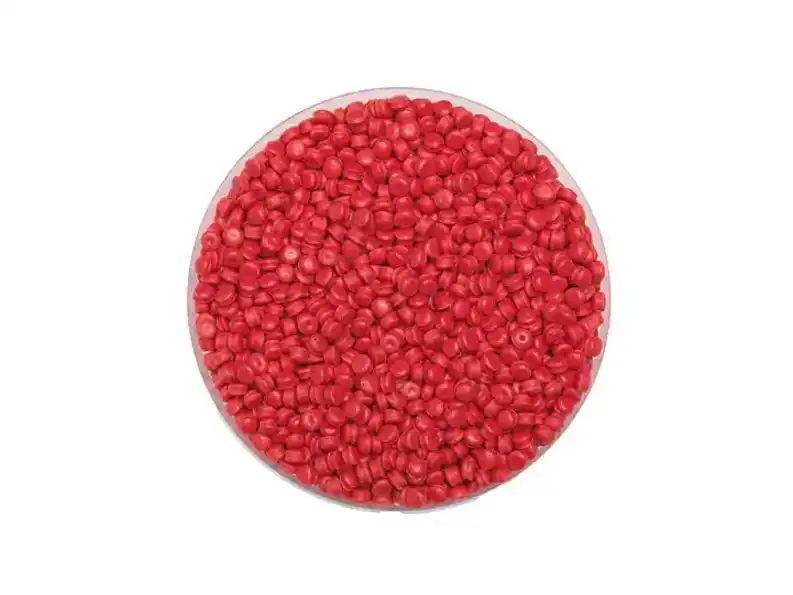
1) PP granules selection & tape extrusion. Begin with raffia‑grade PP at MFI ~2–4 g/10 min (230 °C/2.16 kg, ISO 1133) and density ~0.90–0.91 g/cm³. Melt, cast, slit to tapes, and stretch/anneal to lock orientation. Process stabilizers protect resin at draw temps; tight thickness control narrows tape modulus/width dispersion—a prerequisite for even weaving.
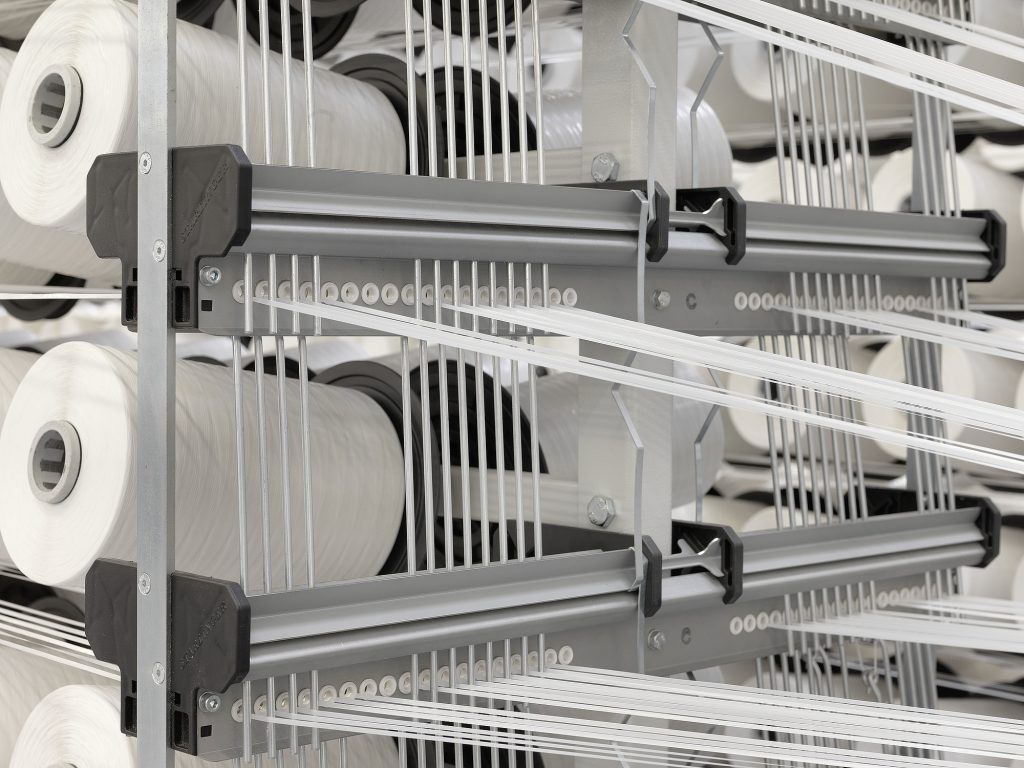
2) Weaving (circular or flat looms). Interlace tapes to the target mesh/GSM under disciplined warp tension. Weft‑stop and warp‑break detection localize defects and preserve width tolerance, which later governs cutting accuracy, lamination lay‑flat, and print registration.
3) Coating/lamination & surface prep. Apply PE coating ~10–30 g/m² to reduce porosity; or laminate BOPP 15–25 μm (clear or matte) for abrasion resistance and print gloss/matte control. Corona treatment raises dyne levels to ~38–42 dynes, improving ink anchorage and adhesive bond.
4) Printing. Choose flexo for faster changeovers; gravure for photo‑heavy art. Ink systems (PU or polyamide) are selected for bond strength and rub resistance; inline checks verify register, density, and barcode legibility.
5) Conversion & sewing. Bodies are cut to width/length; M‑gussets added if required; mouths are heat‑cut or hemmed; bottoms closed with single/double fold and single/double stitch. Thread choice (PP multifilament or polyester), stitch pitch, and seam geometry are matched to drop energy and content abrasiveness.
6) QA & compliance. Mechanical tests cover tensile/tear and seam strength; ASTM D5276 governs drop; ASTM D1894 measures COF; ASTM E96 evaluates WVTR where laminations are used. Food‑contact claims ride on migration testing and a documented Declaration of Compliance (DoC).
Data reinforcement. BOPP/PE stacks commonly achieve WVTR in low single‑digit g/m²·day at standard lab conditions; double‑fold/double‑stitch bottoms consistently outperform single‑fold patterns in burst/drop sequences for 50 kg mineral SKUs.
Case analysis. Switching from single‑fold to double‑fold/double‑stitch in a tile‑adhesive program reduced base failures, trimmed rework, and tightened inventory forecasts—because predictable seams make predictable schedules.
Comparative study. Solventless lamination typically yields clearer optics and more uniform bonds over textured weaves than some extrusion‑coat builds; extrusion coating, in turn, wins on sheer speed for commodity art. Choose by artwork ambition, not by habit.
What is the application of Sewn Open Mouth Bags?
Staple foods (10–50 kg). Rice, flour, sugar, pulses: hemmed mouths limit fray; optional PE liners add hygiene and moisture control; BOPP faces deliver retail‑ready graphics that survive warehouse scuffing.
Feed & agriculture. Seeds and compound feed: UV‑stabilized fabric resists chalking outdoors; anti‑slip backs sustain tall stacks; double‑stitch bottoms tolerate clamp‑truck cycles.
Industrial minerals & chemicals. Salt, resin pellets, pigments: antistatic packages minimize charge; matte films disguise scuffs; heavier GSM and denier are recommended for abrasive fills.
Construction powders. Sand and aggregates: higher GSM coupled with reinforced bottoms; micro‑perfs tuned to bulk density promote rapid air release during fill.
Data reinforcement. 50 kg SOM specs often list GSM ~90–120, mesh ~10×10–12×12, widths ~50–80 cm, hem ~20–40 mm, and COF targets ~0.40–0.55 aligned to pallet decking.
Case analysis. A salt producer adopted matte‑laminated Sewn Open Mouth Bags plus inner liners. Outcome: legible labels after long routes, reduced clumping, drier arrivals after exposure.
Comparative study. For wet chains, laminated woven + liner outlasts paper; for ultra‑dry, high‑speed plants, tubular FFS film can outrun SOM—but rarely matches SOM’s pallet friction without extra secondary packaging.
What is the application of Sewn Open Mouth Bags? (sector‑specific deployment)
Food‑contact & retail. For sacks touching food, materials can be specified to Regulation (EU) No 10/2011 (overall migration ≤ 10 mg/dm²) and FDA 21 CFR §177.1520 (olefin polymers). The laminated face is a billboard that also protects; the DoC is the passport that gets it onto shelves.
Yard storage & exposure. UV‑stabilized tapes extend life under sun and rain; anti‑slip backs reduce yaw‑induced pallet slides; matte optics keep faces readable despite scuff cycles.
High‑drop & abrasive duty. Raise GSM/denier; select double‑fold/double‑stitch bottoms; prefer matte films to hide rub marks—especially for mineral and construction products.
ESD‑sensitive powders. Antistatic packages and liners moderate charge compared with plain PE film while preserving woven strength and COF targets.
Cross‑disciplinary lens. Increase GSM and drop endurance climbs—but mass rises. Increase COF and stacks grip—but feed rollers need tuning. Add lamination and print quality ascends—but seam behavior shifts. The winning specification is negotiated among line techs, safety leads, and brand owners, not copied from a template.
Compliance & testing (credentials that open markets)
- EU: Regulation (EU) No 10/2011 for plastic food‑contact articles; maintain a Declaration of Compliance with migration/organoleptics and SML/QM evidence.
- US: FDA 21 CFR §177.1520 (olefin polymers) for PP/BOPP/PE contact layers under specified conditions of use.
- CN: GB/T 8946‑2013 sets general technical requirements for plastic woven sacks (dimensions, seam strength, marking, inspection rules).
- QMS: ISO 9001:2015 supports resin‑to‑pallet traceability (resin grade, additive list, extrusion line, loom cluster, lamination/print lots, sewing stations); food brands may also request BRCGS Packaging or ISO 22000:2018.
- Methods: ASTM D5276 (drop), ASTM D1894 (COF), ASTM E96 (WVTR for laminated builds), plus tensile/tear and seam strength per woven‑sack norms; laminate adhesion by T‑peel. Compliance isn’t a flourish; it is the handshake between engineering and law.
Key Parameters & Options (market‑referenced)
| Parameter | Typical Range / Option | Purpose in the Field | Notes |
|---|---|---|---|
| Fabric GSM | ~60–140 g/m² | Balance drop/stack strength vs mass | Heavier routes → higher GSM |
| Mesh density | ~9×9 – 14×14 | Surface smoothness & puncture control | Denser mesh → flatter print base |
| Tape denier | ~600D – 1500D | Impact tolerance & clamp‑truck survival | Interacts with GSM; validate on line |
| PE coating | ~10–30 g/m² | Moisture control & dust hold‑out | Alters stiffness and seam behavior |
| BOPP film | ~15–25 μm (clear/matte) | Optics & abrasion resistance | Matte hides scuffs; clear boosts gloss |
| Width × Length | ~40×60 cm (25 kg); ~50×80 cm (50 kg) | Pallet and filler alignment | Gussets raise volume efficiency |
| Mouth finish | Heat‑cut / hemmed; fold ~20–40 mm | Fray control & mouth stiffness | Hemming elevates shelf look |
| Bottom seam | Single/double fold; single/double stitch | Impact load distribution | Double‑fold/double‑stitch for heavy drops |
| COF (bag/deck) | ~0.40–0.55 | Feed vs stack stability | Set via anti‑slip coat or film |
| Printing | Flexo 4–6c / Gravure 8–10c | Brand fidelity & code legibility | Registration relies on width control |
| Additives | UV / antistatic / anti‑slip | Exposure & powder behavior | Tailor to climate and route |
| Liner (optional) | PE inner liner | Hygiene & barrier for hygroscopic goods | Revisit stitch pitch and mouth design |
Integrated solution (synthesis for VidePak buyers)
Think of the build as a triangle: printability, protection, productivity. Start with stabilized PP that draws into uniform tapes; weave to a mesh/GSM that supports lay‑flat; select a surface—plain, PE‑coated, or BOPP‑laminated—that aligns with route risk and brand intent; specify anti‑slip and UV packages to meet logistics realities; choose hem and seam geometries that reflect real drop heights, not wishful thinking; validate the lot with COF, drop, seam, and (where relevant) migration data under ISO 9001 governance. For a category bridge tied to commercially available SKUs, see Sewn Open Mouth Bags—an intentional anchor connecting this specification language to buyer‑facing options without breaking the narrative thread.
- What are Sewn Open Mouth Bags? (a.k.a. SOM woven sacks / sewn O.M. PP bags)
- What are the features of Sewn Open Mouth Bags?
- What is the production process of Sewn Open Mouth Bags?
- What is the application of Sewn Open Mouth Bags?
- What is the application of Sewn Open Mouth Bags? (sector‑specific deployment)
- Compliance & testing (credentials that open markets)
- Key Parameters & Options (market‑referenced)
- Integrated solution (synthesis for VidePak buyers)
Introduction
In the fast-evolving construction materials industry, sewn open mouth bags have emerged as a critical packaging solution for their versatility in handling abrasive and moisture-sensitive products. These bags, characterized by their stitched top closures and customizable designs, are increasingly adopted for their ability to balance functionality with branding potential. For VidePak, a company with 30+ years of expertise and a fleet of Starlinger machinery, innovation in PP-based materials and advanced printing technologies has enabled it to dominate markets spanning cement, drywall compounds, and specialty chemicals. This report explores how VidePak’s sewn open mouth bags address industry challenges through material science, tailored designs, and strategic parameter selection.
Material Advantages: Why Polypropylene Dominates
Polypropylene (PP) remains the material of choice for sewn open mouth bags due to its unique blend of physical and chemical properties, critical for construction material packaging:
- Strength & Durability: PP fibers exhibit a tensile strength of 8–12 N/mm², enabling bags to withstand weights up to 50 kg without tearing—a necessity for cement and plaster packaging.
- Moisture Resistance: PP’s hydrophobic nature prevents water absorption, crucial for products like joint fillers that degrade upon exposure to humidity. VidePak enhances this with PE-coated liners, reducing moisture ingress by 90% compared to uncoated alternatives.
- Abrasion Resistance: The material’s molecular structure resists wear from rough handling during transport, as validated by a 2024 study in Packaging Technology and Science, which reported a 30% reduction in bag abrasion rates using PP over polyethylene.
Dialogue Example:
Q: “How does PP compare to traditional jute bags for cement packaging?”
A: “PP bags offer 3x higher tear resistance and 50% lighter weight, reducing shipping costs while ensuring product integrity in humid environments.”
Applications in Construction Materials
1. Cement & Plaster Powders
Cement’s abrasive nature demands bags with high burst strength (≥35 psi) and reinforced stitching. VidePak’s solutions include:
- Laminated PP Layers: Combining PP woven fabric with BOPP films to prevent powder leakage.
- Anti-Static Additives: Critical for preventing dust explosions in storage facilities.
Case Study: A partnership with a Vietnamese cement manufacturer saw a 25% reduction in transport damage after switching to VidePak’s 120 GSM laminated bags with double-stitched seams.
2. Joint Fillers & Drywall Compounds
These products require moisture-proof barriers to prevent clumping. VidePak integrates:
- Multi-Layer Designs: PP fabric + PE liner + kraft paper, achieving a water vapor transmission rate (WVTR) of <5 g/m²/day.
- UV-Resistant Inks: Custom color strips (e.g., red for fire-resistant fillers) printed with fade-resistant pigments for outdoor storage.
Selecting Optimal Parameters
Choosing the right bag specifications is pivotal for cost-efficiency and performance:
| Parameter | Cement | Plaster Powder | Joint Fillers |
|---|---|---|---|
| Thickness (GSM) | 90–120 | 80–100 | 70–90 |
| Outer Coating | BOPP Lamination | PE Coating | Kraft-PP Composite |
| Inner Liner | PE Film | None | PE + Aluminum Foil |
| Stitch Type | Double-Lock | Single-Lock | Double-Lock |
Technical Insight: A 2023 industry survey revealed that 68% of construction material suppliers prioritize GSM thickness and coating type as the top criteria for bag selection.
VidePak’s Customization Edge
With over 30 printing machines and 16 extrusion lines, VidePak offers:
- Multi-Color Branding: Up to 8-color CMYK printing for logos and safety warnings, critical for compliance in regulated markets.
- Smart Tagging: QR codes and RFID integration for inventory tracking, reducing warehouse sorting errors by 40%.
Example: A Chinese drywall manufacturer utilized VidePak’s QR-coded bags to automate stock management via SAP integration, cutting labor costs by 15%.
FAQs: Addressing Industry Concerns
Q1: How does bag thickness impact cost and performance?
A: Thicker bags (e.g., 120 GSM) offer higher durability but increase material costs by 20%. Balance based on product density and transport conditions.
Q2: Are recycled PP materials viable for heavy-duty applications?
A: VidePak’s “EcoShield” line uses 30% recycled PP with virgin granules in stress zones, maintaining strength while reducing carbon footprint.
Sustainability & Compliance
VidePak aligns with global ESG standards through:
- Recyclable Designs: 100% PP content ensures compatibility with circular economy initiatives.
- REACH & FDA Compliance: Critical for exporting to EU and North American markets.
Conclusion
Sewn open mouth bags are no longer mere containers but strategic assets in the construction supply chain. VidePak’s fusion of Starlinger precision, PP innovation, and customization expertise positions it as a pioneer in meeting the sector’s evolving demands. As automation and sustainability reshape packaging norms, the company’s commitment to R&D ensures it remains at the forefront of industrial solutions.
External Links: