
Polypropylene (PP) woven bags have long been the workhorse of bulk packaging, valued for their strength, light weight, and cost-effectiveness. In recent years, however, BOPP woven bags – polypropylene woven bags laminated with Biaxially Oriented Polypropylene (BOPP) film – have emerged as a premium solution that marries durability with high-impact graphics. These laminated bags offer the robust performance of woven PP fabric combined with the print quality and protective benefits of a BOPP film layer. As global logistics grow harsher, consumer branding expectations rise, and sustainability targets tighten, BOPP laminated woven bags are increasingly seen as the format that can meet all these demands.
This white paper presents a comprehensive technical comparison between standard PP woven bags and BOPP laminated woven bags. We examine the construction and materials of each, detail the production processes, and highlight performance advantages and market relevance. A clear comparison table is provided to contrast key attributes – from print quality and durability to barrier protection and recyclability. Throughout, we place a special focus on VidePak’s capabilities in BOPP woven bag production, showcasing how VidePak’s choice of top-tier raw materials, advanced Starlinger equipment, international quality standards, integrated manufacturing, massive scale (over 600 million pieces annually), and rigorous quality control yield industry-leading results. The aim is to blend an engineering-level depth of insight with a strategic, solution-oriented perspective for technical buyers and procurement teams.
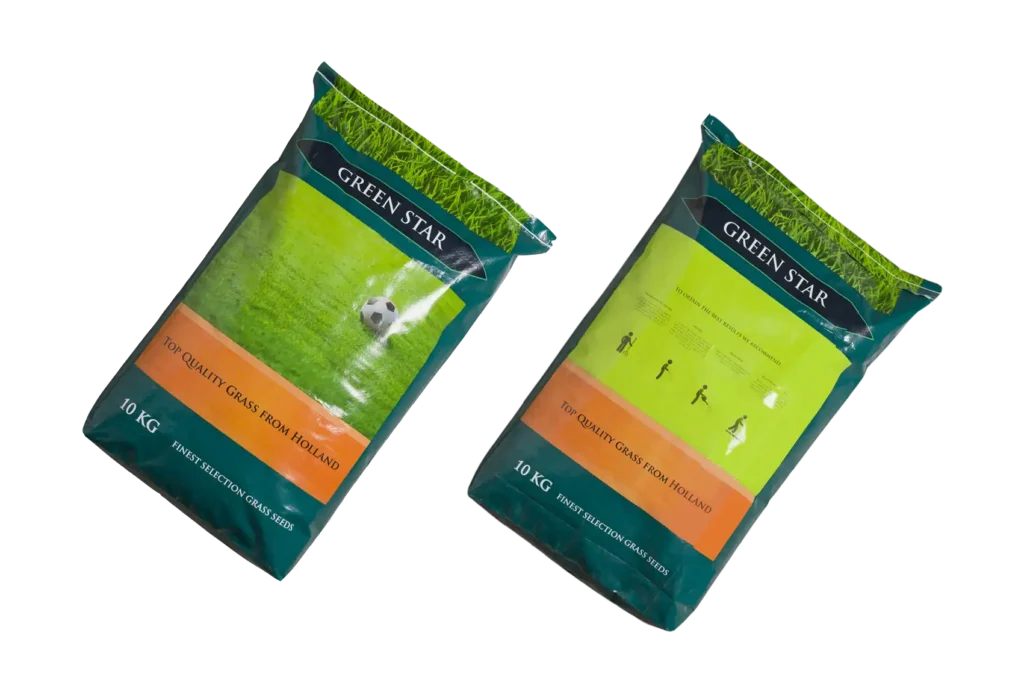
- Understanding Polypropylene Woven Bags vs. BOPP Laminated Woven Bags
- Structure and Materials of BOPP Woven Bags
- Production Process of BOPP Laminated Woven Bags
- Performance Advantages of BOPP Woven Bags
- Comparison Table: BOPP Laminated Woven Bags vs. Standard PP Woven Bags
- Market Relevance and Applications
- VidePak’s Capabilities in BOPP Woven Bag Production
- Conclusion
Understanding Polypropylene Woven Bags vs. BOPP Laminated Woven Bags
Standard PP Woven Bags (Polypropylene Woven Sacks)
A standard PP woven bag is constructed from interwoven polypropylene tapes, forming a lightweight but extremely strong fabric. This woven PP fabric serves as the load-bearing structure, giving the bag its high tensile strength and tear resistance. Such bags are ubiquitous in packaging of commodities like grains, sugar, flour, cement, fertilizers, animal feed, and chemicals. They can hold heavy contents (10–50 kg or more) thanks to the high strength-to-weight ratio of woven PP, while remaining cost-effective for high-volume use.
In their simplest form, PP woven bags are uncoated and breathable, allowing some airflow – useful for certain agricultural products that shouldn’t trap humidity. However, uncoated woven fabric has tiny gaps between tapes, so fine powders can sift out and moisture can seep in. To address this, many PP bags include an inner liner (typically LDPE film) or are extrusion-coated with a thin layer of plastic. A common approach is adding a 15–30 gsm coating of polyethylene (PE) or PP onto the fabric, which fills the fabric pores and provides a basic moisture barrier. This coating also creates a smoother surface that can be heat-sealed and printed. Even with coating, print quality on standard PP bags is limited by the coarse fabric texture – typically simple logos or text are applied via flexographic printing in a few colors. Graphics tend to be less refined, and printed ink on the exterior can scuff or fade with handling. In short, conventional PP woven sacks are tough and economical, but they lack the high-fidelity branding surface and advanced barrier features of BOPP laminated bags.
BOPP Laminated Woven Bags (Poly-BOPP Bags)
BOPP woven bags (also known as BOPP-laminated PP woven bags, Poly-BOPP sacks, or photo-grade laminated bags) are a hybrid construction designed to overcome the limitations of standard PP sacks. They fuse a load-bearing woven PP fabric (the same as in regular sacks) with a crystal-clear BOPP film laminated to its surface. BOPP stands for biaxially oriented polypropylene – a polypropylene film stretched in two directions, which enhances its clarity, stiffness, and tensile properties. In a BOPP bag, this film serves as a printable face and protective shield for graphics. The BOPP layer is typically reverse-printed (the ink is applied to the interior side of the film), then bonded to the woven fabric using a molten PP-based adhesive or tie resin. The result is an ultra-strong, fully printable package capable of carrying heavy loads while displaying high-definition, full-color graphics under a glossy or matte finish. In essence, the woven PP provides the mechanical strength, and the BOPP laminate provides a smooth, attractive exterior and added barrier performance.
BOPP laminated bags have numerous aliases in industry – they may be called reverse-printed laminated woven sacks, BOPP/polywoven bags, laminated rice bags, etc., but all refer to the same core architecture: woven PP fabric + reverse-printed BOPP film + bonding layer, converted into a sack format. This construction addresses the key pain points of plain PP bags: the laminate dramatically improves moisture resistance (often eliminating the need for a separate liner in dry goods packaging), prevents print abrasion or smudging (since graphics are underneath the film), and elevates the bag’s appearance for retail settings. BOPP bags effectively “thread the needle” between multiple packaging formats: they offer the strength and reusability of polypropylene, the moisture protection approaching that of plastic films, and the branding appeal of high-end printed packaging. This makes them especially popular for premium rice, pet foods, animal feed, fertilizers, building materials, and any product where both performance and presentation matter.
Structure and Materials of BOPP Woven Bags
BOPP woven bags are a multi-layer composite, with each layer engineered for a specific function. Understanding this structure is key to appreciating their performance advantages. A typical BOPP laminated sack consists of:
- Woven PP Fabric (Structural Base): The core is a mesh of polypropylene tapes woven into a fabric (often 10×10 to 14×14 tapes per square inch, depending on the required strength and tightness). This virgin PP fabric provides the primary tensile strength, tear resistance, and load-bearing capacity of the bag. The tapes are drawn (oriented) PP, giving them high tensile strength along their length. By adjusting tape denier (thickness) and weave density, manufacturers can dial in the bag’s strength. For example, a 12×12 weave of 1000 denier tapes yields tear strengths on the order of ≥70 N/50 mm, robust enough for demanding export logistics. The woven layer is essentially the “skeleton” of the bag, responsible for withstanding drops, stacking weight, and rough handling.
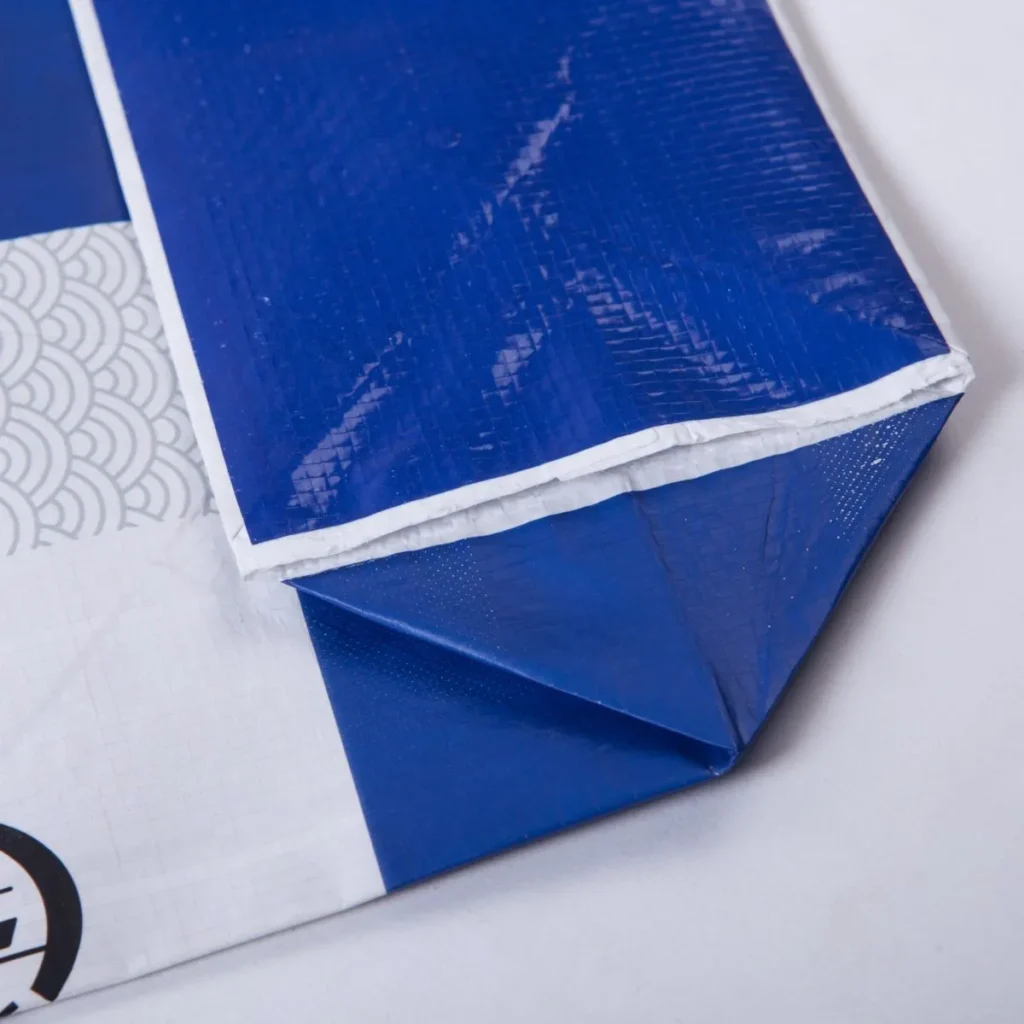
- BOPP Film Laminate (Printable Outer Layer): On the exterior, a biaxially oriented polypropylene (BOPP) film is laminated to the woven fabric. This film is typically very clear and smooth, available in thicknesses around 15–35 µm (common spec ~25–30 µm). Because it is biaxially stretched, BOPP film has excellent clarity, stiffness, and dimensional stability. These properties allow for photo-quality printing: using techniques like high-resolution gravure, complex graphics and up to 8–10 colors can be printed on the reverse side of the film, which then gets sealed against the fabric so the ink is trapped underneath. This reverse-printed BOPP face means the graphics are protected from scratches, scuffing, and UV exposure by the film itself. Indeed, well-made BOPP bags can resist image abrasion and UV fading for hundreds of hours of exposur. The BOPP layer also contributes a degree of moisture and grease barrier – it is a plastic film covering the fabric, so it drastically reduces moisture ingress and prevents dust from penetrating the weave. BOPP film can be made glossy or matte; often bags use a glossy finish for vibrant branding or incorporate matte patches/strips to create anti-slip sections for stable stacking. In summary, the BOPP outer layer is the graphic and barrier face of the bag, transforming a plain woven sack into an attractive, retail-ready package.
- Tie Layer (Polymer Adhesive): Between the woven fabric and the BOPP film, a bonding layer is applied to ensure the two materials stay firmly laminated. This is usually done by extrusion lamination: a thin layer of molten PP or PE-based polymer is extruded and pressed to fuse the BOPP film onto the fabric. The adhesive layer must fill the uneven surface of the fabric (the “hard peaks and valleys” of the woven tapes) and create a uniform bond to the smooth film. Polyolefin-based tie resins are used so that the entire structure remains within the polyolefin family (PP/PE), aiding recyclability. Proper lamination is critical – too low coat weight or insufficient nip pressure can cause weak adhesion or delamination, while too heavy a coating can make the bag overly stiff and add cost. A quality lamination process achieves high peel strength (e.g. ≥12 N per 25 mm as a bond strength target) so that the film won’t peel off even under rough handling. This tie layer essentially “glues” the strength layer and the print layer together into a single composite.
- Inks and Protective Coatings: The graphics on BOPP bags are typically printed on the reverse side of the BOPP film before lamination, using rotogravure or high-quality flexographic printing. Solvent-based or UV-curing inks formulated for polyolefin film are used, capable of up to 8–10 colors with fine halftone detail. Since the ink is beneath the film after lamination, it’s inherently protected from scratches or direct environmental contact. Often an overprint varnish is still applied to the ink layer before lamination for extra protection or gloss. Additionally, UV stabilizers in the inks or a UV-blocking varnish can ensure the printed graphics resist fading when exposed to sunlight (e.g. >900 hours of UV stability noted for some formulations). These measures guarantee that the branding and information on the bag remain legible throughout its use – an advantage over surface-printed bags where ink can rub off during transport.
- Additives and Features: Both the woven layer and the laminate can incorporate functional additives. UV inhibitors may be added to the PP resin to prevent the fabric from degrading or the film from yellowing under sunlight. Anti-slip agents or micro-embossing can be applied to the film surface to adjust the coefficient of friction – important for ensuring filled bags stack stably without sliding. Anti-static additives can be included if the bags will hold flammable powders or need dust reduction. Additionally, BOPP bags can be manufactured with special conversion features: for example, gussets for shape, handle cut-outs, or easy-tear notches. They can be made as valve bags (with a filling spout) or open-mouth bags that are sewn or heat-sealed shut, or even with a pinch-bottom style closure for a brick-shaped bag. These structural options make BOPP woven sacks extremely versatile across industries.
In summary, a BOPP laminated woven bag is a “tuned system” of layers rather than a single material. Remove the woven PP base, and the bag loses its strength; remove the BOPP film, and you lose print quality and moisture protection; remove or weaken the tie layer, and the whole structure falls apart. It’s the combination – strong woven core, durable laminate face, and robust bonding – that gives Poly-BOPP bags their unique performance profile. Each layer is engineered so that the bag can withstand heavy loads and rough handling while still looking attractive and intact when it reaches the end user.
Production Process of BOPP Laminated Woven Bags
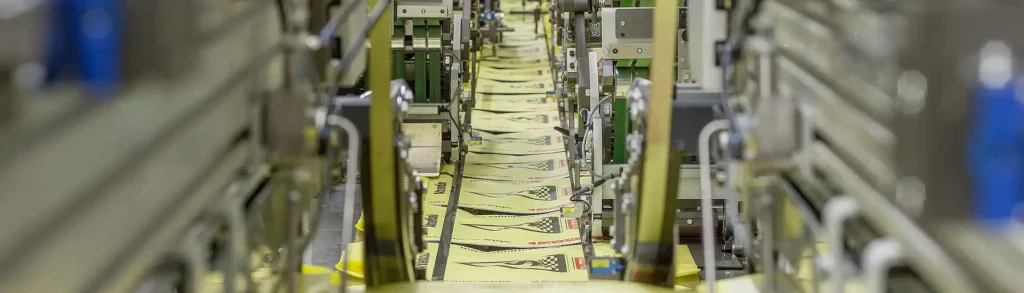
Producing BOPP laminated woven bags involves a multi-stage manufacturing process, integrating the steps of standard PP bag fabrication with additional printing and lamination stages. Consistency is paramount – any lapse in one stage can affect the final bag’s quality (for instance, miswoven fabric or misregistered print will show in the end product). Leading manufacturers like VidePak use state-of-the-art machinery (e.g. Starlinger extrusion lines, Starlinger looms, Windmöller & Hölscher (W&H) printing presses) to ensure each step is precisely controlled. Below is an overview of the process from raw resin to finished BOPP woven sack:
- Raw Material Preparation: The process starts with virgin polypropylene resin for making the tapes (and typically virgin PP for the BOPP film as well). At VidePak, only high-grade PP from suppliers like BASF, Sinopec, and Yangzi Petrochemical is used, each batch arriving with Certificates of Analysis for properties like melt flow index and density. Before production, the resin is tested in-house to verify it meets specifications (proper melt flow ensures it will draw into tapes correctly, etc.). Additives such as masterbatch for UV resistance or color may be pre-mixed if needed. This rigorous vetting of raw materials establishes a consistent foundation for extrusion.
- Polypropylene Tape Extrusion & Drawing: The first major step is converting raw PP into tapes (also called fibrillated yarns). In extrusion, PP pellets are melted and extruded as a thin sheet or film, which is then slit into dozens of narrow strips (tapes). These tapes are immediately drawn (stretched) longitudinally, typically 4:1 to 8:1 ratio, to align polymer chains and impart high tensile strength. The draw process (usually through heated rollers) is tightly controlled – for example, maintaining a consistent draw ratio and tape thickness is critical for uniform strength. Advanced extrusion lines like Starlinger’s ensure minimal variation in tape width and thickness (≤0.5% variation is possible), resulting in very consistent tapes. The drawn tapes are wound onto bobbins for weaving. (Note: If the BOPP film will be produced in-house, a similar film extrusion and biaxial orientation process would occur separately. Often, however, BOPP films are procured pre-made and printed externally or in a separate step.)
- Weaving the PP Fabric: The PP tapes are loaded onto circular or flat weaving looms to create the woven fabric rolls. Circular looms weave continuous tubes of fabric, while flat looms produce sheets that can be cut and stitched at the sides. The tapes from warp bobbins run in one direction and interlace with weft tapes in a repeating pattern. Modern looms (e.g. Starlinger looms) run at high speed with automated tension control and weft insertion monitoring. This ensures a uniform mesh density (e.g. 10×10, 12×12) with minimal defects. If a tape breaks or a bobbin ends, sensors stop the loom to prevent a gap or flaw in the fabric. The output is a large roll of woven PP fabric with consistent weight (gsm) and strength. This fabric is the base onto which the BOPP film will later be laminated. Quality checkpoints here include measuring fabric weight per square meter, checking width, and ensuring no weaving errors or thin spots. Any irregularities at this stage could lead to weak sections or lamination problems later.
- Printing the BOPP Film: Separately, the BOPP film that will be laminated undergoes printing (unless pre-printed film is bought). In a reverse printing process, rotogravure or high-definition flexographic presses apply the graphics onto the inner side of the clear BOPP film. Rotogravure is commonly used for its excellent image reproduction – cylinders etched with the artwork transfer inks in up to 8 or 10 colors, in perfect registration, onto the film. Because the printing is done mirror-reversed on the backside of a transparent film, the image will appear correctly when viewed from the outside after lamination. Critical here is color accuracy and registration alignment, as well as drying of inks. VidePak utilizes W&H gravure presses and maintains tight color tolerance (ΔE) and registration control (often within ±0.1 mm) so that even detailed designs and barcodes print sharply. Once printed, the ink is usually protected with an over-print varnish. The printed film can be inspected for any print defects, and then gets ready for lamination. (If multiple designs are being run, quick-change cylinders or sleeves allow switching graphics with minimal downtime – an important capability for short-run custom orders.)
- Lamination (Bonding Film to Fabric): Now the printed BOPP film and the PP woven fabric are brought together. In extrusion lamination, a thin layer of molten PP-based adhesive resin is extruded between the film and fabric as they are pressed together by rollers. The equipment precisely controls the coat weight (e.g. ~20 gsm of resin) and nip pressure to ensure a uniform, bubble-free bond. The process is often solvent-free and uses only heat to marry the layers. Key parameters like lamination temperature, pressure, and chill roll cooling affect the flatness and adhesion – too hot and the film could distort; too cool and adhesion might be incomplete. When done correctly, the output is a laminated fabric roll, where the BOPP film is tightly fused to the PP woven base as a single sheet. The laminated material should show no signs of delamination (peeling) and should remain flat (excessive curling or waves would indicate tension issues). VidePak’s lines, for instance, target a peel strength well above industry norms to guarantee the film won’t delaminate under stress. At this stage, we have essentially the finished “bag material” – a tough woven structure with a smooth, printed outer layer.
- Conversion to Bags (Cutting & Sewing): The laminated fabric rolls are next converted into individual bags. This involves cutting, folding, and seaming operations:
- The roll is fed into a cutting machine that slices the material to the required bag length. Hot knives may be used to cut and simultaneously seal the edges (to prevent fraying of the PP tapes). If tubular woven fabric was used, this yields tubes of a set length; if flat fabric, it yields sheets that will be folded.
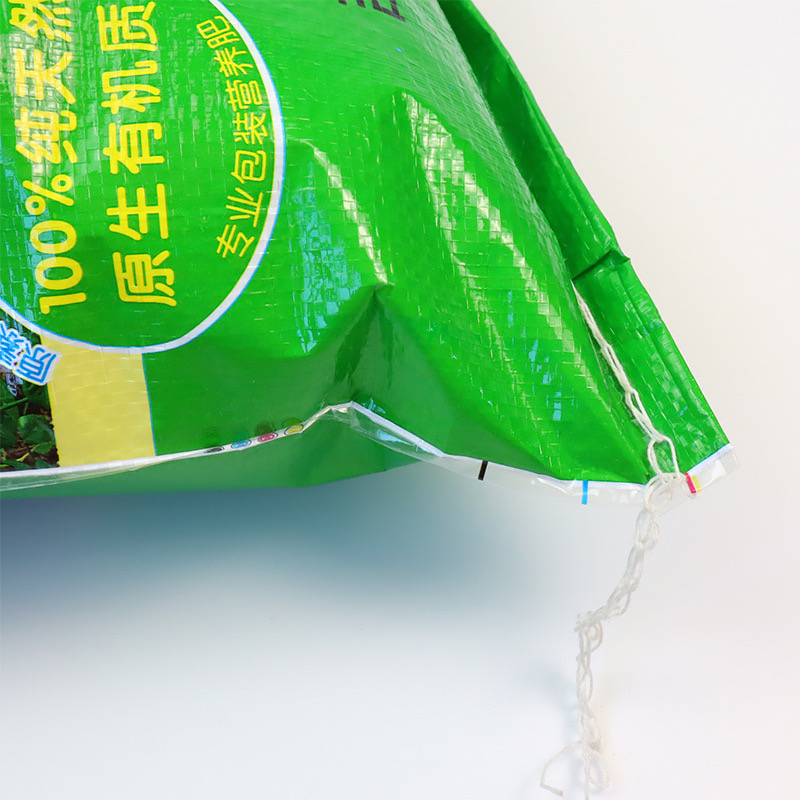
- Bag forming: For an open-mouth bag, one end is left open (for filling) and the other end is closed. The closure can be done by sewing (stitching across the bottom) or by heat sealing (for certain bag styles like pinch-bottom or when a PE coating is present to allow fusion). High-speed industrial sewing machines create either a single or double stitch line, often with an overlapping folded hem for strength. Automated lines can fold the top hem (for a clean, strong mouth) and stitch the bottom in one pass. In some cases, ultrasonic welding or heat sealing is used instead of stitching, especially if a welded sift-proof seal is needed.
- If the bag is a valve bag, a valve sleeve is inserted into one corner before the final seams are made. If it’s a gusseted bag (to form a rectangular cross-section), gusset folds are formed along the sides during folding.
- For certain premium formats like block-bottom (pinch-bottom) bags, the bottom is folded into a brick shape and hot-melt glued rather than sewn, creating a flat, square bottom. VidePak produces such pinch-bottom BOPP bags which combine the multiwall paper bag style closure with woven PP durability.
- Throughout conversion, alignment is monitored (so the printed design aligns properly and isn’t skewed on the final bag). Precision die-cutting and creasing ensure consistent bag dimensions.
- Quality Control and Finishing: After fabrication, bags go through final quality checks. In-process QC might include checking bag dimensions, inspecting seams, and verifying print placement on a sample of bags each hour. Final QC testing is often more rigorous: samples of each batch may be filled and dropped to test the seam strength and fabric integrity (e.g. a 25 kg sack dropped from 80 cm multiple times per ASTM test methods). Burst tests, tensile tests on fabric strips, and sift tests (to see if any powder leaks through seams) are performed to ensure the laminated bags meet specifications. Moisture barrier performance can be verified by measuring water vapor transmission rate (WVTR) – BOPP bags typically achieve very low WVTR (≤1.5 g/m²·24h). Print durability is checked with rub tests to confirm the ink (under the film) does not wear or colors do not transfer. Only after all checks pass are the bags approved for packing. At VidePak, this QA stage also involves compiling documentation: test reports, certificates of analysis for raw materials (e.g. BASF/Sinopec resin batch certs), and a certificate of conformance for the lot are prepared for the customer. This traceability and documentation provide assurance that the bags were made to spec and have been thoroughly vetted.
It’s worth noting that maintaining quality across all these steps requires a synchronized, high-precision operation. Any misstep – a slight drift in tape width, a mis-register in printing, a lamination temperature fluctuation – can lead to defects like delamination, weak seams, or off-spec graphics. This is why VidePak invests in top-of-the-line Starlinger extruders and looms, and W&H printing and conversion equipment: to tightly control parameters like tape denier, fabric tension, coat weight, and print registration. Such equipment, combined with an ISO 9001 quality management system and continuous monitoring, yields a highly repeatable process. The payoff is bags that perform consistently batch to batch, with minimal variability. In summary, BOPP laminated woven bag production is a sophisticated, integrated process – but when executed with modern technology and expertise, it produces a packaging product that is both engineered for performance and optimized for presentation.
Performance Advantages of BOPP Woven Bags
BOPP laminated woven bags are prized because they deliver a combination of properties that ordinary woven bags (or other packaging formats) struggle to match. Below we highlight the key performance advantages of BOPP woven bags and how they translate to real-world benefits:
- Superior Print Quality and Branding: High-definition, durable graphics are one of the standout advantages of BOPP bags. The BOPP film accepts photo-quality printing, enabling intricate logos, vibrant images, and up to 8–10 colors in perfect registration. Unlike surface-printed sacks, the graphics on BOPP bags won’t smudge or scrape off – the ink is sealed beneath the film layer. This means even after long transit and rough handling, the branding remains sharp. Companies benefit from this by turning each bag into a “moving billboard” for their product. For example, rice or pet food in a BOPP bag can feature eye-catching retail packaging that attracts buyers, while traditional PP bags offer only basic print. The BOPP’s gloss or matte finish further enhances shelf appeal, giving either a shiny look or a premium subdued look as needed. Additionally, the film can incorporate UV inhibitors to ensure the printed colors resist fading in sunlight (tested to >900 hours UV exposure in some cases) – a valuable feature for products like fertilizer or seeds stored outdoors. In short, BOPP laminated bags excel in presentation, offering marketing advantages in competitive retail environments without compromising durability.
- High Strength-to-Weight Ratio: Because the structural component is woven polypropylene, BOPP bags inherit the excellent strength-to-weight characteristics of PP woven fabric. They can safely carry heavy loads (25, 40, 50 kg etc.) with a generous safety margin. In fact, many BOPP bags are rated to a 5:1 safety factor (meaning the bag can hold five times its intended weight before failure). The oriented tapes in the fabric provide high tensile and tear resistance – e.g., tear strength ≥70 N over 5 cm is achievable. What’s more, the lamination can further enhance certain strength aspects: it can help distribute forces and prevent tapes from splaying under load, and it protects the fabric from abrasion. Down-gauging (reducing fabric weight while maintaining performance) is often possible with BOPP bags because the laminate adds support; a slightly lighter PP fabric may perform like a heavier one once laminated. This yields cost savings and material reduction without sacrificing safety. In practical terms, a well-designed BOPP woven sack offers equal or better strength than a standard PP sack of similar weight, and far outclasses paper bags in tensile strength. Users get confidence that the packaging will not fail – reducing losses from bag breakage, and enabling higher stacking in warehouses due to the robust load bearing.
- Enhanced Moisture and Oxygen Barrier: The BOPP film lamination gives these bags a built-in barrier layer that greatly limits moisture ingress and protects the contents from external contaminants. A typical laminated bag can achieve a water vapor transmission rate (WVTR) as low as ~1.5 g/m² over 24 hours, which is a dramatic improvement over uncoated woven bags. This level of moisture barrier is often sufficient to keep hygroscopic products (e.g. fertilizers, powders, pet foods) dry without needing an inner plastic liner. By keeping water out, BOPP bags prevent problems like caking of powders or mold growth in feeds. They also confine any oils or aromas from the product (e.g. pet food smell) within the bag, which both preserves product quality and keeps warehouses from smelling like the product. In addition, the laminated construction is dust-tight – fine powders won’t leak through the fabric weave, an issue that can plague plain woven bags. The seams of BOPP bags can be made tight (through adhesives or dense stitching), and since the main surfaces are non-porous, there’s far less dusting. The barrier is not absolute – these bags are not hermetic foil liners – but for most dry goods they provide a highly effective shield against humidity and dust. It’s worth noting that if breathability is desired (for example, to let air escape during filling), micro-perforations can be added to the film that allow air release without compromising most of the moisture protection. Overall, BOPP woven bags hit a sweet spot of being moisture-resistant yet optionally ventable, reducing the need for separate liners and ensuring product integrity in challenging climates.
- Clean Handling and Stacking Stability: BOPP laminated bags have a smoother, tailored exterior compared to plain woven sacks, which yields benefits in handling and palletizing. The surface coefficient of friction (COF) can be controlled via the film finish – for instance, adding matte stripes or a light emboss can create high-friction zones that prevent bags from sliding off each other. This means sacks stack “like bricks” on a pallet, very stable to high stacking heights, crucial for efficient storage and shipping. The flat, often glossy surfaces of BOPP bags also tend to stay cleaner; they don’t shed fibers and are easy to wipe off. There is no risk of ink rubbing off onto hands or other products (since the ink is under film), so they maintain a clean appearance and minimize contamination. Many users also find BOPP bags easier to handle on automated lines – the consistent material thickness feeds well into fillers, and the bags can be made with reliable dimensions and even anti-static properties if needed for smooth flow. Compared to paper or uncoated bags, they are less likely to tear when caught on sharp edges due to the reinforcement of the film. Additionally, features like anti-slip treatments on BOPP bags improve pallet safety versus plain PP bags which might be more slick. In essence, the laminated bags bring operational advantages: they palletize efficiently, remain neat (no powder leakage or ink smears), and can be optimized for high-speed filling and stable transport.
- Extended Shelf Life and UV Protection: For products that sit for extended periods in warehouses or outdoors, BOPP woven bags can be engineered to last. The combination of UV-stabilized woven fabric and a UV-blocking BOPP film gives these bags excellent weather resistance. With added stabilizers, they can resist embrittlement from sunlight for months (whereas a non-stabilized PP bag can degrade and weaken in a matter of weeks under strong UV). The print being under film also means even under sun exposure, the branding and instructions remain legible far longer than on surface-printed packaging. This is critical for applications like agricultural seeds or chemicals that might be stored outside or in open sheds. Moreover, BOPP bags are impervious to moisture-related degradation – unlike paper sacks that can disintegrate if wet, a BOPP/PP bag shrugs off rain or spills (the contents remain protected unless water enters via the open top or seams). The toughness against both UV and moisture ensures a longer shelf life for the packaging and potentially the product. For instance, a fertilizer company reported zero bag failures during humid maritime shipping after switching to VidePak’s UV-stabilized BOPP bags. This kind of reliability is a major advantage in maintaining product quality and reducing returns or re-bagging costs.
- Recyclability and Sustainability: Despite being multi-layered, BOPP woven bags are 100% polyolefin (polypropylene or compatible polymers) and thus can be recycled in standard PP recycling streams (Resin Identification Code #5). The use of a PP-based tie layer and PP film means the entire structure is mono-material in nature. This is a big sustainability win compared to other laminated packaging that mixes plastics with paper or metallized layers which complicate recycling. Many end-users collect used woven bags for recycling or repurposing – for example, in some regions, used PP bags are repurposed into construction materials or reprocessed into pellets. VidePak further enhances sustainability by using virgin resins that are free of heavy metals (food-grade compliance) and by integrating recycled content where appropriate (up to 25% recycled PP in non-food bags without sacrificing strength). From a lifecycle perspective, BOPP bags can reduce waste: their strength means fewer bag breakages and spills (less product waste), and their barrier means less spoilage of contents. Additionally, because they can replace combinations of packaging (one BOPP bag might replace a multi-wall paper bag plus an inner plastic liner, for example), the overall material usage can be more efficient. It’s also notable that lightweighting is possible – the high performance allows using thinner material for the same job, which lowers the amount of plastic per bag and cuts transportation emissions per unit. All these factors contribute to a lower total carbon footprint per delivered tonne of product, an argument VidePak often emphasizes: what matters is the total cost and impact per ton of goods delivered intact, not just the weight or cost of the empty bag. In summary, BOPP laminated bags align well with circular economy goals by being durable (reusable), fully recyclable, and by preventing losses and waste in the supply chain.
In aggregate, these advantages make BOPP woven bags a compelling choice when performance and presentation are paramount. They essentially combine the best attributes of several packaging types – the strength of woven sacks, the graphics of plastic film packaging, and the reusability of bulk bags – into one solution. It’s important to note that standard PP woven bags still share some of these base strengths (they are strong and cheap), but BOPP laminates elevate the packaging to a higher tier: one where the bag is not just a shipping container, but a value-adding part of the product experience and supply chain efficiency.
Comparison Table: BOPP Laminated Woven Bags vs. Standard PP Woven Bags
To clearly illustrate the differences between BOPP woven bags and traditional PP woven bags, the following table compares them across key dimensions:
(Sources: VidePak technical specifications and industry data)
As seen above, BOPP laminated bags excel in areas of printability, barrier performance, and versatility, making them the go-to choice when packaging is expected to do more than just hold product. Standard PP woven bags remain a staple for cost-sensitive and heavy-duty needs, but they often require trade-offs or additional measures (like adding liners or tolerating simpler presentation). Many companies find that upgrading to BOPP bags pays off through better marketability and reduced spoilage or spillage – the total cost of ownership can be lower even if unit prices are higher. On the other hand, for purely industrial uses where graphics don’t matter and products aren’t moisture-sensitive (say, construction sand or certain animal feed), a basic PP sack may suffice. Ultimately, the choice depends on the product requirements and marketing objectives: BOPP bags for performance + branding, vs. PP woven bags for economy + basic function.
Market Relevance and Applications
Polypropylene woven bags in general occupy a huge segment of the global packaging market, valued at roughly USD 6–7 billion in 2025 and projected to grow steadily as demand for bulk packaging rises. Within this market, BOPP laminated woven bags are one of the fastest-growing categories, as industries seek packaging that not only transports goods safely but also aligns with modern marketing and sustainability trends. Manufacturers worldwide are investing in advanced weaving, coating, and printing technologies – precisely to enable products like BOPP bags that offer enhanced moisture resistance and branding opportunities. The drive for recyclable packaging and reduction of product waste also bolsters BOPP bag adoption, since these bags hit key goals: they are durable, reusable, and easily recyclable, all of which appeal to companies aiming to improve their environmental footprint.
In terms of applications, BOPP woven bags have made especially strong inroads in the following sectors:
- Agriculture and Animal Feed: Producers of rice, beans, grains, and animal feeds increasingly use BOPP bags to differentiate their brands. For example, premium rice exporters use BOPP sacks with photographic images and even transparent windows to showcase quality. Animal feed and pet food companies appreciate the toughness (resisting punctures from pellets or kibbles) and the moisture barrier that keeps feed fresh and mold-free. The vivid printing helps their product stand out in farm co-ops or pet stores. Traditional jute or paper sacks have largely been supplanted by woven PP, and now BOPP laminate is the next step up for value-added products in this space.
- Fertilizers and Chemicals: Fertilizer, pesticides, and other agricultural chemicals are commonly packaged in BOPP laminated bags to withstand outdoor storage and long shipping times. The UV protection and water resistance are crucial for these products, which might cake or lose efficacy if moisture penetrates. BOPP bags also contain any strong odors (like certain fertilizers) and prevent fertilizer dust from leaking out. Branding is important too – manufacturers print usage instructions, compliance icons, and marketing info on the bags in high resolution. Compared to the old multi-wall paper bags (which can fail if wet or not handled gently), laminated woven bags drastically cut down product loss and returns. Many fertilizer companies have reported improved satisfaction and fewer complaints after switching to BOPP woven sacks, since the bags hold up better through the supply chain.
- Building Materials (Cement, Minerals): For products like cement, grout, sand, or mineral ores, packaging needs to survive rough handling and possibly exposure to the elements. While plain PP bags are already widely used for cement, BOPP variants are gaining popularity, especially for bagged products that are sold in retail (e.g. high-end cement or specialty minerals) where a clean, strong bag reflects quality. The pinch-bottom BOPP bags, for instance, provide a leakproof, easily palletized option for cement that reduces dust and is easier to stack than traditional sewn sacks. Similarly, charcoal or wood pellets often use BOPP laminated bags so they can be stored outdoors and have an attractive look for retail stacks. The block-bottom style (a box-like, flat bottom) made with woven PP and BOPP is especially in demand here because it gives a very brick-shaped, self-standing bag ideal for stacking and display, combined with film lamination for moisture protection. VidePak’s own product lines of block-bottom BOPP bags target these use cases as sustainable replacements for paper sacks.
- Food Ingredients & Consumer Goods: Flour, sugar, starches, and other food ingredients are increasingly packed in laminated woven bags because of hygiene and durability benefits. The bags can be made food-grade (compliant with FDA and EU food contact standards) and prevent contamination. For example, large 25 kg bags of flour or milk powder can use a BOPP bag with an inner PE liner – offering a double barrier – making them far more robust than paper bags that were traditionally used. Also, in wholesale and retail channels, having a well-printed bag with product information and branding is a plus. We also see BOPP bags in consumer goods like pet litter, garden soil, or pool salt – products where the packaging might sit outside in a store or backyard, so it must endure weather and rough handling. These are all areas where market relevance of BOPP bags is growing, often displacing less durable packaging.
- E-commerce and Retail Bulk Packaging: With the expansion of e-commerce, sometimes bulk products are shipped directly to consumers or small businesses. BOPP woven bags, being tough yet presentable, are suitable for this trend. For instance, a customer ordering 20 kg of specialty coffee or 15 kg of artisanal pet food expects the package to arrive intact and looking professional – a printed BOPP bag can fulfill that role, whereas a plain bag might require an additional outer carton or overpack for branding. Thus, these bags play into the broader trend of “transit packaging doubling as display packaging.” They ensure the product’s integrity through the delivery journey and still look good upon arrival.
From a market trend perspective, it’s clear that performance packaging like BOPP laminated bags is capturing a larger share of the woven bags sector. Many companies justify the switch by pointing to reduced waste (fewer broken bags, less product loss) and improved brand image, which ultimately can increase sales or allow premium pricing. In one case, a buyer reduced repacking costs by 35% after moving to VidePak’s laminated bags that had fewer failures in transit. Furthermore, global sustainability initiatives encourage use of recyclable materials – here BOPP bags check the box, especially compared to multi-material packaging. The market also values supply assurance; with large producers like VidePak capable of delivering hundreds of millions of bags annually on tight timelines, more businesses are comfortable adopting these advanced packaging formats knowing they can get reliable supply at scale.
In summary, BOPP woven bags have gone from a niche, premium option to a mainstream solution for bulk packaging where quality matters. They align with key market drivers: protection, presentation, and sustainability. As industries continue to modernize their packaging – looking to reduce losses, appeal to customers, and meet environmental targets – the relevance of BOPP laminated bags is only set to increase. Standard PP woven bags will continue to be widely used, but the value proposition of BOPP bags makes them a strategic choice for many forward-looking companies.
VidePak’s Capabilities in BOPP Woven Bag Production
When it comes to producing high-quality BOPP laminated woven bags, VidePak has positioned itself as a leader by investing heavily in each aspect of the manufacturing chain. Below, we highlight VidePak’s strengths and capabilities that enable it to consistently deliver top-tier Poly-BOPP bags to clients worldwide:
Premium Raw Material Sourcing
VidePak begins with the highest grade of raw materials to ensure quality from the ground up. The company sources virgin polypropylene granules from industry-leading suppliers such as BASF, Sinopec, and Yangzi Petrochemical. These suppliers are ISO 9001-certified and provide resins with tightly controlled properties. For example, the PP resin is specified for a narrow melt flow index (around 6–8 g/10min for tape extrusion grades) to guarantee uniform drawability. Each lot of resin comes with a Certificate of Analysis, and VidePak’s lab performs incoming tests to verify melt flow, density, and the presence of any additives. Any material not meeting the strict criteria is rejected or quarantined. By using 100% virgin PP (no recycled content in critical structural layers unless specified), VidePak ensures that their tapes have consistent strength and elongation, and that there are no impurities that could cause weak spots or processing issues. They also apply similar scrutiny to other inputs: BOPP films, inks, masterbatches, and liners are all tested upon arrival (checking film thickness, surface treatment level, etc.). This robust raw material QC regimen means VidePak’s production starts with pure, consistent ingredients – a foundation for achieving bags that meet international standards batch after batch.
State-of-the-Art Production Equipment (Starlinger & W&H)
A core pillar of VidePak’s capability is its investment in world-class machinery for every production stage. VidePak’s factories are equipped with Starlinger extrusion and weaving lines, and W&H (Windmöller & Hölscher) printing and conversion equipment – names that are considered gold standard in woven plastic packaging technology. For instance, VidePak operates 16 high-speed extrusion lines and over 100 Starlinger circular looms for fabric weaving. These machines maintain extremely tight tolerances on tape dimensions and weaving density. The result is an unparalleled uniformity in fabric weight (GSM) and strength – differences from one end of a fabric roll to the other are minimal, which translates to consistent bag performance. On the lamination and printing side, VidePak uses 30+ specialized lamination and printing machines, including W&H gravure presses and extrusion coaters. The synergy of Starlinger and W&H is deliberate: Starlinger equipment excels in producing an even, high-strength substrate, while W&H’s printing and laminating technology ensures precision in graphics and bonding. This advanced machinery allows VidePak to achieve feats like producing 200–300 bags per hour per loom with <0.5% thickness variation in the fabric, and laminating with such consistency that peel strengths exceed industry norms. Moreover, many processes are automated and incorporate inline monitoring – for example, sensors track tape tension, coating weight, and print registration in real time. If any parameter drifts, the system alerts operators or self-corrects, thereby preventing out-of-spec production. The bottom line is that VidePak’s cutting-edge equipment and automation deliver high throughput without sacrificing precision, giving them both quality and cost advantages.
Full Integration and High Production Capacity
VidePak’s manufacturing is fully integrated, meaning they carry out all steps in-house – from tape extrusion and weaving to film printing, lamination, and bag conversion. This vertical integration offers several benefits: tight control over each step, elimination of inter-factory transport delays, and the ability to rapidly adjust the process for custom orders. For example, the company can quickly move resin from extrusion to weaving to lamination all under one roof, ensuring freshness of materials and no dust or moisture pickup between stages. Integration also aids traceability; if there’s ever an issue, VidePak can trace it back through every stage to pinpoint root causes (since all production data is internally tracked).
Capacity-wise, VidePak has scaled up to handle extremely large orders. With multiple parallel lines running 24/7, the company boasts an annual output of over 600 million bags (this includes various types, but notably, PBOM-style woven bags alone account for ~600 million pieces/year capacity). This immense throughput is achieved by round-the-clock operations and efficient line changeovers. They group production lines by bag type to minimize downtime and use quick-change tooling for different sizes/designs. High capacity means short lead times and the ability to fulfill massive contracts reliably – a critical factor for multinational clients who might need millions of bags delivered on schedule. It also means VidePak can accommodate growth and surge demands (for instance, seasonal spikes for agricultural packaging) without compromising delivery. Furthermore, because of the scale, VidePak leverages economies of scale to offer competitive pricing; fixed costs are spread over huge volumes, and bulk procurement of raw materials lowers unit costs. Customers thus benefit from the best of both worlds: top quality bags produced in a cost-efficient, high-capacity system.
Adherence to International Standards and Quality Assurance
VidePak is committed to meeting or exceeding international quality standards for packaging. The company’s quality management system is ISO 9001 certified, ensuring that every process from order entry to production and testing follows documented procedures and continual improvement practices. In production, VidePak aligns its quality checks with ASTM and ISO test methods: for example, they conduct tensile strength tests per ASTM D5035, burst tests analogous to ASTM D3786, and seam strength tests similar to ASTM F2281. By adhering to these globally recognized standards, VidePak’s bags consistently meet the specifications that global buyers expect. Moreover, in many cases VidePak sets its internal acceptance criteria stricter than the standard – providing an extra safety margin. For instance, if an ASTM standard requires 30 N/cm tensile strength, VidePak might target ≥40 N/cm to ensure plenty of buffer. The company also ensures compliance with regulatory requirements: their bags can be made to comply with FDA food-contact regulations (21 CFR) for indirect food packaging and are tested to be free of heavy metals or SVHC substances to comply with REACH. On the documentation side, every shipment can be accompanied by a Certificate of Conformance and test reports. VidePak’s QA team provides detailed data on each batch – including raw material lot numbers (for traceability), and results of all key tests performed. This level of compliance and transparency gives customers confidence that the bags will perform in their specific use cases and pass any incoming quality inspections or audits. In essence, VidePak doesn’t just aim for good quality; it systematically builds quality into the process and verifies it to international benchmarks at every step.
Rigorous In-Process Testing and Final QC Protocols
Quality control at VidePak is not an afterthought – it’s embedded throughout production. In-process inspections occur at all critical stages: operators and automated systems continuously monitor tape dimensions, fabric weight (GSM), coating thickness, print alignment, and seam quality. Any deviation triggers corrections or holds before the process continues. For example, each hour a sample bag might be taken to check that the print colors are correct and that the bag dimensions are within tolerance; if not, the line is paused and adjusted. This prevents large batches of off-spec product. Then, upon completion of a production lot, comprehensive final testing is performed on sample bags:
- Tensile & Tear Testing: Samples are cut into strips to measure warp and weft tensile strength and tear resistance, confirming the woven fabric meets required strength specs.
- Drop Tests: Filled sample bags (e.g. loaded with the nominal weight) are dropped from a standard height (usually ~0.8–1.2 m, per ASTM or ISO drop test standards) multiple times to ensure no rupture or significant damage. VidePak’s bags are expected to survive at least 5 drops on different orientations without failure, which simulates rough handling in transit.
- Burst (Pressure) Test: A Mullen burst tester or similar device is used to apply pressure until the bag material ruptures; VidePak sets a high bar (e.g. ≥400 kPa in internal pressure) that 99% of batches easily withstand. This verifies the fabric and seams together can hold up even if the bag is subject to squeezing or impact.
- Seam & Seal Integrity: For sewn bags, the seam strength is tested by pulling (per ASTM F2281 guidelines) and by the drop test results. For pinch-bottom or valve bags, seal integrity is checked by attempting to peel the seal and by applying vacuum/pressure inside the bag to detect any leaks. A properly sealed VidePak PBOM bag, for instance, shows zero sifting in a powder-shake test.
- Moisture Barrier Test: If the application is sensitive to moisture, samples undergo accelerated moisture ingress testing. One method is measuring weight gain of a desiccant-filled bag in a high-humidity chamber for 24–48 hours (ASTM D6701 or similar), verifying the bag meets the specified WVTR (often ≤2% weight gain in 96h at high humidity for VidePak’s coated variants).
- Print and Color Fastness: Though the print is protected, VidePak still checks that the colors are correct (using Pantone/RAL references or a ΔE color difference calculation) and that any overcoat varnish is effective by doing abrasion rub tests (e.g. 10,000 rubs with minimal ink loss). They also verify that barcodes scan properly and any critical markings (lot codes, etc.) are legible.
Only after a batch passes all tests is it approved for shipment. If any sample fails a criterion, the entire batch is put on hold and investigated – this could involve reworking the batch if possible or scrapping it, but never shipping subpar bags. This stringent QC protocol has paid off in concrete terms: VidePak consistently achieves a defect rate below 0.3% (99.7%+ defect-free) in final outgoing inspections, an exceptional level in packaging manufacturing. Additionally, VidePak provides customers with a quality guarantee – in the rare case any bag were to fail in the field under normal use, VidePak’s traceability and insurance allow them to stand behind the product and quickly address the issue. Such reliability is critical for buyers who often attach their own reputations to the packaging performance.
Through these capabilities – top-grade materials, advanced machinery, integrated high-volume operations, standards compliance, and exhaustive QC – VidePak has built a reputation as a go-to source for BOPP laminated woven bags that deliver on both engineering performance and visual excellence. The company’s approach is encapsulated by a combination of “German and Austrian equipment precision” and an “uncompromising material quality” ethos. Every bag that rolls off VidePak’s lines reflects a balance of strength and refinement: from the consistent weave of the PP fabric to the crisp detail of the printing, and from the confidence of the bag surviving rough seas to the confidence it instills in a customer seeing a pristine package. This blend of capabilities enables VidePak to serve diverse clients – from agricultural giants and chemical manufacturers to boutique pet food brands – each with the assurance that their packaging is handled by experts. In essence, VidePak not only makes bags; it provides packaging solutions that meet technical demands and add tangible value to the products enclosed.
Conclusion
BOPP laminated woven bags represent a pinnacle in bulk packaging, achieving a harmony between rugged performance and high-end presentation. Through a careful construction of woven polypropylene strength layered with BOPP film graphics, these bags solve many of the challenges in transporting and marketing bulk goods. They offer the tensile durability to protect heavy shipments across continents, the barrier properties to shield sensitive contents from moisture and contamination, and the print quality to effectively communicate brand and product information in any market. In the comparison of BOPP vs. standard PP woven bags, it’s clear that while both share a strong PP backbone, the BOPP variant elevates the humble woven sack into a sophisticated packaging format aligned with modern needs – from strict safety and quality standards to marketing differentiation and sustainability goals.
VidePak’s role in this landscape is that of a technology and quality leader. By leveraging premium materials (BASF, Sinopec, etc.), cutting-edge Starlinger and W&H equipment, and rigorous ASTM-aligned quality controls, VidePak ensures that its BOPP woven bags set benchmarks in the industry for consistency and reliability. With an annual output in the hundreds of millions of bags and a deeply ingrained culture of quality, VidePak can support large-scale supply needs without compromising on specs or delivery timelines. For procurement teams and technical buyers, this means peace of mind – orders can be placed knowing that the bags will meet the promised performance (and if needed, backed by test data), and that production capacity won’t be a bottleneck even as their business grows.
In combining an engineering-driven approach (optimized structures, tested strength, precision manufacturing) with a marketing-conscious mindset (beautiful printing, customization, user-friendly features), VidePak’s BOPP woven bags serve both the product and the brand. They allow customers to reduce failure rates and spoilage, streamline packaging (often eliminating secondary components like liners or outer bags), and present a professional image to the end users. Whether it’s a sack of premium Basmati rice that needs to entice shoppers while keeping moisture at bay, or a 50 lb bag of industrial polymer that must survive a transoceanic journey and still project quality on arrival – BOPP laminated woven bags are up to the task, and VidePak stands out in delivering that solution.
In conclusion, BOPP woven bags vs. PP woven bags is not just a comparison of two products, but a reflection of evolving priorities in the packaging world. Companies are increasingly choosing the enhanced capabilities of BOPP laminated bags to future-proof their packaging – and with partners like VidePak, they gain a collaborator capable of executing those needs to the highest standard. The result is packaging that not only contains and protects, but also communicates and elevates. That is the promise of BOPP woven bags, and VidePak has the expertise and capacity to fulfill it, batch after batch, year after year.