
In the agricultural industry, ensuring the quality and safety of products during storage and transportation is crucial. Waterproof Woven Bags have emerged as a vital solution for protecting agricultural goods from moisture, which can otherwise lead to spoilage and degradation. These bags, also known as Waterproof Woven Sacks, Waterproof PP Bags, and Moisture Proof Woven Bags, offer a reliable means of safeguarding seeds, nuts, grains, rice, soybeans, wheat, corn, coffee beans, starch, and other crop products from environmental factors that can affect their quality.
What Are Waterproof Woven Bags? Definition, Scope, and Alternate Names
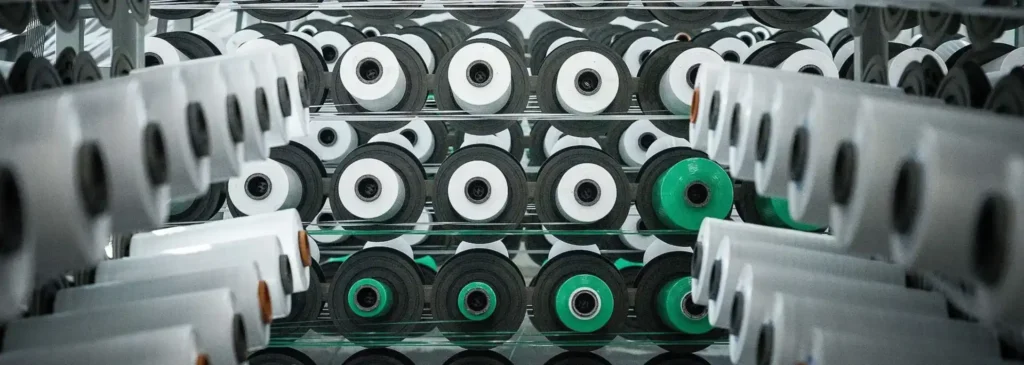
Waterproof Woven Bags are rugged, reusable sacks made from woven polyolefin tapes—predominantly polypropylene (PP), sometimes polyethylene (PE)—that are enhanced with water‑repellent features such as extrusion coatings, film laminations, or internal liners. Their purpose is simple yet vital: to keep bulk commodities dry and flowable when weather, condensation, or splash exposure would otherwise compromise quality. In agricultural storage and transport scenarios, from field‑side depots and rural co‑ops to coastal ports and monsoon corridors, Waterproof Woven Bags function as micro‑environments: they reject liquid water, modulate water vapor ingress, resist mechanical abuse, and stack into stable, square loads.
Aliases and near‑synonyms commonly used in tenders and plant specifications (bolded):
- water‑resistant PP woven sacks
- laminated woven bags
- moisture‑proof woven sacks
- coated polypropylene woven packaging
- rain‑safe woven grain bags
- PE‑lined woven bags
- valve‑type waterproof woven sacks
Why this format persists
The woven lattice offers remarkable tensile strength at low mass, while coatings and laminations provide rain resilience. Waterproof Woven Bags combine durability, stack geometry, and cost control in a way that paper‑plastic or foil laminates rarely match for heavy agricultural use.
Where they excel
Grains and seeds, rice and flour, compound feeds, fertilizers and salts, mineral powders and pigments—goods that lose value quickly when moisture intrudes and pallets deform.
The Materials of Waterproof Woven Bags: Fabrics, Coatings, Laminations, Liners, and Additives
Every attribute of Waterproof Woven Bags traces back to material choices. Fabric type sets the mechanical spine; coating mass sets primary water repellency; lamination defines surface hardness and premium print; liners decide how the pack behaves in high‑humidity dwell; additives nudge friction, static, and UV stability into safe windows. The palette is rich, but the logic is straightforward: use only what you need, exactly where it adds value.
Base fabric — woven tapes (PP dominant, with PE variants)
Isotactic polypropylene becomes a thin film, then slit and drawn into tapes. Drawing aligns polymer chains and multiplies tensile strength. Tapes are woven on circular or flat looms into tubular or sheet fabrics. Benefits include high modulus‑to‑density ratio, abrasion tolerance, and controlled elongation, producing square, stackable sacks that resist creep under load. PE tapes appear where low‑temperature flexibility is paramount, trading some stiffness for cold‑weather toughness.
Extrusion coatings — PP or PE as the first waterproofing dial
A molten polyolefin layer is extruded onto the fabric to close weave interstices, repel liquid water, minimize dust egress, and present a more uniform print face. Typical coat weights range from 15 to 40 g/m². Low weights keep flexibility and breathability; higher weights increase water holdout and stiffness. In much of agriculture, coated fabric alone delivers sufficient rain tolerance for seasonal exposure.
Laminations — BOPP‑to‑fabric or film‑film stacks for premium surfaces
Biaxially oriented polypropylene (BOPP) laminated to the woven substrate creates a hard, scuff‑resistant, water‑shedding skin. Gloss films emphasize photographic branding; matte finishes limit glare and offer tactile grip. Some builds use film‑film stacks (e.g., BOPP/CPP) to broaden sealing windows and further protect seams in open‑mouth sacks. For retail‑adjacent channels—pet food, seed retail—laminated Waterproof Woven Bags deliver showroom graphics without surrendering toughness.
Liners and closures — PE tubes, gusseted liners, and valve sleeves
Loose liners (PE tubes placed inside the bag) or integrated film sleeves provide decisive moisture defense for hygroscopic goods like urea fertilizers and refined sugar. Valve sleeves paired with micro‑perforated liners enable fast air release during filling while maintaining liquid‑water resistance. In open‑mouth formats, hot‑melt seam tapes or ultrasonic assists seal stitch holes to block capillary wicking.
Additives and finishes — anti‑slip, anti‑static, UV packages
Additive packages tailor coefficient of friction for both machine tracking (bag‑to‑metal) and pallet stability (bag‑to‑bag). Anti‑static aids safety in dusty environments; UV stabilizers extend outdoor dwell life; abrasion‑resistant over‑varnishes protect printed codes through wet‑dry cycling. All are introduced via masterbatch, coating, or ink/varnish systems as needed.
In short, Waterproof Woven Bags are built from modular components that can be recombined to hit water repellency targets without overbuilding. The goal is balance: just enough barrier to keep contents dry, just enough stiffness for neat stacks, and just enough surface energy for graphics and scannable codes.
Specification hint: water resistance often fails at the seams, not the panels. Chase stitch‑line sealing, bottom geometry, and valve design with the same discipline used for coating mass and lamination choices.
What Features Define Waterproof Woven Bags in Real Use?
Performance is measured at the grain elevator, on the truck deck, and in the monsoon—not just in a lab. The traits below translate directly to fewer claims, fewer stoppages, and higher salvage rates after exposure events. They are the non‑negotiables for Waterproof Woven Bags meant for serious agricultural work.
- Moisture defense dialed to climate. Coat weight, laminate choice, and liner presence are the three levers. Select the combination that matches monsoon calendars, maritime humidity, or arid regions with occasional storms.
- Mechanical resilience. Woven lattices disperse puncture and tear forces from sharp granules; reinforced corners move failure away from seams; appropriate GSM protects against conveyor scuffing.
- Square, stable pallets. Block‑bottom formats interlock on skids, resisting topple in highway vibration and humid warehouses where anti‑slip friction matters.
- Print and code durability. Treated surfaces and abrasion‑resistant inks keep lot numbers, QR codes, and regulatory graphics legible after wet/dry cycling.
- Automation compatibility. Consistent width and friction paths allow high‑speed filling, checkweighing, and robotic palletizing without excessive alarms.
- Recyclability pathways. Mono‑polyolefin builds (PP fabric with PP/PE coatings and compatible inks) are easier to reprocess than paper‑plastic hybrids in most industrial programs.
Feature dial — seam integrity
Hot‑melt tapes, ultrasonic assists, and stitch‑line sealants often determine whether splash becomes ingress. Test after rain‑spray and stack compression cycles.
Feature dial — valve geometry
Self‑closing sleeves speed filling and limit dust plumes. Pair them with micro‑perforated liners to vent air without admitting water.
Feature dial — anti‑slip surfaces
Textured skins and additive packages increase bag‑to‑bag friction, guarding against pallet shear in wet or tilted transport conditions.
How Waterproof Woven Bags Are Produced: From Tapes to Tested Sacks
The process resembles classic woven‑sack production with extra attention paid to waterproofing. Execution quality at each stage sets the upper bound for field performance. To specify Waterproof Woven Bags well, it helps to visualize the factory path and where engineering choices really bite.
- Tape extrusion and drawing. Melt, extrude, slit, and draw polymer into oriented tapes. The draw ratio controls tensile and elongation. Inspect for fibrillation and width tolerance, as both affect seam behavior and print registration.
- Weaving. Circular or flat looms interlace tapes into tubular or sheet fabric. Picks per inch and tape denier define warp/weft tensile targets and sifting resistance.
- Coating or lamination. Extrusion‑coat PP/PE onto the fabric or laminate BOPP to the surface. Check bond strength after heat/humidity conditioning, and monitor curl, flatness, and dimensional stability for print alignment.
- Conversion and bottoming. Cut, gusset, and form open‑mouth or valve styles; choose sewn, heat‑cut + sewn, or block‑bottom bases. Base geometry must match pallet patterns to avoid shear.
- Liner insertion (if specified). Insert PE tubes; consider micro‑perforations when using valve designs that require rapid de‑aeration during filling.
- Printing and finishing. Apply flexographic or gravure graphics and codes; add anti‑slip patches or hem tapes as needed. Confirm dyne retention and scuff resistance after wet/dry cycling.
- Quality verification. Test warp/weft tensile, seam strength, drop, burst, water‑spray ingress, stacking compression, coefficient of friction, and valve air‑evacuation rates. Document results for traceability and continuous improvement.
Process reminder: waterproof is not waterproof unless the bottom survives. Prioritize square bases and sealed needle paths at the corners, where hydrostatic pressure concentrates during puddling.
Applications: Sector‑by‑Sector Uses in Agriculture and Beyond
Versatility is the quiet strength of Waterproof Woven Bags. The same platform—woven fabric plus water‑repellent features—operates across agricultural and industrial sectors, with small adjustments to meet each product’s moisture sensitivity and handling risks.
- Grains and staples. Rice, wheat, maize, sorghum, barley, and pulses remain free‑flowing when water ingress is curbed. Coated or laminated panels resist splash during loading at uncovered docks.
- Seed and specialty crops. Dew and condensation are the real threats; liners preserve low water activity targets and protect germination metrics.
- Fertilizers and soil amendments. Moisture‑sensitive salts cake quickly; valve formats with seam sealants and liners keep materials pourable, avoiding downtime at spreaders.
- Animal feeds. Pellets and meals require dust control and water repellency to check mold growth. Anti‑slip skins maintain pallet coherence in humid corridors.
- Mineral powders and salts. Abrasive products exploit the woven toughness while coatings prevent clumping from ambient humidity.
- Rural retail and relief logistics. Weather‑exposed staging areas demand bags that shrug off drizzle and brief storms without disintegrating.
Related internal link
For laminate options that pair premium graphics with water repellency, see laminated BOPP woven bags for an at‑a‑glance overview of construction choices.
Topic‑Driven Analysis: The Essential Role in Agricultural Storage and Transport
Grain bins breathe; tarped trucks leak; coastal depots sweat at dawn; monsoons ignore schedules. Under these constraints, Waterproof Woven Bags serve as modest, mobile climate managers. They cannot eliminate weather, but they can make weather less decisive. Consider how the problem decomposes and how the bag answers each part.
Moisture pathways
Panels repel splash; seams and bottoms decide fate. Address capillary wicking at needle holes and folds; reinforce corners where hydrostatic pressure concentrates.
Handling physics
Forklift tines, conveyor lips, and pallet edges focus abrasion at predictable points. Corner reinforcements and block‑bottoms shift stress, preserving fabric integrity.
Climate choreography
Choose coat weight and liner configuration according to monsoon calendars, maritime humidity, and warehouse airflow. Avoid one‑weight‑fits‑all prescriptions.
Data surfaces
Legible, scuff‑resistant codes enable lot rotation and recall discipline even after exposure events. Specify dyne retention and abrasion tests under wet/dry cycles.
System Thinking: Break the Problem Down, Rebuild the Answer
How do we specify Waterproof Woven Bags that protect value in agricultural storage and transport and still run fast on existing equipment? The practical route is to decompose the question into tractable sub‑problems, solve each with evidence, then recombine into a coherent specification.
Sub‑problem A — Moisture ingress and caking
Root causes: splash exposure, stitch‑line wicking, condensation during temperature swings. Solutions: raise coat weight as climate dictates; add liners for hygroscopic fills; seal stitch lines; favor block‑bottoms that minimize puddling. Metrics: moisture gain after controlled exposure, caking index, flowability after storage.
Sub‑problem B — Handling damage
Root causes: abrasion at corners, forklift impacts, seam cuts at pallet edges. Solutions: corner reinforcements; optimized stitch density; hem tapes; anti‑slip skins to prevent shear. Metrics: drop height without rupture, seam peel values, topple incidents per thousand pallets.
Sub‑problem C — Throughput on filling lines
Root causes: variable COF and width, poorly vented valves, inconsistent base geometry. Solutions: define bag‑to‑metal and bag‑to‑bag COF windows; use self‑closing valves with micro‑perforated liners; align base geometry with pallet pattern. Metrics: bags per minute, alarms per 10,000, fill mass variation.
Sub‑problem D — Recycling and documentation
Root causes: mixed‑material builds and undocumented recycled content. Solutions: stay within polyolefins; select PP‑friendly inks/adhesives; document PIR/PCR via chain‑of‑custody. Metrics: recyclability score, percent recycled mass, CO₂e per 1,000 units.
Integrated answer: a woven PP fabric sized for tensile targets; a coating or laminate matched to climate; a valve and liner strategy aligned with product hygroscopy; stitch‑line sealing and block‑bottom construction; COF windows for machine and pallet; dyne retention for code durability; and documented recycling compatibility. Validate with rain‑spray, wicking, and stacking compression tests before scale‑up.
Specification Table — Color Snapshot for Agricultural Use
| Parameter | Typical Range / Option | Why It Matters |
|---|---|---|
| Fabric weight (GSM) | 55–80 g/m² for 25–50 kg, heavier for salts/minerals | Sets tensile baseline and abrasion tolerance; interacts with denier and weave. |
| Coating mass | 15–40 g/m² PP or PE | Primary water‑repellency dial; also smooths the print face and reduces dust egress. |
| Lamination option | BOPP gloss/matte; film‑film stacks | Adds repellency and premium graphics; verify compatibility with recycling systems. |
| Valve and liner | Self‑closing sleeve; micro‑perforated PE tube | Faster filling and controlled de‑aeration with limited liquid ingress risk. |
| Bottom construction | Block‑bottom; heat‑cut + sewn | Stability and puddling resistance at the corners. |
| COF windows | Define bag‑to‑metal and bag‑to‑bag ranges | Smooth machine tracking and safe pallet friction in wet conditions. |
| Dyne level | ≥38 dynes post‑treatment and after storage | Ensures print adhesion and code readability through wet/dry cycles. |
| Seam sealing | Hot‑melt, tapes, ultrasonic assists | Closes needle paths; decisive for practical waterproofing. |
Keyword Strategy and Long‑Tail Phrasing
This document centers the primary phrase Waterproof Woven Bags and weaves in pragmatic synonyms that reflect how buyers actually search: water‑resistant PP woven sacks, laminated woven bags, coated polypropylene woven packaging, moisture‑proof grain sacks, rain‑safe woven grain bags, PE‑lined woven bags, and valve‑type waterproof woven sacks. These variants mirror real specification decisions—coating versus lamination, open‑mouth versus valve, liner versus heavier coat, and block‑bottom versus conventional sewing.
Actionable Playbook for Agricultural Buyers
- Define the product and climate. Start with moisture sensitivity, particle morphology, expected rain exposure, and warehouse humidity profiles along the route.
- Select the structure. Choose base GSM and weave; add coating for seasonal rain; upgrade to BOPP lamination for premium graphics and extra repellency; add liners for high hygroscopy.
- Engineer the seams and base. Seal stitch holes; select block‑bottoms for stability; verify corner integrity under stacking compression.
- Set machinability windows. Specify COF for machine and pallet interfaces; choose valve sleeves that self‑close and de‑aerate without admitting water.
- Validate with wet tests. Run rain‑spray, wicking, and stack tests; confirm print/code durability after wet/dry cycles.
- Document circularity. Keep builds within polyolefins; use PP‑friendly inks/adhesives; record recycled content and provide end‑of‑life guidance.
Follow these steps and Waterproof Woven Bags shift from generic sacks to tuned system components that protect harvests, reduce claims, and maintain throughput across unpredictable weather and infrastructure.
This article will explore the significance of Waterproof Woven Bags in the agricultural sector, their key features, and how they contribute to efficient storage and transportation. Additionally, it will highlight the role of VidePak in advancing these technologies and providing top-quality solutions for farmers and agribusinesses worldwide.
Understanding Waterproof Woven Bags
Waterproof Woven Bags are constructed from woven polypropylene (PP) fabric and are designed to resist moisture penetration. The weaving process involves interlacing polypropylene threads to form a strong, durable fabric that can be treated to become waterproof. This treatment typically involves applying a water-resistant coating or integrating a moisture-proof liner.
Key Features of Waterproof Woven Bags:
- Moisture Resistance: The primary benefit of Waterproof Woven Sacks is their ability to prevent moisture from entering the bag. This is essential for preserving the quality of agricultural products that are sensitive to humidity and water exposure.
- Durability: Made from woven polypropylene, these bags are known for their high tensile strength and resistance to tearing and abrasion, making them suitable for handling heavy and rough materials.
- Customizability: Waterproof PP Bags can be customized in various sizes and strengths to meet specific needs. They can also be printed with branding and product information.
- Reusability and Recyclability: These bags are not only durable but also reusable and recyclable, aligning with environmental sustainability goals.
Importance of Waterproof Woven Bags in Agricultural Storage and Transport
Agricultural products are highly susceptible to environmental factors such as moisture, which can cause various issues including mold growth, spoilage, and loss of quality. Proper storage and transportation methods are crucial for maintaining the integrity of these products.
Seeds
Seeds are the foundation of agriculture, and their quality directly impacts crop yield and growth. Waterproof Woven Bags are essential for storing and transporting seeds because they provide a protective barrier against moisture, which can lead to seed germination issues or decay.
Nuts
Nuts, such as almonds, walnuts, and cashews, require protection from moisture to prevent mold and rancidity. Waterproof Woven Sacks ensure that nuts remain dry and fresh during transport and storage.
Grains
Grains like wheat, corn, and rice are staples in global food supply. Exposure to moisture can cause grains to clump together, germinate, or develop mold. Waterproof Poly Bags help maintain the quality and usability of grains by keeping them dry and free from contaminants.
Rice
Rice is a major staple food that requires careful handling to prevent spoilage. Waterproof PP Bags are particularly effective in preserving rice during transportation and storage, ensuring it remains free from moisture and contaminants.
Soybeans and Wheat
Soybeans and wheat are critical crops that are vulnerable to moisture. Using Waterproof Woven Sacks helps in maintaining their quality by preventing issues such as mold growth and degradation during handling and transport.
Corn
Corn is another key agricultural product that benefits from moisture-resistant packaging. Moisture Proof Woven Bags keep corn dry, preserving its quality and preventing losses during storage and transport.
Coffee Beans
Coffee beans are sensitive to moisture, which can affect their flavor and quality. Waterproof Woven Bags are used to store and transport coffee beans, ensuring they remain in optimal condition until they reach consumers.
Starch and Crop By-products
Starch and other crop by-products are often stored in bulk and are susceptible to moisture damage. Waterproof Poly Bags help in protecting these products, ensuring they retain their quality and usability.
How Waterproof Woven Bags Protect Agricultural Products
Waterproof Woven Bags provide several layers of protection to agricultural products:
- Barrier to Moisture: The primary feature of these bags is their ability to block moisture from penetrating the packaging. This is achieved through water-resistant coatings or moisture-proof liners that are integrated into the woven fabric.
- Preventing Contamination: By keeping moisture out, Waterproof PP Bags also help prevent contamination from mold, bacteria, and other environmental pollutants that could compromise the quality of the contents.
- Maintaining Freshness: For products like coffee beans and nuts, maintaining freshness is essential for quality. Waterproof Woven Sacks help in preserving the original characteristics of these products by providing a moisture-proof environment.
- Durable Handling: The durability of Moisture Proof Woven Bags ensures they can withstand rough handling during transportation without compromising their protective qualities.
VidePak’s Innovations in Waterproof Woven Bags
VidePak has established itself as a leading provider of Waterproof Woven Bags, leveraging over 30 years of industry experience to deliver high-quality packaging solutions. The company’s innovations in waterproof technology and commitment to quality have set it apart in the global market.
Advanced Technology and Manufacturing
VidePak utilizes state-of-the-art machinery and technologies to produce Waterproof Woven Sacks that meet the highest standards of quality and performance. The company’s advanced production techniques ensure that each bag is treated to provide superior moisture resistance while maintaining the strength and durability of woven polypropylene.
Custom Solutions for Diverse Agricultural Needs
Understanding the diverse needs of the agricultural sector, VidePak offers customizable Waterproof PP Bags that cater to specific requirements. Whether it’s for seeds, grains, nuts, or other agricultural products, VidePak provides tailored solutions that address the unique challenges of each application.
Global Reach and Reliable Service
With a robust global supply chain, VidePak ensures timely delivery of Waterproof Poly Bags to markets around the world. The company’s commitment to reliability and customer satisfaction has earned it a reputation as a trusted partner for agricultural businesses.
Sustainability and Environmental Responsibility
VidePak is dedicated to environmental sustainability, incorporating recyclable materials and eco-friendly practices in its manufacturing processes. By producing Waterproof Woven Bags that are both functional and environmentally responsible, VidePak supports the global push towards more sustainable packaging solutions.
Future Trends in Waterproof Woven Bags
The packaging industry is continuously evolving, and the demand for innovative solutions in Waterproof Woven Sacks is expected to grow. Future trends may include:
- Enhanced Moisture Protection: Advances in materials and coating technologies may lead to even better moisture resistance, further extending the shelf life and quality of agricultural products.
- Sustainable Materials: There will likely be increased emphasis on using sustainable and biodegradable materials in the production of Waterproof Woven Bags to align with global environmental goals.
- Smart Packaging: The integration of smart technologies, such as sensors for monitoring moisture levels, may become more common in waterproof packaging solutions.
The Impact of Waterproof Woven Bags on Agricultural Efficiency
The use of Waterproof Woven Bags significantly impacts the efficiency of agricultural operations. By providing reliable protection against moisture, these bags help in reducing spoilage, maintaining product quality, and ensuring that agricultural goods reach the market in optimal condition. This not only benefits producers by reducing losses but also helps in meeting consumer demands for high-quality products.
Final Thoughts
Waterproof Woven Bags play a crucial role in the agricultural sector by providing essential protection for a wide range of products, from seeds to grains and coffee beans. Their ability to resist moisture while maintaining strength and durability makes them an indispensable tool for storage and transportation. Companies like VidePak are leading the way in advancing these technologies, offering innovative solutions that meet the evolving needs of the global agricultural market. As the industry continues to grow and adapt, the importance of effective and reliable packaging solutions, such as Waterproof Woven Sacks, will only become more significant.