
Transparent Woven Bags have become an essential component of modern packaging solutions, utilized across various industries. These bags are versatile, durable, and cost-effective, offering a practical option for packaging while maintaining product visibility. As the demand for efficient, eco-friendly, and innovative packaging materials grows, the role of Transparent Woven Bags has expanded. This article will explore their origins, how they evolved with the plastic revolution, and their growing applications. We’ll also look into the role of Chinese manufacturers in taking this product from its humble beginnings to a global market leader.
What Are Transparent Woven Bags?
Transparent Woven Bags are see-through, high-strength packaging formats built from clear or near-clear woven polyolefin tapes, most commonly polypropylene (PP). They merge two functions that are rarely combined at scale: optical visibility for rapid content verification, and rugged mechanical performance for industrial logistics. The transparency is achieved through clarity-grade resins, controlled tape drawing, low-haze additive packages, and thin, clear sealing skins. The woven architecture provides tensile strength, puncture resistance, and stack stability for unit sizes typically between 5 and 50 kilograms. In sectors where operators must confirm color, grade, contamination, or fill level at a glance—rice mills, seed houses, salt packers, recyclate yards, and chemical terminals—Transparent Woven Bags shorten inspection cycles while retaining the durability expected of heavy-duty sacks.
Unlike opaque raffia sacks or multilayer paper bags, Transparent Woven Bags behave like a flexible, see-through textile. They fold without cracking, resist abrasion from granular solids, and maintain dimensional control in storage and transit. Because clarity is not cosmetic but functional, the format reduces disputes, supports retail presentation, and can lower returns by allowing visible confirmation of product identity before dispatch. Supply options include open-mouth heat-sealed sacks, pinch-bottom constructions, valve variants for dusty products, and continuous tubular rollstock designed for form–fill–seal.
Also known as (aliases):
- Clear PP Woven Bags
- See-through Polypropylene Woven Sacks
- Transparent Raffia Bags
- Clear Woven Poly Sacks
- Optically Clear Woven PP Packaging
- Transparent Woven Polypropylene Sacks
Callout — Why visibility matters
Visual confirmation of grade, color, and fill level through the package wall is a quality, safety, and productivity lever. Transparent faces accelerate incoming inspection, simplify dispute resolution, and support first‑in/first‑out practices without breaking stacks.
Material System and Architecture of Transparent Woven Bags
Designing Transparent Woven Bags is an exercise in balancing clarity with strength. The structure can be read as four layers of intent: (1) a transparent woven tape fabric that carries the mechanical load; (2) clear functional skins that enable heat‑sealing and moisture control; (3) optional transparent print faces that protect graphics without obscuring contents; and (4) additive packages that tailor friction, UV stability, and antistatic behavior while preserving optical performance.
Oriented PP tape fabric (clear base)
Resin clarity, low pigment load, and controlled drawing produce tapes with minimal haze. Woven as warp and weft, these tapes create a lattice strong enough for 5–50 kg units at low grammage. Denier uniformity and picks‑per‑inch govern tear behavior and light scatter between yarns.
Clear sealing skins (PE‑rich or PP‑rich)
Thin, transparent extrusion‑coated skins—often 10–30 µm per side—enable hermetic seals on VFFS/HFFS or heat‑seal bars and tune water vapor transmission. PE‑rich recipes broaden the sealing window; PP‑rich systems maintain mono‑PP purity for recycling.
Transparent print faces
When branding must coexist with visibility, converters apply thin, clear oriented films or low‑coverage inks. Reverse‑printed clear films protect artwork while leaving windowed zones unprinted for product viewing.
Additives that preserve clarity
Low‑haze slip systems, non‑blooming antiblocks, and HALS‑based UV packages guard transparency. Antistatic agents are dosed for powders prone to static cling, keeping faces clean and readable.
Cost is driven by resin quality (clarity grade), fabric GSM, denier/PPI, skin thickness, and printing approach. Although clarity‑grade resins may carry a premium, Transparent Woven Bags can offset cost through reduced inspection time, fewer customer claims, and improved shelf presence that encourages sell‑through.
Callout — Anatomy in one sentence
A clear woven backbone for strength, a transparent sealing skin for hermetic closure, optional windowed print faces for branding, and clarity‑friendly additives for UV, slip, and antistatic control: that is the practical anatomy of Transparent Woven Bags.
Performance Characteristics and Operating Advantages of Transparent Woven Bags
- Transparent Woven Bags combine optical inspection with mechanical robustness, enabling faster quality checks, cleaner loading, and resilient pallets.
- Hermetic heat seals and tuned WVTR reduce dust emission and moisture ingress, stabilizing sensitive loads such as sugar, seed, and hygroscopic salts.
- Clear faces allow rapid SKU confirmation and fill‑level checks without breaking a pallet or opening a package.
- COF zoning balances conveyor flow with stacked‑load stability, reducing telescoping in transit.
- UV‑stabilized constructions withstand outdoor staging, protecting clarity and fabric integrity.
- Mono‑material strategies align with polyolefin recycling streams, particularly when PP‑based sealing layers are used.
Visibility → fewer mistakes
Operators confirm grade and color at a glance; dock errors drop; dispute cycles shorten. For multi‑SKU lines, clear faces are a quiet productivity tool.
Strength → real‑world reliability
The woven lattice spreads impact loads from angular solids. Tear paths stall at yarn intersections, preventing catastrophic splits even at low grammage.
Sealing → cleaner work cells
Heat‑sealed ends curb dust that would otherwise escape through needle holes. Cleaner floors, less housekeeping, safer air.
Production Flow: From Clear Polymer to Palletized Transparent Woven Bags
- Clarity‑grade compounding. PP is selected for optical purity; additives are chosen to minimize haze (non‑blooming slips, clear UV packages). Moisture control stabilizes draw ratios and limits micro‑voids that scatter light.
- Tape extrusion and drawing. A thin sheet is extruded, slit into ribbons, and drawn 5–7× to orient molecular chains. Cooling, draw ratio, and tension are tuned to keep tapes transparent while hitting target denier and tensile curves.
- Weaving. Circular or flat looms interlace warp and weft. PPI and yarn denier are balanced to reduce light scatter across interstices while preserving tear resistance and air permeability.
- Surface activation. Corona or flame treatment raises surface energy (≥ 38 dyn/cm) for coatings/inks without yellowing or hazing the surface.
- Extrusion coating/lamination. Clear sealing skins (PE‑rich or PP‑rich) are applied at 10–30 µm. COF, WVTR, and seal peel are tuned. Window strategies keep view areas free of heavy ink layers.
- Printing. Low‑coverage, high‑contrast fields communicate essentials; optional reverse‑printed clear films protect artwork while retaining transparency.
- Conversion. Open‑mouth, pinch‑bottom, square‑bottom, valve, or FFS rollstock formats are produced. Heat‑seal windows are validated with SPC on temperature, dwell, and pressure.
- Quality checks and palletization. Tape tensile/tear, optical haze, seal peel, drop tests, COF, and WVTR are monitored. Pallet patterns, hooding, and corner protection are defined for stable stacks.
Process Tip
Clarity is cumulative. Small haze sources—pigment bleed, micro‑voids from over‑draw, blooming slip—add up. Keep additives simple, control draws, and design window zones where inks are minimized.
Where Transparent Woven Bags Excel: Sector‑Specific Applications
From staple foods to recyclate logistics, Transparent Woven Bags provide a blend of visibility, cleanliness, and durability. The following cards summarize how the format delivers value across distinct sectors.
Staple foods
Rice, sugar, and pulses benefit from quick visual checks and moisture‑managed seals. Windowed branding preserves visibility while communicating origin and grade.
Seeds & fertilisers
Transparency confirms seed variety and coating color; UV‑stabilized skins withstand outdoor staging; antistatic options manage dusty prills.
Chemicals & minerals
Pigments, salts, silica, cement additives—clarity speeds lot confirmation while woven strength resists puncture from angular grains.
Plastics & recyclate
PET flakes and PP/PE pellets are visible through the wall, simplifying intake verification at compounding lines; moisture is kept at bay with tuned WVTR.
Retail‑adjacent
Cat litter, water‑softener salts, and landscaping aggregates benefit from clear windows that help shoppers confirm product form and color.
For related constructions that pair clarity with abrasion‑resistant print faces, see BOPP laminated woven bags, often specified when high‑definition graphics must coexist with rugged woven substrates.
Transparent Woven Bags: Evolution and Expansion in China
The phrase “Transparent Woven Bags: The Evolution and Expansion in China” reflects tangible shifts on the manufacturing floor: increased capacity in raffia weaving hubs; upgrades in resin filtration and draw control; tighter statistical process control on seal jaws; and a migration from opaque commodity sacks toward clarity‑forward builds. Converters have optimized orientation lines for tape transparency, refined extrusion‑coating dies to lay thinner, clearer skins, and implemented disciplined artwork windows that preserve visibility without sacrificing branding. Demand has broadened from staples to recyclate logistics and retail‑adjacent categories where on‑bag visibility accelerates handling and inspires consumer trust.
Why has expansion clustered around transparency? Three reasons reinforce each other: (1) visibility reduces uncertainty—buyers confirm product identity instantly; (2) clarity elevates the perceived quality of a familiar format—woven sacks no longer look exclusively industrial; and (3) clear packaging integrates naturally with digital traceability—on‑bag codes and visible contents simplify audits. These drivers favor regions that can integrate resin supply, weaving, coating, printing, and conversion under unified quality systems.
Stacked drivers → practical outcomes
Resin & draw control
Cleaner resins + precise draw → clearer tapes → lower haze at equal strength.
Die & coating upgrades
Thinner, transparent skins → broader seal windows without clouding.
Digital traceability
Serialized 2D codes + visibility → faster intake checks and audits.
System Thinking: From Sub‑Problems to a Unified Specification for Transparent Woven Bags
A systems lens helps turn a list of wants—clarity, strength, cleanliness, recyclability—into a specification that behaves reliably on real lines. Break the challenge into sub‑problems, solve each with targeted levers, then synthesize.
Clarity vs strength
Increase draw orientation while guarding against micro‑voids; select low‑haze additives; keep pigment load minimal; validate haze and tensile together.
Hermetic sealing at low mass
Use PE‑rich skins for broad windows or PP‑rich for mono‑PP purity; log temperature/dwell/pressure via SPC; add quick post‑seals for very fine powders.
Pallet stability without drag
Zone outer COF where layers contact; keep conveyors fast with low‑COF run faces; verify with live stack tests.
Moisture & UV
Tune skin thickness to WVTR targets; specify HALS UV packages; hood pallets for long yard dwell.
Traceability that survives scuff
Treat surfaces to ≥ 38 dyn/cm; use abrasion‑resistant inks; keep codes in protected panels; serialize lots with 2D symbols.
Synthesis: Define a family of Transparent Woven Bags by product cluster—each with its own GSM/denier/PPI, skin recipe, window strategy, and geometry. Validate on intended filling lines. Lock pallet patterns and artwork templates. Maintain change control so that clarity and performance gains persist across runs.
Parameters and Benchmarks for Specifying Transparent Woven Bags
Choosing Between Transparent Woven Bags and Alternatives
Implementation Roadmap and Practical Checklists for Transparent Woven Bags
- Define contents: PSD, bulk density, moisture sensitivity, dust behavior, food‑contact or chemical compatibility.
- Select structure: mono‑PP with PP‑based seals for purity, or PP with PE‑rich skins for broader windows; decide on print windows versus full clear faces.
- Choose geometry: width/length/gusset, square‑bottom vs pillow, valve vs open‑mouth, or FFS rollstock.
- Engineer seals: target temperature/dwell/pressure; validate peel with SPC; add post‑seal where powders are exceptionally fine.
- Tune COF: outer bands for pallet stability; inner faces for belt flow; verify on live lines.
- Set optical targets: define acceptable haze %, window size/placement, and ink coverage limits.
- Plan end‑of‑life: recyclability marks, bale specs for used sacks, local reclaimer partnerships.
- Document SOPs: sealing jaw cleanouts, dyne checks, artwork change control linked to lot serialization.
Reminder
Treat Transparent Woven Bags as engineered components. Clarity gains vanish if inks creep into windows, if slip blooms under heat, or if sealing windows drift without SPC.
FAQ for Engineers and Buyers of Transparent Woven Bags
Are Transparent Woven Bags weaker than opaque ones? Not inherently. Strength follows orientation, denier, PPI, and seal integrity. With clarity‑grade resins and disciplined draws, bags can match the tensile/tear performance of opaque builds at similar GSM.
Does transparency reduce UV resistance? Not if HALS packages are used and pigments are controlled. Clear structures can achieve long outdoor dwell when UV stabilization is tuned to climate.
Can these bags be truly mono‑material PP? Yes. PP‑based sealing layers retain PP purity, though the sealing window is narrower and hotter than PE‑rich systems—keep SPC tight.
Will moisture protection suffer? Not necessarily. WVTR follows skin chemistry and thickness more than fabric color. Clear skins can meet strict moisture targets; liners are available for hygroscopic loads.
How do I protect clarity during printing? Use reverse‑printed clear films for graphics, keep windows unprinted, and confirm dyne levels. Abrasion‑resistant inks prevent scuff that clouds visibility.
Example Specification Templates for Transparent Woven Bags
Total Cost Lens for Transparent Woven Bags (Illustrative)
Values are illustrative placeholders. Run on‑line trials to capture actual BPM, spillage, stack height, and claim rates with Transparent Woven Bags.
Case Snapshots for Transparent Woven Bags
- Rice exporter, 25 kg: Switched from opaque raffia to Transparent Woven Bags with windowed branding. QC time per pallet fell; customer disputes dropped; shelf presentation improved.
- Recyclate compounder, 25 kg PET flakes: Full‑clear faces let receiving confirm flake color/contaminants without opening packs; intake throughput rose while WVTR targets were maintained.
- Fertiliser blender, 35 kg valve style: Antistatic, UV‑stabilized clear skins plus quick sleeve post‑seal enabled cleaner fills and stable, high stacks in hot climates.
Keyword Strategy and Semantic Neighbors for Transparent Woven Bags
Primary keyword: Transparent Woven Bags.
Secondary and long‑tail phrases: clear PP woven sacks; see‑through polypropylene woven packaging; transparent raffia bags; optically clear woven poly sacks; windowed woven PP bags; mono‑PP transparent woven packaging; dust‑tight transparent woven sacks; moisture‑managed transparent bags; square‑bottom transparent woven sacks; valve‑type transparent woven bags.
Tip
Use a consistent phrase set across specifications, RFQs, and product pages so that engineering language aligns with how buyers search. For a broader primer on related substrates, see this overview of polypropylene woven packaging.
The Origins of Transparent Woven Bags: From Textile to Plastics
The history of Transparent Woven Bags can be traced back to the evolution of the textile industry and the introduction of synthetic materials during the 20th century. Initially, woven bags were crafted from natural fibers like jute, cotton, or hemp. These early bags were widely used in agriculture and transportation due to their durability and capacity to hold large volumes. However, as technology advanced and the chemical industry developed new synthetic fibers, the world of packaging changed dramatically.
During the mid-20th century, the plastic revolution took hold, thanks to innovations in polymer science and materials engineering. The discovery and mass production of polypropylene (PP) and high-density polyethylene (HDPE) polymers marked a major shift. These materials offered several advantages over natural fibers, such as better moisture resistance, increased durability, and cost-efficiency. This material revolution led to the development of HDPE Woven Bags, which became a key innovation in the packaging industry.
Transparent woven sacks, specifically made from HDPE Bags, began as a niche solution for industries requiring strength and visibility. The transparency aspect of the woven bags, while maintaining the durability and robustness of traditional woven materials, was particularly useful in industries like agriculture, food packaging, and retail, where product visibility is crucial for quality assurance and marketing.
The Expansion of Transparent Woven Bags in Various Industries
Initially, the applications of Transparent Woven Bags were limited to a few sectors. Their versatility and durability, however, quickly attracted a wider audience across industries. As manufacturers and industries sought more specific packaging solutions, woven bag technology adapted and diversified.
The initial focus was on bulk packaging, particularly for agricultural products like grains, rice, seeds, and fertilizers, where HDPE Woven Bags and PP Woven Bags became staples. The ability to carry heavy loads while providing protection from environmental factors such as moisture, UV rays, and pests made these bags essential for global agricultural markets. Over time, as businesses recognized the benefits of transparent woven sacks, they expanded their use into other areas such as construction materials (cement, sand), industrial chemicals, and even retail packaging for larger consumer goods.
The transparency of these bags added a new dimension to their functionality. In retail and food packaging, Transparent Woven Bags allow customers to visually inspect the contents without needing to open the packaging, which enhances the product experience and trust in quality. This aspect opened up new opportunities in food retail, where clear packaging is crucial for ensuring freshness and appealing presentation.
In addition, the rise of environmentally-conscious consumers pushed manufacturers to develop more sustainable solutions. This has led to innovations such as recyclable HDPE woven bags and eco-friendly packaging options that combine the best features of plastic and sustainability. Woven Bag Manufacturers started to focus more on reducing their environmental footprint while still delivering high-quality products.
Transparent Woven Bags in China: Growth and Development
China’s packaging industry has played a significant role in the global expansion of Transparent Woven Bags. The rise of woven bags in China is a testament to the entrepreneurial spirit of manufacturers, particularly in regions like Wenzhou, where local businesses began to dominate the woven bag market. Starting in the late 20th century, Wenzhou-based businesses quickly recognized the potential of plastic woven bags, and they leveraged China’s manufacturing capabilities to produce these items at scale.
Chinese manufacturers capitalized on two major factors: cost efficiency and adaptability. The lower cost of raw materials, combined with China’s extensive manufacturing infrastructure, allowed these companies to produce HDPE Woven Bags and PP Woven Sacks at competitive prices, which appealed to global markets. Furthermore, Chinese manufacturers demonstrated great flexibility in meeting diverse market needs, tailoring products for specific industries and packaging requirements. This adaptability, combined with the ability to produce in large volumes, solidified China’s position as a global leader in woven bag production.
However, as the global market for packaging materials evolved, so did the challenges faced by Chinese manufacturers. The packaging industry became more competitive, with increasing demand for product differentiation, sustainability, and higher quality standards. Many Chinese manufacturers have struggled to keep up with these changes, continuing to rely on low-cost production methods rather than focusing on innovation, branding, and sustainability.
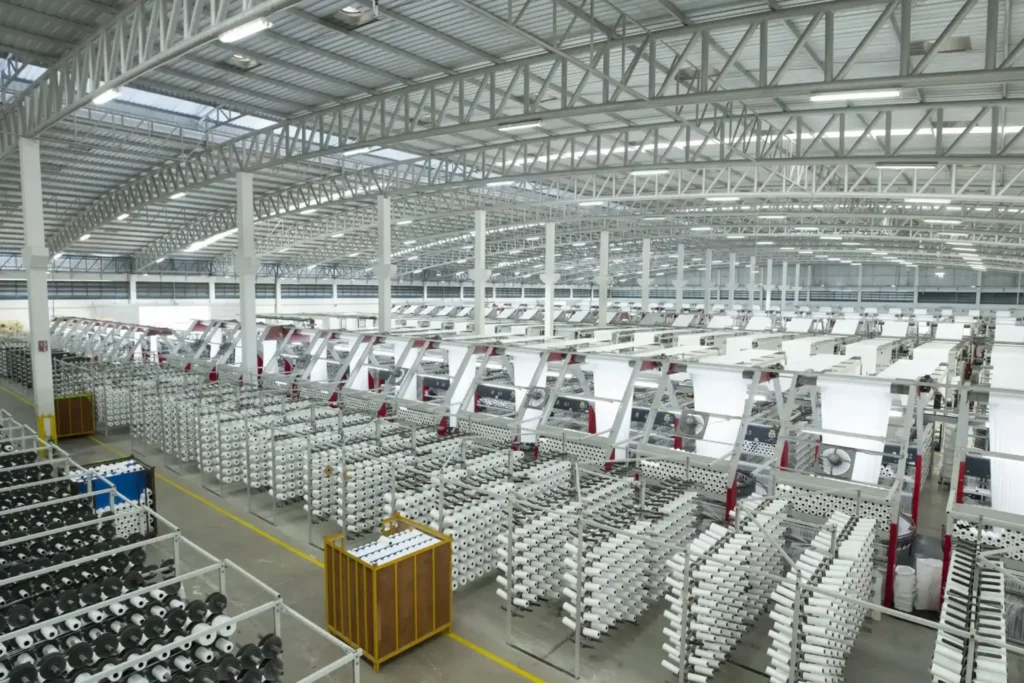
In contrast, companies like VidePak have set themselves apart by emphasizing the importance of quality and innovation. Unlike many other manufacturers that focus solely on volume and price, VidePak has invested heavily in cutting-edge technology, brand-building, and sustainable practices. By using state-of-the-art machinery from top global suppliers such as Starlinger, VidePak ensures that its products, including Transparent Woven Bags and PP Woven Sacks, meet the highest standards of consistency and durability. The use of Starlinger equipment ensures that the woven structure is even, the surface is smooth, and the overall product quality is unmatched in the market.
Technological Innovation and Sustainability: The Future of Transparent Woven Bags
One of the biggest challenges facing woven bag manufacturers today is the need for sustainable development. As industries and consumers become more aware of environmental issues, there is growing pressure to reduce plastic waste and promote circular economies. The future of Transparent Woven Bags lies in their ability to adapt to these trends through the development of more sustainable products and practices.
Many manufacturers, including VidePak, are already embracing this challenge by focusing on eco-friendly HDPE woven bags and developing new materials that are recyclable or biodegradable. As part of their sustainability efforts, VidePak also prioritizes reducing waste during production and improving the recyclability of their products. These initiatives align with global movements towards reducing plastic waste and promoting environmentally-conscious manufacturing practices.
The key to the future success of Transparent Woven Bags is not only in their durability and versatility but also in their ability to be recycled and reused. This will involve developing a more comprehensive recycling system, which allows used bags to be collected, processed, and reintroduced into the production cycle. By doing so, manufacturers can significantly reduce the environmental impact of these products.
In addition to recycling, innovation in material science is expected to play a major role in the evolution of woven bags. Research into biodegradable plastics and composite materials will likely lead to the creation of Transparent Woven Bags that can degrade naturally over time, reducing their impact on landfills and oceans. This will be particularly important as governments and consumers alike demand more environmentally-friendly packaging solutions.
Conclusion
Transparent Woven Bags have come a long way from their origins in the textile and plastic revolutions of the 20th century. Today, they are a crucial part of global packaging solutions, used across a range of industries for their durability, versatility, and transparency. In China, manufacturers like VidePak have played a leading role in expanding the use of woven bags, focusing on innovation, sustainability, and quality. As the packaging industry continues to evolve, Transparent Woven Bags will remain at the forefront of packaging solutions, driven by advancements in materials science and the increasing demand for eco-friendly alternatives.