
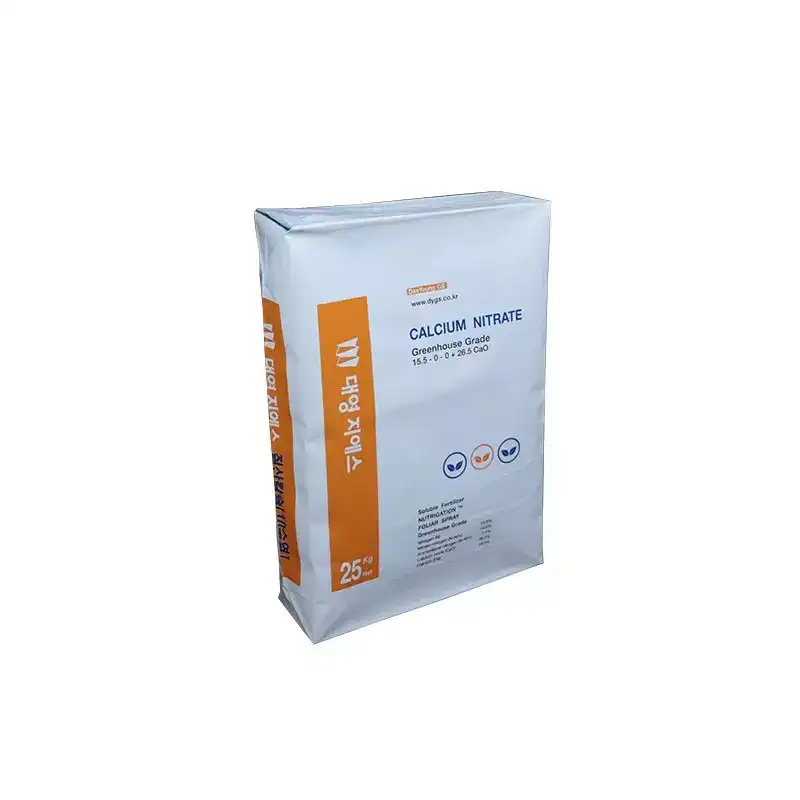
- What Are PE Valve Bags?
- Why Material Choice Matters: The Engineering Logic Behind PE Valve Bags
- Anatomy of Performance: From Resin to Retail
- How PE Valve Bags Compare with Paper Valve Sacks—Without the Myths
- Sustainability and End‑of‑Life: Designing PE Valve Bags for the Circular Economy
- Regulatory Alignment: From Factory Floor to Customs Gate
- System Thinking: Breaking the Decision into Solvable Pieces
- Evidence‑Backed Details Buyers Ask About
- Case Vignettes (De‑identified but Representative)
- Practical Specification Template for PE Valve Bags
- Frequently Asked Questions About PE Valve Bags
- Closing Argument: Why PE Valve Bags Make Operational and Environmental Sense
- Introduction: Understanding PE Valve Bags
- Key Features of PE Valve Bags
- Manufacturing Process
- Applications
- Selecting the Right PE Valve Bags
- Benefits of Modern PE Valve Bags
- Maintenance and Handling
- Performance Enhancement
- Systematic Analysis for Optimal Design
- Sustainability Aspects
- Additional Resource
Subtitle: An EEAT‑oriented technical guide written for product managers, buyers, and sustainability leaders
Author: Packaging Engineering Team
Date: August 10, 2025
What Are PE Valve Bags?
Definition & Aliases.
PE valve bags are industrial sacks manufactured from polyethylene films and designed with a self‑closing valve that enables rapid, dust‑controlled filling. In different markets you will also hear them called valve sacks, poly valve sacks, poly film valve bags, or simply poly valve packaging. The defining feature is the corner‑mounted valve sleeve—internal or external—that admits product under air or mechanical assistance and then seals by product pressure, heat, or ultrasonic weld, minimizing spillage and improving line hygiene.
Key Features.
Because the substrate is polyethylene (LDPE, LLDPE, or blends with MDPE/HDPE), PE valve bags combine high toughness with low water‑vapor permeability relative to uncoated paper. Typical benefits include moisture resistance, puncture and tear resistance, printability for high‑coverage branding, and compatibility with automated high‑speed filling lines. With appropriate film architecture (mono‑layer or co‑extruded), PE valve bags can be engineered for target metrics such as WVTR, dart impact, COF, and seal strength—critical properties for powders and granulates that degrade or cake when exposed to humidity.
Manufacturing Process.
The core process for PE valve bags is film extrusion followed by conversion. Resins specified by melt flow rate (ISO 1133‑1) are blended and extruded—either as blown film or cast film—into mono‑ or multi‑layer webs. Performance layers can include slip/anti‑block, puncture‑resistant cores, and sealing layers. After conditioning and corona treatment, webs are cut, folded, and side‑welded; a valve sleeve (often of compatible PE fabric or film) is inserted; and the bag is bottom‑welded or gusseted. Seal integrity is verified per ASTM F88, film tensile per ASTM D882, and dart impact per ASTM D1709; moisture barrier is characterized via ASTM F1249 or ISO 15106. Where customers require documented traceability, batches are marked with line, date, and reel identifiers for full genealogy.
Applications.
PE valve bags are used for cement and dry mortar, calcium carbonate and mineral fillers, fertilizer blends, plastic masterbatch, salt and sugar, seed and animal nutrition, powdered food ingredients, and diverse chemicals. In humid climates or in maritime logistics, the low WVTR of PE valve bags protects hygroscopic contents, reducing clumping and specification drift while enabling longer storage and fewer warranty claims.
Quick Link
Curious about formats, sizes, and form‑fill‑seal compatibility? See our product overview for PE valve bags.
Why Material Choice Matters: The Engineering Logic Behind PE Valve Bags
A bag is never just a bag. It is an engineered system that must balance handling strength, filling speed, powder containment, shelf appeal, and end‑of‑life pathways. PE valve bags excel when moisture control, impact robustness, and automated sealing are non‑negotiable. Consider three pillars of performance:
- Barrier and Stability. For hygroscopic products—cement, tile adhesive, milk powder premixes—WVTR is destiny. Multi‑layer PE valve bags commonly achieve sub‑1 g/m²·24h WVTR (ASTM F1249, test‑condition dependent), which reduces caking and preserves workability. Paper sacks need coatings or liners to approach similar performance; those laminations complicate recycling.
- Mechanical Safety Margin. With tensile testing to ASTM D882 and free‑fall dart impact to ASTM D1709, PE valve bags can be tuned for drop‑resilience through the distribution chain. That margin matters not only for obvious hazards—forklift tines, sharp pallet corners—but for micro‑impacts during automated palletization.
- Process Efficiency. The valve architecture, when matched to the product’s aeration behavior, supports higher fill rates with lower dust emission. Smooth internal surfaces, engineered COF per ASTM D1894, and hermetic heat sealing keep lines clean and reduce post‑fill housekeeping.
Anatomy of Performance: From Resin to Retail
1) Resin Selection and Film Design
Data reinforcement. Polyethylene grades are chosen by melt mass‑flow rate (MFR, ISO 1133‑1) to balance extrusion stability and sealability. A common recipe for heavy‑duty PE valve bags uses an LLDPE outer for toughness, a metallocene‑LLDPE core for puncture resistance, and a low‑seal‑initiation inner layer for dependable valves. Density (ISO 1183‑1) and slip packages are tailored to prevent blocking without sacrificing print acceptance.
Comparative insight. Where impact threats dominate—e.g., bulk minerals with angular particle shapes—multi‑layer films with reinforced cores significantly outperform single‑ply paper constructions on dart impact (ASTM D1709). For dusty fine powders that require air release during fill, micro‑perforated films or engineered valve sleeves deliver breathability without giving up moisture protection post‑seal.
Rhetorical lens. Do you design for the rare accident or the daily routine? With PE valve bags, you do not have to choose; the film stack can be tuned to absorb both.
2) Tear, Puncture, and Seal Strength
Tear propagation is measured via Elmendorf tear (ASTM D1922) and essential for real‑world survivability. A bag that never tears is unrealistic; a bag that tears predictably, slowly, and away from critical seams prevents catastrophic loss. Seal strength testing (ASTM F88) ensures the valve closure withstands stacking pressure and transit vibration.
Case analysis. A building‑materials supplier retrofitted to PE valve bags engineered for +25% stronger bottom seals and reported a measurable drop in “leaker” returns. While internal data are proprietary, the mechanism is general: stronger fusion seams translate to fewer failures during clamp‑truck handling and while sliding pallets across rough decks.
Cross‑discipline analogy. Think of seals as “circuit breakers.” In electrical systems, placement and rating prevent overload cascades. In PE valve bags, controlling seal profile and tear direction prevents full‑bag rupture when one zone is stressed.
3) Dust Control and Clean Filling
Dust is not just a housekeeping issue; it is a quality, safety, and regulatory issue. PE valve bags with internal sleeves create a tortuous path that sharply reduces fugitive dust. Lower dust means truer net weight, cleaner filters, fewer ATEX concerns for combustible dust environments, and happier operators.
Measurements that matter. Facilities commonly monitor stack emissions and housekeeping dust; while absolute values vary, upgrades to PE valve bags routinely show reductions in visible dust during fill and drop. Engineer COF via ASTM D1894 to optimize bag sliding on conveyors—too sticky and line jams rise; too slippery and pallet stacks shift.
4) Print Quality and Brand Integrity
The same smooth film surface that enables seal integrity also delivers high‑fidelity flexographic or gravure print. High‑coverage solids, tight registration, and glossy varnishes are all achievable without compromising heat‑seal performance. That duality—robust function with premium look—lets PE valve bags pull double duty in retail‑adjacent channels.
EEAT note. Consistent color targets and delta‑E tolerances, ICC‑profiled workflows, and documented inspection plans form part of an ISO 9001 quality system that buyers can audit. The goal is verifiable, repeatable outcomes rather than promises.
How PE Valve Bags Compare with Paper Valve Sacks—Without the Myths
Paper valve sacks are excellent for many applications, especially where breathability is crucial and compostability is valued. Yet trade‑offs are real.
- Moisture Exposure. Uncoated paper absorbs water; liners or coatings mitigate but add materials and complicate recycling. PE valve bags start moisture‑resistant by nature and achieve lower WVTR without lamination.
- Impact Robustness. Film toughness and elastic recovery allow PE valve bags to survive drops and flex‑fatigue that can crease or split paper ply structures.
- Recycling Simplicity. Mono‑material PE valve bags align naturally with material‑recycling schemes (resin ID #4, LDPE), avoiding mixed‑material dilemmas common to paper‑plus‑poly laminate sacks.
Standards landscape to know. Paper sacks are typically validated against ISO 7965‑1 (drop test), while plastic film sacks draw on a different battery—ASTM D882 (tensile), ASTM D1709 (impact), ASTM F1249 (WVTR), ASTM D1922 (tear). Vocabulary and dimensional conventions for thermoplastic sacks are captured in ISO 6591‑2. Knowing which test proves what prevents apples‑to‑oranges comparisons that often mislead purchasing teams.
A balanced view. Some products and regions still favor paper—for example, where municipal composting is widespread and moisture exposure is minimal. The decision is not ideology; it is physics plus infrastructure.
Sustainability and End‑of‑Life: Designing PE Valve Bags for the Circular Economy
Design for Recycling (DfR)
Principle. A recyclable package is one that collection systems can capture at scale and reprocessors can convert into secondary raw material without excessive yield loss. For PE valve bags, that means mono‑material construction, compatible inks and adhesives, and PE‑based valve sleeves so the whole bag follows the LDPE stream.
Frameworks and rules. EN 13430 defines requirements for packaging to be “recoverable by material recycling,” while ISO 15270 provides guidance for plastics waste recovery and recycling programs. The EU’s Packaging and Packaging Waste Regulation (PPWR) is phasing in design‑for‑recycling criteria and recyclability performance grades: in practice, PE valve bags built as mono‑material LDPE/LLDPE structures align cleanly with these rules and avoid composite penalties.
Practical checklist.
- Use NIR‑detectable masterbatches and avoid excessive carbon black.
- Keep inks to needed coverage; specify low‑migration inks for food‑adjacent use.
- Prefer PE‑based valve sleeves and films; eliminate non‑PE tie layers where feasible.
- Mark the pack with resin ID and recycling guidance.
Life‑Cycle Thinking Without the Jargon
Does a tougher bag with lower breakage offset the footprint of polymer production? Often, yes. Product loss has a carbon shadow: wasted cement or fertilizer creates more emissions upstream than the bag that failed. Reducing leakers by even a fraction of a percent can outweigh material differences at the package level. That is not a free pass; it is a reminder that system boundaries matter when making claims.
What third parties test. Intertek and SGS routinely run WVTR (ASTM F1249), OTR (ASTM D3985), and tensile (ASTM D882) to verify barrier and strength claims. Independent labs also assess drop performance on filled packages per ISO 2248 or customer‑specific protocols. Buyers should request test reports with sample IDs, conditions (e.g., 38 °C/90% RH for WVTR), and confidence intervals.
Waste Management Pathways
- Closed‑loop industrial collection. Many plants bale post‑consumer PE valve bags from controlled sites and send them to LDPE reclaimers. Pelletized regrind can return to film applications where mechanical properties permit.
- Store‑drop or municipal film streams. Where available, mono‑material PE valve bags meet the same streams as stretch film and retail carry bags. Contamination (residual powder) must be minimized by operational discipline—an argument for clean filling.
- Energy recovery and fallback. Where material recycling is infeasible, PE valve bags have high calorific value for energy‑from‑waste plants. While not the goal, it is a realistic safety net in certain geographies.
Regulatory Alignment: From Factory Floor to Customs Gate
EU policy trajectory. The PPWR requires recyclability and will assign performance grades tied to design; delegated acts are expected to finalize criteria and timelines. PE valve bags built as mono‑material LDPE/LLDPE typically map to higher recyclability classes because they avoid multi‑material laminates.
Global norms.
- EN 13430:2004 — packaging recoverable by material recycling.
- ISO 15270:2008 — plastics waste recycling guidelines.
- ISO 6591‑2:1985 — terminology for thermoplastic sacks.
- ASTM D882 / D1709 / F1249 / D1922 / D1894 — core performance tests for plastic film packaging.
- ISO 1133‑1 / ISO 1183‑1 — resin flow and density characterization.
A supplier who can reference—and furnish reports against—these norms offers audit‑ready transparency. That is what modern due diligence and EEAT demand: claims linked to recognized methods, not marketing copy.
System Thinking: Breaking the Decision into Solvable Pieces
Sub‑problem A: Moisture‑Sensitive Contents
Question. Will the product’s functional performance degrade with humidity ingress?
Analysis. If yes, prioritize low WVTR film stacks and robust heat‑seal design. Consider bag‑within‑bag if secondary containment is mandated.
Synthesis. PE valve bags with co‑extruded barriers and narrow‑tolerance heat‑seals provide the most direct control without resorting to composite paper/film laminates that complicate recycling.
Sub‑problem B: Line Throughput and Hygiene
Question. Is the filling line speed‑constrained by dusting or bag handling?
Analysis. Evaluate COF, valve geometry, venting options, and automation interfaces.
Synthesis. Low‑dust PE valve bags with tuned COF reduce stoppages and housekeeping, freeing OEE. Pair with in‑line weight checks and integrated valve sealers.
Sub‑problem C: Regional EPR and Recycling Infrastructure
Question. Can the downstream system actually recycle what you specify?
Analysis. Map customer geographies against available film‑recycling programs and EPR obligations.
Synthesis. Specify mono‑material PE valve bags where film recycling exists; publish take‑back options where it does not; document the rationale for auditors.
Sub‑problem D: Risk of Counterfeit or Out‑of‑Spec Packs
Question. How do you ensure spec discipline across multiple plants and shifts?
Analysis. Use SPC on thickness and seal strength; audit dart impact and tear weekly; print unique batch IDs and QR codes.
Synthesis. A spec‑locked PE valve bags program with third‑party testing (e.g., ASTM D882 tensile reports each quarter) protects brand and reduces variability.
Evidence‑Backed Details Buyers Ask About
Barrier Numbers and What They Mean
WVTR measured by ASTM F1249 is sensitive to test temperature and humidity. When you see sub‑1 g/m²·24h, check the conditions—38 °C/90% RH is far harsher than 23 °C/50% RH. For PE valve bags, tighter seals often do more for real‑world moisture ingress than another 0.1 g/m²·24h improvement on film alone. Why? Because edge‑seal paths dominate once the valve is closed.
Impact and Tear: Interpreting the Alphabet Soup
Dart impact (ASTM D1709) is a probabilistic test—the result is the dart mass causing 50% failure at a defined height. Higher numbers signal better resistance to sharp impacts during pallet moves. Elmendorf tear (ASTM D1922) tells you how a small nick will propagate. A balanced design for PE valve bags resists both sudden puncture and gradual tearing along fold lines.
Seal Integrity Under Compression
Stacked pallets exert compressive loads that creep over time. Seal‑strength margins validated by ASTM F88 should be interpreted alongside creep tests at elevated temperature where applicable. For heat‑sealed PE valve bags, consistent dwell time, pressure, and temperature control are the three levers that keep seals inside the process window.
Case Vignettes (De‑identified but Representative)
Mineral Filler Producer, Tropical Climate. High ambient humidity was degrading product flowability. Switching to co‑extruded PE valve bags with optimized seals reduced moisture‑related QC holds and cut customer complaints. Pallet top‑sheeting was retained, but desiccant use fell.
Cement & Dry‑Mix Plant, Port City. Replacing paper‑poly laminate sacks with mono‑material PE valve bags enabled diversion to a film‑recycling partner. Product loss from ruptured sacks decreased, and housekeeping labor around fillers dropped—useful in tight labor markets.
Specialty Fertilizer, Odor‑Sensitive Premium Brand. Consistent print laydown on PE valve bags improved shelf presentation while internal sleeve geometry curbed dust at the point of fill. The brand leaned into on‑pack QR codes to educate customers on recycling options.
Practical Specification Template for PE Valve Bags
- Format: Valve bag with internal sleeve, top‑corner valve, flush after fill.
- Film: 3‑layer co‑ex LDPE/LLDPE; total thickness 120–180 μm; outer low‑slip, inner low‑seal‑initiation.
- Tests: ASTM D882 tensile; ASTM D1709 dart impact; ASTM D1922 tear; ASTM F1249 WVTR; ASTM D1894 COF; ISO 1133‑1 MFR; ISO 1183‑1 density.
- Sealing: Heat or ultrasonic; validate per ASTM F88.
- Printing: Up to 8‑color flexo, low‑migration inks.
- Recycling: Mono‑material LDPE; label per EN 13430 guidance; resin code #4.
This outline becomes the backbone of RFQs and supplier scorecards—concise, auditable, and grounded in standards.
Frequently Asked Questions About PE Valve Bags
Are PE valve bags food‑safe?
Food‑adjacent applications require compliant resins, inks, and process controls. Suppliers should furnish migration and compliance statements where applicable and demonstrate GMP.
Can PE valve bags be anti‑slip without chalky exteriors?
Yes. COF can be tuned through masterbatch and layer design while maintaining a clean, printable surface finish.
What about static in dusty environments?
Anti‑stat packages and grounding protocols reduce ignition risks; consult site EHS for combustible dust management.
Do PE valve bags work on my existing paper‑bag line?
Most valve fillers handle both with minor change parts. Validate with a factory trial; operators typically appreciate lower dust and easier sealing.
Closing Argument: Why PE Valve Bags Make Operational and Environmental Sense
Performance without circularity is yesterday’s success; circularity without performance is tomorrow’s recall. PE valve bags meet in the middle: rugged enough for the warehouse, refined enough for the brand manager, simple enough for the recycler.
If you take one action this quarter, make it this: specify mono‑material PE valve bags, cite the relevant standards (ASTM D882, D1709, F1249; ISO 1133‑1; EN 13430), and ask suppliers for third‑party test reports. When engineering, procurement, and sustainability read off the same playbook, total cost falls and the planet takes one small but measurable win.
Introduction: Understanding PE Valve Bags
PE valve bags have become indispensable in industries requiring safe, efficient, and hygienic packaging for bulk materials. Also known as polyethylene valve sacks or poly valve packaging, they are designed for quick filling and secure sealing. This introduction explores what they are, their characteristics, manufacturing process, and primary uses.
Key Features of PE Valve Bags
These bags are made from robust polyethylene film, offering excellent moisture resistance, high tensile strength, and puncture resistance. Their valve closure system minimizes product loss, speeds up filling, and reduces dust emissions. Compared to alternatives, PE valve bags maintain product quality during storage and transport.
Manufacturing Process
PE valve bags are produced through film extrusion, lamination, and precision conversion. Polyethylene resins are extruded into films, cut, and assembled into bags with an integrated valve. This design enables rapid filling and sealing, making them compatible with automated production lines.
Applications
From cement and chemicals to food and agriculture, PE valve bags serve diverse sectors. Their moisture barrier capabilities make them ideal for hygroscopic materials, while their durability ensures safe stacking and transportation.
Selecting the Right PE Valve Bags
Choosing the correct bag involves evaluating product properties, storage conditions, and transport requirements. Key considerations include WVTR (water vapor transmission rate), seal integrity, and compatibility with filling machinery.
Benefits of Modern PE Valve Bags
Switching to advanced designs enhances filling efficiency, reduces waste, and allows for superior branding through high-quality printing. Modern PE valve bags can be tailored to meet sustainability objectives and industry regulations.
Maintenance and Handling
To preserve their integrity, store PE valve bags in cool, dry conditions, avoid excessive stacking, and regularly inspect seals for damage.
Performance Enhancement
Performance can be optimized by improving film composition, refining valve design, and ensuring consistent seal quality. Regular testing helps prevent packaging failures.
Systematic Analysis for Optimal Design
Breaking the challenge into sub-problems—such as barrier needs, strength requirements, and recyclability—enables targeted improvements. Combining solutions creates PE valve bags that deliver efficiency and sustainability.
Sustainability Aspects
Mono-material PE valve bags are recyclable, supporting circular economy goals. Design choices, such as using compatible inks and reducing material thickness while retaining strength, enhance environmental benefits.
Additional Resource
Explore more at PE valve bags.
References
- ISO 527: Plastics — Determination of tensile properties.
- EN 13430: Packaging — Requirements for packaging recoverable by material recycling.
- ASTM D882: Standard Test Method for Tensile Properties of Thin Plastic Sheeting.
- ASTM F1249: Standard Test Method for Water Vapor Transmission Rate Through Plastic Film.
- Ellen MacArthur Foundation, “The New Plastics Economy.”