
What are Open Mouth PP Bags?
Open Mouth PP Bags are industrial and retail‑ready sacks made from woven polypropylene; they are filled from the top and finished with a sewn or heat‑sealed bottom that locks product in place. In everyday conversations across factories, trading floors, and procurement chats, you will hear them called sewn open‑mouth PP bags, BOPP‑laminated open‑mouth woven sacks, or simply PP woven sacks. Different names, one idea: a lightweight, high‑strength package that protects goods while carrying a brand’s story. If packaging were a silent salesperson, Open Mouth PP Bags would be the kind that works overtime—on pallets, on store shelves, and on the road. Looking for an industry overview or supplier benchmarks? Start here: Open Mouth PP Bags.
From a materials‑science viewpoint, Open Mouth PP Bags leverage the crystalline nature of oriented polypropylene tapes: biaxial orientation raises tensile strength and improves tear resistance without inflating mass. From a logistics perspective, they strike a rare balance: robust enough for 10–50 kg loads, still light enough to save on freight. And from a branding lens, especially in China’s hyper‑competitive consumer markets, the broad printable face (often via BOPP lamination) behaves like a mobile billboard—clear tones, saturated color, fine halftones. Is it packaging? Yes. But it’s also media, protection, and process control in one.
Horizontally, Open Mouth PP Bags sit at the intersection of polymer engineering, print technology, and supply‑chain design; vertically, they ladder from resin choice → tape orientation → fabric weave → conversion → print finishing → pallet behavior. Each layer constrains the next and unlocks the one after it. This layered logic is why minor tweaks—a denier change, a new lamination thickness, a different seam recipe—can shift performance outcomes in real shipments.
What are the Features of Open Mouth PP Bags?
Durability is the headline, but the subplot is customization. Open Mouth PP Bags are specified not only by size but by fabric basis weight (often 60–200 gsm), tape denier, weave density (e.g., 8×8 to 14×14), lamination options, and closure style. The result is a family of formats that can be tuned for fertilizers or flour, resin pellets or rice, pigments or pet food. The same platform, many roles—much like a modular chassis in automotive manufacturing.
Water and abrasion resistance often come from a PP coating or a BOPP film. Why does that matter? Because moisture ingress ruins powders, scuffs dull brand graphics, and dust contamination leads to complaints. A thin lamination transforms a purely functional sack into a shelf‑capable pack: it adds gloss or matte visual effects, protects inks from rub‑off, and improves sealing consistency. With rotogravure or high‑line‑count flexo, designs move beyond flat blocks of color into high‑resolution imagery—vital for retail categories like pet food or garden products where packaging does the first handshake with the buyer.
Handling and closure options abound. Heat‑cut or hemmed tops, single‑ or double‑fold stitched bottoms, EZ‑open tear tapes, and flat or gusseted tubes alter both ergonomics and line compatibility. On an automated line, hemmed edges reduce fuzz; on manual fills in rural depots, an EZ‑open strip can cut seconds per sack. Small gains compound over thousands of units. The same is true for anti‑slip finishes that stabilize pallet stacks and UV‑stabilized fabrics that resist sunlight in open yards.
From the manufacturing‑systems angle, process stability defines quality far more than any single specification. Open Mouth PP Bags benefit when weaving density is consistent, coating thickness stays within narrow bands, and print registration holds across long runs. That’s why high‑end German and Austrian equipment is prized: it damps variability. Less drift, fewer surprises. The downstream impact? More predictable pack weights, fewer bursts in drop tests, tighter palletization, fewer returns.
Think horizontally again. In food packing, the conversation isn’t just tensile strength; it’s also migration risk, cleanliness, and audit readiness. In chemicals, it’s compatibility, dust control, and labeling space for hazard data. In building materials, it’s outdoor ruggedness and anti‑slip. One platform, three very different checklists—yet Open Mouth PP Bags can be configured to satisfy each without reinventing the entire bill of materials.
What is the Production Process of Open Mouth PP Bags?
Extrusion and tape stretching sit at the core. Virgin polypropylene is melted, cast into films, slit into tapes, then drawn to align polymer chains—an orientation step that raises modulus and tensile strength. This micro‑level orientation reads macro‑level as lighter fabrics achieving the same load ratings as heavier, non‑oriented counterparts. It’s not magic; it’s molecular architecture.
Weaving turns tapes into fabric. Circular looms interlace warp and weft to a target density. Choose a denser weave and you gain barrier performance and print smoothness; choose a looser weave and you win flexibility and breathability. Trade‑offs, always. Coating or BOPP lamination follows: a thin PP layer or an adhered BOPP film adds moisture defense and a printable skin. At this stage, the decisions are as much about brand as about physics—gloss to pop colors, matte to control glare, white ink layers to back graphics on dark fills.
Printing is where engineering meets emotion. Rotogravure cylinders or high‑tolerance flexo plates lay down inks in multiple stations, with registration controls keeping micro‑misalignments from becoming macro eyesores. Barcodes must scan; regulatory icons must be crisp; gradients should not band. Line supervisors watch viscosity and temperature; operators babysit dryers; QA pulls sheets for densitometry. The hum of production is really a choir of micro‑controls.
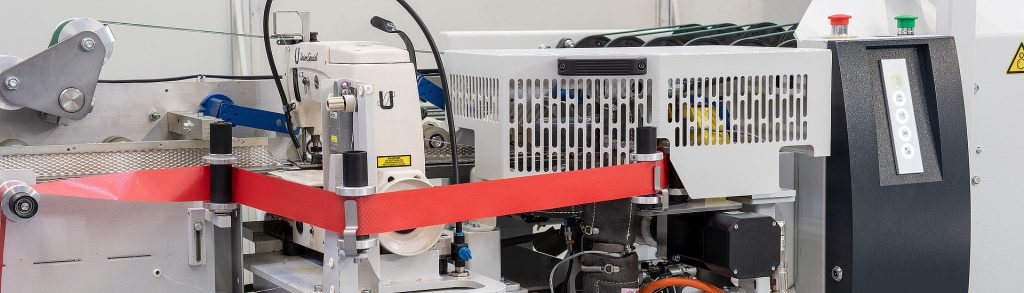
Conversion—cutting and sewing—shapes the tube into a bag. Tops can be heat‑cut to seal yarn ends or hemmed to minimize fray; bottoms may be single‑ or double‑fold sewn depending on the fill’s density and drop‑test targets. Add an EZ‑open tape and you’re saving retail customers from the age‑old hunt for scissors. Before shipment, inspections catch dimensional drift, seam irregularities, and color shifts; seam pull tests and drop tests simulate handling shocks. Palletization with anti‑slip interleaves prevents stack creep in transit. The vertical logic is evident: material → structure → surface → print → form → logistics.
From an operations‑research perspective, the production flow is a classic push‑pull hybrid. Extrusion and weaving prefer steady cadence; printing and conversion flex to artwork changes and order lots. Smart schedulers buffer semi‑finished rolls, align color‑changeovers, and slot urgent SKUs without starving upstream machines. In China’s fast‑moving export environment, this orchestration matters as much as the resin grade in the hopper.
What is the Application of Open Mouth PP Bags?
Agriculture and food processors rely on Open Mouth PP Bags for rice, flour, sugar, grains, seeds, and animal feed. The reasons are practical—weight efficiency, durability, affordable print quality—and regulatory: clean interiors, optional liners, and the ability to segregate allergen‑bearing products via color coding. For seeds, micro‑perforation balances moisture control and respiration. For rice, a bright laminate avoids the chalky look that can cheapen shelf presence.
Chemicals and minerals form a second pillars—fertilizers, polymer resins, pigments, salts. Here, dust containment and label fidelity dominate. BOPP faces resist scuff, keeping hazard pictograms legible after long hauls. Anti‑slip treatments keep pallets tight so that forklift braking doesn’t translate into dominoes in the warehouse aisle. If your resin is hydrophobic pellets, a simple coated fabric may suffice; if it’s hygroscopic powders, a dedicated PE liner earns its keep.
Construction materials bring a third cluster: cement, sand, and aggregates. Outdoor yard storage punishes packaging. UV‑stabilized fabric extends life; robust stitching survives rough handling. Anti‑slip textures matter for stacked bags on sloped yards or vibrating trucks. The economics are clear: reduced breakage, fewer cleanups, less loss.
Retail and private‑label categories have surged as e‑commerce in China blurred traditional trade lanes. Pet food, lawn and garden, home improvement—the visual stakes are high. Open Mouth PP Bags with photo‑quality BOPP graphics let challenger brands punch above their weight: the pack is no longer a blank sack; it’s a campaign surface. When a bag looks premium and arrives intact, return rates shrink; reviews improve; reorder probability climbs. What is that if not packaging turning into a growth lever?
Horizontally across these sectors, the bag must lift, protect, communicate. Vertically within each company, it must integrate—from procurement specs to line changeovers, from warehouse stacking patterns to retail display plans. A sack is a simple object until you zoom out; then it is a node in a network of decisions.
Key Technical Parameters (Typical Ranges)
| Parameter | Typical Range / Options |
|---|---|
| Bag capacity | 10–50 kg common commercial fills; up to ~50 kg/110 lb depending on spec |
| Fabric basis weight | 60–200 gsm woven PP (application‑dependent) |
| Dimensions (tube) | Width 300–700 mm; Length 500–1100 mm; Gusset 50–200 mm (when gusseted) |
| BOPP lamination | 18–30 μm film on face (single‑ or double‑side) |
| Printing | Up to 8–10 colors (rotogravure/flexo); matte or glossy finish |
| Top options | Heat‑cut, cold‑cut/hemmed, EZ‑open tape |
| Bottom options | Single‑ or double‑fold sewn; back‑seam or circular‑woven tube |
| Liner | Optional PE liner (loose or tubular) for powders/moisture barrier |
| Add‑ons | Micro‑perforation, anti‑slip, UV‑stabilizer, easy‑open tape |
Why VidePak: Established in 2008, VidePak’s core team brings 30+ years of industry experience to modern PP woven packaging. With 568 employees and global coverage across the US, Europe, Brazil, South America, Southeast Asia, Japan, Korea, Central Asia, the MENA region, East and South Africa, the company operates top‑tier W&H and Starlinger lines, uses all‑new raw materials, and supports custom multi‑color printing. Capacity is robust—more than 100 circular looms, 16 extrusion lines, and over 30 lamination/printing machines—underpinning consistent quality, fast turnarounds, and brand‑ready presentation across Open Mouth PP Bags portfolios.
- What are Open Mouth PP Bags?
- What are the Features of Open Mouth PP Bags?
- What is the Production Process of Open Mouth PP Bags?
- What is the Application of Open Mouth PP Bags?
The packaging industry in China is undergoing significant transformation, driven by innovation, environmental consciousness, and a growing demand for high-quality, customizable solutions. Among the many options available, Open Mouth Polypropylene (PP) bags, often referred to as SOM bags, are emerging as a preferred choice for packaging in a variety of industries. These bags are versatile, durable, and cost-effective, making them an ideal solution for packaging food, chemicals, agricultural products, and more. In this article, we will explore the future of Open Mouth PP bags in China, focusing on the innovations shaping the industry and the critical role of brand development in this evolving market.
The Rise of Open Mouth PP Bags in China
Open Mouth PP bags are a staple in the packaging industry, prized for their adaptability and strength. These bags are typically used in industries such as agriculture, chemicals, construction, and food packaging. Their durability, ability to hold heavy loads, and customizable designs have made them a popular choice among manufacturers and consumers alike.
In China, the demand for Open Mouth PP bags has been growing steadily over the years. According to industry reports, China is now one of the largest consumers of PP bags globally, with a CAGR (compound annual growth rate) of 5-7% in recent years. This growth is largely fueled by the country’s booming agricultural and manufacturing sectors, where high-quality packaging solutions are essential for logistics and transportation.
Moreover, the increasing focus on sustainable packaging options is driving innovation in the production of PP bags. Manufacturers are developing new, eco-friendly materials and production methods to meet the growing demand for sustainable solutions. For example, there is a shift towards using recycled PP material in the production of Open Mouth PP bags, which helps reduce the environmental impact of packaging waste.
Innovation in Open Mouth PP Bags
The future of Open Mouth PP bags in China is intricately tied to innovation. Manufacturers are constantly seeking ways to improve the functionality and environmental impact of these bags. Several key innovations are shaping the development of this packaging solution.
1. Advanced Materials
Traditionally, PP bags have been made from virgin polypropylene. However, there is a growing trend towards incorporating recycled polypropylene and other eco-friendly materials in the production process. By utilizing advanced recycling technologies, manufacturers can create bags that are not only durable and strong but also environmentally sustainable. The development of biodegradable PP bags is also gaining traction in the market, offering a more eco-conscious alternative for packaging.
2. Enhanced Strength and Durability
One of the key features of Open Mouth PP bags is their strength. These bags are designed to hold heavy loads without breaking or tearing. However, as demand for higher performance bags grows, manufacturers are exploring ways to enhance their durability further. For instance, advancements in fine yarn technology and multi-layered construction have resulted in bags with improved tensile strength and resistance to wear and tear.
3. Customization and Design
In today’s competitive market, customization is crucial for differentiation. Open Mouth PP bags can be tailored to meet specific customer requirements, including custom sizes, shapes, and printing options. Manufacturers are increasingly offering digital printing capabilities, allowing for vibrant, high-quality prints on bags. This is particularly important for businesses looking to enhance their brand visibility, as custom designs can make products stand out on shelves or in transportation.
4. Functionality Features
Manufacturers are adding various functional features to Open Mouth PP bags to increase their versatility. These include features such as built-in liners for moisture resistance, anti-static coatings for chemical packaging, and reinforced seams for added durability. Additionally, innovations such as woven handles and ergonomic designs are improving the ease of handling and transportation.
Brand Development and Market Positioning
As the Open Mouth PP bag market grows, companies in China are realizing the importance of brand development. Standing out in an increasingly crowded marketplace requires not only offering high-quality products but also creating a strong brand identity.
1. Building a Strong Brand Identity
In a market where many manufacturers offer similar products, creating a distinctive brand identity is key to gaining consumer loyalty. Companies are focusing on developing unique value propositions, emphasizing quality, sustainability, and innovation. For instance, VidePak, a leading manufacturer of woven bags, has invested in advanced Starlinger technology to produce high-quality PP bags with enhanced strength and eco-friendly features. By associating their brand with innovation and environmental responsibility, companies can build long-term relationships with customers.
2. Quality Assurance and Transparency
For consumers, particularly in sectors like food packaging and chemicals, quality assurance is critical. Ensuring that products meet international quality standards is essential for gaining trust in the market. Companies that prioritize transparency in their production processes and offer certifications for their products are well-positioned to stand out. The use of certified raw materials, compliance with global standards, and regular quality audits help reassure consumers that they are buying high-quality and reliable products.
3. Leveraging Digital Marketing
Digital marketing is becoming increasingly important in the packaging industry. Companies are using online platforms to showcase their products, reach new customers, and build brand awareness. Social media, influencer marketing, and content marketing are some of the strategies being employed to connect with a broader audience. By effectively leveraging digital channels, brands can position themselves as industry leaders and increase their market share.
Key Parameters of Open Mouth PP Bags
To help readers better understand the technical aspects of Open Mouth PP bags, the table below outlines some of the critical parameters and features commonly found in these products:
| Parameter | Description |
|---|---|
| Material | Polypropylene (PP), often recyclable or biodegradable |
| Bag Type | Open Mouth, with or without liner |
| Size | Customizable (length, width, and depth) |
| Strength | High tensile strength, tear resistance |
| Load Capacity | Ranges from 5 kg to over 50 kg, depending on the application |
| Customization | Printed logos, custom colors, and design options |
| Moisture Resistance | Available with built-in liners or anti-moisture coatings |
| Eco-Friendly Options | Recycled PP material, biodegradable alternatives |
FAQs about Open Mouth PP Bags
- What industries use Open Mouth PP bags? Open Mouth PP bags are used in various industries, including agriculture, chemicals, construction, food packaging, and more. They are versatile and can be customized to meet the specific needs of each sector.
- Are Open Mouth PP bags eco-friendly? Yes, many manufacturers are now producing eco-friendly Open Mouth PP bags made from recycled polypropylene or biodegradable materials. These innovations help reduce the environmental impact of packaging waste.
- Can I customize the design of Open Mouth PP bags? Absolutely! Open Mouth PP bags can be customized in terms of size, shape, color, and printing. Custom designs help businesses enhance their brand visibility and create a unique product presentation.
- What is the load capacity of Open Mouth PP bags? The load capacity of Open Mouth PP bags can vary, but they typically range from 5 kg to 50 kg or more, depending on the application. The bags are designed to be strong and durable, capable of holding heavy items without breaking.
- How can I ensure the quality of my Open Mouth PP bags? To ensure quality, it is important to source bags from reputable manufacturers who comply with international quality standards. Look for certifications and conduct regular quality checks to verify the strength, durability, and environmental credentials of the bags.
Conclusion
The future of Open Mouth PP bags in China looks promising, driven by technological innovation, sustainability efforts, and an increasing demand for customized solutions. As manufacturers continue to develop advanced materials, improve bag functionality, and emphasize brand development, the market for these versatile packaging products will only continue to grow. By staying at the forefront of these trends, companies can position themselves as leaders in the Chinese packaging industry.
For more insights into how packaging trends are evolving in China, check out this article on the Versatility of Open Mouth PP Bags and discover how VidePak is driving innovation in the packaging sector with advanced production processes.