
What Are Paper Valve Woven Bags?
Paper Valve Woven Bags are composite industrial sacks that fuse a printable kraft‑paper shell with a polypropylene (PP) woven backbone and an engineered valve mouth that closes itself under product back‑pressure. Think of them as a meeting point between brand storytelling and plant efficiency: paper delivers the warm, natural aesthetic that retail and regulatory panels love, while the woven substrate contributes the tensile strength, puncture resistance, and clamp tolerance that yard crews demand. In different markets you may encounter aliases such as paper/PP composite valve sacks, pasted‑valve woven paper sacks, paper‑laminated PP valve bags, or kraft paper valve bags with woven reinforcement—many names, one purpose: fast filling, clean sealing, safe shipping.
To anchor terminology with action, we treat Paper Valve Woven Bags not as a mere container but as a process component. The valve architecture is dimensioned to the filler spout; the laminate is tuned to the abuse profile; the paper grade is chosen for print body and stiffness. And because you may want a single, authoritative resource while you evaluate options, here is a dedicated reference built around the keyword itself: Paper Valve Woven Bags.
From a horizontal perspective, compare these hybrids to mono‑material paper sacks (excellent print, weaker wet strength) and to plain PP woven bags (rugged handling, limited premium finish without lamination). Vertically, trace the chain of cause and effect: tape denier → fabric GSM → seam strength → pallet height; coating weight → barrier → caking risk; valve sleeve geometry → residual air → panel flatness. In short, design choices ripple downstream into safer stacks, cleaner depots, fewer claims.
What Are the Features of Paper Valve Woven Bags?
Strength without unnecessary mass. The biaxially oriented PP weave in Paper Valve Woven Bags carries tensile and tear loads along warp and weft; the kraft layer contributes bending stiffness so pallets keep their crisp edges. Result? A high strength‑to‑weight ratio: robust against rebar burrs and tile shards, yet nimble enough to conform on clamp trucks without stress‑whitening.
Moisture discipline you can dial in. Between paper and fabric, a thin LDPE/PP interlayer—often 18–30 g/m² (≈20–35 μm)—forms a continuous film that lowers water‑vapor transmission (WVTR) and enables heat‑seal interfaces where required. For hygroscopic SKUs (fertilizer blends, mineral additives), optional PE inliners provide a second barrier; specify black inliners when light/UV shielding is essential. Why two walls? One to slow vapor, one to stop light—together they curb caking, clumping, and complaint tickets.
A valve that closes itself, not your line. The pasted valve sleeve (paper, PP, or PE) is tailored to your filler spout so product enters decisively while displaced air exits through micro‑perforations or vent patches. When the bag is full, product back‑pressure helps the sleeve self‑seal; optional hot‑melt or ultrasonic assist strengthens the lock. Less stitch dust, fewer needle holes, more uptime.
Print that persuades—and persists. Kraft faces accept bold, high‑contrast flexographic inks; for photographic panels and luxury finishes, reverse‑printed matte or pearlized BOPP (15–25 μm) can be laminated on top. Either route, Paper Valve Woven Bags protect legibility, passing rub tests (e.g., TAPPI/T 830; ASTM D5264) so barcodes and hazard icons stay readable after conveyors, clamps, and container rides.
Friction by design, safety by default. Woven textures inherently grip where smooth films tend to slide. Anti‑slip stripes or matte varnish can raise pallet friction further, stabilizing stacks on epoxy floors and painted steel forks—because safety is not a sticker on the outside; it’s a coefficient on the surface.
Sustainability with engineering honesty. Rather than vague promises, Paper Valve Woven Bags allow clear pathways: increase paper share for a natural look while keeping performance; choose PP‑forward designs for durability with lower grammage; engineer easy‑separate seams when local recovery favors paper/film separation. Material IDs and layer weights can be documented so environmental teams model end‑of‑life credibly.
Compliance‑ready bill of materials. When your line is adjacent to food or feed, polymer elements can be mapped to GB 4806.7, FDA 21 CFR 177.1520, EU 10/2011, while paper components align to FDA 21 CFR 176 subparts. Add lab files—WVTR (ASTM E96/ISO 15106), compression (ASTM D642), drop (ASTM D5276)—and auditors move from questions to signatures.
Systems logic, not guesswork. Horizontally, we benchmark against paper‑only and PP‑only alternatives to quantify trade‑offs in print body, wet strength, clamp tolerance, and moisture ingress. Vertically, we structure decisions by levels: materials (paper grade, resin type) → laminate (coating weight, bond peel) → mechanics (denier, mesh, seam) → operations (fill rate, pallet height). That’s how Paper Valve Woven Bags move from “looks good” to “works hard.”
Table — Representative Parameters for Paper Valve Woven Bags
| Parameter | Typical Range / Option | Notes |
|---|---|---|
| Capacity (for Paper Valve Woven Bags) | 10–50 kg (25 kg / 50 lb common) | Select by bulk density, route abuse, and target stack height |
| Kraft paper basis weight | 70–100 g/m² per ply | One or two plies for print body and panel stiffness |
| Woven PP fabric weight | 60–110 g/m² | Higher GSM for abrasive minerals and clamp handling |
| Denier of PP tapes | 700D–1200D | Denser tapes → higher puncture & seam strength |
| Interlayer coating (LDPE/PP) | 18–30 g/m² (≈20–35 μm) | Barrier + heat‑seal interface |
| Valve sleeve options | Paper / PP / PE; hot‑melt or ultrasonic assist | Sized to filler spout; reduces stitch dust and speeds cycles |
| Air management | Micro‑perforations / vent patches | Releases fill air; prevents panel “pillowing” |
| Printing | 1–6 colors (kraft flexo); up to 8 with BOPP laminate | Spectro‑controlled color; barcode/QR zones designed‑in |
| Optional inliner | Clear or black PE 40–80 μm | Moisture + light defense; black adds opacity and privacy |
| Bottom style | Pasted valve / block bottom | Chosen by filler technology and stack geometry |
| Anti‑slip features | Printed stripes / matte varnish | Raises pallet friction on smooth film faces |
| UV stabilization (polymer elements) | 200–300 h class | For sun‑exposed depots and outdoor staging |
| Verification & tests (as specified) | ASTM E96, D642, D5276, D5264 / TAPPI T 830 | WVTR, compression, drop, rub; bond‑peel to validate lamination strength |
Ranges reflect widely published windows on international B2B platforms and peer technical datasheets; final targets are proven by line trials and route testing.
What Is the Production Process of Paper Valve Woven Bags?
1) Resin and reels become a composite web. Polypropylene pellets are melted, extruded as a film, slit into tapes, and then drawn to align polymer chains. Draw ratio sets the denier; denier sets the fabric’s puncture and seam performance. In parallel, kraft paper reels are slit to width, moisture‑conditioned, and corona‑treated or primed to anchor inks without mottle.
2) Lamination builds the backbone. A thin LDPE/PP coating or hot‑melt adhesive couples paper to woven PP, turning two good materials into one disciplined laminate. Bond strength and peel are verified so layers do not delaminate on formers, gusseters, or under clamp pressure. This is where barrier is born and shear transfers between plies are assured.
3) Printing secures identity. If the SKU needs bold contrast and regulatory clarity, we flexo‑print on kraft. If it needs photo‑grade imagery, we reverse‑print BOPP before laminating. Either way, spectrophotometric targets lock color; cylinder/plate libraries protect brand tones across reorders. A blue must remain the blue.
4) Valve construction and pasting. The valve sleeve—paper, PP, or PE—is formed and pasted into the mouth, with geometry tuned to the filler spout so it opens reliably and closes decisively. Vent strategy (micro‑perfs or patches) is tailored to product fineness and dust profile. Back‑pressure does the final sealing; hot‑melt or ultrasonic can assist.
5) Conversion and finishing. The composite web is gusseted, cut to length, and bottoms are pasted to create the familiar block‑style body that cubes neatly. Anti‑slip stripes or matte varnish are applied where high‑bay racking or slick floors demand extra friction. For humidity swings, PE inliners are inserted before final paste to add a second wall of defense.
6) Quality checks turn claims into numbers. Inline gauges track tube width, gusset depth, and squareness. Off‑line labs run WVTR (ASTM E96/ISO 15106), compression (ASTM D642), drop (ASTM D5276), rub (ASTM D5264/TAPPI T 830), and bond‑peel to confirm lamination integrity. Each certificate links to the SKU so audits move on data—not on wishful thinking.
From the outside, the process looks linear; in practice it is a loop: feedback from yard crews returns to valve geometry; QA findings adjust coating weight; route trials refine inliner specs. That is how Paper Valve Woven Bags evolve from a drawing into a dependable habit.
What Is the Application of Paper Valve Woven Bags?
Cement and dry‑mix mortar. High bulk‑density materials punish weak seams and brittle panels. Paper Valve Woven Bags deliver woven toughness plus paper stiffness for stackable, scuff‑resistant pallets. The self‑closing valve improves housekeeping by eliminating stitch dust and closing holes that could wick moisture.
Industrial minerals & pigments. Calcium carbonate, kaolin, barite, iron oxide—abrasive powders that test every corner of a bag. Tighter mesh, heavier denier, and laminate bonds keep fines inside; black inliners protect light‑sensitive grades. Because pallets travel rail, road, and sea, rub‑resistant faces preserve barcodes from loader to warehouse.
Fertilizers & agrochemicals (solids). Hygroscopic and sometimes light‑reactive, these blends demand moisture discipline and robust closures. Paper Valve Woven Bags with interlayer coatings and optional inliners curb caking; matte faces or anti‑slip stripes increase pallet friction in high‑bay operations.
Animal feed & dry pet food. Where audits are routine and branding matters, kraft print communicates clearly while polymer interfaces can align with relevant food‑contact frameworks. Vent strategies reduce panel “pillowing,” maintaining a squared‑off profile that stacks cleanly and scans quickly.
Chemical additives and masterbatches (powders). Dust control at fill is non‑negotiable. Valve sleeves matched to the spout diameter shorten fill time and reduce airborne fines; reverse‑printed BOPP laminations keep multi‑color panels sharp through conveyor transfers and clamp cycles.
Export logistics across climates. The same bag rides monsoon humidity in Southeast Asia, dry heat in MENA, and winter freeze in North America. That is why Paper Valve Woven Bags are specified by route as much as by product: seasonal WVTR targets, UV‑stabilized polymer elements, and color‑coded compliance panels keep goods moving and claims falling.
From specification to system. Ultimately the value is not a single feature but a closed loop: problem → design choice → measured outcome. Caking? Increase coating weight and add a black inliner. Mis‑picks at depots? Raise print contrast and expand barcode windows. Pallet slides? Add anti‑slip stripes and verify coefficient thresholds. Because when packaging behaves like a system, Paper Valve Woven Bags become more than sacks—they become safeguards for schedule, budget, and brand.
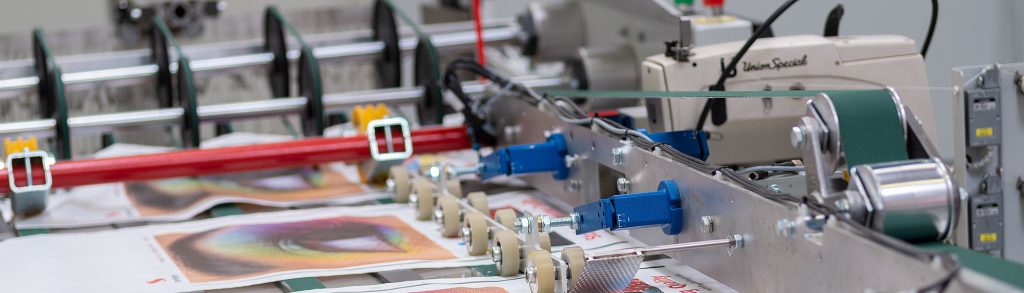
As the demand for more sustainable and adaptable packaging solutions continues to grow, industries are looking toward eco-friendly options that do not compromise on performance or customization. Paper valve woven bags have been a significant part of this trend, offering a blend of traditional materials with innovative manufacturing processes. As market needs evolve and sustainability becomes more urgent, the future of these bags looks bright—especially when combined with sustainable materials and advanced customization options.
In this article, we’ll delve into the future of paper valve woven bags, focusing on the role of sustainable materials, how market customization is changing the landscape, and the innovations that are making these products more efficient and eco-friendly. Along the way, we’ll explore important product parameters and common customer queries to provide a comprehensive view of what’s to come in the packaging world.
Sustainable Materials: A Growing Trend
The importance of sustainability in the packaging industry cannot be overstated. Consumers and businesses alike are demanding products that are both functional and environmentally responsible. Paper valve woven bags, known for their durability and versatility, are increasingly being made with materials that reduce the environmental impact of production and use. Key trends in this area include:
- Recycled Paper and Plastic Materials: Manufacturers are increasingly using recycled paper for the outer layer of valve bags, while the woven polypropylene (PP) interior layer is also being made from recycled or bio-based plastics. These sustainable materials reduce the carbon footprint of the bags and decrease reliance on virgin resources.
- Biodegradable Coatings and Laminates: For added strength and durability, paper valve bags are often laminated with materials that enhance their resistance to moisture and physical stress. New developments in biodegradable coatings offer protection without relying on harmful chemicals. This trend allows for more eco-friendly disposal methods once the bags reach the end of their life cycle.
- Water-Based Inks: Instead of solvent-based inks that are harmful to the environment, many manufacturers are adopting water-based printing technologies. These inks are not only safer for the environment but also provide vibrant colors and precise prints for customization.
The Shift Toward Market Customization
The growing trend toward market customization has greatly influenced the design and production of paper valve woven bags. Businesses are demanding more tailored solutions to meet the unique needs of their products, brands, and markets. This customization includes:
- Multi-Layered Construction: One of the most significant innovations in woven bag design is the multi-layered approach. With the incorporation of multiple layers—often combining paper and PP materials—manufacturers can enhance the structural integrity of the bags, allowing them to hold larger amounts of weight while maintaining their shape. This makes them ideal for industries like construction, agriculture, and chemicals.
- Customized Sizes and Shapes: The need for specific sizes and shapes to fit different packaging needs has led to increased flexibility in the production of valve bags. Whether for bulk material handling or retail packaging, these bags can now be made to order in a wide range of dimensions, opening up opportunities for companies in diverse sectors.
- Enhanced Printing Options: High-quality, customizable printing is essential for branding purposes. Paper valve woven bags are now available with advanced printing techniques that allow for full-color designs, logos, and graphics. Whether it’s a company’s logo, product information, or promotional materials, the printing capabilities of paper valve woven bags are becoming more sophisticated, making them a powerful marketing tool.
- Specialized Features for Different Industries: Companies in sectors like food, chemicals, and construction have specific requirements when it comes to packaging. The ability to tailor paper valve bags to meet these needs—whether through moisture-proofing, UV protection, or enhanced puncture resistance—has made them a go-to solution for many industries.
Here’s a quick look at some of the common specifications for paper valve woven bags:
| Feature | Specification Options |
|---|---|
| Material | Recycled paper, PP (Polypropylene), biodegradable plastics |
| Size Range | Custom sizes (from small to jumbo), tailored to specific product dimensions |
| Weight Capacity | Ranges from 10 kg to 1000 kg+ depending on bag type and reinforcement layers |
| Printing | Full-color printing, water-based inks, custom logos, and designs |
| Customization Options | Gussets, valve openings, multiple layers for strength, waterproof coatings, and anti-static treatments |
| Industries Served | Agriculture, chemicals, construction, food products, retail, and bulk goods |
Innovations in Manufacturing
In addition to the shift toward sustainable materials and increased customization, manufacturers are continually pushing the boundaries of technology to improve the efficiency and performance of paper valve woven bags. Some of the key innovations include:
- Starlinger Technology: The incorporation of cutting-edge machinery, like that provided by Starlinger, has revolutionized the manufacturing process for woven bags. This technology allows for precision weaving and lamination, ensuring the highest quality product while also reducing waste. Starlinger’s equipment helps manufacturers optimize production, enabling more consistent output at higher volumes.
- Advanced Lamination Techniques: Lamination plays a crucial role in enhancing the durability of paper valve woven bags. New advancements in co-extrusion blown film processes, which involve the extrusion of multiple layers of film, allow for stronger and more flexible laminated bags. These techniques not only boost the bags’ performance but also improve their recyclability.
- Automated Production Lines: Automation is also playing a key role in driving down costs and increasing production efficiency. With fully automated lines, manufacturers can produce large quantities of valve bags while maintaining high quality and precision.
Frequently Asked Questions (FAQs)
To further enhance your understanding of paper valve woven bags and their future potential, we’ve compiled answers to some of the most common questions from businesses and consumers alike.
Q1: Are paper valve woven bags environmentally friendly?
A1: Yes, paper valve woven bags can be made with recycled paper and biodegradable materials, making them a more sustainable packaging option compared to traditional plastic bags. Furthermore, they are fully recyclable after use, especially when made with eco-friendly inks and coatings.
Q2: Can I customize the size and shape of my paper valve woven bags?
A2: Absolutely! Paper valve woven bags are highly customizable in terms of size, shape, and features. Whether you need a small bag for retail use or a large, heavy-duty bag for bulk material handling, customization options are available.
Q3: What industries use paper valve woven bags?
A3: Paper valve woven bags are versatile and are used in a variety of industries, including agriculture, chemicals, construction, food packaging, and retail. They are especially popular for packaging products like seeds, grains, fertilizers, cement, and pet food.
Q4: How strong are paper valve woven bags?
A4: Paper valve woven bags are designed to carry heavy loads, with weight capacities ranging from 10 kg to over 1000 kg depending on the application. The multi-layered construction ensures strength, while customization options like reinforced seams further enhance durability.
Q5: How are paper valve woven bags different from traditional plastic bags?
A5: Unlike traditional plastic bags, which can be difficult to recycle, paper valve woven bags are made from sustainable materials like recycled paper and biodegradable plastics. They offer comparable strength and durability while being more eco-friendly.
Future Trends: What’s Next?
As industries continue to prioritize sustainability and custom solutions, the future of paper valve woven bags will likely involve further advancements in material science, design, and manufacturing processes. Some of the trends we can expect to see include:
- Increased Use of Bioplastics: As bioplastics become more readily available, paper valve woven bags will likely incorporate more plant-based materials, further reducing their environmental impact.
- Smart Packaging Solutions: The integration of smart technologies, such as RFID tags or QR codes, could allow for better tracking and tracing of products packed in paper valve woven bags, adding value to logistics and inventory management.
- Circular Economy Models: In the future, companies may adopt more circular economy practices, ensuring that used bags are repurposed or recycled into new products, minimizing waste and maximizing material efficiency.
The future of paper valve woven bags is incredibly promising, with innovations in sustainability and customization paving the way for a more eco-conscious and efficient packaging industry. To explore more on the role of sustainable practices in packaging, read about embracing sustainability with transparent woven bags or the advancements in Kraft paper woven bags.
With advancements in both material science and market demands, it’s clear that paper valve woven bags will continue to evolve, offering solutions that meet the needs of businesses while promoting environmental stewardship.