
WHAT ARE SOM PP BAGS: VERSATILITY AND RELIABILITY IN FOOD PACKAGING SOLUTIONS?
Standing at the crossroads where food-grade safety meets global logistics, SOM PP Bags: Versatility and Reliability in Food Packaging Solutions (hereafter SOM PP Bags) redefine how flour, sugar, pulses, and dehydrated produce traverse continents, survive distribution centers, and shine on supermarket shelves. Market brochures list them under many aliases—“Sewn-Open Mouth PP sacks,” “Stitch-Top Polypropylene feed bags,” or “Food-grade woven pouches.” Whatever the nameplate, their anatomy is consistent: virgin polypropylene (PP) tapes woven into breathable cloth, hem-top sewing for rapid loading, and optional inner liners or laminate for moisture defense.
Why does the “SOM” (Sewn-Open Mouth) format endure in an age of valves and FFS tubes? Because simplicity fertilizes versatility. A straight-stitch mouth welcomes manual scoops, semi-auto weighers, or fully automated carousel fillers. Once filled, the mouth can be chain-stitched, folded-over, or heat-sealed—matching the hygiene protocol of dusty flour mills or sticky brown-sugar refineries alike. In the lexicon of global agri-logistics, SOM PP Bags are the lingua franca—spoken by smallholder co-ops in Vietnam, grain merchants in Minnesota, and pet-food giants in São Paulo.
Yet versatility without reliability is chatter without grammar. Enter VidePak. Founded in 2008, powered by a 568-strong workforce and engineered on German W&H plus Austrian Starlinger lines, VidePak spins 800 million bags yearly, 70 percent of which go to food supply chains. Our SOM PP Bags leverage 30 years of collective polymer know-how to hit tensile, dust-tight, and migration benchmarks that satisfy FDA 21 CFR 177.1520, EU Reg 10/2011, and China GB 4806.
KEY FEATURES OF SOM PP BAGS: VERSATILITY AND RELIABILITY IN FOOD PACKAGING SOLUTIONS
Food-Safe Resin Backbone. VidePak sources PP homopolymer with melt-flow index 3 ± 0.3 g/10 min (ISO 1133). Heavy-metal catalysts stay < 2 ppm; global migrate < 10 mg/dm² per EU 10/2011. Every pellet batch rides with a Certificate of Conformity.
Breathable Yet Strong Fabric. Woven at 11 × 11 to 12 × 12 pick densities, cloth weights between 65 and 80 g/m². Warp tensile ≥ 1 000 N/5 cm; weft ≥ 800 N/5 cm (ISO 13934-1). Permeability 105 ± 15 cc/in²/min (ASTM D737) keeps durum wheat dry without hardening crust.
Customized Barriers. For icing sugar, a 20 µm co-extruded PE liner drops Water-Vapor Transmission Rate (WVTR) to 2.2 g m-² · 24 h (ASTM F1249); for paddy rice, micro-perfs maintain safe moisture egress while blocking weevil ingress.
High-Color Branding Canvas. Eight-color flexo prints at 100-lpi flaunt harvest imagery, cooking icons, and bilingual nutrition panels. Low-migration inks (< 60 ppm solvent residues) meet Swiss Ordinance SR 817.023.21.
Ergo-Friendly Handles & Gussets. Pinch-bottom fold plus side gussets build a brick profile that stacks serenely. Optional die-cut carry handles let shop-floor staff hoist 25 kg sacks without wrist strain.
UV & Antistatic Mastery. 2 % HALS shields sacks for 1 200 h Xenon (ASTM G155) in desert logistics. Where grain dust threatens ignition, a 10⁸ Ω surface-resistance antistatic strip discharges sparks.
Horizontally compare to multi-wall kraft: kraft breathes but tears at 400 N; SOM PP Bags double that. Vertically compare to BOPP laminate: BOPP prints photo-real yet sweats; SOM PP Bags offer hybrid options—print outside, micro-perf inside—tuning the moisture dial brand by brand.
PRODUCTION PROCESS OF SOM PP BAGS: VERSATILITY AND RELIABILITY IN FOOD PACKAGING SOLUTIONS
- Tape Extrusion. Virgin PP pellets melt at 240 °C, extrude through T-dies, quench at 20 °C, slit to 2.5 mm tapes, hot-draw 1:6. Result: tapes with 600 MPa modulus and 20 % elongation.
- Circular Weaving. 100 + Starlinger looms weave tapes into tubes 40 – 75 cm flat. PLC tension control ±1 %. Real-time cameras flag broken picks.
- Optional Lamination or Liner Insertion. Sugar lines receive 20 µm PE liners; flour lines stay unlined for breathability. Corona 42 dyn/cm promotes adhesion where laminate applies.
- Flexographic Printing. Eight-station W&H Miraflex presses lay down CMYK or Pantone + white underlays. Viscosity sensors hold ink 40 ± 1 s Zahn #3.
- Cut-and-Sew Hall. Servo knives chop tubes ±0.5 mm; Juki industrial stitchers run 2.5 stitches/cm chain seam. Metal detectors catch stray needles.
- Handle & Gusset Ergonomics. Die-cut handle punches or PP strap insertion units mount optional grabs. Side gusset formers breathe a block profile.
- Quality Command Center. Every 5 000th sack visits the lab: tensile, burst, electrostatic decay, migration. Data logs to MES; dashboards ping if Cpk < 1.33.
Vertical synergy binds resin chemists to food scientists—optimizing CaCO₃ slip vs. gluten dust adherence. Horizontal alliances with zipper vendors secure metal-free tear-tapes for nut processors facing allergen segregation.
APPLICATIONS OF SOM PP BAGS: VERSATILITY AND RELIABILITY IN FOOD PACKAGING SOLUTIONS
Wheat Flour & Semolina. Breathability (≈100 cc/in²/min) shields against condensation; PE liner variants suit cake flour’s hygroscopic nerves. Chain-stitch top closes tight, reopened only by bakers’ blade.
Refined & Brown Sugar. Fine crystals clump at >65 % RH. PE-laminated SOM PP Bags cut WVTR, while micro-valve vents relieve CO₂ built in sulfur-treated brown sugar.
Pulses & Lentils. Hard legumes need scuff-resistant cloth; eight-color flexo markets protein grams directly on sack. Brick profile stops silo-bin avalanches.
Pet & Fish Feed. Antistatic strip disables dust explosions; matte varnish grips conveyor rollers. Handle cuts ease farmhand carry along ponds.
Dehydrated Veg & Spices. Optional aluminum coating (0.06 µ) barri ers sunlight for paprika’s carotenoids; oxygen < 2 cm³/m²·24 h keeps chili aroma sovereign.
VIDEPAK AT A GLANCE
| Metric | Data |
|---|---|
| Year Founded | 2008 |
| Employees | 568 |
| Annual Sales | USD 80 million |
| Extrusion Lines | 16 |
| Circular Looms | 100 + |
| Lamination & Printing | 30 + machines |
| Global Markets | USA, EU, Brazil, ASEAN, Japan, Korea, MENA, Africa |
TECHNICAL SPECIFICATIONS OF SOM PP BAGS
| Parameter | Typical Value | Test Method |
|---|---|---|
| Fabric GSM | 65 – 80 g/m² | ASTM D5261 |
| Bag Width | 40 – 75 cm | ISO 8117-2 ±5 mm |
| Air Permeability | 105 ± 15 cc/in²/min | ASTM D737 |
| WVTR (laminated) | 2.2 g m-² · 24 h | ASTM F1249 |
| Warp Strength | ≥ 1 000 N/5 cm | ISO 13934-1 |
| Weft Strength | ≥ 800 N/5 cm | ISO 13934-1 |
| Drop Test (25 kg) | 5× 1.2 m pass | ISO 12048 |
| UV Stability | 1 200 h Xenon | ASTM G155 |
| Print Colours | Up to 8 | Flexo |
| Migration (10/2011) | < 10 mg/dm² | EU Reg 10/2011 |
WHY CHOOSE VIDEPak FOR YOUR SOM PP BAGS
Recipe-Ready Customization. From gluten-sensitive cake flour to oily peanut meal, we tweak air flux, laminate, and antistatic to suit.
Brand-Forward Aesthetics. ICC-calibrated presses replicate Pantone 7625 C chili red or 7406 C turmeric gold flawlessly across seasons.
Supply-Chain Assurance. 89 % OEE, bonded depots in Rotterdam & Long Beach, 10-day ex-factory cadence—because harvest waits for no factory.
Regulatory Tranquility. FDA, EU 10/2011, GB 4806—decoded into one-page spec sheets that keep auditors mellow.
Food packaging should protect nutrition, project brand, and preserve planet. VidePak’s SOM PP Bags execute all three, meal after mile. Need oxygen-proof glamour for premium rice? Glance at our laminated BOPP woven bags and elevate every SKU on your shelf.
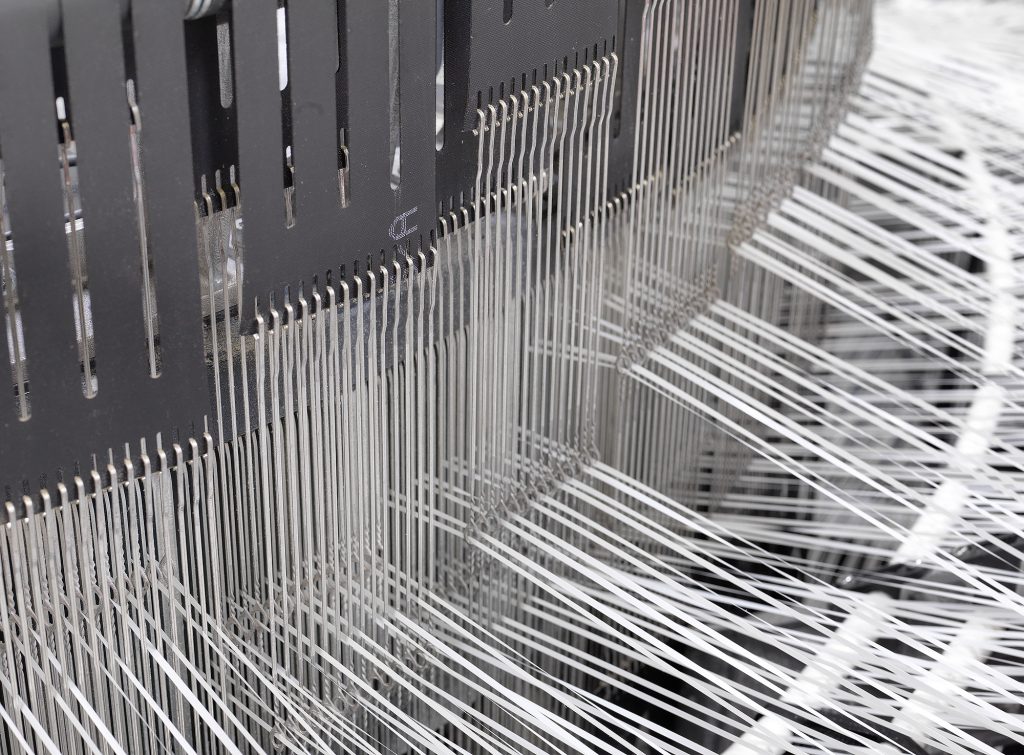
Sewn Open Mouth (SOM) polypropylene (PP) bags are a critical solution for food packaging, renowned for their durability, customizability, and cost efficiency. This report explores the meticulous production process that ensures product reliability, highlights the advanced technology used, and discusses the quality control measures that set industry leaders like VidePak apart.
Production Process for SOM PP Bags
1. Extrusion
High-quality polypropylene granules are melted and extruded into thin, consistent tapes, which form the foundation of SOM PP bags. This stage directly affects the strength and flexibility of the final product. VidePak uses advanced extrusion systems from Starlinger, which ensure uniformity and minimize material waste.
Key Quality Controls:
- Material Integrity: Only virgin polypropylene is used to maintain tensile strength and reduce contamination.
- Temperature Precision: Automated systems maintain optimal extrusion conditions to prevent tape inconsistencies.
2. Drawing (Stretching)
The tapes are stretched to align polymer chains, enhancing their tensile strength and flexibility. This process is crucial for creating a fabric that resists tearing under heavy loads.
Key Quality Controls:
- Controlled Tensioning: Prevents over-stretching, which can weaken tapes.
- Thickness Verification: Laser systems measure tape dimensions to ensure uniformity.
3. Weaving
The stretched tapes are woven into fabric using high-speed looms. The weaving pattern determines the bag’s strength and load capacity. For instance, a 12×12 weave is preferred for heavier applications like rice or flour packaging.
Key Quality Controls:
- Weave Density Checks: Ensures that the fabric can support specified loads.
- Defect Monitoring: Automated systems detect and correct broken or loose tapes.
4. Lamination
The woven fabric is laminated with a polypropylene film for added moisture resistance and printability. VidePak uses cutting-edge lamination technology from W&H to achieve seamless bonding and a smooth surface for printing.
Key Quality Controls:
- Adhesion Testing: Ensures the lamination withstands environmental stressors like humidity.
- Surface Smoothness: Verifies that the laminated fabric is free from bubbles or creases.
5. Printing
High-definition flexographic and gravure printing methods allow for precise, multi-color designs. VidePak’s printing capabilities include both matte and glossy finishes, enhancing branding opportunities for food packaging.
Key Advantages:
- High Clarity: Advanced printing technology ensures vibrant colors and sharp details.
- Customizable Designs: Accommodates complex branding requirements, boosting market appeal.
6. Bag-Making
The fabric is cut and sewn or sealed into bags. Closure options include sewn, heat-sealed, and ultrasonic sealing, each tailored to specific packaging needs.
Comparison of Closure Methods:
- Sewn Closures: Offer durability for heavy loads but may allow minimal moisture ingress.
- Heat-Sealed Closures: Provide airtight sealing, ideal for moisture-sensitive products like flour.
- Ultrasonic Sealing: Combines strength with superior moisture resistance, eliminating the need for stitching threads.
Advantages of SOM PP Bags in Food Packaging
SOM PP bags offer unmatched performance in food packaging due to their versatile features and robust design.
| Feature | Benefit |
|---|---|
| Strength and Durability | Supports heavy loads, thanks to the woven structure and high-quality lamination. |
| Moisture Resistance | Laminated surfaces protect food from environmental humidity. |
| Customizability | Available in various sizes, colors, and finishes to meet branding needs. |
| Eco-Friendliness | Recyclable materials minimize environmental impact. |
These qualities make SOM PP bags a preferred choice for packaging products like rice, flour, and pet food, where strength, safety, and presentation are critical.
Innovations in Production Technology
Advanced Machinery
VidePak leverages equipment from Starlinger and W&H, leaders in bag production technology, ensuring high precision and efficiency at every stage of manufacturing. For example, Starlinger’s extrusion lines enable tighter control over tape dimensions, while W&H’s printing systems deliver exceptional color accuracy.
Sustainable Practices
Sustainability is at the forefront of modern packaging. SOM PP bags are fully recyclable, and production processes are optimized to reduce energy consumption and waste. VidePak also aligns with global standards, as seen here.
FAQs
Q: What makes SOM PP bags suitable for heavy food products?
A: The woven polypropylene fabric, reinforced by lamination, provides excellent tensile strength and puncture resistance. Additionally, closure options like ultrasonic sealing ensure secure packaging.
Q: Are these bags customizable for different branding needs?
A: Yes, VidePak offers multi-color printing with matte or glossy finishes, making SOM PP bags a powerful branding tool.
Q: How do you ensure consistent quality across production?
A: VidePak employs rigorous quality checks at each stage, from extrusion to bag-making. Advanced machinery and automated systems ensure adherence to the highest standards.
Technical Specifications
| Specification | Detail |
|---|---|
| Material | Woven Polypropylene |
| Capacity Range | 5–50 kg |
| Closure Options | Sewn, Heat-Sealed, Ultrasonic |
| Printing Capability | Up to 8 colors, matte/glossy finishes |
| Lamination Thickness | 30–50 microns |
Conclusion
The production of SOM PP bags is a precise and quality-driven process that ensures reliability and versatility in food packaging. From extrusion to printing, every stage is optimized using advanced equipment from Starlinger and W&H. VidePak’s commitment to innovation, sustainability, and quality control makes it a trusted partner for food packaging solutions.
For more on VidePak’s approach to quality and customization, visit this link.