
What Are Transparent Woven Bags: Versatility in Transportation and Logistics Solutions?
Transparent Woven Bags: Versatility in Transportation and Logistics Solutions names a family of polypropylene (PP) woven sacks designed with clear, see‑through surfaces so operators and inspectors can view the contents without breaking a seal. Think of a tough shipping sack that also acts like a display window: the woven PP fabric bears the load and resists puncture; the transparent layer—whether naturally translucent coating or a clear BOPP/OPP laminate—protects graphics while revealing pellets, powders, or parts inside. In different markets you may hear everyday synonyms—clear PP woven bags, transparent laminated woven sacks, see‑through woven poly bags, clear‑window woven sacks—but the backbone barely changes: oriented PP tapes → woven fabric → optically clear surface → conversion into a transport‑ready form.
From a logistics lens, visibility is not decorative; it is control. The ability to confirm GTIN labels, pellet morphology, grade color, or mix uniformity at a glance reduces mis‑picks, accelerates inbound checks, and lowers the odds of needless openings. Every unnecessary cut invites contamination, rework, and waste; every preserved seal protects integrity and time. That is why Transparent Woven Bags: Versatility in Transportation and Logistics Solutions drop neatly into modern cross‑docks, automated DCs, and audit‑heavy lanes. For a quick category overview anchored to woven packaging, see Transparent Woven Bags: Versatility in Transportation and Logistics Solutions.
Horizontally—across disciplines—this product merges materials science (oriented tapes and clear films), warehouse engineering (pallet dynamics, human‑machine interaction), and information design (codes, icons, labels). Vertically—down the stack—it links resin choice to tape draw to weave regularity to optical clarity to pallet stability. Each layer either preserves visibility or blurs it; the art of specifying Transparent Woven Bags: Versatility in Transportation and Logistics Solutions is to let strength and sightline coexist.
Key Features of Transparent Woven Bags: Versatility in Transportation and Logistics Solutions
Clarity with backbone. The body fabric, woven from stretched PP tapes, delivers a high strength‑to‑weight ratio; the clear surface layer keeps the viewing zone scuff‑resistant and readable. In drop tests and stack trials, Transparent Woven Bags: Versatility in Transportation and Logistics Solutions behave like workhorses; on a shelf or in a cage, they behave like windows.
Rapid visual verification. Operators can confirm contents, color codes, or batch marks without cutting open a sack. Less opening, less mess, fewer foreign objects—an elegant chain reaction. Compliance officers, who live by the line “trust, but verify,” appreciate the instant auditability built into Transparent Woven Bags: Versatility in Transportation and Logistics Solutions.
Dust management without haze. Transparent PP extrusion coating (≈18–25 g/m²) or clear BOPP film (≈15–25 μm) seals fabric interstices to reduce sifting. Where de‑aeration is needed for high‑speed fills, controlled micro‑perforations are placed away from the window so clarity is preserved. The clean panel stays clean because the vent lives elsewhere.
Branding and codes without compromise. Reverse‑printed windows, matte‑gloss contrasts, and high‑line flexographic panels allow large barcodes and 2D symbols to sit beside a crystal aperture. Transparent Woven Bags: Versatility in Transportation and Logistics Solutions communicate safety data to humans and machine vision, while letting buyers see the goods.
Stacking stability and handling safety. Anti‑slip lacquers raise the coefficient of friction (COF) so layers resist shear during vibration. Reinforced hems and squared gussets help bags nest tightly on pallets. Where manual moves are inevitable, optional grip holes can be engineered for short hauls (within safe load limits).
Weather and UV options. Outdoor yards and humid lanes punish packaging. UV‑stabilized clear films and hydrophobic coatings can be specified so Transparent Woven Bags: Versatility in Transportation and Logistics Solutions keep their transparency and strength in the sun and in light rain.
Read sideways and you’ll see the fusion—materials science × human factors × automation. Read top‑to‑bottom and you’ll notice a cascade—polymer → fabric → laminate → print → pallet. Both views point to a single conclusion: engineering visibility is as deliberate as engineering strength.
How Are Transparent Woven Bags: Versatility in Transportation and Logistics Solutions Manufactured?
Tape extrusion and orientation. Virgin PP is melted, cast as a film, slit into tapes, and drawn to align molecules. Draw ratio is destiny: it governs tensile strength and stiffness, which later govern seam survival and drop behavior. Stable denier—often 700D–1100D for logistics builds—keeps GSM consistent across the body of Transparent Woven Bags: Versatility in Transportation and Logistics Solutions.
Weaving on circular or flat looms. Tapes interlace into fabric at ~9×9 to 12×12 picks per inch (≈36–48 per decimeter). Loom tension, weft insertion, and selvedge control determine downstream lamination quality and panel flatness—critical for crystal‑clear windows that don’t warp graphics.
Creating the transparent surface. Three routes, one goal: see clearly, stay tough.
- Transparent PP extrusion coating (~18–25 g/m²) seals pores and boosts gloss while maintaining a rugged, printable skin.
- Clear BOPP/OPP lamination (~15–25 μm) reverse‑printed for branding yields a hard, scuff‑resistant window with high optical clarity.
- Hybrid approach—coated body with a laminated window zone—maximizes clarity only where it matters most.
Printing. Coated fabrics favor high‑line flexography (up to six colors) for durable logistics icons; clear BOPP windows favor rotogravure (up to 8–10 colors) for photographic elements. Register accuracy is non‑negotiable so graphics never trespass into the viewing area of Transparent Woven Bags: Versatility in Transportation and Logistics Solutions.
Conversion and finishing. Fabric is tubed, side‑seamed, bottom‑closed (sewn or heat‑welded), and gusseted for volume efficiency. Anti‑slip lacquers are applied in controlled bands—never on the window. Micro‑perfs, if specified, vent air on non‑window panels to keep the optical path pristine.
Inspection and packing. QA checks include GSM by roll, raveled‑strip tensile by lot, COF before/after anti‑slip, drop testing (e.g., 1.2 m, multi‑cycle per spec), and optical audits for haze and inclusions. Bales or pallets get edge protection so windows arrive unmarred. For deeper lamination know‑how related to clear films, see Transparent Woven Bags: Versatility in Transportation and Logistics Solutions.
Horizontally this workflow resembles other performance laminates; vertically it ties inputs to outcomes: resin → tape → weave → window optics → code legibility → pallet reliability. Each hand‑off is a promise the next station must keep.
Where Do Transparent Woven Bags: Versatility in Transportation and Logistics Solutions Excel?
Distribution centers and cross‑docks. Mixed‑SKU pallets move faster when receivers can validate contents visually. Transparent Woven Bags: Versatility in Transportation and Logistics Solutions cut exception handling, speed ASN checks, and reduce needless rework.
Agricultural and feed supply. Buyers confirm pellet size, color additives, or blend uniformity without breaking seals. Audit trails are easier when the product itself can be seen; allergen control procedures benefit from transparency.
Chemicals and minerals. For inert powders and granules, windowed sacks allow rapid grade and color verification. Pairing anti‑sifter builds with clear panels keeps fines in and windows clean as Transparent Woven Bags: Versatility in Transportation and Logistics Solutions travel from silo to site.
Retail‑adjacent wholesale. In cash‑and‑carry channels, the window is both information and invitation: customers see what they buy; the woven body survives rough aisles and forklifts.
Humanitarian logistics. In relief operations, speed and clarity are twins. Pre‑printed icons plus a transparent window let teams distribute essentials quickly across language barriers.
Read horizontally and the use cases tie operations, compliance, and merchandising; read vertically and they connect bag spec → pallet pattern → aisle efficiency → audit success.
VidePak at a Glance — Capacity Behind Transparent Woven Bags: Versatility in Transportation and Logistics Solutions
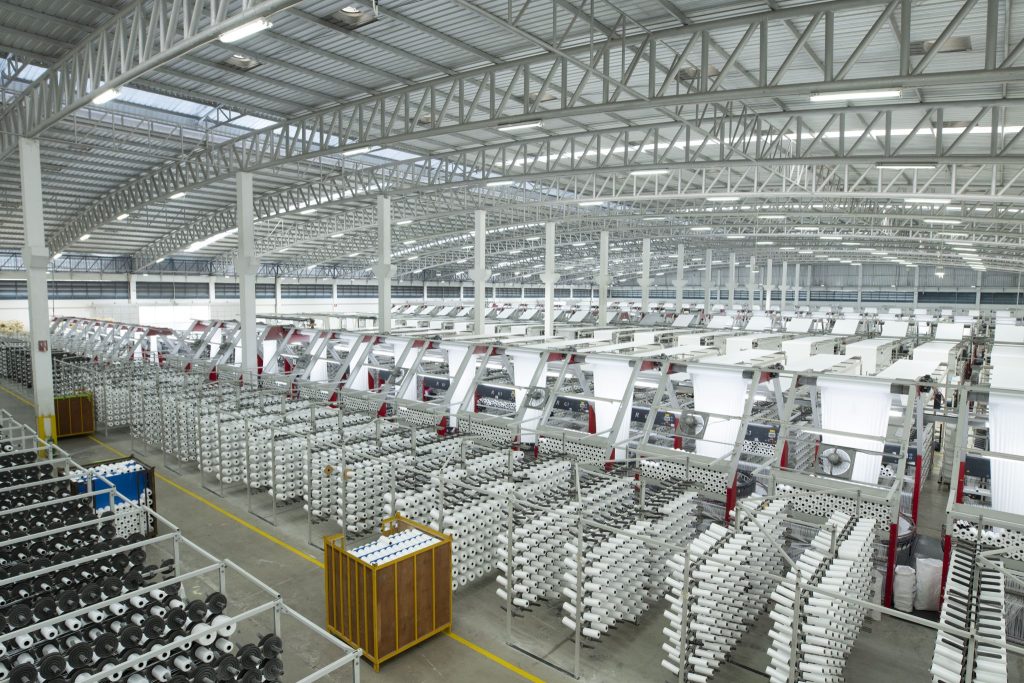
VidePak was established in 2008. The core team brings 30+ years of woven packaging experience. Today, 568 colleagues run more than 100 circular looms, 16 extrusion lines, and 30+ lamination and printing machines from top‑tier suppliers like Germany’s W&H and Austria’s Starlinger. We use virgin raw materials for predictable strength, support multi‑color printing, and ship globally—to the United States, Europe, Brazil, South America, Southeast Asia, Japan, South Korea, Central Asia, the MENA region, East Africa, and South Africa. Annual sales are around USD 80 million. Scale is useful; discipline is decisive. Together, they let us deliver Transparent Woven Bags: Versatility in Transportation and Logistics Solutions with consistency, speed, and graphic repeatability.
Horizontally, this footprint links engineering, prepress, converting, and logistics in one continuous system; vertically, it ensures continuity from resin receipt to pallet dispatch. The outcome is simple: reliable windows on strong sacks, shipment after shipment.
Technical Parameters of Transparent Woven Bags: Versatility in Transportation and Logistics Solutions
The matrix below compiles parameter bands commonly found on global sourcing platforms and converter datasheets for logistics‑ready builds. Treat them as a starting brief for trials of Transparent Woven Bags: Versatility in Transportation and Logistics Solutions.
| Parameter | Typical Options / Ranges for Transparent Woven Bags: Versatility in Transportation and Logistics Solutions |
|---|---|
| Nominal capacity | 5 kg, 10 kg, 15 kg, 20 kg, 25 kg, 40 kg, 50 kg |
| Typical dimensions (L × W × Gusset) | 40 × 28 × 8 cm (5–10 kg); 50 × 32 × 10 cm (20 kg); 55 × 35 × 12 cm (25 kg); 60 × 40 × 14 cm (40 kg); 70 × 47 × 15 cm (50 kg) |
| Fabric weave | ~9×9 to 12×12 picks per inch (≈36–48 picks per dm) |
| Tape denier | 600D–1200D (application‑dependent) |
| Fabric mass (GSM) | 60–110 g/m² (heavier for 40–50 kg) |
| Transparent layer | PP extrusion coating ≈18–25 g/m² or BOPP/OPP 15–25 μm (clear) |
| Printing route | Flexo up to 6 colors (coated fabric); Rotogravure up to 8–10 colors (BOPP windows) |
| Anti‑slip | Target static COF ≥0.4 (window kept uncoated for clarity) |
| Venting | Optional micro‑perfs on non‑window panels (line‑speed dependent) |
| Bottom construction | Folded and sewn, or heat‑welded (spec by product) |
| Drop test | Typical pass: 1.2 m, multiple cycles (specify per lane) |
| UV stabilization | Optional package for outdoor storage |
Reading across the table (horizontal) links choices to behaviors—higher COF bands plus squared gussets equal calmer pallets. Reading down each column (vertical) connects a single variable to outcomes—film gauge → scuff and clarity; weave density → tensile and seam bite.
Material Selection for Transparent Woven Bags: Versatility in Transportation and Logistics Solutions
Start with the product’s nature. Flowability, particle size distribution, hygroscopicity, and oil content steer the stack. Dusty powders like micronized minerals want anti‑sifter coatings and heat‑welded bottoms; free‑flow pellets tolerate sewn bottoms and larger windows. Oil‑bearing granules may require LDPE/LLDPE liners or a migration risk review. If merchandising matters, prioritize a wide BOPP window; if abrasion dominates, prefer full‑panel PP coating and a strategic, smaller window. In every case, Transparent Woven Bags: Versatility in Transportation and Logistics Solutions should keep the aperture free of heavy inks, high‑COF lacquers, or micro‑perfs.
Horizontally, this is a negotiation among materials science, regulatory caution, and brand design; vertically, it runs from resin and tape specs to laminate choice to print layout to QC sign‑off.
Printing and Identification on Transparent Woven Bags: Versatility in Transportation and Logistics Solutions
Graphics do work. Humans need legibility; scanners need contrast. On Transparent Woven Bags: Versatility in Transportation and Logistics Solutions, reserve matte quiet zones around linear barcodes and 2D codes, place redundancy on a side gusset, and avoid varnish glare across curved windows. Reverse‑printing under BOPP preserves art and scratch resistance while presenting a crystal aperture to the product. Where serialization matters, pair large human‑readable lot marks with robust codes that survive dust and LED glare.
Horizontally, this joins color science, ergonomics, and machine vision; vertically, it connects plate or cylinder settings to shelf impact to scan success to replenishment accuracy.
Quality Assurance for Transparent Woven Bags: Versatility in Transportation and Logistics Solutions
Quality is a loop: define, measure, adjust. Our QA for Transparent Woven Bags: Versatility in Transportation and Logistics Solutions typically includes:
- GSM and denier audits per roll to keep mass within tolerance.
- Raveled‑strip tensile tests by lot to confirm fabric strength.
- COF measurement before and after anti‑slip to ensure stack safety without fogging the window.
- Optical clarity checks (haze, inclusions, scuffs) on the transparent panel.
- Drop and vibration testing to validate bottom integrity and seam performance for the target lane profile.
- Print register and color audits so symbols and codes remain legible cycle after cycle.
This habit stops defects from traveling downstream and keeps the core promise of Transparent Woven Bags: Versatility in Transportation and Logistics Solutions intact: strong sacks with honest sightlines.
Palletization and Logistics Practices for Transparent Woven Bags: Versatility in Transportation and Logistics Solutions
Stable pallets begin on paper. Define a pattern per SKU, match slip‑sheets and corner‑boards to route vibration, and choose a stretch‑wrap recipe that fits your climate. Keep anti‑slip bands off the window to preserve clarity. For export or humid lanes, add UV packages and humidity‑tolerant wraps. Specify how pallets are built; verify how they behave. That is how Transparent Woven Bags: Versatility in Transportation and Logistics Solutions stack square, ride quietly, and unstack cleanly.
Sustainability and End‑of‑Life for Transparent Woven Bags: Versatility in Transportation and Logistics Solutions
Monomaterial PP bodies paired with PP/OPP windows are friendly to #5 recycling where collection exists. Using PP‑compatible inks and adhesives helps downstream recovery; avoiding unnecessary metallization keeps the panel clear and the material sortable. Internal reuse loops—between plants, within campuses—are common because Transparent Woven Bags: Versatility in Transportation and Logistics Solutions resist scuff and preserve visibility over multiple turns when handled with care.
Frequently Asked Questions About Transparent Woven Bags: Versatility in Transportation and Logistics Solutions
Do clear panels weaken the bag? Not with correct engineering. The woven substrate bears the load; the transparent layer protects and reveals. Windows are placed away from high‑stress folds.
Can I print large barcodes and still keep a window? Yes. Use reverse‑printed areas for codes and keep a dedicated aperture clear. Register control ensures Transparent Woven Bags: Versatility in Transportation and Logistics Solutions remain both scannable and see‑through.
What if my product is dusty? Specify anti‑sifter coatings, consider heat‑welded bottoms, and place micro‑perfs on non‑window panels. The path of least resistance carries the air—not the window.
Is UV exposure a problem? For yard storage, add UV stabilizers and choose wraps rated for sunlight. Transparent Woven Bags: Versatility in Transportation and Logistics Solutions can be built to survive outdoor intervals.
Why VidePak for Transparent Woven Bags: Versatility in Transportation and Logistics Solutions
Experience, equipment, execution. Since 2008, VidePak has invested in world‑class machinery (W&H, Starlinger) and built a team with 30+ years average tenure in woven packaging. We run virgin materials for consistent strength, support multi‑color printing, and scale production across 100+ circular looms, 16 extrusion lines, and 30+ lamination and printing machines. With global coverage—from the U.S. and Europe to Brazil, South America, Southeast Asia, Japan, South Korea, Central Asia, the MENA region, and East/South Africa—and annual sales near USD 80 million, we convert specifications into schedules and artworks into repeatable, clear windows. If your brief calls for Transparent Woven Bags: Versatility in Transportation and Logistics Solutions, we can prototype quickly, test rigorously, and deliver reliably.
- What Are Transparent Woven Bags: Versatility in Transportation and Logistics Solutions?
- Key Features of Transparent Woven Bags: Versatility in Transportation and Logistics Solutions
- How Are Transparent Woven Bags: Versatility in Transportation and Logistics Solutions Manufactured?
- Where Do Transparent Woven Bags: Versatility in Transportation and Logistics Solutions Excel?
- VidePak at a Glance — Capacity Behind Transparent Woven Bags: Versatility in Transportation and Logistics Solutions
- Technical Parameters of Transparent Woven Bags: Versatility in Transportation and Logistics Solutions
- Material Selection for Transparent Woven Bags: Versatility in Transportation and Logistics Solutions
- Printing and Identification on Transparent Woven Bags: Versatility in Transportation and Logistics Solutions
- Quality Assurance for Transparent Woven Bags: Versatility in Transportation and Logistics Solutions
- Palletization and Logistics Practices for Transparent Woven Bags: Versatility in Transportation and Logistics Solutions
- Sustainability and End‑of‑Life for Transparent Woven Bags: Versatility in Transportation and Logistics Solutions
- Frequently Asked Questions About Transparent Woven Bags: Versatility in Transportation and Logistics Solutions
- Why VidePak for Transparent Woven Bags: Versatility in Transportation and Logistics Solutions
Introduction
Transparent woven bags are a cornerstone in modern transportation and logistics, offering durability, cost-efficiency, and visual inspection capabilities. These bags are particularly well-suited for livestock and poultry feed packaging, accommodating a wide range of products such as pig feed, chicken feed, fish feed, premixes, and feed additives. This report examines their application and provides insights into choosing the right specifications based on cost, performance, and safety considerations.
Applications in Livestock and Poultry Feed Packaging
Why Transparent Woven Bags Excel
Transparent woven bags provide a unique combination of durability, moisture resistance, and breathability. These characteristics make them ideal for preserving feed quality during transportation and storage:
- Strength and Durability: Made from high-tensile polypropylene, these bags resist tearing and withstand heavy loads. The weaving process creates a robust structure, ensuring stability even under extreme handling conditions.
- Moisture Resistance: Laminated variants offer a protective barrier against humidity, crucial for preventing feed spoilage and maintaining nutritional integrity. This is especially important for fish and shrimp feed, which are highly susceptible to moisture damage.
- Breathability: The woven structure promotes airflow, which helps prevent mold and bacterial growth in feed such as premixes and additives. This natural ventilation is particularly useful in humid climates.
Transparent woven bags also enable quick content verification without opening the packaging, saving time and reducing contamination risks.
Choosing the Right Transparent Woven Bag
Factors to Consider
| Criterion | Details |
|---|---|
| Cost Efficiency | Transparent woven bags are economical, reusable, and recyclable, reducing long-term packaging costs. |
| Load Capacity | Bags with fabric weights of 80-120 g/m² can safely carry heavy loads without tearing. |
| Moisture Resistance | Laminated coatings and PE liners provide an effective barrier against humidity. |
| Antimicrobial Protection | Coated bags or inner linings prevent contamination and bacterial growth. |
Key Specifications
| Specification | Recommendation |
|---|---|
| Thickness | 80-120 g/m² for standard feed loads; heavier options for bulk materials. |
| Dimensions | Customizable based on feed type and storage requirements (e.g., 50×80 cm, 60×90 cm). |
| Coatings | Laminated exteriors for moisture resistance; optional PE inner linings for extra protection. |
| Breathability | Non-laminated variants for feeds requiring ventilation to prevent spoilage. |
By tailoring these specifications, businesses can optimize the packaging to meet specific needs while maintaining cost-effectiveness.
Quality Assurance: Why It Matters
Ensuring Reliability Through Testing
Transparent woven bags undergo rigorous testing to ensure they meet performance standards. Key quality control parameters include:
- Tensile Strength: The use of virgin polypropylene guarantees superior tensile strength, preventing tears during transport. This is measured through ASTM D5034 testing to ensure reliability.
- Moisture Protection: Laminated coatings are tested for water absorption (ASTM D570) to verify their effectiveness in protecting feed from humidity.
- Durability: Abrasion and UV resistance testing ensure that bags withstand handling and environmental exposure without degrading.
- Breathability: Airflow tests confirm the ventilation capacity of non-laminated bags, which is crucial for preventing mold in sensitive feed products.
These measures ensure that each bag delivers consistent performance, reducing losses due to packaging failure.
Industry Trends and Innovations
Sustainability in Packaging
The global shift toward sustainability has led to innovations in transparent woven bag manufacturing. Recyclable polypropylene is now widely used, and eco-friendly production methods reduce carbon footprints. Companies like VidePak are at the forefront of this movement, integrating sustainable practices into their processes. Explore more here.
Automation Compatibility
Transparent woven bags are designed to work seamlessly with automated filling and sealing systems, streamlining logistics operations and reducing labor costs. This efficiency is crucial for high-volume feed packaging facilities.
Custom Branding Options
With advancements in printing technology, businesses can add high-quality graphics and branding to their woven bags. This not only enhances market visibility but also helps with product identification during transportation.
FAQs
1. Why are transparent woven bags ideal for feed packaging?
Their strength, moisture resistance, and breathability ensure that feed quality is preserved during transportation and storage. Additionally, their transparency allows for quick content verification.
2. How do these bags prevent feed spoilage?
Laminated coatings and inner linings protect against moisture, while the woven structure provides natural ventilation to prevent mold and bacterial growth.
3. Are these bags environmentally friendly?
Yes, they are recyclable, and many manufacturers now employ eco-friendly production methods to align with global sustainability standards.
4. Can the bags be customized?
Yes, businesses can choose specifications such as size, thickness, coatings, and branding to suit their specific needs.
Conclusion
Transparent woven bags are a versatile and reliable solution for transportation and logistics, particularly in the livestock and poultry feed industry. Their ability to combine durability, moisture resistance, and breathability with cost-efficiency makes them an essential packaging choice.
For further details, check:
- Transparent Woven Bags: Navigating China’s Market Trends and VidePak’s Commitment to Brand Excellence
- Enhancing Agricultural Logistics with FFS Roll Woven Bags: A Comprehensive Solution for Storing and Transporting Agricultural Products
By focusing on quality and sustainability, transparent woven bags remain at the forefront of innovative packaging solutions in the modern logistics industry.