
Tubular Woven Bags with Form‑Fill‑Seal (FFS) Systems: Redefining Packaging Efficiency with Superior Quality Control
When factories chase higher throughput and cleaner floors, Tubular Woven Bags with Form‑Fill‑Seal (FFS) Systems move from a packaging option to a line strategy. Think of them as textile‑strong, film‑savvy continuous rolls: a single web that forms the bag body, accepts a precise dose, and seals shut—no needles, no loose threads, no guesswork. Call them tubular woven FFS rolls, woven FFS tubular stock, or PP woven FFS material—the names vary, the value proposition does not. By integrating strength, print readiness, and seal reliability into one roll, Tubular Woven Bags with Form‑Fill‑Seal (FFS) Systems let filling speed, pallet geometry, and brand compliance pull in the same direction. For a related reference point, see Tubular Woven Bags with Form‑Fill‑Seal (FFS) Systems.
What Exactly Are Tubular Woven Bags with Form‑Fill‑Seal (FFS) Systems?
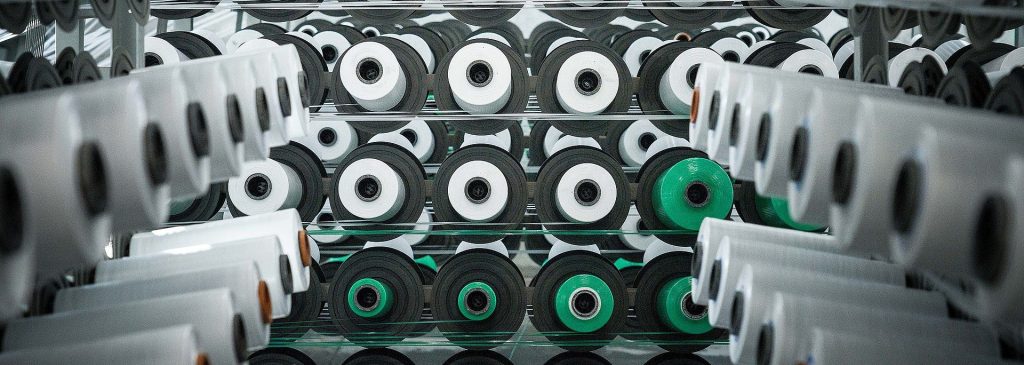
At their core, Tubular Woven Bags with Form‑Fill‑Seal (FFS) Systems are continuous rolls of PP‑woven tubular fabric engineered for automated formers. The machine draws a programmed length, squares and forms the tube into a bag‑shape, fills the dose, and applies a broad heat seal—often in one uninterrupted motion. Because the “bag” is created in‑line, there are no bottom stitch holes, no side‑seam inconsistencies, and far fewer leak paths. Horizontally, the concept blends textile mechanics (woven tapes for tensile strength) with film science (sealable layers, surface energy control) and mechatronics (tension control, jaw temperature profiles). Vertically, the logic climbs from resin MFI → tape draw → mesh & GSM → coating laydown → corona treatment → printing → perforation → winding—each rung altering how the roll behaves on the former.
Why Do FFS Lines Prefer Tubular Woven Bags with Form‑Fill‑Seal (FFS) Systems?
Speed, cleanliness, repeatability. A pre‑made sack invites variables: stitch alignment, bottom geometry, needle perforations that dust the bay. Tubular Woven Bags with Form‑Fill‑Seal (FFS) Systems sidestep those variables. With a tubular body there’s no side seam to become a stress‑riser; with a heat‑sealable skin there’s a wide processing window; with controlled COF, unwinds run smooth, and pallets stack square. Is this only about faster cycles? Not really. It’s about turning speed into stable OEE: fewer micro‑stops, fewer rejected prints, fewer spill cleanups.
Anatomy & Materials—What Makes the Web Run Cleanly?
The backbone is woven polypropylene. Tapes in the 600–1,200 denier range are drawn for strength and low creep, then woven at meshes typically from 10×10 to 14×14. Fabric basis weight sits around 60–110 g/m² for FFS formats—lean enough to feed the former gracefully, tough enough to survive drops and lateral compression. On top sits a sealing layer—often a PE‑rich extrusion coat ~20–35 μm that melts predictably under the jaw. That layer also doubles as a dust/moisture skin and a print holdout, particularly after corona treatment raises surface energy to ≥38 dynes.
Optional micro‑perforation bands—20–60 holes/cm² placed above the final product bed—bleed fill air without turning the pack into a powder sprinkler. COF is tuned on both sides: inner COF (~0.18–0.30) feeds past the shoulder with minimal stick‑slip; outer COF (~0.35–0.55) keeps pallets honest during transit.
Production Workflow—From Polymer to Ready‑to‑Run Roll
Turning pellets into a trustworthy roll of Tubular Woven Bags with Form‑Fill‑Seal (FFS) Systems is a controlled choreography:
- Tape extrusion & orientation — Virgin PP (and masterbatch) are extruded and drawn to the target denier. Draw ratios and quench profiles tune tensile strength and elongation.
- Tubular weaving — Circular looms produce layflat tubes at the requested GSM and mesh, with loom tension logged to stabilize fabric flatness and width.
- Extrusion coating (sealing skin) — A PE or PP/PE tie layer (~20–35 μm) is laid down uniformly; coat weight maps confirm ± tolerance so seal windows are consistent across the web.
- Surface activation — Corona treatment raises dyne; samples are ink‑wetting checked to avoid weak print or label adhesives.
- Printing (as needed) — Flexo or gravure applies brand art, hazard pictograms, GS1 codes, and handling icons. Registration and ink rub resistance are verified; quiet zones are preserved for scanners.
- Perforation & edge finishing — Laser or mechanical micro‑perfs are placed in a controlled band; edges are trimmed using hot‑knives to reduce fray.
- Winding & splicing — Core IDs (commonly 76 mm/3″) and even roll OD are maintained; splice flags are documented so operators can plan changeovers.
- QA & release — Thickness mapping (skin + fabric), COF inner/outer, seal‑peel curves (by jaw type), dart/tear on formed samples, barcode grade, and visual AQL culminate in a lot‑traceable release.
Each step edits not only the physical web, but also the machine operator’s day: a straighter roll, a more forgiving seal, a longer uninterrupted run.
Quality Control—Numbers That Turn Opinions into Specifications
Efficiency claims become real when they’re measured. For Tubular Woven Bags with Form‑Fill‑Seal (FFS) Systems, practical checkpoints include:
- Seal peel windows across a jaw‑temperature/dwell‑time grid—plotting min/ideal/max so the same roll runs on different formers without fuss.
- Dart impact (ASTM D1709) and Elmendorf tear (ASTM D1922) on formed pouches—because drops and conveyor knocks are part of life.
- COF (ASTM D1894) inner/outer to balance feeder glide with pallet grip.
- Dyne (ASTM D2578) sweeps post‑corona to ensure ink/adhesive anchorage.
- Thickness & coat‑weight SPC to cap weak‑spot failures; Cpk targets make “uniformity” more than a promise.
- Barcode/QR grading (ANSI/ISO) on printed samples to keep logistics data scannable after strapping.
The pay‑off is simple: operators adjust less, batches reject less, customers complain less.
Integration with FFS Machinery—Where the Web Meets Metal
Compatibility is where theory meets shift reality. Tubular Woven Bags with Form‑Fill‑Seal (FFS) Systems must sync with forming shoulders, pull‑belt textures, and sealing jaw technologies (impulse, constant‑heat, or hybrid). A forgiving sealing skin widens jaw latitude; consistent layflat width keeps the back seam straight; stable inner COF prevents hesitation at the former. Sensor placement matters: eye‑marks or registration windows allow precise cut‑and‑seal; splice flags help crews plan short stops instead of sudden ones. The goal is not maximum speed for one hour, but reliable speed for eight.
Venting, Dust Discipline, and Clean Fills
Powders breathe; air must escape. The trick is to let it out without letting fines follow. With Tubular Woven Bags with Form‑Fill‑Seal (FFS) Systems, a top‑zone micro‑perf band vents headspace as the dose drops; since the holes live above the settled product line, dust egress is minimized. For highly aerated powders, a dual‑zone strategy—tiny perfs near the seal zone plus a small valve‑relief gap—can be used, then immediately closed by the seal itself. The result is fast filling, clean faces, and fewer housekeeping rounds.
Application Lanes—Where the Format Excels
- Fertilizers & agro‑chemicals (10–50 kg). Moisture is the enemy; a slightly denser outer coat and disciplined seals limit caking. Micro‑venting preserves line speed without powder haze.
- Cement, tile adhesive & dry mixes. Abrasive flows punish thin skins; robust GSM and broad seals deliver low sifting and stable block‑bottoms.
- Food ingredients (where compliant). Sugar, rice, flour, premixes—clear coding, clean seals, and optional liners support audits and shelf‑life goals.
- Plastic resins & masterbatch. High bulk density loads test seam strength; antiskid outer COF and rub‑hard prints keep identity through long drayage.
- Salts & minerals. UV‑stabilized builds endure yard storage; conical forming options improve discharge for crystalline products.
Across these lanes, Tubular Woven Bags with Form‑Fill‑Seal (FFS) Systems replace sewn sacks with cleaner, straighter, more predictable packages.
Engineering Trade‑offs—How Choices Interlock
Thicker coat or tougher tape? More perfs or wider seals? A higher outer COF for pallet grip—or lower to ease stretch‑wrap application? The answer is never a single knob. A slightly heavier fabric GSM may allow a lighter coat without compromising drop survival; a better‑drawn tape can cut creep, letting you run smaller bag footprints. Likewise, adding micro‑perfs must be balanced against monsoon‑lane exposure; placing them high preserves barrier while maintaining fill speed. In Tubular Woven Bags with Form‑Fill‑Seal (FFS) Systems, every parameter talks to another—stability emerges from conversation, not from a shout.
Customization Toolkit for Tubular Woven Bags with Form‑Fill‑Seal (FFS) Systems
- Layflat widths: ~300–600 mm for 5–50 kg fills; tolerance bands ensure square forming.
- Fabric GSM & mesh: ~60–110 g/m²; 10×10 to 14×14 meshes; denier tuned to bulk density.
- Sealing skins: PE ~20–35 μm; PP/PE blends for broader jaw windows.
- Micro‑perforation: 20–60 holes/cm² in top band; optional dual‑band for highly aerated powders.
- COF tuning: Inner 0.18–0.30; outer 0.35–0.55—set by slip/antiblock packages.
- Printing: Flexo or gravure; matte/white panels for barcode contrast; QR for traceability.
- UV stabilization: 200–1,600 h add‑packs tailored to yard storage.
- Roll formats: 500–1,500 m lengths; 76 mm (3″) cores; splice policy documented.
- Compliance options: Food‑contact declarations (where applicable), antistatic measures, pictogram sets per target market.
These options let converters tune Tubular Woven Bags with Form‑Fill‑Seal (FFS) Systems to line physics, climate reality, and brand rules—without reinventing the format.
Specification Snapshot—Indicative Windows for Tubular Woven Bags with Form‑Fill‑Seal (FFS) Systems
| Parameter | Typical Options / Ranges | Why It Matters |
|---|---|---|
| Layflat Width | ~300–600 mm | Matches FFS former and fill weights (5–50 kg) |
| Fabric GSM | ~60–110 g/m² | Balances drop/tear with feed stability |
| Mesh | 10×10 to 14×14 | Controls porosity and lamination flatness |
| Tape Denier | 600–1,200 D | Drives tensile and creep behavior |
| Sealing Layer | PE ~20–35 μm; PP/PE tie | Enables stitch‑free heat seals |
| Inner/Outer COF | 0.18–0.30 / 0.35–0.55 | Smooth feeding vs. pallet stability |
| Micro‑Perf Density | 20–60 holes/cm² | Air evacuation without dusting |
| Roll Length | 500–1,500 m | Longer runs vs. safe handling weight |
| Core ID | 76 mm (3″) | Standardized mandrel compatibility |
| Printing | Flexo multi‑color; gravure panel | Branding; GS1/QR legibility |
| UV Stabilization | 200–1,600 h | Outdoor strength & color retention |
| QA Metrics | Seal‑peel map; dart/tear; dyne; COF; thickness SPC; barcode grade | Objective acceptance & repeatability |
Ranges reflect widely published practice; final set‑points depend on bulk density, fines %, climate, and handling severity.
Case Notes—Problem → Method → Result → Discussion
Valve‑bag plant converting to FFS. Problem: dust at filler and inconsistent pallet‑cube. Method: adopt Tubular Woven Bags with Form‑Fill‑Seal (FFS) Systems with PE‑rich sealing skins, top‑zone micro‑perfs, and baffle‑friendly forming. Result: cleaner fills; denser, straighter stacks; fewer forklift‑tip repairs. Discussion: eliminating needle holes concentrated wins on both hygiene and stability.
Summer humidity, sticky fertilizer. Problem: caking and seal contamination cut speed. Method: increase coat thickness at the mouth area, add anti‑block to inner skin, and shift perf band 60 mm higher. Result: seals close reliably; weighed rejects drop; runtime rises. Discussion: humidity punishes marginal seals—widen the window, move the air path.
Barcode failures at receiving. Problem: low contrast after strap rub. Method: matte white gravure panel with overprint varnish; QA adds strap‑rub simulation and ISO grading. Result: scan‑on‑first‑pass returns; fewer manual overrides. Discussion: the message must survive the journey just like the product.
Long runs with frequent splices. Problem: unplanned stops at splice events. Method: standardize splice flags and add eye‑mark logic to slow and pause cleanly; extend roll length to 1,200 m where hoist capacity allows. Result: fewer shocks to the former; operators plan stops instead of reacting to them. Discussion: visibility converts interruptions into routine.
With the right recipe and the right controls, Tubular Woven Bags with Form‑Fill‑Seal (FFS) Systems stop acting like consumables and start behaving like calibrated components of the line—quiet, predictable, productive.
- Tubular Woven Bags with Form‑Fill‑Seal (FFS) Systems: Redefining Packaging Efficiency with Superior Quality Control
- What Exactly Are Tubular Woven Bags with Form‑Fill‑Seal (FFS) Systems?
- Why Do FFS Lines Prefer Tubular Woven Bags with Form‑Fill‑Seal (FFS) Systems?
- Anatomy & Materials—What Makes the Web Run Cleanly?
- Production Workflow—From Polymer to Ready‑to‑Run Roll
- Quality Control—Numbers That Turn Opinions into Specifications
- Integration with FFS Machinery—Where the Web Meets Metal
- Venting, Dust Discipline, and Clean Fills
- Application Lanes—Where the Format Excels
- Engineering Trade‑offs—How Choices Interlock
- Customization Toolkit for Tubular Woven Bags with Form‑Fill‑Seal (FFS) Systems
- Specification Snapshot—Indicative Windows for Tubular Woven Bags with Form‑Fill‑Seal (FFS) Systems
- Case Notes—Problem → Method → Result → Discussion
- Why Tubular Woven Bags with FFS Systems are Game-Changers
- Global Market Overview
- Key Features of Tubular Woven Bag Manufacturers by Country
- Rigorous Material Quality Control: Ensuring Superior Packaging
- Selecting the Right Parameters for Specific Needs
- Industry Trends and Innovations
- FAQs: Tubular Woven Bags with FFS Systems
- Conclusion
Tubular woven bags integrated with Form-Fill-Seal (FFS) systems offer an unmatched combination of automation, durability, and precision, making them indispensable for industries like agriculture, construction, and chemicals. With rigorous material quality control and innovative customization options, these bags are revolutionizing packaging standards worldwide.
Why Tubular Woven Bags with FFS Systems are Game-Changers
The integration of FFS systems into tubular woven bag packaging has introduced an unprecedented level of efficiency and reliability. This revolutionary combination enables businesses to streamline their packaging processes while ensuring the highest standards of product protection. The key advantages include:
- Seamless Automation: The FFS technology automates filling, sealing, and cutting, significantly reducing manual intervention and operational costs.
- Superior Strength: Made from high-quality polypropylene (PP), these bags are designed to handle heavy loads and endure rough handling.
- Customizable Features: Businesses can choose tailored sizes, thicknesses, and branding options to meet specific needs.
- Eco-Friendly Materials: These recyclable and reusable materials align with global sustainability trends.
Global Market Overview
Regional Characteristics of Tubular Woven Bag Markets
| Region | Key Features |
|---|---|
| North America | Strong demand for durable and sustainable packaging in agriculture and construction. Preference for locally manufactured bags that comply with regulatory standards. |
| Europe | Focus on eco-friendly materials driven by stringent environmental regulations. Widespread adoption of automation, including FFS systems. |
| Asia-Pacific | Home to some of the largest manufacturers, offering cost-effective solutions with fast turnaround times. High demand in industrial and agricultural sectors. |
| Middle East | High demand for moisture-resistant and UV-protected bags for harsh climatic conditions. Petrochemical and construction industries are key drivers. |
| Africa | Growing adoption of woven bags for grain storage and agricultural applications. Demand for durable and cost-effective solutions in developing markets. |
Key Features of Tubular Woven Bag Manufacturers by Country
- United States: Renowned for innovation and sustainable practices in packaging. Manufacturers emphasize product customization to meet diverse market needs.
- Germany: Known for precision engineering and strict adherence to quality standards. German manufacturers focus on high-end applications.
- China: Offers a perfect balance of quality, affordability, and speed. Manufacturers utilize advanced machinery, ensuring high-capacity production and rapid delivery worldwide.
For more insights into China’s competitive edge in packaging, visit Comprehensive Supply of PP Woven Bags.
Rigorous Material Quality Control: Ensuring Superior Packaging
Testing Polypropylene (PP) Materials
High-quality polypropylene is the cornerstone of durable tubular woven bags. Rigorous testing ensures these materials meet performance benchmarks:
- Physical Properties:
- Melt Flow Index (MFI): Indicates processability. Optimal range: 2–20 g/10 min.
- Density: Maintains uniformity. Standard: ~0.91 g/cm³.
- Mechanical Properties:
- Tensile Strength: Ensures the bag can withstand significant loads without tearing.
- Elongation at Break: Reflects flexibility and resistance to sudden stress.
- Thermal Properties:
- Heat Deflection Temperature (HDT): Critical for maintaining integrity under varying temperatures.
- Crystallization Temperature: Influences stiffness and durability.
Quality Testing for Polyethylene (PE) Liners
For bags equipped with inner liners, PE material testing includes additional criteria to ensure optimal protection:
- Impact Resistance: Prevents tears and punctures.
- Film Strength: Critical for handling heavy or abrasive products.
Selecting the Right Parameters for Specific Needs
To maximize efficiency and product protection, businesses must select the appropriate bag specifications. Below is a breakdown of key parameters:
| Parameter | Options/Range | Ideal Applications |
|---|---|---|
| Thickness | 50–200 microns | Thicker bags are ideal for heavy-duty products. |
| Bag Size | Customizable | Ranges from 500 mm x 1000 mm to 1200 mm x 2400 mm. |
| Weight Capacity | 25–50 kg | Suitable for various product densities. |
| Printing Options | Up to 8 colors | Enhances branding and visibility. |
For more about eco-friendly packaging options, check Sustainable Packaging Multiwall Paper Bags.
Industry Trends and Innovations
- Advanced Automation: Companies are increasingly adopting smart FFS systems integrated with IoT technologies for real-time monitoring and process optimization.
- Sustainability Goals: Emphasis on recyclable and biodegradable materials is reshaping the packaging landscape.
- Customization Boom: Tailored solutions with advanced printing and branding capabilities are becoming standard.
FAQs: Tubular Woven Bags with FFS Systems
Q1: What industries benefit the most from these bags?
Industries like agriculture, chemicals, construction, and logistics extensively use these bags for their durability and efficiency.
Q2: How do FFS systems improve productivity?
By automating packaging processes, FFS systems reduce labor costs and enhance operational speed.
Q3: Are these bags environmentally friendly?
Yes, they are made from recyclable polypropylene, promoting sustainability.
Q4: What customization options are available?
Custom sizes, thicknesses, printing designs, and additional features like UV protection and moisture barriers are available.
Q5: What is the typical weight capacity of these bags?
They can handle loads ranging from 25 kg to 50 kg, depending on the application.
Conclusion
Tubular woven bags with FFS systems represent a groundbreaking advancement in the packaging industry. With their unmatched durability, automation compatibility, and eco-friendly design, they are an indispensable solution for industries worldwide. Backed by rigorous quality control, businesses can confidently rely on these bags to optimize their packaging operations.
For detailed insights into how these bags can elevate your business, explore Tubular Woven Bags with FFS Systems.