
Buyer–Engineer Edition · Crafted for produce packers, polymer converters, and procurement leads
Defining the Category: What Are Breathable Woven Bags and Why Do They Exist?
Breathable Woven Bags are engineered sacks that let air move with intention. Instead of treating airflow as a defect, these packs invite controlled exchange to manage condensation, drive temperature equalization, and let residual volatiles escape—without forfeiting the handling strength and stack discipline that made woven poly sacks ubiquitous in agriculture, fuels, and bulk commodities. The backbone is a lattice of oriented polymer tapes (primarily polypropylene), while breathability is tuned via uncoated weaves, micro‑perforation, vent stripes, or mesh‑window hybrids. The goal sounds simple—help contents breathe—but implementation is meticulous: airflow must be measurable, repeatable, and balanced against dust control, graphic durability, and cost.
Across catalogs, tender documents, and dock talk, you will meet a family of labels for the same essential idea. To keep terminology precise, the most common aliases are listed below, formatted as the field teams tend to see them on drawings and invoices.
- Ventilated woven polypropylene bags — standard woven PP bodies, breathability added by vent stripes or selective perforation.
- Air‑permeable PP woven sacks — emphasizes the measured property (air permeability) rather than the construction path.
- Vented woven poly sacks — a catch‑all for sacks with longitudinal vent lanes or slot patterns that encourage convection.
- Mesh‑window woven produce bags — hybrid bodies with leno‑weave windows for aggressive ventilation and on‑shelf visibility.
- Leno‑weave produce sacks — fully leno or gauze‑style sacks used for particular crops or display‑heavy channels.
- Micro‑perforated woven bags — bags whose laminates or light coatings are pinned to re‑introduce airflow at controlled rates.
Constituent Materials and Layer Logic: What Breathable Woven Bags Are Made Of
Think of Breathable Woven Bags as a cooperative of parts. The woven fabric bears the mechanical burden. Breathability features choreograph air and vapor paths. Optional films, coatings, or patches protect critical print without smothering vents. Liners and sleeves appear when hygiene or odor rules demand them. Threads, tapes, and cords decide whether a design stays clean on a vibrating trailer. Each part has a job, a failure mode, and a cost lever.
1) Woven lattice — strength per gram with controlled porosity
The structural body is typically slit‑film polypropylene (PP) drawn to align polymer chains. Orientation raises tensile strength and tear resistance so sacks survive hooks, edges, and forks without resorting to heavy basis weights. For some geographies and SKU mixes, high‑density polyethylene (HDPE) tapes appear to boost stiffness and arrest creep. Circular‑woven tubes remove a side seam and equalize stress; U‑panel and four‑panel builds provide boxy cross‑sections for steady bag‑on‑bag friction. In breathable architectures, base porosity is tuned by pick density and tape width, setting a natural background for airflow that later features amplify.
2) Breathability mechanisms — six ways to let air through on purpose
Uncoated woven fabric. The simplest route. Interstices between tapes become the vent network. Low cost and fast conversion, ideal for dry, free‑flowing goods and fuels. Trade‑off: limited splash defense and possible fines sifting on dusty products.
Micro‑perforation. When a light extrusion coat or laminate is essential for printworthiness or cleanliness, micro‑perfs re‑introduce controlled airflow. Laser or mechanical pinning creates reproducible hole sizes and densities, which QA correlates to measured air‑permeability. Barcodes and QR occupy quiet zones away from pin fields.
Vent stripes. Longitudinal open‑weave or mesh lanes dramatically increase convection while preserving large printable fields. Align stripe lanes with pallet cross‑flow so the stack breathes like a chimney rather than a sealed cube.
Mesh‑window hybrids. Leno‑weave panels stitched or welded into a woven body bring aggressive ventilation and visual inspection. Edge reinforcement transfers load around the aperture, preventing stress risers that would otherwise propagate tears.
Vent‑slot motifs from FIBCs. Concepts from large vented bulk bags—vertical slots and breathable liners—scale down well for certain 10–50 kg sacks that need more than ambient porosity but less than full mesh windows.
Breathable sleeves. Micro‑perforated PE sleeves or nonwoven guards sit inside the woven body to decouple hygiene from airflow. They trap fines, protect the fabric, and still allow vapor transport—useful for fresh produce or warm‑fill feed mixes.
3) Films, coatings, and patches that protect without suffocating
Light PP‑rich coatings (8–15 μm) stiffen faces and reduce scuff while leaving overall permeability intact, especially if applied away from vent lanes. Film patches defend compliance panels or friction‑heavy regions. Anti‑slip finishes keep stacks from leaning and, critically, reduce the temptation to over‑wrap pallets in a way that would smother vent stripes.
4) Threads, tapes, cords, and mouth recipes
Sewn‑open‑mouth (SOM) designs map stitch density and bite depth to particle fineness; filler cords occupy needle holes to curb sifting. Heat‑seal‑then‑sew routines are common when a short liner lip provides hermeticity at the product face while the woven outer continues to breathe. Easy‑open tapes, notches, and peelable hems protect operators from knives at mixers and in retail backrooms.
5) Additives and identity
UV stabilizers are non‑optional for field harvests and yard storage; antistatic masterbatches are prudent around dust clouds; pigments and master colors act as fast visual cues in markets and warehouses. None of these should compromise air‑permeability; their role is to make the bag safer to handle and easier to sort, not to plug its lungs.
Characteristic Features: What Sets Breathable Woven Bags Apart
- Engineered air exchange. Convection and diffusion are not left to chance. Vent architectures let loads equalize faster, reduce condensation cycles, and moderate temperature gradients through stacked layers.
- Strength at modest tare. Oriented tapes enable 5–50 kg formats and beyond without wasteful mass; boxy panel builds resist lean and maintain barcode angles for scanning.
- Sift‑aware seams. Seam recipes with filler cords and controlled stitch geometry let air pass where planned—not through needle‑hole highways.
- Communication that survives the route. Selective coatings and matte overprints keep codes readable after conveyor rub; mesh windows show contents for quick inspection in produce channels.
- Route realism. Anti‑slip faces, reinforced hems, and vent‑friendly wrap SOPs recognize that pallets see forklifts, not velvet gloves.
- Circular options. Mono‑PP outers, PP mesh windows, and clear labeling preserve an honest recovery story where flexible PP collection exists. Where separability is needed, say so on the pack.
End‑to‑End Production: From Tapes to Vent‑Smart Sacks
A) Upstream — material choice and incoming verification
Resins. PP homopolymer is the workhorse for stiffness; impact‑modified copolymers buffer low‑temperature shocks in winter logistics. HDPE tapes appear when creep and face stiffness are prioritized. Every lot is checked for melt flow, density, and ash so the draw line holds tenacity targets.
Masterbatches. UV packages are sized to expected sun exposure; antistatic levels are tuned to dust propensity and any classified areas around filling.
Mesh and vent materials. Leno mesh rolls and vent‑stripe fabrics are inspected for openness (percent voids), tensile, and width accuracy. Aperture consistency is the difference between designed airflow and lottery airflow.
Inks and overcoats. Water‑based systems dominate on woven faces; matte protective coats shield barcode contrast against rub.
Ancillaries. Threads, crepe tapes, filler cords, and tear tapes are validated against drawings, because the neatest vent design fails if the seam leaks fines.
B) Core converting — where breathability is created and preserved
- Tape extrusion and orientation. Extrude, slit, draw. Control width variation so the weave breathes uniformly and seams meet consistent material.
- Weaving. Circular or flat looms set pick density for the base fabric. Where vent stripes are woven‑in, reduced picks or alternative inserts define lanes that later receive mesh or remain open.
- Vent stripe creation or mesh insertion. Laminate mesh strips in thermal or hot‑melt nips; or cut apertures and insert leno windows, adding edge reinforcement to steer load paths around the opening.
- Micro‑perforation. Laser or mechanical pinning lays down hole patterns. QA audits hole count and diameter, then correlates to air‑permeability readings.
- Selective coating and patching. Apply light coats or film islands only on zones that need scuff or splash defense; never smother vent lanes.
- Printing. Apply graphics and marks with flexographic decks; earmark quiet zones for codes away from vent features.
- Cutting and forming. Length accuracy supports clean pallets; bottoms are stitched (double‑fold + crepe tape) or welded where laminates exist; mouths are hemmed for spout control.
- Liner insertion (optional). Where hygiene or odor control is mandatory, insert micro‑perforated sleeves and heat‑seal a short lip before sewing, then let the outer bag breathe as intended.
- Finishing and palletization. Add easy‑open tapes; print lot/traceability codes; wrap with recipes that secure without suffocating vent stripes.
C) Downstream — QA that treats airflow as a critical‑to‑quality metric
- In‑process controls. Tape tensile/elongation; fabric GSM and pick density; airflow measurement (per method and pressure); perforation audit; mesh window geometry and bond integrity.
- Finished‑goods tests. Dimensions; filled‑bag drop; sifting with representative product; pallet compression; barcode abrasion; UV aging where outdoor dwell is expected; and, in pilots, data loggers inside stacks to verify humidity/temperature decay tracks the design intent.
- Documentation. Construction drawings, vent pattern prints, airflow results, and operating windows per variant—so a repeat order repeats performance, not just appearance.
Applications: Where Breathable Woven Bags Earn Their Keep
Quality Architecture at VidePak: How Control and Guarantee Become Tangible
- Standards‑aligned development and test plans. Designs reference mainstream norms (ISO/ASTM/EN/JIS families as applicable). Qualification covers drop, sifting, airflow/permeability checks, pallet compression, barcode abrasion, and UV aging where outdoor dwell is expected.
- Virgin raw materials from tier‑one suppliers. Resins, masterbatches, meshes, and adhesives ship with lot COAs; incoming verification (MFI, density, ash, pigment/UV loading, openness) preserves process stability.
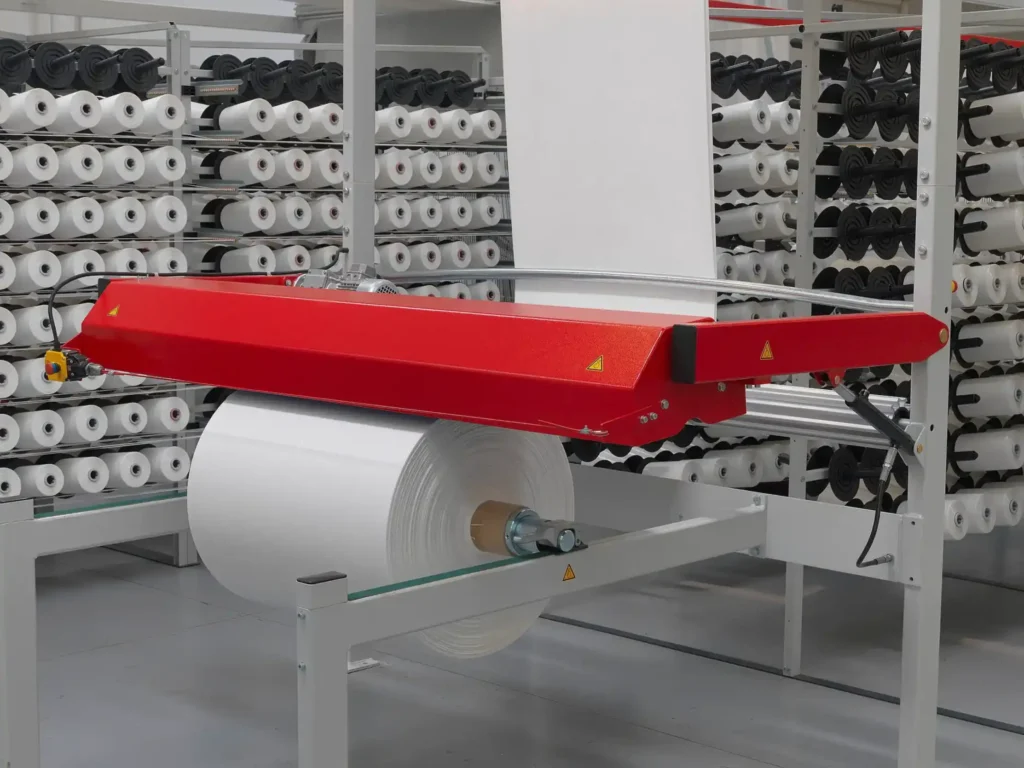
- Best‑in‑class machinery. Starlinger for tape, weaving, and lamination modules; W&H for high‑end extrusion and print automation. Capability on tape strength, pick density, perforation accuracy, bond uniformity, and register stays high; complaint probability stays low.
- Complete test funnel. Incoming → in‑process → finished goods: acceptance checks, SPC on critical stations, seam audits, adhesion tests, airflow measurements, filled‑bag drop and sifting trials, pallet compression, and routine AQL sampling for statistical confidence.
From Headline to Plan: “Breathable Woven Bags: Material Variations” as a Decision Map
The phrase isn’t a brochure; it’s a branching path. Each variation—uncoated, micro‑perforated, vent‑striped, mesh‑window, breathable‑liner—changes airflow, dust behavior, graphics survival, and cost. The disciplined way forward is to ask seven questions, choose a branch, and then write a spec and test plan that match your lanes—not somebody else’s.
- What is the hazard and regulatory class? Food contact? Combustible dust? Any transport provisions? These determine inks, antistatic levels, and label content before you discuss vents.
- How fine and cohesive is the product? Particle size and surface energy decide seam recipes (filler cord or not), need for dust‑guard sleeves, and tolerance for perforation density.
- How much airflow is actually needed? State a range (e.g., L/m²/s at X Pa). Over‑vent and you lose fines; under‑vent and you breed condensation.
- What does the route demand? Field sun, ocean legs, cold nights and warm days, open‑air markets—each pushes UV packages, vent geometry, and wrap SOPs.
- How will it be filled and closed? Manual spout or rotary packer? Warm fill? Choose mouth hems, liner lips, and seam geometry accordingly.
- How will it be stacked and wrapped? Column or interlock, anti‑slip needs, wrap tension that secures without smothering vent lanes.
- What recovery story will you tell? Mono‑PP outer? PP mesh? Separable sleeves? Say it plainly on the pack and provide a QR to local guidance.
- Dry, free‑flowing fuels: uncoated weave or light vent stripes.
- Warm‑fill mixes: micro‑perfs plus seal‑then‑sew liner lips.
- Retail‑visible produce: mesh‑window hybrids with reinforced edges.
- Outgassing pellets: vent stripes with optional breathable sleeve.
Colored Tables: Parameters, QA, Scenarios, and Cost Levers
| Variation | Typical build | Airflow tendency | Strength notes | Cleanliness notes |
|---|---|---|---|---|
| Uncoated woven PP | 70–100 g/m² circular or panel fabric; no coating | Moderate; set by weave density | High per gram; no interface bonds to fail | Watch fines; add dust‑guard sleeves if needed |
| Micro‑perforated light‑coated | 70–100 g/m² base + 8–15 μm PP‑rich coat; pinned | Tunable; consistent with good process control | Comparable to coated builds | Protect code zones; balance hole density |
| Vent‑stripe woven | 75–110 g/m² base with 6–10 vent lanes per face | High along stripes; encourages chimney effect | Frames transfer load around stripes | Avoid blocking lanes with wrap |
| Mesh‑window hybrid | 80–120 g/m² base + leno panels; edge bindings | Very high; enables visual inspection | Edge reinforcement is critical | Optional inner sleeve for hygiene |
| Breathable sleeve add‑on | Outer as above + micro‑perforated sleeve | Low–moderate; constrained on purpose | Outer bears load | Validate release of moisture/CO₂ |
| Gate | Checks/tests | Purpose |
|---|---|---|
| Incoming | Resin MFI/density/ash; mesh openness; tape/mesh tensile; pigment/UV loading | Admit conforming lots; protect stability |
| In‑process | Tape tensile/elongation; GSM/pick density; perforation audit; mesh window bond; print register | Hold CTQs in control; prevent drift |
| Finished goods | Dimensions; filled‑bag drop; sifting with real product; airflow at stated method/pressure; pallet compression; barcode/QR abrasion; UV aging where relevant | Validate field performance; retain audit trail |
| Scenario | Recommended breathable spec | Why |
|---|---|---|
| Potatoes/onions (field harvest → DC) | Vent‑stripe woven, 8–10 stripes/face; 80–95 g/m²; UV package; anti‑slip face; mesh‑reinforced mouth | Convection + visibility + yard durability |
| Charcoal/firewood | Uncoated 85–100 g/m²; seam with filler cord; easy‑open tape | Off‑gassing and moisture escape; rugged handling |
| Warm‑filled feed | Micro‑perforated light‑coat; seal‑liner‑then‑sew; anti‑slip | Steam release without ballooning; clean mouth |
| Retail‑visible produce | Mesh‑window hybrid (dual faces), reinforced edges; matte print panels | Showcase contents; preserve scannable codes |
| Pellets/outgassing granulates | Vent‑stripe or micro‑perforated; optional breathable sleeve | Pressure relief with controlled dust |
| Cost driver | What moves it | Buyer lever |
|---|---|---|
| Resin and mesh | Regional indices; openness specs; draw‑line OEE | Index‑linked clauses; openness ranges that avoid over‑engineering |
| Conversion steps | Mesh insertion; stripe lamination; pinning passes | Standardize vent patterns; cluster SKUs by geometry |
| Graphics & protection | Color count; matte overprints; film patches | Common compliance panels; abrasion‑aware art |
| QA scope | Airflow tests; pallet‑logger pilots; UV aging | Bundle validation runs; reuse homologated plans |
Practical Baseline Specification You Can Issue Tomorrow
- Body: circular‑woven PP fabric, 80–95 g/m², UV‑stabilized to route climate.
- Breathability feature: 8–10 longitudinal vent stripes per face, or micro‑perforated 10 μm coat at specified hole count/diameter to meet an airflow range at test pressure.
- Seam: double‑fold bottom with crepe tape; mouth seam with filler cord for sift‑proofing; edge reinforcements around any mesh windows.
- Optional liner: micro‑perforated sleeve with short lip for heat‑seal (seal first, then sew) on warm‑fill SKUs.
- Print: 2–6 colors; abrasion‑resistant inks; matte protective coats; scuff‑protected barcode and QR zones placed away from vents.
- Marking: clear product and handling icons; QR to localized instructions; color‑coding by product family for fast sort.
- Validation: filled‑bag drop tests; sifting with your actual material; airflow at stated method/pressure; pallet compression to your stack plan; UV exposure where outdoor dwell is expected; optional pallet‑logger pilot to confirm humidity/temperature decay behavior.
October 22, 2025
- Defining the Category: What Are Breathable Woven Bags and Why Do They Exist?
- Constituent Materials and Layer Logic: What Breathable Woven Bags Are Made Of
- Characteristic Features: What Sets Breathable Woven Bags Apart
- End‑to‑End Production: From Tapes to Vent‑Smart Sacks
- Applications: Where Breathable Woven Bags Earn Their Keep
- Quality Architecture at VidePak: How Control and Guarantee Become Tangible
- From Headline to Plan: “Breathable Woven Bags: Material Variations” as a Decision Map
- Colored Tables: Parameters, QA, Scenarios, and Cost Levers
- Practical Baseline Specification You Can Issue Tomorrow
- What Are Breathable Woven Bags?
- Key Features of Breathable Woven Bags
- Material Types Used in Breathable Woven Bags
- Production Process and Quality Control
- Key Product Parameters and Features
- The Role of Advanced Manufacturing Technologies
- Applications and Benefits of Breathable Woven Bags
- VidePak’s Global Reach and Market-Specific Expertise
In today’s packaging industry, the need for durable, functional, and environmentally friendly materials is ever-growing. One of the most versatile packaging solutions is Breathable Woven Bags, which offer unique properties like ventilation while maintaining the durability associated with woven packaging. These bags are often used in industries such as agriculture, construction, and chemical storage. In this article, we will dive into the details of Breathable Woven Bags, explore the different materials used in their construction, and explain how advanced manufacturing techniques, such as co-extrusion blown film technology, enhance their functionality.
What Are Breathable Woven Bags?
Breathable Woven Bags are made from woven polypropylene (PP) or polyethylene (PE) materials. Their primary feature is the ability to allow air to pass through, preventing moisture buildup inside the bag while providing strength and durability. These bags are widely used to package goods like agricultural products, grains, seeds, and construction materials, where moisture control is essential to maintain product quality.
By allowing airflow through the fabric, Breathable Woven Sacks help prevent spoilage, mold, and mildew, making them a preferred choice for storing perishable goods. At the same time, they offer protection from external environmental factors such as dust and light exposure.
Key Features of Breathable Woven Bags
- Air Permeability: One of the defining features of Breathable Woven Bags is their ability to allow air circulation. This is crucial for applications where moisture accumulation could damage the goods inside the packaging.
- Strength and Durability: Despite being breathable, these woven bags maintain their structural integrity due to the use of high-quality materials such as polypropylene (PP) and polyethylene (PE). These bags can carry heavy loads and withstand rough handling, which makes them ideal for industrial and agricultural applications.
- Customization: These bags can be customized in terms of size, color, and design, depending on the requirements of different industries. Printing options are also available, allowing companies to display branding and product information on the packaging.
- Environmental Friendliness: The materials used in Breathable Woven Sacks, particularly PP and PE, are recyclable, contributing to the sustainability of these products. When produced using eco-friendly methods, such as co-extrusion technology, these bags have a lower environmental impact compared to other packaging materials like PVC.
- Versatility in Application: Whether it’s agricultural products, construction materials, or chemical substances, Breathable Woven Bags provide the versatility needed across different industries. They offer an effective packaging solution for a wide range of goods that require both strength and breathability.
Material Types Used in Breathable Woven Bags
Various materials are used in the production of woven bags, each offering different properties in terms of durability, flexibility, and environmental impact. Let’s examine some of the most common materials used in the manufacturing of Breathable Woven Sacks and how they influence the product’s characteristics.
1. Polypropylene (PP)
Polypropylene (PP) is the most commonly used material for producing woven bags. It offers several advantages, such as strength, durability, and resistance to wear and tear. PP woven bags are lightweight and cost-effective, making them ideal for large-scale applications like storing agricultural products or construction materials.
PP is also recyclable, making it an eco-friendly option in comparison to non-recyclable materials like PVC. The use of co-extrusion blown film technology enhances the overall strength and consistency of PP woven bags by ensuring even distribution of material during the production process.
2. Polyethylene (PE)
Polyethylene (PE) is another common material used in Breathable Woven Sacks. PE provides similar benefits to PP but offers slightly more flexibility, making it suitable for packaging goods that require a degree of flexibility and softness. It also exhibits good resistance to moisture and chemicals.
PE woven bags can be co-extruded with other materials to improve their strength and functionality, particularly in terms of providing additional moisture barriers while maintaining breathability.
3. PVC (Polyvinyl Chloride)
Polyvinyl Chloride (PVC) is less commonly used in Breathable Woven Bags due to its environmental concerns, but it is still found in some specialized applications. PVC offers excellent durability and resistance to chemicals, making it suitable for packaging harsh materials. However, due to its environmental footprint, industries are increasingly shifting toward PP and PE as more sustainable options.
4. Aluminum Foil
For certain applications, aluminum foil is incorporated into the woven bag structure to provide extra protection against moisture and oxygen. However, it is not used in breathable woven bags, as the foil layer would block air permeability. Aluminum foil is more commonly used in laminated bags where air tightness and barrier protection are more critical than breathability.
5. Co-Extrusion Blown Film Technology
The use of co-extrusion blown film technology in the production of Breathable Woven Bags allows for the combination of different materials, enhancing the overall strength, flexibility, and breathability of the product. Co-extrusion involves the simultaneous extrusion of multiple layers of material, which ensures uniform thickness and optimized material properties across the entire bag.
This advanced technology enables manufacturers to tailor the properties of the woven bags, such as improving their moisture barrier capabilities while still allowing air to pass through the fabric.
Production Process and Quality Control
Breathable Woven Bags are produced using a weaving process in which strips of material (usually PP or PE) are interwoven to create a strong and durable fabric. The weaving technique used can vary depending on the specific application and desired properties of the bag.
For example, finer weaves with tighter patterns result in bags that offer greater protection against dust and light, while more open weaves provide increased airflow. The material is then laminated or coated, if necessary, to further enhance its strength and barrier properties.
At VidePak, our production process ensures that every bag is manufactured to the highest standards using Starlinger machinery, known for its precision and consistency. Our products are subject to stringent quality control measures to ensure that they meet the needs of various markets, including Europe, North America, and Asia.
Key Product Parameters and Features
Below is a summary of the product parameters and key features of Breathable Woven Bags produced by VidePak, highlighting their versatility and application across different industries.
| Parameter | Details |
|---|---|
| Material Composition | Polypropylene (PP), Polyethylene (PE), with optional coatings |
| Breathability | Air-permeable fabric to prevent moisture buildup |
| Customization Options | Available in various sizes, colors, and printing options |
| Weight Capacity | 10 kg to 50 kg, depending on application |
| Sustainability | PP and PE are recyclable materials |
| Co-Extrusion Technology | Co-extrusion blown film technology used to enhance strength and breathability |
| Applications | Agriculture, construction, chemicals, and more |
| Market Adaptability | Designed to meet specific market demands, including durability and eco-friendliness |
| Production Equipment | Starlinger machinery ensuring consistent quality |
The Role of Advanced Manufacturing Technologies
The introduction of co-extrusion blown film technology has revolutionized the production of woven bags by enhancing the overall properties of the material. This technology allows manufacturers to precisely control the thickness and material composition of the bags, leading to improvements in both breathability and strength.
By using multiple layers of material, co-extrusion ensures that each layer serves a specific function. For example, the outer layer may provide durability and printability, while the inner layer focuses on breathability and moisture control.
This advanced manufacturing technique not only improves the performance of Breathable Woven Sacks but also makes the production process more efficient and environmentally friendly. By reducing material waste and energy consumption, co-extrusion aligns with modern sustainability goals.
Applications and Benefits of Breathable Woven Bags
Breathable Woven Bags are widely used in various industries due to their versatility and ability to meet specific packaging needs. Below are some of the key applications and benefits of these bags:
1. Agriculture
In agriculture, these bags are essential for storing and transporting products like grains, seeds, and produce. Their breathability helps maintain product quality by preventing moisture buildup, while their strength ensures that the bags can handle heavy loads.
2. Construction
In the construction industry, Breathable Woven Bags are used to package materials like cement, sand, and other construction aggregates. The ability to prevent moisture buildup is critical in this industry, where even slight exposure to moisture can compromise material quality.
3. Chemical Industry
For chemicals and fertilizers, Breathable Woven Sacks offer a reliable packaging solution that maintains product quality while preventing the buildup of harmful moisture. Their durability also ensures that the packaging can withstand the harsh conditions often encountered in the chemical industry.
VidePak’s Global Reach and Market-Specific Expertise
VidePak’s deep understanding of various market demands allows us to produce products that cater to specific regional requirements. Our Breathable Woven Bags are designed to meet the needs of diverse markets by focusing on quality, sustainability, and customization.
Europe and North America
In Europe and North America, where environmental regulations and sustainability are critical factors, VidePak’s use of recyclable materials such as PP and PE positions our Breathable Woven Sacks as a preferred packaging solution. Moreover, our bags meet strict quality control standards, ensuring compliance with industry regulations.
Asia and the Middle East
In regions such