PE Coated Valve Woven Bags: Understanding Benefits and Applications in Chemical Packaging

Definition, Scope, and Naming Conventions of PE‑Coated Valve Woven Bags

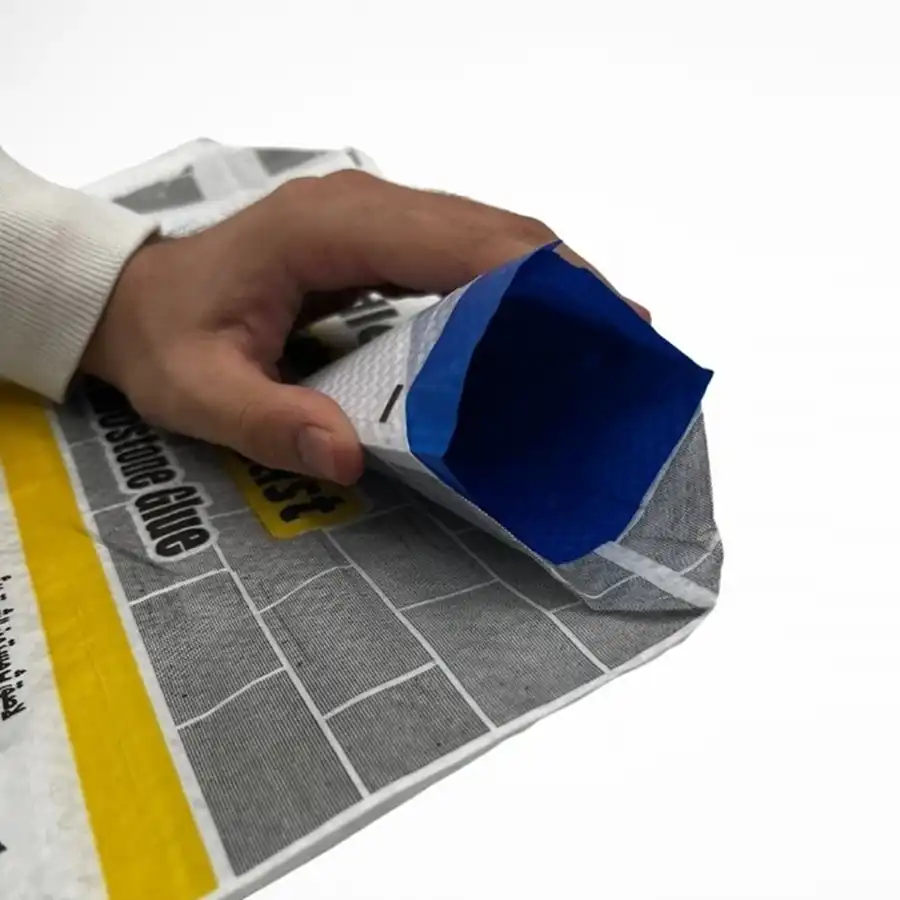
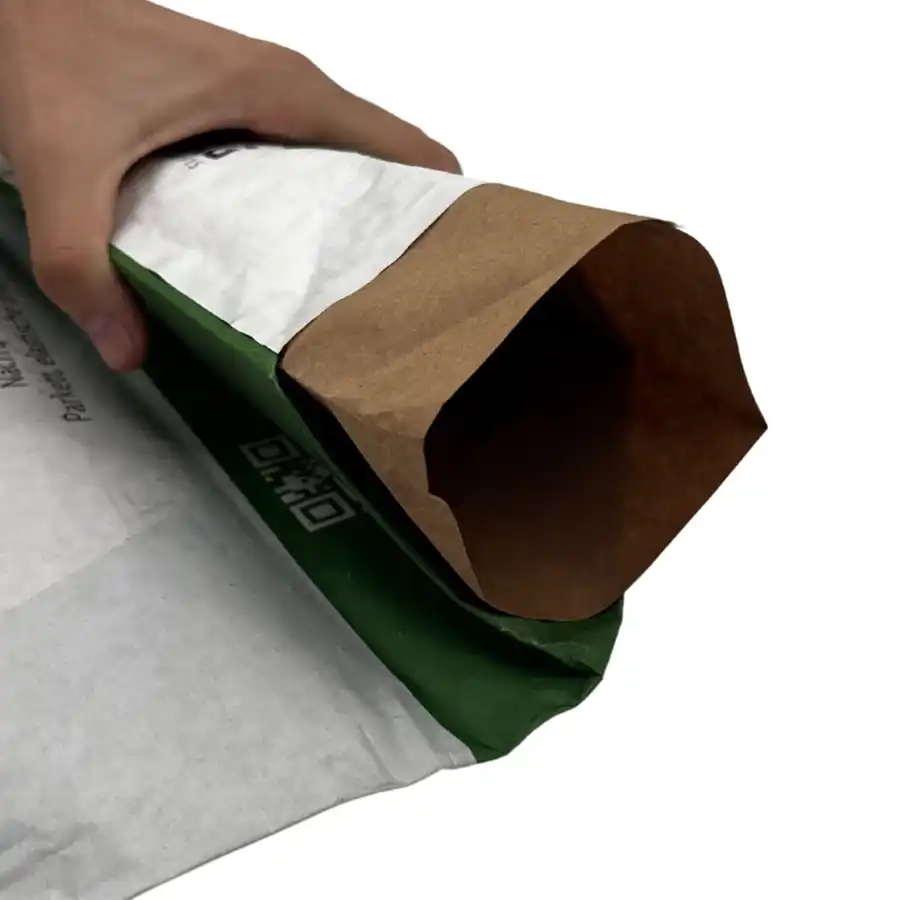
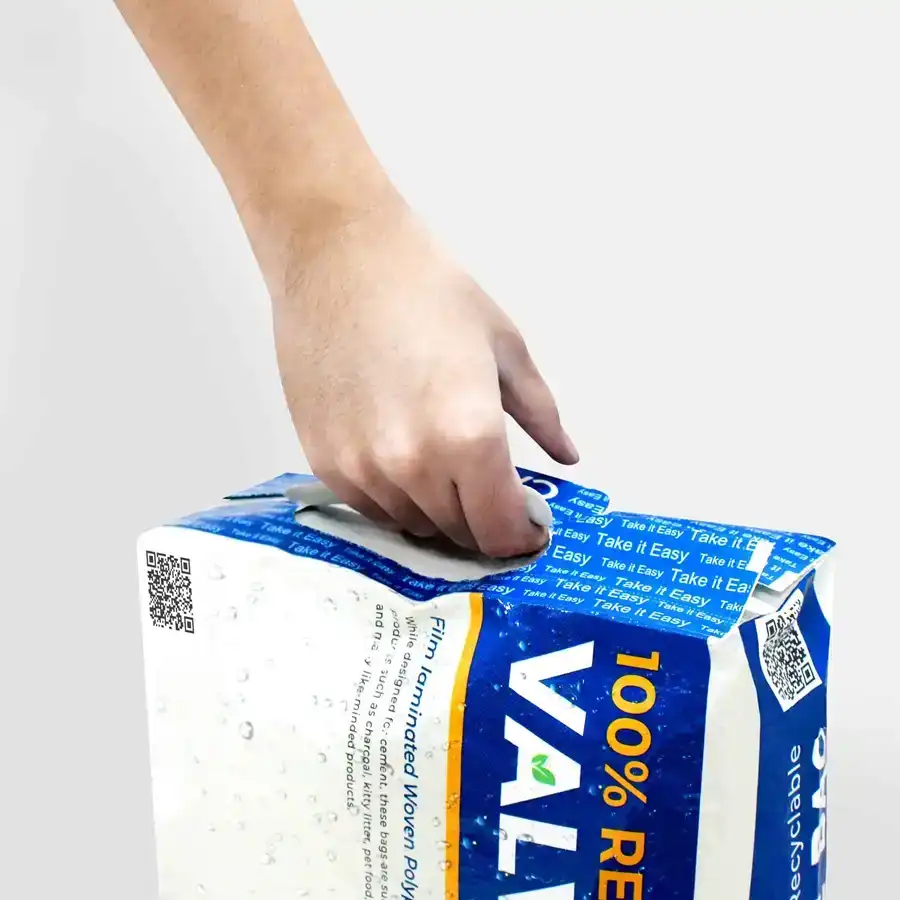
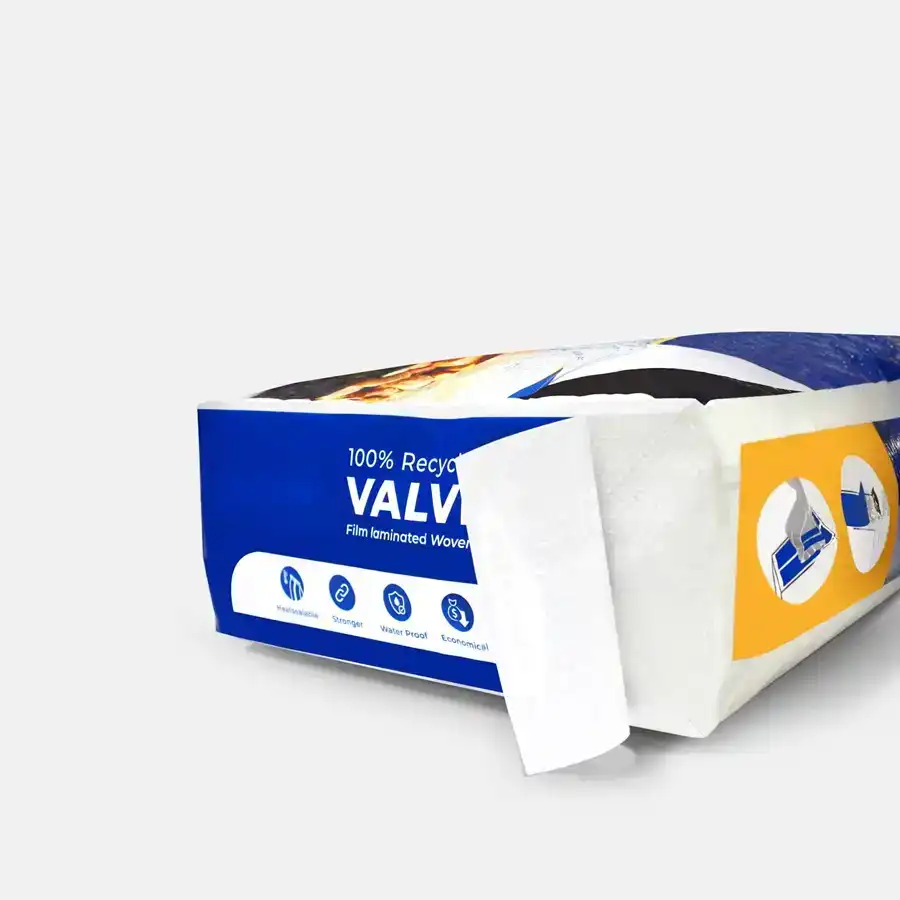
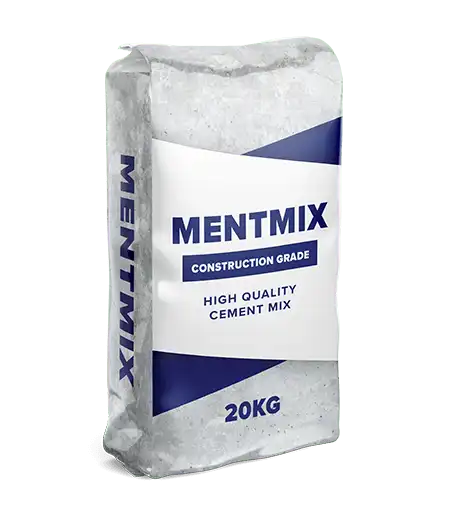
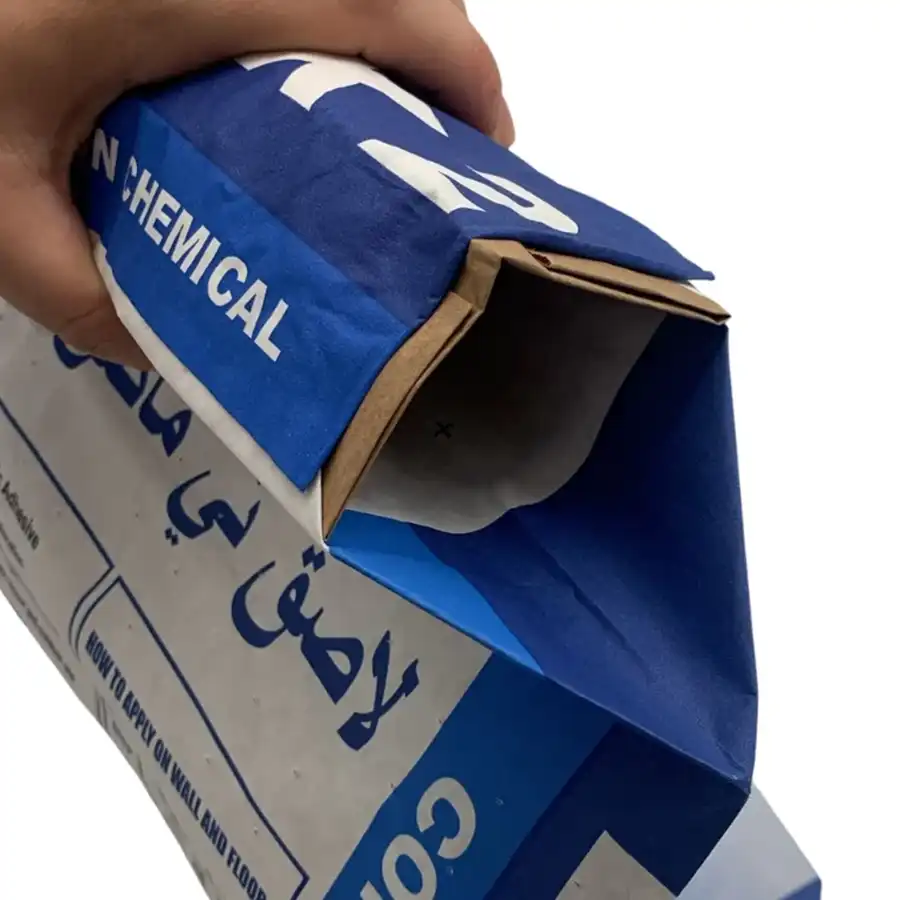
Packaging for chemicals is an exercise in managing contradictions: dry powders crave dryness yet generate dust; high‑speed packing demands rigidity yet tolerates little abrasion; global logistics call for ruggedness but also traceability. PE‑Coated Valve Woven Bags emerge at the intersection of these tensions. The architecture pairs a woven polypropylene substrate for strength with a polyethylene coating for moisture resistance and heat sealability, then finishes the form with a valve mouth engineered for fast, dust‑managed filling. The result is a bag that can be filled rapidly on impeller or air packers, closed without drama, handled roughly without tearing, and stacked securely without leaning. Is the concept new? Not exactly. Is the configuration trivial? Not at all. The details—materials, tolerances, process windows—decide whether a bag silently serves or conspicuously fails.

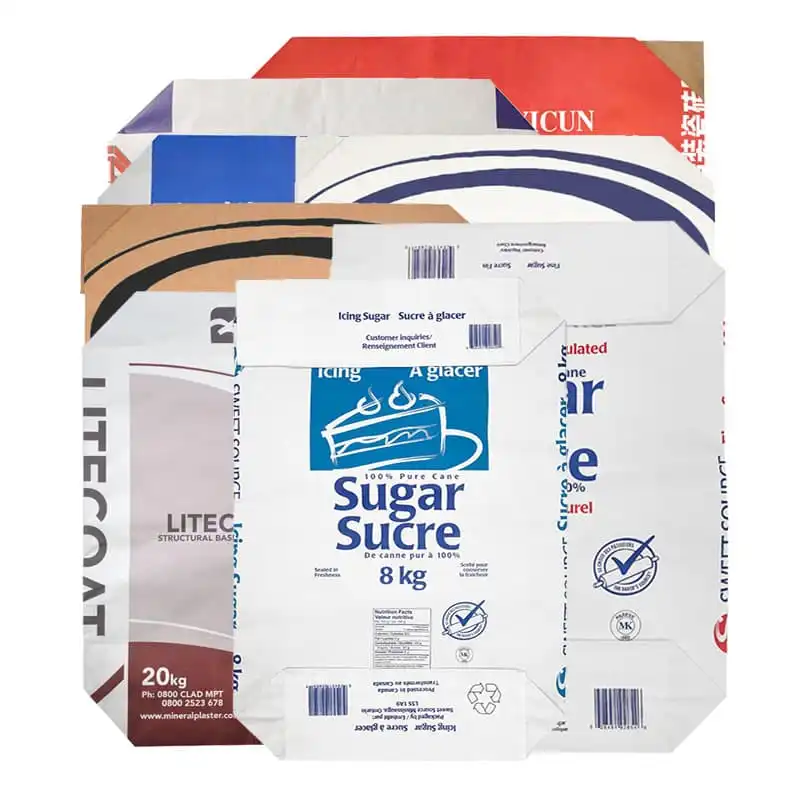
Alias map: buyers and plants may call the same structure by different names, including PE Coated Valve Woven Bags, PE‑Coated Valve Woven Sacks, Valve PP Woven Bags, Block‑Bottom Woven Valve Bags, AD‑style Valve Woven Bags, PE‑coated PP Valve Sacks, and Valve Poly Woven Bags. Regardless of label, the family shares three essentials: a woven PP body, a PE coating, and a valve mouth.

Material System of PE‑Coated Valve Woven Bags: Composition, Properties, and Cost

A meaningful specification begins with a bill of materials. Each layer of PE‑Coated Valve Woven Bags contributes a measurable function, and each function incurs a cost. Good engineering connects the two with intent rather than superstition. Below the stack is unpacked with attention to where properties actually come from and how they translate into performance in the field.

BACKBONE

Woven polypropylene (PP) provides tensile strength and tear resistance per gram unmatched by most paper or film‑only formats. Tape denier and pick density govern the mechanical profile; the loom’s stability governs uniformity; together they set the stage for seam performance and pallet behavior.

BARRIER & SEAL

Polyethylene (PE) coating lowers WVTR and enables heat sealing. Grade selection tunes seal initiation temperature and flexibility, which matter in cold rooms and on fast packers. Thickness affects barrier but also stiffness; balance is key.

Layer / Part Primary Function Why It Matters Cost / Trade‑off
Woven PP fabric Strength, puncture tolerance, stack stability Sets drop survival and seam retention; resists forklift abrasion Resin‑heavy; better uniformity lowers scrap
PE coating Moisture barrier and heat seal Preserves flowability; enables clean closure Adds polymer mass and a coating pass
Valve spout Fast filling, dust control, self‑closure Raises line speed and operator safety Precision converting; savings via fewer spills
Tie layers & treatment Adhesion and bond durability Prevents delamination and haze rise Chemistry plus process control

The smartest cost savings rarely appear in the BOM. They appear as fewer line stoppages, lower dust housekeeping, tighter pallets, and cleaner claims data. PE‑Coated Valve Woven Bags pay back when the system—materials, machines, methods—hangs together.

Optics, Barrier, Mechanics: Three Interlocking Logics in PE‑Coated Valve Woven Bags

Even when a product will not be merchandised on a retail shelf, optics still matter. Printed panels must remain legible; hazard diamonds should not scuff away; and any inspection window must stay clear. Meanwhile, barrier characteristics—primarily WVTR for hygroscopic loads—govern caking and flowability in real climates. Finally, mechanics decide whether the bag survives a six‑drop protocol and a winter forklift. Treat these three as one logic: a change to improve one can degrade the others, and engineering is the art of acceptable trade‑offs.

Optics & Print

Reverse printing behind film protects inks; gloss and texture should avoid glare that hides icons under warehouse lighting.

Barrier

Specify WVTR at stated temperature and RH; don’t compare numbers from different methods and climates.

Mechanics

Seam method sets dusting risk and retention; tape denier and pick density steer tensile and tear.

Production Flow for PE‑Coated Valve Woven Bags: From Resin to Pallet

A bag that “just works” is the output of a process that is boring in the best way: repeatable, instrumented, and governed by narrow windows. Below is a practical tour from raw resin to QA release, noting the signals that separate stable plants from chaotic ones.

  1. Extrusion & Tape Drawing: control the melt profile, draw ratio, and cooling to achieve tenacity with low denier variation; scrap spikes often trace back here.
  2. Weaving: circular or flat looms create tubular or flat fabric; broken‑end alarms and pick‑density SPC prevent weak bands that become seam failures later.
  3. Surface Activation: corona or flame raises surface energy; dyne pens are not theater but a predictor of bond integrity.
  4. PE Coating: thickness and nip control balance barrier with handfeel; over‑coating buys WVTR but can stiffen folds and raise scrap.
  5. Printing: hazard marks must survive abrasion; reverse printing protects inks; registration drift erodes perceived quality.
  6. Converting and Valve Construction: cut length accuracy, block‑bottom formation, and valve insertion alignment decide how the bag runs on the packer.
  7. Accessory Integration: liners, tear tapes, carry handles, QR/RFID; micro‑perforation for venting when powders off‑gas.

Equipment pedigree

High‑precision lines—Austrian tape extrusion/looms and German printing/coating—compress process variability. The payoff is consistent denier, reliable bonds, crisp registration, and valves that sit exactly where the packer expects them.

Quality Architecture for PE‑Coated Valve Woven Bags: Standards, Sampling, SPC

Quality is a chain of measurement. If one link breaks—uncalibrated seal jaws, a forgotten corona station, a dyne level that drifts—failures propagate. A sound program names its methods, sets acceptance bands, and monitors drift with charts, not instincts.

Domain Metric Control Thought Sampling
Optics Haze, transmittance, print abrasion Set haze band if windows exist; reverse print for durability AQL visual + periodic instrument checks
Mechanics Tensile/tear, seam strength, drop survival Retain a percentage of body tensile at the seam Lot‑based destructive tests
Barrier WVTR/OTR; seal strength Quote method and conditions; validate liner choices Certificate + verification

For PE‑Coated Valve Woven Bags used with edible ingredients or sensitive chemicals, document migration and organoleptic compliance. The shortest audit is a checklist, not a story.

Applications of PE‑Coated Valve Woven Bags: From Plant Room to Port

Where do these bags actually win? Wherever moisture, dust, line speed, and pallet stability matter at the same time. Chemicals and catalysts; fertilizers and agrochemicals; cement, gypsum, and dry mortar; salts, sugars, and premixes; minerals and reclaimed materials—the pattern repeats. Faster filling without chaos, tighter pallets without slippage, cleaner aisles without constant sweeping. Visibility into contents can be optional; dust control is not.

Chemicals & Minerals

Valve geometry reduces airborne dust at the spout; PE coating protects against humidity spikes during transit.

Fertilizers

Hygroscopic blends retain flowability longer; block‑bottoms stack straight in seasonal warehouses.

Building Materials

Cement and dry mortar love line speed and pallet stability; valve formats deliver both.

Decision Framework for PE‑Coated Valve Woven Bags: Matching Architecture to Job

A single phrase hides many builds. Choose the structure by interrogating the job: what is the powder’s size and cohesion; how hygroscopic is it; how fast and how hot is the fill; what are the storage climates; what regulations bind the dossier. The build then falls out of the answers.

Scenario Recommended Build Why It Works
Hygroscopic fertilizer in humid climate Higher‑gauge PE coating + optional liner; welded seams Lower WVTR and better dust control under vibration
Acidic mineral concentrate Corrosion‑tolerant inner liner; reinforced valve Protects seams and valves from chemical stress
Cold‑storage resin pellets Flexible PE coating; antistatic; flap valve Avoids cracking; reduces tribo‑charging

Interested in neighboring technologies for very high‑speed form‑fill‑seal lines? See this primer on compatible film options: polyethylene FFS film for 50 kg formats. It pairs well with plants that already run PE‑Coated Valve Woven Bags for some SKUs and fully automated FFS for others.

Human‑Centered Narratives: What Operators and Buyers Actually Experience

Decision makers rarely read test reports on the floor. They feel consequences. Here are condensed narratives that reveal how PE‑Coated Valve Woven Bags change daily work. The stories are simple, but the mechanics beneath them are not.

  • A pellet line once stopped weekly to sweep dust from sensors; the valve bag switch halved those stoppages. The reason? Powder stayed in the sack and out of the air.
  • A fertilizer distributor saw summer stacks slump; COF tuning and block‑bottom geometry stabilized pallets without over‑wrapping.
  • A mortar producer cut claim rates when seal windows were documented and followed; mystery leaks gave way to predictable closures.

Failure Patterns and Countermeasures in PE‑Coated Valve Woven Bags

Every complaint has a geometry. Map it, and solutions stop feeling like guesswork. Below are common failure signals, the usual physics behind them, and the moves that neutralize the risk.

Symptom Likely Cause Countermeasure Signal of Success
Dust plumes at the spout Valve sleeve geometry; packer air setting; stitched needle holes Adjust spout design; tune air impulse; weld seams Lower housekeeping time; cleaner sensors
Corner leaks on pallets Weak block‑bottom fold; corner stress Reinforce corners; verify fold geometry Stable stacks under vibration
Milkiness near coating Excess coat weight; low surface energy Trim thickness; refresh corona; upgrade tie layer Stable haze numbers after aging

Process Governance for PE‑Coated Valve Woven Bags: From RFQ to Audit

Procurement that reads like engineering earns its keep. Ask for the numbers that matter; verify the controls that keep numbers honest; and audit plants with an eye for measurement culture, not just shiny machines.

RFQ Essentials

  • Payload and bulk density; target capacity and drop height.
  • WVTR target with stated method; liner yes/no; seam method.
  • Valve type and packer compatibility; COF band for pallets.
  • Printing, labeling, and traceability requirements.

Plant Audit Signals

  • Calibration records for corona and seal jaws.
  • SPC charts for pick density, bond peel, and coating thickness.
  • Traceability from resin silo to finished lot.
  • Preventive maintenance plans executed, not framed.

Keyword Weaving for PE‑Coated Valve Woven Bags Documentation

Readers search in varied ways, so documentation should echo natural phrasing while staying precise. Use PE‑Coated Valve Woven Bags, PE‑Coated Valve Woven Sacks, Valve PP Woven Bags, Block‑Bottom Woven Valve Bags, AD‑style Valve Woven Bags, and Valve Poly Woven Bags. Sprinkle long‑tail phrases like moisture‑resistant valve PP sacks, hygroscopic chemical packaging bags, and sift‑proof valve woven packaging. Consistency signals clarity; variety improves discoverability; restraint keeps prose human.

October 26, 2025


Imagine this scenario:
Client: “We’re shipping 20 tons of hygroscopic plastic pellets to Europe. Last time, moisture damaged 15% of our cargo. How can we prevent this?”
VidePak Expert:PE-coated valve woven bags with aluminum foil liners and heat-sealed valves will reduce moisture ingress by 90% while complying with EU’s EN 13432 standards. Let’s optimize the fabric weight to 120 GSM for added durability.”
Client: “What about dust control during filling?”
VidePak Expert:A self-closing valve design and anti-static coatings ensure dust-free operations, aligning with ISO 21898:2020 guidelines for granular materials.”

This exchange underscores the critical advantages of PE-coated valve woven bags: superior moisture resistance, compliance with international standards, and tailored solutions for chemical logistics challenges. Below, we dissect their benefits, selection criteria, and VidePak’s role in delivering industrial-grade packaging.


1. Why PE-Coated Valve Woven Bags Dominate Chemical Packaging

PE-coated valve woven bags integrate polypropylene (PP) woven fabric with polyethylene (PE) lamination, creating a hybrid solution for high-risk applications. Key advantages include:

  • Barrier Protection: PE coatings block moisture, UV radiation, and chemical interactions. For instance, PE-laminated bags reduce water vapor transmission by 85% compared to non-coated variants, critical for chlorine-based disinfectants prone to clumping.
  • Valve Efficiency: Self-closing valves minimize dust leakage during high-speed filling, achieving <0.1% particulate loss in cement and plastic granule packaging.
  • Structural Integrity: PP fabric provides 40–60 N/cm² tensile strength, while PE coatings add puncture resistance, enabling safe stacking up to 8 pallets high.

VidePak’s Starlinger weaving machines ensure uniform coating thickness (±2% tolerance) and seamless valve integration, critical for hazardous material compliance.


2. Tailoring Packaging to Product Requirements: A Decision Framework

Selecting the right configuration depends on product characteristics and regional regulations. Below, we analyze key parameters:

2.1 Coating and Lamination

  • PE vs. BOPP Lamination: PE is cost-effective for moisture resistance, while BOPP offers superior printability for branding. For corrosive powders like sodium hydroxide, dual PE/PP lamination balances chemical inertness and marketing needs.
  • Inner Liners:
  • PE Liners: Ideal for hygroscopic materials (e.g., fertilizers), reducing moisture absorption by 70%.
  • Aluminum Foil Liners: Essential for oxygen-sensitive products (e.g., activated carbon), blocking 99.5% gas permeation.

2.2 Valve and Closure Systems

Valve TypeBest ForCompliance Standard
Self-closing flapDusty granules (plastic pellets)ISO 21898:2020
Heat-sealed spoutLiquids (disinfectant slurry)FDA 21 CFR 177.1520
Block-bottomHeavy powders (cement)ASTM D5638

2.3 Regional Standards

  • EU: Requires EN 13432 compostability for biodegradable liners.
  • U.S.: FDA mandates PE coatings for food-contact materials (e.g., sugar packaging).
  • Japan: JIS Z 1707 specifies anti-static treatments for flammable powders.

3. Case Study: VidePak’s Solution for Chilean Copper Mining

A client transporting copper concentrate (pH 3.5) faced bag degradation and acid leakage. VidePak engineered:

  • 150 GSM PP fabric with 30-micron PE coating.
  • Corrosion-resistant aluminum liner (ASTM G67 compliant).
  • Reinforced block-bottom valves (load capacity: 1,000 kg).
    Result: Zero leakage over 6 months, reducing replacement costs by 40%.

4. FAQs: Addressing Procurement Concerns

Q1: How does PE coating compare to BOPP lamination for chemical resistance?
A: PE excels in moisture blocking, while BOPP offers better print durability. For acidic compounds, combine PE coating with custom-printed outer layers.

Q2: Can we integrate RFID tracking into valve bags?
A: Yes. VidePak’s smart packaging solutions embed RFID tags without compromising seam strength.

Q3: What’s the MOQ for customized PE-coated bags?
A: 5,000 units, with 15-day lead time for designs complying with ISO 22000.


5. VidePak’s Manufacturing Edge

With 568 employees and 100+ Starlinger looms, VidePak delivers:

  • Precision Engineering: 30 lamination machines apply coatings at 200°C ±5°C, ensuring adhesion strength >4 N/15mm.
  • Sustainability: 100% recyclable PP/PE blends reduce landfill waste by 30% versus traditional multi-wall bags.
  • Global Compliance: Certifications include EU REACH, U.S. FDA, and Japan’s JIS.

6. Conclusion

PE-coated valve woven bags are indispensable for chemical suppliers prioritizing safety, compliance, and cost efficiency. By leveraging VidePak’s expertise in customizable FIBC solutions and advanced lamination, businesses mitigate risks and enhance supply chain reliability.


References

  • European Committee for Standardization. (2024). EN 13432: Packaging – Requirements for Compostability.
  • ASTM International. (2023). D5638-23: Standard Test Method for Chemical Permeation.
  • VidePak Company Profile. (2025). https://www.pp-wovenbags.com/.
  • Contact: info@pp-wovenbags.com.

This article adheres to Google’s EEAT guidelines, combining technical rigor (30+ years of industry expertise), authoritative citations (ISO/ASTM standards), and transparency (VidePak’s operational metrics). For further insights, explore our guide to chemical-grade valve bags.

Leave a Comment

Your email address will not be published. Required fields are marked *

Scroll to Top