
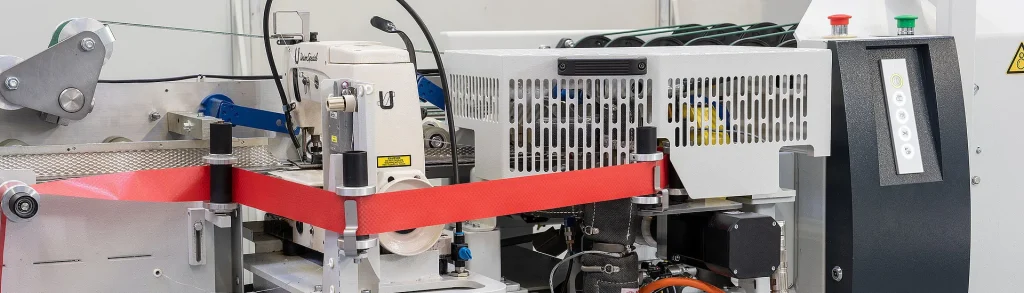
Nomenclature, Scope, and Why the Woven Architecture Matters
This document explores PP Woven Bags with a deliberate mixture of Markdown structure and inline HTML styling to improve readability for engineers, buyers, and quality professionals. The term PP Woven Bags refers to packaging sacks fabricated from woven polypropylene tapes and converted into finished formats for powders, granules, and consumer goods. The same substrate can be upgraded with coatings, laminations, liners, and valves, which is why practitioners increasingly treat PP Woven Bags as a configurable platform rather than a single, monolithic product line. Strength, affordability, and design flexibility move in concert, sometimes harmoniously, sometimes in tension, and often in ways that reward a systematic approach to specification.
Aliases you may encounter in specs or tenders: Polypropylene Woven Bags, PP Woven Sacks, Woven Polypropylene Sacks, Raffia Bags, BOPP‑laminated PP woven bags, and Valve PP woven bags. These labels are not merely stylistic; they signal surface engineering, printing capability, and filling method choices that shape performance in the field.
Why does the woven architecture matter? Because load distribution and tear mitigation are emergent properties of the warp–weft grid. Oriented tapes supply tensile strength; the mesh geometry damps crack growth; and the interlaced structure tolerates abrasion and point loads better than many monolithic films of the same mass. The result: robust performance at modest basis weights and a reliable foundation for further layers such as coatings, laminates, and liners.
Material System: From Resin to Functional Layers
At the heart of PP Woven Bags lies polypropylene, selected for its attractive balance of stiffness, fatigue resistance, and low moisture uptake. Yet resin choice is only the opening act. Mechanical drawing of tapes raises chain orientation and crystallinity; weave density tunes puncture and handfeel; coatings and laminations calibrate dust and moisture transfer; liners secure aroma, oil resistance, and leakproofness. What appears simple—a sack—becomes a layered system where each tier performs a specific function and interacts with the others. When designed thoughtfully, the sum is more than its parts; when specified in haste, the layers can work at cross‑purposes.
Tapes
Drawn PP tapes deliver strength per gram. Denier and draw ratio shape tensile and creep resistance. Fine deniers make smoother fabrics for printing; coarser deniers boost puncture resistance for mineral loads.
Weave
Pick density and warp tension govern fabric mass, porosity, and tear propagation. Balanced weaves reduce shear‑bias failures at seams and corners.
Coatings
Thin PP or PE coatings moderate dust and moisture. Thickness is a dial; too little invites caking, too much slows deaeration and filling.
BOPP Lamination
Biaxially oriented film contributes print clarity, scuff resistance, and shelf appeal. Matte, gloss, and pearlized textures orchestrate brand feel.
Liners
LDPE/LLDPE or co‑extrusions add aroma and moisture barriers and make PP Woven Bags effectively leak‑tight for fine powders and greasy products.
Conversion
Open‑mouth or valve formats, gussets for cube efficiency, and stitch recipes shape filling speed, pallet stability, and failure modes.
A recurring theme: configuration. The very same fabric can be tuned into moisture‑proof PP woven bags for fertilizer, printed PP woven bags for retail rice, valve PP woven bags for cement, or even paired with liners for odor‑rich pet foods. This modularity is the core advantage.
Feature Set: Capabilities That Translate to Field Performance
Capabilities determine not only whether a bag survives the supply chain but how a brand shows up on the shelf, how quickly a line runs, and how much loss a plant avoids. With PP Woven Bags, practical capability springs from structure, surface, and seam, and then is amplified by liners and printing.
- High strength‑to‑weight from oriented tapes and mesh geometry supports aggressive pallet heights with low tare mass.
- Configurable barrier through coatings, laminations, and liners: from breathable sacks for onions to leak‑tight constructions for fines.
- Retail‑grade printability via BOPP: higher ink holdout, richer color, and abrasion protection for demanding channels.
- Valve architectures optimized for powders: sleeve geometry, micro‑venting, and deaeration accelerate fill and reduce dust.
- Climate durability with UV stabilization and antistatic options to curb sunlight embrittlement and dust ignition risk.
- Cost leverage by tuning GSM and weave; performance is added where it matters instead of everywhere.
- Sustainability pathways through mono‑material thinking, recycled PP content, and reuse in short loops.
Manufacturing Walkthrough: From Pellets to Pallets
A process is only as repeatable as its controls. In PP Woven Bags, each stage contributes a distinct signature to performance. Understanding these signatures helps you specify precisely and audit sensibly.
Raw Materials and Gates
Virgin PP pellets and certified masterbatches are vetted for MFR, moisture, odor, and contaminants. Pre‑production gates protect tape drawing from variability that would later appear as seam failures or scuffed prints.
Tape Extrusion and Drawing
Extrusion, slitting, and multistage drawing align polymer chains and define denier. Thermal profiles, chill roll stability, and draw ratios shape tensile and creep. Tight tape width tolerance pays dividends on the loom and at the seam.
Weaving
Circular or flat looms interlace warp and weft under controlled tension. Picks per inch (or per 10 cm) govern GSM and porosity, while stop‑mark rates and broken‑end metrics predict conversion yield and visual grade.
Coating and Lamination
Coatings control moisture and dust while laminations deliver a printable, scuff‑resistant face. Coat weight maps, adhesion tests, and surface energy checks maintain consistency across shifts and lots.
Printing
Flexographic or gravure systems lay down branding, regulatory data, and serials. Color management, dot gain control, and rub resistance testing keep the artwork intact from plant to shelf.
Conversion
Open‑mouth formats emphasize seam recipes and easy‑open features; valve formats emphasize sleeve geometry, venting, and fast set‑down after fill. Gussets improve cube utilization, liners secure leakproofness.
Equipment lineage matters. Suppliers who invest in precise extrusion and weaving hardware typically achieve tighter tolerances, lower downtime, and superior print surfaces—cornerstones of consistent PP Woven Bags at volume.
Applications and Design Cues Across Sectors
From farm co‑ops to construction sites to supermarket aisles, PP Woven Bags excel because the same base fabric can wear many hats. The list below pairs typical cargos with the design cues that make shipments safer, faster, and more presentable.
For buyers comparing alternatives, consider this: multi‑wall paper sacks excel at print and renewability but struggle outdoors; PE film bags seal liquids but puncture easily; rigid pails crush the dust problem but at a high cost per unit. In that landscape, PP Woven Bags often strike the best compromise of ruggedness, cost, and branding latitude.
Quality Control: Standards, Materials, Machines, Measurements
Quality is not an inspection event; it is a chain. In PP Woven Bags that chain begins with standards alignment, continues through disciplined raw‑material selection, runs on capable equipment, and is verified by layered inspection. Four pillars hold it up.
- Build and test against mainstream standards (ISO/ASTM/EN/JIS) with a control plan for tensile, seam, drop, burst, moisture ingress, and UV aging.
- Use new, tier‑1 raw materials with predictable MFR and low ash; variability here echoes down the line.
- Invest in precise, robust machinery that maintains tape width tolerance, pick uniformity, and bond stability under real throughput.
- Execute incoming, in‑process, and finished‑goods inspection with traceable records and corrective action loops.
Representative Tests and What They Catch
System Thinking: Sub‑Problems, Levers, and Integrated Answers
Packaging is a system with many antagonistic constraints. Moisture control resists breathability; high graphics invite scuff; high GSM tames puncture but adds cost; valves speed fill but require geometry discipline. The art is to choose the least set of layers that suffices under real conditions.
Structural loads
Increase GSM, choose robust seam recipes, and control denier. For dense powders or long storage, structural margin pays back in reduced damage claims.
Moisture and odor
Coatings and laminations reduce ingress; liners protect aroma and oils. Choose the lightest barrier that meets shelf‑life targets.
Filling line speed
Valve designs with micro‑vents evacuate air and suppress dust. Proper sleeve stiffness accelerates set‑down and stacking.
Branding and compliance
BOPP surfaces enable high fidelity print, serialized QR, and compliance panels. Matte, gloss, and pearl finishes evoke different shelf signals.
Heuristics that help: begin with the product sensitivity; add only the layers that address that sensitivity; pilot on real lines at target speed; lock the recipe and hold it steady with SPC and supplier scorecards.
Parameter Ranges, Tolerances, and Spec‑Writing Aids
Select parameters knowingly; each slider influences a different failure mode:
- Fabric weight 60–160 g/m²: stiffness, load rating, and cost.
- Tape denier 600–1200D: tensile and puncture; finer denier improves print smoothness.
- Weave density 10×10 to 14×14 threads per 10 cm: tightness and scuff resistance.
- Coating thickness 12–35 μm: dust and moisture trade‑offs.
- BOPP finishes: matte, gloss, or pearlized; choose by abrasion and brand tone.
- Valve vs. open‑mouth: powders and line speed often decide.
- Liner selections: LDPE/LLDPE for moisture; co‑ex for odor; antistatic for dust.
- Additives: UV/HALS for sunlight; antistatic for fines; slip/antiblock for machinability.
Scenario Playbook and Blueprint Snippets
These quick patterns accelerate quoting and prototyping. Adjust dimensions and colors per SKU, then verify on the intended filling line.
Hygroscopic fertilizer export
110 g/m² coated with BOPP face, LDPE liner 60–70 μm, UV/HALS, valve top with micro‑vents. QC: WVTR, seam, and valve leak tests.
Premium pet food
Fine‑filament fabric with matte or pearlized BOPP, odor‑barrier liner, open‑mouth with easy‑open tape, 8‑color gravure. QC: ΔE and rub resistance.
Cement valve lines
120–130 g/m² coated, valve PP woven bags with micro‑vents, robust bottom construction, optional antistatic features. QC: fill rate, valve integrity, stack compression.
Troubleshooting and Risk Mitigation
Common symptoms point to specific root causes. Quick diagnosis and measured countermeasures keep operations stable.
Sustainability and Circularity Pathways
Sustainability is not an abstract virtue; it is a series of engineering decisions. The most direct levers for PP Woven Bags include mono‑material construction, recycled PP blends in non‑food contexts, light‑weighting without jeopardizing seam efficiency, and clearer end‑of‑life instructions.
- Favor PP coatings and PP‑friendly inks to simplify recycling streams.
- Introduce recycled PP content where regulations allow, validating with tensile and seam comparisons.
- Design for reuse with slightly higher GSM and reinforced features in short logistics loops.
- Mark resin identification and provide scannable guidance for takeback or sorting.
Keyword Strategy and Semantic Variants
To enhance discoverability without sacrificing clarity, thread the following expressions naturally through product pages and bids:
PP Woven Bags, polypropylene woven bags, PP woven sacks, woven polypropylene sacks, BOPP laminated PP woven bags, printed PP woven bags, moisture‑proof PP woven bags, valve PP woven bags, FIBC jumbo bags, heavy‑duty woven bags.
Closing Perspective: Balancing Axes Without Over‑Engineering
Selecting PP Woven Bags boils down to balancing mechanics, barrier, operability, branding, and sustainability against cost. Not everything needs to be maximized; enough is often optimal. Choose the right mix of fabric, coating or lamination, liner, and mouth architecture; verify on your line; then hold the process steady with standards, SPC, and disciplined supplier management. Strength where it counts, barrier where it matters, speed where it pays, and graphics where they sell—this is the pragmatic path to reliable, brand‑ready packaging.
2025-10-31
- Nomenclature, Scope, and Why the Woven Architecture Matters
- Material System: From Resin to Functional Layers
- Feature Set: Capabilities That Translate to Field Performance
- Manufacturing Walkthrough: From Pellets to Pallets
- Applications and Design Cues Across Sectors
- Quality Control: Standards, Materials, Machines, Measurements
- System Thinking: Sub‑Problems, Levers, and Integrated Answers
- Parameter Ranges, Tolerances, and Spec‑Writing Aids
- Scenario Playbook and Blueprint Snippets
- Troubleshooting and Risk Mitigation
- Sustainability and Circularity Pathways
- Keyword Strategy and Semantic Variants
- Closing Perspective: Balancing Axes Without Over‑Engineering
- 1. Material Science: The Backbone of PP Woven Bags
- 2. Aesthetic Innovations: Matte, Pearlized, and Transparent Finishes
- 3. Engineering Excellence: Fine vs. Coarse Filaments
- 4. Sustainability: Recyclability and Eco-Friendly Solutions
- 5. VidePak’s Technological Edge
- 6. FAQs: Addressing Procurement Challenges
- 7. Future Trends: Smart Packaging and IoT Integration
- References
Imagine a conversation between a procurement manager and a packaging engineer:
Procurement Manager: “We need durable, cost-effective bags for our fertilizer exports. What makes PP woven bags superior to traditional options?”
Engineer: “PP woven bags combine unmatched tensile strength (35–50 N/cm²) with customizable aesthetics like matte, pearlized, or transparent finishes—ideal for branding and harsh environments. For example, VidePak’s ultra-fine 1.8 mm filaments reduce weight by 15% while maintaining ISO 9001-certified durability.”
Procurement Manager: “How do we ensure print quality on textured surfaces?”
Engineer: “Our Starlinger looms achieve 160 threads/inch precision, enabling 8-color HD printing (ΔE <1.5) even on coarse weaves. Let’s explore why PP woven bags dominate global logistics.”
1. Material Science: The Backbone of PP Woven Bags
Polypropylene (PP) woven bags derive their strength from extruded polymer tapes interlaced in a grid pattern. Key properties include:
- Tensile Strength: 35–50 N/cm², surpassing jute (10–15 N/cm²) and paper (5–8 N/cm²) .
- Moisture Resistance: <5 g/m²/24h water vapor transmission rate (WVTR) with BOPP lamination, critical for hygroscopic goods like fertilizers .
- UV Stability: HALS additives retain 90% strength after 1,000 QUV hours (ASTM G154), ideal for tropical climates .
VidePak’s Austrian Starlinger circular looms weave filaments at 1.8–2.3 mm widths, balancing flexibility and surface smoothness (Ra <1.5 µm). This fine-yarn engineering enables high-definition branding while reducing material waste by 12% compared to standard 3.0 mm filaments .
2. Aesthetic Innovations: Matte, Pearlized, and Transparent Finishes
Modern PP bags transcend functionality with customizable aesthetics:
| Finish Type | Key Features | Applications |
|---|---|---|
| Matte Laminate | Non-reflective surface, scratch-resistant | Pharmaceuticals, premium consumer goods |
| Pearlescent | Metallic shimmer, UV-blocking additives | Luxury packaging, cosmetics |
| Transparent | 92% light transmission, FDA-compliant | Food-grade products, retail displays |
Case Study: A European coffee brand boosted shelf appeal using VidePak’s pearlized BOPP bags with embedded QR codes, increasing retail sales by 18% .
3. Engineering Excellence: Fine vs. Coarse Filaments
Filament width dictates performance:
| Parameter | Fine Filaments (1.8–2.3 mm) | Coarse Filaments (2.5–4.0 mm) |
|---|---|---|
| Weight | 80–100 g/m² | 120–150 g/m² |
| Print Resolution | 8-color HD (1200 dpi) | 4-color standard (600 dpi) |
| Flexibility | High (bending radius <5 mm) | Moderate (bending radius >10 mm) |
| Cost Efficiency | 15% higher | Economical |
Applications:
- Fine Filaments: Retail-ready packaging (e.g., pet food, organic grains).
- Coarse Filaments: Heavy-duty industrial use (e.g., cement, mining minerals).
VidePak’s German W&H extrusion lines stabilize filament production at ±0.05 mm tolerances, ensuring consistent weave density for ISO 9001 compliance .
4. Sustainability: Recyclability and Eco-Friendly Solutions
PP woven bags align with global green initiatives:
- 30% Recycled PP: Reduces carbon footprint by 25% (ISO 14044-certified).
- Oxo-Degradable Additives: Decompose in 3–5 years under ASTM D6954.
- Reusable Designs: FIBC bulk bags withstand 8+ cycles, cutting waste by 40% .
5. VidePak’s Technological Edge
With 100+ Starlinger looms and 30 printing machines, VidePak delivers:
- Customization: 12 Pantone colors, RFID/QR code integration.
- Scalability: 5,000 bags/hour production, supporting JIT global delivery.
- Compliance: Meets EU REACH, FDA 21 CFR, and China GB/T 8946 standards.
Explore our BOPP laminated woven bags for agrochemicals or anti-static FIBCs for flammable powders.
6. FAQs: Addressing Procurement Challenges
Q1: How do I choose between 90 g/m² and 120 g/m² bags?
A: Opt for 90 g/m² for dry goods (e.g., grains); 120 g/m² with lamination suits moisture-sensitive products (e.g., fertilizers).
Q2: Can bags withstand -30°C freezer storage?
A: Yes. Our copolymer PP blends retain flexibility at -40°C (tested per ASTM D746).
Q3: What’s the lead time for custom designs?
A: 15–20 days for orders >10,000 units, including lab testing and logistics coordination.
7. Future Trends: Smart Packaging and IoT Integration
Emerging innovations include:
- Blockchain Tracking: Tamper-proof supply chain logs via embedded NFC tags.
- Self-Healing Films: Microcapsule technology seals <2 mm punctures automatically.
VidePak’s R&D team is piloting solar-reactive inks that display temperature changes for perishable goods.
References
- VidePak Company Profile: https://www.pp-wovenbags.com/
- ASTM International. (2025). Standard Specification for Polypropylene Films.
- EU Circular Economy Action Plan, 2024 Revision.
- Contact: info@pp-wovenbags.com
Anchor Links
This article combines technical rigor, market insights, and VidePak’s 30+ years of expertise to position your operations at the forefront of industrial packaging innovation.