
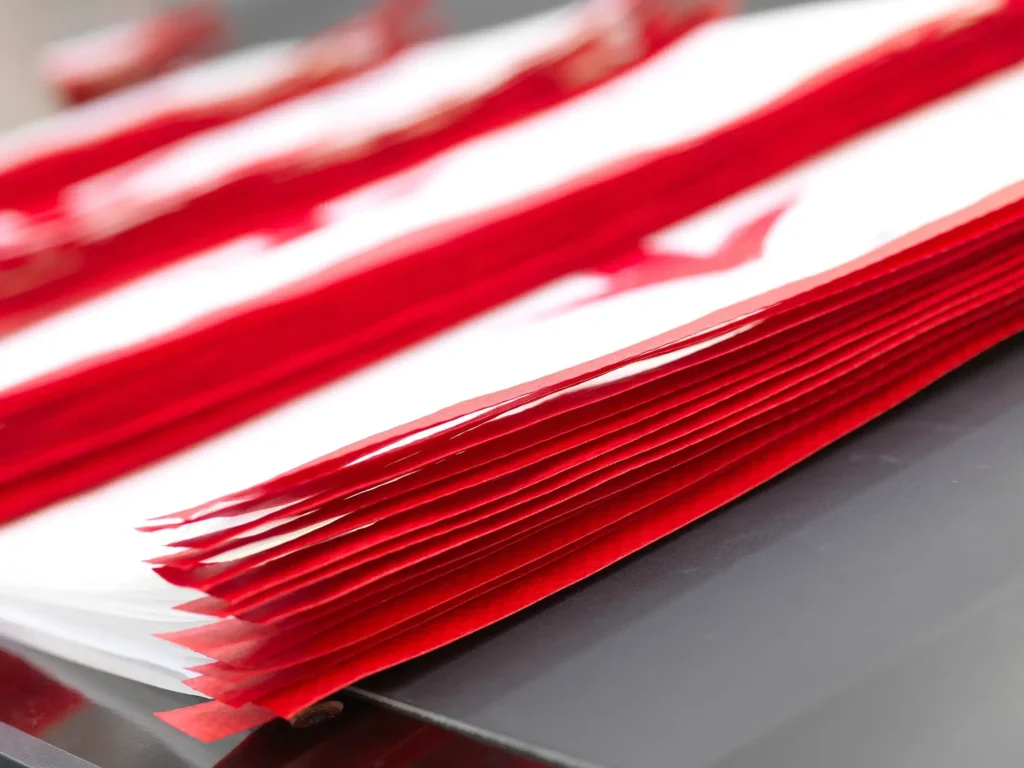
- What is PP Woven Bags with Liner?
- Why the Liner Matters in PP Woven Bags with Liner — From Problem to Remedy to Result
- The Five Interlocking Decisions Behind PP Woven Bags with Liner
- Liner Architectures in PP Woven Bags with Liner — PE vs Foil/Metallized
- Applications—When PP Woven Bags with Liner Are the Right Answer
- Quantifying Barrier in PP Woven Bags with Liner — Numbers that Drive Decisions
- Production Backbone—Starlinger (Austria) and W&H (Germany) Enable Stable Output
- Quality, Compliance, and Testing—What the Labels Really Imply
- Parameter & Options Summary for PP Woven Bags with Liner
- Cost–Benefit Logic—When Does the Liner Pay for Itself?
- Comparative Lenses—Coated‑Only vs Lined; Open‑Mouth vs Valve; PE vs Foil
- Two Field Narratives—What Changed After Switching to PP Woven Bags with Liner
- Integrating PP Woven Bags with Liner with Filling Lines and Logistics
- Sustainability Notes for PP Woven Bags with Liner
- Practical Specification Checklist for Buyers of PP Woven Bags with Liner
- Problem‑Oriented Introduction
- Method—System Thinking for PP Woven Bags with Liner
- Background—Material and Barrier Science in Plain Language
- Production Flow—From Resin to Result
- Results—What Changes When You Specify PP Woven Bags with Liner
- Discussion—Horizontal Comparisons and Vertical Trade‑offs
- Sub‑Problem 1—Outer Fabric Mechanics and Seam Logic
- Sub‑Problem 2—Inner Liner Architecture, Thickness, and Hermeticity
- Sub‑Problem 3—Leak‑Path Control: From Porosity to Sift‑Proofness
- Sub‑Problem 4—Filling‑Line Behavior and Pallet Dynamics
- Integrated Solution—Weaving the Sub‑Answers into One Specification
- Practical Outcomes—From Metrics to Money
- References
What is PP Woven Bags with Liner?
PP Woven Bags with Liner are industrial sacks that pair a high‑tenacity woven polypropylene (PP) shell with an internal polymer or foil barrier. Put simply: the outer fabric carries the load; the inner liner protects what you sell. In day‑to‑day trade you may also hear the same concept referred to as PP raffia sacks with liner, PE‑lined woven sacks, foil‑lined woven sacks, valve bags with liner, or liner‑insert woven bags. The many names point to one core idea—mechanical strength outside, barrier integrity inside.
What does that mean in practice? The woven fabric delivers tensile strength, tear resistance, puncture tolerance, and stack stability. The liner—most often polyethylene (PE) or aluminum‑foil/metallized laminates—adds airtightness (oxygen/light barrier for sensitive goods) and watertightness (moisture barrier for hygroscopic products), and it makes the package sift‑proof by closing pin‑hole leak paths at seams.
Features of PP Woven Bags with Liner. Expect high load‑bearing capacity at modest fabric weights; tunable barrier (from basic moisture protection with PE to near‑zero oxygen transmission with foil); clean filling and clean warehouses; good print surfaces when the outer fabric is coated or laminated; food‑contact compatibility when specified with the correct resins, inks, and good manufacturing practice; and stack‑ready geometry designed for pallets and containers.
How PP Woven Bags with Liner are produced. The main steps are: PP resin → tape (flat yarn) extrusion and drawing → circular weaving into tubular fabric → optional extrusion coating or film lamination on the outer body → printing (flexo or gravure) → cutting, bottoming, and conversion (open‑mouth or block‑bottom valve) → liner insertion (loose, tabbed, cuffed, or sewn‑in, with heat‑sealable mouths) → final inspection and baling. Process controls manage yarn denier, fabric GSM, weave density, coat‑weight, and seam profiles so that the ultimate bag matches the risk profile of the product being packed.
Where PP Woven Bags with Liner are used. The application map is wide: fertilizers (urea/NPK/DAP), refined sugar and salt, rice and grains, starch and flour, pet food and animal feed, milk powder and cocoa mixes, seeds, minerals and additives (TiO₂, CaCO₃, carbon black), and specialty chemicals that must not leak through seams or pick up water on rainy loading docks. For readers seeking a quick technical overview, the anchor page PP Woven Bags with Liner offers additional product context.
Why the Liner Matters in PP Woven Bags with Liner — From Problem to Remedy to Result
Moisture wicks in; oxygen sneaks through; light bleaches colors and kills flavors. If the outer woven body is the brawn, the liner is the brain—targeted barrier where it counts. Who wants clumped fertilizer, stale kibble, rancid oils, or dusty pallets? Nobody. Yet classic unlined woven sacks are by design breathable, which is perfect for quick filling but risky for hygroscopic or aromatic products.
Problem → Remedy → Result. The problem is environmental ingress (water vapor, oxygen, light) and egress (dust, aroma). The remedy is an inner liner tailored to the hazard: PE if you need robust moisture control at competitive cost; aluminum‑foil or metallized laminates if you require near‑zero oxygen and light transmission. The result is measurable: fewer caking complaints, lower rework, cleaner warehouses, better flavor and color stability, and packaging that meets the regulatory label you intend to claim.
Rhetorically, ask yourself: if the content is valuable, why let air, water, and light take a free ride? A liner turns a strong sack into a controlled micro‑climate.
The Five Interlocking Decisions Behind PP Woven Bags with Liner
Purchasing is easier when you see how the pieces lock together. Think of five gears: fabric mechanics, liner barrier, leak‑path control, filling‑line fit, and compliance/branding. Turn one and the others move.
1) Fabric Mechanics—how strong is strong enough?
Denier, weave density, and GSM set the baseline. Higher denier tapes give tensile headroom; denser weaves improve puncture resistance and reduce porosity. Double‑fold double‑stitch seams or heat‑sealed valve bottoms carry loads without opening up. In PP Woven Bags with Liner, you can often down‑gauge the fabric slightly compared with unlined sacks because the liner shares the load during puncture events.
2) Liner Barrier—how tight must the envelope be?
PE blocks moisture well; oxygen and light less so. Metallized films slash oxygen transmission and cut light; aluminum‑foil drives both toward the noise floor. Thickness matters: going from 25 μm to 60 μm PE changes water vapor ingress by multiples; adding a 12 μm metallized PET layer or a 7–9 μm foil in a laminate changes oxygen pickup by orders of magnitude. The right choice depends on the chemistry of what goes inside.
3) Leak‑Path Control—how do we make it sift‑proof and water‑resistant?
Coated or laminated outer fabric lowers air permeability; seam tapes cover needle holes; inner‑liner heat seals (or valve welds) close the last avenue. Sift‑proofing and water resistance are not labels; they are engineered outcomes achieved by layer‑by‑layer closure.
4) Filling‑Line Fit—will the bag behave at speed?
Open‑mouth sewing suits many products and small to mid‑scale plants. High‑speed valve filling reduces dust and operator exposure. Liners can be loose, cuffed, or integrated with internal spouts for automatic heat‑welding. Surface slip, static control, and gusset geometry affect de‑nesting, grab, and drop behavior.
5) Compliance & Brand—can the package legally hold what you sell, and will it look right?
Food‑contact choices for resins and inks keep migration within limits; UN solids categories (5H1/5H2/5H3) guide builds for dangerous goods that must be unlined, sift‑proof, or water‑resistant. Printing on coated or film‑laminated surfaces lifts brand presence. All of these choices signal quality to your buyer.
Liner Architectures in PP Woven Bags with Liner — PE vs Foil/Metallized
PE liners (LDPE/LLDPE/HDPE) are the workhorse. They are affordable, tough, seal readily, and—when specified thicker—hold moisture at bay. They are not great oxygen or aroma barriers. That’s acceptable for fertilizers, salt, many grains, and a fair share of minerals.
Aluminum‑foil liners are the surgeon’s scalpel. They block oxygen and light almost completely and dampen moisture ingress to near zero in un‑flexed conditions. They cost more and require careful handling to avoid pinholing or flex cracking, but for high‑value foods, pet food with fats and flavors, or light‑sensitive ingredients, foil makes commercial sense.
Metallized films (MetPET/PE) bridge the gap. They cut oxygen and light drastically with lower cost and better flex durability than foil, though never to foil’s extremes. For many applications—long‑haul export of flavored dry goods—they are the sweet spot.
A fair question: must barrier be absolute? No. It must be adequate. PP Woven Bags with Liner let you right‑size the barrier to what you pack, where it travels, and how long it sits.
Applications—When PP Woven Bags with Liner Are the Right Answer
Fertilizers (urea, DAP, NPK). Moisture triggers caking. With a 40–60 μm PE liner and taped seams, free‑flowing prills stay free‑flowing. Bulk density remains predictable, screens stay cleaner, loading docks stay drier.
Refined sugar and salt. Hygroscopic crystals absorb ambient humidity, then bridge. A PE liner, inner heat seal, and outer stitch produce tidy, pourable product across seasons.
Starch, flour, and milled grains. Food‑contact integrity matters. A clean PE liner manages moisture; if shelf life is extended or export routes are hot, step up thickness and add UV‑stabilized outer fabric.
Pet food and animal feed. Oxygen attacks fats; light degrades color and aroma. Metallized or foil liners protect sensory quality and brand loyalty.
Milk powder and cocoa mixes. Foil or high‑barrier metallized liners preserve nutrients and color. Double seals (“belt and suspenders”) give confidence through long ocean legs.
Minerals and additives (TiO₂, CaCO₃, carbon black, silica). These are dusty; the public and your operators prefer that dust stay in the bag. Valve sacks with internal liner spouts and seam tapes deliver clean aisles and calmer air monitors.
Seeds. Moisture saps germination. Pair a PE or metallized liner with UV‑stable outer fabric and anti‑slip treatment for safe palletization.
In every case, the operating logic is the same. What is the threat—moisture, oxygen, light, fines? Choose the liner and the closure that nullifies it.
Quantifying Barrier in PP Woven Bags with Liner — Numbers that Drive Decisions
Engineers love numbers because numbers travel well. Consider a single sack with an effective surface area of roughly 0.8–0.9 m².
Moisture ingress. PE’s water‑vapor transmission rate (WVTR) drops nonlinearly with thickness. A 25 μm film can already cut vapor ingress versus bare fabric by large factors; going to 50–60 μm halves it again. In tropical warehouses, that difference is the line between clumps and flow.
Oxygen ingress and light exposure. PE does little for oxygen; metallized films drag oxygen transmission into the high‑barrier class; foil drives it to “as low as practically achievable” barring pinholes. Light? Metallized and foil films block it outright. If your product is aroma‑rich or color‑sensitive, these numbers are the difference between delight and disappointment.
What follows? In PP Woven Bags with Liner, a few grams of water vapor per day become fractions, then approach zero; oxygen exposure falls by decades; daylight’s bleaching hand is turned away. Shelf‑life curves flatten; complaints fall.
Production Backbone—Starlinger (Austria) and W&H (Germany) Enable Stable Output
The best recipe fails on inconsistent machinery. That’s why many factories standardize on Austrian and German platforms for core steps. For PP Woven Bags with Liner, the upstream quality of tapes, the stability of weave, and the accuracy of coating and conversion all matter more than slogans.
Tape extrusion. Modern lines produce flat tapes at high speed with tight denier control and drawing ratios that lock in tenacity. The payoff is strong fabric at lower GSM, which means lower unit cost and less material through the value chain.
Circular weaving. Six‑ and eight‑shuttle looms maintain fabric geometry and keep breakage down. High picks‑per‑minute translate to real meters per day without fluffing warp management or letting porosity drift.
Extrusion coating and lamination. Consistent coat‑weights and stable tension control prevent thin‑spots that become leak paths. For laminated print surfaces—BOPP or PET—the coating stack forms the stage for your graphics and brand cues.
Conversion (open‑mouth or block‑bottom valve). Square‑cut geometry, tight bottoming, and reliable valve welds ensure downstream de‑nesting and dust‑tight filling. Integrating liner cuffing and inner heat‑seal heads closes the loop.
When upstream and downstream controllers talk to each other—recipe hand‑offs from extrusion to weaving to coating to conversion—changeovers shrink, scrap falls, and the right bag becomes the repeatable bag. That is the quiet advantage buyers feel in stable lead times and uniform quality.
Quality, Compliance, and Testing—What the Labels Really Imply
Food‑contact suitability. In PP Woven Bags with Liner, the outer PP and inner PE can be specified using food‑approved grades, with inks/adhesives selected for low migration, and processes documented under clean‑handling rules. Migration testing against applicable limits builds the file your auditors will ask for.
UN woven bag categories for solids. Category 5H1 refers to unlined woven plastic; 5H2 to sift‑proof constructions; 5H3 to water‑resistant structures. The classifications are not merely printed marks—they reflect drop, stack, and permeability performance with your actual product inside. When your product must not leak fines or admit water, the liner plus seam strategy is central to achieving the right mark.
Routine mechanical testing. Fabric tensile, seam tensile, puncture; drop and stack tests; valve weld integrity checks. For barrier liners, oxygen and water‑vapor transmission tests at defined temperatures and humidities keep your supplier honest and your shelf life predictable.
Parameter & Options Summary for PP Woven Bags with Liner
| Parameter | Typical Engineering Windows | Why It Matters |
|---|---|---|
| Bag style | Open‑mouth (single/double stitch); block‑bottom valve | Open‑mouth is versatile; valve favors clean, high‑speed filling |
| Outer fabric GSM | 60–200 g/m² (10–50 kg formats) | Load, puncture, stack stability |
| Weave density | ~10×10 to 14×14 (warp×weft) | Strength vs. porosity; print behavior |
| Yarn denier | ~700D–1200D | Higher denier → higher tensile |
| Outer coating/lamination | 15–30 μm PE coating; BOPP/PET lamination | Sift‑proofing; glossy print base |
| Liner material | PE (LDPE/LLDPE/HDPE); MetPET/PE; Foil/PE | Barrier vs. cost vs. handling |
| Liner thickness | PE 25–80 μm; MetPET 12 μm + PE 50–70 μm; Foil 7–9 μm (in laminate) | Tunes WVTR/OTR and light barrier |
| Closure | Inner heat‑seal; outer stitch; valve weld | Hermeticity and dust control |
| UV stabilization | 0.2–0.5% UV package (200–500 h) | Outdoor storage endurance |
| Anti‑slip & COF | Surface treatment or spray; COF tailored to pallets | Pallet safety; de‑nesting |
| Up to 8–10 colors (laminated); high‑definition flexo/gravure | Brand presence and legibility | |
| Safety options | Builds aimed at UN 5H2/5H3 with test plans | Sift‑proof & water‑resistant solids |
Values are indicative windows used to guide specification for PP Woven Bags with Liner; final recipes are validated against product, climate, and route conditions.
Cost–Benefit Logic—When Does the Liner Pay for Itself?
Two levers drive profit: fewer losses and fewer complaints. A liner typically adds a small cost per bag. What does it return?
Loss avoidance. If a 50 kg fertilizer bag without a liner leads to 1–2% caking loss across humid months, the value destroyed dwarfs the liner cost. Multiply by thousands of tons and the answer writes itself. The same arithmetic applies to sugar clumping, feed rancidity, or mineral dust fines that must be swept, re‑bagged, or scrapped.
Operational efficiency. Cleaner valve filling shortens housekeeping cycles; filters last longer; rework bins don’t overflow. If labor hours shift from cleaning to producing, the overhead spread over each bag drops.
Brand and compliance. A bag that reaches retail bright, clean, and intact keeps listings and shelf space. Failed audits are expensive. A robust liner is cheaper than a withdrawn SKU.
In short, the payback on PP Woven Bags with Liner is a blend of material science and balance‑sheet common sense.
Comparative Lenses—Coated‑Only vs Lined; Open‑Mouth vs Valve; PE vs Foil
Coated‑only vs lined. Coating tightens fabric and improves splash resistance, yet water vapor walks through polymers differently than liquid water. A liner addresses vapor. If you face humidity, coated‑only is half a bridge.
Open‑mouth vs valve. Open‑mouth sewing remains universal, simple to maintain, and flexible across SKUs. Valve constructions shine where dust control and high speed matter. With liners, valve bags can hide an internal spout that welds shut in a second; operators breathe easier.
PE vs foil/metallized. PE is rugged, inexpensive, and excellent against moisture—ideal for fertilizers, salt, grains, and many minerals. Metallized films step up for aroma‑rich or light‑sensitive goods. Foil is the specialist for premium shelf life in pet food and milk powder—so long as handling respects its susceptibility to pinholing.
What’s the rule? Let the chemistry and the journey decide. The bag should fit the product like a tailored suit fits the person.
Two Field Narratives—What Changed After Switching to PP Woven Bags with Liner
Coastal fertilizer distributor. Before: coated sacks, rainy monsoon, endless clumps. After: PP Woven Bags with Liner with 50 μm PE and seam tape. Complaints fell sharply, screening time plummeted, and forklifts no longer left damp marks on pallets. The liner was not a luxury; it was insurance.
Pet‑food exporter. Before: handsome laminated sacks, disappointing aroma on arrival after ocean transit. After: metallized liner with inner heat seal and outer stitch. Retailers noted fresher aroma, repeat purchases ticked up, and quality claims faded from inboxes. Barrier quantified became loyalty monetized.
Integrating PP Woven Bags with Liner with Filling Lines and Logistics
Packaging is a system, not a stack of parts. Liner cuff length and fold pattern affect how deeply the filling spout sits; too short and product sneaks between liner and shell, too long and the mouth crumples. Coefficient of friction governs how bags de‑nest and how pallets behave in truck turns. Static control on film winds enhances automatic bag opening. Micro‑perforations may be desired for fast de‑aeration during filling yet must be placed away from splash and abrasion zones. And don’t ignore boxes and belts: conveyor angles, chute lips, and stop gates can nick liners if edges are sharp.
On pallets, anti‑slip coatings reduce “domino” risk; gusseting raises stacking efficiency; UV stabilization protects inventory staged outdoors. Every tweak is small; the sum is big.
Sustainability Notes for PP Woven Bags with Liner
Mono‑polyolefin builds—PP fabric plus PE liner—follow clear recycling pathways in many markets. Down‑gauging fabric thanks to stronger tapes and keeping liners as thin as performance allows lowers total resin per unit shipped. When very high barriers are non‑negotiable, metallized films and foil enter the picture; here, designing for easy liner separation can still pay environmental dividends during post‑industrial recovery.
“Reduce what you must, add what you must not do without.” That is sustainable pragmatism for PP Woven Bags with Liner.
Practical Specification Checklist for Buyers of PP Woven Bags with Liner
- Product chemistry: hygroscopic? oxygen‑sensitive? aroma‑rich? light‑sensitive?
- Target shelf life and climate: months in humid heat or weeks in temperate transit?
- Filling method and speed: open‑mouth sewing or high‑speed valve; expected bags/min; dust limits.
- Outer body: GSM range, weave density, coated vs laminated, gussets, UV and anti‑slip.
- Liner architecture: PE vs metallized vs foil; thickness; cuff and tab style; inner heat‑seal protocol.
- Closures and seams: stitch pattern; seam tapes; valve weld specs.
- Compliance: food‑contact file, UN 5H2/5H3 targets, routine tests.
- Graphics: color count, plate/cylinder strategy, QR/variable data.
- Logistics: pallet pattern, stretch‑wrap recipe, COF targets, container humidity plan.
- Documentation: batch COA with tensile, seam, WVTR/OTR (when relevant), and visual QA.
This checklist does not replace engineering; it organizes it. With it, you can turn a complex purchase into a deliberate, defensible choice—and enjoy the quiet reliability that PP Woven Bags with Liner can provide.
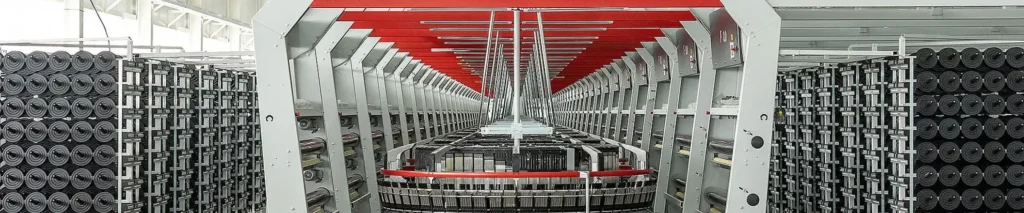
Problem‑Oriented Introduction
In fast‑moving supply chains, goods are not lost only when a pallet tips; they are also lost quietly—through humidity uptake, oxygen ingress, aroma leakage, and dust escape. PP Woven Bags with Liner confront this silent value erosion by pairing a strong woven polypropylene shell with an internal barrier film. The shell bears load, resists puncture, and stacks neatly; the liner creates a micro‑climate around the product. Why insist on PP Woven Bags with Liner rather than a conventional sack? Because products differ: fertilizers cake, sugars clump, pet food oxidizes, fine minerals dust. Each failure mode is predictable, measurable, and preventable when the package is treated as a system rather than a sleeve. This copy follows a “problem–method–result–discussion” loop to show how PP Woven Bags with Liner close the loop from risk to performance.
Method—System Thinking for PP Woven Bags with Liner
A credible specification begins by decomposing the overall question into smaller, testable sub‑questions. For PP Woven Bags with Liner, five threads interlock. First, mechanical demands of the outer fabric: tensile strength, tear resistance, seam integrity. Second, barrier demands of the inner liner: moisture, oxygen, light, and aroma management. Third, leak‑path control at seams and valves to achieve sift‑proof or water‑resistant behavior. Fourth, filling‑line compatibility so the bag behaves at speed with minimal dusting. Fifth, regulatory and brand requirements, from food‑contact to dangerous‑goods categories and graphical fidelity. The method is simple to state and rich to apply: define the threat, select the defense, validate the outcome. This is how PP Woven Bags with Liner move from a generic commodity to a tuned component in a larger operation.
Background—Material and Barrier Science in Plain Language
Polypropylene tape, drawn and woven, gives the outer body of PP Woven Bags with Liner high specific strength at low weight. Yet woven structures breathe; air permeability aids fast filling but admits humidity and lets fines walk out through stitch holes. The liner—usually polyethylene (PE), metallized PET/PE, or foil/PE—changes the physics. Water molecules diffuse slowly through thicker PE; oxygen permeation is drastically reduced by metallized films; aluminum foil blocks oxygen and light almost entirely when unpinholed. Horizontal thinking links packaging science to food science and fertilizer chemistry: the rate of moisture ingress predicts caking; oxygen exposure predicts rancidity; light exposure predicts pigment fade. Vertical thinking drills down from “protect the product” to “choose PE 50–60 μm for moisture, or MetPET/PE or foil/PE when oxygen/light are decisive.” Thus, PP Woven Bags with Liner bridge materials science and shelf‑life economics.
Production Flow—From Resin to Result
A robust outcome depends on repeatable processes. Tape extrusion controls denier and draws ratio; circular weaving locks geometry; optional extrusion coating or lamination prepares a smooth, sift‑resistant surface and a print‑ready face; conversion shapes open‑mouth or block‑bottom valve forms; liner insertion (loose, tabbed, cuffed, or sewn‑in) sets up the final closure strategy. In PP Woven Bags with Liner, upstream control prevents downstream surprises: poor denier control yields weak tapes; uneven coat‑weights create thin spots that become leak paths; sloppy valve welds erase the benefit of an otherwise perfect liner. The production narrative is not a factory tour; it is the chain of custody for quality.
Results—What Changes When You Specify PP Woven Bags with Liner
Measured where it matters, the improvements are concrete. Moisture‑sensitive goods show fewer clumps and better flow after storage in humid seasons when a PE liner thickness is scaled to climate and dwell time. Oxygen‑sensitive goods—aroma‑rich pet foods, fortified powders—retain flavor and color when metallized or foil liners are used with inner heat seals. Fine powders that used to dust during high‑speed filling now stay in the bag when a valve spout and mouth weld are integrated. Warehouses stay cleaner, filters last longer, and rework bins shrink. The gains are operational, not only theoretical; the arithmetic of waste, rework, and complaints bends in your favor with PP Woven Bags with Liner.
Discussion—Horizontal Comparisons and Vertical Trade‑offs
Horizontally, compare PP Woven Bags with Liner with other common industrial formats. Paper sacks offer good printability but poor humidity resilience; monolayer PE bags seal hermetically but stretch under sharp loads and can slip on pallets; bulk FIBCs serve a different scale. The woven‑plus‑liner architecture sits between: high mechanical strength, adjustable barrier, and strong pallet behavior. Vertically, trade‑offs appear within the architecture itself. PE liners are tough, low‑cost, and excellent against moisture, yet they pass oxygen freely; metallized films improve oxygen and light barriers with good flex durability; aluminum foil provides near‑absolute barrier but must be handled to avoid pinholes. Sustainability sits across these layers: keeping to polyolefin families (PP fabric + PE liner) eases recycling streams; barrier films and foils demand a clear rationale tied to product value and route conditions. The key is proportionality—PP Woven Bags with Liner should be no more and no less than the risk profile requires.
Sub‑Problem 1—Outer Fabric Mechanics and Seam Logic
The outer fabric in PP Woven Bags with Liner must carry the load through transportation shocks and pallet stacking. Denier selection sets tensile headroom; weave density influences puncture resistance and porosity; coatings improve fabric tightness and printing. Seam decisions—double‑fold double‑stitch for open‑mouth or welded closures for valve constructions—govern how the bag fails under stress. A system view ties these choices to the liner: a slightly down‑gauged fabric may still meet performance if the liner shares puncture stress and prevents fines from escaping even if a stitch hole opens momentarily. Over‑engineering adds cost; under‑engineering adds claims. The seam is where theory meets forklift.
Sub‑Problem 2—Inner Liner Architecture, Thickness, and Hermeticity
The inner liner is the throttle for mass transfer. In PP Woven Bags with Liner, a 40–60 μm PE film can reduce water vapor ingress sufficiently for most fertilizers and crystalline foods, assuming typical ambient conditions. Where oxygen or light drives degradation—pet food with fats, milk powders with sensitive vitamins—a metallized or foil laminate with an inner heat seal is warranted. Thickness and laminate choice are not abstract; they translate into grams of moisture per day and cubic centimeters of oxygen per square meter per day at defined temperature and humidity. Hermeticity depends on the mouth: a perfect film with a poor seal is an expensive placebo. Engineering the cuff length, tab geometry, and welding parameters completes the barrier you paid for.
Sub‑Problem 3—Leak‑Path Control: From Porosity to Sift‑Proofness
Leak paths lurk in three places: fabric porosity, seam needle holes, and the filling mouth. PP Woven Bags with Liner address all three. Coating or lamination dampens fabric air permeability; seam tapes cover stitch punctures; valve spouts welded to the liner shut down the last exit for dust. The objective is not a marketing label but a measurable outcome: lower airborne particulates at the bagger, cleaner pallets at the distributor, and less product lost as fines across the route to market.
Sub‑Problem 4—Filling‑Line Behavior and Pallet Dynamics
A package that protects the product but jams the line is not a solution. PP Woven Bags with Liner must behave under automation: liners de‑nest cleanly; bag mouths open reliably; static charge is controlled; coefficients of friction match conveyor and pallet recipes. Gusset geometry determines pallet stability; anti‑slip treatments guard against “domino” events in sharp turns. Micro‑perforation, if used to vent entrained air during fast filling, must be located to avoid splash and abrasion. Here, horizontal thinking borrows lessons from material handling and ergonomics; vertical thinking maps those lessons to bag geometry, liner surface treatments, and stretch‑wrap parameters.
Integrated Solution—Weaving the Sub‑Answers into One Specification
When the sub‑problems are solved, they must be stitched into one coherent bill of materials and a practical SOP. A typical specification for PP Woven Bags with Liner would define fabric GSM and weave density, coating or lamination type, print method and color count, liner material and thickness, cuff and tab style, inner heat‑seal protocol, seam pattern or valve weld, UV stabilization for outdoor staging, anti‑slip targets, and pallet patterns. It would also define tests—tensile, seam, drop, stack, WVTR/OTR where relevant—and a documentation set with batch COAs. That document becomes the contract between product chemistry, production reality, and logistics risk, and it keeps price discussions grounded in performance rather than wishful thinking. For additional background on architecture and options, see the anchor resource PP Woven Bags with Liner.
Practical Outcomes—From Metrics to Money
To justify the change, numbers must move. With PP Woven Bags with Liner, you should expect reduced moisture‑related rework, fewer aroma‑loss complaints, lower housekeeping labor around baggers, extended filter life in dust extraction, and more stable pallet stacks through the last mile. The finance team will notice lower credits and returns; the operations team will notice fewer stoppages to sweep product; the sales team will notice quieter inboxes from distributors. Not every product deserves a foil liner; not every lane demands a heavy PE gauge. The art is to spend where it pays, document the gain, and repeat the recipe.
References
European Commission, Regulation (EU) No 10/2011 on Plastic Materials and Articles Intended to Come into Contact with Food.
U.S. Food and Drug Administration, 21 CFR §177.1520 — Olefin Polymers for Food‑Contact Applications.
ASTM F1249 — Standard Test Method for Water Vapor Transmission Rate Through Plastic Film and Sheeting Using a Modulated Infrared Sensor.
ASTM D3985 / ASTM F1927 — Standard Test Methods for Oxygen Gas Transmission Rate Through Plastic Film and Sheeting.
UN Recommendations on the Transport of Dangerous Goods — Model Regulations (woven plastic bag categories 5H1/5H2/5H3).