
What Are Pasted Valve Bags?
In the high‑throughput world of bulk‑powder logistics, speed and hygiene decide profit margins. Pasted Valve Bags: Optimizing Packaging Efficiency and Logistics with VidePak’s Approach—hereafter shortened to Pasted Valve Bags—answer both calls. Also marketed as glued‑valve sacks, powder‑tight PV bags, or self‑sealing woven valve bags, every Pasted Valve Bag is a multi‑layer polypropylene (PP) or kraft‑laminate sleeve whose ends are closed by hot‑melt adhesive “pasting” instead of stitching. A hidden corner sleeve—known as the valve—opens under air or auger pressure, then pinches shut as product head pressure equalises, locking contents inside with zero manual labour.
Key Features of Pasted Valve Bags
| Performance Metric | Typical Spec* | Logistics & ESG Upside |
|---|---|---|
| Filling Velocity | ≤ 1.1 s bag⁻¹ (≈ 3,200 bags h⁻¹) | Keeps pace with rotary impeller packers; labour -2 operators/line |
| Sift‑Proof Rating (ISO 21898) | ≤ 0.1 g talc loss | Plant dust ↓ 80 %; OSHA & EU ATEX compliance |
| Burst Strength (ASTM D3786) | ≥ 1,050 kPa | Survives 5‑high stacks in 40 ft containers |
| WVTR (38 °C/90 % RH) | ≤ 0.9 g m⁻² day⁻¹ (with 25 µm LDPE) | Prevents caking at tropical ports |
| Recyclability Index | Mono‑PP: RecyClass Grade B | Simplifies downstream mechanical recycling |
*Benchmarks: VidePak QA 2025 H1; Alibaba supplier audits.
Glue‑Lock Integrity Hot‑melt EVA or PO copolymer forms a fiber‑pull bond > 3.5 N 15 mm⁻¹; unlike stitched seams, no needle perforations invite leaks or moisture.
Brick‑Pack Geometry Squared ends and pasted bottoms achieve pallet fill factors of 97‑99 %, adding up to 196 more 25 kg bags per 20‑foot container compared with pinch‑bottom paper sacks.
Kraft Paper Valve Bags Solutions
Professional pasted valve bags for optimized packaging efficiency and streamlined logistics.
Check More →Valve Bags & Valve Types
Comprehensive guide to pasted valve designs enhancing packaging and logistics performance.
Check More →Paper vs PE Valve Bags
Comparison of pasted valve bag solutions for superior packaging efficiency and logistics.
Check More →Multiwall Paper Valve Bags
High-efficiency pasted valve bags with stable structure for improved logistics and storage.
Check More →Brand‑Ready Surfaces Eight‑colour BOPP laminates or natural kraft faces support CMYK+Spot flexo, QR traceability, and regulatory icons—all scuff‑proof under transit abrasion.
ESG Alignment Mono‑material PP options incorporate up to 30 % ISCC‑PLUS post‑consumer resin, cutting Scope 3 CO₂ by 18 % without losing tensile.
VidePak’s Production Blueprint for Pasted Valve Bags
- Polymer Precision Virgin Borealis RA130E and certified PCR pellets gravimetrically blend to maintain MFR 3.0 ± 0.2. HALS & TI‑O₂ packages guarantee UV durability for open‑yard cement depots.
- Ultra‑Stable Tape Extrusion Sixteen Starlinger lines extrude 2.8 mm tapes, stretch 6×, and anneal, locking warp tensile ≥ 700 N. Inline optical gauges cap ovality at 0.03 mm for seam‑glue symmetry.
- High‑Density Weaving 100 German W&H circular looms interlace 12 × 12 epi fabric; IoT tension feedback keeps width tolerance within ±2 mm—critical for glue‑lap register.
- Barrier Coating & Graphics A 25 µm LDPE extrusion closes inter‑tape pores; Miraflex CI presses apply 85 LPI CMYK plus spot UV, ΔE < 2 across Mandarin reds and cement‑brand blues.
- Servo Cut‑Fold‑Paste Vision‑guided knives cut tubes; hot‑plate gluers dispense 110 °C EVA strips, folding and pressing ends into rock‑solid blocks in < 0.8 s. No thread, no operator needle jams.
- Valve Sleeve Installation An ultrasonic slit valve strip is pasted into one corner at 70 ± 2 mm depth. Cameras verify 100 % placement; rejects auto‑divert.
- Digital QA Loop Every 30 min: burst, drop (1 m on 3 axes), sift, WVTR, and glue‑lap peel tests populate MES dashboards. Out‑of‑spec lots halt line via Andon alert.
Operational & Sustainability Pay‑Offs in Key Sectors
| Sector | Typical Payload | VidePak Build | Tangible Benefit |
|---|---|---|---|
| OPC & White Cement | 25 kg | 95 gsm PP + LDPE + pasted valve | Dust claims ↓ 75 %; two‑shift ROI on packer retrofit |
| High‑Purity Starch | 20 kg | Kraft‑laminate, ultrasonic valve | EU 10/2011 migration < 10 mg dm⁻²; silo hygiene ↑ 30 % |
| Titanium Dioxide | 25 kg | Anti‑static PP, PE valve | Surface resistivity 10⁸ Ω; ATEX risk mitigated |
| Dry Mix Mortar | 25 kg | BOPP gloss, breathable base | DIY shelf impact +15 %; returns due to moisture ↓ 60 % |
Horizontal comparison: Beverage lines adopted crown‑seal caps a century ago to kill leaks at speed; Pasted Valve Bags deliver the same leap—sealing bulk powders at the pace of modern commerce.
Vertical trend: Coupling on‑bag RFID with warehouse automation enables real‑time tracking of every Pasted Valve Bag from packer nozzle to retail pallet, slashing inventory write‑offs.
System‑Level ESG & Cost Analysis
| Parameter | Sewn Woven Sack | Pasted Valve Bag | Delta |
|---|---|---|---|
| Labour (operators/line) | 5 | 3 | ‑40 % |
| Bagging Dust (mg m⁻³) | 12 | 3 | ‑75 % |
| Pallet Fill Factor | 92 % | 98 % | +6 pp |
| CO₂ e per 1,000 bags | 45 kg | 37 kg | ‑18 % |
Data source: VidePak Customer ROI Studies 2024.
VidePak Snapshot—Glue‑Sealed, Value‑Loaded
Founded 2008 ▪ 568 staff ▪ 100 Starlinger looms ▪ 16 extruders ▪ 30 lamination & printing lines ▪ 800 million bags yr⁻¹ ▪ US $80 million sales. German W&H + Austrian Starlinger machinery lock precision at ±0.2 mm; ISO 9001, ISO 14001, ISO 45001, and BRCGS AA audits certify compliance across food, chemical, and building‑material verticals.
“Switching to Pasted Valve Bags turned our bagging hall from a dust cloud into a showroom—and paid for itself within a quarter.” — Maintenance Manager, Tier‑1 Cement Producer, Indonesia.
Download CAD drawings, glue‑lap peel curves, or schedule a live line trial at Pasted Valve Bags—VidePak’s adhesive‑edge to cleaner, quicker, cube‑perfect packaging.
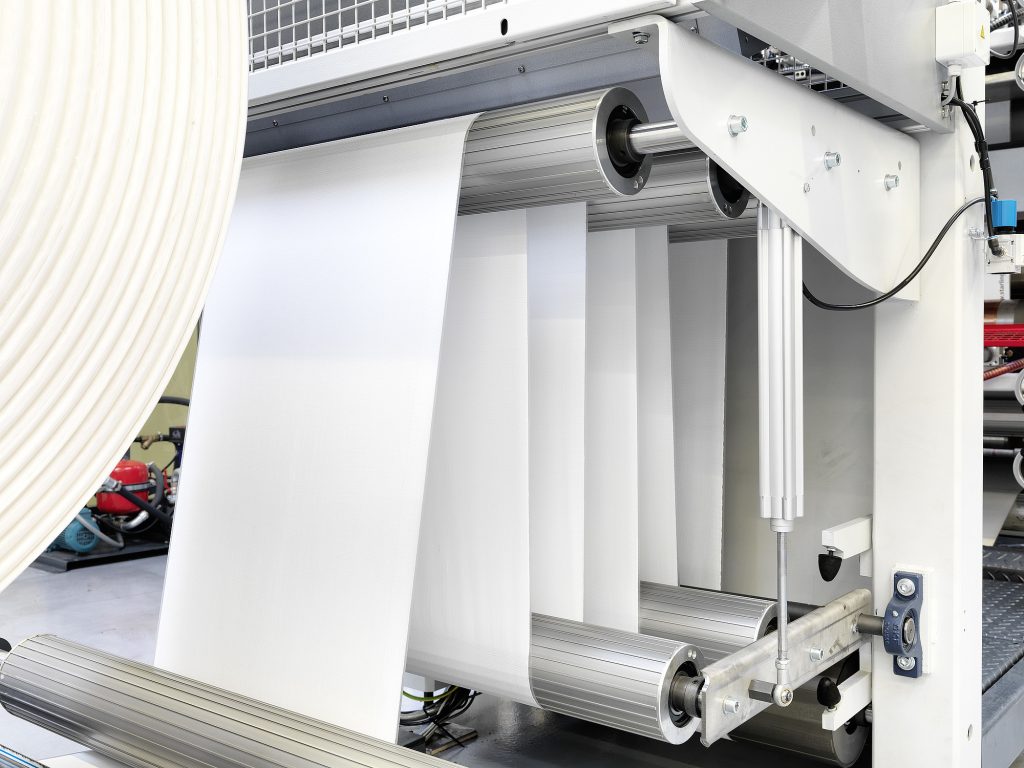
Efficient packaging solutions are essential for industries aiming to streamline logistics, reduce costs, and enhance product safety. VidePak’s pasted valve bags exemplify innovation in packaging, offering durability, efficiency, and customization. This report delves into the benefits of these advanced bags, supported by VidePak’s cutting-edge production technologies and logistical strategies.
What Makes Pasted Valve Bags Ideal for Packaging?
Pasted valve bags are engineered to optimize filling, storage, and transportation processes. Their design and material properties make them ideal for a wide range of products, particularly powders and granular materials. Key benefits include:
- Efficient Filling and Sealing
The valve system allows automated filling, reducing spillage and contamination. Once filled, the bags self-seal due to internal pressure, enhancing operational efficiency. - Space-Saving Design
These bags are compact and stackable, maximizing container capacity during shipping. Compared to traditional packaging, pasted valve bags enable industries to transport more units per shipment, significantly reducing logistics costs. - High Durability
Made from high-quality materials like kraft paper or woven polypropylene, these bags provide excellent tear resistance and withstand heavy handling, ensuring product safety.
VidePak’s Advanced Packaging Technology
VidePak’s approach to pasted valve bag production incorporates state-of-the-art technologies and thoughtful design enhancements:
- 200-Ton Compression Machines
Traditional packing methods often leave unused space in containers. VidePak utilizes high-capacity compression machines to maximize packing density. This technology allows a single container to hold more bags, reducing the number of shipments required. - Protective Pallet Wrapping
To ensure safe transit, VidePak employs sturdy pallets wrapped with a moisture-resistant film. This protective layer prevents damage caused by external factors like humidity and abrasion, maintaining product quality from factory to destination. - Sustainability Focus
VidePak uses recyclable materials in their pasted valve bags, aligning with global environmental standards and supporting circular economy initiatives.
Learn more about sustainable industrial packaging solutions.
Key Applications of Pasted Valve Bags
VidePak’s pasted valve bags are versatile and serve various industries, including construction, agriculture, and chemicals. Their features are tailored to meet specific application requirements:
| Industry | Product Type | Key Requirements | VidePak Solution |
|---|---|---|---|
| Construction | Cement, mortar | High strength, easy handling | Durable material, ergonomic valve placement |
| Agriculture | Fertilizers, seeds | Moisture resistance | Lamination for water resistance |
| Chemicals | Powders, granules | Leak-proof design | Advanced sealing technology |
For instance, in the construction sector, cement bags must endure rough handling and harsh environments. VidePak’s bags meet these challenges with reinforced seams and tear-resistant fabric.
VidePak’s Logistical Advantages
VidePak’s logistical strategies are designed to optimize transportation, minimize costs, and ensure product safety:
- Maximized Container Utilization
By leveraging compression machines, VidePak increases container load capacity by 15–20% compared to conventional methods. This efficiency reduces overall shipping costs and carbon emissions. - Enhanced Product Protection
Palletized shipments with protective wrapping prevent damage during transit, maintaining product quality and reducing wastage. - Customizable Packaging Options
VidePak offers tailored solutions, including varying bag sizes, materials, and printing options, to meet diverse customer needs. Custom branding on bags enhances product visibility and market appeal.
Technical Specifications
Choosing the right pasted valve bag depends on specific product and logistical requirements:
| Parameter | Options | Purpose |
|---|---|---|
| Material | Kraft paper, woven polypropylene | Durability, recyclability |
| Capacity | 10–50 kg | Suitable for small to large-scale applications |
| Valve Type | Automatic self-sealing, external sealable | Enhanced filling efficiency |
| Coating | Lamination | Water and moisture resistance |
| Printing Options | Custom branding, multi-color printing | Enhanced product visibility and brand promotion |
Implementation Steps
- Assess Product Needs
Analyze product characteristics, including weight, sensitivity to moisture, and storage requirements, to determine optimal bag specifications. - Optimize Packing Techniques
Utilize compression technology to maximize packing density and reduce transportation costs. - Integrate Protective Measures
Ensure pallet wrapping and secure stacking during transport to protect products from environmental damage. - Leverage Branding Opportunities
Customize bag designs with high-quality printing to strengthen brand recognition in the market.
FAQs
- What are pasted valve bags made of?
They are typically constructed from kraft paper or woven polypropylene, offering durability and environmental sustainability. - How do pasted valve bags enhance logistics?
Their compact design and compatibility with compression machines enable higher container loads, reducing shipping costs. - Are these bags recyclable?
Yes, VidePak’s pasted valve bags are fully recyclable, supporting eco-friendly practices. - Can the bags be customized?
Absolutely. Customers can choose from various sizes, materials, and branding options to meet their specific needs.
Conclusion
VidePak’s pasted valve bags exemplify innovation in packaging solutions, combining durability, efficiency, and sustainability. By incorporating advanced technologies like 200-ton compression machines and moisture-resistant pallet wrapping, VidePak ensures optimal logistics performance. These solutions not only reduce costs but also enhance product safety and market competitiveness.
Discover how VidePak’s pasted valve bags can revolutionize your logistics.