
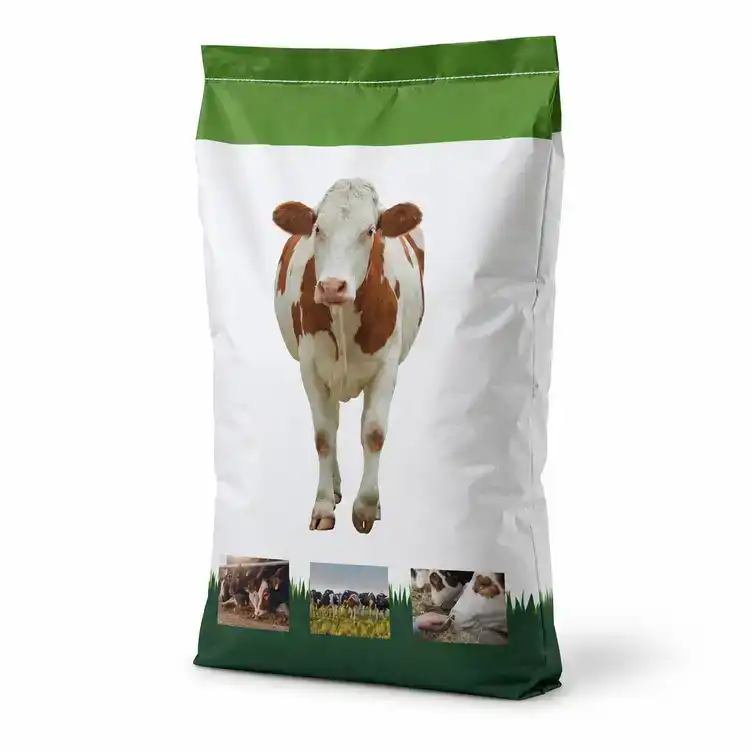
Why Compare Paper Valve Bags & PE Valve Bags
Choosing between Paper Valve Bags and PE Valve Bags is not a small packaging detail; it shapes filling efficiency, dust control, shelf life, freight damage, line uptime, and even how your product looks on a pallet. Valve sacks are widely used for cement, mortar, gypsum, chemicals, fertilizers, minerals, flour, starch, and other dry flowable goods because the valve opening lets the bag fill quickly on a spout and then close under product pressure or engineered sealing methods. In other words, the bag is not just a container. It is part of the machine, part of the process, and part of the brand.
A multiwall paper valve sack behaves differently from a coextruded polyethylene valve bag; the former gains much of its performance from paper plies, porosity, and sleeve layout, while the latter gains much of its performance from film formulation, sealing behavior, and moisture resistance. So the first question is not “Which one is better?” but rather “Which one is better for this product, on this line, in this climate, at this cost target?”
Material Difference of PE & Paper
A true comparison starts with material anatomy. Paper Valve Bags are usually multi-wall sacks made from two to four plies of kraft paper, and they can also include PE-coated paper, free-film liners, or other barrier layers when product sensitivity rises. VidePak’s kraft paper pages describe brown, white, and multiwall kraft paper sacks in valve and open mouth forms, while industry paper sack sources note that sack kraft is engineered for strength, extensibility, and porosity, especially in demanding dry bulk applications. Stora Enso describes sack kraft as a strong, cost-effective material that converts efficiently into valve sacks and pasted open mouth sacks, while Billerud’s handbook explains that high-quality papers are essential to the strength and deaeration of pasted valve sacks.
What makes paper special is not only strength; it is the balance of strength and controlled air passage. Billerud notes that pasted valve sacks depend on proper deaeration during filling, and that high-porous papers can reduce the need for perforation, improve filling behavior, reduce dusting, and limit the loss in sack strength caused by perforation. That matters for powdered products, because trapped air slows filling, swells the sack, and can create handling problems. Paper, in short, does not simply hold product. It also helps the line breathe.
By contrast, PE Valve Bags are usually single-material or mono-material style bags made from flat or tubular polyethylene film, often using multi-layer coextrusion. VidePak’s comparison article describes PE valve bags as film-based constructions rather than layered paper structures, and notes typical use of HDPE, MDPE, and LLDPE blends to balance stiffness, abrasion resistance, and sealing performance. Other PE valve bag makers similarly describe coextruded PE films as moisture-resistant and strong against puncture and tear. ScienceDirect’s materials summary also notes that LDPE film is heat sealable, chemically inert, and has low water-vapor permeability.
That difference changes almost everything downstream. A PE film wall is naturally more resistant to outside moisture than uncoated paper, and PE bag surfaces can also be embossed or treated for anti-slip behavior. VIDEPAK describes polyethylene block bottom valve bags as durable and moisture-resistant for granular and fine powder products, while Selene highlights tear resistance, puncture resistance, moisture resistance, micro perforation options, and square palletizing geometry. In practice, this means polyethylene valve bags often shine in humid climates, wet logistics chains, or rough transport routes where surface damage and water contact are frequent.
| Comparison Point | Paper Valve Bags | PE Valve Bags |
|---|---|---|
| Base structure | Multi-wall kraft paper, often 2–4 plies, sometimes with coatings or liners. | Mono- or multi-layer coextruded polyethylene film, often designed for valve filling and moisture control. |
| Key natural strength | Porosity, stiffness, and good filling deaeration for powders. | Moisture resistance, heat-sealability, tear and puncture resistance. |
| Barrier behavior | Can be upgraded with PE coatings, films, or liners, but barrier design must be balanced against deaeration. | Strong water-vapor barrier relative to uncoated paper; well suited to humidity-sensitive goods. |
| Typical feel | Rigid, familiar industrial sack profile with a natural fiber look. | Clean film finish, often smoother, sometimes embossed for grip. |
This is why buyers should resist simple slogans. Paper Valve Bags are not “old” and PE Valve Bags are not “automatically better.” One breathes better. One blocks moisture better. One leans on paper-sack engineering. One leans on film engineering. One is open to paper-stream recycling narratives. One can benefit from mono-PE recycling pathways when the local system accepts clean flexible PE. The right answer depends on what failure you fear most: trapped air, wet product, torn corners, blocked filling, dust leakage, or unstable pallets.
Top And Bottom Type Comparison
Top Types When industrial buyers compare sack styles, they often compare not only material but also the way the bag opens, fills, and closes. The three top families most often discussed are Open Mouth, Valve, and Sewn Open Mouth. PSSMA explains that open mouth sacks are supplied with an open top and a factory-made bottom, then closed after filling by sewing, gluing, stapling, tying, or tape depending on the design. Sewn Open Mouth, often shortened to SOM, is an open-top multiwall construction that is closed by sewing after filling. A valve sack, by contrast, is pasted shut at both ends during manufacture except for a corner opening or valve used for filling.
For powders on high-speed equipment, the Valve top is the most natural home for both Paper Valve Bags and PE Valve Bags. VIDEPAK describes the PVSE or pasted valve bags format as a multi-wall paper valve bag with a stepped-end design used for dry flowable goods, filled at high speed and self-sealing after discharge from the filling machine. VIDEPAK guide explains the same principle for pasted valve bags: the bag fills through a horizontal spout, then internal product pressure helps the valve seal. This is why the valve top remains the default choice for cement, dry mortar, minerals, and many chemicals where speed, clean filling, and square palletization matter more than hand filling convenience.
Open Mouth tops still have value, especially where filling is slower, more manual, or more varied. Open mouth constructions are simple, flexible, and easy to adapt to different closure methods. They suit operations that need broad filling access rather than a spout-fed valve, and they can work well for products that are not packed on dedicated valve equipment. But once fine powders, dust control, and high throughput become critical, the value of the valve top rises sharply. That is the point where many buyers move from open-top thinking to pasted valve bags or to other automated formats. Sewn Open Mouth sits in the middle: proven, familiar, cost-aware, and widely used. SOM bags are described by suppliers as one of the most economical and globally common industrial paper-bag formats. They are reliable for dry bulk products, but they do require a post-fill sewing step, and that same sewing operation can be a drawback when a buyer wants a cleaner, more sift-resistant closure without needle holes. For that reason, SOM is still important in the market, but it is not the first answer when a buyer specifically wants the fast, neat, low-dust behavior associated with paper valve bags or polyethylene valve bags.| Top Type | How It Works | Best Fit | Main Limit |
|---|---|---|---|
| Open Mouth | Bag has a full open top; closed after filling by sewing, glue, tape, or related method. | Flexible filling operations, lower automation pressure, wider product range. | Less optimized for very high-speed, low-dust spout filling. |
| Valve | Filled through a corner valve on a spout; bag self-closes or can be sealed after fill. | Fast, neat filling for powders and granules; ideal for pasted valve bags, paper valve bags, and PE valve bags. | Needs compatible valve filling equipment and tighter line tuning. |
| Sewn Open Mouth | Open top filled first, then sewn shut. | Economical and familiar for many bulk dry products. | Extra closing step; not as clean or sift-resistant as a well-designed valve or pinch system. |
Bottom Types
Bottom construction affects stability, sealing, appearance, and how the filled bag behaves on a pallet. The two bottom families most often compared in this sourcing conversation are Block Bottom and Pinch Bottom. They may look like a small design choice on paper, but they strongly influence machine compatibility and finished bag shape.
A Block Bottom bag forms a square or rectangular base that helps the filled sack stand well and stack cleanly. VidePak’s kraft paper content notes that pasted block bottoms are especially popular in SOM kraft paper bags and valve bags, and suppliers of block bottom sacks describe them as strong, stable, and well suited to pallet stacking. This geometry is one reason why many buyers associate paper valve bags with a neat “brick” shape after filling. Block bottom forms also align naturally with many polyethylene valve bags, especially PE block-bottom valve bags designed for square palletizing.
A Pinch Bottom bag, especially PBOM, is different. Instead of focusing on a valve-fed spout fill, it focuses on an open mouth that is sealed after filling with pre-applied hot-melt adhesive. Mondi describes pinch bottom bags as open-mouth bags that use pre-applied hot melt on the closure side, while Southern Packaging calls PBOM one of the best-sealing styles in the multiwall paper family and explains that heat activates the adhesive, folds the top, and pinches it closed into a fully sealed package. That makes PBOM especially attractive when a buyer wants strong sealing for sensitive food, pet food, pharmaceutical, or chemical products but still wants an open-mouth filling route.
So the comparison is clear. If your target style is a classic automatic valve sack, the Block Bottom route is usually closer to the final answer. If your target style is an open-mouth bag with premium closure integrity after filling, the Pinch Bottom route deserves close attention. These are not competing only on shape. They are competing on how, when, and where the final seal is made.
Performance And Application Fit
The most practical difference between Paper Valve Bags and PE Valve Bags appears on the line and in the warehouse. Paper Valve Bags often win the deaeration conversation. Billerud explains that high-porous paper lets air escape more quickly from filled sacks, supports faster filling, can reduce bag size, and reduces the need for perforation that can otherwise cut sack strength by at least 10–20%. Opal’s sack-paper profile says high-porosity grades are designed for faster filling without perforations. This makes paper especially attractive for cement, gypsum, flour, and similar powder products where air management is central to line efficiency.
But if the enemy is moisture, PE Valve Bags often move to the front. Polyethylene film is noted as heat sealable and low in water-vapor permeability, and specialist sources describe PE block-bottom valve bags as moisture-resistant for fine powders and granular products. VidePak’s PE-focused content also emphasizes lower water-vapor permeability relative to uncoated paper. In humid ports, rainy distribution seasons, or applications where caking is a risk, this is not a cosmetic advantage; it is a product-protection advantage. The plain truth is simple: polyethylene shields better against water vapor than uncoated paper.
Mechanical resistance gives PE another edge. Selene highlights heavy-gauge coextruded PE film for puncture and tear resistance, and other PE valve bag suppliers make the same point around film toughness, anti-slip treatment, and resistance to rough handling. That matters for sharp granules, resin pellets, aggressive conveying, and long export chains with repeated loading and unloading. Paper can of course be very strong, especially in well-designed multi-wall builds, yet the specific strength profile is different: paper’s logic is plies, energy absorption, geometry, and deaeration; PE’s logic is film toughness, seal integrity, and barrier performance.
Cleanliness and closure depend on detailed design. Paper Valve Bags, especially pasted valve bags, are valued for low-dust automated filling, and options such as poly lock, sonic seal, tuck-in, and reinforcing strips are available on paper valve formats. PE valve sacks also support clean filling and may add welded or ultrasonic valve-sealing options after filling. The VidePak article notes that one major PE advantage is the option for welded valve sealing, which can improve closure for moisture-sensitive products. So if a buyer needs both spout-fed filling and an extra post-fill seal layer, PE Valve Bags may offer a stronger pathway.
Sustainability is more nuanced than many sales sheets suggest. The paper-sack industry, represented by Eurosac, says paper sacks are renewable, recyclable, and low-carbon, while sack-kraft suppliers emphasize renewable fibre content and strong sustainability credentials. That creates a clear narrative advantage for paper valve bags, especially where end users or regulators prefer fiber-based packaging language. Yet clean mono-PE film also has a recyclability story, because PE is one of the few flexible-film materials commonly recognized as recyclable within dedicated PE or store-drop-off film streams, provided local infrastructure is available and the structure stays compatible. In short, paper often wins the “natural, renewable, fiber-based” conversation; mono-PE can still be a rational circular choice where film collection and processing are real.
Cost also needs an honest view. VIDEPAK notes that PE valve bags can be a premium product and may cost materially more than paper or woven alternatives in some applications. That does not mean PE is “too expensive”; it means PE must earn its price through lower product loss, better moisture protection, longer shelf life, fewer damaged bags, or stronger automation results. If those gains matter, PE’s higher unit cost can still make commercial sense. If they do not, a well-engineered Paper Valve Bag may remain the better balance of performance and budget. Cost, like material, must be read through the lens of total system value.
Quick Selection Guide| If Your Priority Is… | Usually Lean Toward | Why |
|---|---|---|
| Fast powder filling and air release | Paper Valve Bags | High-porous sack papers support deaeration and efficient filling. |
| Humidity, caking, and weather exposure | PE Valve Bags | Polyethylene film offers stronger moisture resistance and low water-vapor permeability. |
| Rough handling and puncture risk | PE Valve Bags | Coextruded PE film is often promoted for tear and puncture resistance. |
| Fiber-based sustainability positioning | Paper Valve Bags | Paper sacks are promoted as renewable and recyclable by paper-sack industry bodies. |
| Open mouth premium seal after fill | PBOM / Pinch Bottom | Heat-activated hot-melt closure gives a fully sealed package after filling. |
| Classic automated valve sack format | Block Bottom Valve | Square geometry supports fast filling and stable palletizing. |
The application picture becomes clearer when we bring product examples into the room. Cement, mortar, gypsum, lime, and other airy powders often favor paper valve bags because filling speed and deaeration are central. Fertilizers, engineered resins, carbon black, and other materials that face moisture or scuff risk may push buyers toward PE valve bags. Food, pet food, and pharmaceutical products often reopen the conversation around PBOM, barrier layers, easy-open features, and contamination control. One bag is not the answer for every line. A smart supplier should be able to discuss all these routes without forcing one material into every application.
Why Choose VIDEPAK
A strong packaging comparison should end not only with “what bag,” but also with “what manufacturer.” VIDEPAK positions itself as a long-established industrial bag producer across multiple product families, including valve sacks, kraft paper sacks, PE sacks, and FIBCs. On its product pages, the company highlights 17 years of production experience, while its About page states that VidePak was founded in 2008 and later expanded into valve bags, kraft paper sacks, FFS PE bags, and bulk bags. Read together, those statements support a clear market message: VIDEPAK is not a new entrant, but an experienced producer with a long operating history in industrial packaging.
Its equipment story is also a strong part of the value case. VidePak says it uses production lines from Germany’s W&H, and W&H’s own official pages show that the company supplies advanced machinery for paper sack production, including tubers, bottomers, and full sack-converting systems. That matters because bag quality is not only about raw material. It is also about converting precision, glue control, cut accuracy, tube formation, print registration, and process repeatability. In industrial bags, machine quality is not a background detail; it is one of the reasons one bag runs cleanly while another causes line stops.
Capacity strengthens the case further. VidePak’s kraft paper page states that the company utilizes W&H production lines from Germany and produces over 300 million kraft paper bags annually, while its broader product pages also highlight a 300 million-piece production scale. For buyers sourcing large-volume programs, this matters. It suggests that VIDEPAK is positioned not only for development and customization, but also for continuity, scale, and repeat supply over time. In procurement, reliable volume is quiet value: when it works, no one notices; when it fails, everyone does.
Quality assurance is the fourth pillar. On itsAbout page and product pages, VidePak says it produces to global standards including ASTM, EN, JIS, and ISO 9001-related quality systems, and notes batch testing for impact, tensile strength, UV resistance, and tolerance control. For technical buyers, this is not empty language. It signals a standards-based manufacturing culture rather than a purely price-led one. When industrial products cross borders, standards become a common language; they help engineers, buyers, and quality teams speak to each other without guesswork.
| VIDEPAK Strength | What It Means For Buyers |
|---|---|
| Long operating experience | VIDEPAK markets itself with 17 years of bag-production experience on product pages, while its About page shows a 2008 founding and long development path in industrial bags. |
| German W&H equipment | Signals strong converting capability for paper sack and related bag production, backed by an established machinery brand. |
| 300 million pcs scale | Supports continuity for large projects, repeat orders, and global supply planning. |
| ASTM, EN, JIS, ISO-driven production | Shows that quality control is structured around recognized performance and testing frameworks. |
So why choose VIDEPAK for Paper Valve Bags, PE Valve Bags, and related industrial sacks? Because the company’s profile aligns with what serious buyers usually want in one place: broad material knowledge, familiarity with valve and open mouth families, industrial-scale output, modern converting equipment, and production framed by recognized standards. In a market where some suppliers only sell a product, the stronger suppliers also understand the system around the product. That is the difference between receiving a bag and receiving a packaging solution. And when your product moves through dust, heat, pressure, ports, warehouses, and customer hands, that difference is not theoretical. It is commercial.
Multi-layer Polyethylene Valve Bags
High-performance PE valve bags with multi-layer construction for strong industrial packaging.
Check More →PP Woven Valve Bags Manufacturer
Professional manufacturer of durable PP woven valve bags for versatile packaging applications.
Check More →Paper Valve Woven Bags
Durable paper valve woven bags with reliable sealing and high load-bearing capacity.
Check More →Multiwall Paper Bags With PE Liner
3/4/5 ply multiwall paper valve bags with PE liner for enhanced moisture protection.
Check More →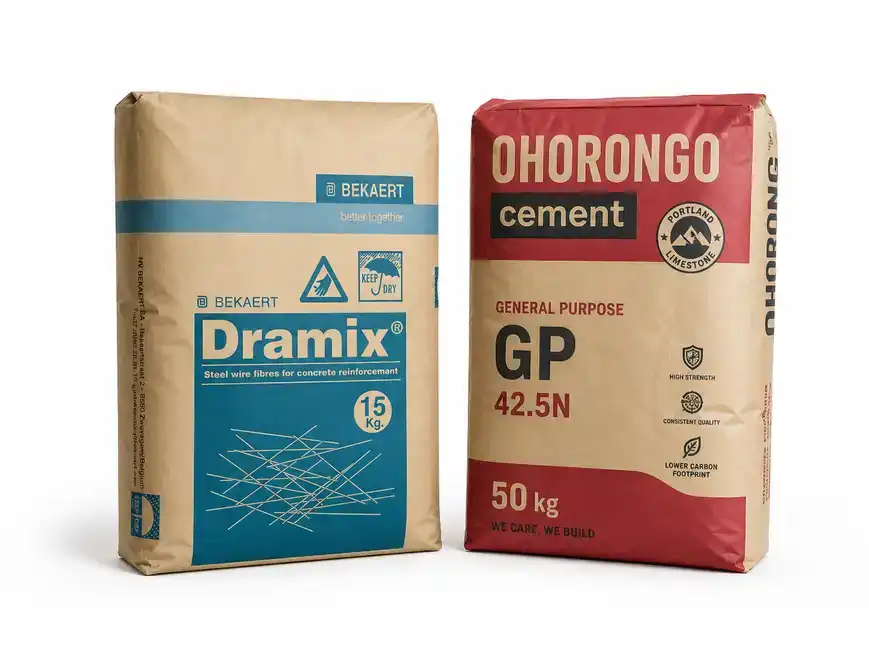
Reference:
EUROSAC & CEPI Eurokraft. Paper Sacks – Design for Recyclability Guidelines (2023).
EUROSAC. Packaging Food Hygienically and Safely in a Paper Sack (2022).