
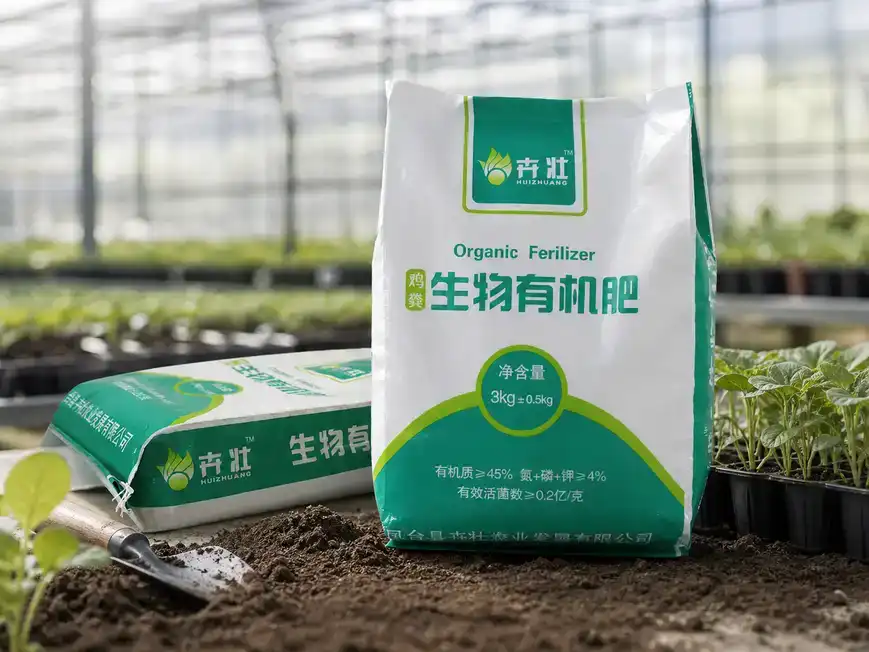
Laminated PP Woven Bags Where Structural Strength Meets Shelf-Ready Branding
Laminated PP Woven Bags are most valuable when a package must do two jobs at once and fail at neither: it must move like industrial packaging, yet sell like branded packaging; it must survive scuff, stack pressure, and humidity shifts, yet still arrive with a clean face, readable graphics, and dependable geometry. That hybrid logic is exactly why manufacturers bond a printable film, most often BOPP, onto a woven Polypropylene fabric and then convert the structure into open mouth, valve, gusseted, or block bottom sacks for 10–50 kg applications across fertilizer, feed, rice, grains, sugar, minerals, resins, seeds, and charcoal.
Key commercial takeaway: a well-specified laminated sack is not merely a container. It is a load-bearing woven structure, a protected print surface, a stacking geometry, and a logistics tool in one body. That is why Laminated PP Woven Bags continue to occupy the sweet spot between plain Polypropylene Woven bags and high-barrier paper-based alternatives.
Why lamination Matters
The commercial appeal of Laminated PP Woven Bags begins with material science rather than marketing. Polypropylene is a lightweight thermoplastic widely used where strength, chemical resistance, low moisture absorption, and processability matter, while woven PP tapes create a fabric that distributes stress instead of concentrating it at one fragile point. Add a biaxially oriented polypropylene film, and the surface gains gloss, clarity, print receptivity, controlled friction, and better resistance to rub and moisture exposure. In other words: the woven core handles the work; the film face handles the presentation.
Strength of Laminated PP Woven Bags
The woven substrate acts like a net of aligned tapes, helping arrest tears and spread load during drops, handling shocks, and pallet compression.
Surface Protection for Laminated PP Woven Bags
The laminated film shields graphics, supports reverse printing, and delivers a cleaner, more retail-ready face than bare woven fabric.
Logistics Control
Creases, gussets, and block bottom construction determine whether bags stack neatly, fill efficiently, and stay stable in transit.
Feature summary based on the original product article’s description of woven tear arrest, reverse-printed film, tunable friction, and conversion geometry, supported by Jindal’s discussion of OPP stiffness, printability, gloss, barrier, and machine performance.
That is the contradiction brands keep buying. Laminated PP Woven Bags are tough without appearing crude, glossy without becoming delicate, printable without forgetting function. Designers like the image quality; operations teams value the stable dimensions and controlled coefficient of friction; QA teams can test tear, impact, and slip in measurable ways rather than relying on guesswork. The result is not theatrical. It is practical, repeatable, and profitable in the quiet way excellent packaging usually is.
Anatomy of a Laminated PP Woven Bag
The woven Fabric
The backbone of Laminated PP Woven Bags starts with extruded PP tapes that are slit, drawn, and woven into fabric. In the original article’s market window, tape denier commonly falls around 600–1500 D, with woven structures around 8×8 to 14×14 mesh and fabric weights around 55–120 g/m². Those numbers are not decorative specifications; they define tear behavior, dimensional balance, and the bag’s ability to resist “unzipping” under impact or abrasion. For customers comparing Polypropylene Woven bags with and without lamination, this woven substrate remains the same mechanical foundation—the difference is what happens on the surface and at the geometry stage.
The film face
The laminated face is most often BOPP, though matte-coated films, pearlized films, and some PE-based options can be chosen when a softer sheen, a premium white effect, or a different tactile finish is required. The original article places many commercial film gauges in the 15–35 µm range, with 18–25 µm frequently used as the balance point between gloss and crack resistance; Jindal’s flexible packaging portfolio similarly shows a wide range of transparent, matte, coated, and barrier BOPP structures used in laminate applications, with excellent graphics reproduction, gloss, clarity, printability, and stable surface properties. Reverse printing under the film is especially important because the image sits beneath the protective skin rather than on top of an exposed textile surface.
Table note: structural ranges and component roles synthesized from the original article’s technical windows and Jindal’s OPP film portfolio pages.
Seen this way, Laminated PP Woven Bags are not simply upgraded sacks; they are layered systems. Compared with plain Polypropylene Woven bags, they offer a superior print canvas and better scuff resistance. Compared with a simple kraft paper sack, they usually provide stronger moisture tolerance and a more durable branded face in wet or abrasive routes. Each substrate has a place, but when a product must travel hard and still look sale-ready, lamination changes the game.
From Polypropylene Resin to Finished Sack
The process chain behind Laminated PP Woven Bags is deceptively simple when reduced to verbs: extrude, draw, weave, print, laminate, slit, tube, crease, cut, bottom. Yet each stage leaves a fingerprint on final performance. Polypropylene resin is first transformed into tapes and fabric; the film is then reverse printed; bonded structures are formed by extrusion coating or adhesive lamination; after that, the laminate is dimensioned and converted into the bag style the filling line requires. Precision matters because a few millimeters of dimensional drift upstream can become poor sealing, weak cubes, or unstable pallets downstream.
For bonding, the original article identifies two dominant routes: PP extrusion coating, typically around 18–30 g/m², and adhesive lamination for special combinations or finish requirements. Extrusion coating is especially relevant when buyers want a more all-PP logic, because Jindal notes that mono-PP constructions can improve mechanical recyclability pathways and help shift multicomponent laminates toward a more PP-based structure. That does not mean every market recycles every laminate today, but it does mean the material architecture can be designed more intelligently from the start.
Quality checks for laminated pp woven bags
Tear resistance is commonly tracked with ASTM D1922 and ASTM D1938.
Impact robustness can be evaluated with ASTM D1709 free-falling dart testing.
Slip behavior, crucial for conveyors and pallet stability, is addressed with ASTM D1894.
Film thickness consistency, which influences print, barrier, and mechanical results, is covered by ASTM D6988 guidance.
Testing references from ASTM standard summaries and the original article’s recommendation to turn craft into criteria.
That is why good suppliers do not speak only in adjectives. They speak in dyne levels, film gauges, nip pressure, tear data, dart impact values, and dimensional tolerances. Surface preparation around 38–42 dyn/cm, controlled web tension, clean creases, and predictable bottom construction are not factory trivia; they are the reason one bag arrives smooth and square while another curls, blisters, or sheds powder at the seam. Packaging, after all, is mercy only when made with discipline. Otherwise it becomes apology wrapped around a product.
Formats and Applications That Make Sense in the Real World
Not every dry bulk product needs the same bag personality. Some lines want an economical open mouth sack; some need a valve format for fast, controlled filling; some require a block bottom structure that stands upright and stacks neatly like a carton. The original article outlines four especially practical closures—fold-over stitching, fold-over stitching with PE tape, heat-sealed tape stitching, and block bottom —and makes the logic clear: some closures prioritize economy, some hygiene, some barrier, some cube stability and presentation. In packaging, closure choice is not a finishing touch. It is operating strategy in disguise.
Application mapping based on the original article’s listed end uses and VIDEPAK’s industrial bag application profiles for food, agriculture, chemicals, pellets, and building materials.
For premium SKUs, finish selection adds another layer of differentiation. Clear windows can show product contents; pearlized or white OPP structures create a cleaner shelf pop; matte-gloss contrast helps premium food and pet-food brands look less commodity-like without abandoning industrial durability. So the front panel becomes more than a label area. It becomes a quiet salesperson—always present, always visible, always protected beneath film.
Application insight: when the product itself is standard but the aisle is crowded, the bag must do more than carry weight. It must carry distinction. That is exactly where Laminated PP Woven Bags outperform plain woven sacks.
How Laminated PP Woven Bags Compare with Kraft Paper and Other Routes
Kraft paper remains important because paper is renewable, recyclable, reusable, and biodegradable, and industrial paper bag constructions can offer high stiffness, porosity, and good filling performance. That said, Mondi notes plainly that conventional industrial paper bags tend to be vulnerable to rain and moisture, which is why hybrid or barrier-enhanced paper constructions exist for humidity-sensitive products. In other words, paper-based packaging can be excellent, but when the route is wet, abrasive, or outdoor-heavy, it often must be reinforced with additional barrier engineering to compete.
This is where the comparison becomes useful rather than ideological. Against multiwall paper, Laminated PP Woven Bags generally win on moisture tolerance and scuff resistance; against unlaminated woven sacks, they win on print quality and surface protection; against mono-PE film FFS, they may lose on maximum automation or some cost structures, yet they often win where cube stability, rough handling, and premium graphics must coexist. The right question is never “Which format is best in theory?” It is “Which format remains best after filling, stacking, strapping, shipping, unloading, and selling?”
Comparison note drawn from the original article’s alternative-format discussion and Mondi’s industrial paper bag guidance on moisture-sensitive goods.
There is even a useful middle ground for customers evaluating plastic reduction without abandoning performance. Mondi’s PaperPlus Bag Advanced, for example, uses a 20 µm barrier film, runs on existing filling lines, and is positioned for humidity-sensitive powders with up to 60% less plastic than a 50 µm film benchmark. That does not replace the case for Laminated PP Woven Bags; rather, it sharpens it. It shows that the market is converging on one truth: barrier, durability, filling efficiency, and sustainability must now be considered together, not one by one, and never in isolation.
A Practical Specification Blueprint for Buyers
The best specification for Laminated PP Woven Bags begins not with artwork, but with payload and product density. From there, the buyer should define lay-flat width, cut length, and gusset depth; then decide whether gloss, matte, or pearlized film best suits the brand; then determine whether the route demands a standard stitched bottom, taped closure, or a more cube-stable block bottom design. After geometry comes friction—because conveyors and pallets do not want the same thing—and after friction comes validation through tear, impact, slip, and thickness checks. Good packaging specs are like good engineering drawings: concise, testable, and mercilessly clear.
Buying rule: do not overbuild blindly. A heavier fabric, a thicker film, or a more complex closure can improve one property while worsening stiffness, fold memory, fill efficiency, or cost. The smart path is to choose within realistic market windows, then tune the bag against your actual product, storage humidity, filling method, and transport route.
If the product is dry, abrasive, heavy, and brand-sensitive, Laminated PP Woven Bags remain one of the most convincing packaging answers available. They make room for bold graphics without surrendering industrial discipline; they tolerate tough supply chains without accepting a dull retail face; they bridge the distance between warehouse reality and shelf expectation. And in packaging, that bridge matters. A lot. Because the best bag does not merely arrive intact. It arrives persuasive.
- Laminated PP Woven Bags Where Structural Strength Meets Shelf-Ready Branding
- Why lamination Matters
- Anatomy of a Laminated PP Woven Bag
- From Polypropylene Resin to Finished Sack
- Formats and Applications That Make Sense in the Real World
- How Laminated PP Woven Bags Compare with Kraft Paper and Other Routes
- A Practical Specification Blueprint for Buyers
- Why Brands Keep Choosing Laminated Woven Bags(laminated woven sacks)
- From Resin to Sack: The Process for Laminated Woven Bags(laminated woven sacks)
- Tape (Flat Yarn) Extrusion — Strength by Design
- Weaving — Building the Fabric Net
- Surface Preparation — Making Bonding Predictable
- Printing the Film — Graphics That Last the Journey
- Lamination — Joining Film and Fabric
- Slitting, Tubing, and Creasing — Preparing Geometry That Stacks
- Cutting — Accuracy That Echoes Downstream
- Bottom Construction — Four Closures, Four Personalities
- Internal Link for quick reference
- References
Why Brands Keep Choosing Laminated Woven Bags(laminated woven sacks)
Look at a busy warehouse: forklifts scuff, pallets shift, cartons rub—and yet the bag still has to sell the product. Laminated Woven Bags square this circle. Fabric fibers distribute load; the film shields the ink; the whole assembly behaves predictably through drop, stack, and humidity cycles. They are tough without looking industrial, glossy without being fragile, printable without losing function. Is there a more convenient contradiction?
Print designers love the reverse‑printed skin; QA teams love the measurable tear/impact metrics; operations teams love the consistent geometry; finance loves the damage‑claim curve bending downward. Different motives, same result: Laminated Woven Bags keep the line running and the brand intact.
From Resin to Sack: The Process for Laminated Woven Bags(laminated woven sacks)
The process is a chain; pull one link and the others move. Seen step by step, the logic becomes obvious.
Tape (Flat Yarn) Extrusion — Strength by Design
The backbone of Laminated Woven Bags is the tape. Polypropylene is extruded as a thin sheet, quenched, slit, and drawn in a hot‑air oven. Draw ratio sets tenacity and elongation; tape denier and width set the mesh capability. Market‑typical ranges are 600–1500 D and ~2.5–3.0 mm tape width, tuned to a loom’s 8×8–14×14 mesh window. The aim: balanced machine‑ and cross‑direction strength so that the fabric won’t unzip under impact.
Weaving — Building the Fabric Net
Flat tapes enter circular or flat looms, forming a fabric typically 55–120 g/m² at 8×8 to 14×14 meshes. Tension control matters: too little and the web waves; too much and the laminate will curl post‑bonding. Good weaving yields a flat sheet that accepts lamination without bubbles and prints without moiré.
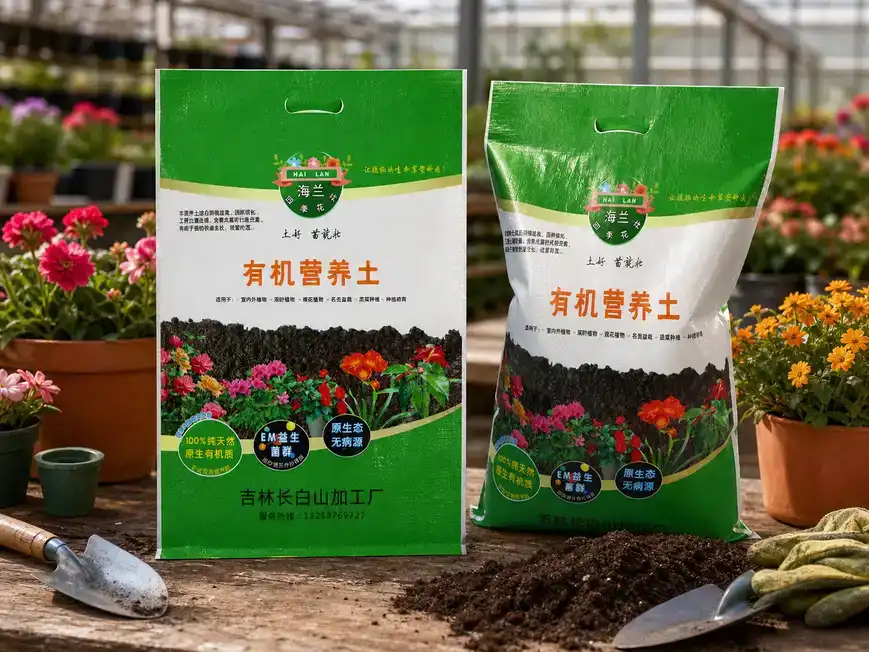
Surface Preparation — Making Bonding Predictable
Film‑to‑fabric bonding thrives on clean surfaces and adequate energy. Corona or flame treatment brings the surface to ~38–42 dyn/cm, ensuring the molten extrusion coat wets out both sides. Dust control, web cleaning, and temperature conditioning reduce the risk of “tunnels” and weak peel zones that can blossom into blisters later.
BOPP Laminated PP Woven Bags
Premium laminated PP woven bags with glossy finish and waterproof protection.
Check More →BOPP Laminated PP Woven Bags Solutions
Custom laminated packaging solutions for PP woven bags with vibrant printing.
Check More →BOPP Laminated Woven Bags With Windows
Laminated PP woven bags featuring clear window design for product visibility.
Check More →BOPP Woven Bags
High-quality BOPP laminated PP woven bags for durable industrial packaging.
Check More →Printing the Film — Graphics That Last the Journey
For most Laminated Woven Bags, film is printed in reverse (image mirrored) before bonding, so the artwork lives under the BOPP skin. Gravure cylinders or high‑definition flexo plates lay down saturated color with tight register; 6–8 colors cover the vast majority of brand books. Film gauges of 15–35 µm are common (18–25 µm hits a sweet spot between gloss and crack resistance). Matte and pearlized films serve categories that want a softer or premium sheen. Barcodes and regulatory marks are reserved for high‑contrast zones to ensure scan reliability even after long transit.
Lamination — Joining Film and Fabric
Two routes dominate:
- PP extrusion‑coating: molten polypropylene (≈ 18–30 g/m²) flows between film and fabric, fusing an all‑polyolefin structure. This path keeps Laminated Woven Bags mono‑material from a recycling perspective.
- Adhesive lamination: used when special finishes, low temperatures, or film combinations are required. Adhesives must match odour and food‑contact policies for relevant SKUs.
In both, web tension, nip pressure, and temperature profiles decide whether the bond survives flexing, creasing, and seasonal heat.
Slitting, Tubing, and Creasing — Preparing Geometry That Stacks
The laminated web is slit to width, tubed with either an overlap or back seam, and creased to pre‑form side gussets or block‑bottom panels. Typical lay‑flat widths for Laminated Woven Bags are 300–600 mm; bag lengths run 500–1100 mm, then fine‑tuned by product density and target fill height. Clean creases predict square shoulders; ragged ones predict pallet sway.
Cutting — Accuracy That Echoes Downstream
A few millimeters long or short and the downstream bottoming machine fights you. Servo‑driven draw rolls, registration cameras, and anti‑static bars keep lengths consistent and edges tidy. Dimensional control becomes inventory control: fewer mis‑fits in mixed‑SKU pallets, smoother auto‑case loading where used.
Bottom Construction — Four Closures, Four Personalities
Bottom choice shapes how Laminated Woven Bags behave on the floor and the shelf.
- Fold‑over stitching — The mouth folds, then stitches lock it down. It’s economical, easy to open, perfectly fine for low‑dust products. Needle holes are the trade‑off; some fines may escape.
- Fold‑over stitching with PE tape — The same mechanical strength, now sealed with a PE tape that blocks dust and moisture paths. A smart upgrade for coastal storage and long, humid routes.
- Heat‑sealed tape stitching — Stitch first, then apply a heat‑activated tape that bonds through the thread. You gain tamper‑evidence and a higher barrier with minimal line changes.
- Block bottom — Panels fold into a square base closed by hot air or ultrasonics; the bag stands like a carton, stacks higher, and displays better. Many valve formats live here because dust control and neat cubes go hand in hand.
Each closure has a character: visible stitches and easy opening; neat tape and hygiene; sealed seams and confidence; squared shoulders and retail poise. Choose to fit your route, your product, your brand.
Internal Link for quick reference
For geometry options, printing finishes, and lamination routes summarised in one place, see: Laminated Woven Bags.
References
ASTM D1922, D1938, D1709, D1894, D6988; ISO 4593, ISO 21898; ASTM E1164, ASTM E313; EU 10/2011 and 21 CFR 177.1520 for relevant food‑contact declarations; public supplier catalogs and B2B marketplace listings (e.g., film gauges 15–35 µm; fabric 55–120 g/m²; 8×8–14×14 mesh; lay‑flat 300–600 mm; lengths 500–1100 mm) frequently used to benchmark feasible ranges for Laminated Woven Bags.