
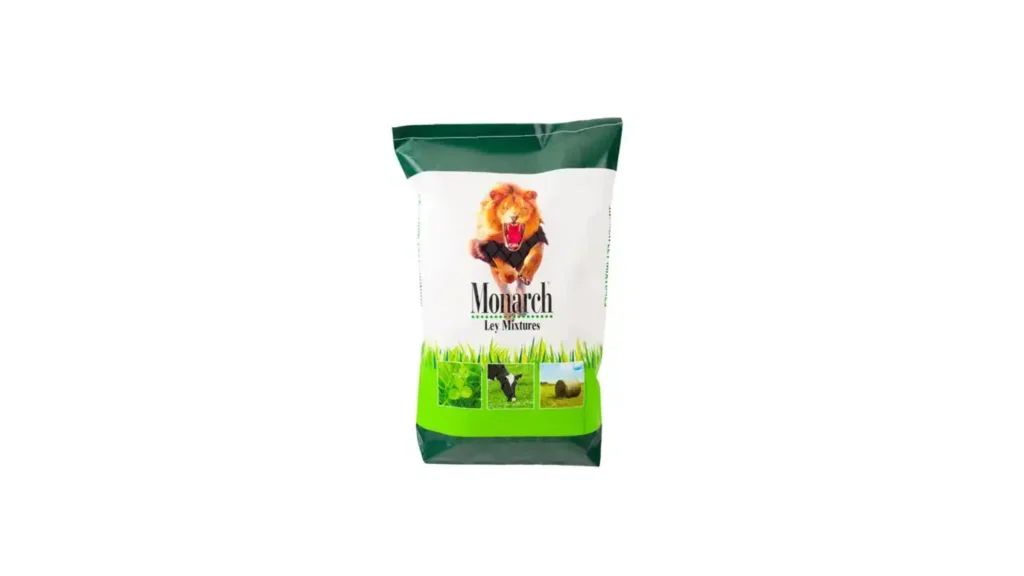
- What are Custom Printed Woven Bags? Aliases, Key Features, Manufacturing Steps, and Uses
- Why Custom Printed Woven Bags Matter: From Commodity Sack to Branded Logistics Asset
- Printing Options for Custom Printed Woven Bags: What Exists, What It Solves, and When It Wins
- Color Systems, Stripes, and Smart Labels: Turning Packaging into a Warehouse Interface
- System Thinking: Decomposing the Specification Problem and Recombining the Answer
- Data‑Driven Comparisons that Buyers Ask For
- Case Lenses: Problem → Solution → Result, with Context and Contrast
- Technical Parameters and Options (Auditable, Real‑World Ranges)
- Quality, Compliance, and What Auditors Actually Check
- An End‑to‑End Workflow that Avoids Surprises
- Frequently Asked Questions—Asked by Buyers, Answered by Engineers
- What Are Custom Printed Woven Bags? Definition, Aliases, Features, Manufacturing, and Uses
- Why Is Fast Color/Label Changeover Valuable in Plants Using Custom Printed Woven Bags?
- Can You Mix Lamination and Coated Fabric Within One Custom Printed Woven Bags Portfolio?
- What Advantages Does a Block‑Bottom Bring to Custom Printed Woven Bags?
- What Is Artwork Prepress—and Why Does It Matter for Custom Printed Woven Bags?
- What Role Does Dust and Moisture Control Play When Filling Custom Printed Woven Bags?
- Which Materials Suit Custom Printed Woven Bags Best—and Which Do Not?
- What Is the Benefit of Anti‑Slip Zones on Custom Printed Woven Bags?
- The Role of Print Precision in Shelf Impact for Custom Printed Woven Bags
- Benefits of Custom Printed Woven Bags for Spare or Replacement Packaging Programs
- Exploring Feature Customization in Custom Printed Woven Bags
- Standard Specifications for Heavy‑Duty Custom Printed Woven Bags
- Performance Enhancements: Making Custom Printed Woven Bags Work Harder
- Key Parameters and Options for Custom Printed Woven Bags
- References
What are Custom Printed Woven Bags? Aliases, Key Features, Manufacturing Steps, and Uses
Definition & scope. Custom Printed Woven Bags are load‑bearing sacks made from polypropylene (PP) tapes woven into fabric and finished with graphics that communicate brand, legal information, and handling instructions. They combine structural strength with visual storytelling. In trading documents and across regions you will also see aliases such as PP woven sacks, laminated woven bags, BOPP woven bags, multicolor woven sacks, photo‑printed woven sacks, and printed ton bags (for heavier formats). The material and intent remain the same: carry product safely, carry meaning clearly.
Core features that define the category. A typical specification for Custom Printed Woven Bags includes a woven PP body (coated or uncoated), optional lamination (BOPP or PP/PE coating), high‑resolution artwork printed either beneath the laminate (reverse printed) or on its surface (flexographic/digital), bottom closures (single/double fold or block bottom), and a top configuration (heat‑cut open mouth, hemmed, or valve). Functional add‑ons elevate the bag from “container” to “system”: anti‑slip varnish in registered zones, tear‑tape or EZ‑open stitching, document pouches, barcodes/QR/RFID, and color‑coding for warehouse recognition. When designed for food or sensitive goods, constructions use food‑contact‑compliant resins and inks.
Manufacturing—what actually happens on the line. Production follows an engineered chain: PP resin is extruded into tapes, drawn for tensile strength, and woven on circular or flat looms. Fabric may be corona‑treated and coated for sealing. Artwork is prepared for reverse rotogravure on BOPP or for surface flexographic/digital UV printing. In a laminate configuration, a printed BOPP film (typically 15–25 μm) is bonded via extrusion lamination (18–30 g/m² tie layer) to the woven substrate, encapsulating the ink. Bags are then formed: cutting to length, gusseting, block‑bottom folding, valve creation, and sewing with quality‑controlled stitches. Premium lines add metal detection, lot traceability, and clean‑packing. QA gates verify fabric GSM, tensile/tear, seam strength, rub resistance, dimensional tolerances, and barcode readability.
Where they are used—and why the choice is deliberate. Custom Printed Woven Bags appear wherever tough handling meets sharp graphics: rice & grains, flour & sugar, animal feed & pet food, fertilizers & soil amendments, seeds & agro‑chemicals, mineral powders & construction mixes, and consumer staples sold through retail or wholesale channels. The uses are not merely decorative; they are operational: branding, regulatory labeling, inventory identification, moisture protection, stack stability, and point‑of‑sale appeal. The packaging must perform on forklifts and on shelves, in the warehouse and in the aisle.
Internal reference for quick exploration. For a visual catalogue and options overview, see Custom Printed Woven Bags.
Why Custom Printed Woven Bags Matter: From Commodity Sack to Branded Logistics Asset
A plain sack carries weight; Custom Printed Woven Bags carry weight, identity, and intent. As SKU counts expand, plant footprints tighten, and retail competition sharpens, the package becomes a node in a larger system. It must be easy to spot from ten meters, hard to scuff during transport, simple to open on site, and compliant under audit. Does the package merely survive, or does it also instruct? Does it only enclose, or does it also prevent mix‑ups? These questions turn a bag into an asset.
Parallel priorities—strength, print, and process. A strong body without legible print fails marketing; a vivid print on a weak body fails logistics; a pretty, strong bag with poor process control fails compliance. Custom Printed Woven Bags solve for all three—structural reliability, graphic fidelity, and documented control—so that purchasing, operations, quality, and brand teams can agree on a single specification.
Printing Options for Custom Printed Woven Bags: What Exists, What It Solves, and When It Wins
Reverse rotogravure beneath BOPP (the flagship). Artwork is printed on the inner face of BOPP, then laminated ink‑under‑film to the woven body. Photographic imagery, gradients, metallic accents, and crisp small text all benefit. Because ink is encapsulated, rub/scratch resistance is excellent. Typical ranges: BOPP thickness 15–25 μm, up to 8–10 colors, lamination tie layer 18–30 g/m². It shines in premium pet food, rice brands, fertilizer blends demanding vibrancy, and export packs moving through harsh supply chains.
Surface flexographic on coated woven (the workhorse). Plates transfer ink to a coated PP surface or to the outside of BOPP where reverse printing is not used. Prepress costs are lower; changeovers are faster. Color depth and rub resistance trail gravure but suit informational graphics, regulatory panels, and promotional batches. Over‑varnish can bolster rub resistance.
BOPP Laminated PP Woven Bags
High-quality custom printed woven bags with premium lamination and vibrant design.
Check More →BOPP PP Woven Bags Solutions
Complete custom printing solutions for branded woven bags from professional supplier.
Check More →Localizing BOPP Woven Bags
Customized printed woven bags with localized branding and market-oriented design.
Check More →Heavy-Duty Woven Bags Guide
Durable custom printed woven bags suitable for industrial and commercial packaging.
Check More →Digital UV inkjet on BOPP (the agile option). Variable data, seasonal SKUs, market tests—digital prints excel where runs are short and speed to market matters. Proper primer and curing are essential before lamination. While per‑unit ink cost is higher, artwork agility often outweighs it in portfolios with high churn.
Screen and specialty finishes (the effect layer). Think soft‑touch matte, spot gloss, pearlized BOPP, registered anti‑slip on the back panel while preserving gloss on the brand panel, and micro‑perforation for products that must breathe. These are not decorations added at whim; they are engineering dials balancing friction, aesthetics, and machine handling.
Rhetorical checkpoint. If scuff destroys legibility, what is the value of the vibrant print? If pallets slide because every surface is glossy, what is the cost of a single toppled stack? The best printing plan respects these frictions—literally and figuratively.
Color Systems, Stripes, and Smart Labels: Turning Packaging into a Warehouse Interface
Color that commands. Blue for one formulation, red for another, green for yet another—simple bands can prevent expensive mistakes. Custom Printed Woven Bags integrate color bars (30–60 mm) on front/back and gussets; side stripes woven into the gusset fabric; bold numerals and icons legible in dim aisles. Add barcode/QR blocks and, when justified, RFID inlays hidden under the laminate; your sack becomes a scannable, human‑legible record.
Design patterns that work in practice. Document pouches welded to the laminate hold COAs or SDS documents; white “lot code” panels accept thermal transfer or offline inkjet; tear‑tapes let field crews open without knives; inspection windows let QA confirm product without cutting seals. With these features, Custom Printed Woven Bags stop being passive containers and start being cooperative equipment.
Measured payoff. Plants that added color headers and QR blocks report tangible gains: fewer mis‑picks, quicker cycle counts, faster cross‑dock sorting. A feed mill study recorded a two‑thirds reduction in selection errors after deploying standardized color bands and scannable lot codes—proof that a design detail can be a process lever.
System Thinking: Decomposing the Specification Problem and Recombining the Answer
Rather than choosing by habit, specify Custom Printed Woven Bags using a structured set of sub‑questions that reflect how the bag will actually live.
A) Product behavior & required protection. What is the particle size, bulk density, oil content, and moisture sensitivity? Fine powder or abrasive granules? Moisture‑wicking ingredients or oily feeds? The answers decide film thickness (20–25 μm BOPP for abrasion, thinner for light duty), need for inner PE liners (25–80 μm), and whether micro‑perforations are required. Horizontally, compare to silo flow and tote behavior; vertically, think of the stack: bag → pallet → stretch‑wrap → truck.
B) Graphic ambition & run strategy. Are you printing photo‑grade heroes or crisp regulatory text? Is the portfolio stable or seasonal? Reverse gravure carries the flagship SKUs; flexo covers regulatory or price‑point lines; digital fills the gaps with agility. Use a master dieline and shared color standards to keep approvals fast.
C) Friction & stack stability. Gloss is beautiful; gloss slides. Register anti‑slip varnish behind the bag—where it contacts the next layer—while leaving the front panel glossy. Specify overwrap force and pallet patterns in the spec, not as tribal knowledge.
D) Traceability & compliance. If it touches food or feed, demand polymer declarations EU 10/2011 and FDA 21 CFR 177.1520; align ink policies to EuPIA Exclusion Policy and good manufacturing practice. For the plant, anchor to ISO 9001:2015 for quality, ISO 22000:2018/FSSC 22000 or BRCGS Packaging Materials for food safety. Closure designs and materials must be locked so that every repeat truly repeats.
E) Warehouse reality & human factors. Can a new picker identify the right pallet from ten meters? Can a driver confirm lot codes without turning the bag? Design for the worst day, not the best shift.
Synthesized output. When these sub‑answers are compiled into one datasheet—materials, laminate, print method, finish, friction, labeling, testing—you get Custom Printed Woven Bags that behave predictably from proof to pallet to point of sale.
Data‑Driven Comparisons that Buyers Ask For
Laminated vs. coated woven. Laminated (BOPP under‑film print) yields higher rub resistance and moisture barrier; coated woven with surface flexo is serviceable and economical but scuffs sooner. If your brand equity lives on photography, lamination pays for itself; if text‑only commodity labeling dominates, coated woven holds the line.
Gravure vs. flexo vs. digital. Gravure = best halftones and registration at volume; flexo = fast plates and fair detail with cost control; digital = zero plates and agile artwork but higher ink cost. A blended strategy usually minimizes total cost across portfolios with both long‑tail SKUs and core runners.
Block‑bottom vs. pillow. Block‑bottom stands square on shelves and stacks tighter on pallets; pillow is simpler and costs less. If cube efficiency and shelf presentation matter, block‑bottom wins; if unit cost rules and pallet height is limited, pillow can suffice.
Anti‑slip vs. no anti‑slip. Anti‑slip in targeted zones mitigates lean and collapse while preserving gloss where the brand demands it. No anti‑slip saves pennies; a toppled pallet squanders shipments.
Case Lenses: Problem → Solution → Result, with Context and Contrast
Scenario 1 — Premium pet food in mixed logistics.
Problem. Photographic animals and gradients need to survive long hauls and still look pristine in stores; pallets once slid during summer deliveries.
Solution. Reverse‑gravure beneath 20–25 μm BOPP; soft‑touch matte on hero panel; registered anti‑slip stripes on the back panel; sealed seams; EuPIA‑compliant inks; white “lot box” for traceability.
Result. Graphics retained gloss/matte contrast after transport; pallet lean incidents fell; QA logged fewer CAPA items tied to scuff.
Scenario 2 — Fertilizer blends with many SKUs.
Problem. Dozens of NPK formulations produced label chaos and picker errors.
Solution. Gravure for top movers, digital UV for seasonal formulations; header bands—blue for urea‑heavy, green for balanced, red for potash‑rich; QR to formula sheet; A4 document pouch for test certificates; gusset stripes for side recognition.
Result. Mis‑picks dropped; agronomists verified lots faster; prepress waste reduced.
Scenario 3 — Rice mill in a dusty environment.
Problem. Dust dulled graphics; stacks slipped on smooth film.
Solution. Reverse‑gravure with matte anti‑slip zones; inner PE liner 40–60 μm; hemmed mouth for cleaner handling; micro‑perforations tuned to moisture profile.
Result. Fewer surface blemishes; improved stack friction; reduced product losses from torn sacks.
Contrast across scenarios. Three industries, three problem sets, one toolkit: print method + finish + liner + labeling. The combinations differ, the logic holds.
Technical Parameters and Options (Auditable, Real‑World Ranges)
Table 1. Construction & Performance of Custom Printed Woven Bags
| Parameter | Typical Options / Ranges |
|---|---|
| Nominal capacity | 5 / 10 / 20 / 25 / 40 / 50 kg |
| Woven PP fabric | 60–100 g/m² GSM common; 800–1400 denier tapes |
| Laminate film (BOPP) | 15–25 μm; gloss, matte, pearl variants |
| Lamination (tie layer) | 18–30 g/m² extrusion lamination |
| Gusset | 60–120 mm each side; block‑bottom available |
| Top options | Heat‑cut open mouth; hemmed; valve top |
| Bottom options | Single fold; double fold; block‑bottom stitch |
| Inner liner (optional) | 25–80 μm PE, flat or gusseted |
| Anti‑slip strategy | Registered varnish; micro‑emboss; matte stripes |
| Print colors | Up to 8–10 (gravure); 1–4 (flexo); variable (digital) |
| Barriers | EVOH co‑ex BOPP (select uses) or separate liner |
| UV stabilization | Additive to 150–300 kLy exposure |
| Safe Working Load | Matched to fill weight (typ. 5–50 kg) |
Table 2. Warehouse‑Smart Features for Custom Printed Woven Bags
| Feature | Specification | Purpose |
|---|---|---|
| Header color bands | 30–60 mm on front/back/gussets | Family grouping at distance |
| Side stripes | Woven tapes or printed bars | Side identification on racks |
| Barcode/QR panel | White box ≥ 40 × 80 mm | Clean scan area |
| Document pouch | A5/A4 welded | COA, SDS, pick ticket |
| Lot/batch panel | 50 × 100 mm, inkjet receptive | Traceability |
| RFID tag | UHF; under film or label | Gate reading |
| Tear‑open | EZ‑open stitch/tear tape | Knife‑free opening |
| Inspection window | Clear BOPP patch | Visual check |
Parameters are typical of mainstream supply on export platforms and regional manufacturer catalogues, and they are readily verified during sampling and third‑party inspection.
Quality, Compliance, and What Auditors Actually Check
Packaging plants that make Custom Printed Woven Bags are often audited against ISO 9001:2015 (quality), and food‑grade lines against ISO 22000:2018 / FSSC 22000 or BRCGS Packaging Materials. For material compliance, liners and films should maintain declarations under EU 10/2011 and FDA 21 CFR 177.1520. Printing inks should align with the EuPIA Exclusion Policy and documented GMP. Evidence matters: SGS/TÜV/Bureau Veritas reports on fabric GSM, tensile/tear, seam strength, migration (if relevant), rub resistance, ink adhesion, and UV aging are frequently requested.
Documentation discipline. Real control looks like this: an approved specification and drawing; a bill of materials with resin and ink codes; a change‑control process that prevents silent substitutions; and traceable lot numbers printed or encoded on every bag. When these basics are present, repeat orders behave like repeat orders.
An End‑to‑End Workflow that Avoids Surprises
- Define the product (density, oil/moisture sensitivity, flowability, shelf presentation).
- Choose print and laminate (gravure vs. flexo vs. digital; film thickness; finish strategy that balances gloss with anti‑slip).
- Engineer friction and stacking (registered anti‑slip placement, pallet pattern, overwrap target force).
- Design warehouse clarity (color bands/stripes, icons, QR, document pouch, lot panels, optional RFID).
- Lock hygiene and compliance (polymer declarations, ink policies, site certificates, packing hygiene).
- Validate in the real world (pre‑production proof, rub/drop tests, barcode scan tests under poor lighting, trial shipment with data loggers if needed).
- Control the repeat (BOM codes on drawings, revision control, incoming QA checks, supplier CAPA when deviations occur).
Frequently Asked Questions—Asked by Buyers, Answered by Engineers
Can Custom Printed Woven Bags be truly food‑grade? Yes. When resins are declared under EU 10/2011/FDA 21 CFR 177.1520, inks follow EuPIA guidance, and packaging occurs on audited lines with foreign‑body controls, the construction supports food contact for outer packaging applications.
Do glossy films always make pallets slippery? No—if you plan for it. Apply anti‑slip only where bag‑to‑bag contact occurs, keep the brand panel glossy, and specify overwrap parameters. You get control without dulling the shelf face.
Is digital printing durable enough? For short runs and indoor logistics, yes—when primers and curing are right and the print is laminated. For heavy abrasion, gravure remains the gold standard.
Why not skip lamination and print directly on coated fabric? You can. It saves on cylinders and film. But if photography sells your product or if bags live a rough life on conveyors and trucks, lamination pays back through fewer returns and cleaner displays.
How do color bars actually reduce errors? Humans pattern‑match faster than they read fine text. A 40‑mm blue/green/red header band is legible at 10–15 meters; combined with QR that resolves to SKU + lot, it turns a pallet into a highly visible, scannable object.
What about sustainability? Mono‑material PP builds (woven + PP‑based laminate) simplify downstream recycling relative to mixed materials. UV stabilization avoids premature failure in outdoor dwell. Less scuff, fewer damaged bags, and clearer labeling cut waste in use—not just in theory.
This rewrite treats Custom Printed Woven Bags as engineered systems: materials plus graphics, friction plus visibility, compliance plus repeatability—designed to perform from pressroom to pallet to point of sale.
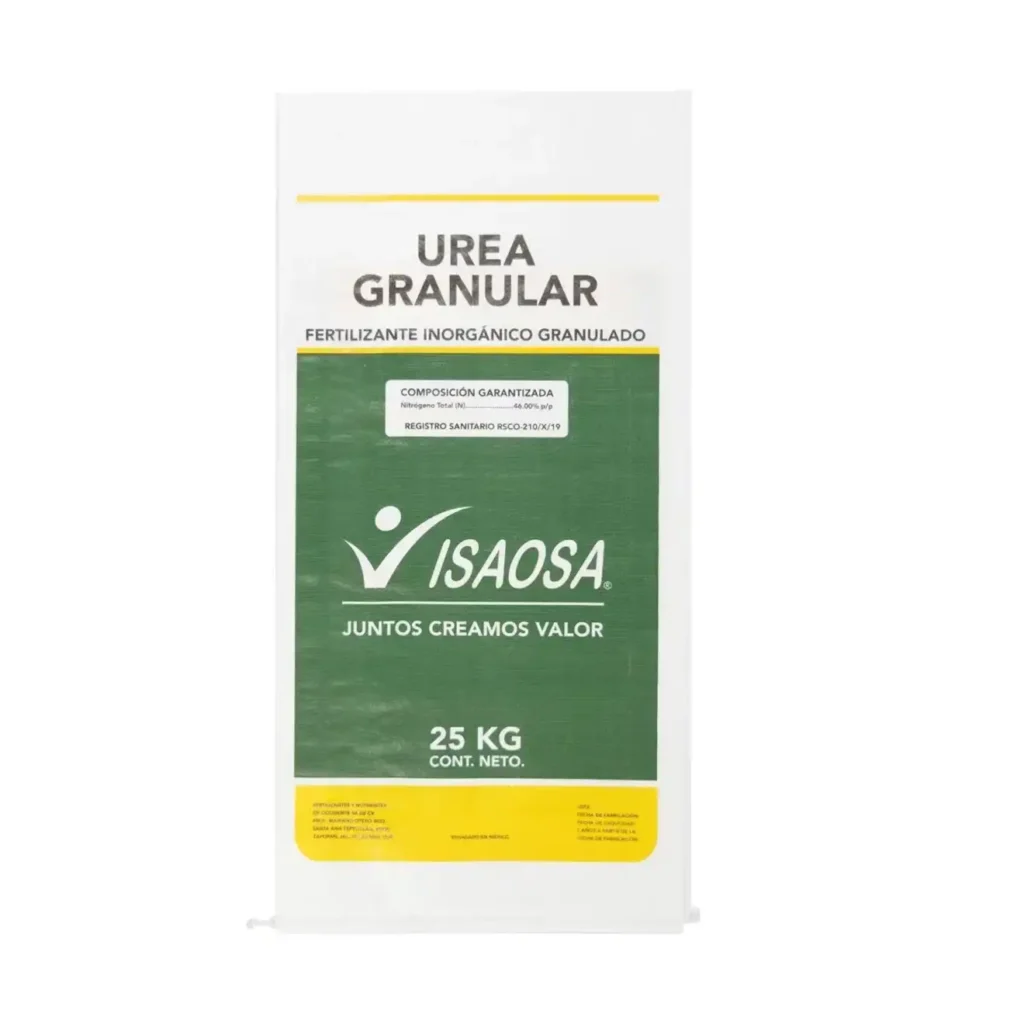
What Are Custom Printed Woven Bags? Definition, Aliases, Features, Manufacturing, and Uses
Custom Printed Woven Bags are load‑bearing sacks made from polypropylene (PP) tapes woven into fabric and finished with high‑fidelity graphics for brand, regulatory, and handling communication. In trade they are also called PP woven sacks, laminated woven bags, BOPP woven bags, multicolor woven sacks, and photo‑printed woven sacks. Core features include a woven PP body (coated or uncoated), optional BOPP lamination for photo‑grade print, configurable closures (heat‑cut or hemmed open mouth, valve), bottom formats (single/double fold, block‑bottom), anti‑slip or matte zones, and traceability surfaces for barcodes/QR/RFID. Manufacturing follows a disciplined chain: tape extrusion → drawing → weaving (circular/flat) → corona treatment → reverse rotogravure on BOPP or surface flexographic/digital print → extrusion lamination (typically 18–30 g/m² tie layer) → cutting/gusseting → forming and sewing → inline inspection (GSM, tensile/tear, seam strength, rub resistance, barcode verification). Typical uses include rice & grains, flour & sugar, animal feed & pet food, fertilizers & soil amendments, seeds & agro‑inputs, mineral powders & construction mixes, and retail staples where shelf‑quality print matters. For a quick options tour, see Custom Printed Woven Bags.
Why Is Fast Color/Label Changeover Valuable in Plants Using Custom Printed Woven Bags?
Introduction. As SKU counts grow, the limiting factor is not bag strength but identification speed. Pick errors cost more than fabric grams.
Method. Engineer Custom Printed Woven Bags with pre‑allocated white “lot boxes,” scannable QR/barcode panels, and standardized header color bands (e.g., 40 mm on face and gussets). Keep dielines identical across SKUs so only plates/graphics change; train operators to swap reels by artwork code, not by guesswork.
Results. Shorter changeovers, fewer mis‑picks, cleaner audits. Cycle counts improve because pallets become readable from 10–15 meters.
Discussion. Horizontal analogy: signage in airports—consistent placement beats louder colors. Vertical logic: design → labeling → WMS scan → pallet map; each tier supports the next, closing the loop from art to aisle.
Can You Mix Lamination and Coated Fabric Within One Custom Printed Woven Bags Portfolio?
Introduction. Not every SKU needs photo realism. Some need indestructible graphics; others need simple compliance text.
Method. Assign reverse‑gravure BOPP (15–25 μm film; up to 8–10 colors) to flagship SKUs and coated‑fabric flexo (1–4 colors) to commodity lines. Keep a shared master dieline and color standards; lock lamination tie layer (18–30 g/m²) on laminated SKUs for consistent stiffness.
Results. Total prepress cost per portfolio falls while visual quality concentrates where it sells.
Discussion. Blended technology is not indecision—it is optimization under real demand curves.
What Advantages Does a Block‑Bottom Bring to Custom Printed Woven Bags?
Introduction. Pallets travel; stacks sway. Geometry is destiny.
Method. Specify block‑bottom formation for SKUs requiring shelf presence and dense pallet patterns. Pair with registered anti‑slip varnish on the rear panel while leaving the hero face glossy.
Results. Squarer stands on shelves, tighter truckloads, fewer lean incidents.
Discussion. Compare horizontally to carton cases where square edges rule the rack; vertically, shape drives stack → stack drives freight → freight drives margin.
What Is Artwork Prepress—and Why Does It Matter for Custom Printed Woven Bags?
Introduction. Great graphics are engineered, not improvised.
Method. Treat prepress like code: color separation to press profile, trapping for woven shrink, barcodes rendered as vector, and small text positioned away from fold lines. Maintain ICC profiles per press, and version control every revision.
Results. On‑press approvals shorten; reprint drift drops; barcode failure rates decline.
Discussion. Horizontal view: the same discipline that makes a brand guide useful makes a bag legible. Vertical view: file integrity → plate/cylinder integrity → print integrity → audit integrity.
What Role Does Dust and Moisture Control Play When Filling Custom Printed Woven Bags?
Introduction. Dust erodes legibility; moisture warps stacks.
Method. For dusty lines, choose valve tops or controlled open mouths; use matte anti‑slip stripes so stretch film can grip without scuffing the brand panel. For moisture‑sensitive goods, opt for thicker BOPP (20–25 μm) or add an inner PE liner (25–80 μm); seal seams appropriately.
Results. Cleaner fills, sharper graphics after transit, and pallets that remain stable through humidity swings.
Discussion. Horizontal analogy: vapor‑barrier building wraps—thin films do heavy lifting when properly sealed.
Which Materials Suit Custom Printed Woven Bags Best—and Which Do Not?
Introduction. Not every product belongs in woven PP; the rule is fitness for use.
Method. Map contents by density, oiliness, and abrasiveness. Powdered foods and grains, pellets, fertilizers, seeds, and mineral mixes pair well. Free‑flowing, non‑abrasive materials love pillow formats; heavier, shelf‑presented SKUs benefit from block‑bottom. For high‑oil content products, validate ink/film resistance.
Results. Reduced returns from scuff or leak; better shelf‑life in retail environments.
Discussion. Horizontal check: choose packaging like you’d choose a pallet—by load and environment, not by habit.
What Is the Benefit of Anti‑Slip Zones on Custom Printed Woven Bags?
Introduction. Gloss sells, but gloss slides.
Method. Apply registered anti‑slip varnish on bag‑to‑bag contact areas and leave the hero panel glossy; define pallet patterns and stretch‑wrap force on the spec sheet.
Results. Pallet lean and collapse incidents decline; brand surfaces stay pristine.
Discussion. Friction is a design variable, not an afterthought.
The Role of Print Precision in Shelf Impact for Custom Printed Woven Bags
Introduction. Precision is legibility measured in millimeters.
Method. Use reverse‑gravure for gradients and fine text; enforce tolerances for registration and fold alignment; position key claims away from seam creep zones; calibrate line screens to film and substrate.
Results. Text remains crisp after forming; small nutrition tables pass audits; hero images hold edges after lamination.
Discussion. Consumers squint with their wallets—crisp beats fuzzy.
Benefits of Custom Printed Woven Bags for Spare or Replacement Packaging Programs
Introduction. Aftermarket packs face unpredictable handling and mixed storage.
Method. Standardize a common bag chassis (fabric GSM, gusset, top/bottom) with variable artwork fields; add document pouches and QR linking to manuals or SDS; print bold icons for quick identification.
Results. Fewer wrong‑part shipments; faster field identification; lower documentation loss.
Discussion. Consistency upstream simplifies chaos downstream.
Exploring Feature Customization in Custom Printed Woven Bags
Introduction. One size rarely fits all; controlled variation does.
Method. Offer option sets: matte vs. gloss, soft‑touch, micro‑perforation, transparent inspection windows, woven side stripes, tear‑tapes, valve tops. Bundle features by application (e.g., “dusty food”, “abrasive minerals”, “retail premium”).
Results. Shorter quoting cycles; fewer bespoke drawings; specs aligned to real use cases.
Discussion. Modularity is the shortest path from idea to pallet.
Standard Specifications for Heavy‑Duty Custom Printed Woven Bags
Introduction. Heavy fills punish weak specs.
Method. For 25–50 kg SKUs, specify 80–100 g/m² fabric, reinforced bottom folds, 20–25 μm BOPP, and anti‑slip rear stripes; validate seams and rub resistance through third‑party tests.
Results. Lower rupture rates; fewer returns; easier palletization.
Discussion. When weight rises, so should discipline.
Performance Enhancements: Making Custom Printed Woven Bags Work Harder
Introduction. Margins hide in small improvements.
Method. Introduce color headers per product family; embed QR tied to WMS; align print method with sales channel (gravure for retail, flexo for wholesale); add UV stabilization for outdoor dwell; maintain a change‑control log to keep builds consistent.
Results. Faster picking, clearer shelf navigation, fewer deviations, longer service life in harsh routes.
Discussion. Performance is a sum of frictions removed—from scan speed to scuff resistance.
Key Parameters and Options for Custom Printed Woven Bags
| Parameter | Typical Options / Ranges |
|---|---|
| Capacity | 5 / 10 / 20 / 25 / 40 / 50 kg |
| Woven fabric | 60–100 g/m² (GSM), 800–1400 denier tapes |
| Laminate film | BOPP 15–25 μm; gloss/matte/pearl |
| Lamination | Extrusion tie layer 18–30 g/m² |
| Gusset | 60–120 mm each side; block‑bottom option |
| Top | Heat‑cut open mouth; hemmed; valve top |
| Bottom | Single/double fold; block‑bottom stitch |
| Inner liner | PE 25–80 μm, flat or gusseted |
| Anti‑slip | Registered varnish; micro‑emboss; matte stripes |
| Print colors | Up to 8–10 (gravure); 1–4 (flexo); variable (digital) |
| Coding | Barcode/QR/RFID; lot box white panel |
| UV stabilization | Additive rated 150–300 kLy |
References
ISO 9001:2015; ISO 22000:2018 / FSSC 22000; BRCGS Packaging Materials (Issue 6).
EU 10/2011; FDA 21 CFR 177.1520; EuPIA Exclusion Policy and GMP for printing inks.
ISO/ASTM methods for tensile/tear, seam strength, rub resistance, ink adhesion, UV aging (as used by SGS, TÜV Rheinland, Bureau Veritas).