
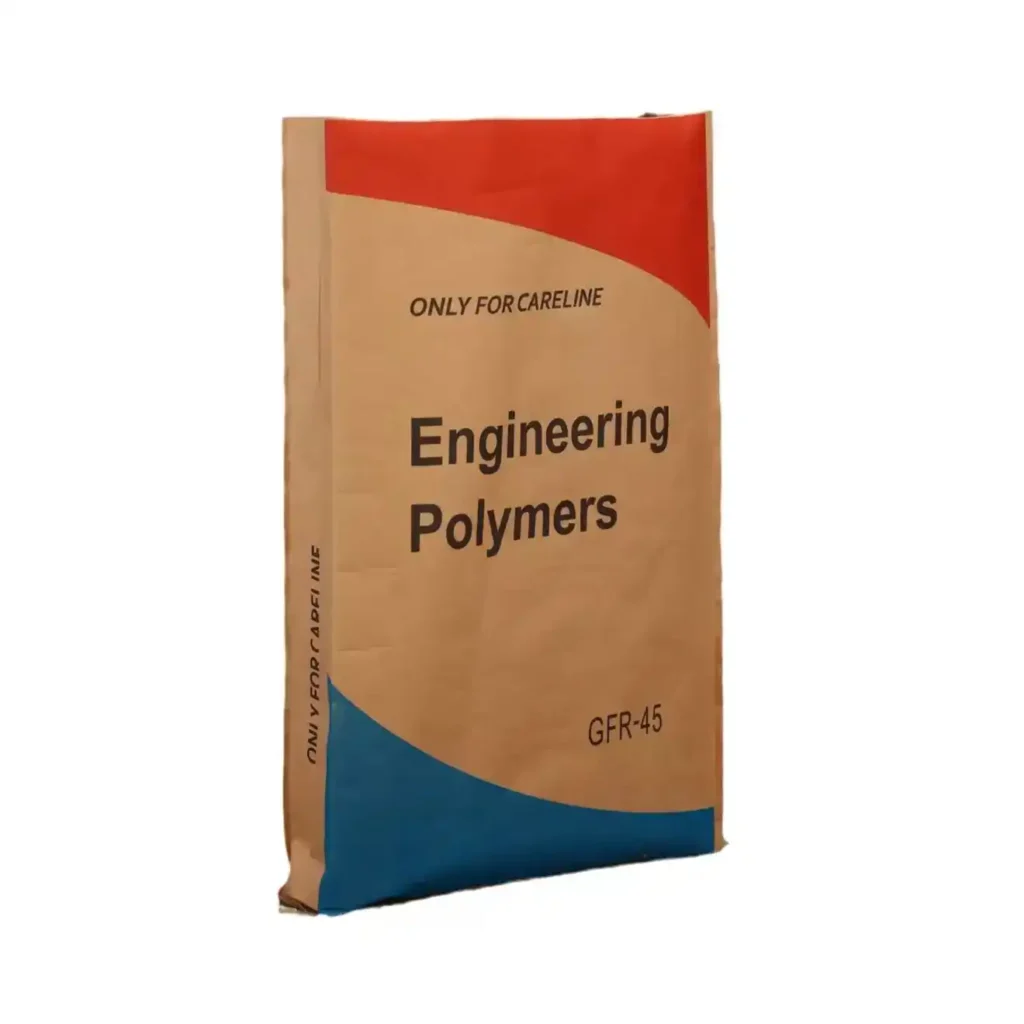
- Understanding Multiwall Kraft Paper Bags: structure, behavior, and value
- Alternate names used in procurement and specifications
- Key features that differentiate the format
- From mill roll to pallet: the production process in practice
- Where they work best: application clusters and lane risks
- Professional standards and a parametric snapshot
- Feature variations explained through cause and effect
- Visual quick cards for decision makers
- Orientation: What a systems view reveals when the lens tightens on Multiwall Kraft Paper Bags
- Paper taxonomy and the physics behind each choice in Multiwall Kraft Paper Bags
- Ply architecture: stacking properties until they sing in Multiwall Kraft Paper Bags
- Dimensions that drive machinability and pallet math in Multiwall Kraft Paper Bags
- Breathable designs: venting heat and moisture without giving away the farm
- Barrier strategies: when aromas matter, when water matters, when time matters
- Anti‑static intent: dissipating charge where dust meets spark
- Antimicrobial features: adding a hygienic margin for sensitive chains
- Quality grammar: turning Multiwall Kraft Paper Bags into numbers, then into routines
- Data‑rich cross‑comparison: breathability vs. barrier vs. ESD vs. antimicrobial
- Parameter catalog for Multiwall Kraft Paper Bags: materials, dimensions, and targets
- Method → results → discussion: composing a single, coherent specification
- Procurement and portfolio logic: MOQs, cost drivers, and SKU architecture built for scale
- Risk register from plant to pallet: identify, mitigate, institutionalize
- Implementation playbook: from RFQ to first‑article to calm operations
- Where to anchor next steps with Multiwall Kraft Paper Bags
- Why Precision Matters in Multiwall Kraft Paper Bags
- Using Specialized Converting for Best Results with Multiwall Kraft Paper Bags
- Techniques for Ply Assembly and Valve Formation in Multiwall Kraft Paper Bags
- Ensuring Quality in Custom Multiwall Kraft Paper Bags
- Understanding the Role of the Valve in Multiwall Kraft Paper Bags
- Why Certain Kraft Substrates Are Preferable in Multiwall Kraft Paper Bags
- The Role of Closure and Bottom Construction in Multiwall Kraft Paper Bags
- Importance of Ply Orientation in Multiwall Kraft Paper Bags
- Choosing the Right Multiwall Kraft Paper Bags for Product and Route
- Using Converting Services for Best Results with Custom Multiwall Kraft Paper Bags
- Effective Techniques for De‑aeration in Multiwall Kraft Paper Bags
- Ensuring Quality in Tailor‑Made Multiwall Kraft Paper Bags
- Why Bleached vs. Natural in Multiwall Kraft Paper Bags Is a Strategic Choice
- The Role of Closure Discipline in Multiwall Kraft Paper Bags
- The Importance of Ply Count and Distribution in Multiwall Kraft Paper Bags
- Selecting Multiwall Kraft Paper Bags by Lane: Ocean Freight vs. Domestic Hops
- A Parametric Snapshot to Guide Multiwall Kraft Paper Bags Sourcing
- The Link That Keeps Teams Aligned on Multiwall Kraft Paper Bags
- References (standards, methods, and guidance cited)
Understanding Multiwall Kraft Paper Bags: structure, behavior, and value
Multiwall Kraft Paper Bags combine layered paper plies, engineered porosity, and square-stack geometry to solve a stubborn problem in powder logistics: how to move granular or micronized product quickly, cleanly, and safely through climates that do not cooperate. The architecture looks simple from a distance—two to four paper layers, a block-bottom footprint, an optional valve mouth—but the mechanics are subtle. Fiber orientation sets tensile balance; ply selection tunes breathability; crease memory and bottom patches determine whether a pallet looks like a brick wall or a heap of pillows. What appears to be packaging is, in practice, a micro‑system for managing moisture drive, air entrapment, friction, and contamination.
Why does this matter to a production manager, a QA lead, a logistics planner? Because each decision carries a measurable consequence. Choose an extensible outer ply and drop survival improves without adding mass. Specify high‑porosity inner plies and fill lines breathe faster; stacks settle lower. Adjust outer‑surface friction and pallets stop skating through hard braking. The promise of Multiwall Kraft Paper Bags is not a single headline benefit; it is a chain of small, coordinated gains that compound across shifts, lanes, and seasons.
Alternate names used in procurement and specifications
- Multi‑ply kraft sacks
- Paper valve sacks (block‑bottom)
- Pasted‑valve paper bags
- Open‑mouth multiwall sacks
- Heavy‑duty paper sacks
Terminology shifts by region, but the functional architecture—layered kraft papers tuned for strength and porosity—remains consistent.
Key features that differentiate the format
Two to four plies at 70–120 g·m⁻² per ply offer tensile balance and tear control without excess mass; extensible grades lift energy absorption on drops.
High‑porosity inner plies and patterned micro‑perforations evacuate air during fill, lowering residual height and cutting dust plumes when properly placed.
Block‑bottom geometry and anti‑slip surface treatments target a 0.40–0.60 COF range, translating into calmer pallets through vibration and braking.
Dispersion‑barrier papers and localized valve patches manage moisture, grease, and aroma exchange while preserving paper‑stream recyclability.
Dissipative topcoats push surface resistivity into the 10⁶–10¹¹ Ω/sq band; antimicrobial inner coats validated by ISO 22196 add a hygienic margin.
The magic is not any single card above; it is how they interplay. Breathability without dust. Friction without drag. Barrier without landfill inevitability. That is the design game.
From mill roll to pallet: the production process in practice
Production is choreography. Paper arrives and equilibrates to plant humidity (ISO 287) so fold memory behaves. Plies are assembled with water‑based pastes chosen for bond strength and food‑adjacent compliance (21 CFR 175.105). Valve components are formed and positioned within tight tolerances to mate with packer nozzles. Graphics are printed—single‑color utility or multi‑color branding—while controlling dot gain and register. Cutting, folding, and block‑bottom pasting follow, with micro‑perfs added where venting is required. Quality checks complete the loop: tensile and tear at the ply level; filled‑bag drops (ISO 8351‑1); outer‑surface friction (ASTM D1894); compression on unit loads (ASTM D4577); air resistance by Gurley (TAPPI T 460); and, if applicable, migration checks for any polymer contact layers (EU 10/2011 overall migration ≤ 10 mg·dm⁻²).
Stabilize moisture per ISO 287 to reduce curl, mis‑register, and fold defects downstream.
Combine two to four plies (70–120 g·m⁻² each); control adhesive coat weight for seam integrity.
Match mouth geometry to the filling nozzle to minimize back‑spray and speed closure.
Manage dot gain and register; verify ink adhesion; cut stacks to tight width/length tolerances.
Form block bottoms; paste side seams; integrate micro‑perfs and anti‑slip coats where specified.
Drop, COF, compression, porosity; Declarations of Compliance for food‑adjacent or barrier builds.
Where they work best: application clusters and lane risks
Applications cluster where speed, cleanliness, and stability matter. Construction materials (cement, mortar, tile adhesive) demand breathable inner plies and tough outer faces. Industrial minerals and pigments, with fines that seek every exit, ask for tight valve pastes and anti‑sift features. Food ingredients—flour, sugar, semolina, milk and whey powders—require clean pastes and documented material mappings to 21 CFR 176.170/176.180 (papers), 175.105 (adhesives), 175.300 (coatings), alongside EU 1935/2004 and 2023/2006 GMP; any polymer contact elements trigger migration work under EU 10/2011. Animal nutrition blends value grease resistance and odor control while staying compatible with paper‑stream recovery. Across these domains, lane climate sets the dials: tropical docks versus temperate warehouses, ocean freight versus short regional hops; micro‑perf density, COF targets, and barrier choices move accordingly.
Professional standards and a parametric snapshot
For a starting point on configurations and dimensions, explore: Multiwall Kraft Paper Bags.
Feature variations explained through cause and effect
Breathable builds suit grains and hot‑fill agri lines. Why? Because residual field heat and moisture need an exit. High‑porosity middle plies lower Gurley seconds and let stacks settle; micro‑perfs placed away from scuff zones vent early without creating dust highways. Barrier‑biased builds suit aroma‑rich spices or fat‑bearing blends. Why? Because oxygen and water vapor feed oxidation and flavor loss. Dispersion barriers drop Cobb values and lower WVTR on paper; localized valve patches shut down the common ingress point. Dissipative coats belong wherever dust and ignition risk coexist; antimicrobial inner coats appear where audits scrutinize hygiene signaling. The thread running through all of this is proportionality—add only what moves a measurable outcome.
Visual quick cards for decision makers
Prioritize high‑porosity inner plies and tuned micro‑perfs; validate with settled‑height and dust‑loss data.
Target outer COF 0.45–0.55 via anti‑slip coats; reduce residual air; confirm with EUMOS‑style stability checks.
Adopt dispersion barriers and a valve patch; use ASTM E96/D3985 data to justify avoiding full liners.
Prepare Declarations of Compliance with 21 CFR/EU mappings; keep ISO 22000/FSSC 22000 certificates current.

Orientation: What a systems view reveals when the lens tightens on Multiwall Kraft Paper Bags
Every serious packaging decision is a conversation between physics and finance, logistics and law, plant reality and brand intent. When powders and granulates move from silos to pallets, from ocean decks to dusty depots, tiny risks accumulate: moisture creep, air entrapment, static discharge, aroma loss, microbial hitchhikers. Multiwall Kraft Paper Bags exist to tame those risks with layered paper architectures, tuned porosity, and purpose‑built features that behave predictably under pressure. The more rigor we bring, the quieter the supply chain becomes.
Multiwall Paper Bags Manufacturer
Professional manufacturer of premium multiwall kraft paper bags with durable construction and reliable performance.
Check More →Laminated Kraft Paper Sacks
High-strength laminated kraft paper sacks offering superior protection and industrial-grade packaging solutions.
Check More →UN-Compliant Open-Mouth Paper Bags
Safe and certified multiwall kraft paper bags meeting international standards for secure bulk packaging.
Check More →Pasted Paper Valve Bags
Efficient and durable multiwall kraft paper valve bags designed for automated filling and industrial applications.
Check More →This article follows a problem‑oriented chain—introduction → method → results → discussion—repeated at each decision point. Horizontally, it cross‑connects paper science (fiber furnish, refining, porosity), polymer and coating science (barriers, antistatic layers, antimicrobial chemistry), operations (filling tempo, de‑aeration, seal integrity), logistics (unit‑load stability, friction, vibration), and policy (food‑contact rules, ESD guidance, recyclability protocols). Vertically, it drills from fleet outcomes (complaints, returns, audit findings) to bag‑level mechanics (tensile, tear, Gurley, Cobb), then down to layer‑level properties (basis weight, caliper, adhesive coat weight) and finally to the fiber‑level choices that enable or undermine performance.
Why does this matter? Because the phrase Multiwall Kraft Paper Bags can refer to dozens of real‑world constructions, each adapted to a different mixture of climate, chemistry, and cost. The task is not to pick a bag; it is to pick a system. And systems reward clarity.
Paper taxonomy and the physics behind each choice in Multiwall Kraft Paper Bags
Design begins at the sheet. Sack‑grade kraft papers are engineered to absorb energy without splitting, to fold without cracking, to breathe when needed and to resist when demanded. Five families recur in robust specifications:
- Standard sack kraft (brown or white). Virgin long‑fiber sheets tuned for high tensile energy absorption (TEA) with balanced machine‑direction (MD) and cross‑direction (CD) strengths. Typical basis weights: 70–120 g·m⁻² per ply. In Multiwall Kraft Paper Bags, this is the workhorse—reliable, predictable, widely available.
- Extensible sack kraft (XK). Mechanical extensibility added through controlled creping or micro‑corrugation. The sheet stretches, absorbs shock, and then recovers; drops that would split a non‑extensible sheet are survived. In practice, XK enables downgauging without surrendering drop performance.
- High‑porosity sack kraft (HPSK). Gurley air resistance intentionally lowered to speed de‑aeration at fill; stacks settle flatter; pallets sway less. Cement and dry‑mix lines love HPSK because minutes matter and flat layers load safely.
- Bleached sack kraft. The optics say “clean” and print contrast excels; the mechanics can match brown grades at comparable grammage. Careful: some surface sizing can restrain breathability—good for barrier, bad for fast venting.
- Machine‑glazed (MG) sack papers. A glossy outer face that improves print sharpness and surface cleanability. Where scuff and shelf appearance matter, MG holds its own.
Test grammar frames these families: ISO 536 (grammage), ISO 534 (caliper), ISO 1924‑2 (tensile), ISO 2758 (burst), ISO 1974 (Elmendorf tear), ISO 287 (conditioning), and TAPPI T 460 (Gurley air resistance). Real engineering begins when numbers replace adjectives.
Data reinforcement. Representative ranges widely used across converters:
- Grammage per ply: 70–120 g·m⁻² (ISO 536).
- Caliper per ply: roughly 90–160 µm (ISO 534) depending on furnish and refining.
- MD tensile: ≥ 6.0 kN·m⁻¹; CD tensile: ≥ 3.0 kN·m⁻¹ for 80–100 g·m⁻² plies (ISO 1924‑2).
- Burst index: 7.0–9.5 kPa·m²·g⁻¹ (ISO 2758).
- Air resistance (Gurley): 5–30 s/100 mL for HPSK; 30–120 s/100 mL for tighter sheets (TAPPI T 460).
Comparative reasoning. Extensible vs. standard at equal grammage: drop passes at 0.8 m often improve by 10–20% due to higher TEA, enabling a gram‑for‑gram weight reduction somewhere else in the stack. HPSK vs. standard as a middle ply: residual bag height after 24 h frequently drops by 8–15% on valve‑fill lines, stabilizing pallets at the same wrap force.
Ply architecture: stacking properties until they sing in Multiwall Kraft Paper Bags
A bag is a chord, not a single note. Orientation, sequence, and interface create performance:
- Two‑ply bodies (e.g., 90 + 80 g·m⁻²). The agile baseline for many 20–25 kg powders. Outer ply selected for scuff and print; inner for breathability and controlled tear paths.
- Three‑ply bodies (e.g., 90 + 80 + 70 g·m⁻²). Redundancy for abrasive or dusty SKUs, or for plants with higher drop heights. The middle ply can be the “lung” (HPSK) that bleeds air while protecting the outer face.
- Four‑ply bodies and beyond. Heavy lanes, long voyages, or constructions that incorporate a functional barrier paper.
Vertical analysis makes trade‑offs explicit: adding plies raises caliper and panel stiffness, which helps pallet face integrity but complicates valve forming and bottom folding if not compensated. Adhesive coat weight must be uniform; starved seams become failure lines. Water‑based pastes are common and, when food adjacency matters, are mapped to 21 CFR 175.105.
Data reinforcement. Finished collapsed caliper for two to four plies in the 70–120 g·m⁻² range: 0.45–1.2 mm. Correlation watchout: drop survival tracks TEA and tear balance better than raw weight; more grams do not guarantee more grace.
Dimensions that drive machinability and pallet math in Multiwall Kraft Paper Bags
Geometry has consequences. Filling speed, pallet cube, shelf posture—all bow to width, length, bottom width, and valve placement.
- Nominal capacities: 10, 15, 20, 25, and 50 kg dominate powder logistics.
- Typical flat size for a 25 kg block‑bottom: width 420–550 mm; length 620–920 mm; bottom (gusset) 90–160 mm. Valve mouth: width 100–140 mm; length 80–120 mm.
- Tolerances: ±5 mm in width and length keeps automated packers calm; ±3 mm valve placement relative to folds prevents mis‑mates with nozzles.
Method: choose from the pallet upward. A 1,200 × 1,000 mm pallet targeting 40 sacks prefers a footprint that builds four squared layers with minimal overhang. Use EUMOS 40509 guidance to confirm unit‑load stability under acceleration and tilt.
Case vignette: Sliding from a 530 mm to a 500 mm width while growing the bottom from 110 to 140 mm flattened top surfaces and lowered per‑layer center of gravity. The result? −31% leaning‑pallet incidents at constant wrap—an elegant win bought with millimeters, not marketing.
Breathable designs: venting heat and moisture without giving away the farm
Fresh grain breathes; agricultural commodities shed field heat; hygroscopic powders react to humid docks. Venting designs let the package exhale at the right rate.
Design levers for Multiwall Kraft Paper Bags:
- HPSK inner plies lower Gurley seconds, creating a pathway for entrained air and moisture.
- Patterned micro‑perforations, placed away from high‑abrasion zones, accelerate de‑aeration while protecting seams. Tooling discipline is mandatory; hole size drift equals dust drift.
- Vent slots tucked under outer‑ply overlaps permit hidden convective channels without compromising visual cleanliness.
Data reinforcement: Grain trials using logger probes show that replacing a ~40 s/100 mL inner ply with ~10 s/100 mL reduced internal humidity peaks by 15–25% during the first 48 hours and cut mold risk in non‑climatized warehouses.
Comparative reasoning: Breathable paper bodies avoid the sauna effect sometimes observed in fully plasticized sacks during hot fills. The price is managed dust—addressed by pattern design and handling SOPs—rather than uncontrolled condensation.
Barrier strategies: when aromas matter, when water matters, when time matters
Some products cannot tolerate a free exchange with the environment: aromatic spices, protein blends, fat‑bearing mixes, odor‑sensitive chemicals. Here the question is not “barrier or nothing?” but “how much, where, and at what end‑of‑life cost?”
Paper‑centric options for Multiwall Kraft Paper Bags:
- Dispersion barrier papers add moisture and grease protection without abandoning repulpability. Measure with Cobb (TAPPI T 441) and ASTM E96 (cup) for water vapor on paper specimens.
- Localized polymer patches at the valve create a tight gate where leaks most often begin, preserving all‑paper walls elsewhere.
- Discrete liners—PE or paper/PE, even paper/PE/EVOH for oxygen sensitivity—drive WVTR and OTR toward film‑dominated floors (ASTM F1249/D3985 on film). Recyclability shifts and must be justified by shelf‑life arithmetic, not wishful thinking.
Data reinforcement: Dispersion barriers often move Cobb from ~70 to ~25 g·m⁻²/60 min and trim WVTR 30–60% relative to uncoated paper by E96. PE liners push WVTR well below 10 g·m⁻²·day⁻¹ at 38 °C/90% RH, but paper‑stream repulpability fails unless the liner is removed.
Comparative vignette: A spice blend notorious for aroma fade retained 85–90% of baseline volatiles at 8 weeks (25 °C) with dispersion barrier + valve patch, versus 60–70% in plain paper. A full liner held >95% but failed the repulpability test suite; the hybrid passed CEPI.
Anti‑static intent: dissipating charge where dust meets spark
Static accumulates; dust ignites; accidents happen in microseconds. Multiwall Kraft Paper Bags confront the risk through dissipative surfaces and good plant practice.
Levers:
- Dissipative topcoats or surface treatments bring surface resistivity into the 10⁶–10¹¹ Ω/sq band (ASTM D257, ANSI/ESD STM11.11).
- If liners are used, adopt ESD‑rated films and provide a conductive path to ground via the filling equipment.
- Operate within NFPA 77 grounding/earthing guidance and IEC 60079‑32‑1 static control practices for explosive dust atmospheres. Humidity control helps; insulation build‑ups hurt.
Targets and tests: Surface resistivity in the dissipative band; charge decay from ±5 kV to ±50 V within seconds per IEC 61340‑2‑1. These are not decoration; they are defenses.
Case vignette: A pigment packer bordering an ATEX dust zone moved from ~10¹³ to ~10⁹ Ω/sq with a dissipative topcoat and executed earthing upgrades. The plant reported zero visible sparks in the quarter and cleared a third‑party audit without findings.
Antimicrobial features: adding a hygienic margin for sensitive chains
When the line handles food or pharmaceutical ingredients, clean contact is as much about surfaces as it is about product.
Options for Multiwall Kraft Paper Bags:
- Antimicrobial inner‑ply coatings, often silver‑ion based or using other approved actives, validated by ISO 22196 (or JIS Z 2801) on coated paper substrates.
- Antimicrobial fibers or additives added during papermaking for specialty programs, with the caveat that regulatory clearance for intended food‑contact scope is non‑negotiable.
Regulatory map: Papers and coatings for food adjacency align with 21 CFR 176.170/176.180, 175.300, and 175.105 in the U.S.; in the EU, the framework is Regulation (EC) No 1935/2004 with GMP under 2023/2006, and plastics elements (if any) under EU 10/2011 with overall migration ≤ 10 mg·dm⁻². Claims rest on data—log reductions, organism panels, contact times.
Data reinforcement: Coated inner plies often deliver ≥ 2–3 log reductions against E. coli and S. aureus after 24 h at ~35 °C. This creates a cleaner surface during fill and short dwell; it is not a substitute for preservation or sanitation.
Quality grammar: turning Multiwall Kraft Paper Bags into numbers, then into routines
Specifications are only as strong as their measurement discipline:
- Tensile: ISO 1924‑2 (MD/CD) with Cpk ≥ 1.33 at targets.
- Burst: ISO 2758; correlate with drop survival.
- Tear: ISO 1974; balance openability vs. containment.
- Air resistance: TAPPI T 460; set de‑aeration goals.
- Water vapor: ASTM E96 on paper, F1249 on films if liners appear.
- Oxygen: ASTM D3985 for liner scenarios.
- Filled‑bag drop: ISO 8351‑1/‑2 at defined heights/orientations.
- Compression: ASTM D4577 for sack or unit‑load resistance.
- COF: ASTM D1894 for outer surfaces; tuned to 0.40–0.60.
- ESD: ASTM D257 / ANSI/ESD STM11.11; decay by IEC 61340‑2‑1.
- Antimicrobial: ISO 22196 on coated surfaces.
Documentation completes the circle: Declarations of Compliance citing applicable 21 CFR sections or EU equivalents; migration reports with simulants A, B, C, D2 when polymers touch product; site certifications (ISO 22000/FSSC 22000) for hygienic conversion; recyclability/repulpability results from CEPI/PTSRH/Aticelca when dispersion barriers are employed.
Data‑rich cross‑comparison: breathability vs. barrier vs. ESD vs. antimicrobial
| Functional focus | Typical material/feature choice | Primary metric shift | Secondary effects | Practical note |
|---|---|---|---|---|
| Breathability (grains/agri) | HPSK middle ply; micro‑perfs; vent slots | Gurley ↓ (e.g., 40 → 10 s/100 mL); settled height ↓ 8–15% | Slight dust risk ↑; drop unchanged | Maintain perf tooling; place away from scuff zones |
| Moisture/gas barrier | Dispersion barrier paper; valve PE patch; optional liner | Cobb ↓ (70 → 25 g·m⁻²); WVTR ↓ 30–60%; OTR → film floor (with liners) | Repulpability preserved with dispersion; liners complicate recovery | Verify via E96/D3985; test repulpability before on‑pack claims |
| Anti‑static (ESD) | Dissipative topcoat; ESD liner path to ground | Surface resistivity: ~10¹³ → 10⁶–10¹¹ Ω/sq; faster decay | Negligible effect on drop; tactile feel changes | Align with NFPA 77/IEC 60079‑32‑1; maintain RH |
| Antimicrobial | ISO 22196‑validated inner coat | ≥ 2–3 log reduction @ 24 h | Must remain food‑contact compliant; avoid odor | Hygiene complement, not a preservative system |
Parameter catalog for Multiwall Kraft Paper Bags: materials, dimensions, and targets
| Attribute | Typical range/target | Method/standard | Rationale |
|---|---|---|---|
| Ply grammage | 70–120 g·m⁻² per ply | ISO 536 | Balance survival and mass |
| Caliper per ply | 90–160 µm | ISO 534 | Influences fold memory; valve forming |
| Finished bag caliper (collapsed) | 0.45–1.2 mm (2–4 plies) | Caliper gauge | Handling robustness; stack height |
| MD/CD tensile | ≥ 6.0 / ≥ 3.0 kN·m⁻¹ (80–100 g·m⁻²) | ISO 1924‑2 | Defends against drop; clamp stress |
| Burst index | ≥ 7.0–9.5 kPa·m²·g⁻¹ | ISO 2758 | Proxy for sheet toughness |
| Air resistance (Gurley) | 5–30 s/100 mL (HPSK); 30–120 s/100 mL (standard) | TAPPI T 460 | Tune de‑aeration vs. dust |
| Cobb (60 min) | 20–30 g·m⁻² (dispersion barrier) | TAPPI T 441 | Moisture pickup control |
| WVTR (paper) | −30–60% vs. uncoated (E96 cup) | ASTM E96 | Relative moisture performance |
| OTR (film liners) | ≪ 100 cc·m⁻²·day⁻¹·atm⁻¹ | ASTM D3985 | For liner‑based designs only |
| Outer COF | 0.40–0.60 | ASTM D1894 | Pallet stability and conveyance |
| Valve width/length | 100–140 mm / 80–120 mm | Internal gauge | Nozzle match; closure timing |
| Dimensional tolerances | ±5 mm (W/L); ±3 mm valve position | Caliper/templet | Maintains packer alignment |
| Surface resistivity | 10⁶–10¹¹ Ω/sq (dissipative) | ASTM D257 / ANSI/ESD STM11.11 | Static control target |
| Antimicrobial activity | ≥ 2 log reduction @ 24 h | ISO 22196 | Hygiene support metric |
Method → results → discussion: composing a single, coherent specification
Method. Start with risk: hygroscopicity (water activity), aroma sensitivity (volatile profile), dust explosivity (Kst, Pmax), hygiene scope (food/pharma), lane climate (temperature/RH extremes), and palletization scheme. Select a ply stack—for instance, 90 + 80 + 70 g·m⁻²—with an HPSK middle ply. Add a dispersion barrier if monsoon‑season claims cluster around moisture pickup; reserve a small PE patch at the valve if aroma or grease exposure is documented at closures; specify a dissipative topcoat for ESD‑sensitive filling zones; consider an ISO 22196‑validated inner coat when hygiene optics and audit margins matter. Lock valve geometry to the nozzle; pilot micro‑perf density and placement; set outer COF at 0.45–0.55. Write the QA plan with ISO/ASTM method calls and AQLs, and prepare Declarations of Compliance (21 CFR or EU) as part of first‑article approval.
Results. Plants applying this method regularly report 8–15% faster cycle times from better de‑aeration, 25–40% reductions in leaning‑pallet incidents thanks to COF control and lower residual air, 50–70% drops in dust and minor sifting complaints when paste windows and placements are verified, and measurable moisture‑claim reductions after adopting dispersion barriers. In ESD‑classified zones, moving the surface into the dissipative band coupled with grounding audits greatly reduces nuisance discharges.
Discussion. No single feature deserves all the credit. Performance is emergent—born from tuned porosity, honest barrier math, consistent pasting, disciplined dimensions, and a warehouse that respects humidity and load pathology. Multiwall Kraft Paper Bags reward orchestration over ornament.
Procurement and portfolio logic: MOQs, cost drivers, and SKU architecture built for scale
Minimums. Multi‑color flexo with plate changes favors MOQs in the low thousands per SKU; single‑color or blank bags allow smaller runs; digital pilots can live in the hundreds with unit premiums. Changeovers in valve‑forming and block‑bottom conversion add setup costs that argue for batching. The cure for MOQ anxiety is segmentation: freeze art and structures for core, high‑velocity SKUs; run small, learning‑heavy lots for new lanes or chemistries.
Cost drivers. Fiber grade and grammage dominate material cost; dispersion barriers and anti‑slip/ESD coats add per‑square‑meter increments; liners and complex valve patches add the most and should be justified by shelf‑life math. Conversion complexity—ply count, bottom width, valve geometry—modulates speed and waste.
SKU architecture. Document a menu of options—ply families, barrier choices, ESD/antimicrobial add‑ons, COF targets, valve geometries—so sales, QA, and operations share a common grammar when configuring Multiwall Kraft Paper Bags for each product/route. Stability where volume lives; experimentation where risk lives.
Risk register from plant to pallet: identify, mitigate, institutionalize
- Seal contamination at valve flaps → Dust knives, vacuum assists, operator SOPs, routine peel checks.
- Residual air that makes stacks springy → Increase micro‑perf density; switch one inner ply to HPSK; introduce a hold time before wrapping.
- Pallet slip during transport → Apply anti‑slip coats; verify COF monthly; tune wrap recipes per EUMOS.
- Humidity pickup in rainy seasons → Add dispersion barriers; elevate pallets; rotate stock faster; avoid over‑wrapping that traps moisture.
- Static discharges near fill spouts → Dissipative coats/liners; earthing audits; maintain RH; follow NFPA 77/IEC 60079‑32‑1.
- Recyclability over‑claims → Test with CEPI/PTSRH/Aticelca; publish scope and limits; avoid blanket statements for liner builds.
Implementation playbook: from RFQ to first‑article to calm operations
- Requirements brief: product chemistry, mass/volume, lane climate, pallet stack height, hygiene scope, ESD classification, sustainability goals.
- Option matrix: paper grades, ply counts, barriers, valve geometry, micro‑perf patterns, COF targets with pros/cons.
- Pilot lots: 1–3 pallets per variant; instrument with temperature/RH loggers; record settled height at 24 h; run standard tests on receipt.
- Decision gates: freeze the variant with the best score on cycle time, stack stability, defect rate, and cost.
- Documentation: Declarations of Compliance (21 CFR/EU), QA plan, recyclability/repulpability results, ESD and antimicrobial reports if applicable.
- Rollout and review: monitor the first three months; compare complaint rates and pallet incidents to baseline; adjust when the lane mix changes.
Where to anchor next steps with Multiwall Kraft Paper Bags
When the specification moves from theory to sourcing, start from a reliable reference, expand rationally, and keep the measurement habit alive. For an accessible starting point—and a living menu of structure and option choices—see: Multiwall Kraft Paper Bags. This anchor keeps teams aligned while you tailor ply stacks, barrier choices, valve geometries, and QA methods to each SKU’s chemistry and route.
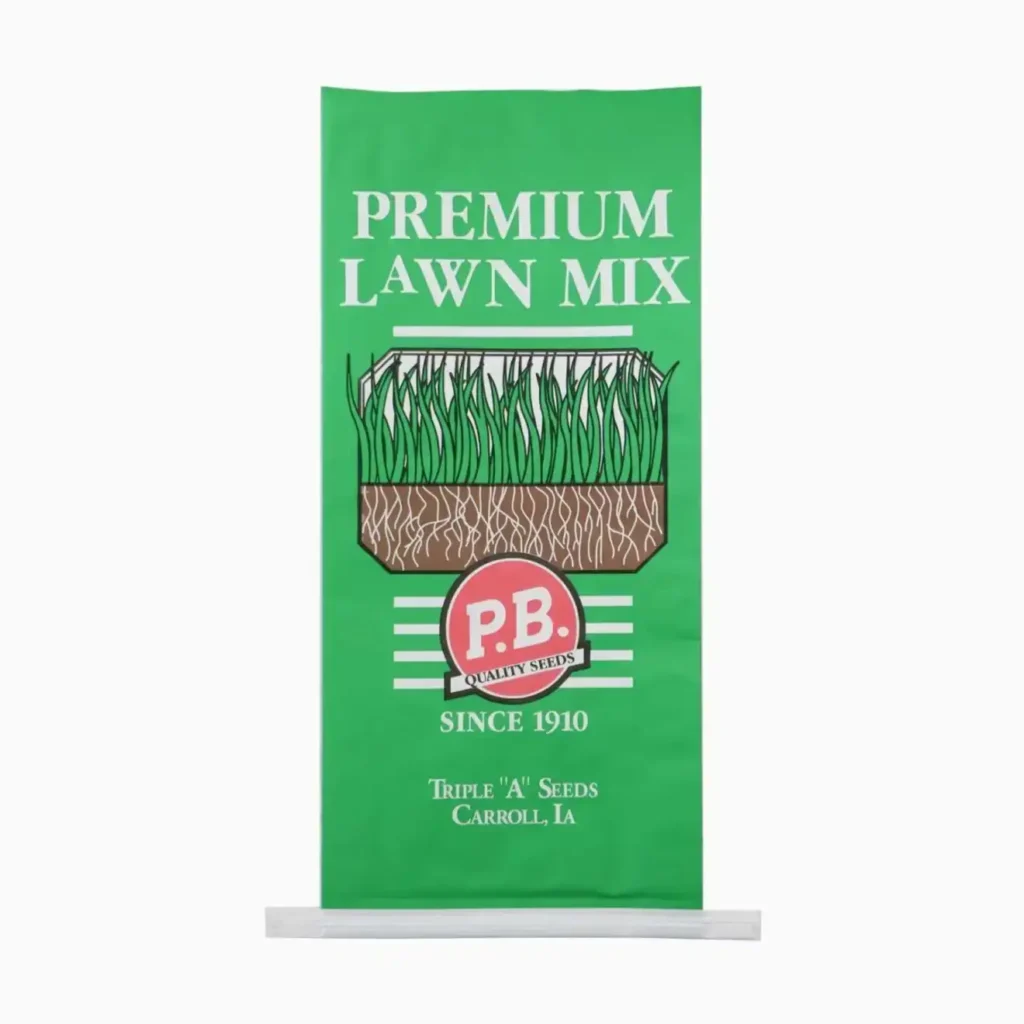
Why Precision Matters in Multiwall Kraft Paper Bags
Precision is not ornamentation; it is insurance. When powders, granulates, or hygroscopic blends move through hot docks and long voyages, tiny dimensional drifts escalate into big operational pain: mis‑mated nozzles at the filler, residual air that makes pallets springy, scuffed facings that cheapen brands. Multiwall Kraft Paper Bags translate mill‑level tolerances (basis weight, caliper, moisture) into plant‑level behavior (fill tempo, stack stability, leak resistance). The question to pose at the outset is simple: what tolerances truly move outcomes? The method is to map line constraints—nozzle size, target bags per minute, allowable dust loss—to bag geometry and ply architecture. The result is an envelope of width, length, and bottom that allows fast engagement and clean brick‑stacks. The discussion nearly always returns to the same finding: precision purchased up front is shrink you never pay later.
Using Specialized Converting for Best Results with Multiwall Kraft Paper Bags
A bag converter is not merely a vendor; it is the co‑author of the product’s supply‑chain behavior. In Multiwall Kraft Paper Bags, converting choices—ply selection, adhesive coat weight, valve forming, micro‑perforation patterns—set the dial on de‑aeration, drop survival, and scuff. The horizontal lens compares disciplines: paper science provides tensile and tear metrics; logistics defines unit‑load stability; regulatory affairs stipulates food‑contact or antistatic evidence. The vertical lens drills from fleet outcomes (complaint rates, returns) to bag mechanics (Gurley air resistance, COF, drop passes), to layer‑level details (extensible vs. standard sack kraft; bleached vs. natural; dispersion barrier vs. raw). The method that works: run pilot lots under worst‑case lanes, log settled height at 24 hours, test outer COF to 0.40–0.60, and verify drop performance (ISO 8351‑1). The result is not a generic SKU but a tuned tool.
Techniques for Ply Assembly and Valve Formation in Multiwall Kraft Paper Bags
Assembly techniques decide whether strength is additive or wasted. Two to four plies at 70–120 g·m⁻² each can be either a chorus or a quarrel depending on orientation, interface, and crease memory. In practice, high‑porosity middle plies speed de‑aeration; extensible outers add energy absorption; MG surfaces polish print. Valve formation is equally technical: mouth width must kiss the nozzle, flap stiffness must match paste rheology, and anti‑sift tapes can close the last leak path. The method is to calibrate water‑based pastes for open time and peel (mapped to 21 CFR 175.105 when food adjacency matters), control adhesive coat weight across the seam, and keep flap edges free of powder. Results appear as faster cycles and fewer dust plumes; discussion centers on how small changes—1–2 mm at the mouth, a few dynes in surface energy—move the plant.
Ensuring Quality in Custom Multiwall Kraft Paper Bags
Quality is a habit of measurement. For Multiwall Kraft Paper Bags, a credible QA grammar includes MD/CD tensile (ISO 1924‑2), burst (ISO 2758), tear (ISO 1974), air resistance (TAPPI T 460), COF (ASTM D1894), drop on filled sacks (ISO 8351‑1/‑2), and compression for unit loads (ASTM D4577 or EUMOS‑aligned tests). When barrier or food adjacency exists, add Cobb (TAPPI T 441), WVTR (ASTM E96 on paper; ASTM F1249 on films), OTR (ASTM D3985 on films), and migration under EU 10/2011 (overall ≤ 10 mg/dm²). The method is to set targets with Cpk ≥ 1.33 on key parameters and to sample by AQL that reflects risk. Results show up not as heroics but as calm: fewer leaning pallets, fewer dust claims, fewer reworks. Discussion often reveals a theme—over‑engineering yields diminishing returns; measurement does not.
Understanding the Role of the Valve in Multiwall Kraft Paper Bags
A valve reconciles opposites: it must admit fast flow and then deny any exit. In Multiwall Kraft Paper Bags, it is the throat and the gate. A well‑sized mouth reduces back‑spray; a clean flap and correct paste viscosity prevent channel leaks; localized valve patches tighten aroma and grease control without turning the entire body into multi‑material. The method is empirical: scope a mouth width (100–140 mm typical) and flap length (80–120 mm), run fills, record dust loss and closure time, and inspect for channels after 24‑hour compression. The result is an interface that disappears from operator complaints. The discussion repeats because it matters: most sifting claims begin at the valve.
Why Certain Kraft Substrates Are Preferable in Multiwall Kraft Paper Bags
Preference is not taste; it is math disguised as experience. Extensible sack kraft often outperforms standard grades at equal grammage by absorbing drop energy; high‑porosity inner plies cut residual height; bleached outers carry brand intent while requiring careful attention to breathability. The method is comparative: keep geometry and adhesive constant, change only the ply set, and measure the deltas—drop passes, Gurley seconds, COF stability after print varnish. The result is a blueprint for substitution without superstition. Discussion: downgauging works when the sheet’s TEA rises; breathability gains are most efficient in the middle ply; print‑driven coatings alter friction and must be measured, not guessed.
The Role of Closure and Bottom Construction in Multiwall Kraft Paper Bags
Closure is the last act before logistics begin. Pasted side seams and block‑bottom pastes must carry the load and keep the shape. Bottom width, crease memory, and patch accuracy determine whether layers are flat or domed. The method is to target a bottom in the 90–160 mm range for 25 kg formats, set crease lines that recover predictably, and verify bottom integrity through drop orientations other than the easy ones. The results are calmer stacks and cleaner faces. Discussion gravitates to a simple axiom: geometry is not cosmetic; it is structural.
Importance of Ply Orientation in Multiwall Kraft Paper Bags
Axes matter. MD strength governs how a bag resists clamp‑truck pressure; CD strength frames tear propagation at corners and flaps. Multiwall Kraft Paper Bags orchestrate these axes by alternating ply orientations and selecting furnish and refining that balance the two. The method is to map failure modes to axes—edge tears call for CD reinforcement, panel bulge asks for MD control—then to set orientation and sheet choice accordingly. Results appear in fewer edge frays and fewer panel bruises; discussion shows that ply orientation is the least visible and most powerful lever many teams underuse.
Choosing the Right Multiwall Kraft Paper Bags for Product and Route
Selection starts with chemistry and ends with climate. Hygroscopic products drive toward dispersion barriers; aroma‑rich blends push for valve patches and clean closures; abrasive minerals beg for tough outers and crease reinforcement. Route climate—tropical humidity vs. temperate dryness, long ocean freight vs. short regional hops—tilts these choices. The method is four‑step: define product risks (water activity, volatile profile, dust explosivity, hygiene scope); pick a ply stack (e.g., 90 + 80 + 70 g·m⁻²) with an HPSK middle; lock valve geometry to the nozzle; set COF to 0.45–0.55 with anti‑slip coats. Results routinely include 8–15% faster cycles, 25–40% fewer leaning‑pallet incidents, and reduced dust claims. Discussion: keep features proportional—barrier where math proves it, breathability where physics demands it.
Using Converting Services for Best Results with Custom Multiwall Kraft Paper Bags
External expertise compresses time. Seasoned converters bring plate management for flexo, color control for bleached outers, and maintenance discipline for micro‑perf tooling. They also carry the documentation burden: Declarations of Compliance that cite 21 CFR 176.170/176.180 (papers), 175.105 (adhesives), 175.300 (coatings), EU 1935/2004 and 2023/2006 GMP, plus migration reports for any polymer contact layers under EU 10/2011. The method is to demand numbers and proofs, not adjectives and promises. The result is a spec that survives audits. The discussion ends where it should: when documentation is clean, production tends to be clean as well.
Effective Techniques for De‑aeration in Multiwall Kraft Paper Bags
De‑aeration dictates speed. Trapped air inflates stacks, weakens stretch‑wrap, and delays warehouse turns. Multiwall Kraft Paper Bags use three levers: HPSK inner or middle plies (lower Gurley seconds), patterned micro‑perfs away from scuff zones, and valve/nozzle fits that minimize bounce. The method is to measure settled height at 24 hours and dust mass loss after a standard agitation. Results correlate tightly with cycle time; discussion reveals a principle: the quietest pallet is the fastest line, because air that lingers in the bag lingers in the schedule.
Ensuring Quality in Tailor‑Made Multiwall Kraft Paper Bags
Customization invites drift; QA pulls it back. For tailor‑made builds, lock a test cadence: tensile/tear each lot; COF each shift; drop samples from every SKU at realistic fill masses; compression tests on unit loads at new pallet recipes; ESD checks for dissipative coats (ASTM D257 or ANSI/ESD STM11.11); antimicrobial activity checks for coated inners (ISO 22196). The method is to publish the plan so plant, procurement, and brand all see the same scoreboard. Results: fewer surprises. Discussion: QA is most effective when it is boring—and visible.
Why Bleached vs. Natural in Multiwall Kraft Paper Bags Is a Strategic Choice
Color is not only a branding decision; it is a materials decision. Bleached outer plies deliver high contrast for multi‑color art and a hygiene signal in food lanes, but they may arrive with sizing or coatings that change breathability and COF. Natural browns hide scuff and often run more forgivingly. The method is to test what the eye cannot see: Gurley seconds before and after varnish, COF before and after print, and drop passes at equal grammage. Results inform whether to add anti‑slip or to shift ply placement. Discussion gravitates to trade‑offs rather than preferences, which is exactly where it belongs.
The Role of Closure Discipline in Multiwall Kraft Paper Bags
Closure discipline is operational dignity. Leaky valves and starved seams turn forklifts into dust generators and pallets into liabilities. In Multiwall Kraft Paper Bags, closure discipline means cleaned flaps, validated paste windows, and compression checks after cure. The method sets peel thresholds (e.g., ≥ 3.0 N/15 mm for pasted valves), monitors temperature/humidity in the pasting area, and trains operators to reject contaminated flaps. Results show up as lower housekeeping costs and happier auditors. Discussion: nothing is cheaper than doing it right the first time.
The Importance of Ply Count and Distribution in Multiwall Kraft Paper Bags
How many plies are enough? The wrong answer is “more.” The right answer is “enough, placed wisely.” Two‑ply stacks cover moderate handling at 20–25 kg; three plies add redundancy against abrasion and height drops; four plies enter heavy‑lane territory or enable a functional barrier paper. The method is to target finished collapsed caliper (0.45–1.2 mm) that marries fold memory with brick‑stack posture, and to use TEA and tear balance as the compass rather than gravitating to raw grammage. Results: material efficiency without performance anxiety. Discussion: grams are blunt; architecture is sharp.
Selecting Multiwall Kraft Paper Bags by Lane: Ocean Freight vs. Domestic Hops
Routes are climates in disguise. Ocean freight exposes stacks to high humidity and salt‑laden air; domestic hops hammer them with frequent accelerations and short dwell. For ocean lanes, consider dispersion barriers and slightly higher COF to keep stacks calm on wet docks; for domestic hops, prioritize de‑aeration and abrasion‑resistant outers. The method is to segment SKUs by lane and to lock variant specs rather than a single “average” bag. Results include fewer all‑lane compromises and clearer inventory logic. Discussion: geography is an input, not an afterthought.
A Parametric Snapshot to Guide Multiwall Kraft Paper Bags Sourcing
A shared grammar accelerates RFQs. Typical guardrails: ply grammage 70–120 g·m⁻²; MD/CD tensile ≥ 6.0/≥ 3.0 kN·m⁻¹ (80–100 g·m⁻² plies); burst index ≥ 7.0–9.5 kPa·m²·g⁻¹; inner/middle Gurley 5–30 s/100 mL for breathable builds; outer COF 0.40–0.60; valve mouth 100–140 mm wide by 80–120 mm long; tolerances ±5 mm (W/L) and ±3 mm (valve placement). For hygiene or barrier variants: Cobb 20–30 g·m⁻² (60 min) on dispersion‑barrier papers; migration per EU 10/2011 overall ≤ 10 mg/dm² when any polymer touches product; ISO 22196 log‑reduction ≥ 2.0 for antimicrobial inner coats. The method is to put these numbers in the RFQ; the result is apples‑to‑apples bids; the discussion becomes price‑and‑service, not deciphering.
The Link That Keeps Teams Aligned on Multiwall Kraft Paper Bags
Specifications live better when everyone can find the baseline. For fast internal alignment and option browsing, use this anchor: Multiwall Kraft Paper Bags. It orients new colleagues, standardizes vocabulary, and reduces back‑and‑forth when you iterate plies, barriers, or valve geometries.
References (standards, methods, and guidance cited)
- ISO 536 — Paper and board — Determination of grammage.
- ISO 534 — Paper and board — Determination of thickness, density, and specific volume.
- ISO 1924‑2 — Paper and board — Determination of tensile properties.
- ISO 2758 — Paper — Determination of bursting strength.
- ISO 1974 — Paper — Determination of tearing resistance (Elmendorf method).
- ISO 8351‑1/‑2 — Packaging — Sacks — Drop test methods.
- ISO 287 — Paper and board — Determination of moisture content of a lot.
- TAPPI T 460 — Air resistance of paper (Gurley method).
- TAPPI T 441 — Water absorptiveness of sized paper and board (Cobb method).
- ASTM D1894 — Static and kinetic coefficients of friction of surfaces.
- ASTM D4577 — Compression resistance of a container under constant load; EUMOS 40509 for unit‑load stability.
- ASTM E96 — Water vapor transmission of materials (cup method); ASTM F1249 — WVTR of flexible films; ASTM D3985 — OTR of films.
- ISO 22196 — Measurement of antibacterial activity on plastics and other non‑porous surfaces.
- 21 CFR 176.170/176.180 — Paper and paperboard in contact with aqueous and fatty foods; 21 CFR 175.105 — Adhesives; 21 CFR 175.300 — Resinous and polymeric coatings.
- Regulation (EC) No 1935/2004 — Materials and articles intended to come into contact with food; Regulation (EC) No 2023/2006 — Good Manufacturing Practice; Commission Regulation (EU) No 10/2011 — Plastic materials intended to contact food.