- What Are PP Woven Bags in a Modern Industrial Context?
- How Are PP Woven Bags Referred To in Different Markets?
- What Are the Core Features and Benefits of PP Woven Bags?
- What Does the Production Process of PP Woven Bags Look Like?
- What Are the Main Applications and Specification Ranges of PP Woven Bags?
- 1. Why the Design of PP Woven Bags Cannot Be Left to Intuition
- 2. Material Foundations of PP Woven Bags: Polypropylene Tapes, Weaves, and Coatings
- 3. Structural Architectures of PP Woven Bags: Flat, Gusseted, Block Bottom, and Valve Variants
- 4. Dimensional Logic in PP Woven Bags: Width, Length, Gusset Depth, and Volume
- 5. Thickness, GSM, and Fabric Density: The Structural Backbone of PP Woven Bags
- 6. Load Capacity, Denier, and Safety Philosophy in PP Woven Bags
- 7. Surface Treatment, Lamination, and Printing: Where PP Woven Bags Meet the Market
- 8. Liners, Barriers, and Functional Add-ons Inside PP Woven Bags
- 9. Specification Patterns for PP Woven Bags on Global B2B Platforms
- 10. Controlling Quality in PP Woven Bags: From Lab Tests to On-Line Monitoring
- 11. PP Woven Bags with PE Liners: Retail, Hygiene, and Brand Experience
- 12. Heavy-Duty PP Woven Bags and the Future of Industrial Packaging
- 13. Applications of PP Woven Bags Across Industries
- 14. Summary Table of Key Specifications for PP Woven Bags
- 15. From Isolated Components to Integrated PP Woven Bags Solutions
What Are PP Woven Bags in a Modern Industrial Context?
When people think about PP woven bags, they often imagine a simple plastic sack stacked on a pallet or piled in a warehouse corner. Yet the reality is more demanding and more interesting. A modern PP woven bag is expected to carry heavy loads without tearing, resist moisture without trapping too much air, survive long logistics routes without collapsing, and still deliver a clean, branded appearance in front of customers. It is a structural component, a logistics tool, and a communication surface all at once.
From a material perspective, PP woven bags are built around polypropylene tapes that are stretched and woven into a sturdy fabric. This fabric is light in weight but surprisingly strong, especially when compared with traditional paper sacks or plain film bags at similar grammage. The tapes, arranged in warp and weft, create a reinforcing grid that distributes stress along both directions. As a result, a seemingly thin bag can hold 10 kg, 25 kg, even 50 kg of powders, pellets, or granules with a safety margin that would surprise anyone outside the packaging industry.
However, the essence of PP woven bags is not just in what they are made from, but in how they behave as part of a system. In a production plant, they interact with high-speed filling lines, de-aeration systems, and palletising equipment. In logistics, they respond to compression forces, vibration, and changes in temperature and humidity. In the market, they carry regulatory markings, hazard symbols, and brand messages that must remain visible and intact. Each of these interactions imposes its own constraints on the design of the fabric, the seams, the coatings, and the overall structure.
This systemic view explains why a bag that looks ordinary is actually the outcome of dozens of design decisions: tape denier, weave density, coating thickness, lamination type, UV stabilisation level, printing technology, liner selection, seam pattern, and closure method. Change one parameter carelessly and something else responds: a bag that was easy to open becomes stiff; a surface that printed beautifully becomes too slippery to stack; a strong seam becomes vulnerable to wicking or water ingress. Thoughtful PP woven bag design is, in practice, the art of balancing these trade-offs against the real-world demands of VidePak’s customers.
How Are PP Woven Bags Referred To in Different Markets?
Callout – Common Naming Variations
- Polypropylene woven sacks – emphasising the polymer material and industrial use.
- Plastic woven bags – a broader term used in many B2B marketplaces.
- PP woven packaging bags – often seen in export-focused catalogues.
- Block-bottom PP bags – highlighting a specific structural style for better stacking.
- Custom printed woven bags – stressing the role of graphics and branding.
The different names that appear across regions and platforms are not just linguistic curiosities. They reveal market expectations and usage patterns. When buyers search for polypropylene woven sacks, they tend to focus on mechanical performance, safe working load, and consistency in size. When they look for custom printed woven bags, their attention shifts toward print quality, colour management, and how the packaging supports brand positioning. The underlying structure may be similar, but the priorities change.
On B2B platforms, these naming variations also influence how specifications are presented. A listing that emphasises block-bottom PP bags, for example, will usually highlight stacking stability, square edges, and neat retail presentation. Another that focuses on poly woven bags for industrial bulk may talk more about tensile strength, burst resistance, and UV stabilisation. As a marketing specialist at VidePak, recognising these nuances makes it easier to adjust language and positioning for different customer segments while still referring to the same core technology.
In the background, though, quality expectations remain consistent. Whether the customer asks for polypropylene woven sacks or custom printed woven bags, they implicitly rely on the same foundation: consistent material properties, controlled production processes, and verification against recognised quality standards such as ISO 9001:2015 for quality management and ISO 14001:2015 for environmental responsibility. The name may change, but the trust must remain constant.
What Are the Core Features and Benefits of PP Woven Bags?
High Strength with Low Weight
Woven polypropylene fabric creates a grid of oriented tapes, which gives a high stress-to-weight ratio. A medium-duty bag with a fabric grammage of 60–120 g/m² can safely carry 20–50 kg of product when seams and closures are designed correctly. Compared with equivalent paper sacks, this often means equal or better strength at a lower material mass. For VidePak’s customers, this translates into less packaging weight per kilogram of product, lower freight costs, and fewer failures in the field.
Excellent Printability and Branding Potential
The outer surface of PP woven bags can be left uncoated for a more utilitarian appearance, coated with PE for improved moisture resistance, or laminated with BOPP film for high-definition graphics. Gravure-printed BOPP laminations can handle up to eight or even ten colours with photographic detail, allowing intricate designs and multilingual information. This is particularly useful for custom printed woven bags meeting global market demands, where a single packaging SKU may have to satisfy different regulatory systems and consumer expectations.
Adaptable Barrier and Protection
On their own, woven fabrics are breathable and allow some air exchange, which helps de-aerate powders during filling. When stronger barrier is required, PE coatings, liners, and specialised films turn basic sacks into waterproof woven bags that protect moisture-sensitive materials. This adaptability means that the same base construction can be tuned toward high breathability for fresh produce or towards tight moisture control for cement, fertiliser, or animal feed.
Logistics Efficiency and Stack Stability
Structural options such as gusseted sides and block-bottom constructions allow PP woven bags to form neat, cube-efficient piles. When combined with anti-slip stripes and well-optimised dimensions, they use pallet and container space more effectively while reducing the risk of stack collapse. This is crucial for export routes where every centimetre of container space is monetised and for high-bay warehouses where pallet stability is a directly safety-related parameter.
These features are not independent; they reinforce one another. High strength enables thinner walls, which improves stack height and reduces transport cost; better printability makes it worthwhile for brands to invest in premium graphics; adjustable barrier levels allow the same platform to serve dry grains, corrosive chemicals, and high-fat pet food with targeted modifications. It is precisely this blend of structural robustness, visual flexibility, and logistical efficiency that makes PP woven bags so widely adopted.
In addition, field performance is increasingly validated by third-party testing laboratories. Independent organisations such as SGS and Intertek routinely perform tensile tests on woven fabrics, drop tests on filled bags, and migration testing on food-contact structures. When combined with plant-level certifications like ISO 22000:2018 for food safety management, these tests provide a verifiable foundation for claims about hygiene, durability, and regulatory compliance.
What Does the Production Process of PP Woven Bags Look Like?
The production of PP woven bags follows a sequence of tightly controlled steps, each of which contributes to the final performance profile. If any stage drifts out of specification, the effect may only become visible later as split seams, poor printing, or unexpected bag failures. Understanding this chain helps marketing and technical teams explain why reliable suppliers invest so heavily in process stability and automation.
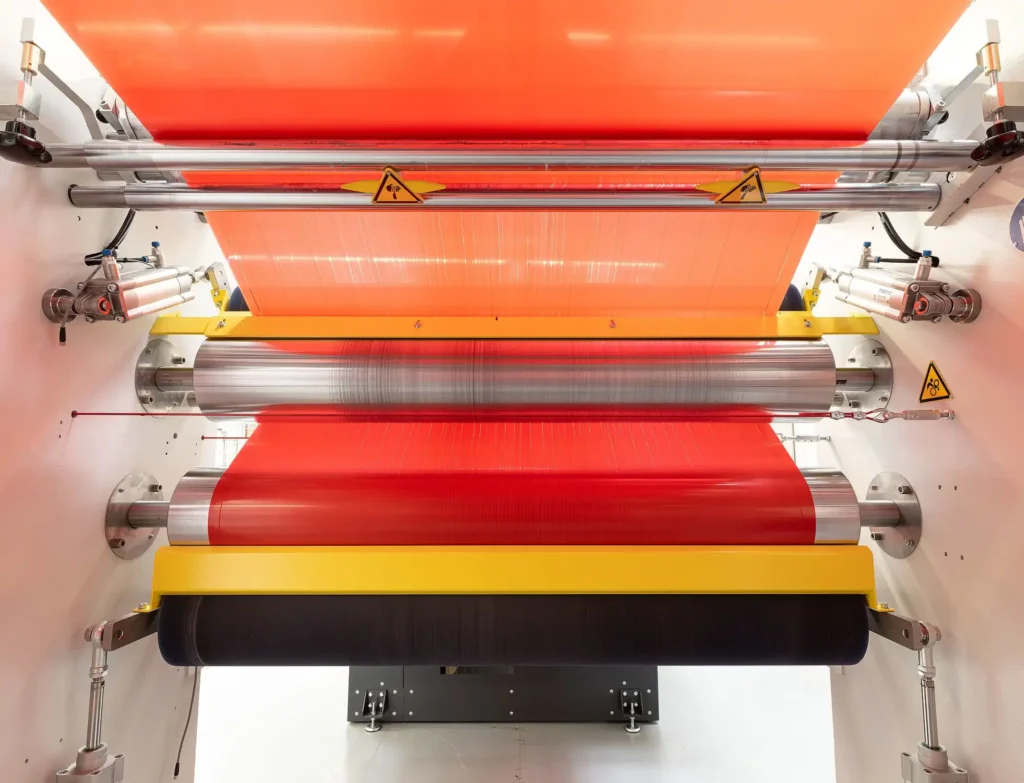
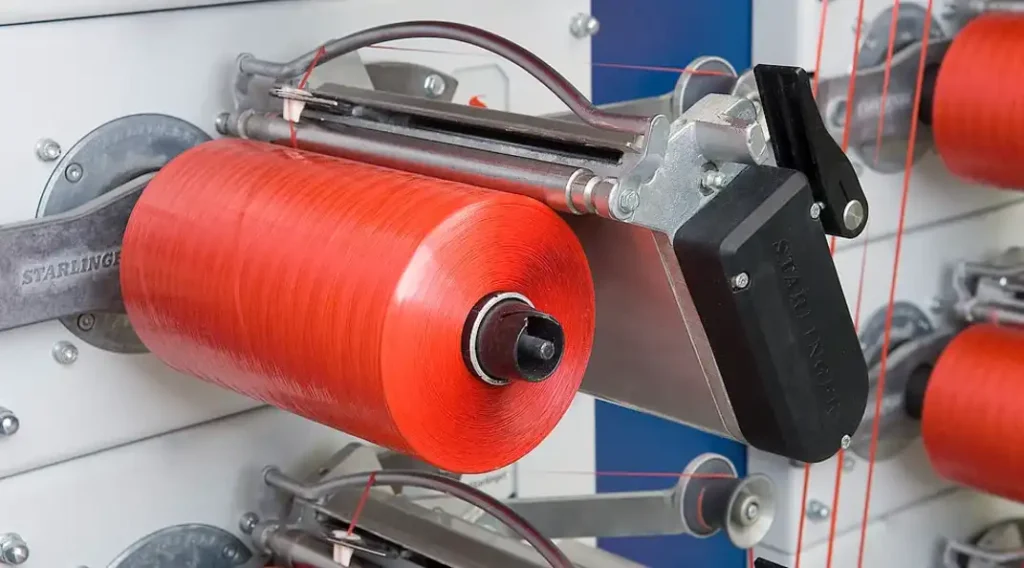
The journey begins at the extruder. Polypropylene granules are melted, filtered, and extruded through a flat die into thin sheets, which are then slit into narrow tapes. These tapes are stretched in a controlled way to align polymer chains, increasing tensile strength and reducing elongation. Parameters such as melt flow index of the resin, draw ratio, and cooling rate are monitored continuously. In well-run plants, these extrusion lines operate under quality-management systems certified to ISO 9001:2015, ensuring that deviations are detected and corrected before they affect downstream processes.
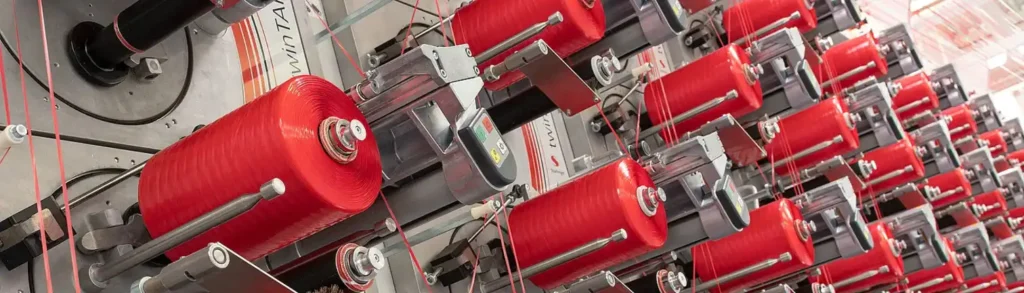
Next comes weaving. The oriented tapes are woven into fabric on circular or flat looms. Loom speed, tension balance between warp and weft, and pick count (the number of tapes per unit length) determine whether the resulting fabric is uniform, tight, and free from weak zones. For high-specification bags, especially those used in regulated industries like food, feed, or agrochemicals, manufacturers often run regular tensile and seam-strength tests on woven samples, feeding the results back into the loom setup.
After weaving, the fabric moves to coating or lamination lines. A simple PE coating provides a continuous film over the woven structure, sealing the gaps between tapes and improving water resistance and print surface quality. More advanced options involve laminating pre-printed BOPP film onto the fabric using heat and pressure. Here, the quality of adhesion is critical: poor bonding can lead to delamination when bags are folded or when they rub against each other on conveyors. Automated coating and lamination equipment equipped with in-line thickness gauges and corona treater units help maintain adhesion and uniformity.
Then the fabric is printed, cut, and converted into bag bodies. Flexographic or gravure printing units apply graphics and regulatory text, often in multiple colours. Registration accuracy (the precise alignment of different colour plates) is essential to maintain legible barcodes, hazard symbols, and batch codes. Cutting and folding stations then prepare panels or tubular segments, which are sewn or heat-sealed at the bottom and finished at the top. If a block-bottom structure is required, the base is pre-creased and folded to create a square footprint, turning PP woven bags into block-bottom PP bags that stand more easily and stack more neatly.
Throughout these stages, quality checks are inserted deliberately. Sample bags undergo drop testing from specified heights, compression testing for stack performance, and visual inspection for printing defects. For food-contact applications or products requiring hygiene control, audits against ISO 22000:2018 or FSSC 22000 ensure that contamination risks are managed. For customers who depend on waterproof woven bags for outdoor storage or maritime shipping, specific tests for water ingress and seam integrity under wet conditions are included.
Finally, automation and digital monitoring are reshaping how PP woven bags are produced. Modern plants integrate sensors, data logging, and automated handling into their lines, reducing human variability and making output more consistent. Analysis of production data across shifts and batches supports continuous improvement. Discussions around revolutionizing packaging with poly woven bags often highlight how advanced automation and technology reduce defects, shorten lead times, and open the door to more complex customised designs without sacrificing reliability.
In short, the production process is a chain of interdependent operations. Extrusion quality affects weaving; weaving consistency influences coating adhesion; coating and lamination determine print quality and barrier performance; conversion defines seam strength and dimensional accuracy. A weakness at any point can undermine the overall system, whereas strong control at every step transforms PP woven bags into a packaging platform that customers can trust.
What Are the Main Applications and Specification Ranges of PP Woven Bags?
The strength of PP woven bags lies not only in their mechanical properties, but also in their flexibility across industries. A single technology platform can adapt to agriculture, construction, food, feed, chemicals, retail, and even emergency management, simply by tuning specifications such as grammage, coatings, liners, and structural style. Understanding these application patterns helps explain why the same bag family appears in both heavy industrial and highly branded retail settings.
Key Specification Ranges at a Glance
| Parameter | Typical Range | Application Notes |
|---|---|---|
| Nominal capacity | 5–50 kg standard; up to 60–100 kg for heavy-duty designs | Higher capacities used for dense minerals, sandbags, or construction waste. |
| Fabric grammage | 40–60 g/m² (light); 60–120 g/m² (standard); 150–250 g/m² (laminated/heavy-duty) | Higher grammage for abrasive contents or demanding export routes. |
| Tape denier | 600–1200 denier common; above 1200 denier for extreme-duty | Higher denier boosts tensile strength and puncture resistance. |
| Bag width | 30–75 cm | Narrow for dense products like salt; wider for bulky feed or flakes. |
| Bag length | 45–110 cm | Chosen based on product density and headspace for sealing. |
| Coating/lamination | Uncoated; 20–30 µm PE; 15–30 µm BOPP | Uncoated for breathability; BOPP for premium print and moisture protection. |
| Inner liners | LDPE or HDPE 20–100 µm | Thicker liners for long-term storage in humid or contaminated environments. |
| Structural style | Flat, gusseted, block-bottom, valve-type | Block-bottom PP bags enhance retail display and pallet stability. |
In agriculture, PP woven bags are widely used for fertilisers, seeds, and feed. UV-stabilised fabrics combined with optional waterproof coatings allow bags to sit in open yards without rapid degradation. Here, capacity tends to cluster around 25 kg and 50 kg, and the focus is often on resistance to humidity and rough handling by farm machinery. Block-bottom PP bags enhancing retail and storage solutions become increasingly attractive for seed and high-value fertiliser lines that appear in more formal retail environments.
In construction, these bags carry cement, sand mixes, additives, and dry mortar. Abrasive contents and harsh mechanical handling dominate, so specifications favour higher grammage and robust seams. Waterproof woven bags using advanced manufacturing processes provide a safety margin in outdoor storage, preventing partial hydration of cement or caking of powdered additives. For many projects, a small reduction in solid bag failures can translate into significant savings across thousands of tonnes of materials.
Food and feed applications introduce stricter requirements for hygiene and regulatory compliance. Here, PP woven bags are often combined with food-grade PE liners produced under ISO 22000:2018 or FSSC 22000 certified systems, and with printing inks verified for low migration. Custom printed woven bags meeting global market demands allow a single packaging structure to carry precise nutritional panels, multilingual labelling, and traceability codes. At the same time, the woven backbone ensures that 20–50 kg of sugar, rice, flour, or pet food can be handled safely through international logistics networks.
In chemicals and minerals, the focus shifts again. Antistatic liners, strong seam sealing, and carefully chosen colours and symbols support safe handling of oxidisers, corrosives, or dust-generating powders. For some hazardous contents, PP woven bags are used in combination with overpacks or drums to meet transport regulations, but they still serve as primary containment for dosing and storage in customer facilities. In other cases, where materials are less hazardous but still heavy and abrasive, poly woven bags powered by automation and advanced technology become a bridge between high-speed filling equipment and end-user convenience.
At the edge of these mainstream sectors, PP woven bags find niche roles in flood control, landscaping, and infrastructure maintenance. Filled with sand or gravel, heavy-duty designs support temporary dams, erosion-control structures, and ballast applications. In these scenarios, aesthetics matter less than sheer durability, UV resistance, and the ability to be moved repeatedly by mechanical equipment without tearing.
Across all of these applications, the key is alignment: capacity, grammage, coating, liner, structural style, and certification framework must all align with the physical risks and regulatory expectations of the target use case. When that alignment is carefully engineered, PP woven bags stop being anonymous commodities and become critical, optimised interfaces between VidePak’s customers and their markets.
1. Why the Design of PP Woven Bags Cannot Be Left to Intuition
When people first look at PP Woven Bags, they often see something simple: a flexible plastic sack that carries grain, fertiliser, cement, sugar, resin, or animal feed. Yet behind that apparently humble object lies a dense network of decisions about materials, structure, printing, testing, logistics, safety, and brand perception. A bag that seems ordinary on the warehouse floor is, in practice, the endpoint of a complex engineering process.
Heat-Sealed PP Woven Bags
High-strength engineering-grade polypropylene woven bags with professional heat sealing technology.
Check More →PP Woven Bags Specifications
Complete technical parameters and engineering standards for heavy-duty polypropylene woven bags.
Check More →Sewn Open Mouth PP Bags
Durable engineering PP woven bags with stable structure for industrial and construction applications.
Check More →SOM PP Fabric Bags Excellence
High-performance engineering PP woven bags with superior load-bearing and wear-resistant features.
Check More →If that sounds exaggerated, consider what has to go right for PP Woven Bags to perform flawlessly. The bag must open easily on a filling spout without tearing; it must accept the product at high speed without bursting; it must stack neatly on a pallet; it must resist humidity, sunlight, abrasion, rough forklift handling, and sometimes long sea voyages; it must be easy to cut open, yet not leak during transport; and it must carry legible warnings, barcodes, and marketing messages. When any of these elements fail, the result is dust, complaints, product loss, and in the worst cases, safety incidents.
Laminated PP Woven Bags
Explore enhanced protection options with laminated PP woven bags, ideal for moisture-sensitive goods and improved durability.
Woven Fabric PP Bags Features
Understand the core features and benefits of PP woven fabric bags, including strength, breathability, and customization options.
PP Woven Bags Manufacturer
Learn about manufacturing capabilities, production standards, and how to choose a reliable PP woven bags supplier.
Thinking in systems quickly shows why treating PP Woven Bags as commodities is a mistake. The woven polypropylene substrate interacts with coatings and liners; fold geometry interacts with pallet patterns; printing inks interact with surface treatments; closure stitching interacts with load paths during lifting. Each element is a small subsystem, and all subsystems connect into the wider environment of filling lines, warehouses, trucks, and end users. One weak link reverberates across the entire chain.
A horizontal view compares PP Woven Bags with other packaging media: multiwall paper sacks, PE form–fill–seal bags, rigid drums, flexible intermediate bulk containers, and intermediate cardboard boxes. Each format has strengths and weaknesses: drums are robust but expensive and space-inefficient; FFS bags are highly automated but sometimes struggle with pallet stability; paper sacks are breathable but sensitive to moisture. PP Woven Bags aim to occupy a sweet spot of high strength, moderate cost, and good printability. However, they only achieve that position when their design is deliberately tuned to the product and route.
A vertical view drills down from the finished bag to the fibres, tapes, and weave. Polypropylene granules are extruded and stretched into tapes; these tapes are woven into fabric; the fabric is coated, printed, cut, folded, sewn, and sometimes laminated with BOPP or PE film. Every parameter — tape denier, pick density, coating thickness, sewing thread, seam pattern — influences performance metrics such as tensile strength, tear resistance, drop test outcomes, and water vapour barrier. Once we look closely, it is hard not to ask: why would anyone specify PP Woven Bags on gut feeling alone?
This article approaches PP Woven Bags as engineered systems. It follows a problem–method–result–discussion pattern: identifying the specific challenges these bags must solve, describing the design methods and specifications used in practice, examining the results through examples and data, and then discussing how VidePak and similar suppliers can refine these systems for future demands.
2. Material Foundations of PP Woven Bags: Polypropylene Tapes, Weaves, and Coatings
Before discussing fold styles, capacities, or liners, it is worth grounding the conversation in the core material: the woven polypropylene fabric that gives PP Woven Bags their characteristic strength and feel.
Polypropylene is selected because it combines relatively low density, good chemical resistance, decent UV resistance (when stabilised), and cost effectiveness. It can be extruded into tapes — flat strands with defined width and thickness — that are then stretched to orient the polymer chains and increase tensile strength. These tapes are woven in warp and weft directions to create a fabric whose mechanical behaviour can be precisely adjusted by altering denier, tape width, and pick count.
Typical denier values for tapes in PP Woven Bags fall between roughly 600 and 1200 for medium-duty sacks, with heavier designs going higher. Lower denier and lower pick counts make fabrics lighter and more flexible, but also weaker and more prone to puncture. Higher denier and dense weaves raise strength and impact resistance, yet increase cost and stiffness. The art lies in matching these parameters to the intended load capacity and handling roughness.
Coatings overlay this base fabric. Many PP Woven Bags use a thin PE or PP coating, around 20–30 micrometres thick, to reduce porosity, improve print quality, and increase moisture resistance. When even finer print and enhanced scuff resistance are required, a BOPP film — often 15–30 micrometres — may be laminated to the fabric. This creates a composite surface that behaves more like a flexible film pouch while retaining the internal strength of the woven layer.
This material stack carries vertical implications. Thicker coatings and laminations can raise barrier performance and visual appeal, but they may also reduce breathability and slightly complicate sealing or cutting. Horizontally, it positions PP Woven Bags in comparison to paper, which is more breathable but less moisture-resistant, and to plain PE film bags, which have smoother surfaces but lower tear strength for a given mass. Recognising the trade-offs among these options helps packaging engineers specify fabrics that are neither over-engineered nor under-protected.
3. Structural Architectures of PP Woven Bags: Flat, Gusseted, Block Bottom, and Valve Variants
Once the fabric is defined, structural architecture comes into play. The same woven substrate can be transformed into multiple shapes, and those shapes determine how the bag behaves during filling, stacking, and use. In practice, four broad families appear again and again: flat sacks, gusseted sacks, block-bottom designs, and valve-type constructions.
Flat sacks made from PP Woven Bags have straight side seams and no side gussets. They are essentially tubular or panel-based sleeves with the bottom sewn or heat-sealed. Their simplicity gives them predictable behaviour: they open easily on spouts, they stack compactly when designed within an appropriate volume range, and they provide clean front and back panels for printing. For many commodity products — salt, rice, bulk grain, standard fertilisers — flat bags in capacities of 5, 10, 25 or 50 kilograms form the workhorse solution.
Gusseted sacks add side folds. When empty, these folds lie flat against the body; when filled, they open, giving the bag extra depth and a more block-like cross section. This architecture helps PP Woven Bags gain 10–30 percent more volume for a given flat width and fabric weight, depending on gusset depth. It also increases the pallet footprint, improving stack stability and reducing void spaces between bags. However, the status of the gusset is more complex: stress focuses at fold roots, so thoughtful tape orientation and reinforcement are needed to prevent tearing.
Block-bottom constructions take gusseting a step further by pre-forming the base into a square or rectangular shape that automatically spreads under load. PP Woven Bags in block-bottom form can stand upright more easily, present larger branding areas, and nest in extremely stable pallet patterns. Their converting is more complex, but the rewards for cube utilisation and retail presentation are substantial.
Valve variants, though more common with paper or composite structures, are increasingly explored in woven-based designs. Here, PP Woven Bags are fitted with a filling sleeve or valve opening, allowing high-speed automated filling without manually opening the mouth. When combined with PE liners or laminated exteriors, these valve bags can compete directly with multiwall paper valve sacks in industries such as cement, building chemicals, or high-throughput feed operations.
At first glance, these architectures might seem interchangeable. In practice, they behave differently throughout the supply chain. Flat sacks excel in simplicity and low cost; gusseted sacks maximise volume and stack stability; block-bottom sacks balance mechanical performance with retail appearance; valve bags optimise filling-line throughput and dust control. Treating them as a toolbox of structural options allows VidePak to propose targeted solutions rather than a one-size-fits-all bag.
4. Dimensional Logic in PP Woven Bags: Width, Length, Gusset Depth, and Volume
A bag that looks visually pleasing on a drawing may fail dramatically when filled, simply because dimensions were chosen without reference to product density, headspace needs, or pallet layouts. Dimensional engineering for PP Woven Bags turns simple numbers in millimetres into controlled three-dimensional behaviour.
Width is typically specified between about 30 and 75 centimetres for most industrial PP Woven Bags in the 5–50 kilogram range. Narrow widths suit dense products such as salt, mineral powders, or resin granules, keeping the bag compact and easier to handle. Wider widths accommodate bulky, lighter materials, giving them enough cross-sectional area to meet target weights without excessive length. For flat sacks, width strongly influences how far the bag will bulge when filled; for gusseted or block-bottom sacks, it works together with gusset depth to define the eventual footprint.
Length, often ranging from roughly 45 to 110 centimetres, must reconcile product volume with ergonomic constraints. If the bag is too short, filling becomes difficult and sealing machinery has insufficient space. If it is too long relative to width, the centre of gravity rises and the bag may topple on pallets or in retail displays. Engineers therefore model not just the empty bag, but its filled shape, aiming for a stable balance between height and base area.
Gusset depth is the hidden dimension that makes or breaks the behaviour of gusseted PP Woven Bags. Depths in the region of 5–15 centimetres per side are common for medium bags; very large capacities may use even deeper gussets. Too little depth leads to only modest base expansion and leaves the bag prone to bulging; too much depth can create overly wide bases that conflict with standard pallet sizes. Optimal depth is often determined through trial pallets on real routes, observing whether stacks hold their shape under vibration and humidity.
Volume is a derived outcome of these dimensions and the product’s bulk density. A 25-kilogram bag of cement might require roughly 30–40 litres of internal volume, while the same nominal weight of a fluffy feed premix could require significantly more. Designers work backward from density to volume, from volume to dimensions, and from dimensions to structural details such as seam reinforcement. In this dimensional loop, fold architecture, GSM, denier, and liner presence all interact.
5. Thickness, GSM, and Fabric Density: The Structural Backbone of PP Woven Bags
Although many buyers focus first on capacity and print, the real backbone of PP Woven Bags lies in thickness, GSM, and weave density. These parameters quietly decide whether a bag survives a drop, shrugs off a forklift scrape, or splits at the worst possible moment.
Grammage, expressed in grams per square metre, gives a simple measure of how much polymer mass exists in the fabric. For light-duty PP Woven Bags carrying 5–10 kilograms of relatively gentle products, fabrics of 40–60 GSM may suffice. As loads increase and rough handling becomes normal, 60–120 GSM becomes the main battlefield, balancing strength and cost for 20–50 kilogram sacks. Laminated or heavy-duty constructions, especially for abrasive or high-value goods, may push to 150, 180, or even the 200–250 GSM range when BOPP and thicker coatings are included.
Fabric density weaves this mass into mechanical performance. Tape width and denier define the basic strength of each strand; the pick count in warp and weft directions decides how many strands share the load. Higher density in the weave increases tensile strength, tear resistance, and puncture resistance, yet also makes the fabric stiffer and heavier. The right density for PP Woven Bags depends on whether the priority is resisting repeated drops, enduring prolonged compression in tall stacks, or simply surviving a short, gentle supply chain.
Thickness completes the picture. The bare woven layer may be only a few tenths of a millimetre thick, but coatings, laminations, and inks add to the total. A 20–30 micrometre PE coating reduces pores and helps with print adhesion; a 15–30 micrometre BOPP film provides a smooth, high-gloss or matte surface. These layers may seem negligible, yet they strongly influence water vapour permeability, scuff resistance, and even how cleanly bags slide past each other during palletising.
From a vertical perspective, small shifts in GSM or weave density can move PP Woven Bags from barely adequate to comfortably robust. From a horizontal perspective, these tweaks position woven sacks relative to paper and monolayer plastic films. Where paper might require multiple plies to match the tensile behaviour of a single woven fabric, PP Woven Bags can deliver similar strength at lower mass but with more complex recyclability. Where monolayer films might offer excellent barrier but poor tear resistance, woven fabrics trade a slight barrier disadvantage for a dramatic increase in puncture resistance.
6. Load Capacity, Denier, and Safety Philosophy in PP Woven Bags
Capacity numbers printed on sack fronts — 10 kg, 25 kg, 40 kg, 50 kg, sometimes more — might look like marketing claims, but responsible suppliers treat them as engineering commitments. When a bag is labelled to hold 50 kilograms, that does not simply mean it survived one gentle fill in a laboratory; it means it has been designed with safety margins to cope with the real chaos of warehouses and loading docks.
Denier is one of the primary levers in achieving this. Tapes in PP Woven Bags often sit in the 600–1200 denier range, with higher deniers used for heavy-duty or extra-rugged variants. Increased denier raises the breaking strength of each tape strand, increasing overall tensile capacity. However, it also increases cost and can make fabrics harder to crease or fold neatly.
Seam construction forms the second lever. Side seams, bottom seams, and in some cases handle attachments rely on high-strength stitching, frequently using polyester or polyester–cotton threads. Single-chain, double-chain, and lockstitch patterns are chosen depending on the risk of unravelling and the distribution of stress. Over-taping — applying an additional PP or PE tape over the seam — can protect stitches from abrasion and moisture, further boosting durability.
Safety philosophy brings denier and seams into a coherent framework. Although many standards focus on large flexible intermediate bulk containers, the idea of a safety factor between safe working load and failure load is equally useful for PP Woven Bags. For example, if a bag is rated for 50 kilograms, internal testing might require it to survive 4, 5, or more times that load in controlled top-lift or tensile tests. Drop tests from defined heights, performed multiple times on different faces, provide another lens into safety margins.
By quantifying safety this way, VidePak can avoid both under-designed and needlessly over-designed PP Woven Bags. Under-design leads to sudden ruptures, cascading pallet failures, and product loss. Over-design wastes resin, raises cost, and increases environmental burden without additional benefit. A safety philosophy that explicitly links denier, seam design, test methods, and labelled capacities helps maintain this balance.
7. Surface Treatment, Lamination, and Printing: Where PP Woven Bags Meet the Market
From a purely mechanical viewpoint, a plain unprinted woven sack might be enough. In reality, customers need more. They require clear product identification, hazard symbols, multi-language instructions, batch codes, and in retail contexts, attractive branding. The outer surface of PP Woven Bags becomes a stage on which technical and marketing needs vie for attention.
Uncoated woven surfaces offer a rough, slightly matte appearance. Flexographic printing in one to three colours can be applied directly to the fabric, creating robust but simple graphics. This path suits low-cost commodities where graphic precision is not critical and where some breathability is useful, such as certain agricultural products or construction materials used quickly after delivery.
PE-coated surfaces smooth out the roughness. With a 20–30 micrometre coating, PP Woven Bags gain improved scuff resistance, enhanced ink adhesion, and better water resistance. Up to six colours of flexographic print become crisp and legible, enabling more detailed artwork, clearer hazard symbols, and sharper barcodes. For many industrial and semi-retail applications, this solution strikes a practical balance.
BOPP-laminated surfaces push visual impact even further. Here, a printed BOPP film is laminated to the woven fabric, allowing up to eight or ten colours of high-definition gravure printing. Photorealistic images, fine gradients, small text, and complex branding schemes become possible. For premium rice, pet food, niche fertilisers, or speciality chemicals, such laminated PP Woven Bags resemble traditional film pouches in graphical sophistication while retaining the ruggedness of woven construction.
Surface treatments also include anti-slip varnishes or stripes, which raise friction between stacked bags to reduce slippage. UV-stabilised topcoats extend outdoor life by delaying polymer degradation under sunlight, crucial for bags stored on farms or construction sites. Each treatment influences how the bag feels in the hand, how it slides on conveyors, and how it appears under store lighting.
Designers must consider how artwork will behave on different architectures. Flat sacks offer large, undistorted front and back panels. Gusseted and block-bottom PP Woven Bags add side walls and bases that can carry secondary messages or repeated patterns. However, these surfaces fold and stretch as the bag fills; text placed near fold lines must stay readable even when the fabric is under tension. Good design acknowledges that the bag is a dynamic object, not a flat poster.
8. Liners, Barriers, and Functional Add-ons Inside PP Woven Bags
The woven shell is only the beginning. Many products demand tighter control over moisture, oxygen, aroma, contamination, or dust than the fabric alone can provide. This is where liners, barriers, and functional add-ons transform PP Woven Bags from simple mechanical containers into engineered micro-environments.
Inner liners made from LDPE or HDPE films are common. Loose or tubular, straight or gusseted, they create a secondary containment layer wearing the load inside the woven sack. Typical film thicknesses run from 20–100 micrometres, with thinner gauges used for modest barrier needs and thicker ones for long-term storage in humid climates. For food ingredients, animal feed, or fine chemicals, these liners can be made from food-grade polymers and produced under audited hygiene systems.
Functional closures complement liners. Standard open-mouth PP Woven Bags are often closed by sewing; when a liner is present, the film may be heat-sealed first, then the fabric stitched over the top. Where high levels of protection are required, PE over-tape or heat-sealed tapes cover the stitched seam, preventing wicking of moisture and blocking pest ingress. In valve-type woven bags, liners may extend through the valve sleeve so they can be heat-sealed after filling, combining rapid automated filling with near-hermetic closure.
Other add-ons are purely operational or convenience-minded: micro-perforations that allow trapped air to escape during filling; tear strips that enable tool-free opening; reinforced or die-cut handles that make heavier bags easier to carry; gusset locks that help bags maintain a neat block shape. Each feature looks small on a specification sheet, yet plays a role in how the bag behaves on production lines and in the hands of users.
When these elements are designed without coordination, they can clash: liners that wrinkle and trap product, handles that tear under load, perforations that accidentally become leak paths. When they are engineered together, they elevate PP Woven Bags into sophisticated packaging systems that control not only how a product is transported, but how it is experienced.
9. Specification Patterns for PP Woven Bags on Global B2B Platforms
One of the clearest windows into the real-world design space of PP Woven Bags is the catalogue landscape on global B2B platforms. There, thousands of listings by manufacturers across regions converge on surprisingly consistent ranges of specifications, revealing what the market has learned by trial and error.
Capacity ranges are the most visible. For small and medium PP Woven Bags, typical nominal capacities are 5, 10, 20, 25, 40, and 50 kilograms. Some heavy-duty sacks are advertised for 60 kilograms or more, and niche flood-control or sandbag solutions push toward 100–200 kilograms. Behind each capacity lies a specific combination of width, length, GSM, seam design, and optional gusset that makes the claim credible.
Material grammage ranges cluster similarly. Lightweight offerings often sit near 40–60 GSM, while mainstream industrial bags fall between 60–120 GSM. Heavy-duty or laminated products go beyond, up to 150–200 or even 250 GSM when films are included. Descriptions commonly mention virgin PP, recycled blends, or specified percentages of recycled content, indicating that designers are increasingly balancing strength with sustainability goals.
Printing capabilities feature prominently in listings. Many suppliers promote up to six colours of flexographic printing for standard PP Woven Bags, with BOPP-laminated options promising up to eight or ten colours of gravure print. Buyers can choose uncoated woven texture, PE-coated smooth surfaces, or fully laminated glossy or matte finishes. The sheer variety of print and surface combinations underscores how packaging has become both a practical tool and a communication medium.
Listings also emphasise options such as UV stabilisation (often expressed in hours of UV resistance), anti-slip stripes, easy-open features, and inner liners with specified thickness ranges. By comparing these options across multiple vendors, VidePak can benchmark its own portfolio, identify gaps, and propose targeted upgrades.
For customers, the challenge is to look past the marketing language and read these specifications as a template. Width, length, GSM, denier, printing, lamination, liners, UV stabilization, and add-ons form a matrix of choices. Once they are systematically organised, those choices become a menu that can be matched to specific product and logistics profiles rather than a confusing jumble of terms.
10. Controlling Quality in PP Woven Bags: From Lab Tests to On-Line Monitoring
High-performing PP Woven Bags do not happen by accident. They are the outcome of controlled processing, consistent raw materials, and robust testing protocols. When VidePak or any other producer claims to supply reliable bags, that claim must rest on concrete practices from tape extrusion through final inspection.
Quality control begins at the tape line. Melt flow index of the PP, draw ratios, and cooling conditions all influence tape strength and consistency. On the weaving floor, loom speed and tension settings determine whether the fabric maintains uniform density or develops weak zones. Coating or lamination lines must manage temperature, pressure, and line speed to achieve correct film thickness and adhesion.
Laboratory testing bridges production and real-world performance. Tensile tests on fabrics, seam strength tests, puncture resistance measurements, and drop tests on filled bags all reveal how PP Woven Bags will behave under stress. When food or feed applications are involved, migration testing, odour evaluation, and cleanliness checks ensure that packaging does not compromise product safety.
Systematic guidance for such programmes can be found in specialised resources on quality control for woven packaging — for example, discussions around quality frameworks and inspection strategies for custom woven sacks. Content focused on ensuring that custom packaging meets stringent standards, such as guidance on quality control for custom PP Woven Bags used in demanding applications, illustrates how specification, sampling plans, and continuous improvement can be tied together.
In practice, quality control is not only about catching defects; it is also about learning. When recurring complaints arise — split seams in a particular corner, ink scuffing during export, liners tearing on a specific filling line — root-cause analysis connects field feedback to specific manufacturing parameters. Adjusting tape denier, seam allowances, coating thickness, or sewing thread quality then becomes a targeted intervention rather than guesswork.
11. PP Woven Bags with PE Liners: Retail, Hygiene, and Brand Experience
As PP Woven Bags move from purely industrial environments into retail and semi-retail channels, expectations change. Shoppers, store staff, and regulators demand packaging that is clean, easy to handle, visually appealing, and protective over long shelf lives. This is where PE-lined woven bags step into the foreground.
Integrating a PE liner with a woven shell creates a composite structure: the liner handles barrier and hygiene; the woven fabric provides strength and stiffness; the outer surface delivers print and tactile cues. For sensitive goods such as flour, sugar, rice, pet food, or premium agricultural products, this combination offers a compelling alternative to plain film pouches or paper sacks.
A PE liner dramatically reduces water vapour transmission and helps control odour exchange. It also prevents fine particles from sifting through the weave, keeping store shelves cleaner. When properly sealed and anchored, the liner ensures that even if the outer fabric suffers minor scuffs, the product remains protected.
At the same time, retailers value shelf presence. Laminated or coated PP Woven Bags with PE liners can be printed with high-colour, high-resolution graphics that tell product stories and signal quality. The bags stand upright more easily when designed with gussets or block bottoms, creating tidy facings on shelves and pallets.
Industry discussions highlighting the advantages of such constructions — such as analyses of retail-ready PP Woven Bags with PE liners for enhanced presentation and protection — stress how much of brand experience is set by small details: whether a bag slumps or stands; whether the print remains crisp after handling; whether opening the bag feels controlled rather than messy.
From a system perspective, these bags must be designed jointly with filling lines and retail operations. Line trials confirm whether liners open reliably, whether sealing jaws achieve consistent closure, and whether the filled bags maintain desired shapes. Store feedback indicates whether the bags stack neatly, withstand customer handling, and support efficient restocking. When such feedback loops are embraced, PP Woven Bags with PE liners become more than containers; they become part of the product’s identity.
12. Heavy-Duty PP Woven Bags and the Future of Industrial Packaging
At the other end of the spectrum from retail sachets lie the heavy-duty PP Woven Bags that shoulder extreme loads and harsh environments. These bags are called upon to carry dense minerals, metal components, construction waste, flood-control sand, and high-value technical materials. For them, strength, durability, and safety are paramount.
Heavy-duty variants typically use higher GSM fabrics, denser weaves, and increased denier values. They may incorporate reinforcement patches in high-stress zones, double or triple-stitched seams, and robust UV stabilisation for prolonged outdoor exposure. Where necessary, they adopt gusseted or block-bottom forms to spread the load and keep stacks stable.
Strategic overviews on the role of such packaging — including discussions on heavy-duty PP Woven Bags and the evolving direction of industrial packaging — often point to broader themes. These bags are not just about brute strength; they are symbols of supply-chain reliability, sustainability commitments, and regional competitiveness.
For VidePak, the future of heavy-duty PP Woven Bags will likely involve three converging trends:
- Higher performance at lower weight. Through better tape technology, improved weaving patterns, and smarter reinforcement, bags can achieve equal or greater safety margins with less resin.
- Smarter integration with automation. As filling, conveying, and palletising operations become more automated, bags must meet tighter tolerances and present more consistent shapes and friction profiles.
- More transparent sustainability stories. Recycled content, recyclability, and life-cycle impacts will be scrutinised, pushing designs toward clearer end-of-life pathways.
Heavy-duty bags thus become both a technical and a strategic conversation: how to protect challenging products while meeting rising expectations for cost control, operational safety, and environmental responsibility.
13. Applications of PP Woven Bags Across Industries
A single product format that appears in construction yards, grain silos, supermarkets, petrochemical plants, and disaster-relief efforts can seem almost magical. Yet PP Woven Bags genuinely span this range, with application-specific design tweaks guiding them from one sector to another.
In agriculture, they carry seeds, fertilisers, animal feeds, and soil conditioners. UV-stabilised, often laminated and frequently gusseted, these bags must endure outdoor storage, rough handling, and unpredictable weather. They also bear detailed regulatory information, from nutrient declarations to hazard pictograms.
In construction, PP Woven Bags transport cement, sand mixes, plaster, and admixture powders. Here, abrasive contents and rough mechanical treatment dominate the risk landscape. Bags must resist puncture, withstand repeated drops, and form stable stacks on uneven ground.
In food and feed, woven bags evolve into more refined constructions, combining liners, laminations, and high-colour printing. They act as both protection and display vehicles, keeping moisture-sensitive ingredients stable while projecting a trustworthy image to buyers.
In chemicals and industrial minerals, dust control and compatibility with hazardous-substance regulations take centre stage. Antistatic liners, special seam sealing, distinct colour coding, and robust labelling turn PP Woven Bags into controlled interfaces between people and potentially dangerous materials.
In emergency and infrastructure contexts, heavy-duty woven bags become flood-control tools and ballast containers. Filled on-site with sand or soil, they must resist water, UV, and mechanical stress while providing predictable behaviour when stacked or laid in rows.
These examples reveal a horizontal pattern: the same foundational technology — woven polypropylene — is reinterpreted again and again to meet local priorities. By understanding the way each industry balances capacity, barrier, print, cost, and sustainability, VidePak can adapt PP Woven Bags to new niches and emerging markets.
14. Summary Table of Key Specifications for PP Woven Bags
The following table brings together typical specification ranges discussed throughout this article. Values are indicative and should be tailored to individual projects, but they provide a practical starting point for structured discussions.
| Parameter | Typical Range for PP Woven Bags | Design Notes |
|---|---|---|
| Nominal capacity | 5–50 kg common; up to 60–100 kg for heavy-duty applications | Chosen based on product density, ergonomics, and route risks |
| Fabric grammage (GSM) | 40–60 GSM (light); 60–120 GSM (standard); 150–250 GSM (laminated/heavy-duty) | Higher GSM raises strength and stiffness but also cost and weight |
| Tape denier | 600–1200 for standard; >1200 for heavy-duty | Higher denier boosts tensile strength; suited to demanding loads |
| Bag width | ~30–75 cm | Narrower for dense materials; wider for bulkier products |
| Bag length | ~45–110 cm | Set according to volume, headspace, and stability requirements |
| Gusset depth | 5–15 cm per side for gusseted bags | Deeper gussets increase volume and base footprint; must match pallet sizes |
| Coating/lamination | Uncoated; 20–30 μm PE/PP coating; 15–30 μm BOPP film | Coatings improve barrier and print; laminations enable high-end graphics |
| Printing | 1–6 colour flexographic; 8–10 colour gravure on BOPP | Graphic complexity chosen according to branding and regulatory needs |
| Inner liners | LDPE/HDPE, 20–100 μm | Add moisture, dust, and hygiene control; can be tubular or gusseted |
| UV stabilisation | Several hundred hours typical; higher for long outdoor exposure | Critical for agricultural and construction uses with sun exposure |
| Closures | Sewn open mouth; heat-cut top; PE over-tape; valve-type | Closure choice balances speed, seal integrity, and ease of opening |
| Special features | Anti-slip stripes; easy-open strips; handles; micro-perforations | Selected to enhance handling, safety, and user experience |
This table is not a rigid template but a checklist: a reminder that every specification dimension is a lever in the performance of PP Woven Bags. Ignoring a lever risks unexpected failures; adjusting them consciously turns a simple bag into a tuned component of the supply chain.
15. From Isolated Components to Integrated PP Woven Bags Solutions
When we step back from the details — from tape denier and gusset depth, from liner thickness and gravure inks — a broader picture emerges. PP Woven Bags succeed when they are treated not as isolated components but as integrated solutions. Structural architecture, material selection, dimensional design, surface treatment, liners, closures, quality control, and application-specific tweaks all converge.
For VidePak, this convergence is not theoretical. It is the daily reality of answering customer questions such as: Why did that pallet collapse? How can we reduce dust complaints? What would it take to move from plain industrial sacks to retail-ready packaging without compromising filling speed? Each question invites the same cycle: clarify the problem, choose methods to explore possible designs, observe the results in lab and field tests, and then discuss the adjustments that turn a promising configuration into a standard.
In that sense, PP Woven Bags are not static products; they are evolving interfaces between manufacturing lines, logistic networks, and end users. Every route, every product, every regulatory shift, every branding strategy offers a new context. By approaching these bags with a system mindset, VidePak can continue to refine their geometry, materials, and features so that they remain quiet, reliable heroes of modern supply chains rather than forgotten sources of avoidable risk.