
What Are Industrial Woven Packaging Bags — The Evolution of Industrial Woven Packaging Bags: Embracing Technological Advancements and Automation
In plain terms, Industrial Woven Packaging Bags are high‑strength sacks made from polypropylene (PP) tapes that are woven into a fabric and then converted into packaging fit for heavy, high‑throughput supply chains. In different markets they are also known as PP woven bags, BOPP‑laminated woven bags, block‑bottom valve woven sacks, or kraft‑paper laminated woven bags when a paper layer is bonded to PP for a natural shelf look. The idea is simple: light in mass, strong in service, reliable on automated lines. The practice is more nuanced: resin selection, tape draw ratios, weave density (mesh), and sealing geometry together determine whether the bag protects product, preserves branding, and performs on fast equipment shifts.
When people talk about the “evolution” in Industrial Woven Packaging Bags, they are referring to two intersecting arcs. The first is materials science—better PP grades, tighter control of GSM and mesh (often 10×10 to 12×12), improved laminations (BOPP or PE) that add moisture and scuff resistance without excess weight. The second is automation—bags engineered for form‑fill‑seal (FFS) lines, for robotic picking, for stable palletization and clean cube use in DCs. This is where the art meets the science: a package that must look premium under retail lighting, yet also enter the line square, exit sealed, and stack as neat, brick‑like units.
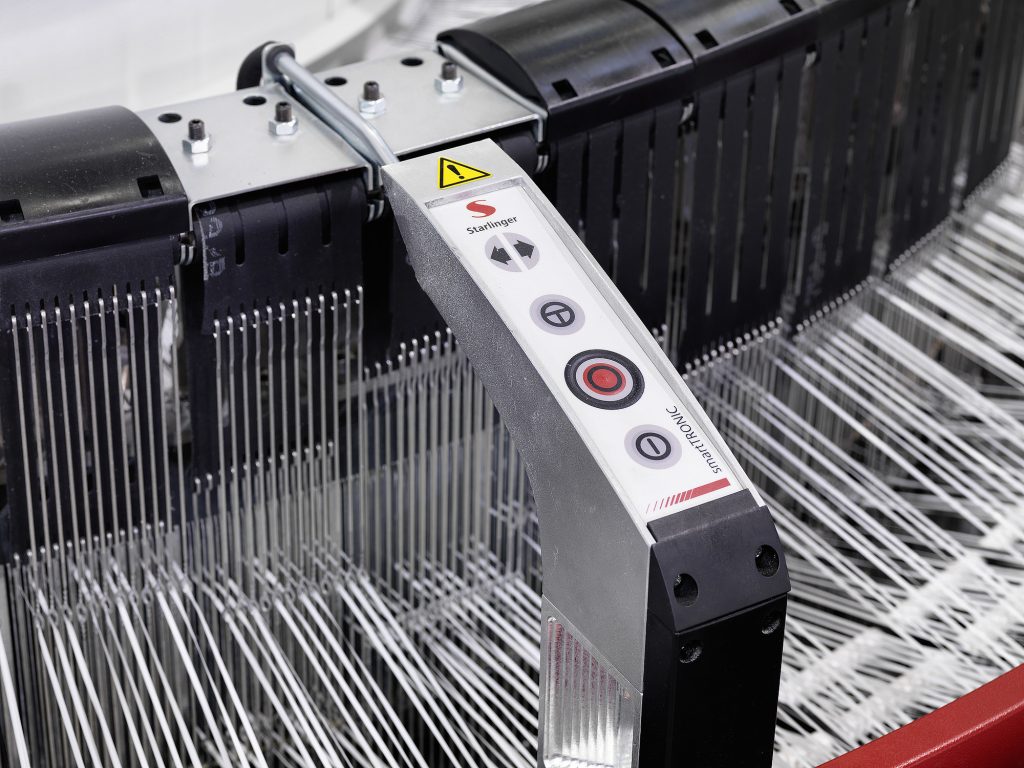
VidePak approaches Industrial Woven Packaging Bags through that dual lens. Since 2008, our core team (each with 30+ years in woven packaging) has scaled a vertically integrated operation of 568 employees and annual sales around USD 80 million. Our equipment portfolio includes 100+ circular looms, 16 extrusion lines, and 30+ lamination/printing machines, complemented by world‑class platforms from Germany’s W&H and Austria’s Starlinger. We export across the USA, Europe, Brazil, South America, Southeast Asia, Japan, Korea, Central Asia, the MENA region, East Africa, and South Africa, supplying BOPP woven bags, valve bags, and kraft‑paper laminated woven sacks built from 100% virgin raw materials and tailored to automated packing.
What Are the Features of Industrial Woven Packaging Bags — The Evolution of Industrial Woven Packaging Bags: Embracing Technological Advancements and Automation
Strength‑to‑weight that defies expectations. The woven PP architecture in Industrial Woven Packaging Bags distributes load across oriented tapes, which yields excellent tear and puncture resistance with modest material input. Typical fabrics sit in the ~60–120 GSM band, tuned to product density and drop‑test requirements. The result is resilience without bulk: bags that can be lifted, stacked, and shipped with confidence.
Barrier and branding in one build. Reverse‑printed BOPP lamination places ink under a protective film, so graphics stay vivid and legible even after long hauls and repeated handling. Gloss and matte finishes, clear windows for grain visibility, and micro‑perforations for controlled venting can all be integrated without sacrificing mechanical strength. For aroma‑sensitive or moisture‑sensitive goods, optional food‑grade liners add a second line of defense.
Co-Extruded FFS HDPE Bags
Advanced industrial woven bags powered by automation and cutting-edge extrusion technology.
Check More →FFS Roll PE Film With Gussets
High-tech packaging solutions integrating automated form fill seal systems for industrial use.
Check More →FIBC Bags Manufacturing Process
Modern industrial woven packaging produced with automated production lines and technological innovation.
Check More →Heavy-Duty Woven Bags Guide
Industrial-grade woven packaging evolved with advanced technology and automated manufacturing.
Check More →Automation‑ready geometry. Dimensional precision—bag width tolerance, cut length, mouth flatness—matters more than it sounds. On FFS lines, Industrial Woven Packaging Bags with square mouths and stable coefficients of friction (COF) feed reliably into formers, take seals cleanly, and stack into true rectangles. Less stoppage, fewer recuts, more finished cases per hour.
Sustainability with real‑world benefits. Mono‑material PP constructions support recycling in compatible streams, while the durability of Industrial Woven Packaging Bags helps prevent product loss—a sustainability gain that often outweighs minor reductions in packaging weight. Add UV‑stabilized options for outdoor storage, and the utility extends well beyond the DC.
Design latitude without line drama. Anti‑slip coatings for pallet stability; block‑bottom or pinch‑bottom formats for brick‑like presentation; carry punches and easy‑open notches for consumer convenience. Because the fabric carries the load, these features can be added while preserving runnability on fast equipment.
What Is the Production Process of Industrial Woven Packaging Bags — The Evolution of Industrial Woven Packaging Bags: Embracing Technological Advancements and Automation
Resin & tape extrusion (16+ lines). Production begins with 100% virgin PP selected for consistent melt flow. Tapes are drawn and annealed to a target modulus and thickness—parameters that shape tear behavior, puncture resistance, and downstream weaving tension. Change the draw ratio and you adjust tensile curves; change the quench and you tune crystal morphology; change the thickness and you influence impact response.
Weaving (100+ circular looms). Tapes interlace into raffia fabric with GSM and mesh matched to load profile and sealing method. A tighter mesh enhances print sharpness and laminate support; a slightly coarser mesh can improve breathability for freshly milled flours. Fabric flatness at this stage dictates cut accuracy later, which in turn governs mouth squareness and robotic pick reliability.
Lamination (BOPP or PE) & conversion (30+ machines). Reverse‑printed BOPP or PE coatings add barrier, scuff resistance, and the target optical finish. Conversion—precision cutting, gusseting, and forming into pinch‑bottom, block‑bottom valve, or open‑mouth styles—locks in geometry for high‑speed filling. For automation, geometry is destiny: squared corners, true edges, and consistent lengths are the quiet heroes of uptime.
Printing (CI‑flexo or gravure). High line screens for photo‑grade images, broad solids for brand blocks, and crisp microtext for regulatory copy are achieved through calibrated anilox rolls or gravure cylinders. Color consistency is guarded by DeltaE monitoring so that repeat runs remain visually faithful across regions and seasons.
Quality aligned to world‑class OEMs. Running on W&H and Starlinger platforms brings dimensional repeatability and process stability. The payoff is cumulative—steadier tape → flatter fabric → truer cuts → squarer mouths → cleaner seals. The destination is clear: Industrial Woven Packaging Bags that run fast, look premium, and protect products from plant to shelf.
VidePak capability snapshot. Founded in 2008; core team with 30+ years in woven packaging; 568 employees; annual sales near USD 80M. Equipment depth: 100+ circular looms, 16 extrusion lines, 30+ lamination/printing machines. Product families: BOPP woven bags, valve bags, kraft‑paper laminated woven sacks. Markets served: USA, Europe, Brazil, South America, Southeast Asia, Japan, Korea, Central Asia, MENA, East Africa, South Africa.
What Is the Application of Industrial Woven Packaging Bags — The Evolution of Industrial Woven Packaging Bags: Embracing Technological Advancements and Automation
Staple foods at retail and wholesale. Rice, flour, sugar, beans, and grains—typically in 5–25 kg formats—benefit from the tidy block geometry and pallet stability of Industrial Woven Packaging Bags. Anti‑slip finishes raise pallet friction; laminations resist humidity in distribution; clear windows reassure shoppers about grain quality.
Pet and specialty nutrition. Oil‑rich kibbles and seed mixes demand puncture resistance and aroma retention. Laminated Industrial Woven Packaging Bags pair durable fabric with protective films and, where needed, food‑grade liners to keep flavors sealed and graphics intact during handling.
Agriculture, minerals, chemicals. Fertilizers, mineral powders, salt, and additives move safely in Industrial Woven Packaging Bags engineered for high density and abrasive textures. UV‑stabilized options hold tensile properties outdoors; venting patterns can be tuned for fine powders.
Private label and seasonal campaigns. Keep die‑lines constant, swap plates or cylinders, and roll out new designs without re‑engineering the pack. Industrial Woven Packaging Bags give marketing teams the creative canvas they want and operations the predictability they need.
Omnichannel logistics. From DC conveyors to e‑grocery cross‑docks, the path is unforgiving. Controlled COF, squared corners, and durable faces help Industrial Woven Packaging Bags ride belts, turns, and picks without scuffing to illegibility or slumping into unstable stacks.
Technical Summary — Representative, Real‑World Configurations for Industrial Woven Packaging Bags
The following configurations reflect widely available builds in current market listings and peer catalogs. Values can be tuned per SKU and line.
| Product Name | Structure & Material | Typical Size / Capacity | Fabric Spec (GSM / Mesh) | Lamination | Printing | Options & Add‑ons | Typical Uses |
|---|---|---|---|---|---|---|---|
| BOPP‑Laminated Industrial Woven Packaging Bags | Woven PP fabric + reverse‑printed BOPP laminate; mono‑material PP core | 5, 10, 20, 25 kg | ~60–120 GSM; 10×10–12×12 mesh | BOPP ~18–25 µm; matte or gloss | Up to 8 colors (CI‑flexo or gravure) | Anti‑slip, micro‑perforation, clear window, easy‑open notch | Rice, flour, sugar, grains, pet food |
| Block‑Bottom Valve Industrial Woven Packaging Bags | Coated woven PP with block‑bottom valve for high‑speed filling | 10–25 kg retail/wholesale | ~80–160 GSM | PE/PP coating for sealability | Multi‑color flexo | Venting sets, anti‑slip, UV‑stabilizer | Flour, sugar, specialty dry goods |
| Pinch‑Bottom Industrial Woven Packaging Bags | Woven PP + BOPP with heat‑sealable pinch‑bottom | 5–25 kg | ~70–140 GSM; fine mesh for print clarity | BOPP ~18–25 µm | High‑resolution reverse print | Tear‑tape, gloss/matte, clear window | Premium pet food, branded staples |
| Kraft‑Paper Laminated Industrial Woven Packaging Bags | Kraft paper laminated to woven PP substrate | 5–25 kg | ~70–140 GSM (fabric) + paper layer | Paper/PE or BOPP as specified | Up to 6–8 colors | Matte paper feel, tear‑tape, carry handle | Premium rice, mixes, boutique grains |
Notes. Dimensions commonly span W 300–650 mm × L 450–1050 mm depending on capacity and product density. COF can be tuned for pallet stability. Optional PE liners (~20–60 µm) address moisture‑sensitive SKUs. Printing, laminate, and gusset geometry should be validated on the actual FFS machine to maximize runnability and seal integrity.
- What Are Industrial Woven Packaging Bags — The Evolution of Industrial Woven Packaging Bags: Embracing Technological Advancements and Automation
- What Are the Features of Industrial Woven Packaging Bags — The Evolution of Industrial Woven Packaging Bags: Embracing Technological Advancements and Automation
- What Is the Production Process of Industrial Woven Packaging Bags — The Evolution of Industrial Woven Packaging Bags: Embracing Technological Advancements and Automation
- What Is the Application of Industrial Woven Packaging Bags — The Evolution of Industrial Woven Packaging Bags: Embracing Technological Advancements and Automation
- Technical Summary — Representative, Real‑World Configurations for Industrial Woven Packaging Bags
- Advanced Printing Technologies: Enhancing Clarity and Customization
- Material Innovation: Strength and Adaptability
- Automation in Production: Ensuring Consistency and Efficiency
- Diverse Market Applications: Tailored Solutions for Every Need
- Sustainability: Meeting Modern Demands for Eco-Friendly Packaging
- FAQs: Addressing Common Questions
- Conclusion
Industrial woven packaging bags have transformed dramatically with the integration of advanced materials, cutting-edge machinery, and automation. These developments have enabled manufacturers like VidePak to deliver solutions that are durable, functional, and highly customizable, addressing the unique demands of diverse markets. This article explores the technological advancements driving this evolution and the tangible benefits for various industries.
Advanced Printing Technologies: Enhancing Clarity and Customization
Printing technology is a key factor in industrial woven packaging, as it directly impacts brand visibility and product differentiation. VidePak employs equipment from globally recognized manufacturers like Austria’s Starlinger and Germany’s W&H to ensure superior printing quality.
- Precision in Multi-Color Printing:
VidePak’s printing capabilities include single-color, multi-color, and full-color printing, making it possible to create intricate designs with high resolution. This is crucial for industries where branding plays a significant role, such as retail packaging for pet food or gardening supplies. - Custom Surface Finishes:
Matte and glossy finishes cater to aesthetic and functional requirements. For instance, a matte finish is ideal for anti-glare applications, while a glossy finish enhances vibrancy and appeal for retail environments. - High-Resolution Results:
Using the latest printing technologies, VidePak achieves sharp, consistent images with vibrant colors that resist fading. This reliability is vital for maintaining brand integrity over time.
| Feature | Description | Benefit |
|---|---|---|
| Multi-Color Printing | Single to full-color designs | Meets diverse branding needs |
| Matte and Glossy Finishes | Customizable surface textures | Enhances visual appeal and usability |
| High-Resolution Printing | Sharp, durable, and vibrant graphics | Improves brand recognition |
Material Innovation: Strength and Adaptability
The core performance of woven packaging bags relies heavily on material quality. VidePak utilizes 100% virgin polypropylene (PP) for its superior durability, flexibility, and environmental benefits.
- High Tensile Strength:
Virgin PP ensures exceptional load-bearing capacity, making it ideal for heavy-duty applications in industries like agriculture, construction, and chemicals. - Environmental Resistance:
Laminated coatings protect against moisture, UV exposure, and other environmental factors, ensuring the safe storage and transport of products. - Customization for Specific Needs:
Thickness, dimensions, and structures can be adjusted to meet the requirements of different industries. For instance, bags used in the construction sector are designed to withstand extreme stress, while those for food storage prioritize moisture resistance.
| Material | Feature | Application |
|---|---|---|
| Virgin PP | High tensile strength | Heavy industrial applications |
| Laminated Coating | Moisture and UV protection | Food and outdoor logistics |
| Biodegradable Options | Eco-friendly alternatives | Sustainable packaging solutions |
Automation in Production: Ensuring Consistency and Efficiency
The adoption of automation has revolutionized woven bag production, allowing for high-volume output without compromising quality. VidePak employs advanced machinery to streamline manufacturing:
- Automated Weaving:
Machines from Starlinger ensure precise weaving density, which is critical for achieving consistent strength and flexibility. - Digital Printing Integration:
Automated printing systems facilitate seamless design transitions, enabling rapid production of customized orders. - Real-Time Quality Monitoring:
Integrated sensors detect imperfections during production, minimizing defects and enhancing product consistency.
Automation not only reduces production costs but also ensures consistent quality, which is essential for large-scale applications.
Diverse Market Applications: Tailored Solutions for Every Need
Industrial woven packaging bags cater to a broad spectrum of industries, each with unique requirements. VidePak’s expertise in customization allows clients to receive packaging tailored to their specific needs.
- Agriculture:
Laminated bags with UV protection and moisture resistance are perfect for storing grains, seeds, and fertilizers. - Construction:
Heavy-duty bags made from high-strength PP accommodate materials like cement and sand. - Retail and Consumer Goods:
Full-color printed bags with glossy finishes elevate product appeal, particularly for items such as pet food or home gardening supplies.
| Market | Requirement | Solution |
|---|---|---|
| Agriculture | Moisture and UV protection | Laminated PP bags |
| Construction | High tensile strength | Durable, heavy-duty bags |
| Retail | Branding and aesthetics | Custom-printed, visually appealing bags |
Sustainability: Meeting Modern Demands for Eco-Friendly Packaging
Sustainability has become a major focus in industrial packaging, and VidePak incorporates eco-friendly practices throughout its operations:
- Recyclable Materials:
All woven bags are manufactured using recyclable polypropylene, significantly reducing environmental impact. - Energy Efficiency:
The company’s production facilities use solar energy, minimizing reliance on non-renewable resources. - Future Innovations:
Research into biodegradable materials positions VidePak as a leader in sustainable packaging solutions.
Learn more about sustainable practices in the woven packaging industry.
FAQs: Addressing Common Questions
Q: What printing options are available for woven bags?
A: We offer single-color, multi-color, and full-color printing, including matte and glossy finishes for enhanced aesthetics.
Q: Are these bags suitable for outdoor use?
A: Yes, our laminated bags are moisture- and UV-resistant, ensuring durability in outdoor environments.
Q: Can I customize bag dimensions and designs?
A: Absolutely. Our bags are fully customizable to meet your size, thickness, and branding requirements.
Q: How does VidePak ensure consistent product quality?
A: Through automated manufacturing and real-time quality monitoring, we maintain stringent quality control at every stage.
Conclusion
The evolution of industrial woven packaging bags underscores the importance of technological innovation and adaptability. By leveraging advanced machinery, customizable solutions, and sustainable practices, VidePak sets a benchmark for quality and efficiency. Whether catering to heavy-duty industrial needs or enhancing retail product appeal, these woven bags deliver unparalleled performance and reliability.
Discover how industrial woven packaging solutions can meet your business requirements effectively.