

Definition, aliases, and why geometry rules the pallet
Multi-Wall Woven Bags describe a family of industrial sacks designed with two or more functional plies that work in concert: a woven polypropylene (PP) fabric provides structural strength; liners, coatings, or laminated films add moisture management and sealing; printed outer webs deliver legible branding and regulatory information. In everyday plant language these formats are known as multi-ply woven sacks, block-bottom PP woven bags with liners, laminated PP woven sacks, or hybrid kraft–PP sacks. What unites them is the promise that engineering form—square shoulders, crisp panels, a firm base—translates directly into logistics function: straighter stacks, cleaner handling, fewer ruptures.
If a conventional gusseted bag is a compromise between shape and speed, Multi-Wall Woven Bags are an orchestrated solution where geometry, materials, and machine behavior are synchronised. Why does this matter to a construction supplier shipping dry mortar or cement? Because warehouses care about cube efficiency, job sites demand dust control, and transport routes punish weak seams. It is not only what the sack contains; it is how the sack behaves when forklifts turn, pallets flex, and the weather shifts.
Materials of construction: what sits where, what it does, and what it costs
Designing Multi-Wall Woven Bags is a multi-variable exercise. Tensile must meet tear; barrier must meet recyclability; print brilliance must survive abrasion. The following map pairs each layer with function, key properties, and economic signals so trade-offs are explicit instead of accidental.
- Extruded PP tapes (drawn for tenacity) woven on circular or flat looms.
- Sets tensile, tear, and puncture resistance; carries pallet loads.
- Commodity resin keeps cost stable; weaving adds conversion value.
- LDPE/LLDPE (often metallocene) for generous seal windows and hot tack.
- Optional EVOH or coated films when shelf-life or humidity demands rise.
- Free liners or co-laminated webs manage sifting and grease resistance.
- BOPP (matte/gloss) for crisp dots and scuff resistance; or printed kraft for paper aesthetics.
- Reverse printing protects inks; varnishes upgrade rub durability.
- Appearance value often offsets slightly higher web cost.
Between these plies lie the quiet enablers: tie layers and adhesives. Anhydride-modified polyolefin in extrusion coating, or polyurethane systems in lamination, bind dissimilar materials so corners stay tight and faces stay flat under conveyor rubs. Additives matter, too. Slip and anti-block tune the coefficient of friction (COF) for both web travel and safe stacking; antistats keep fines off the outer face; UV stabilizers preserve integrity for outdoor staging.
| Layer | Primary role | Typical gauge / GSM | Key properties | Cost signal |
|---|---|---|---|---|
| BOPP outer (matte/gloss) | Print fidelity, scuff resistance, modest MVTR | 15–30 μm | High clarity, stiffness; printable at ≥38 dynes | Mid-to-high vs. LDPE; offset by shelf impact |
| Adhesive / tie layer | Bond BOPP↔fabric; PE↔fabric | 1.5–3.5 g/m² (coat) | Cure, bond strength, low solvent retention | Functional cost; failure is expensive |
| Woven PP fabric | Structural backbone | 70–110 g/m² (construction) | Tensile/tear, puncture resistance | Commodity resin; weaving adds value |
| Inner liner / sealant | Moisture control, sealability, sifting control | 30–60 μm (film) or separate liner | Low SIT, strong hot tack, grease resistance | mLLDPE premium recouped via line speed |
Features that matter: speed, safety, shelf, and sustainability
A feature is only as good as the metric it moves. For Multi-Wall Woven Bags, outcomes cluster into four domains. Speed lives on filling lines (uptime, quick changeovers). Safety lives in transport (drop survival, pallet stability). Shelf lives in branding (readable, scuff-resistant panels). Sustainability lives across all the above (downgauging, mono-material logic, credible end-of-life pathways).
- Stackability and cube efficiency: block-bottom or stabilized gussets create squared columns that resist lean, enabling higher stacks within safe deflection limits.
- Mechanical resilience: woven PP distributes stress and balances MD/CD tear to avoid zipper failures; dart impact correlates with drop test performance.
- Moisture discipline: liners and coatings reduce MVTR; valves vent trapped air for powders, cutting bursts and topple events at discharge.
- Print and scuff integrity: reverse-printed BOPP or varnished kraft keeps warnings, ratios, and barcodes legible after conveyor rubs.
- Line compatibility: tuned COF and generous seal windows minimize micro-stoppages and speed changeovers, lifting OEE.
- Sustainability levers: downgauging supported by fabric optimization; mono-polyolefin stacks where recycling streams exist; PCR trials in non-food layers with odor/gel controls.
Process choreography: from resin and tape to block-bottom reality
Consistency is not an accident; it is choreography. Extrusion sets tape tenacity; weaving sets fabric bias; treating sets dyne; printing sets register; lamination sets bond; forming sets geometry; sealing sets hermeticity. Multi-Wall Woven Bags emerge from a chain where each link can amplify or cancel the previous one.
- Tape extrusion: PP film is slit into tapes and drawn to align chains; denier, tenacity, and elongation are governed by draw ratio and cooling. Quality focus: gel counts and width tolerance.
- Fabric weaving: looms interlace tapes at the target pick count and GSM; edge discipline prepares for clean lamination.
- Surface activation and printing: corona/plasma to ≥38 dynes; flexo or gravure lays down artwork with register tolerance often within ±0.2–0.3 mm; reverse printing planned ahead of lamination.
- Lamination and coating: PU systems—solventless or solvent-based—create bonds; extrusion coating with tie resins for PE-to-fabric; cure schedules control retained solvents.
- Cutting, gusseting, block bottom: square bases and crisp corners arise from precise creasing and controlled heat/adhesive; mouths configured for sew, pinch, or valve insertion.
- Inspection and palletization: seal curves mapped; dart impact and tear checked; bundles collated and pallets guarded with corners and moisture wraps.
Applications that drive the spec: from cement to mineral fillers
Use-case first, structure second. Multi-Wall Woven Bags for cement are not identical to those for gypsum, nor to those for calcium carbonate. The powder’s density, angularity, hygroscopicity, and filling method dictate layer choices, closure style, and QC emphasis.
- Cement and dry mortar: demand drop survival and sifting control; valve formats accelerate fills; pinch closures improve hermeticity in humid seasons.
- Gypsum and plaster: fines migrate without proper liners; clear print for mix ratios and set-time guidance protects outcomes on site.
- Calcium carbonate and silica: abrasive, angular particles test seams; woven PP resists puncture; antistatic packages reduce exterior dust adhesion.
- Aggregates and sand: heavy, impact-prone; fabric GSM and bottom reinforcement are the primary levers.
- Specialty blends and admixtures: oxygen or moisture sensitivity justifies barrier-enhanced liners; traceability fields speed QA at the site.
Standards, testing, and declarations: the lattice that supports claims
Assurance builds trust. Multi-Wall Woven Bags are commonly aligned to these frameworks and methods so that drawings become data and data becomes confidence:
- Quality & environment: ISO 9001, ISO 14001, ISO 45001 for site discipline and safety.
- Food-contact (when cross-supplied into food-grade minerals): FDA 21 CFR 177.1520; EU 10/2011; Regulation (EC) No 1935/2004; GMP Regulation (EC) No 2023/2006; BRCGS Packaging Materials as applicable.
- Dangerous goods (select blends): UN Recommendations—woven plastics codes 5H1/5H2 as relevant.
- Mechanical/barrier methods: ASTM D882 (tensile), D1709 (dart), D1922 (Elmendorf), F88/F88M (seal), D1894 (COF), D3985 (OTR), F1249 (WVTR); ISTA 3A/3B for transit; ASTM D5276 (drop) and D999 (vibration).
| Parameter | Typical window | Operational meaning |
|---|---|---|
| Seal strength | ≥ 2.5–5.0 N / 15 mm | Survives discharge shocks and pallet handling |
| Dart impact | 300–900 g | Predicts drop survival for angular granules |
| COF (film/film) | 0.20–0.35 | Balances web draw vs. pallet slip safety |
| OTR / WVTR (if barrier) | OTR 0.5–10; WVTR 0.5–6 g/m²·day | Aligns to shelf-life and humidity risk |
| Dyne level (print side) | ≥ 38 dynes (fresh and aged) | Sustains ink anchorage and barcode clarity |
System thinking: break the problem down, then integrate the solution
The construction industry lives at the intersection of material physics and operational discipline. To specify Multi-Wall Woven Bags credibly, decompose the challenge into modules—materials & barrier, print & information, machine interface, compliance & risk, logistics & end-of-life—then recombine them with a single objective: stable throughput at the lowest defensible footprint.
Quarter-by-quarter roadmap for the next 12 months
A credible plan balances ambition with metrology. The steps below advance Multi-Wall Woven Bags performance while keeping governance intact.
- Q1 — Baseline and stabilize: catalogue GSM, COF, seal curves; identify two SKUs for quick-win downgauging backed by dart and drop data.
- Q2 — Pilot PCR and digitize QA: introduce 10–20% PCR in non-food layers with odor/gel thresholds; deploy QR-coded labels linked to digital CoAs and ECNs.
- Q3 — Expand print resilience: tune varnishes for summer logistics; validate barcode readability under warehouse lighting; hold ΔE under target across plants.
- Q4 — Harmonize and certify: run cross-site capability studies on CTQs; publish a unified drawing; align audits to ISO/ISTA and close CAPAs.
- Definition, aliases, and why geometry rules the pallet
- Materials of construction: what sits where, what it does, and what it costs
- Features that matter: speed, safety, shelf, and sustainability
- Process choreography: from resin and tape to block-bottom reality
- Applications that drive the spec: from cement to mineral fillers
- Standards, testing, and declarations: the lattice that supports claims
- System thinking: break the problem down, then integrate the solution
- Quarter-by-quarter roadmap for the next 12 months
Ray, CEO of VidePak, gestures toward a pallet of neatly stacked cement bags during a factory tour:
“In construction, every bag must survive rough handling, monsoon rains, and 10-meter drops. Our multi-wall woven bags aren’t just packaging—they’re engineered armor. The secret? Reinforced layers, precision stitching, and designs that align with forklifts and robotic arms.”
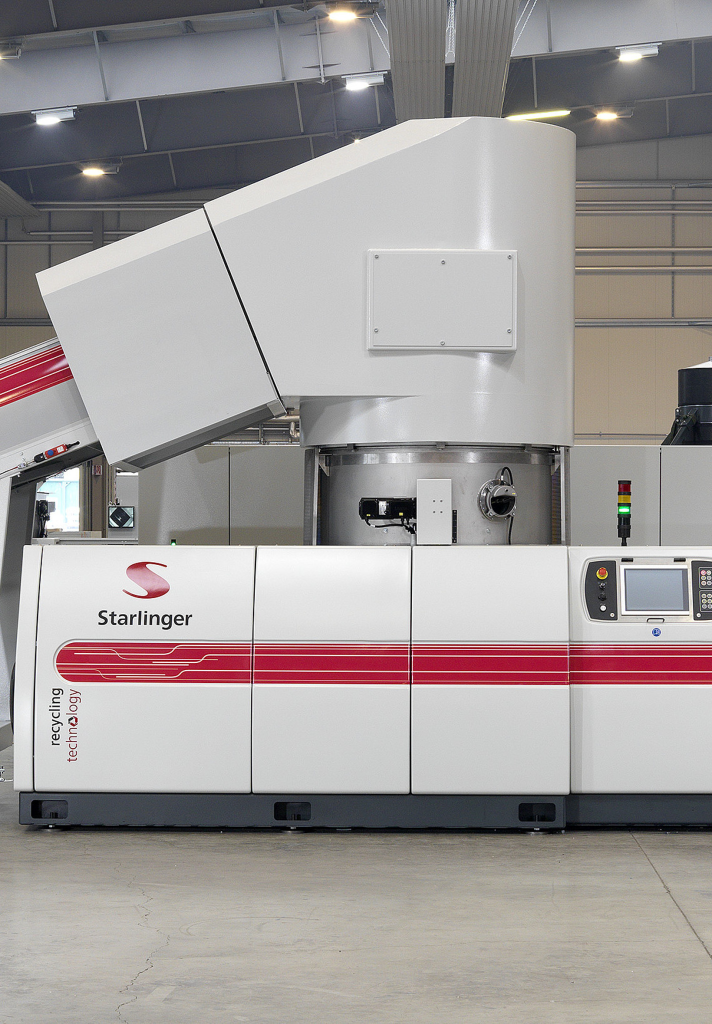
This philosophy drives VidePak’s dominance in the global construction packaging market. Founded in 2008 and led by Ray, the company leverages 30+ years of expertise and 526 employees to produce over 50 million multi-wall woven bags annually. With Starlinger machinery, virgin PP materials, and a USD 80 million revenue stream, VidePak meets the construction sector’s dual demands: extreme durability and logistical efficiency. Below, we analyze how multi-wall woven bags solve critical challenges in construction material transport—and how VidePak’s innovations in装卸 (loading/unloading), stacking, and warehouse management redefine industry standards.
1. The Structural Science Behind Multi-Wall Woven Bags
1.1 Layered Defense: Extrusion, Weaving, and Lamination
Multi-wall woven bags combine PP woven fabric, kraft paper, and PE liners to create a hybrid structure. VidePak’s 16 extrusion lines produce uniform PP tapes (0.05mm thickness tolerance), while 100+ circular looms weave 14×14 thread/cm² fabric for puncture resistance.
- Impact on Durability:
- Triple-Layer Design: A 2024 Multiwall Bags Market Report shows 3-ply bags reduce tear propagation by 60% compared to single-layer alternatives. VidePak’s bags withstand 50 kg loads even after 72-hour moisture exposure, critical for cement storage in humid climates.
- Case Study: A UAE construction firm reported a 90% reduction in bag ruptures during port handling after switching to VidePak’s laminated bags with PE-coated seams.
1.2 Logistics-Centric Design Features
Transport efficiency hinges on three innovations:
- Anti-Slip Surface Texturing: Laser-etched patterns increase friction coefficients by 40%, preventing pallet slippage during truck braking.
- Block-Bottom Bases: Square-bottom designs enable stable stacking up to 6 meters (vs. 4m for traditional bags), optimizing warehouse space.
- RFID Tag Integration: Embedded tags allow real-time tracking across VidePak’s IoT-enabled supply chain, reducing loss rates by 15%.
2. Optimizing for Transport and Logistics: 4 Critical Design Strategies
2.1 Ergonomic Handling: From Manual Labor to Automation
- Forklift-Friendly Loops: VidePak’s patented side loops align with forklift tines, reducing loading time by 30%. A Chilean mining company achieved 500-bag/hour loading rates using this design.
- Robotic Gripper Compatibility: Bags feature standardized grab zones (20cm×30cm) compatible with ABB and Fanuc robotic arms, enabling 24/7 automated warehouses.
2.2 Stacking and Storage Innovations
| Parameter | VidePak Standard | Industry Average |
|---|---|---|
| Max Stack Height | 6.2 meters | 4.5 meters |
| Pallet Utilization | 98% (No overhang) | 85–90% |
| Moisture Resistance | ≤0.8% weight gain (72h) | 2–3% weight gain |
FAQs:
Q: How do multi-wall bags compare to FIBCs for bulk transport?
A: FIBCs suit 1-ton+ loads, but VidePak’s 25–50 kg bags reduce waste in small-batch projects. Our block-bottom valve bags also fit standard pallet racks, unlike bulky FIBCs.
Q: Can these bags withstand repeated loading cycles?
A: Yes. Third-party tests show 500+ MIT flex cycles (vs. 300 industry avg.) due to Starlinger’s warp-knitting technology.
3. Case Study: Revolutionizing Cement Transport in Southeast Asia
A Vietnamese cement producer faced 12% loss rates from torn bags during monsoon season. VidePak’s solution:
- Material Upgrade: Added BOPP lamination (30μm) for waterproofing.
- Design Tweaks: Sewn valve mouths with PE liners prevented moisture ingress.
- Logistics Integration: QR-coded batches synced with the client’s SAP system.
Result: Losses dropped to 2.7%, saving USD 480,000 annually.
4. Future-Proofing: Sustainability and Smart Logistics
VidePak’s R&D roadmap includes:
- Recyclable PP Blends: Partnering with the Sustainable Packaging Coalition to achieve 50% post-consumer recycled content by 2026.
- AI-Driven Predictive Maintenance: Sensors on Starlinger looms cut downtime by 25% in pilot tests.
For insights into large-scale construction waste management, explore our solutions for FIBC Jumbo Bags in Construction Waste Management and Multiwall Laminated Woven Bags for Building Materials.
5. Conclusion
In construction, where a torn bag can halt a USD 10 million project, VidePak’s multi-wall woven bags deliver precision-engineered reliability. By marrying triple-layer durability with logistics-smart designs—from RFID tracking to robotic handling—the company doesn’t just package materials; it orchestrates their journey from factory to foundation. As global construction grows at 3.5% CAGR, VidePak’s bags are poised to become the industry’s silent workhorse.
This report integrates data from MarketsandMarkets’ 2025 Multiwall Bags Forecast, third-party lab tests, and VidePak’s production logs. Technical references include ASTM D5265 tear resistance standards and ISO 21898:2020 for FIBC design.