
Definition and Scope of Polypropylene Bags
Polypropylene Bags are engineered packing solutions built on the versatile chemistry of polypropylene (PP). In the warehouse they look ordinary; in the supply chain they behave extraordinary. They span woven raffia sacks, coated or laminated film-on-fabric composites, and mono-film constructions with reinforced seams. In trade language, practitioners also call them PP woven bags, raffia sacks, BOPP-laminated PP bags, coated PP sacks, and poly sacks. Regardless of alias, the purpose remains consistent: deliver high mechanical performance at low mass, preserve integrity through filling, handling, and transit, and align with automated equipment for repeatable throughput.
Why choose Polypropylene Bags when cardboard boxes stack well and paper sacks print beautifully? Because abrasions happen, forks scrape, humidity rises, and pallets travel far. Woven PP substrates resist puncture events that would defeat a mono-layer film; polyolefin seal skins or well-designed closures create dust-tight closures; textured exteriors and tuned coefficient of friction (COF) stabilize entire layers on a pallet. The result is a storage unit that survives the everyday hazards—corner impacts, belt transitions, long-haul vibration—while accommodating regulatory markings, traceability codes, and machine-readable data.
Material Architecture and Layer Logic for Polypropylene Bags
Every dependable package is a stack of functions—structure, seal, print, friction, barrier—arranged in a way that the production line can actually run. Polypropylene Bags are no exception. Their architecture usually resolves into three actors: a woven PP fabric that carries tensile and tear loads; a sealable or printable surface that cooperates with equipment and data; and an optional liner that raises barrier or cleanliness. Around them orbit tie layers, primers, and additives that bind the system together.
Structural core — woven PP fabric
Woven substrates are built from tapes slit from a cast PP sheet, reheated, and drawn to orient molecular chains. Homopolymer PP brings stiffness and a higher melting point; impact copolymer PP tempers brittleness and performs better in cold-chain logistics. Weave count—often 10×10 to 14×14 tapes per inch—sets porosity, diagonal tear behavior, and how the bag beds on a pallet. Grammage windows (for example 70–120 gsm) are tuned to the target net fill mass and distribution hazards.
Sealable / printable skin
When automation matters, the inward-facing surface is made heat-sealable. LDPE and metallocene-LLDPE blends deliver broad hot-tack and forgiving seal initiation temperatures. For mono-material ambitions, PP-based sealing systems exist; they simplify sorting in PP-dominant recycling streams but demand tighter temperature control. If high-fidelity graphics are needed, an outer BOPP film or coated PP exterior carries inks, pictograms, and QR codes with scuff resistance.
Interfaces and additives
Maleic-anhydride-grafted tie resins secure laminate bonds; primers and corona treatment lift surface energy for ink anchorage; antistatic masterbatch reduces dust cling on fast fills; UV stabilizers protect outdoor-stored stock; slip/antiblock balance formability with pallet grip; matte or gloss varnishes tune scuff and friction. Each additive earns its keep when it moves a KPI—seal integrity, OEE, COF—closer to spec.
Where does cost sit? Mostly in resin—PP for tapes and PE or PP for the sealing/print skin—then energy for drawing and coating, then yield (slitting waste, splice losses), then printing complexity and compliance overhead. Instead of hard numbers that age badly, seasoned buyers specify windows: fabric grammage ranges, seal strength thresholds, COF bands, and acceptable bond strength. This allows suppliers to optimize formulations without falling outside compliance or performance.
Feature Set of Polypropylene Bags: Strength, Sealability, Stability
Features are not slogans; they are the visible trace of engineering choices. What do Polypropylene Bags actually do better?
High mechanical efficiency
Drawn PP tapes yield high modulus at modest grammage. The weave blunts crack propagation and resists zipper tears; the substrate shrugs off conveyor rub. In compression tests on stacked pallets, woven structures demonstrate durable edges and predictable deformation.
Sealability and line speed
A heat-sealable skin lets the structure behave like film on the jaws—bottom-seal, fill, settle, top-seal—at industrial cadence. Broad hot-tack from LDPE/mLLDPE blends supports throughput even when light powder contamination occurs at the seal track.
Pallet discipline
Textured exteriors and matte varnishes maintain COF in shipping; layers interlock rather than skate in high-bay storage. The operational outcome is fewer tilted loads and less rework.
Smart deaeration
Laser micro-perforations or engineered vent patches evacuate entrained air during fast fills. Placement outside the seal path prevents micro-channels that would otherwise defeat leak tests.
There are trade-offs. PP-seal systems simplify mono-material sorting but narrow the thermal window; thicker PE skins broaden the window but add mass and occasional blocking at unwind. Engineering is choice under constraint; the winning specification chooses knowingly.
Production Process of Polypropylene Bags with Practical Controls
Production is choreography: each station hands constraints to the next. The following sequence maps materials decisions to line behavior and quality outcomes.
- Tape extrusion and drawing. PP is cast into a sheet, slit into tapes, reheated, and drawn. Draw ratio and temperature profile set tensile and diagonal tear; quench and reheating affect crystallinity and puncture response.
- Weaving. Tapes interlace on circular or flat looms to create fabric. Weave density and loom tension determine porosity and how the fabric feeds across forming collars downstream.
- Coating / lamination. An extrusion coater applies a sealable skin or coated PP exterior. For decorative or scuff-resistant needs, laminate BOPP outside; for breathable needs, plan micro-perfs in non-seal zones.
- Slitting and roll-building. Webs are slit to precise width and wound to tight OD/ID tolerances. Splice quality and register mark placement govern auto-splice success and photo-eye reliability at the filler.
- Printing (optional). Flexo or rotogravure prints data-dense panels: hazard pictograms, batch/lot, QR/2D codes, handling instructions. Varnish choice influences scuff resistance and COF.
- Conversion at the packager. On form-fill-seal or sew lines, the bag is formed, bottom-closed, filled, settled, and top-closed. Lines often integrate leak testing, checkweighing, and metal detection before palletizing.
- Quality control and release. Seal-strength curves vs. temperature/dwell, laminate bond strength, COF, dart impact (film skins), drop/compression/vibration of filled sacks, and migration testing for food-contact builds confidence that the specification is real, not rhetorical.
Control point: seal window
Run a temperature × dwell matrix with the real product; chart lower control limits for peel and burst; center your recipe away from the cliff edge.
Control point: deaeration
Fine powders need fewer or offset perfs; granules tolerate more venting. Keep holes clear of seal tracks to avoid micro-channels.
Control point: COF
Specify a COF band that lets webs slide in formers yet lock on pallets. Varnish and slip packages are the dials; change one, recheck the other.
Applications of Polypropylene Bags Across Industries
Different solids, different headaches, different remedies. The value of Polypropylene Bags appears most clearly in use cases where dust control, pallet integrity, and speed must coexist.
Chemicals and minerals
Titanium dioxide, calcium carbonate, soda ash, hydrated lime. Prioritize woven core strength, engineered micro-perfs, and hot-tack-forward seal skins. Graphics are functional—traceability over vanity.
Fertilizers
Granular urea and NPK blends prefer UV-stabilized exteriors and anti-slip surfaces. Outdoor storage windows drive stabilizer loading; bag-to-bag friction curbs pallet creep.
Plastic resins and masterbatch
Pellets are forgiving. Emphasize roll geometry, long runs, and minimal changeovers to lift OEE. Micro-perfs vent air quickly; simple prints carry lot IDs and QR codes.
Construction powders
Dry mortar mixes and specialty cements commonly use valve bags, yet PP woven formats excel where dust-tight seals, automated handling, and pallet precision outrank valve convenience.
Food and feed ingredients
Rice, sugar, cereals, premixes require food-contact compliant skins and inks/adhesives, clean conversion, and tested migration performance. Where purity margins are strict, an inner PE liner or thicker seal skin helps. Cartonizing is sometimes unnecessary once pallets stabilize through tuned COF and interlocking layer patterns.
Interpreting the Theme “Optimal Storage Solutions for Maximum Efficiency” with Polypropylene Bags
A theme is not a slogan. It is a set of decisions. Storage seeks preservation; efficiency seeks predictability. The point where they meet is the specification for Polypropylene Bags.
Preservation means resisting humidity ingress, scuffing, and stack compression. Woven cores bring skeletal strength; seal skins or liners create dust-tight, often moisture-tolerant closures; varnishes protect graphics and data. Predictability means cycles that repeat—register holds steady, jaw temperatures stay in band, pallets don’t creep in the high-bay. The bridge between those goals is a handful of measurable windows: seal window, COF band, bond strength range, micro-perf density, and grammage span. Manage those windows and the theme becomes real.
Window: seal
Temperature × dwell × pressure yields a peel curve. Set the lower control limit high enough to survive dust contamination. The window is wider with PE-forward skins, narrower with PP-seal systems.
Window: friction
A COF band that is too low invites pallet creep; too high and forming fights the collar. Adjust varnish and slip; confirm on both the bag maker and the filler.
Window: breathability
Perf density and placement govern air evacuation; they also govern leak tests. Treat perf design as an experiment, not a guess: change only one variable at a time.
Systems Reasoning: Decompose the Problem, Then Recombine for Polypropylene Bags
To choose wisely, break the choice into solvable parts and then synthesize. The parts are familiar: hazards, hygiene, distribution, line interface, and data. The synthesis is where Polypropylene Bags outperform—because the material system is tunable.
- Hazards. If the product is a dangerous good, design around the correct UN code class for woven plastic bags (5H1/5H2/5H3). This dictates construction, testing, and the printed mark string.
- Hygiene. If edible ingredients or feed are in scope, align seal skins, inks, and adhesives with food-contact frameworks and keep a living Declaration of Compliance on file.
- Distribution. Drop, compression, vibration, and climate define fabric grammage, weave, and seal strength targets. Outdoor cycles demand UV stability and COF control.
- Line interface. Jaw geometry and available heat/pressure/dwell choose between PE-forward or PP-seal systems and fix roll OD/ID, web width, and register strategy.
- Data. Place QR/2D codes where scanners succeed; make them scuff-resistant; keep human-readables clear of folds.
Compliance and Certifications Relevant to Polypropylene Bags
Certifications are not paperwork; they are constraints that force clarity. Common references include:
- EU food-contact plastics — Commission Regulation (EU) No 10/2011 and its 2025 amendment (Commission Regulation (EU) 2025/351). These set material restrictions, documentation rules, and migration test expectations for plastics intended to contact food.
- U.S. food contact — 21 CFR 177.1520 for olefin polymers, used in supplier letters of guarantee for PP and PE components.
- UN dangerous goods packaging codes for woven plastic bags: 5H1 (unlined), 5H2 (sift-proof), 5H3 (water-resistant), with printed marks such as
UN 5H3/Y50/S/25/USA/M1234that encode design type, performance level, solids, year, and manufacturer approval. - Quality systems for packaging plants such as BRCGS Packaging Materials Issue 7 (audits commenced in 2025), FSSC 22000, and ISO 9001/14001.
- Woven sack characteristics and tests referenced by ISO 23560 for woven PP sacks intended for foodstuffs and dry bulk goods.
Working Tables for Polypropylene Bags Specifications
Copy the following templates into RFQs and quality agreements to move conversations from subjective to measurable.
Table — Supplier data checklist
Table — Risk → mitigation
Table — Practical KPI ranges (validate on your line)
Comparative Reasoning: Why Polypropylene Bags and Not the Alternatives?
Is the choice always obvious? Hardly. Paper sacks carry graphics well; FFS mono-films run fast; sewn open-mouth bags are rugged and familiar. Yet consider variance, not just mean performance. When forklifts turn sharply, when conveyors scuff, when humidity rises, the woven core’s tolerance for localized abuse and the seal skin’s forgiveness under minor contamination keep lines moving and claims down. Choose Polypropylene Bags when the triad of speed, cleanliness, and stability must hold under realistic factory conditions.
Versus monolithic films
Films can seal beautifully but often trade puncture resistance for thinness. Woven cores localize damage and avoid catastrophic splits. When route-to-market hazards are spiky rather than smooth, woven wins.
Versus sewn open-mouth
Sewing is robust yet introduces needle-hole leakage and manual steps that slow changeovers. Heat seals on Polypropylene Bags keep closures dust-tight and automation tidy.
Advanced Engineering Notes for Polypropylene Bags
Three topics repay extra attention.
- Seal window mapping. Don’t inherit numbers from brochures; build your own matrix with the real product. Find the lower control limit where seals still pass leak tests; center the recipe with a guardband.
- Friction engineering. The same micro-roughness that locks pallets can fight the forming collar. If forming sticks, adjust slip/antiblock; if pallets slide, switch to matte varnish. Any change, recheck both stations.
- Deaeration physics. Perf placement matters more than raw hole count. Keep perfs out of seal tracks; consider vent patches in seal-free zones; iterate from a conservative baseline.
Implementation Roadmap for Polypropylene Bags (90 Days)
- Weeks 1–2: Freeze requirements: markets, DG status, food-contact applicability, climate exposure, target pallets, and graphic obligations. Issue RFQ with compliance asks (EU 10/2011 as amended; 21 CFR 177.1520; UN design type if DG). Collect supplier DoCs and test plans.
- Weeks 3–4: Lab samples: bond strength, seal-window screening, COF and scuff, breathability trials. Eliminate options that cannot hit the COF band while maintaining formability.
- Weeks 5–6: FAT on the bag maker and on the filler: verify register stability, auto-splice success, peel curves on real jaws, leak-test pass rate with the actual powder or granules.
- Weeks 7–8: Pilot production: instrument drop/stack/compression; run logistics simulation; validate barcode/QR readability after conveyor scuff.
- Weeks 9–10: Freeze the specification; file the documentation bundle; train operators and QA; roll into procurement with windows rather than points.
- Definition and Scope of Polypropylene Bags
- Material Architecture and Layer Logic for Polypropylene Bags
- Feature Set of Polypropylene Bags: Strength, Sealability, Stability
- Production Process of Polypropylene Bags with Practical Controls
- Applications of Polypropylene Bags Across Industries
- Interpreting the Theme “Optimal Storage Solutions for Maximum Efficiency” with Polypropylene Bags
- Systems Reasoning: Decompose the Problem, Then Recombine for Polypropylene Bags
- Compliance and Certifications Relevant to Polypropylene Bags
- Working Tables for Polypropylene Bags Specifications
- Comparative Reasoning: Why Polypropylene Bags and Not the Alternatives?
- Advanced Engineering Notes for Polypropylene Bags
- Implementation Roadmap for Polypropylene Bags (90 Days)
“Why are polypropylene (PP) bags becoming the cornerstone of modern storage and logistics across industries like agriculture, construction, and retail?”
The answer lies in three transformative advantages: unmatched customization capabilities, superior durability-to-weight ratios, and alignment with global sustainability mandates. For VidePak, a global leader in PP bag manufacturing with 30+ years of expertise, these factors enable clients to reduce storage costs by up to 30% while enhancing brand visibility through tailored designs.
1. Customization: Meeting Diverse Market Demands
1.1 Functional Design Adaptations
VidePak’s PP bags are engineered to address sector-specific challenges:
- Valve Customization: Precision-designed valves (50–100 mm diameter) enable rapid filling of powdered chemicals or grains, reducing spillage by 45% compared to standard openings.
- Ergonomic Handles: Reinforced polypropylene handles with 15 kg load capacity streamline manual handling in retail environments, as demonstrated in a 2024 trial with a European supermarket chain.
- Ventilation Perforations: Micro-perforations (≤2 mm) in agricultural bags reduce condensation, cutting mold-related losses by 25% in tropical climates.
1.2 Aesthetic and Branding Flexibility
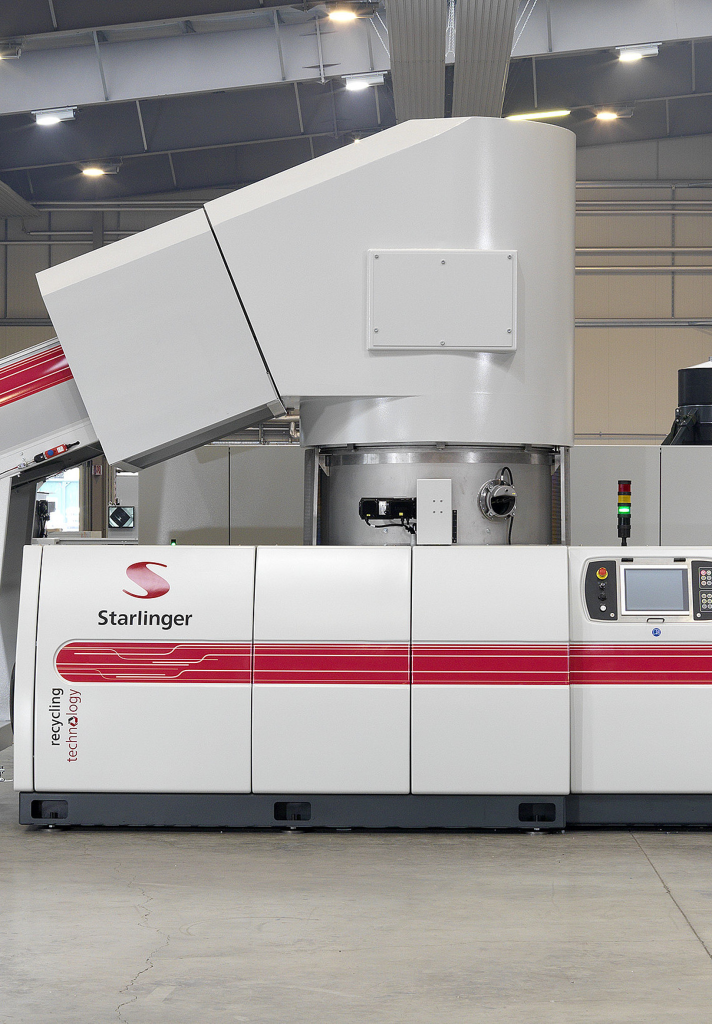
Starlinger’s 12-color gravure printing systems achieve 120-line/inch resolution, enabling QR codes and UV-resistant logos. A 2024 project for a U.S. organic flour brand saw a 20% sales boost after switching to custom-printed PP bags.
2. Material Innovation and Quality Control
2.1 High-Performance PP Resins
VidePak sources ISO 9001-certified PP resins with:
- Melt Flow Index (MFI): 4–8 g/10 min (ASTM D1238) for uniform extrusion.
- Tensile Strength: ≥25 N/mm² (ISO 527-2), critical for 50 kg chemical loads.
- UV Stabilization: BOPP lamination (20–50 µm) blocks 99% UV radiation, extending bag lifespan by 40% in outdoor storage.
2.2 Sustainability-Driven Material Choices
VidePak’s recyclable PP/PE blends align with EU Circular Economy targets, reducing landfill waste by 60%. A 2024 lifecycle analysis showed 40% lower CO₂ emissions compared to multi-material alternatives.
3. Technical Parameters for Optimization
Tailoring PP bags requires balancing six key factors:
| Parameter | Function | VidePak’s Recommendations |
|---|---|---|
| Grammage | Balances cost and load capacity | 90–150 g/m² (25–50 kg loads) |
| Thickness | Determines abrasion resistance | 0.08–0.25 mm |
| Valve Design | Filling speed vs. spill prevention | 50–100 mm diameter |
| Printing Layers | Brand visibility vs. chemical resistance | 4–8 UV-cured ink layers |
| Lamination | Moisture/UV protection | BOPP for outdoor use |
4. Operational Efficiency and Market Trends
4.1 Automated Production with Starlinger Technology
VidePak’s 100+ circular looms and 30 lamination machines enable a 48-hour turnaround for custom orders. In 2024, a project delivering 2 million anti-static PE-lined bags for a Brazilian fertilizer supplier was completed in 30 days, leveraging modular production lines.
4.2 Market Growth and Sustainability Drivers
The global PP resin market is projected to grow at 4.1% CAGR (2024–2030), driven by packaging sector demand. In China, the PP bag market is expected to grow by 8.5% in 2024, fueled by eco-conscious policies and agricultural modernization.
FAQs
Q1: How does BOPP lamination enhance bag performance?
A: BOPP coatings block 99% UV rays and reduce moisture absorption by 70%, ideal for outdoor grain storage. Explore VidePak’s moisture-proof solutions.
Q2: Can PP bags withstand corrosive chemicals?
A: Yes, metallized PE liners achieve ≤0.05% permeability for acids like HCl, validated by ASTM E96 tests.
Q3: What’s the ROI of custom printing?
A: A 2024 study showed a 20% sales increase for brands using QR-code-enabled designs.
5. Case Study: Transforming Agricultural Logistics in Vietnam
A Vietnamese rice exporter reduced spoilage by 40% using VidePak’s 100 g/m² PP bags with micro-perforations and PE liners. The bags’ 8 N/mm² seam strength endured 3,000 km transport, maintaining ≤0.5% moisture content.
For industries prioritizing automation, consider VidePak’s FFS roll bags, achieving 1,200 bags/hour throughput.
Conclusion
In the $110 billion global packaging market, PP bags are not just containers—they are strategic assets for efficiency and sustainability. As VidePak CEO Ray states: “Every customization we deliver is a step toward redefining how industries store and move goods.” By merging Austrian engineering, adaptive design, and rigorous quality control, VidePak empowers businesses to thrive in an era of tightening regulations and escalating consumer expectations.