
What are Valve Bags? (Definition, common aliases, everyday problems they solve)
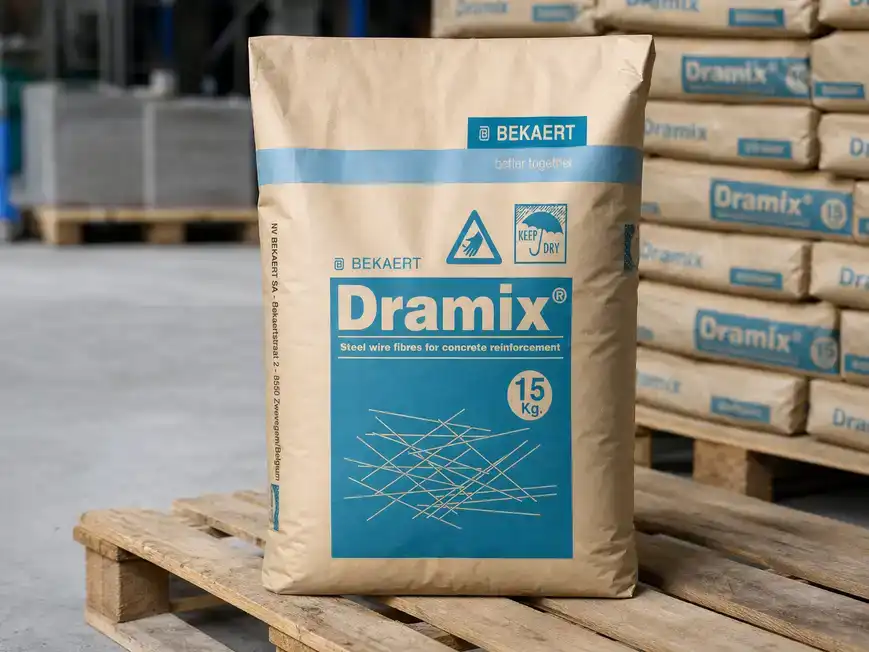
In industrial packaging, Valve Bags are engineered sacks that incorporate a short, self-closing sleeve—known as the valve—near the top corner. During filling, the sleeve couples to a packer spout; as the powder or granular product enters, internal pressure and product friction push the flap into place, helping the opening close without a separate sewing step. This simple idea yields outsized value: faster fills, less airborne dust, neater stacks, and fewer hands on the line. Whether you call them Block-bottom valve sacks, Square-bottom PP valve bags, Pasted valve bags, Valve-type woven PP bags, Paper–poly composite valve bags, BOPP valve bags, or Polyethylene (PE) valve bags, the logic is shared—a compact valve geometry that trades manual closure for mechanical efficiency.
Callout – Why operations teams gravitate toward Valve Bags: faster dosing and closing on powders; cleaner floors and air; brick-like pallets; durable print faces; fewer rewraps in transit.
Ask yourself: if a packaging choice can shave seconds off every bag, reduce dust complaints, and stabilize pallets, wouldn’t that be worth more than a few cents of material? That is the proposition of Valve Bags—particularly PP Woven Valve Bags, Paper‑laminated PP Valve Bags, BOPP Valve Bags, and Coextruded Polyethylene Valve Bags—when they are specified with care and produced on consistent equipment.
What are Valve Bags made of? (Materials, properties, costs, and architecture)
Not all Valve Bags look or behave the same. The material stack is selected to match product behavior (particle size distribution, angle of repose, hygroscopicity), climatic exposure (humidity, UV; blistering heat or bitter cold), regulatory context (food contact, antistatic), and plant realities (available closures, packer spout diameter, desired line speed). The following families are the workhorses behind modern Valve Bags programs.
1) Multiwall Kraft Paper Valve Bags
- Where the paper sits: multiple kraft plies (often 2–4) form the outer and inner faces; a paper sleeve creates the valve in pasted formats.
- What kraft brings: high print fidelity and a natural, tactile finish; stiff panels that help bags stand and stack; excellent runnability on pasting and bottoming lines.
- Cost & trade‑offs: broadly economical yet humidity‑sensitive; coatings or composite reinforcements may be needed for wet lanes or abrasive handling.
- Common add‑ons: PE coatings for moisture moderation; hot‑melt patches strengthening the valve region.
2) PP Woven Valve Bags
- Where the woven fabric sits: a tubular shell woven from mono‑oriented PP tapes; the valve sleeve may be paper, PE‑coated paper, or synthetic.
- What woven PP brings: outstanding tensile/tear strength at low basis weight; abrasion resistance for long transport routes; tunable breathability via mesh and micro‑perforation.
- Cost: resin prices move with petrochemical cycles; uncoated PP is recyclable in PP streams; coatings/laminations affect pathways.
- Common upgrades: BOPP valve bags with reverse‑printed films for high‑fidelity branding; anti‑slip stripes; UV stabilizers.
3) Paper‑Laminated PP Valve Bags
- Layer positions: printable kraft outer laminated to a woven PP core via extrusion coat or adhesive tie; a thin inner PE layer enhances heat‑sealing and reduces sifting.
- Why this composite: the appearance and ink hold‑out of paper, the mechanical spine of woven PP, and the sealability of thin thermoplastic films.
- Cost: higher converting complexity than single‑material sacks but a strong fit for retail‑visible brands needing ruggedness plus premium graphics.
4) Coextruded Polyethylene Valve Bags
- Where the film sits: a co‑extruded PE tube or gusseted film with multilayer structure (e.g., HDPE/LLDPE) forms the body; the valve sleeve is integrated or attached.
- What coex films bring: excellent moisture control, robust seals, and flexible toughness.
- Trade‑offs: terrific for free‑flowing pellets; powders demand engineered venting (laser micro‑perfs, breathable panels) to avoid “pillow” effects.
5) BOPP PP Valve Bags
- Layer role: a thin BOPP film (often 12–20 µm) laminated as the outer face on woven PP or paper lamination.
- Value: high‑gloss, scuff‑resistant surfaces for 600‑DPI‑class graphics; moisture moderation; reverse printing that protects ink under the film.
- Why choose it: brand durability, QR readability, and wipe‑clean surfaces for food/feed use.
Caution: Do not over‑engineer barrier. Excessive coatings slow deaeration, reducing fill speed and raising reject rates. In Valve Bags, breathability and barrier must be tuned together.
What are the key features of Valve Bags? (From dust control to pallet efficiency)
The “feature list” is really a blueprint for solving recurring plant headaches: dust storms at the filler, slow dosing, seam sifting, unstable pallets, smudged labels, and painful changeovers. The signature characteristics of Valve Bags have emerged from years of trial and error across cement, gypsum, flour, starch, fertilizers, chemicals, and plastic pellets.
- Self‑closing valve geometry: couples to standard packer spouts, then closes under product pressure; fewer manual steps, less dust, better hygiene.
- Block‑bottom (square) stance: brick‑like pallets with improved cube efficiency; safer stacks; tidy corners.
- Micro‑perforation & venting maps: engineered release of trapped air on powder fills; faster fill cycles without “ballooning.”
- Heat/sonic closures: consistent, sift‑proof ends without sewing yarns—ideal for hygiene‑sensitive lines.
- Moisture management: BOPP laminations and PE coats curb MVTR; add only what’s needed for the climate route.
- Brand‑grade print faces: reverse‑printed BOPP or high‑hold‑out kraft keeps barcodes and QR crisp through rough handling.
- Ergonomic touches: easy‑carry handles, tear tapes, reinforced corners—small details that reduce worker strain and consumer frustration.
Rule of thumb: For powders, choose PP Woven Valve Bags or Paper‑laminated PP Valve Bags with defined vent maps; for pellets, Coextruded Polyethylene Valve Bags or BOPP Valve Bags with focused seal integrity are often best.
How are Valve Bags produced? (From incoming materials to finished-goods inspection)
A robust Valve Bags program begins with disciplined input control and ends with predictable pallet performance. The best results come when raw materials are verified, conversion sequences are stable, and equipment tolerances remain tight under real‑world speeds. VidePak anchors production with Austrian Starlinger systems for extrusion, weaving, coating/lamination, and block‑bottom conversion, and with German W&H (Windmöller & Hölscher) presses and converting lines for high‑register printing and sealing. The pairing minimizes variation where it starts—at the machine interface—so seams, prints, and valve sleeves stay within spec while output stays fast.
Upstream: raw‑material selection & inspection
- Virgin resin policy: use 100% virgin PP for woven structures; food‑grade when required; COA‑backed masterbatches for UV, antistat, slip.
- Papers: bleached or unbleached kraft (60–100 g/m² per ply) humidity‑conditioned to keep register consistent during printing and bottoming.
- Films & coatings: lot‑tracked BOPP and PE; thickness, haze, and coefficient of friction (COF) sampled to spec.
- Incoming QC: COA review, MFI checks for resins, basis weight and caliper for paper, tensile and visual on fabrics and films.
Extrusion & tape drawing (for PP woven systems)
- Resin melts and is cast as film; slitting yields narrow tapes.
- Hot draw orients tapes for tenacity; denier, elongation, and appearance are monitored.
Weaving & coating/lamination
- Circular looms produce tubular fabric; mesh density and GSM tune breathability and strength.
- Extrusion coating or lamination adds PE/PP or BOPP; coat weights and bond strengths are sampled.
Printing & conversion to valve geometry
- Flexo/gravure print on W&H presses; register, color density, and rub resistance are controlled.
- Block‑bottom formation: creasing, folding, pasting or welding; valve sleeve insertion with adhesive or welds.
- Top finishing: heat sealing or ultrasonic sealing for sift‑proof closures.
End‑of‑line inspection & testing
- Dimensional checks: bag length/width, valve mouth OD, bottom geometry.
- Physical tests: drop, tensile/tear, seam integrity, MVTR samples for laminated structures.
- AQL sampling and traceability via QR/lot codes.
Equipment note: Starlinger (Austria) for extrusion, weaving, coating/lamination, and block‑bottom conversion; W&H (Germany) for precision printing and converting. The combination underwrites consistent geometry, stable seals, and crisp graphics at speed.
Where do Valve Bags excel? (Applications & matching logic)
Applications for Valve Bags are broad, but the winning pattern repeats: fast filling, low dust, strong stacks, and readable brands. Below are common matches.
| Product | Recommended Construction | Valve & Closure | Notes |
|---|---|---|---|
| Cement, mortar, gypsum | PP Woven Valve Bags or Paper‑laminated PP Valve Bags with micro‑perfs | Synthetic sleeve; ultrasonic sealing | Venting is vital; block‑bottom for pallet cube |
| Flour, starch, sugar; premixes/feed | Paper‑laminated PP or BOPP Valve Bags with food‑grade inner coats | Heat or sonic seal; easy‑open tape | Print clarity and hygiene drive choices |
| Fertilizers & agri‑inputs | UV‑stabilized PP Woven Valve Bags; optional coex liner | Poly‑Lock for remote depots | Anti‑slip stripes for stable pallets |
| Plastic pellets & masterbatch | Coextruded Polyethylene Valve Bags or BOPP Valve Bags | Heat seal focus; high seal strength | Seal integrity is paramount |
| Salts, silica, activated carbon | Depends on dust and moisture; often paper‑laminated PP with BOPP | Sonic sealing with vent maps | Balance barrier vs. breathability |
Anchor for deeper exploration: For a nuanced comparison of paper‑faced woven solutions used in Valve Bags, see this practical guide on kraft paper laminated woven valve bag configurations.
How does VidePak guarantee quality? (Standards, materials, equipment, layered inspection)
Quality is not a slogan; it is a ladder of practices. VidePak’s approach to Valve Bags rests on four pillars: standards‑first procedures, virgin inputs from major producers, best‑in‑class equipment, and layered inspection.
1) Standards‑first production & testing
Methods reference ISO/ASTM/EN/JIS. Typical checkpoints: fabric/film tensile & tear, drop tests on filled sacks, seal tensile, MVTR for laminated stacks, ink rub, COF for stacking stability.
2) 100% new raw materials from major suppliers
Virgin resins, films, papers, and inks with COAs; predictable extrusion and sealability; consistent print performance.
3) Starlinger & W&H equipment backbone
Starlinger for extrusion, tape drawing, weaving, coating/lamination, and block‑bottom conversion; W&H for precision printing and converting. Tight tolerances at speed.
4) Layered inspection regime
Incoming COA checks, in‑process loom stop logs and coat weight checks, print register control, valve sleeve OD audits, seal pull tests, and AQL sampling at finish.
System thinking for Valve Bags (Breaking complex decisions into actionable levers)
Designing Valve Bags is a systems problem: the filling line, product physics, climate route, and retail expectations all pull on the same geometry. The smartest teams decompose the problem into levers, tune each lever, and stitch the results into a single spec pack.
A) Throughput vs. deaeration
Symptoms: bag ballooning, slow dosing, dust blow‑back. Levers: micro‑perforation density and location, fabric GSM/mesh, sleeve cross‑section, block‑bottom pre‑creasing. Aim: a vent map that lets air escape without expelling product.
B) Moisture & caking
Symptoms: clumping, panel waviness, poor stacking. Levers: BOPP lamination, PE coats, coex films, UV stabilizers, stretch‑wrap recipe. Balance barrier with breathability.
C) Pallet stability
Symptoms: leaning pallets, bulging, shifting. Levers: block‑bottom geometry, anti‑slip stripes, COF targets, dimension control, layer‑pad strategy.
D) Brand durability
Symptoms: scuffed ink, unreadable codes. Levers: reverse‑printed BOPP, UV‑resistant inks, overprint varnishes, inline code verification.
E) SKU proliferation vs. changeovers
Symptoms: many small lots, lost minutes at the packer. Levers: shared sleeves, common cut blocks, modular plates, universal pallet patterns, digital art workflows.
Specification tables (Material stacks, valve options, quality controls)
| Construction | Typical Layers | Target Properties | Options |
|---|---|---|---|
| Kraft Paper Pasted Valve Bags | 2–4 kraft plies; optional PE coat; paper sleeve | Printability, cost‑effective strength | Easy‑open tape; moisture‑resistant coats |
| PP Woven Valve Bags | Woven PP tube; optional coat; paper/synthetic sleeve | High tensile/tear; tunable breathability | Micro‑perfs; anti‑slip; UV add‑ons |
| Paper‑Laminated PP Valve Bags | Kraft outer + woven PP core + inner PE | Premium graphics + rugged spine + sealability | BOPP film; sonic sealing; block‑bottom |
| BOPP Valve Bags | Woven PP + reverse‑printed BOPP outer | Moisture moderation, scuff‑resistant graphics | Matte/gloss combos; QR codes |
| Coextruded Polyethylene Valve Bags | Multilayer PE tube; integrated valve | Seal integrity; moisture barrier | Laser vents; antistatic; gussets |
| Valve option | How it works | Best for | Notes |
|---|---|---|---|
| Paper insert sleeve | Frictional seal after fill in pasted formats | Dry powders with modest humidity | Low cost, simple supplies |
| Poly‑Lock | Mechanical lock into the valve mouth | Sites with limited heat sealing | Consistent closure without stitching |
| Tuck‑In | Manual flap insertion to close the mouth | Low‑volume lines or special formats | Labor dependent; re‑closable use |
| Sonic heat sealing | Thermal/ultrasonic energy welds the sleeve | Hygiene‑sensitive, fine powders | Highly sift‑proof; equipment required |
| Attribute | Method | Purpose |
|---|---|---|
| Tensile/tear (fabric/film) | ISO 13934 / ASTM D5035 / ISO 6383 | Shock handling & drop‑event survival |
| Drop tests (filled sacks) | Practice‑based EN/ISO procedures | Validate ends and bottom integrity |
| Seal strength | ASTM F88 tensile / in‑house peel | Prevent sifting and peel‑open |
| MVTR (laminated stacks) | ASTM E96 gravimetric | Moisture management tuning |
| COF (outer face) | ASTM D1894 | Pallet stability and anti‑slip control |
Troubleshooting & root‑cause matrix (For busy plants that need fast answers)
| Symptom | Likely cause | Quick check | Corrective action |
|---|---|---|---|
| Dust at filler | Inadequate venting; sleeve mis‑fit | Visual plume; compare fill times | Add perfs; upsize sleeve ID; verify packer pressure |
| Bags “balloon” and rebound | Barrier too tight; coat weight high | Weigh coat; check perf map | Reduce coat weight; add vents; breathable panels |
| Sifting at seams | Coat too low; seal energy insufficient | Sift test; peel strength | Raise coat; increase dwell/time/temperature |
| Leaning pallets | COF low; dimension drift | COF test; SPC on cut length | Anti‑slip stripes; tighten tolerances; fix pallet pattern |
Comparison snapshot (Valve Bags vs. open‑mouth sacks vs. FFS)
| Dimension | Valve Bags | Open‑mouth sew/heat‑seal | Form‑Fill‑Seal (FFS) |
|---|---|---|---|
| Filling speed | High on powders via self‑closing valves | Moderate; manual steps remain | Very high for pellets |
| Dust control | Strong; closed‑system dosing | Variable; sewing creates leakage paths | Good with vents; otherwise pillow risk |
| Branding | Excellent with BOPP Valve Bags or high‑hold‑out kraft | Good with coated papers | Moderate; optics vary by film |
| Stackability | Best with block‑bottom | Good with gussets | Good but can be pillowy |
Implementation roadmap (From pilot to platform)
- Pilot on one high‑volume SKU; instrument fill time, dust index, reject %, pallet integrity; capture operator feedback.
- Run a design‑of‑experiments sweep on perf density/location, sleeve ID/length, coat weight, and bottom geometry.
- Lock artwork and compliance panels; confirm QR and GS1 formats readable after transport.
- Publish a spec pack: dimensions, valve sleeve, materials, tests, pallet pattern; train operators and record OEE.
- Scale across families with shared sleeves and common cut blocks to reduce changeovers.
- Review quarterly; use complaints and KPI trends to refine perfs, coat weights, sleeve fit, and COF.
Sustainability & end‑of‑life (Clarity without greenwash)
Valve Bags can align with practical sustainability when designed intentionally. Mono‑material PP Woven Valve Bags simplify recycling; paper‑laminated solutions balance brand and mechanics but should be designed for separation or clearly labeled. Reverse‑printed BOPP Valve Bags protect ink, reduce damage waste, and extend bag life—wins that often dwarf marginal weight savings. Sustainability is not just about materials: faster fills, fewer rewraps, and lower reject rates are immediate, measurable reductions in energy and labor.
- Prefer mono‑material designs where possible (PP coat instead of mixed polymers).
- Keep inks and adhesives compliant; retain migration data for food/feed lines.
- Publish a recycling data sheet by SKU; engage local recyclers early.
Case studies (Patterns you can adapt today)
Dry‑mix mortar with fines
Dusty fills, slow cycles. Switch to PP Woven Valve Bags with engineered micro‑perfs, sonic seals, anti‑slip stripes. Result: faster fills, cleaner air, stable pallets.
Premium pet food
Scuffed branding and difficult openings. Move to Paper‑laminated PP Valve Bags with reverse‑printed BOPP and easy‑open tapes. Outcome: reduced returns and happier customers.
Hygroscopic fertilizer
Monsoon exposure caused caking and rewraps. Increase coat weight; add BOPP; UV‑stabilize yarns; adopt pallet rain covers. Pallets hold shape through the season.
Frequently asked questions (Concise answers for common debates)
- Are BOPP Valve Bags food‑safe? Yes—when built with compliant resins, inks, and adhesives and supported by declarations and migration tests.
- Should we use recycled content? For non‑food SKUs, in‑process regrind or PCR PP may be feasible; validate extrusion stability and weld strength.
- Do we need block‑bottom geometry? For neat pallets and retail displays, yes. Gusseted tubes can work for B2B lanes with lower cube pressure.
- Ultrasonic or heat sealing? Ultrasonic yields very consistent closures on fine powders; heat sealing is versatile and ubiquitous. Choose via hygiene and uptime needs.
- What sleeve size fits our packer? Measure spout OD, then trial ±1–2 mm in sleeve ID to find firm engagement without tearing.
Operator SOP excerpts (For consistent days at the bagger)
- Pre‑shift: verify label version; scan the first five Valve Bags for QR readability; measure sleeve ID/length with go/no‑go gauges.
- Hourly: SPC on cut length/width; two seal tensile pulls per hour; visual sweep for frayed edges near the valve.
- End‑of‑lot: retain sample with print strip and sleeve off‑cut; record changeover minutes for OEE.
Design-of-experiments playbook (Optimizing venting without dust)
Goal: shorter fill time with no visible plume and no sifting at 24 hours. Factors: perf density (low/med/high), panel location (front/back/both), sleeve ID (−1/0/+1 mm), coat weight (low/med). Responses: fill time to weight, dust index (optical), rejects %, seal peel strength, 24‑hour sifting mass. Start with a fractional factorial; follow with response surface on top factors.
Total cost of ownership model (Why a cheap bag can be expensive in use)
TCO is more than unit price. It includes fill time, reject rate, housekeeping, pallet damage, and brand returns. A conceptual TCO: TCO ≈ Unit Price + (Fill Time × Labor Rate) + (Rejects × Cost/Bag) + (Rewraps × Wrap Cost) + (Transit Damage × Content Value) + (Cleaning Minutes × Labor Rate). Valve Bags often win on lower rejects, lower cleaning, and faster fills—savings that eclipse small differences in material cost.
Glossary (Short, practical definitions)
- BOPP: biaxially oriented polypropylene, a glossy, scuff‑resistant print film.
- Block‑bottom: square base geometry that stands up and stacks tightly.
- COF: coefficient of friction; governs layer‑to‑layer grip and pallet stability.
- Deaeration: controlled release of air during fill to prevent “ballooning.”
- MVTR: moisture vapor transmission rate; speed of water vapor through the structure.
- Poly‑Lock: mechanical valve closure using a PE flap that locks into the mouth.
Multiwall Paper Valve Bags Manufacturing
Learn about production, structural design and material selection of industrial multiwall paper packaging bags.
Check More →3-4-5 Ply Multiwall Paper Bags
Multi-ply multiwall paper bags with PE liner, introducing material differences and layered structure features.
Check More →Multiwall Paper Bags Pinch Block Bottom
Special structural multiwall paper bags, focusing on bottom design, material configuration and application scenarios.
Check More →Kraft Paper Sacks Product Guide
Complete guide for kraft paper multiwall bags, covering types, structures and raw material differences.
Check More →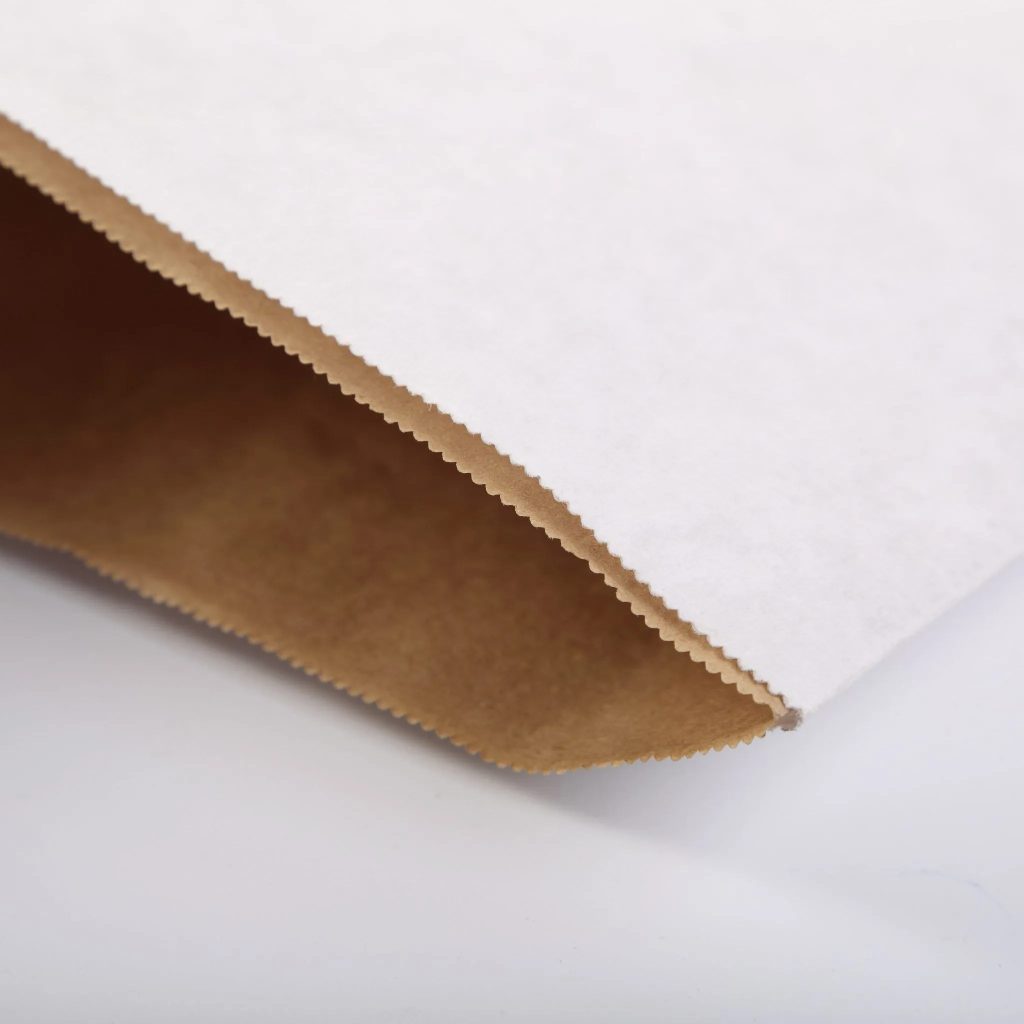
- What are Valve Bags? (Definition, common aliases, everyday problems they solve)
- What are Valve Bags made of? (Materials, properties, costs, and architecture)
- What are the key features of Valve Bags? (From dust control to pallet efficiency)
- How are Valve Bags produced? (From incoming materials to finished-goods inspection)
- Where do Valve Bags excel? (Applications & matching logic)
- How does VidePak guarantee quality? (Standards, materials, equipment, layered inspection)
- System thinking for Valve Bags (Breaking complex decisions into actionable levers)
- Specification tables (Material stacks, valve options, quality controls)
- Troubleshooting & root‑cause matrix (For busy plants that need fast answers)
- Comparison snapshot (Valve Bags vs. open‑mouth sacks vs. FFS)
- Implementation roadmap (From pilot to platform)
- Sustainability & end‑of‑life (Clarity without greenwash)
- Case studies (Patterns you can adapt today)
- Frequently asked questions (Concise answers for common debates)
- Operator SOP excerpts (For consistent days at the bagger)
- Design-of-experiments playbook (Optimizing venting without dust)
- Total cost of ownership model (Why a cheap bag can be expensive in use)
- Glossary (Short, practical definitions)
- Types of Multiwall Paper Bags
- Structure of Multiwall Paper Bags
- Material Types Used in Woven Bags
- Coextrusion Blown Film Process
- Advantages of Multiwall Paper Bags
- Conclusion
- Product Parameters and Key Points
- References
Multiwall Paper Bags have gained significant traction in various industries due to their versatility, strength, and eco-friendliness. These bags are often used for packaging bulk materials like food, chemicals, and construction materials. This article will explore the different types of Multiwall Paper Bags, their structural layers, and the materials used in conjunction with various woven bags, including the unique processes involved in manufacturing them.
Types of Multiwall Paper Bags
Multiwall Paper Bags are designed with multiple layers of paper, providing enhanced strength and durability. The number of layers can vary, typically ranging from two to five or more. Each type serves different purposes based on the specific requirements of the packaged materials.
1. Standard Multiwall Paper Bags
Standard Multiwall Paper Bags are commonly used in packaging applications that require basic protection and structural integrity. They usually consist of two or three layers of kraft paper. The outer layer offers durability and printability, while the inner layers provide additional strength and moisture resistance.
2. Coated Multiwall Paper Bags
Coated Multiwall Paper Bags have a protective coating on the inner or outer surface. This coating can be made from various materials, such as polyethylene (PE) or polypropylene (PP), enhancing the bag’s resistance to moisture and contaminants. These bags are ideal for packaging food products and other sensitive materials.
3. Laminated Multiwall Paper Bags
Laminated Multiwall Paper Bags feature a layer of plastic film bonded to the paper. This laminated layer improves the bag’s barrier properties against moisture, grease, and oxygen. Laminated bags are particularly useful for products that require extended shelf life, such as pet food and bulk grains.
4. Valve Multiwall Paper Bags
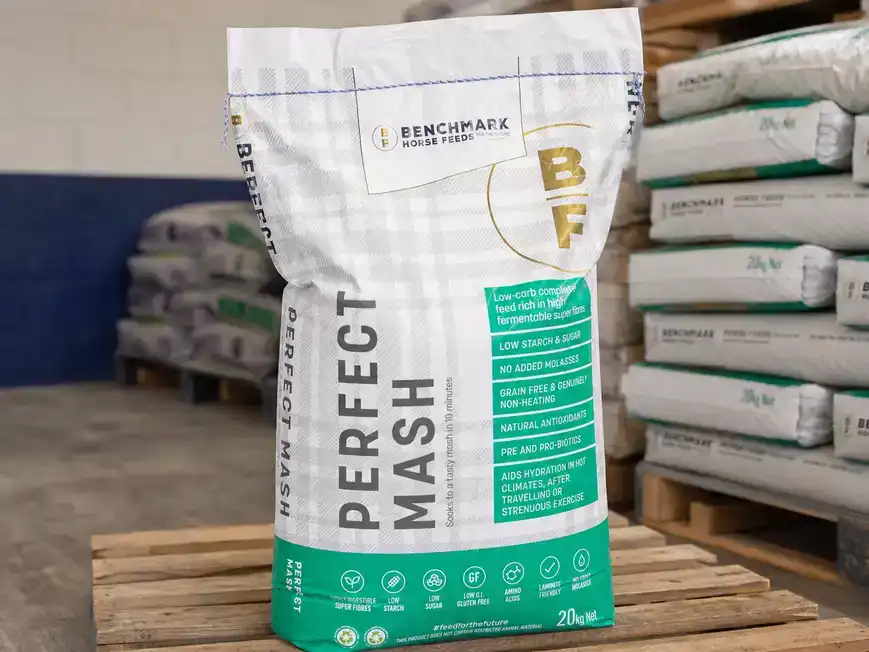
Valve Multiwall Paper Bags are equipped with a filling valve that allows for quick and efficient filling using automated processes. These bags are often used for granular products like fertilizers, chemicals, and grains. The valve design minimizes dust and spillage during filling.
Structure of Multiwall Paper Bags
The structure of Multiwall Paper Bags consists of multiple layers, each serving a specific function:
1. Outer Layer
The outer layer is usually made from high-quality kraft paper, which provides strength and printability. This layer is often used for branding and product information, making it visually appealing.
2. Intermediate Layers
The intermediate layers may vary in composition, depending on the intended use of the bag. Some bags may include additional layers of kraft paper for added strength, while others might use layers of plastic or foil to enhance moisture resistance.
3. Inner Layer
The inner layer is crucial for protecting the contents from moisture and contamination. In coated and laminated bags, this layer is typically made from PE or PP, providing a barrier that keeps the contents safe and extends shelf life.
Material Types Used in Woven Bags
Various materials are used in the production of woven bags, each with distinct properties and manufacturing processes. Understanding these differences is essential for selecting the right packaging solution.
1. Polypropylene (PP)
PP is one of the most commonly used materials in woven bag production. It is lightweight, durable, and resistant to moisture. The production process involves extruding the plastic into thin fibers, which are then woven together to form a strong fabric. Kraft Paper PP Bags often combine the strength of paper with the moisture resistance of polypropylene.
2. Polyethylene (PE)
PE is another widely used plastic in woven bags. It is particularly effective for applications requiring a high degree of moisture protection. Like PP, PE is produced through extrusion, and its flexibility makes it ideal for applications where bags need to be pliable.
3. Polyvinyl Chloride (PVC)
PVC is used less frequently in woven bags due to environmental concerns, but it offers excellent strength and durability. It is often used in specialized applications requiring specific chemical resistance. The production process involves polymerizing vinyl chloride monomer to form a plastic that can be woven or molded.
4. Aluminum Foil
Aluminum foil is sometimes used as a barrier layer in multi-layered bags. It provides an excellent barrier against moisture, oxygen, and light, making it ideal for sensitive products such as pharmaceuticals or specialty foods.
Coextrusion Blown Film Process
The coextrusion blown film process is a significant technological advancement in the manufacturing of multilayer films. This process allows for the production of films that combine various materials into a single structure, enhancing the properties of the final product.
1. Process Overview
In coextrusion, multiple layers of different materials are melted and extruded simultaneously through a single die. The result is a film that combines the strengths of each material, such as moisture resistance from PE and strength from PP.
2. Benefits of Coextrusion
The coextrusion process enables manufacturers to create bags with tailored properties, making them suitable for specific applications. For instance, a bag designed for food packaging can have an inner layer of PE for moisture resistance and an outer layer of kraft paper for branding.
Advantages of Multiwall Paper Bags
Multiwall Paper Bags offer numerous advantages, making them a preferred choice for various industries:
1. Environmental Friendliness
Made primarily from renewable resources, Multiwall Paper Bags are more environmentally friendly compared to plastic alternatives. They are recyclable and biodegradable, reducing environmental impact.
2. Customization
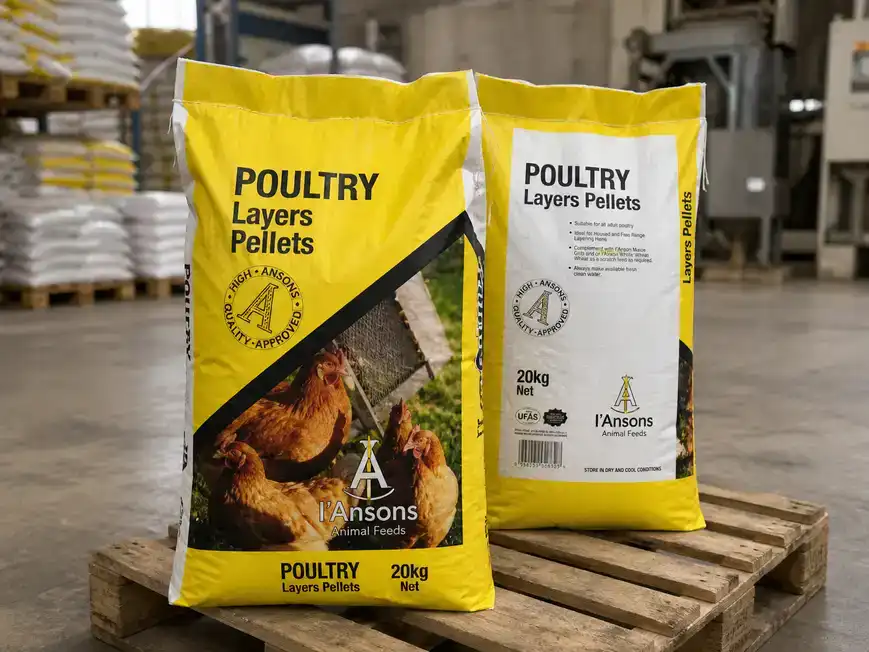
Multiwall Paper Bags can be customized in various ways, including size, shape, print, and structure. This flexibility allows manufacturers to cater to specific market needs, enhancing brand visibility and customer satisfaction.
3. Strength and Durability
The multi-layer construction provides superior strength, making these bags ideal for heavy and bulk products. Their resistance to moisture and tearing ensures that the contents remain protected during storage and transportation.
Conclusion
Multiwall Paper Bags represent a versatile and eco-friendly packaging solution suitable for various applications. Understanding the types of Multiwall Paper Bags and their structural components is essential for manufacturers and consumers alike. Coupled with knowledge of woven bag materials and manufacturing processes, businesses can make informed decisions about their packaging needs. As sustainability continues to gain importance, the demand for Multiwall Paper Bags will likely increase, making them a vital component in the future of packaging.
Product Parameters and Key Points
| Feature/Parameter | Description |
|---|---|
| Types of Multiwall Bags | Standard, Coated, Laminated, Valve |
| Structural Layers | Outer, Intermediate, Inner |
| Materials Used | PP, PE, PVC, Aluminum foil |
| Coextrusion Process | Multi-layer film combining various materials |
| Environmental Impact | Biodegradable and recyclable |
References
- P. J. Smith, “The Role of Multiwall Paper Bags in Sustainable Packaging,” Journal of Packaging Technology, vol. 28, no. 3, pp. 45-57, 2022.
- R. K. Johnson, “Advancements in Woven Bag Materials,” Materials Science Journal, vol. 19, no. 4, pp. 301-310, 2021.
- T. S. Lee, “Coextrusion Techniques in Packaging,” Polymer Processing Journal, vol. 12, no. 2, pp. 89-95, 2020.
- M. A. Brown, “Multiwall Paper Bags: A Comprehensive Review,” Packaging World, vol. 30, no. 6, pp. 60-75, 2023.